
Base preparation is where most Arizona bluestone cobble installations succeed or fail — not at the surface, but three to six inches below it. Knowing how to install bluestone cobbles in Arizona means recognizing that your desert subgrade behaves differently than anything you’d encounter in a temperate climate, and the standard installation manuals rarely account for that. Caliche layers, expansive sandy soils, and temperature swings exceeding 50°F between morning and afternoon all work against a mediocre base. Get those variables right from the start, and your cobble field will perform for decades.
Why Arizona Conditions Change Everything
The desert Southwest isn’t just hotter — it’s thermally aggressive in ways that expose every shortcut in a stone installation. Bluestone cobbles absorb and radiate heat efficiently, which is one of their performance advantages, but that same thermal mass puts real stress on your bedding layer and jointing material through daily expansion cycles. Treat every phase of this installation as climate-specific, not generic.
Surface temperatures on unshaded hardscape in central Arizona routinely exceed 150°F in July and August. That thermal load doesn’t just affect comfort — it drives moisture out of mortar joints and accelerates the degradation of improperly compacted base material. Projects that cut corners on base depth or compaction percentages start showing differential settlement within two to three seasons.
- Thermal cycling between 50°F winter nights and 115°F summer afternoons creates cumulative joint fatigue in under-compacted installations
- Monsoon saturation events deliver 1–3 inches of rain in under an hour, testing drainage design in ways dry-season installations never reveal
- Caliche hardpan, common throughout the Phoenix metro, requires evaluation before you can accurately specify base depth
- Sandy desert native soils have low bearing capacity without mechanical stabilization — never treat them as ready-to-pave without preparation
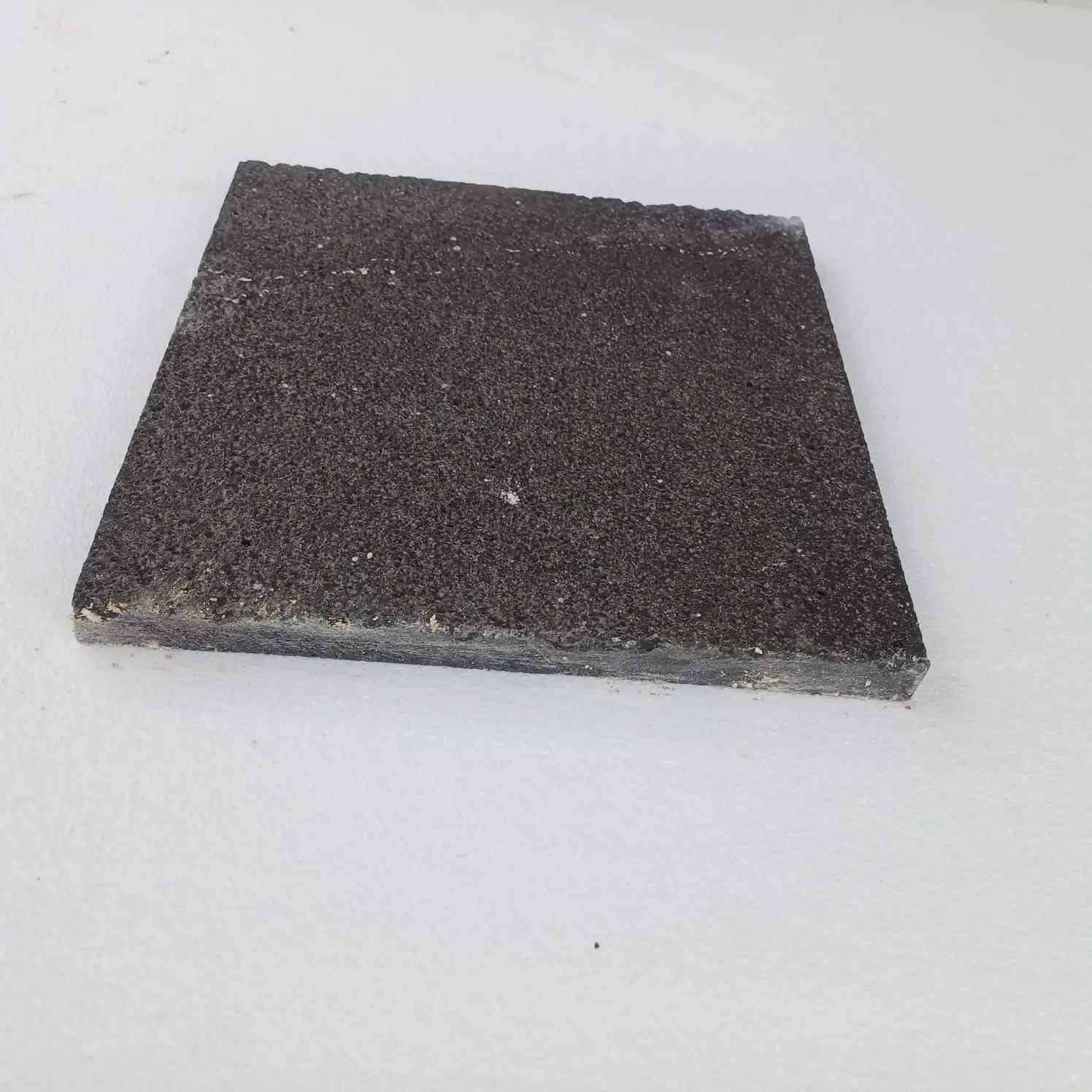
Evaluating Your Subgrade Before You Order
Your first site task — before you call anyone about material quantities — is a subgrade assessment. Dig three to four test holes across the project footprint, each at least 18 inches deep. You’re looking for caliche presence, native soil composition, and any indication of previous fill that wasn’t properly compacted. This step directly determines your aggregate base specification.
Projects in Mesa frequently encounter caliche hardpan at 18–24 inches, which actually works in your favor when properly prepared — it provides a rigid sub-base that reduces the aggregate depth you’d otherwise need. If your caliche layer is intact and level, you may be able to reduce your base aggregate from the standard 6 inches to 4 inches in low-traffic areas. Confirm this with a compaction reading before making that call.
- Sandy native soils with no caliche: minimum 6-inch compacted aggregate base, target 98% Proctor density
- Caliche present at 18 inches or less: minimum 4-inch aggregate base over scarified and re-compacted caliche surface
- Previously disturbed fill areas: excavate to undisturbed soil, re-compact in 4-inch lifts before aggregate placement
- Areas with drainage convergence: add a 4-inch perforated pipe at the low edge before base placement, not after
Cobble Base Preparation for Arizona Climates
Laying natural stone cobbles over AZ desert soil without mechanical stabilization is a long-term maintenance problem waiting to happen. Your aggregate base should be a 3/4-inch crushed angular rock — not round river rock, not decomposed granite. Angular aggregate locks together under compaction in a way that round material never will, and that mechanical interlock is what resists the lateral forces that push cobbles out of alignment over time.
Compact your base in two separate lifts of 3 inches each rather than dumping 6 inches and making a single pass. A plate compactor will only influence the top 3–4 inches of material effectively. Running it over 6 inches of loose aggregate gives you false confidence — your surface reads compact while the bottom layer remains loose. That loose bottom layer is where differential settlement originates.
For most residential cobble applications — patios, entry courts, pedestrian pathways — work toward a base that reads between 95–98% Proctor density. For areas receiving vehicle loads, push that to 98–100%. A nuclear density gauge reading confirms what you can’t feel by walking on it.
Selecting and Ordering Bluestone Cobbles
Cobble sizing consistency matters more to installation efficiency than most buyers realize. Irregular cobbles — where one unit is 4 inches and the next is 4.75 inches — force your mason to constantly adjust bedding depth, which slows production and introduces inconsistent joint lines. Ask about this specifically when you source material.
At Citadel Stone, we inspect incoming cobble pallets for size tolerance before they reach warehouse storage, because consistent sizing is what separates a clean installation from one that looks hand-assembled in the wrong sense. Tight size tolerance within a 1/4-inch range across the pallet means your installer can set a consistent screed depth and maintain it across the field without constant micro-adjustments. Verify this specification when comparing suppliers — it’s a detail that separates material quality tiers more reliably than color or surface finish.
For cobble base preparation for Arizona climates, the standard nominal thickness for pedestrian applications is 3 to 4 inches. For driveways or areas with occasional vehicle crossings, move to 4-inch minimum cobbles. Thinner cobbles are appropriate for decorative borders or inlay work where load is minimal, but don’t use them as primary field material under any traffic scenario.
- Pedestrian patios and pool surrounds: 3-inch nominal cobbles minimum
- Driveways and vehicle crossings: 4-inch nominal cobbles, bedded in 1-inch sand over 6-inch compacted aggregate
- Decorative accent bands or border details: 2.5-inch cobbles acceptable
- Confirm sizing tolerance spec — a 1/4-inch variation tolerance across the pallet is the standard you want
Confirming warehouse availability before finalizing your project schedule prevents one of the most common Arizona project delays. Bluestone cobble stock moves faster in spring and fall when contractor activity peaks, and waiting on a truck delivery of back-ordered material can push a project by three to four weeks. Verify inventory lead times upfront.
Step-by-Step Installation Process
The bluestone cobble installation steps in Arizona follow a logic you should understand before your crew starts — not just a procedure to execute mechanically. Each step sets the conditions for the one that follows, and deviating from sequence creates problems that appear two steps later.
Start with your edge restraints before any bedding sand goes down. In Arizona’s sandy desert soil conditions, edge restraints aren’t optional — they’re structural. Without them, thermal expansion pushes cobbles outward at the perimeter over two to three seasons, creating a bowl effect in the field center. Stake your plastic or aluminum edging at 12-inch intervals, and drive stakes at 45 degrees for maximum pullout resistance.
- Step 1: Excavate to design depth — native subgrade plus base aggregate depth plus 1-inch bedding sand plus cobble thickness, plus 1/4 inch for final surface settlement
- Step 2: Compact native subgrade to 95% Proctor density minimum using plate compactor or jumping jack for confined areas
- Step 3: Install and compact aggregate base in two lifts, verifying density between lifts if vehicle loads are anticipated
- Step 4: Install edge restraints at all perimeter edges before screeding bedding sand
- Step 5: Screed 1-inch dry coarse sand layer — use 1-inch diameter pipes as screed guides for consistent depth
- Step 6: Set cobbles by hand, maintaining consistent joint spacing of 3/8 to 1/2 inch — don’t walk on screeded sand before setting begins
- Step 7: Plate compact over cobbles using a rubber pad protector — two passes minimum, three for vehicle areas
- Step 8: Sweep polymeric sand into joints, activate with water per manufacturer spec, allow full cure before traffic
Joint Spacing and Pattern Layout
When installing stone cobbles across Arizona patios, joint spacing requirements differ from cold-climate procedures in one critical respect. Thermal expansion in a 115°F summer environment is real and measurable — cobbles can expand 1/16 to 1/8 inch across a 12-foot run on a hot day. Your 3/8-inch joint minimum in moderate climates should move to 1/2 inch minimum for Arizona exposed installations.
A running bond or herringbone pattern serves large cobble fields better than a grid layout. Herringbone in particular distributes load diagonally, which resists the edge-pulling forces from thermal expansion more effectively than a straight coursing pattern. For large fields exceeding 15 feet in any direction, plan a discreet expansion joint at mid-field — a 3/8-inch gap filled with backer rod and flexible sealant rather than polymeric sand.
Pattern layout starts from the most visible fixed edge — typically the wall or structure the installation meets. Snap chalk lines every 4 feet to keep your coursing aligned as you work away from that reference edge. Cobble installations drift out of square faster than rectangular pavers because the rounded edges make visual alignment harder to judge at a glance.
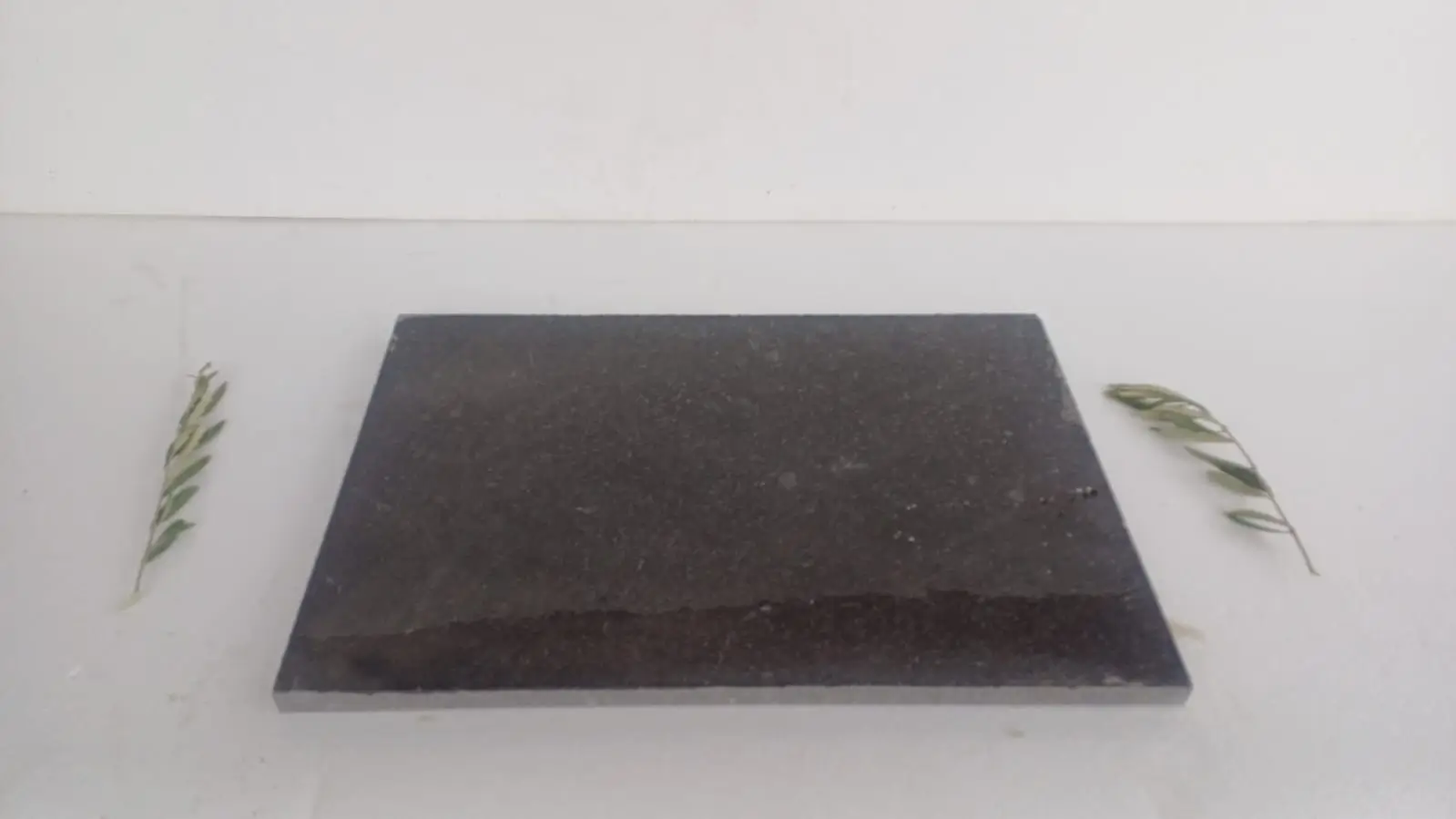
Drainage, Slope, and Water Management
The single specification decision with the most long-term impact on a cobble installation in Arizona is drainage slope — and most residential projects under-spec it. The minimum surface slope for cobble fields is 1% (1/8 inch per foot), but Arizona’s monsoon intensity demands 1.5–2% wherever you can achieve it. A 1% slope that handles a 0.5-inch/hour rain event is overwhelmed by a 2-inch/hour monsoon, and standing water in cobble joints accelerates polymeric sand erosion dramatically.
Drainage outlet positioning matters as much as slope percentage. You need a clear path for water to exit the field without crossing an area of flat grade. Check your as-built elevations after base compaction — it’s common for the compaction process to alter designed slopes by 1/4 to 1/2 inch, which can inadvertently create low spots that weren’t in the original grade plan.
In Gilbert, where many newer residential lots have relatively flat pad grading, this drainage spec is the detail that most often requires value engineering. You’ll sometimes need to adjust your finished cobble elevation relative to adjacent lawn areas or hardscape to ensure positive drainage — something worth confirming in the design phase rather than after installation.
- Minimum surface slope: 1% (1/8 inch per foot) for light-use areas
- Recommended Arizona monsoon drainage slope: 1.5–2% for primary field areas
- Drainage outlets must be positioned at the downslope edge — not mid-field
- Check as-built grades after base compaction, before bedding sand placement
- For large cobble fields, interior area drains reduce peak runoff load on perimeter outlets
Jointing Material Selection for Desert Heat
Polymeric sand is your standard jointing choice for cobble installations, but not all formulations perform equally in sustained high heat. Standard polymeric sand products are rated to approximately 130°F surface temperature before the polymer binders begin to soften. In Arizona’s exposed installations, surface temps regularly exceed that threshold, which is why you need a high-temperature-rated polymeric sand formula — some manufacturers designate these as “extreme climate” variants.
The Chandler market has seen a meaningful uptick in cobble installations using a mortar-jointed approach for areas receiving vehicle loads, and there’s genuine merit to that specification. A non-sanded mortar joint at 3/8-inch width, tooled slightly concave, resists the shear forces of tire loads better than polymeric sand in high-traffic driveways. The trade-off is reduced flexibility — mortar joints will crack if your base settles, whereas polymeric sand will flex and reseat. Choose your joint type based on the primary risk: traffic loads vs. settlement potential.
- High-temperature polymeric sand: appropriate for pedestrian areas, patios, pool surrounds
- Non-sanded mortar joints: appropriate for vehicle areas with stable base conditions
- Epoxy-based joint fill: maximum performance for extreme-load applications but expensive and non-repairable
- Re-sweep joints annually in the first two years — Arizona UV degrades polymeric sand binders faster than temperate climates
Material and jointing selections become easier when you’re working with a supplier who understands the desert context. Citadel Stone cobbles for Arizona installs are sourced with this climate specifically in mind, and our technical team can advise on appropriate jointing specifications for your specific application before your order ships.
Sealing Bluestone Cobbles in Arizona
Bluestone’s porosity profile makes sealing an essential maintenance step in Arizona, not an optional upgrade. The material’s interconnected pore structure absorbs surface water and airborne dust readily — both of which accelerate surface weathering in high-UV environments. A penetrating impregnating sealer, not a surface-coat product, is the correct specification for cobbles because it protects without creating a film that peels in heat.
Apply sealer no earlier than 30 days after installation — the polymeric sand needs full cure time before sealer application closes off the surface pores. In Arizona heat, apply sealer in the early morning when surface temperatures are below 90°F. Applying sealer to a hot stone surface causes it to flash off before penetrating adequately, leaving a tacky surface film and minimal protection where it actually matters.
- First seal: 30 days post-installation, early morning application only
- Reapply every 18–24 months in full-sun Arizona exposures (less frequent in shaded installations)
- Penetrating impregnating sealer — not surface coat or topical gloss sealer
- Test sealer on a spare cobble before full application to verify finish appearance
- Avoid sealing within 48 hours of expected rain — monsoon season timing matters
Before You Specify
Every decision in a bluestone cobble installation in Arizona traces back to a clear-eyed assessment of your site conditions before material quantities or installation sequences get locked in. Knowing your subgrade type, your drainage constraints, your traffic loads, and your sun exposure pattern isn’t pre-planning busywork — it’s the data that makes every subsequent specification defensible. Projects that skip this step end up value-engineering on the fly, which almost always costs more than the assessment would have.
Material selection and logistics deserve the same upfront attention. Verify warehouse stock availability, confirm size tolerances, and understand your truck delivery access before finalizing timelines. A delayed material truck can idle a full crew for days, and in Arizona’s short spring and fall installation windows, that lost time has real schedule consequences. Factor lead times into your project calendar the same way you’d factor cure times or inspection holds.
For projects where bluestone cobbles are one of several natural stone elements under consideration, understanding how to install bluestone cobbles in Arizona relative to other options helps clarify your specification — Bluestone vs Other Stone: Best for Arizona Homes? provides a comparative look at how bluestone performs against alternative natural stone choices for Arizona outdoor applications. Getting the specification right from the start is always more cost-effective than troubleshooting after installation, and the details covered in this guide are the ones that separate a durable, low-maintenance cobble field from one that starts showing problems after the first monsoon season. Installers in Peoria, Gilbert, and Yuma working with Citadel Stone bluestone cobbles note that the material’s consistent sizing simplifies joint spacing across sandy desert subbase preparations.