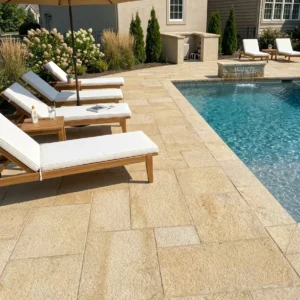
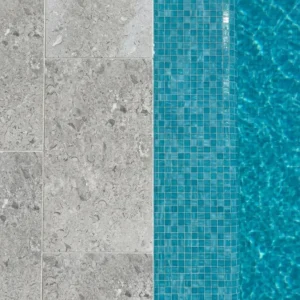
Why Finish Decides Everything in a Shower Floor
Slip resistant shower floor tile gets specified correctly when you treat the finish as the primary variable — not the stone type, not the thickness, and not the color. The stone you choose matters, but a polished travertine and a tumbled travertine behave as entirely different materials underfoot once water is running. Your finish choice determines how open the surface texture is, how water films across it, and how that surface responds to soap residue over years of use. Get that decision right first, and the rest of the specification follows naturally.
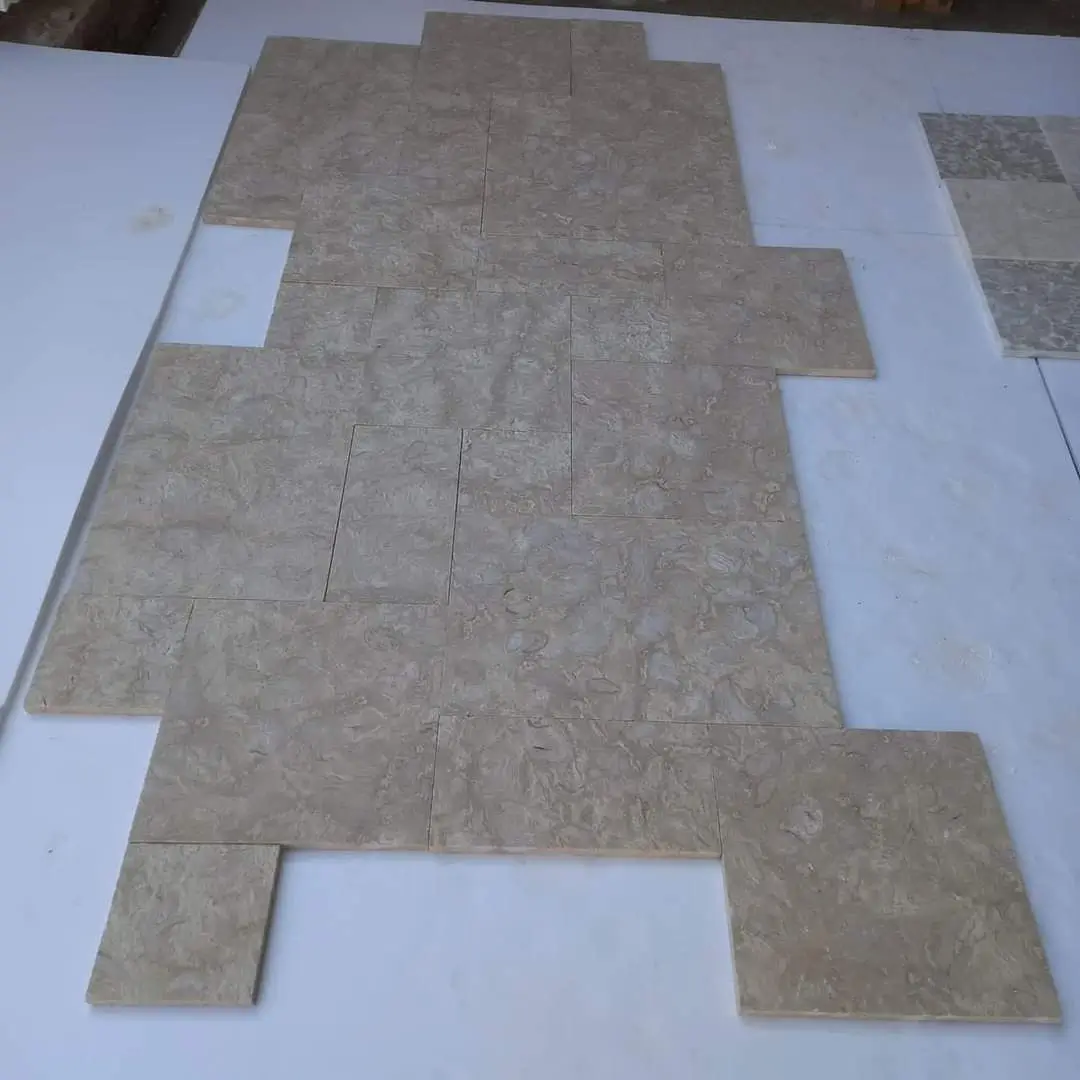
Understanding Surface Texture and Wet Conditions
The current standard governing wet surface performance is ANSI A326.3, which tests surfaces under wet conditions — the only measurement that reflects what actually happens in a shower environment. The finish is the variable that drives results under that protocol. A polished surface creates a nearly continuous contact plane where water films sit undisturbed, while a tumbled or sandblasted surface breaks that film up with irregular micro-topography. According to NSI stone tile testing and specification standards, finish selection is one of the primary performance decisions for stone tile in wet environments. If you need a specific tested value for your project, request the test report from your supplier.
What most specifiers miss: water alone is rarely the problem. The combination of water and soap scum creates a boundary layer that behaves differently from clean water — it fills surface micro-texture faster and reduces the tactile interaction between foot and stone. That’s why open-pore finishes with genuine surface relief perform better over time than lightly textured finishes that look rougher than they actually are.
Natural Stone Finishes for Shower Floors
Tumbled Finish
A tumbled finish leaves an open, matte texture with softened edges and shallow surface irregularities. That topography is what breaks up a water film and keeps the foot in varied contact with the surface rather than sitting on a uniform plane. Tumbled travertine is one of the most consistently specified options for shower floor tiles precisely because the tumbling process creates genuine surface relief rather than a machined texture. The open pore structure also allows sealer to penetrate effectively, which is important in a constantly wet environment.
Sandblasted Finish
Sandblasted natural stone produces a matte, slightly abraded surface with a consistent texture across the tile face. The process removes surface laitance and opens the stone’s structure, leaving a finish that reads cleanly underfoot. For shower floor tile, sandblasted basalt and sandblasted limestone are both frequently selected — the finish works well on dense stones that don’t have the natural pore variation of travertine but still need a matte, open surface for wet conditions.
Brushed Finish
Brushed stone falls between polished and tumbled on the texture spectrum. The wire-brushing process removes loose surface material and slightly opens the stone grain without creating the pronounced relief of tumbling. Brushed limestone and brushed travertine appear in shower applications where a cleaner visual appearance is preferred over a more rustic tumbled look — but the surface is still significantly more open than a honed or polished finish.
Honed and Polished Finishes: What to Know
Honed stone has a flat, matte surface that’s been ground smooth without the final polishing step. It looks clean and refined, but the surface is essentially continuous — there’s minimal texture to interrupt a water film. Polished stone takes this further: the crystalline surface is highly reflective and creates a very low-friction contact in wet conditions. Both finishes can be used in shower applications, but they require deliberate management — anti-slip treatment products, smaller tile formats with more grout joints, or a mat system. Specifying honed or polished stone shower tile without accounting for wet conditions is where most shower floor problems originate.
Stone Type and Finish Interaction
Stone type and finish don’t operate independently — they interact. Dense igneous stones like basalt hold a sandblasted texture very consistently because the grain structure is tight and uniform. Sedimentary stones like travertine have natural variation in density and porosity, which means a tumbled finish produces slightly different texture character across individual tiles — that’s not a flaw, it’s what gives the material its performance advantage in wet conditions. According to TCNA natural stone tile installation standards, stone tile in wet areas should be assessed for both absorption and surface texture as complementary factors, not separately.
Limestone sits in between. It’s denser than travertine and less porous, which means a tumbled finish produces a more uniform texture across the floor. For shower floor tiles where you want a consistent look with genuine surface relief, tumbled limestone is a strong specification. In high-use commercial bathrooms, the consistency of a sandblasted dense stone often wins over the more variable texture of softer travertines.
Tile Format and Grout Joint Contribution
Tile size directly affects how much grout joint coverage your floor has — and grout joints contribute meaningfully to surface texture in a wet environment. Smaller mosaic formats create more joint coverage per square foot, which is why 1-inch and 2-inch mosaic patterns appear frequently in shower floor specifications. Larger tile formats have fewer joints and rely more heavily on the tile surface finish itself to carry the load.
- Small mosaic formats (1″–2″): higher joint density, surface texture supplemented by joint coverage
- Medium formats (4″–6″): moderate joint coverage, finish becomes primary texture variable
- Large format (12″+ tiles): minimal joint coverage, finish and any applied treatment carry full responsibility
- Grout selection matters too — unsanded grout in narrow joints can polish smooth over time, reducing the contribution of the joint itself
The practical guidance here is that if you’re specifying a brushed or lightly textured stone in a larger format, deliberate thought is needed about what’s compensating for the reduced joint coverage. This is a detail that gets skipped frequently in residential specifications.
Sealing for Wet Environments and Long-Term Performance
Sealing natural stone shower floors serves two functions that are easy to conflate but need to be kept separate in your specification. The first is reducing absorption — in a shower environment, an unsealed porous stone absorbs water, soap, and mineral content continuously, which degrades the stone and allows biological growth in the pores. The second is protecting the surface finish. A penetrating sealer preserves the surface texture character of a tumbled or sandblasted finish without filling it — which is exactly what you need to maintain the finish’s long-term performance in wet conditions.
- Use a penetrating impregnator sealer rather than a topical coating — topical coatings can create a surface film that changes the texture profile
- Apply before installation where possible, and re-apply on the interval your sealer manufacturer states — typically every one to three years for shower floors
- Test sealer compatibility with your specific stone before committing — some dense stones resist penetrating sealers more than others
- Resealing frequency in high-use showers will be at the shorter end of the manufacturer’s range
For stone tile selected for indoor shower use that has had outdoor exposure during transit or staging, an added consideration applies. Stone exposed to UV can show surface oxidation — particularly on lighter travertines and limestones. That oxidation layer doesn’t typically affect performance in a shower environment, but it can affect how evenly a sealer penetrates. At Citadel Stone, we recommend inspecting surface condition before applying sealer to any stone that has had significant UV exposure in transit or staging.
ANSI A326.3 and How to Specify Wet Performance
The correct standard for specifying slip resistant shower floor tile wet performance is ANSI A326.3, which measures dynamic coefficient of friction under wet conditions — replacing the ASTM C1028 static test withdrawn in 2014. The key word in that standard is wet: dry-condition measurements tell you nothing useful about shower floor behavior, and any specification that cites only a dry result is incomplete for this application.
You’ll find ADA accessibility and surface safety design standards address surface firmness and stability requirements for accessible bathrooms — relevant when you’re specifying a shower floor in an ADA-compliant application. The finish selection rules that apply to general shower floors apply here as well, with the additional constraint that surface variation must remain within accessible-surface tolerances.
For your specification, the right approach is to name ANSI A326.3 as the test method, specify wet measurement, and request the test report from your supplier. Never publish or specify a numeric result without a current, wet-condition test report from the actual tile being supplied — stone from different quarry sections can perform differently even within the same nominal product. You can explore our stone shower tile finish options with test documentation available on request.
UV Exposure Considerations for Stone Sourced or Stored Outdoors
This section is relevant where stone tile has been quarried, processed, or staged in environments with strong sun exposure before installation — a condition that applies more often than specifications account for. Natural stone tile sourced from quarries in high-UV regions can arrive with surface oxidation on cut faces, particularly on lighter-colored travertine and limestone. That oxidation doesn’t usually penetrate deeply, but it can affect surface color uniformity and sealer uptake on the affected faces.
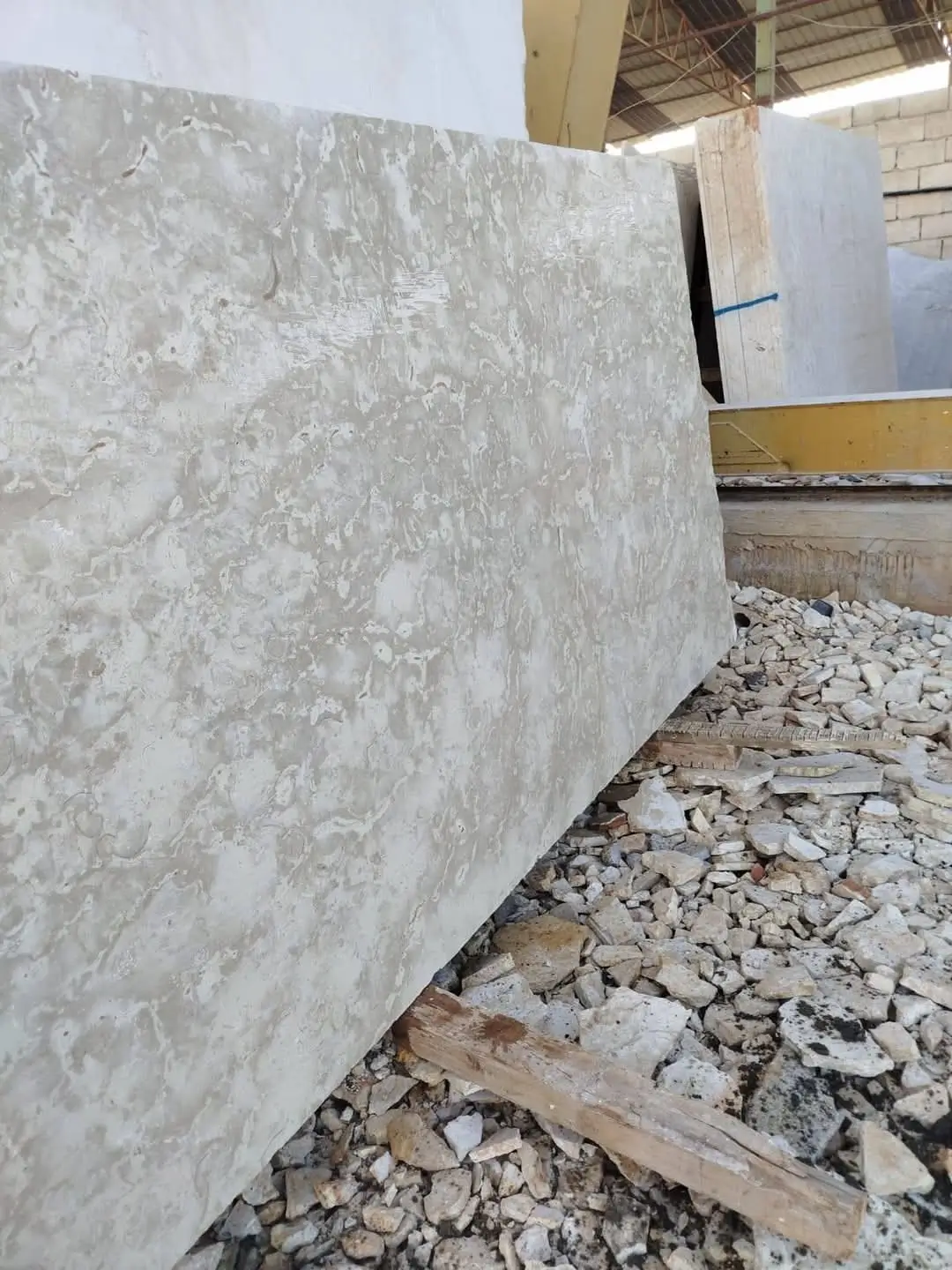
For shower floors, the relevant implication is straightforward: if you’re receiving stone that has had significant sun exposure during shipping or outdoor storage, inspect a sample tile by applying water to the face and watching absorption uniformity. Patchy absorption across a tile face suggests uneven oxidation or surface hardening that may require light surface preparation before sealing. The finish type you’ve specified — tumbled, sandblasted, or brushed — doesn’t change this check, but it does affect how you prepare the surface. A tumbled surface with oxidation deposits in its texture can be rinsed and dried; a sandblasted surface may need a light acid wash per the stone manufacturer’s recommendations before sealing.
Best Tile for Shower Floor: Comparing Natural Stone Options
Choosing the best tile for shower floor applications from natural stone means comparing how different materials hold their finish in a continuously wet, high-use environment. Travertine is the most commonly specified natural stone for shower floor tiles — its inherent pore structure and the availability of tumbled finishes make it a practical first choice. Limestone is denser and more uniform, which suits specifiers who want a consistent appearance. Basalt, particularly in a sandblasted or brushed finish, brings exceptional density and a contemporary visual character.
- Tumbled travertine: open pore texture, natural surface variation, broad availability in mosaic and standard tile formats
- Sandblasted limestone: consistent matte surface, denser than travertine, lower natural porosity
- Brushed basalt: fine-grained, highly dense, sophisticated dark appearance — requires careful sealer selection for its low absorption rate
- Marble in honed finish: achievable in shower applications with anti-slip treatment and regular maintenance — not a first recommendation for high-use floors
Stone shower tile in any of these materials outperforms ceramic and porcelain alternatives on thermal comfort — natural stone moderates temperature more gradually, which matters in a shower environment. Natural stone also holds its finish character longer than factory-applied textures on porcelain, which can wear at high points over time. The trade-off is that natural stone requires sealing and periodic maintenance that glazed ceramic does not. That’s the honest specification trade-off, and it belongs in your project brief.
Installation and Base Preparation
Shower floor tile installation demands a sloped substrate — industry standard is a fall toward the drain, and that fall must be built into the mortar bed or substrate before tile is laid. Insufficient slope cannot be corrected by adjusting tile thickness in setting mortar alone. This is a detail that causes more callbacks than any finish or material decision: the slope is set at substrate stage, and once tile is down, correcting it means removal.
- Confirm the fall-to-drain dimension is in the waterproofing and mortar bed specification, not left to field judgment
- Use a medium-bed mortar appropriate for the tile format — larger stone tiles need full-contact coverage to avoid hollow spots that crack under foot load
- Waterproofing membrane selection and continuity at drain collar and wall junctions is as important as any material decision
- Grout selection should account for the shower environment — epoxy grout in shower floors resists staining and biological growth better than cement-based alternatives
Citadel Stone sources stone shower tile cut to specification at our selected quarries, and lead times are confirmed with each order — coordinate your delivery schedule with your waterproofing and mortar bed timeline so material arrives ready for installation without extended on-site storage in a damp environment.
Getting Your Shower Floor Specification Right
Finish selection is the specification decision that separates a slip resistant shower floor tile installation that performs well over years from one that creates ongoing maintenance concerns. A tumbled or sandblasted surface leaves open, matte texture that interrupts water films in ways a polished or honed surface cannot. ANSI A326.3 — measured wet — is the standard you name in your specification; dry-condition data doesn’t satisfy a wet-environment requirement. Seal with a penetrating impregnator on the interval your sealer manufacturer states, inspect for UV-related surface oxidation on any stone with significant outdoor exposure, and set your substrate slope before tile goes down.
For projects where you’re evaluating natural stone across multiple bathroom applications — floors, walls, and adjacent spaces — the decisions you make on shower floors don’t always translate directly to other bathroom surfaces. Understanding how tile material and finish interact across different bathroom contexts is worth reviewing; comparing stone tile options for bathroom floors covers that broader material comparison in detail. Among the finishes Citadel Stone carries, tumbled travertine and sandblasted natural stone are most frequently selected for shower floors where grip underfoot is the primary concern.
Related reading: large format floor tile · stone-look porcelain tile · large format tile for shower.