What Slate Landscape Stone Actually Does in Your Outdoor Space
Slate landscape stone splits along consistent cleavage planes — a structural trait that gives you naturally flat surfaces without machining, and it’s that characteristic more than anything else that makes it so versatile in garden and hardscape design. You’re working with a fine-grained metamorphic material whose density typically runs between 2.7 and 2.9 g/cm³, making it heavier than most sedimentary options but lighter than basalt — a balance that matters when you’re calculating load-bearing capacity for elevated decks or permeable pathway systems. The layered grain structure that makes slate split cleanly also means it holds a naturally textured, cleft surface, which is the characteristic specifiers evaluate before deciding whether additional mechanical treatment is needed.
According to slate’s metamorphic rock properties and durability for paving, the mineral composition — primarily clay minerals, quartz, and sometimes chlorite — contributes directly to its resistance to chemical weathering in outdoor environments. That geological profile translates to a material that handles foot traffic, moisture cycling, and UV exposure across years of outdoor exposure without the structural degradation you’d see in softer sedimentary alternatives. Your design decisions around slate landscape stone should start with understanding that performance baseline, not just the aesthetic palette.
The Color Range of Slate Landscape Stone and What Drives Variation
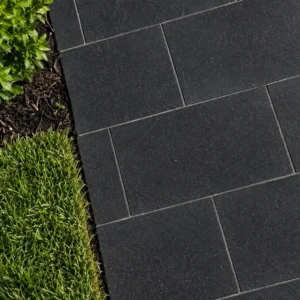
Slate’s color palette runs considerably wider than most people expect when they first start specifying it. The mineral content at the time of metamorphism determines the dominant hue — iron oxides push toward rusty reds and purples, chlorite produces greens, and carbon compounds create the deep blacks and charcoal grays that dominate commercial supply. You’ll encounter multicolor slates that contain streaks of two or three of these mineral families simultaneously, producing a surface that shifts noticeably depending on light angle and moisture level.
- Black and charcoal slate: high carbon content, consistent tone, tends to show less variation between wet and dry states than other colors
- Green slate: chlorite-rich, softer color signature, common in material sourced from quarries in Brazil and parts of Asia
- Purple and plum slate: iron-bearing minerals with elevated manganese, produces a warm tonal quality that pairs well with warm-toned hardwoods
- Rustic multicolor slate: mixed mineral zones, creates organic patterning — each paver reads differently, which eliminates the uniformity problem some designers dislike in cut stone
- Silver-gray slate: lower iron content, cooler undertone, holds a more consistent appearance across wet and dry cycles
One thing that catches specifiers off guard: color consistency within a single quarry batch can still vary by 15 to 20% from pallet to pallet. Mixing pallets before installation — a simple field technique — distributes that variation across the surface instead of concentrating it in zones, which is the professional approach for any large slate landscape installation.
Surface Finish Options for Slate Landscape Stone
The finish you specify on slate landscape stone affects three things simultaneously: slip resistance, UV performance, and long-term maintenance load. Natural cleft is the most common starting point — it preserves the original split face, retains maximum texture, and requires the least processing. For most garden pathway and patio applications, natural cleft is the right call because the inherent surface roughness gives you a coefficient of friction above 0.6 even when wet, which meets practical safety expectations without additional treatment.
Honed slate presents a different trade-off. The grinding process smooths micro-peaks on the surface, producing a more refined appearance suited to contemporary designs. Honed surfaces do reduce slip resistance in wet conditions — you’re working with a COF closer to 0.4–0.5 depending on the specific material — so honed slate is better positioned for covered outdoor areas or low-foot-traffic decorative applications rather than primary walkways exposed to rain. Sandblasted slate splits the difference: it adds uniform texture back to a honed surface without the randomness of natural cleft, which some design specifications require for consistent appearance at scale.
- Natural cleft: highest slip resistance, lowest processing cost, most authentic appearance, slight variation in surface plane
- Honed: smoother finish, refined look, reduced wet-slip performance, better suited for low-traffic covered installations
- Sandblasted: consistent texture, intermediate slip performance, predictable appearance across large areas
- Brushed: light abrasion that softens cleft peaks slightly while retaining texture — a good middle ground for residential patios
UV Exposure and Long-Term Color Retention in Slate
Slate holds up to UV exposure better than many natural stones, but it’s not immune to surface change over time. The iron-bearing minerals in colored slates — particularly those in the red, purple, and multicolor ranges — can undergo surface oxidation when exposed to sustained direct sunlight, producing a subtle bleaching or bronzing effect on the outermost mineral layer. You’re not looking at structural damage; this is a cosmetic shift that develops over three to seven years in high-UV installations, and it’s worth communicating to clients before specification so expectations are calibrated correctly.
Black and charcoal slates are more UV-stable in terms of visible color change because carbon black doesn’t oxidize at the surface the same way iron minerals do. Green slates with high chlorite content can fade slightly toward a more neutral gray-green in sustained sun exposure — again, gradual and non-structural, but visible over time. For installations in sun-exposed positions — open garden pathways, south-facing terraces, unshaded courtyard paving — specifying a penetrating sealer with UV-inhibitor chemistry is the best intervention to slow that surface oxidation process. Reapplication every two to three years in high-UV environments keeps the color locked closer to its original tone.
At Citadel Stone, we test sealer compatibility directly on our slate stock before recommending specific products — not every penetrating sealer bonds effectively with slate’s fine-grained mineral surface, and a mismatch produces a whitish haze that’s difficult to reverse. The right sealer for slate landscape stone is typically a low-viscosity silane-siloxane blend rather than the acrylic topcoat products commonly marketed for concrete. Your sealing schedule should also include inspection for mineral efflorescence, which can appear in shaded sections of otherwise sun-managed installations where moisture movement is slower.
Primary Landscape Uses for Slate Stone
The application range for slate landscape stone is broader than most material guides suggest. Garden pathways are the most common starting point — slate’s natural thickness consistency (typically 1 to 1.5 inches for standard landscape supply) means you can lay it on a compacted aggregate base without the leveling complexity that irregular flagstone demands. Patio surfaces are another high-volume use, where larger format slates (18×18 or 24×24) produce a clean, architectural look that holds up to outdoor furniture loads without cracking when the base is properly prepared.
- Garden pathways: natural cleft finish, 3/4 to 1-inch thickness, dry-lay or mortar-set depending on traffic level
- Patio surfaces: larger format, honed or natural cleft depending on design direction, mortar-set recommended for entertaining areas
- Retaining wall cladding: thin-gauged slate panels applied as a veneer over structural block — delivers visual weight without structural load
- Water feature surrounds: slate’s low porosity in dense varieties makes it a solid choice for pond edges and water garden borders
- Garden edging and border definition: tumbled or natural-edge slate pieces used vertically as border elements
- Step treads: 2-inch-thick slate provides the structural capacity for step applications, check ASTM C629 thickness requirements for your load class
For projects where our natural slate landscape range spans multiple application zones — pathways transitioning to patios, for example — consistency in finish selection matters more than most designers anticipate. Mixing natural cleft on the pathway with honed on the patio can create an unintended visual hierarchy between zones that reads as inconsistent rather than intentional. Establishing a single finish direction across adjacent zones, then varying only color or format, produces cleaner spatial transitions.
Thickness Requirements and Base Preparation for Slate Landscape Stone
Specifying the right thickness is where slate installations succeed or fail before a single stone is set. For pedestrian-only pathways and low-traffic garden areas, 3/4-inch to 1-inch nominal thickness is sufficient when the stone is supported on a compacted aggregate base of 4 inches minimum. The moment you introduce wheeled traffic — garden carts, wheelbarrows, occasional vehicle access — you need to move to 1.5-inch or 2-inch thickness, because slate’s cleavage planes create a potential fracture path under concentrated point loads that thicker sections distribute more effectively.
Base preparation is the variable that determines whether your slate installation lasts 10 years or 25. Compacted crushed stone base — typically 3/4-inch clean aggregate — needs to achieve 95% Modified Proctor density before any slate goes down. In clay-heavy soils, that base depth should increase to 6 inches because clay expansion under moisture cycling transmits movement directly to the surface material. Geotextile fabric between the subgrade and base aggregate prevents fines migration into the aggregate layer, which is the most common cause of base settlement in slate pathway installations. According to ASTM C629 slate dimension stone technical specifications, minimum flexural strength requirements for exterior paving slate are specific to intended load class — confirm your material meets the standard before finalizing your thickness specification.
Slate Versus Marble Landscape Stone: Choosing the Right Material
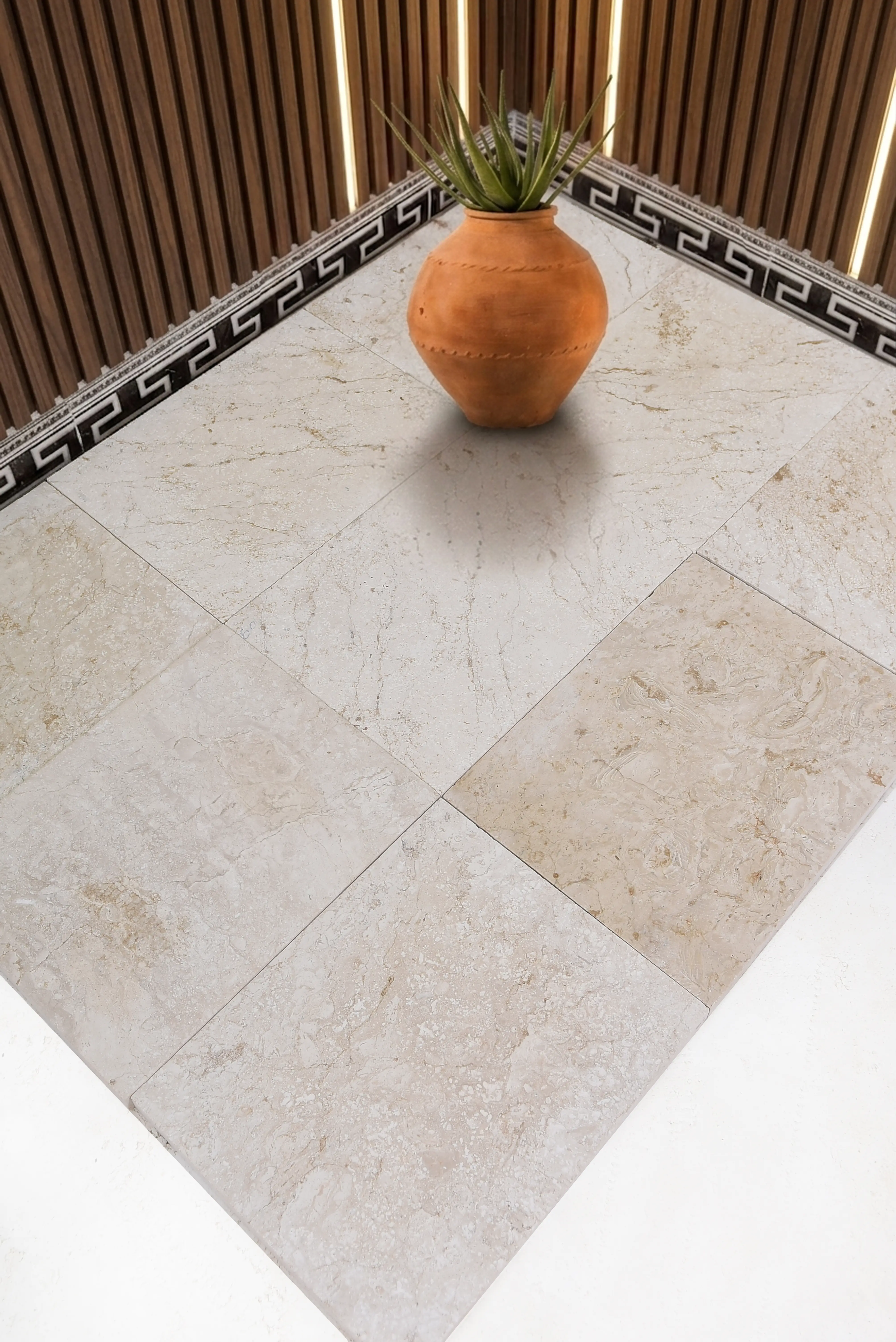
The marble landscape stone comparison comes up regularly when clients are selecting between natural stone options for garden applications. Marble brings a visual refinement that slate doesn’t replicate — the crystalline structure of calcite produces a translucency and surface brilliance that’s distinct and unmistakable. The performance trade-off, however, is significant for outdoor use. Marble is calcium carbonate, which means acid rain, tannin runoff from overhanging trees, and de-icing salts all etch the surface in ways that slate’s silicate-based mineral composition resists.
For high-traffic outdoor pathways and garden areas where surface maintenance needs to stay manageable, slate consistently outperforms marble landscape stone in durability and practicality. Marble makes more sense in sheltered courtyard positions, formal garden features with controlled drainage, or decorative applications where foot traffic is genuinely light. Your decision point should center on maintenance load and exposure conditions — not aesthetics alone. A beautiful marble terrace that requires annual professional restoration is a harder specification to defend than a slate surface that holds its performance with biennial sealing.
- Slate advantages over marble: acid resistance, lower maintenance frequency, better wet-slip performance in natural cleft finish, more forgiving of freeze-thaw cycling
- Marble advantages over slate: higher visual refinement, wider color range in light tones, better suited to polished interior-to-exterior transition zones
- Shared consideration: both require penetrating sealer in outdoor applications; both benefit from proper drainage geometry to prevent standing water
Ordering, Lead Times, and Logistics for Slate Landscape Projects
Logistics planning for slate landscape stone deserves more attention than most project timelines allocate to it. Warehouse stock levels for standard slate formats — 12×12, 18×18, and random irregular pieces — are typically available for immediate fulfillment from domestic distribution points. Specialty formats, custom cuts, and less common color ranges may require 3 to 5 weeks from the point of order if warehouse inventory is depleted, so your material confirmation should happen before detailed installation scheduling, not after.
Truck delivery logistics are a practical consideration that affects project sequencing. Full pallet deliveries typically arrive on standard flatbed trucks, and your site access needs to accommodate that. Narrow garden gates, low-clearance entries, or restricted staging areas may require you to break pallets at the truck and hand-carry material — which adds labor time and should be factored into your project cost. Citadel Stone ships slate landscape stone nationally, and our warehouse team can advise on pallet configurations that optimize truck space for larger orders, reducing per-unit delivery cost on substantial projects.
Slate is dense — budget approximately 15 to 17 pounds per square foot for 1-inch material — so structural assessment of delivery staging areas matters. Plan your material drop point as close to the installation zone as practical, because moving stacked slate pallets across soft ground or up steep grades adds risk of edge chipping and creates unnecessary handling labor. The USGS slate dimension stone production and paving use data confirms that domestic supply continues to grow, which has improved lead time stability for standard landscape grades over the past several years.
Care and Maintenance for Slate Landscape Stone
Slate landscape stone maintenance is genuinely low-effort when the initial sealing is done correctly and the drainage geometry works. The cleaning routine for most garden slate installations is a pH-neutral stone cleaner applied with a stiff nylon brush — avoid wire brushes, which can catch on cleavage edges and drag mineral particles loose. Pressure washing is acceptable at low settings (under 1,500 PSI), but high-pressure applications aimed directly at the cleavage face can separate thin surface laminations on cleft-finish material, so angle the nozzle at 45 degrees rather than perpendicular to the surface.
- Cleaning frequency: seasonally for most outdoor installations, more frequently in high-leaf-litter environments where tannin staining accumulates
- Sealing schedule: initial application before installation, reapplication every 2 years in high-UV or high-moisture positions, every 3 years in sheltered applications
- Joint maintenance: polymeric sand joints should be inspected annually — weed intrusion at slate joints is the most common maintenance issue, and addressing it before roots establish prevents joint disruption
- Stain response: oil stains respond to poultice treatment with diatomaceous earth or mineral-spirits-saturated absorbent material; do not use acidic cleaners on any natural stone, including slate
- Winter care: avoid rock salt entirely — use sand or calcium magnesium acetate for traction in freeze-thaw regions
One maintenance detail that rarely appears in generic guides: the first two years after a slate installation often show slightly elevated efflorescence as residual minerals from the mortar setting bed migrate through the stone. This is cosmetic, not structural, and it self-resolves as the mortar cures fully. If you’re seeing persistent white mineral deposits after year two, the problem is typically inadequate drainage rather than the stone itself — investigate the base drainage before applying efflorescence removers repeatedly.
Getting Slate Landscape Stone Specifications Right
Getting slate landscape stone right comes down to three specification decisions that most projects under-invest in: thickness matched to actual load conditions, finish selection matched to safety and maintenance requirements, and sealing chemistry matched to the specific mineral profile of your slate. Those three variables determine more of the long-term outcome than color selection, format size, or quarry origin — though all of those matter too. Verify your warehouse stock confirmation and truck access conditions early in the project timeline, because material sequencing affects installation schedule more than most project managers anticipate.
As you plan your broader hardscape scope, other natural stone applications may complement your slate selections — sourcing natural landscape stone covers how to navigate material procurement across multiple stone types for complex projects. For slate specifically, the performance data consistently rewards projects that get the base preparation and sealing specification right before the first paver goes down. Slate from Citadel Stone ships in standard 1-inch thicknesses, a practical detail for stable garden pathways.
Related reading: landscape stone cost breakdown · choosing landscape stone colors · natural stone landscape borders.