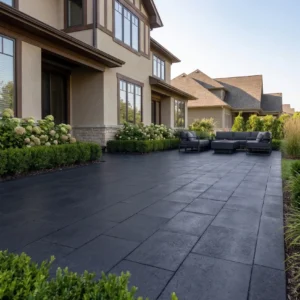
What Fabrication Reveals About Long-Term Stone Care
Natural stone fabrication care isn’t just about cleaning schedules — it starts the moment the slab is cut and profiled, because every fabrication decision changes how the finished surface responds to moisture, heat, and cleaning chemistry. The saw cut that exposes fresh crystalline structure on granite behaves entirely differently from a honed travertine surface, and treating them identically is one of the most common maintenance errors in the industry. Understanding how your stone was worked — the finish type, edge profile, and any thermal treatment applied — gives you the diagnostic baseline that every care routine depends on.
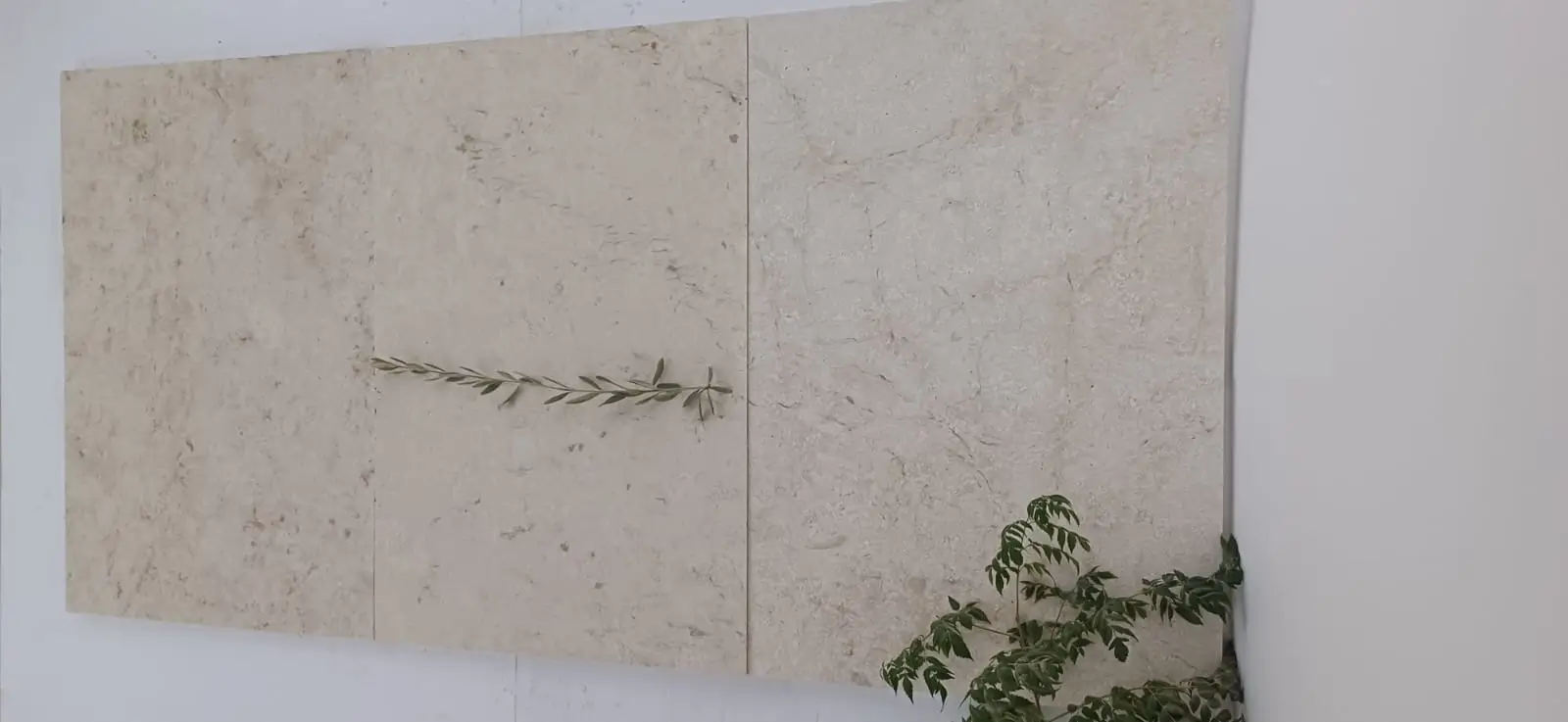
How Finish Type Determines Porosity and Sealing Frequency
The finish applied during fabrication is the single most influential factor in your long-term care plan. A polished granite countertop surface closes off surface pores through mechanical compression during grinding — but it doesn’t eliminate them. Honed finishes, by contrast, leave the pore structure more open, which means faster absorption and more frequent sealing. According to NSI fabrication and certification standards, finish specification is inseparable from the maintenance program that follows.
Your sealing granite countertops routine needs to account for this reality. A polished black granite might only need sealing every 18 to 24 months under normal kitchen use, while a honed Bianco Romano in the same environment might need attention every 9 to 12 months. The water-bead test — where you place a quarter-sized puddle on the surface and watch how long absorption takes — is still the most reliable field check you have. Less than four minutes to absorption means you’re overdue.
- Polished finishes: seal every 18–24 months under standard residential use
- Honed finishes: seal every 9–12 months; test quarterly in high-use areas
- Leathered or brushed surfaces: seal every 12 months; texture traps particulates that accelerate wear
- Flamed or sandblasted surfaces: seal every 6–9 months due to increased open pore structure
Sealing Granite Countertops: What the Product Label Won’t Tell You
Choosing the right impregnating sealer matters more than most fabricators communicate to end users. Penetrating sealers that use fluorocarbon or siloxane chemistry protect from within the stone matrix — they don’t form a film that can peel or yellow. Topical sealers can create problems on natural stone fabrication care routines because they build up with successive applications and ultimately require stripping, which means acid-washing or mechanical abrasion. That’s an avoidable complication.
Application temperature is another detail that gets skipped. Sealer applied to a surface below 55°F or above 85°F won’t cure correctly — the carrier solvent flashes off before penetration occurs, leaving a surface residue rather than subsurface protection. This matters especially in warehouse environments where slabs might be stored in temperature extremes before installation. At Citadel Stone, we recommend allowing fabricated pieces to acclimatise to interior temperatures for at least 24 hours before applying any sealer. According to ASTM stone fabrication and quality testing standards, testing absorption and sealer compatibility on a sample piece before full application is standard practice for quality-controlled installations.
Granite Countertop Care and Maintenance: Day-to-Day Protocols
Granite countertop care and maintenance comes down to pH discipline more than anything else. The surface chemistry of granite sits between 6 and 7 on the pH scale — essentially neutral. Cleaners outside that range, even ones marketed as “stone-safe,” accelerate surface degradation over time. Vinegar-based cleaners, citrus degreasers, and standard bathroom disinfectants typically run between pH 2 and pH 4. A single wipe won’t destroy the surface, but weekly exposure over two years creates micro-etching that dulls the finish and opens the pore structure.
- Use cleaners formulated at pH 6–8 specifically for natural stone
- Avoid ammonia-based glass cleaners on polished surfaces — they strip sealer chemistry
- Dry the surface after cleaning rather than air-drying; pooled water accelerates mineral deposit formation
- Use cutting boards consistently — granite is harder than most knife steel, but the edge contact still micro-scratches polished finishes over time
- Address spills within 5 minutes; red wine, coffee, and acidic fruit juices are the most common culprits for permanent staining in residential applications
Edge Profiles and the Maintenance Gaps They Create
Here’s what most care guides miss entirely: edge profiles change the cleaning geometry of the piece. An ogee or dupont edge on a granite countertop creates a concave channel that collects grease and soap residue in a way that a standard eased or bevel edge never does. Over time, that channel builds up residue that seals improperly, traps bacteria, and develops a shadow-dark discolouration that’s mistaken for stone staining. It’s not — it’s cured soap and grease, and it cleans out with a soft-bristle detail brush and a pH-neutral stone soap.
Referencing NSI ASTM tile stone specifications and standards can help you understand how edge geometry interacts with surface protection requirements across different fabrication profiles. Your maintenance plan should physically account for every profile type in the installation — don’t apply a flat-surface protocol to an architectural edge without adjusting your technique.
How Sourcing Decisions Affect Your Care Budget Over Time
The sourcing angle matters here in a practical way. Freight distance from the quarry or warehouse to the project site affects not just the purchase price of the slab, but the long-term cost structure of your natural stone fabrication care program. Stone sourced from closer distribution points tends to arrive with more predictable moisture content and fewer micro-fractures introduced by prolonged truck vibration during cross-country transport. Those micro-fractures, while invisible initially, become absorption pathways that cause sealers to fail prematurely — meaning you’re resealing on a compressed cycle.
Labor market conditions also affect total maintenance cost. In markets where stone restoration professionals command higher rates, the value of a prevention-focused care program increases proportionally. Spending the initial budget on high-quality impregnating sealers and proper pH-neutral maintenance products typically costs 30 to 50 percent less over a ten-year period than the alternative — episodic professional restoration after surface degradation has occurred. Material-to-labor cost ratios vary significantly by market, but the math consistently favors proactive natural stone fabrication care over reactive repair. Citadel Stone ships fabricated natural stone nationwide, and our warehouse inventory allows for efficient lead times that reduce the extended transit exposure that contributes to pre-installation micro-fracturing.
Poultice Stain Removal: The Professional Approach
Standard cleaning won’t pull a set stain out of natural stone — the staining compound has migrated below the surface and needs to be drawn back out through capillary action. That’s what a poultice does. The basic formula is an absorptive powder (kaolin, diatomaceous earth, or talc) mixed with the appropriate chemical agent for the stain type, applied at roughly 1/4-inch thickness, sealed with plastic wrap, and left for 24 to 48 hours to draw the stain material upward as the poultice dries.
- Oil-based stains: mix poultice powder with acetone or mineral spirits
- Organic stains (coffee, wine, food): mix with 12% hydrogen peroxide solution
- Rust stains: use a commercial iron-out product as the liquid agent — do not use standard acid solutions, which etch the stone surface around the stain
- Ink or dye stains: acetone or lacquer thinner depending on the ink chemistry
- Multiple poultice cycles may be needed for deep or aged stains — patience is the technique here
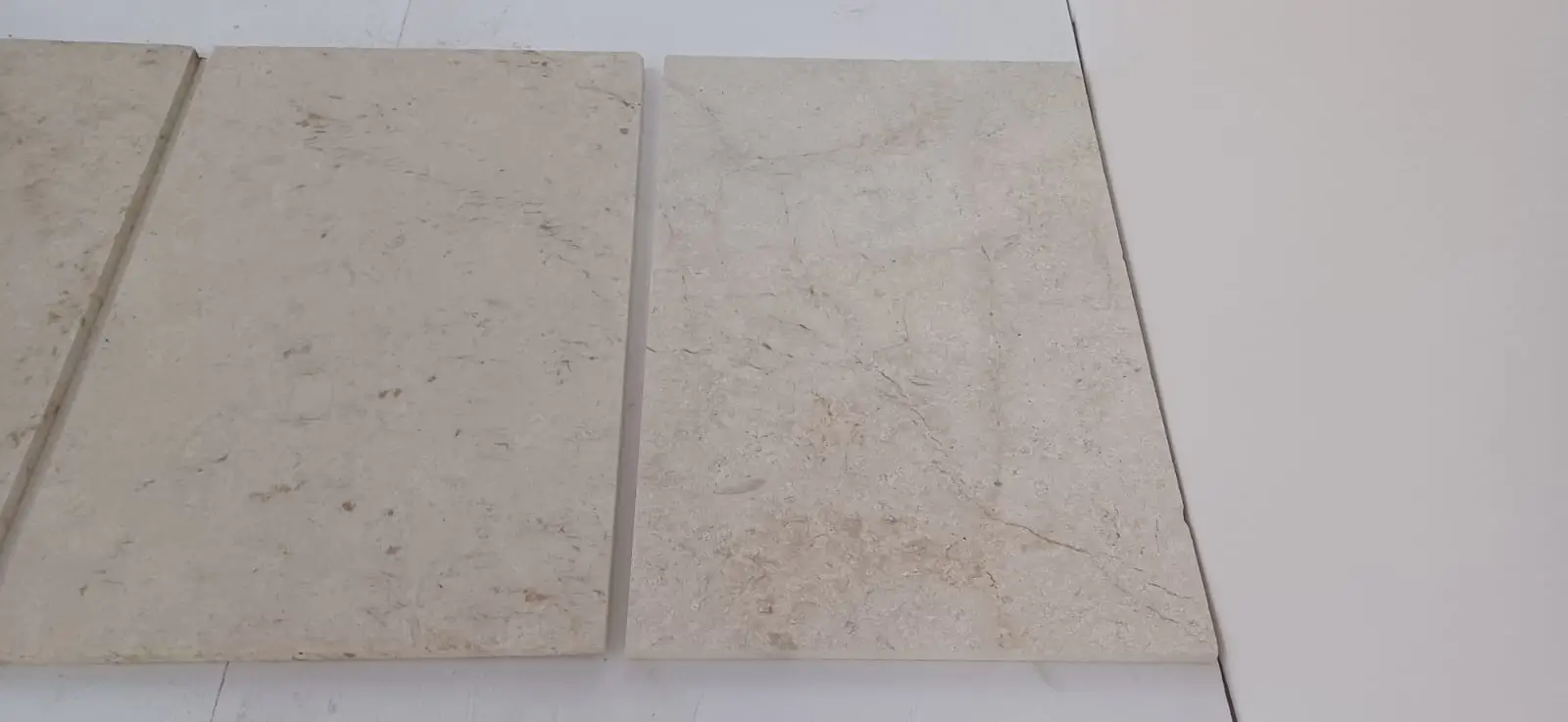
Thermal Cycling and Its Effect on Fabricated Stone Surfaces
Fabricated stone surfaces in kitchen environments experience repeated thermal cycling — cold countertop to hot pan, cold water rinse to heat lamp exposure. Most granite countertops handle this well at the macro level, but the sealer chemistry doesn’t. High heat repeatedly applied to an impregnated sealer accelerates its breakdown, particularly with solvent-based formulas. Silicone-impregnated or fluorocarbon-based sealers generally tolerate kitchen heat better than standard resin sealers, which is worth specifying if the fabricated piece is adjacent to a range or induction cooktop.
Thermal cycling also interacts with the adhesive line on countertops that have been seamed. The epoxy used in seaming has a different thermal expansion coefficient than the stone itself. Over years of cycling, this creates micro-separation at the seam that shows as a hairline gap or a faint stain shadow. Regular care won’t prevent this — it’s a fabrication and installation variable. What regular care does is keep that seam line clean so it doesn’t become a moisture trap that accelerates the differential movement.
Professional Restoration Versus Replacement: Where Natural Stone Fabrication Care Draws the Line
Knowing when a surface is beyond care and into restoration territory saves you from throwing maintenance effort at a problem that needs grinding and repolishing. Etching — the chemical attack on calcite-bearing stones like marble and some softer limestone — creates a dull, rough patch that no amount of cleaning will correct. That surface has been physically removed at the microscopic level. Restoration means diamond abrasive repolishing, which is a professional job and a real project cost. For granite, true etching is rare given its silicate composition, but surface scratching from abrasive cleaners produces a similar visual result and also requires mechanical refinishing.
For guidance on how your sealing and daily care program connects to the full picture of natural stone fabrication care, our natural stone care tips cover the specification considerations that most off-the-shelf advice leaves out. The distinction between what regular care can address and what requires professional intervention should be established at the point of project handover — not discovered two years later.
Sustaining Your Natural Stone Fabrication Care Program
Natural stone fabrication care is ultimately a system, not a checklist. Every variable — finish type, edge profile, sealer chemistry, cleaning pH, sourcing logistics — connects to every other variable in ways that generic guides don’t capture. The projects that hold up best over time are the ones where the care program was designed alongside the fabrication specification, not added as an afterthought once the stone was installed.
Your starting point is always the stone itself: know what finish was applied, what sealer was used at installation, and what cleaning chemistry you’re introducing into the environment. From there, the protocol is straightforward — test, seal on the right cycle, clean with the right pH, and address problems with the right technique rather than the nearest available product. As you plan your broader stone project, the design and material relationships between different natural stone applications are worth exploring — custom stone design ideas illustrates how fabrication choices and care requirements connect across different project types. Slabs from internationally sourced quarries let Citadel Stone match care routines to each fabricated stone type reliably.
Related reading: stone fabrication industry · Custom Stone Fabrication Cost Factors Explained · slab fabrication problems fixes.