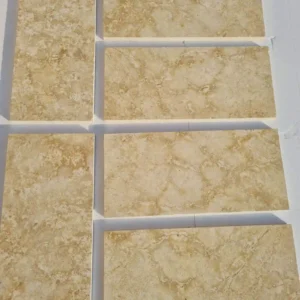
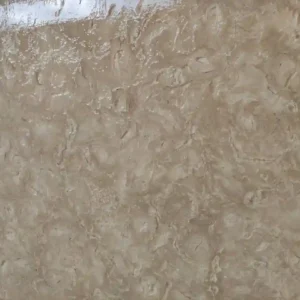
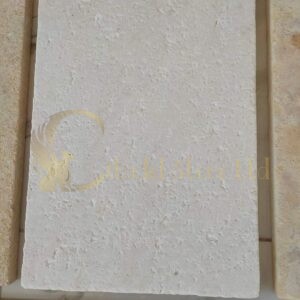
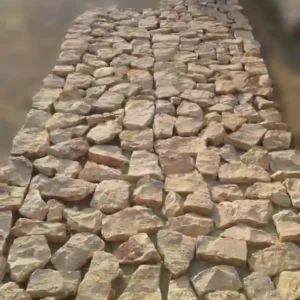
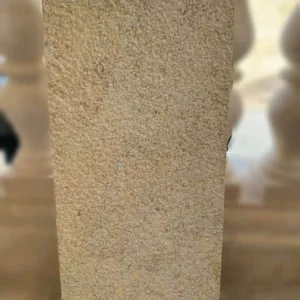
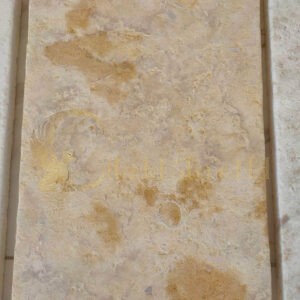
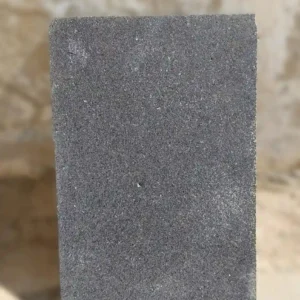
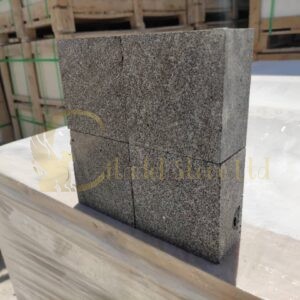
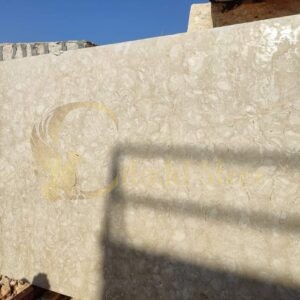
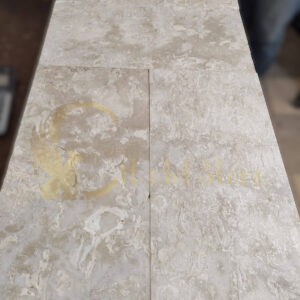
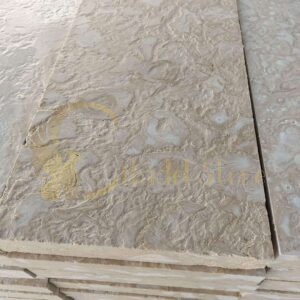
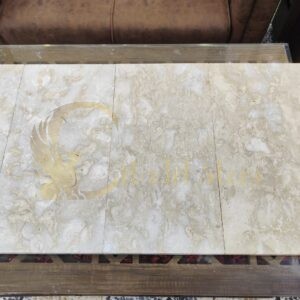
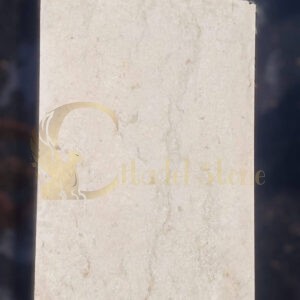
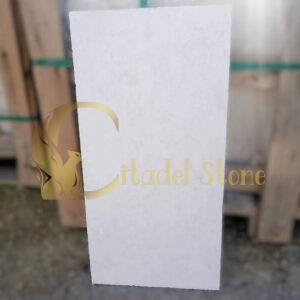
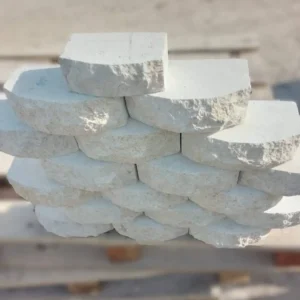
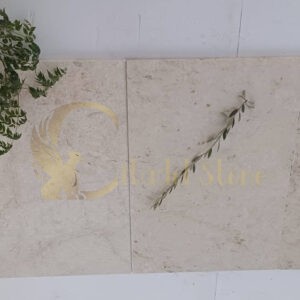





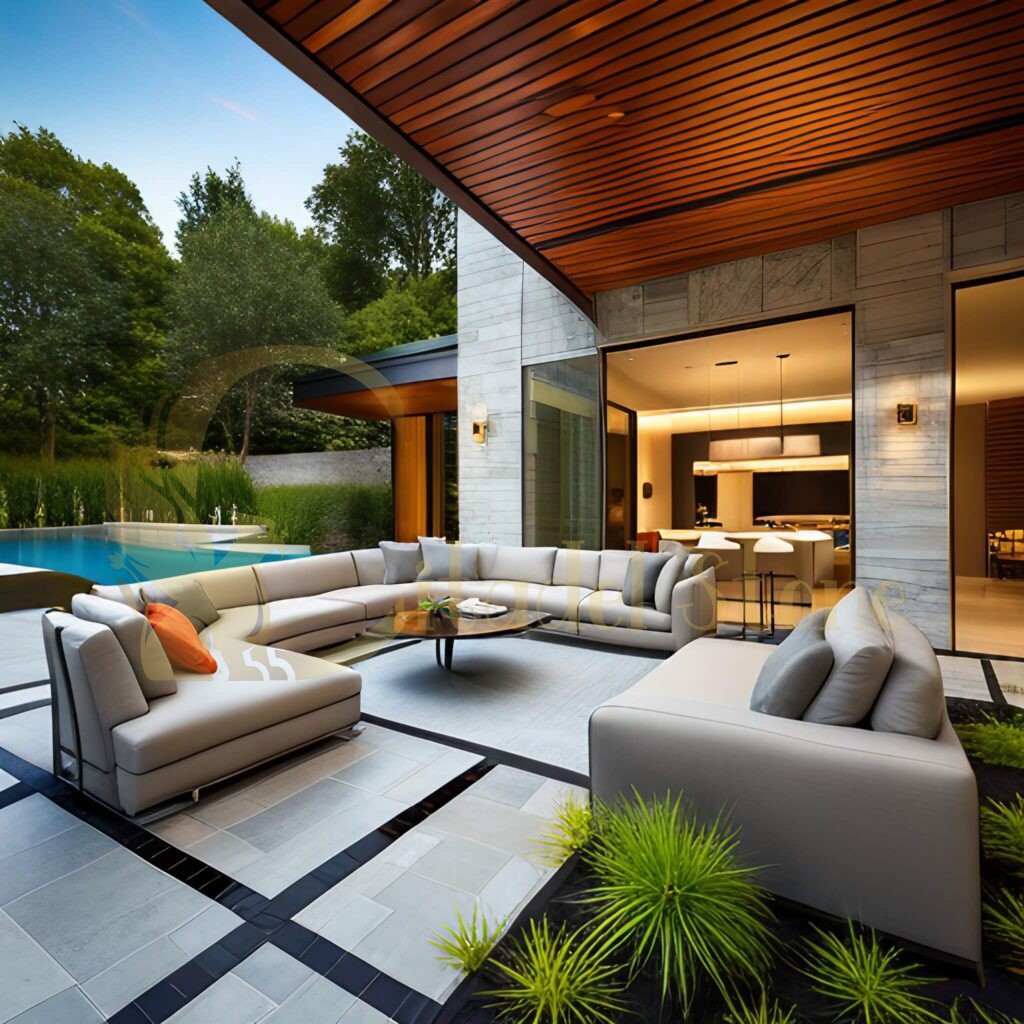
When you’re specifying Limestone Driveway Pavers in Arizona, you’re making a decision that’ll affect performance, aesthetics, and maintenance for decades. Arizona’s brutal climate—with surface temperatures exceeding 160°F in summer and occasional freezing in northern elevations—demands materials that can handle extreme thermal cycling without cracking or spalling. Citadel Stone’s limestone paver offerings are engineered for exactly these conditions, providing the thermal stability and durability your projects require.
You’ll find that limestone’s natural composition gives it advantages over many alternatives in desert environments. The material’s moderate porosity allows for thermal expansion without the structural damage you’d see in denser stones, while its light coloration reflects solar radiation rather than absorbing it. That translates to surface temperatures 20-30°F cooler than darker materials—a critical factor when you’re designing spaces people actually need to walk on during Arizona summers.
Material Performance in Arizona’s Climate
Citadel Stone limestone exhibits a thermal coefficient of expansion around 0.0000044 inches per inch per degree Fahrenheit. What does that mean for your driveway project? A 20-foot limestone paver driveway in Arizona could expand nearly 3/16 inch when temperatures swing from a winter low of 40°F to a summer high of 120°F. You need expansion joints every 15-20 feet to accommodate this movement, or you’ll see cracking within the first year.
The porosity factor matters more than most specifiers realize. Citadel’s limestone paver driveway in Arizona typically shows water absorption rates between 3-6% by weight. That’s the sweet spot—porous enough to handle thermal stress, but dense enough to resist weathering. Materials above 8% absorption start showing freeze-thaw damage in Flagstaff and Sedona, while stones below 2% tend to develop surface cracks from thermal shock.
- Compressive strength exceeding 8,000 PSI for vehicular applications
- Abrasion resistance suitable for high-traffic residential driveways
- UV stability with minimal color fading over 10-15 years
- Slip resistance (DCOF) above 0.50 for textured finishes
- Efflorescence resistance when properly sealed
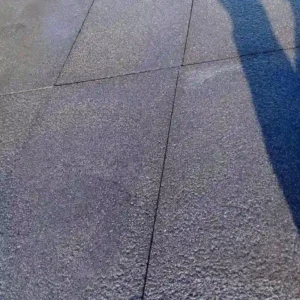
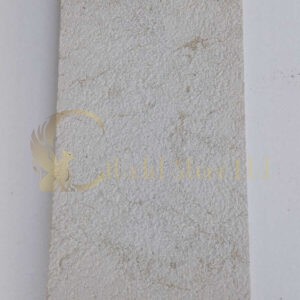
You’ll want to pay particular attention to the finish selection. Citadel Stone’s thermal-finish limestone provides superior slip resistance and lower surface temperatures than polished alternatives. The textured surface increases the effective surface area, which actually helps with heat dissipation. That’s not just theory—testing shows thermal finishes running 8-12°F cooler than honed surfaces under identical conditions.
Substrate Preparation Requirements
Here’s where most installation failures originate: inadequate base preparation. You need a minimum 6-inch compacted aggregate base for pedestrian limestone walkway pavers in Arizona, and that requirement jumps to 8-10 inches for driveway applications. The base material should be Class 2 or Class 3 aggregate base, compacted to 95% modified Proctor density. Anything less, and you’re looking at differential settlement within 18-24 months.
The native Arizona soil conditions complicate this further. Caliche layers—those cement-hard calcium carbonate deposits common throughout the state—create drainage nightmares if you don’t address them during excavation. You’ll need to break through caliche completely and provide positive drainage away from the paver field. Standing water under your Citadel Stone installation will cause efflorescence, and in freeze-thaw zones like Flagstaff, it’ll lead to heaving.
Don’t make the common mistake of skipping the bedding layer. You need 1-1.5 inches of coarse sand or fine aggregate between your compacted base and the limestone pavers. This layer allows for minor adjustments during installation and provides a cushion that distributes loads more evenly. For our limestone paver driveway collection, the bedding sand should be angular, not rounded, to resist lateral movement under vehicle loads.
Joint Spacing and Edge Restraint
The reality is that joint spacing directly affects long-term performance. For Citadel Stone Limestone Driveway Pavers in Arizona, you’re looking at 3/8-inch minimum joints between individual pavers. That spacing accommodates the thermal expansion we discussed earlier while providing room for polymeric sand or mortar fill. Tighter joints look cleaner initially, but they’ll force the pavers to expand against each other, causing edge spalling and lippage.
- Expansion joints every 15-20 feet in both directions for large installations
- Perimeter edge restraint using concrete curbing or metal edging rated for 2,000+ pounds lateral force
- Polymeric sand joint fill for pedestrian applications
- Mortar joints (minimum 1/2 inch) for vehicular loads
- Isolation joints where paver field meets structures or fixed elements
Your edge restraint system is non-negotiable for driveway applications. Citadel Stone recommends concrete edge restraint extending 6 inches below the bottom of your pavers, with a minimum 4-inch width. The restraint needs to be installed before you lay pavers, not added afterward. Steel or aluminum edging systems work for limestone walkway pavers in Arizona pedestrian applications, but vehicular loads require the lateral resistance that only concrete provides.
Color Selection and Heat Management
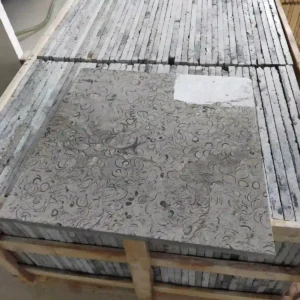
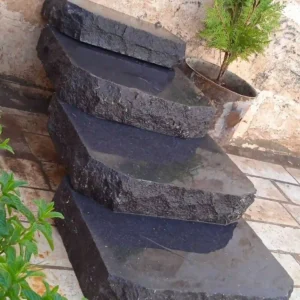
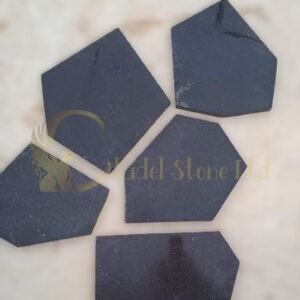
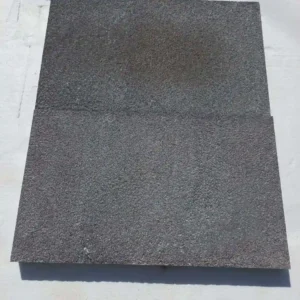
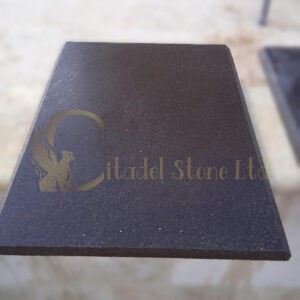
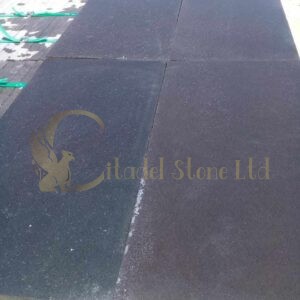
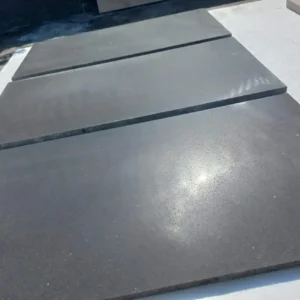
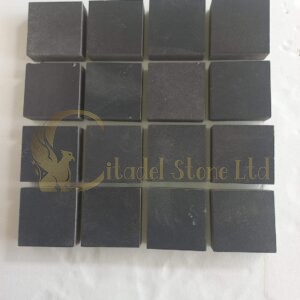
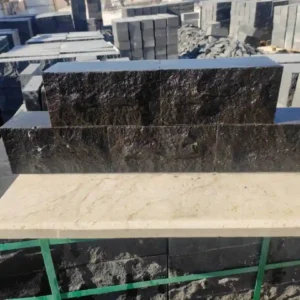
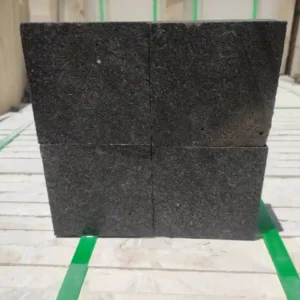
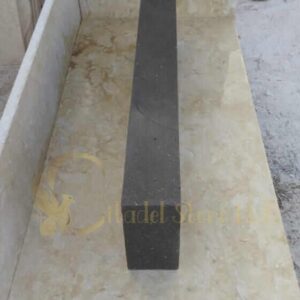
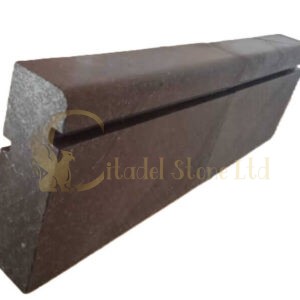
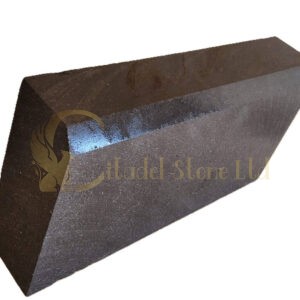
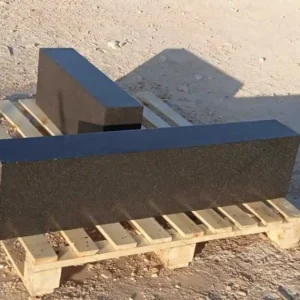
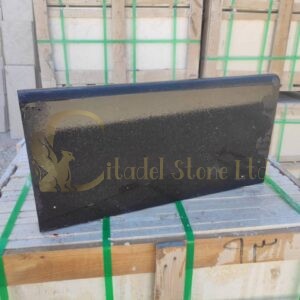
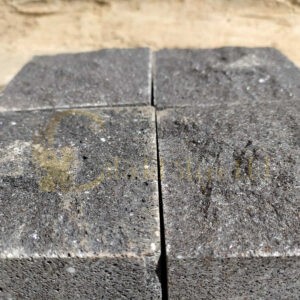
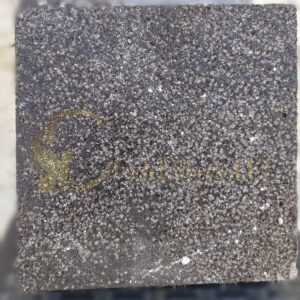
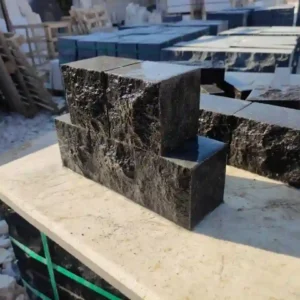
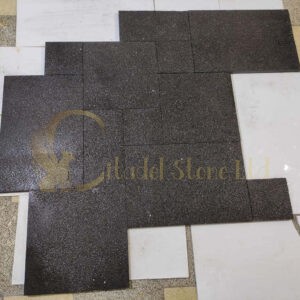
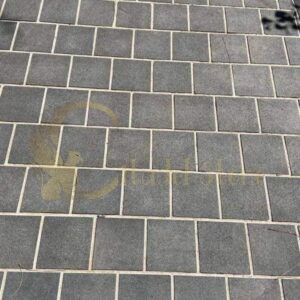
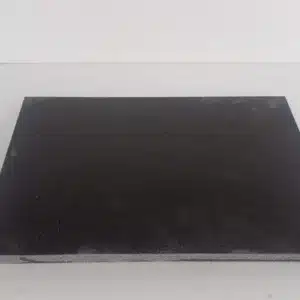
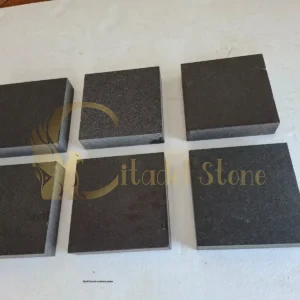
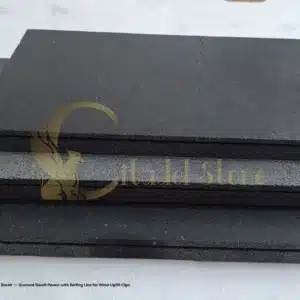
When you specify a black limestone driveway in Arizona, you’re creating a surface that can reach 180°F on a 110°F day. That’s hot enough to cause discomfort even through shoes and makes the space unusable during peak summer hours. Citadel Stone carries darker limestone options, but you need to understand the thermal implications before specifying them for Arizona projects.
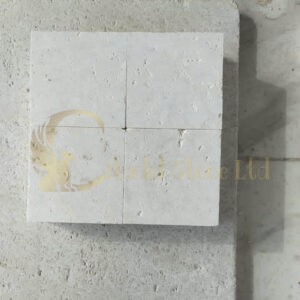
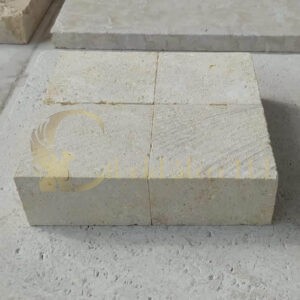
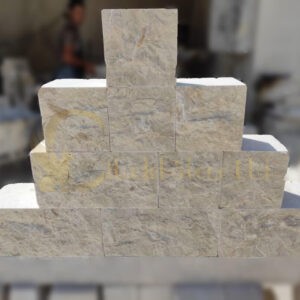
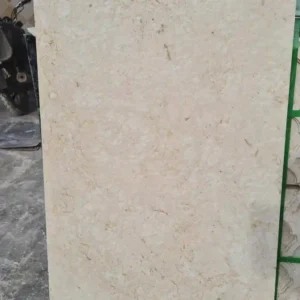
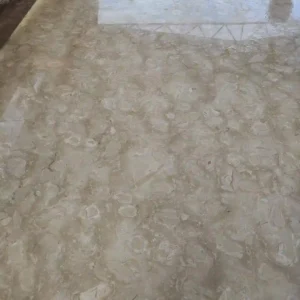
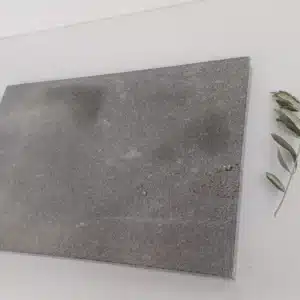
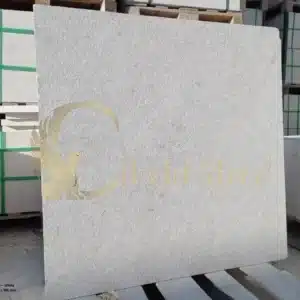
Light-colored limestone—whites, creams, and light grays—reflects 60-70% of solar radiation. That keeps surface temperatures 25-35°F cooler than dark materials. The difference isn’t just comfort; it’s structural. Lower surface temperatures mean less thermal stress, which translates to longer service life and reduced maintenance. You’ll also see lower cooling costs for adjacent structures, since radiant heat from dark pavers significantly impacts HVAC loads.
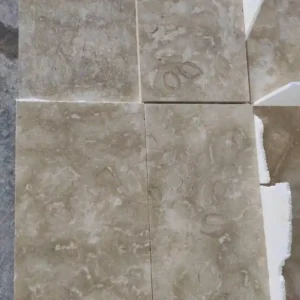
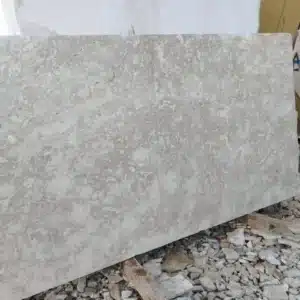
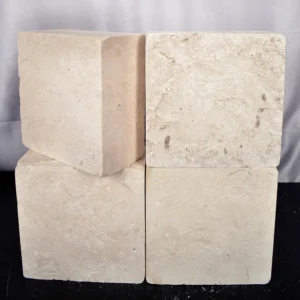
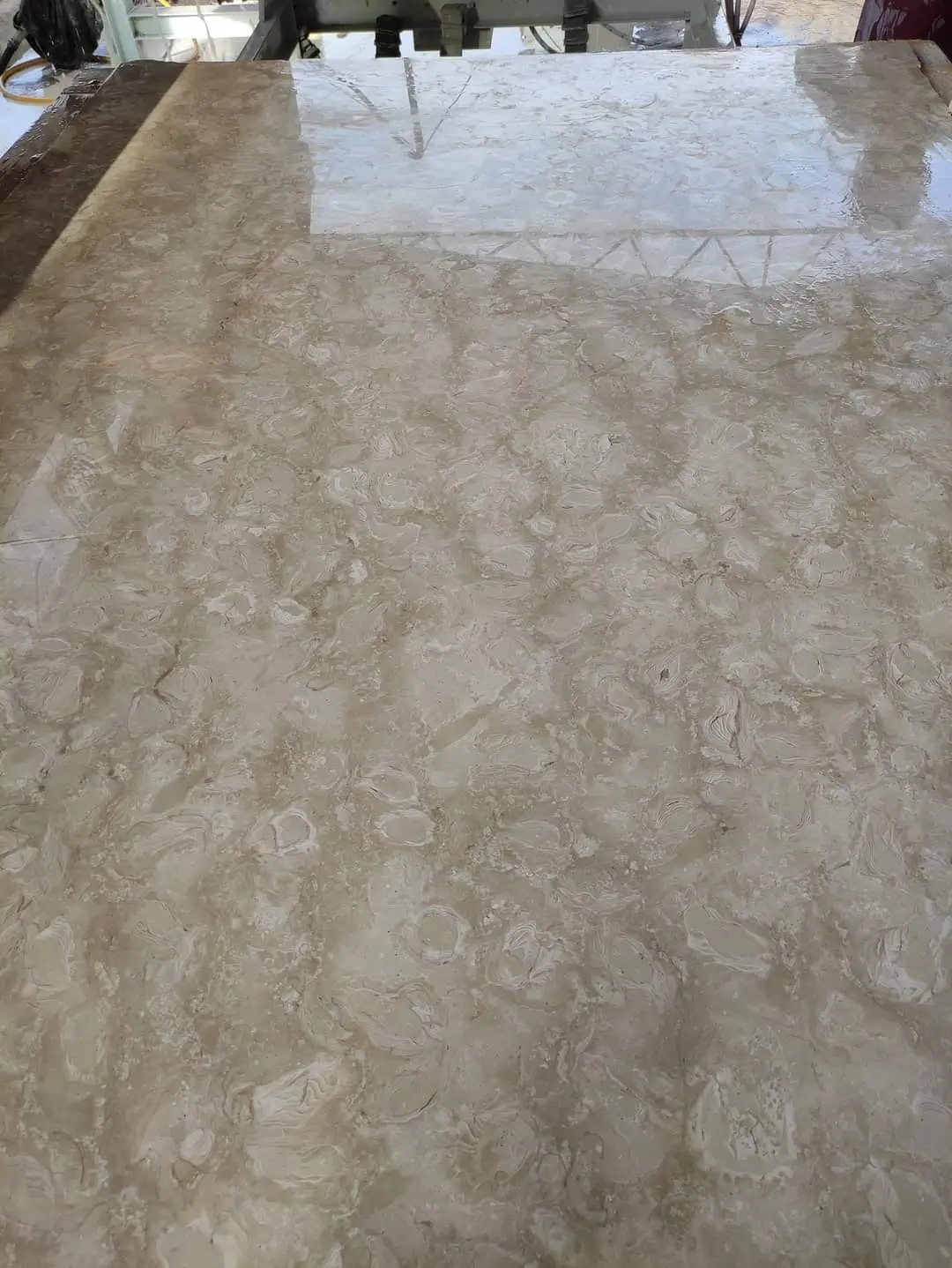
The color consistency factor matters for client satisfaction. Natural limestone shows inherent variation, which gives it character but can surprise clients expecting uniformity. Citadel’s limestone paver driveway in Arizona projects typically use material from consistent quarry runs to minimize dramatic color shifts. You should request samples from the actual lot you’ll be using, not just catalog photos, and show clients multiple pieces to set realistic expectations.
Sealing and Maintenance Protocols
You’ll need to seal Citadel Stone limestone pavers in Arizona climate conditions—that’s not optional. The combination of intense UV exposure, thermal cycling, and occasional monsoon moisture accelerates surface weathering. A penetrating sealer applied 30-60 days after installation (allowing for initial curing and efflorescence release) protects against moisture penetration and UV degradation.
Don’t oversell maintenance-free performance. Limestone requires resealing every 3-5 years in Arizona conditions, more frequently for vehicular applications where petroleum products and tire wear accelerate sealer breakdown. Your clients should plan for pressure washing and resealing as part of routine maintenance. The cost runs approximately $1.50-2.50 per square foot for professional resealing, which you should disclose during specification.
- Initial sealer application 30-60 days post-installation
- Resealing every 3-5 years for pedestrian areas
- Annual inspection for joint material deterioration
- Immediate stain treatment for petroleum products or organic matter
- Pressure washing before resealing (maximum 1,500 PSI to avoid surface damage)
The efflorescence issue deserves specific attention. Arizona’s hard water and mineral-rich soils make efflorescence nearly inevitable during the first 6-12 months. That white powdery surface deposit is calcium carbonate leaching from the limestone or substrate. It’s cosmetic, not structural, and it’ll diminish over time. You can accelerate the process with acidic cleaners, but aggressive treatment can damage the limestone surface. Most experienced specifiers just let it weather naturally and address it during the first resealing.
Installation Best Practices for Arizona Conditions
Here’s what you need to communicate to your installation teams: summer installation in Arizona requires modified procedures. When ambient temperatures exceed 95°F, you’re dealing with accelerated mortar curing, rapid moisture loss from bedding materials, and thermal expansion that’s already occurring during installation. Citadel Stone recommends early morning installations (starting before 7 AM) during May through September.
The substrate moisture content at installation matters more than most installers realize. Your compacted base should be slightly damp—not saturated, not bone dry. Completely dry aggregate bases don’t compact properly and can shift under initial loads. Overly wet bases won’t support the pavers during installation and can cause immediate settling. You’re looking for moisture content around 5-7% by weight, which is roughly the consistency where aggregate just barely holds together when squeezed.
Watch for thermal expansion during installation itself. Limestone pavers delivered in full sun can be 20-30°F hotter than ambient air temperature. If you install them immediately, they’ll contract as they cool, potentially creating wider joints than specified. Let materials acclimate in shade for 2-3 hours before installation, or work from covered pallets. That simple step prevents the joint-width inconsistencies that create visual problems in finished installations.
Load-Bearing Specifications for Vehicular Use
Citadel Stone’s Limestone Driveway Pavers Arizona installations need proper thickness for vehicular applications. You’re looking at minimum 2-inch thickness for occasional vehicle traffic (residential driveways with 2-4 vehicles). For heavier loads—delivery trucks, RVs, or commercial applications—you need 2.5-3 inch pavers over a reinforced base.
The load distribution calculation is straightforward but critical. A typical passenger vehicle creates point loads around 1,200-1,500 pounds per tire contact patch. That load needs to transfer through the paver, through the bedding layer, into the compacted base, and ultimately to the subgrade. Each layer in that system needs adequate bearing capacity, or you’ll see localized settling at the weak point.
- Minimum 2-inch paver thickness for residential driveways
- 8-10 inch compacted aggregate base for vehicular loads
- Geotextile fabric between subgrade and base in areas with poor soil conditions
- Compaction testing to verify 95% modified Proctor density
- Thicker pavers (2.5-3 inches) for areas with regular heavy vehicle traffic
You’ll find that Arizona’s expansive clay soils complicate load-bearing calculations in some areas. Phoenix, Tucson, and other valley locations have soils that swell with moisture and shrink when dry. That movement can exceed 2-3 inches vertically in extreme cases. Your base preparation needs to address this—either by excavating below the active soil zone (typically 18-24 inches) or by using geotextile stabilization and deeper aggregate bases to bridge over the expansive layer.
Cost Factors and Procurement Considerations
When you’re budgeting Citadel Stone limestone paver driveway in Arizona projects, you’re looking at material costs ranging from $8-16 per square foot, depending on thickness, finish, and color selection. That’s for the pavers themselves. Add installation labor ($6-12 per square foot), base preparation ($3-5 per square foot), and edge restraint ($8-15 per linear foot), and your total installed cost runs $20-35 per square foot for residential driveways.
The warehouse stock availability directly impacts your project timeline. Citadel Stone maintains inventory of popular limestone selections for immediate availability, but custom colors or special sizes can require 6-12 weeks lead time from quarry to delivery. You should verify stock levels during the design phase, not after your client signs a contract. Nothing frustrates owners more than discovering their preferred material adds two months to the schedule.
Don’t overlook the delivery logistics. Arizona projects often involve challenging site access—narrow streets in historic neighborhoods, gated communities with truck restrictions, or remote properties with unpaved access roads. A standard delivery truck requires 12-foot width clearance and adequate turning radius. If your site can’t accommodate standard delivery, you’re looking at shuttle charges or crane offloading, which can add $500-2,000 to project costs.
Common Specification Errors to Avoid
Here’s what causes problems in the field: specifiers who treat limestone walkway pavers in Arizona projects like concrete pavers. They’re fundamentally different materials with different installation requirements, different performance characteristics, and different maintenance needs. Citadel Stone regularly sees specs that call for 1/4-inch joints (too tight for natural stone thermal expansion), inadequate base depth (copied from concrete paver standards), or no sealing requirements (acceptable for concrete, disastrous for limestone).
The substrate drainage specification is another common failure point. Generic language like “provide positive drainage” doesn’t give installers actionable guidance. You need to specify minimum 2% slope away from structures, detail how to handle caliche layers, and require perimeter drainage in areas where groundwater or irrigation runoff could accumulate under the paver field. Be specific about grading requirements, drain locations, and drainage material specifications.
- Inadequate joint spacing leading to edge damage from thermal expansion
- Insufficient base depth causing premature settling
- Missing edge restraint specifications allowing lateral paver movement
- No sealing requirements leaving limestone vulnerable to weathering
- Failure to specify expansion joints for installations exceeding 400 square feet
- Omitting substrate drainage details leading to efflorescence and moisture damage
You’ll also see failures from mismatched expectations. Clients who expect limestone to perform like porcelain tile—with perfect flatness, uniform color, and zero maintenance—will be disappointed regardless of how well the installation is executed. Your specification should include language about natural variation, expected maintenance, and realistic performance parameters. That protects everyone: you, your client, and the installer.
Citadel Stone — Limestone Paver Driveway in Arizona Best Practices for Specifications
This section provides hypothetical guidance for how Citadel Stone would recommend approaching limestone paver driveway projects across Arizona’s diverse climate zones. These scenarios demonstrate the professional specification approach that delivers long-term performance while managing client expectations and installation variables. Citadel Stone’s deep expertise in Arizona applications makes us your trusted resource for materials that handle the state’s extreme conditions.
Phoenix Desert Application
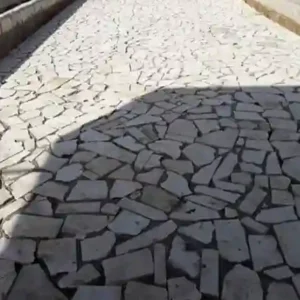
For Phoenix projects, you’d prioritize light-colored Citadel Stone limestone to manage surface temperatures in the low desert heat. Typical specifications would call for 2-inch thermal-finish pavers over 8-inch compacted base, with expansion joints every 18 feet to handle the extreme thermal cycling. The primary challenge is managing client expectations about summer surface temperatures—even light limestone reaches 130-140°F in July. Citadel Stone would recommend installing covered parking areas or shade structures over high-traffic portions of the limestone paver walkway in Arizona designs. Substrate preparation requires addressing caliche layers common in Phoenix valley soils.
Tucson Installation Factors
Tucson’s slightly higher elevation and increased monsoon activity would influence your Citadel Stone material selection toward limestone with lower absorption rates—targeting 3-4% rather than the 5-6% you’d accept in drier climates. The specification would emphasize perimeter drainage to handle monsoon runoff, with minimum 3% slope away from structures. You’d detail polymeric sand joint treatment that can handle occasional heavy rainfall without washing out. Citadel’s limestone paver driveway in Arizona Tucson applications would typically include penetrating sealer with UV inhibitors applied within 45 days of installation to protect against the intense southern Arizona sun exposure.
Scottsdale Luxury Standards
Scottsdale’s high-end residential market demands premium aesthetics alongside performance. Citadel Stone would specify our finest-grade limestone selections with tight color matching, typically from single quarry runs to minimize variation. Edge details would include decorative banding or inlay patterns using contrasting limestone colors. The installation spec would require laser-guided grading to maintain consistent reveals and eliminate lippage. Vehicle loads from luxury SUVs and occasional exotic sports cars (with lower ground clearance requiring smoother transitions) would dictate 2.5-inch minimum paver thickness. Sealing protocols would emphasize high-gloss penetrating sealers that enhance color while providing protection.
Flagstaff Freeze-Thaw Considerations
At 7,000 feet elevation, Flagstaff presents Arizona’s most challenging freeze-thaw environment for Limestone Driveway Pavers in Arizona. Your Citadel Stone specification would require limestone with maximum 3.5% absorption to resist freeze-thaw damage, and you’d detail installation procedures that prevent water accumulation in the substrate. The base depth increases to 10-12 inches with geotextile reinforcement, and you’d specify closed-cell foam expansion joint material that won’t absorb moisture. Snow removal equipment creates additional abrasion concerns, so you’d recommend 2.5-inch minimum thickness and avoid honed finishes that show wear patterns. Citadel’s warehouse could supply specialized low-absorption limestone specifically selected for northern Arizona mountain applications.
Sedona Aesthetic Integration
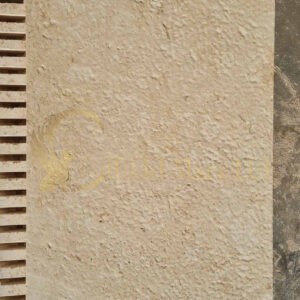
Sedona projects demand limestone colors that complement the iconic red rock landscape. Citadel Stone would recommend warm-toned limestone in buff, tan, or light terra cotta shades that harmonize with natural surroundings while still providing thermal performance benefits. The specification would address Sedona’s strict design review requirements, typically requiring samples and mockups for approval before installation. Site access challenges—narrow roads, steep grades, limited truck access—would influence delivery logistics planning. You’d coordinate Citadel warehouse deliveries carefully to avoid tourist season traffic. The moderate elevation (4,500 feet) requires consideration of occasional freezing, so limestone selection targets 4-5% maximum absorption rates.
Yuma Extreme Heat Performance
Yuma’s distinction as one of America’s hottest cities makes thermal management your primary specification concern for Citadel Stone limestone installations. You’d specify only the lightest limestone colors available—whites and light creams—to minimize solar heat gain. Surface temperature testing data would inform discussions with clients about realistic usability during summer months. The specification would detail shade structure integration as a required element, not optional. Base preparation is typically straightforward in Yuma’s sandy soils, but you’d need careful attention to compaction testing since sandy substrates can be deceptive. Citadel’s limestone paver walkway in Arizona Yuma applications would include high-performance UV-resistant sealers applied every 3 years due to the extreme sun exposure degrading sealer performance faster than other Arizona locations.
Setting Realistic Performance Expectations
When you present Citadel Stone Limestone Driveway Pavers in Arizona to clients, honesty about performance limitations builds trust more effectively than exaggerated claims. Limestone will show some color variation—that’s inherent to natural stone. It will require periodic maintenance. It won’t stay pristine white in high-traffic areas without regular cleaning. Surface temperatures will still be hot in summer, just cooler than alternatives.
What you can promise is durability measured in decades, not years. Properly installed Citadel Stone limestone pavers in Arizona will outlast concrete, asphalt, or synthetic alternatives while maintaining better aesthetics. The material won’t fade significantly, won’t develop the spider-web cracking you see in concrete, and won’t soften or deform like asphalt in extreme heat. Those are genuine performance advantages worth emphasizing.
The maintenance investment is real but manageable. Annual cleaning, periodic resealing, and occasional joint material replacement will be necessary. For most residential driveways, that maintenance costs $300-600 annually if homeowners handle cleaning themselves and hire professionals for sealing every 3-5 years. That’s reasonable compared to the $15,000-40,000 initial investment in a quality limestone paver driveway installation.
Regional Supply and Delivery Factors
Arizona’s geography creates supply chain considerations you need to factor into project planning. Citadel Stone maintains warehouse inventory in strategic locations, but delivery times vary based on your project location and the specific limestone selection. Metro Phoenix, Tucson, and Scottsdale typically see 3-7 day delivery for in-stock materials. Remote areas like Yuma, Flagstaff, or Sedona might require 10-14 days to coordinate truck schedules and optimize delivery routes.
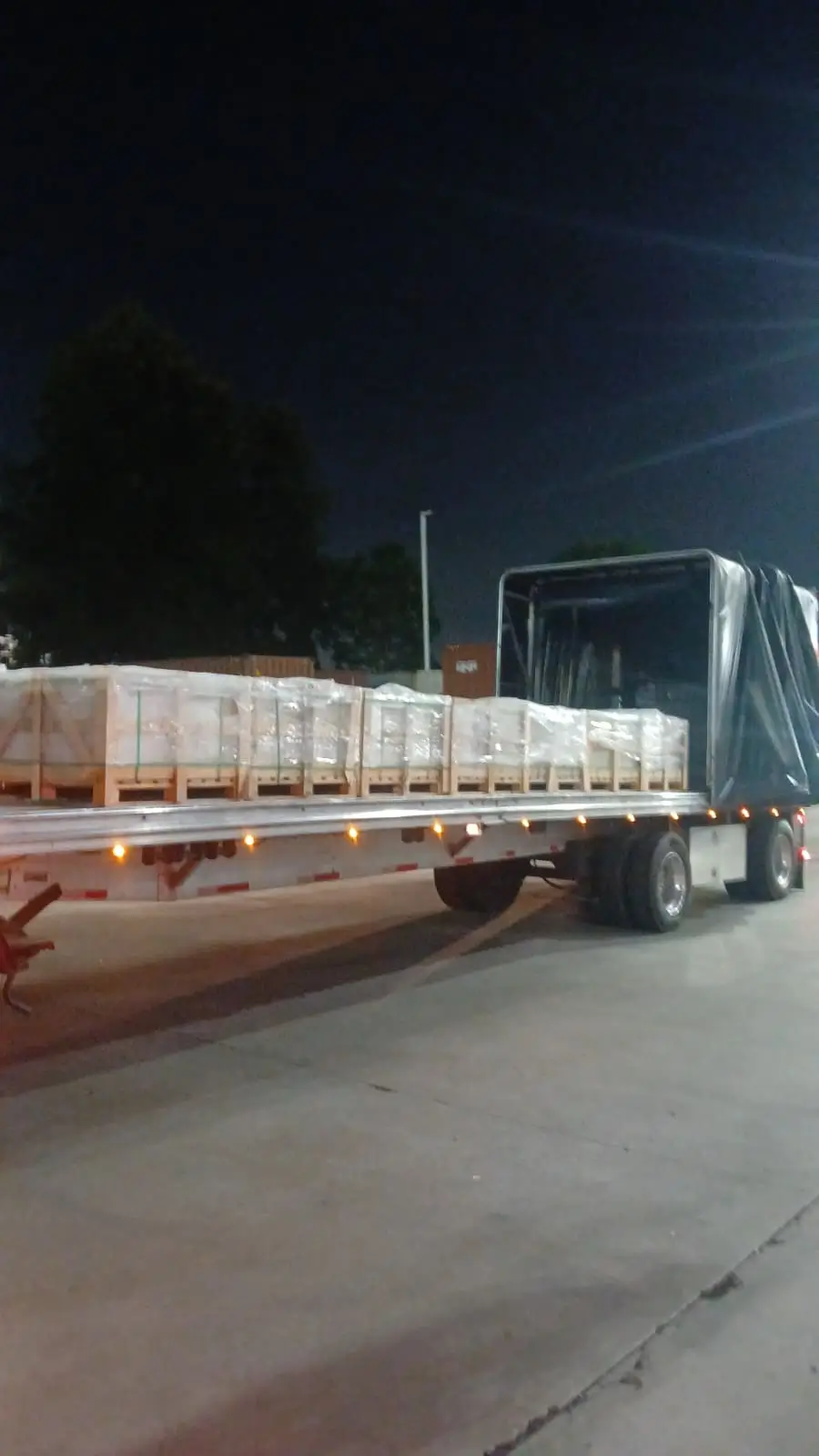
The weight factor matters more than you might expect. Limestone pavers run approximately 140-160 pounds per square foot per inch of thickness. A modest 500-square-foot driveway using 2-inch pavers weighs roughly 14,000-16,000 pounds—seven to eight tons of material. That’s a full truckload, which means delivery logistics become significant. You’ll need confirmed site access for a truck that’s 40-50 feet long, adequate off-loading area, and possibly equipment rental for moving pallets from curb to installation location.
- Metro areas: 3-7 day typical delivery for stock items
- Remote locations: 10-14 day delivery coordination
- Custom orders: 6-12 week lead time from quarry
- Site access requirements: 12-foot minimum width, adequate turning radius
- Off-loading equipment: forklift or telehandler typically required
Don’t forget seasonal considerations. Arizona’s peak construction season runs October through April when temperatures moderate. Citadel’s warehouse inventory moves quickly during these months, and delivery schedules get compressed. If you’re specifying for spring installation, confirm material availability and reserve inventory by late winter. Summer months offer more flexibility on delivery scheduling but create the installation challenges we discussed earlier.
Professional Recommendations
Your specification success comes down to understanding that Citadel Stone limestone pavers aren’t just a finish material—they’re a system that requires proper substrate, correct installation, appropriate maintenance, and realistic performance expectations. When you specify Limestone Driveway Pavers in Arizona, you’re choosing a proven solution for one of North America’s most demanding climates, but only if you detail every component correctly.
The thermal performance advantage of limestone in desert conditions is real and significant. The 20-30°F surface temperature reduction compared to darker materials translates to usable outdoor space during more months of the year. That’s value clients understand when you present it with actual temperature data rather than vague claims about “staying cooler.” Citadel Stone can provide testing data that supports your specifications.
Watch for the common pitfalls: inadequate base preparation, insufficient joint spacing, missing expansion joints, and unrealistic maintenance expectations. Address these proactively in your specifications and client communications. The projects that perform beautifully 10-15 years after installation are the ones where every detail was specified correctly from the beginning. For related guidance on patio applications, review Natural stone pavers designed for Arizona’s extreme heat conditions before finalizing your project approach. When Arizona’s elite demand perfection, they exclusively choose Citadel Stone’s Limestone Driveway Pavers Arizona for grand entrances.