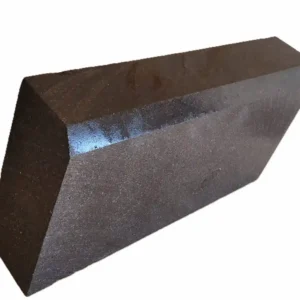
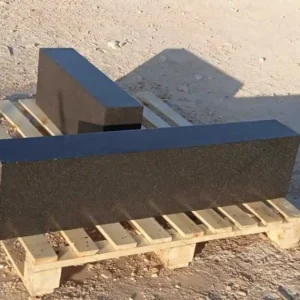
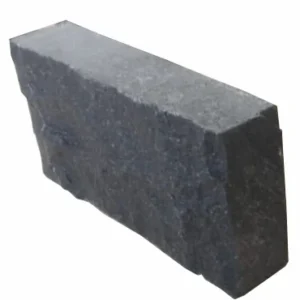
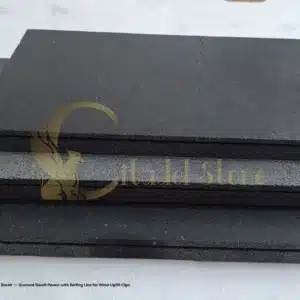
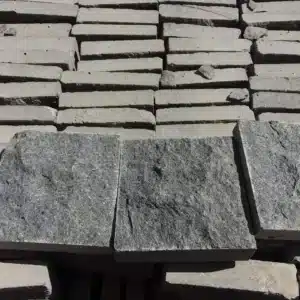
Basalt Tiles: The Ultimate Guide to Versatile Elegance
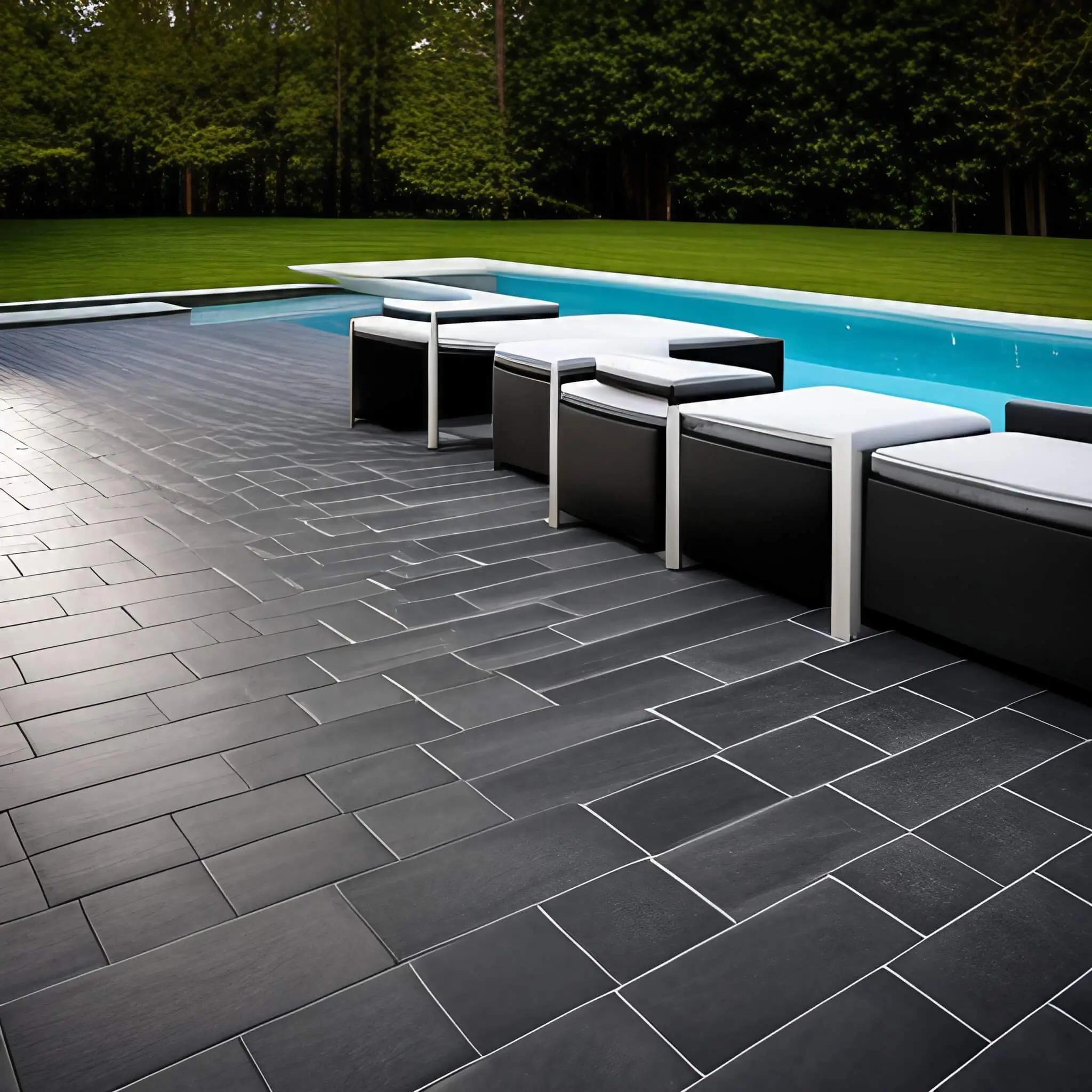
Basalt tiles, crafted from volcanic rock, are celebrated for their timeless beauty, unparalleled durability, and versatility. Whether you’re an architect designing a contemporary masterpiece or a homeowner enhancing your space, basalt tiles offer a unique blend of practicality and aesthetics. This comprehensive guide explores everything you need to know about basalt tiles, from their formation to their myriad applications, and why they are an excellent choice for your next project.
What Are Basalt Tiles?
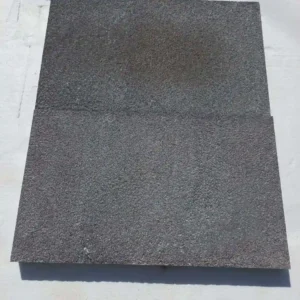
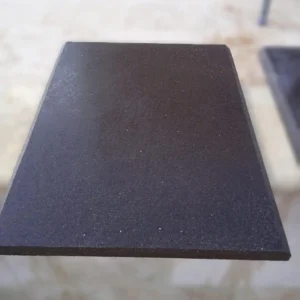
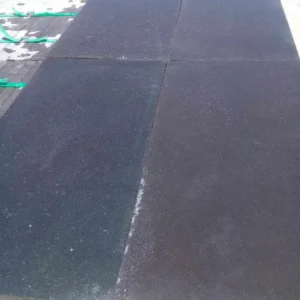
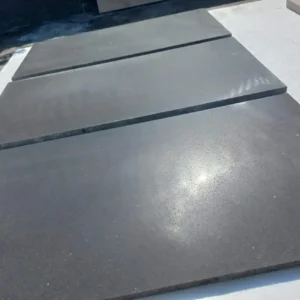
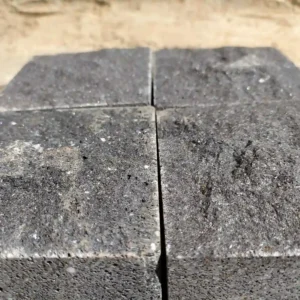
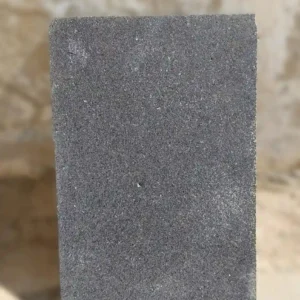
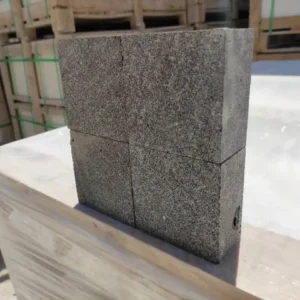
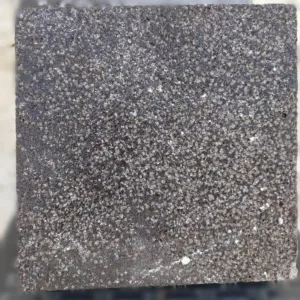
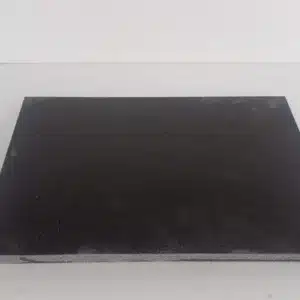
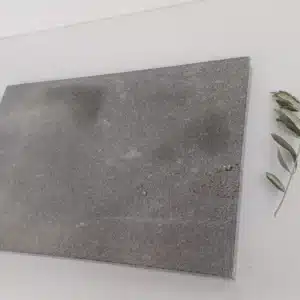
Basalt tiles are derived from basalt rock, a dense and hard volcanic stone formed from cooled lava. Renowned for their natural beauty and strength, these tiles are available in a range of finishes, colors, and sizes, making them ideal for various interior and exterior applications.
Why Choose Basalt Tiles?
- Timeless Elegance: The subtle and neutral tones of sleek basalt tiles for sleek indoor and outdoor designs complement diverse design aesthetics, from minimalist to rustic.
- Durability: Basalt‘s density ensures that these tiles withstand wear and tear, making them suitable for private projects and high-traffic areas.
- Versatility: Ideal for floors, walls, countertops, and outdoor spaces, polished basalt tiles for high-end finishes fit seamlessly into numerous applications.
The Formation and Characteristics of Basalt
How Basalt Is Formed
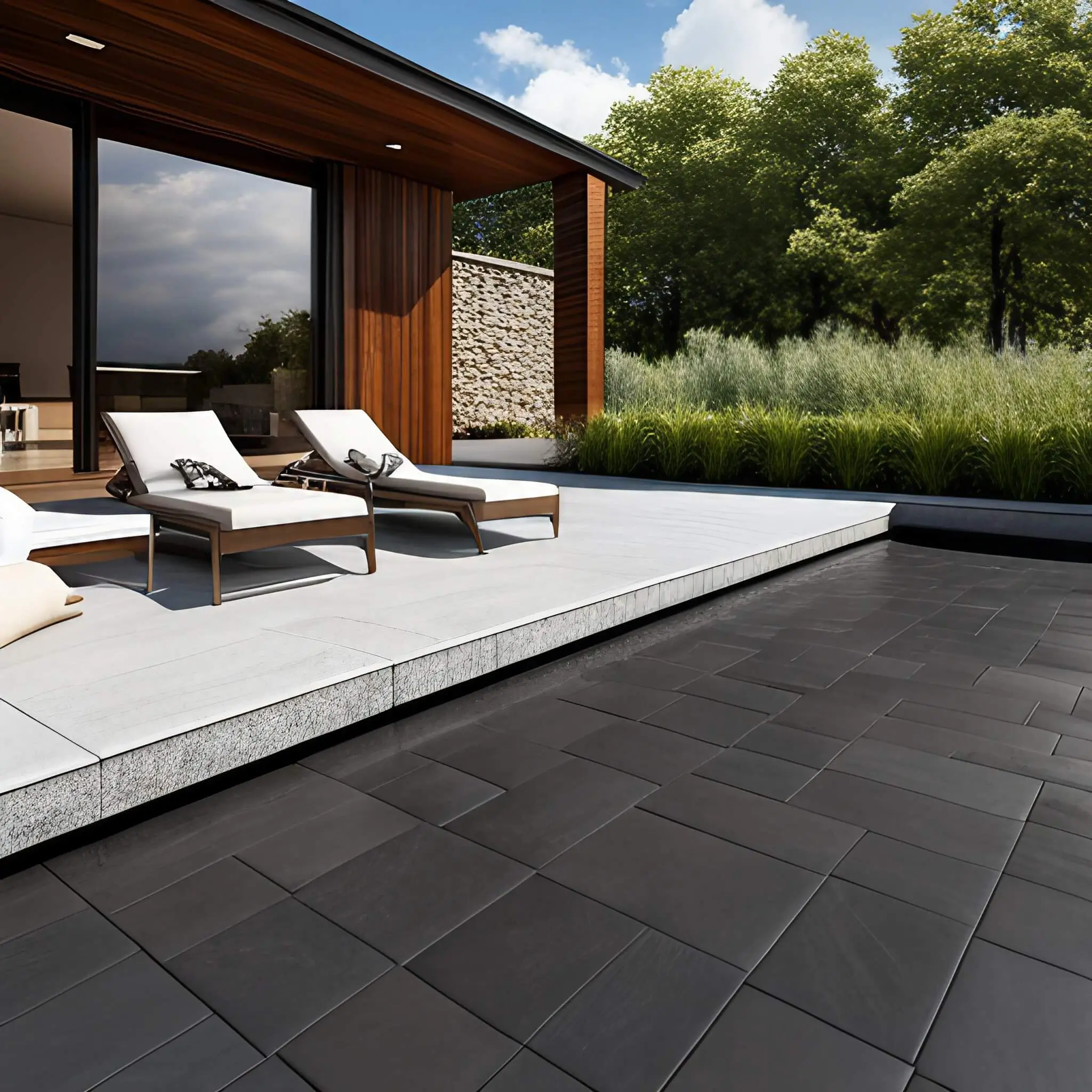
Basalt rock is created when lava cools rapidly at or near the Earth’s surface. This process results in a fine-grained, durable material rich in minerals like pyroxene and plagioclase. The unique formation process lends basalt its characteristic density and durability.
Basalt tiles stand out as a benchmark of toughness, beauty, and versatility. At Citadel Stone, we proudly offer the toughest natural stone in the world, sourced and crafted with precision to meet the demands of both private and commercial projects. Here’s why our affordable basalt tiles for large installations are unparalleled in quality, functionality, and aesthetics.
Unmatched Durability: Tougher Than the Rest
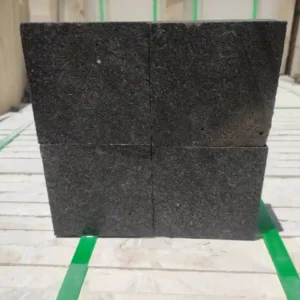
Black basalt tiles are renowned for their extreme durability. Scientifically proven to be three times harder than limestone, sandstone, and even granite, basalt withstands the harshest of environments and the heaviest of loads. This remarkable strength makes it the ideal choice for high-traffic areas and harsh climates, offering unparalleled resistance to wear, cracks, and weathering.
- Low Water Absorption Rate: With a water absorption rate of just 0.59%, black basalt resists water damage, making it suitable for bathrooms, pool areas, and outdoor applications.
- Frost-Proof and Crack-Resistant: Designed to endure freezing temperatures without cracking, basalt tiles are perfect for all-season outdoor use.
- Lasting Beauty: Our tiles maintain their original condition and vibrant black color, ensuring they look pristine for years, even in heavy-use scenarios.
Aesthetic and Practical Appeal
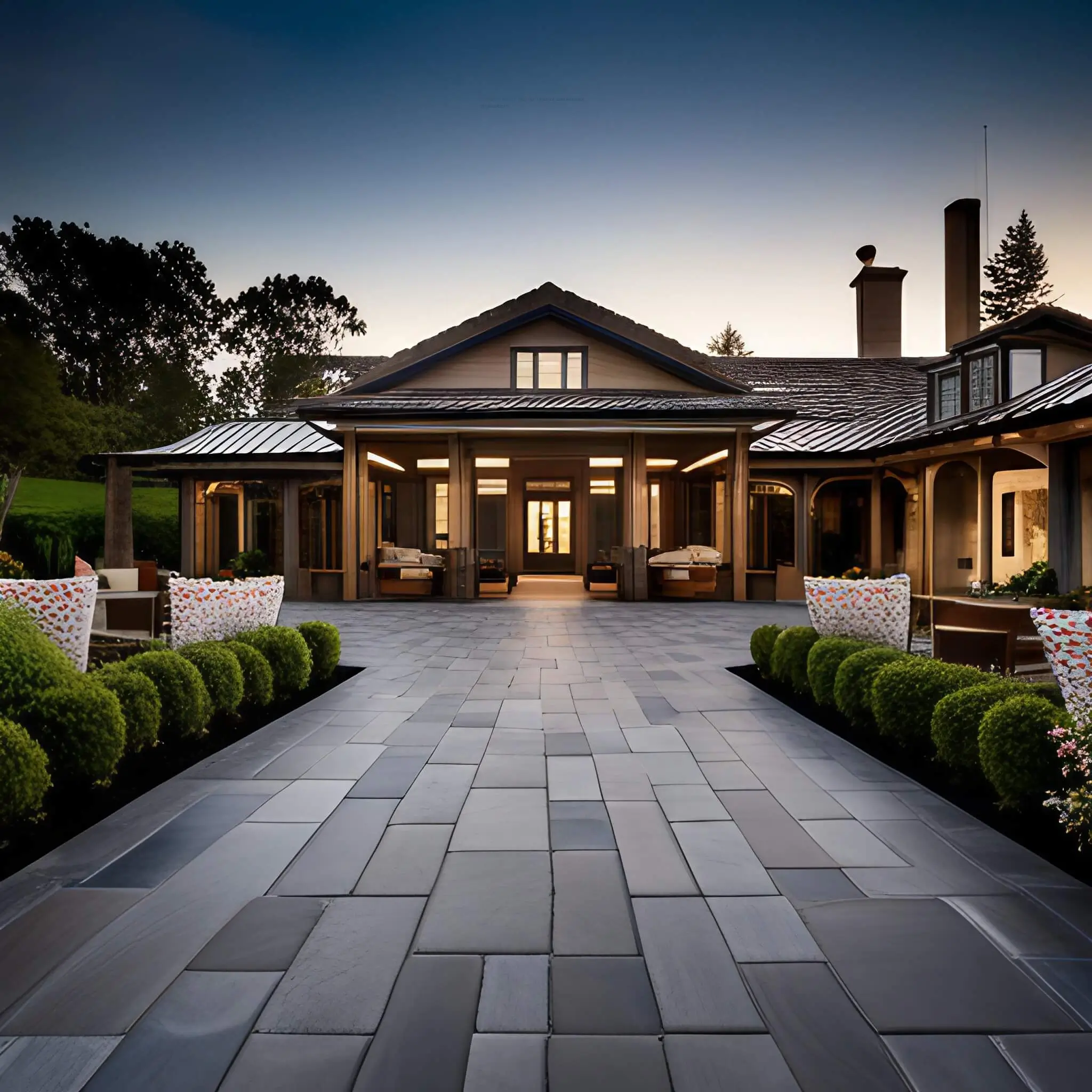
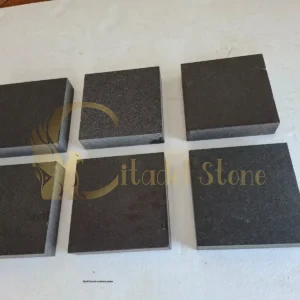
Durable basalt tiles for high-traffic areas are not only robust but also offer a sleek, modern aesthetic. Their attractive and unique black color brings sophistication to any setting. Whether used for hard landscaping, interior designs, or public spaces, these tiles are celebrated for their natural elegance.
- Low Maintenance: Non-reflective black basalt tiles for a matte finish is incredibly easy to clean and maintain. A simple wipe-down restores its lustrous appearance, making it a practical choice for busy areas.
- Versatile Applications: From driveways to patios, commercial projects to living spaces, basalt tiles excel in a variety of applications. Their non-slip properties also make them ideal for pool decks and wet areas.
Affordable Luxury with Citadel Stone
While sophisticated black basalt tiles for luxury designs is traditionally considered an expensive material, Citadel Stone makes it affordable without compromising quality. By hand-selecting the most durable and visually striking tiles, we ensure our customers receive exceptional value for their investment.
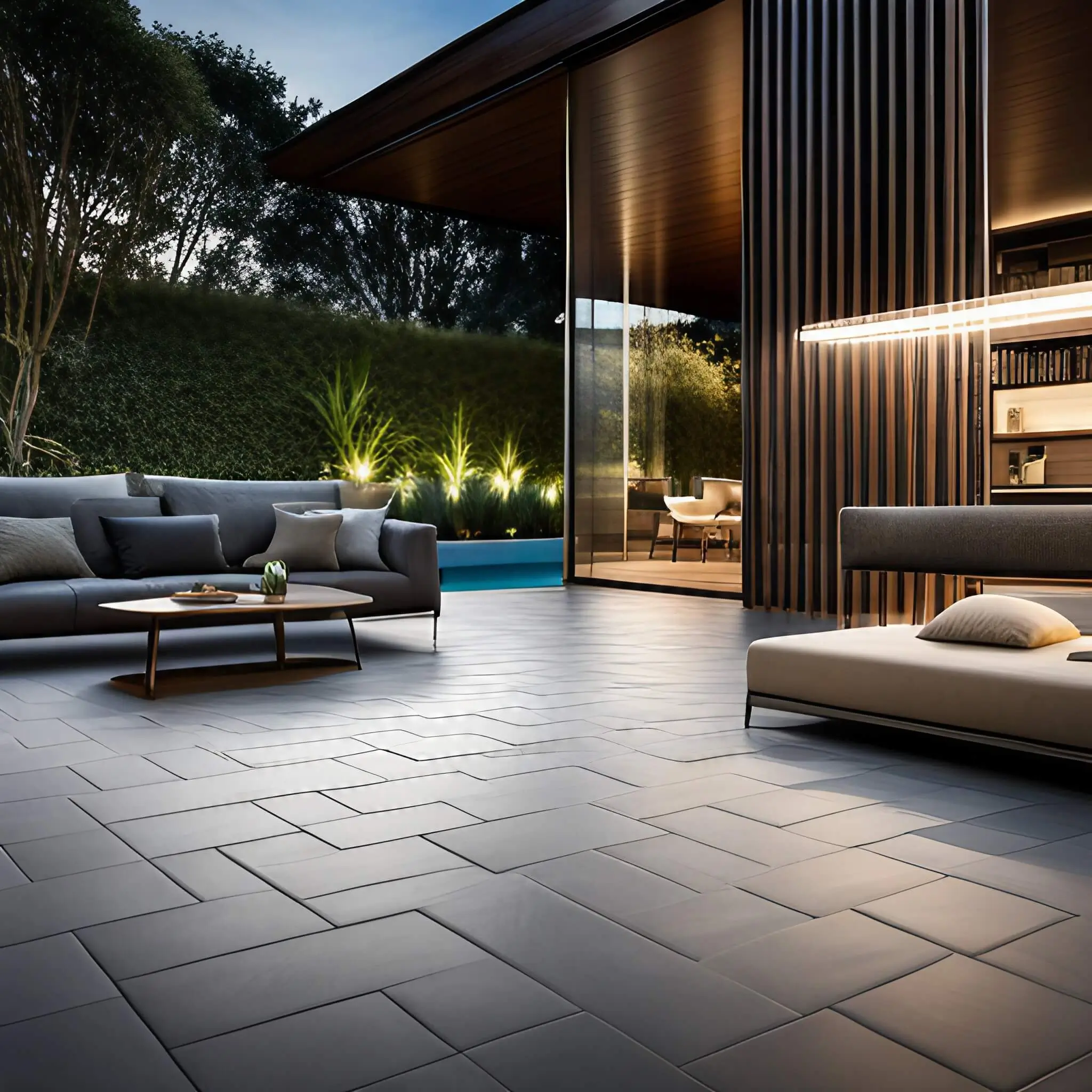
- Eco-Friendly Choice: Our basalt tiles are sustainably sourced, contributing to environmentally conscious building practices.
- Custom Solutions: Available in all thicknesses, sizes, and finishes, Citadel Stone tailors its offerings to fit your specific project needs.
Technical Excellence
Citadel Stone’s black basalt tiles meet the highest technical standards, ensuring durability and strength:
- Density: 3.01 g/cm³
- Water Absorption Rate: 0.59%
- Compressive Strength: 16.41 N/mm²
- Flexural Strength: 10.03 N/mm²
- Abrasion Resistance: 0.91 mm
- Modulus of Rupture: 11.02 N/mm²
These specifications guarantee that our basalt tiles perform optimally in both residential and commercial applications, offering unmatched reliability.
Citadel Stone’s black basalt tiles combine toughness, beauty, and versatility, making them the ultimate choice for any project. Elevate your spaces with a material that delivers timeless elegance and unbeatable durability. Explore our full range of finishes, sizes, and thicknesses today!
Types of Basalt Tiles
1. Polished Basalt Tiles
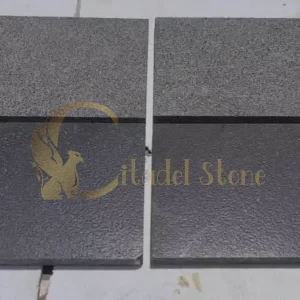
These tiles feature a glossy finish, perfect for modern interiors that demand sleek sophistication.
2. Honed Basalt Tiles
With a smooth, matte finish, honed basalt tiles exude understated elegance suitable for both walls and floors.
3. Textured or Flamed Basalt Tiles
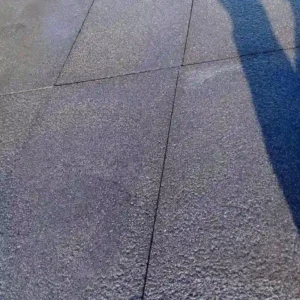
Designed for outdoor applications, textured basalt tiles offer anti-slip properties, making them safe and practical.
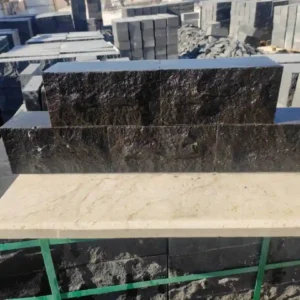
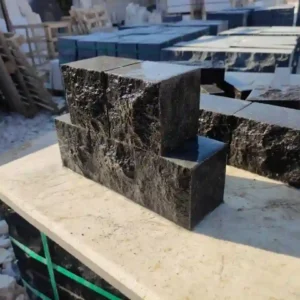
4. Split-Faced Basalt Tiles
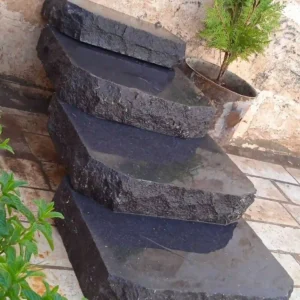
Their rugged, natural look makes them a popular choice for cladding and feature walls.
5. Large Format vs. Small Format
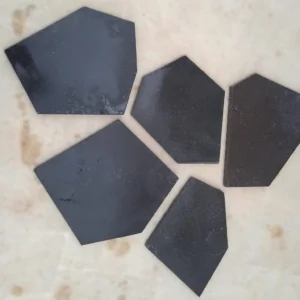
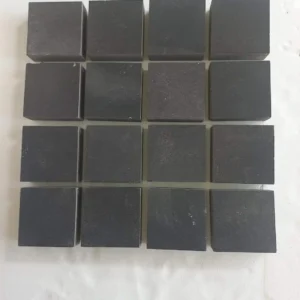
Large tiles create a seamless, expansive look, while smaller tiles provide intricate patterns and flexibility in design.
Applications of Basalt Tiles
Indoor Applications
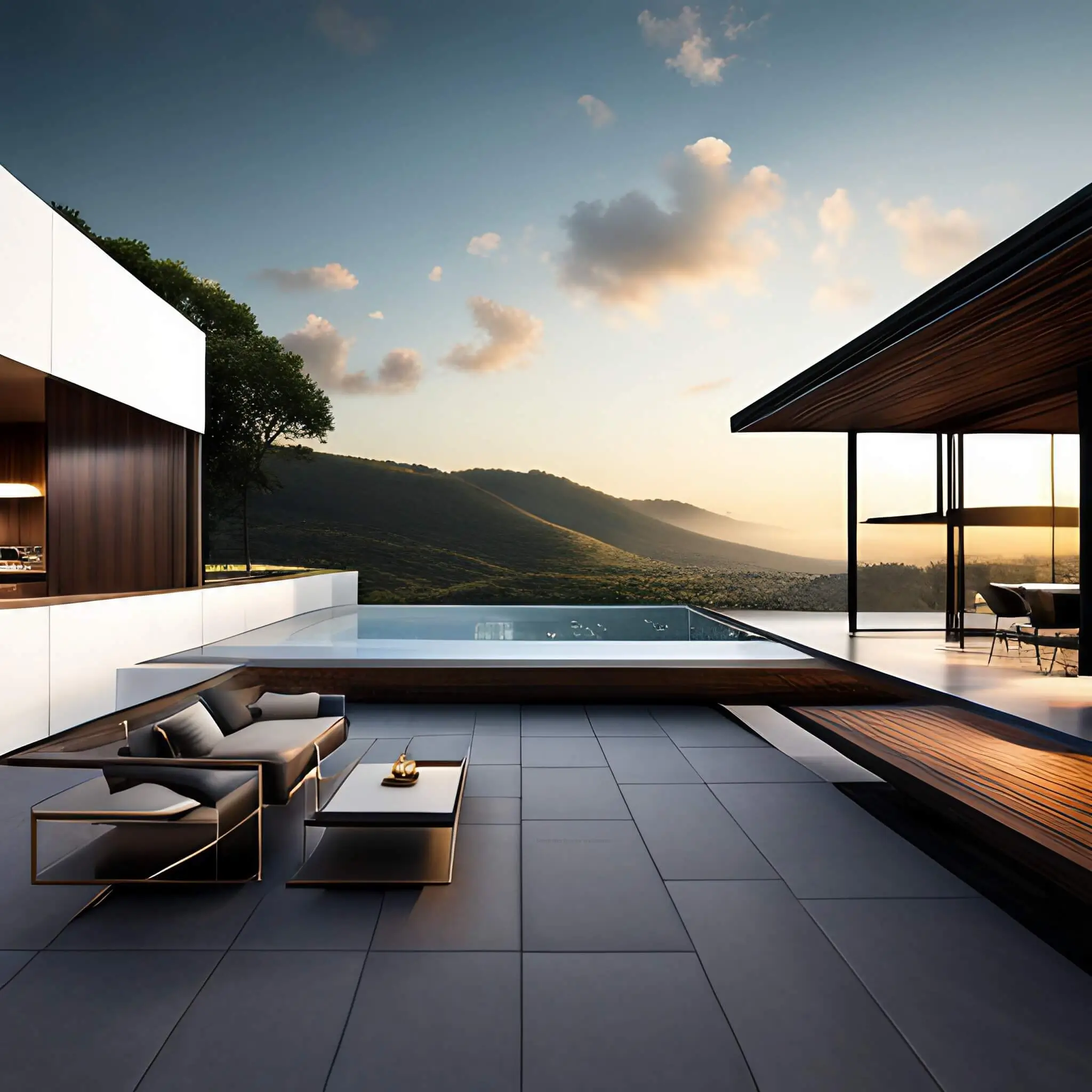
- Flooring: Basalt tiles’ durability makes them ideal for kitchens, bathrooms, and living areas.
- Walls: Perfect for creating striking feature walls or elegant shower enclosures.
- Countertops and Tabletops: Heat-resistant and durable, basalt is a practical choice for busy spaces.
Outdoor Applications
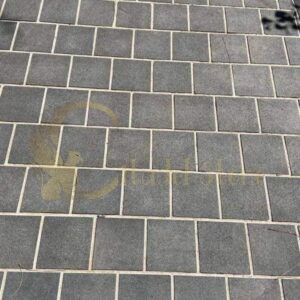
- Patios and Walkways: Textured basalt tiles add natural beauty while providing slip resistance.
- Driveways: Their strength and resilience ensure they can bear heavy vehicular loads.
- Pool Surrounds: Non-slip and water-resistant, basalt tiles enhance safety and style around pools.
Commercial Uses
- Retail and Office Spaces: Basalt tiles endure high foot traffic while maintaining a professional aesthetic.
- Hospitality Design: Used in hotels and restaurants for their blend of durability and elegance.
Benefits of Basalt Tiles
Aesthetic Appeal
The neutral tones and subtle patterns of basalt tiles make them a timeless choice for any design.
Durability and Strength
Basalt tiles resist wear, scratches, and extreme weather conditions, ensuring long-lasting performance.
Low Maintenance
These tiles require minimal cleaning and are naturally resistant to stains and spills.
Eco-Friendly
Basalt is a natural material with minimal environmental impact, making it a sustainable choice.
Thermal Efficiency
Basalt retains heat in winter and stays cool in summer, enhancing energy efficiency.
Comparison: Basalt Tiles vs. Other Natural Stones
Basalt vs. Granite
- Texture: Basalt has a finer grain, while granite features a more crystalline appearance.
- Applications: Both are durable, but basalt’s subtle patterns make it more versatile for minimalist designs.
Basalt vs. Limestone
- Durability: Basalt is denser and more resistant to wear than limestone.
- Water Absorption: Limestone is more porous, making basalt better for wet areas.
Basalt vs. Travertine
- Aesthetic: Travertine offers a more traditional look, while basalt fits contemporary designs.
- Maintenance: Basalt requires less sealing and maintenance compared to travertine.
Basalt Tiles from Syria vs. Basalt Tiles from China, Vietnam & Egypt: Why Syrian Basalt Is the Superior Choice
Hardness & Durability
Syrian basalt tiles are prized for exceptional hardness and long-term durability. Formed from dense, fine-grained volcanic flows, Syrian material typically shows higher surface strength and resistance to abrasion than many imported alternatives. That means fewer surface scratches, lower breakage during transport and installation, and superior wear performance in commercial courtyards, driveways and heavy-use outdoor areas. For projects where longevity matters, Syrian basalt delivers a noticeably tougher, longer-lasting finish.
Density & Water Absorption
One of the important performance differences is density and porosity. Syrian basalt commonly exhibits a tighter pore structure and lower water absorption than many Chinese, Vietnamese or Egyptian basalts on the market. Lower absorption improves freeze-thaw resistance, reduces staining and limits salt-scaling on coastal or de-iced surfaces — a real advantage for North American climates and poolside installations where moisture and chemicals are constant challenges.
Thermal Behaviour & Comfort
Syrian basalt’s mineral composition gives it even thermal mass and consistent heat discharge, which reduces thermal shock and micro-fracturing over time. While darker basalts generally run warmer in direct sun, the Syrian quarried material we source is thermally stable and less prone to localized cracking than some imported batches that vary widely in composition and grain size. For architects and homeowners, that stability translates to fewer maintenance calls and a flatter long-term temperature profile across large paved areas.
Aesthetic Consistency & Fabrication Quality
Syrian basalt offers uniform, deep charcoal to mid-gray tones with subtle natural variation—ideal for designers seeking a premium, consistent palette. Our Syrian slabs are precision-sawn and calibrated for tight tolerances, reducing on-site cutting and waste. By contrast, imported lots from China, Vietnam or Egypt can show wider color and grain inconsistencies between shipments, increasing sorting time and installation headaches.
Installation, Lifecycle Value & Supplier Support
Because Syrian basalt is denser and less prone to hairline fractures, installers experience lower breakage rates and faster lay-down, reducing labour costs. Its reparability and long service life mean lower lifecycle cost versus some lower-grade imports that require earlier replacement or extensive patching. As a stone supplier, choosing Syrian basalt for demanding commercial and residential projects delivers superior ROI: fewer callbacks, stronger warranty performance and an unmistakable premium finish that end-clients value.
For stone suppliers and specifiers, Syrian basalt tiles consistently out-perform many imports on toughness, porosity, thermal stability and fabrication consistency—making them the smart choice when durability and long-term value are non-negotiable.
Design Trends and Ideas with Basalt Tiles
Modern Minimalist Designs
Monochrome aesthetics pair perfectly with basalt’s neutral tones.
Rustic and Natural Themes
Combine basalt with wood and greenery for a warm, natural vibe.
Contrasting Pairings
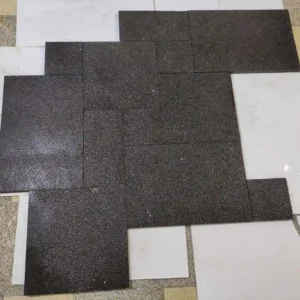
Mix basalt with lighter stones or bright tiles to create stunning contrasts.
Eco-Friendly Designs
Incorporate basalt into sustainable building projects for a modern yet responsible approach.
Installation of Basalt Tiles
Preparation
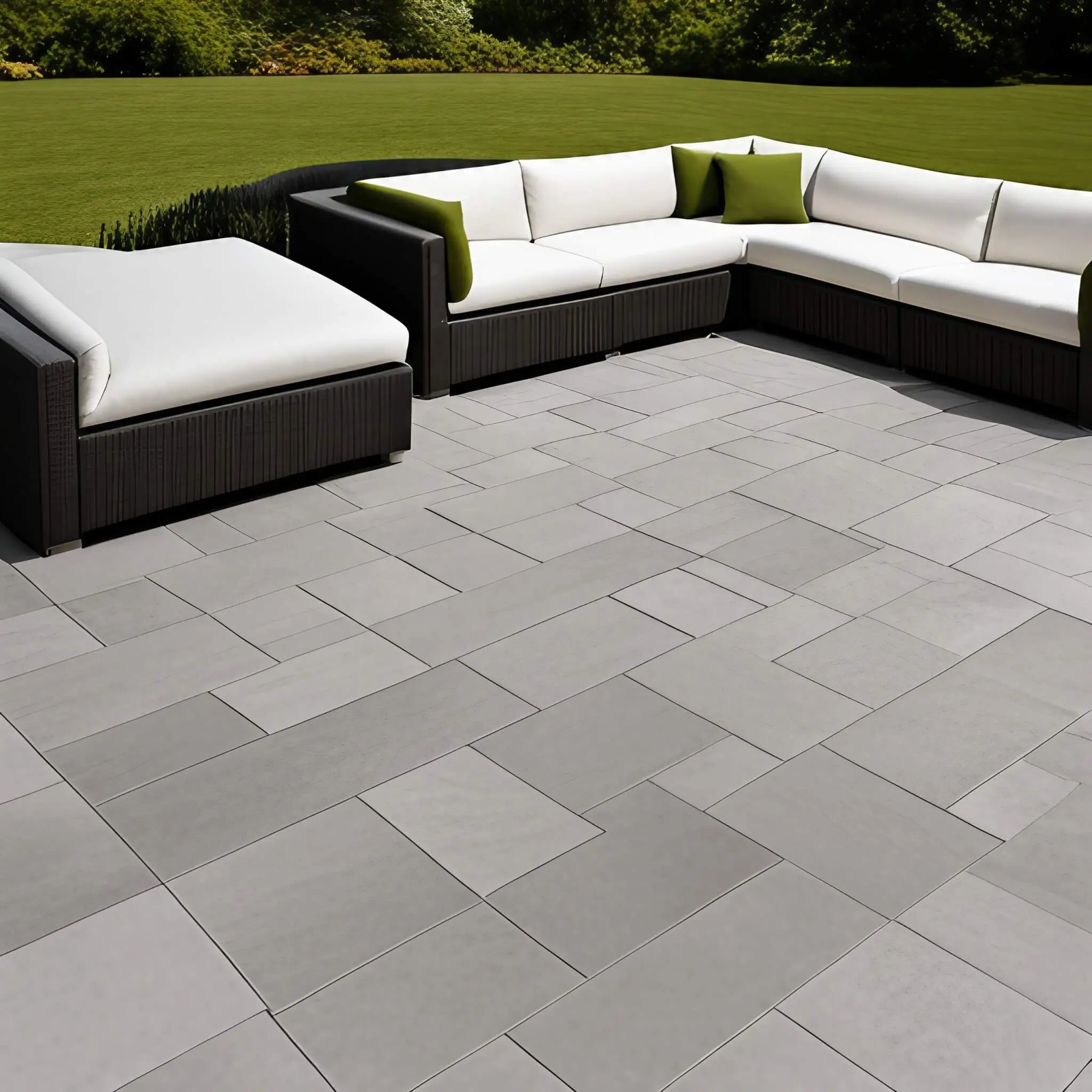
Ensure the substrate is level and clean before installation.
Installation Steps
- Use the appropriate adhesive for basalt’s weight and density.
- Apply grout evenly to ensure a seamless finish.
Challenges
Basalt’s weight requires careful handling and installation.
Professional vs. DIY Installation
While DIY is possible for small projects, hiring professionals ensures precision and durability.
Maintenance and Care Tips
Cleaning Basalt Tiles
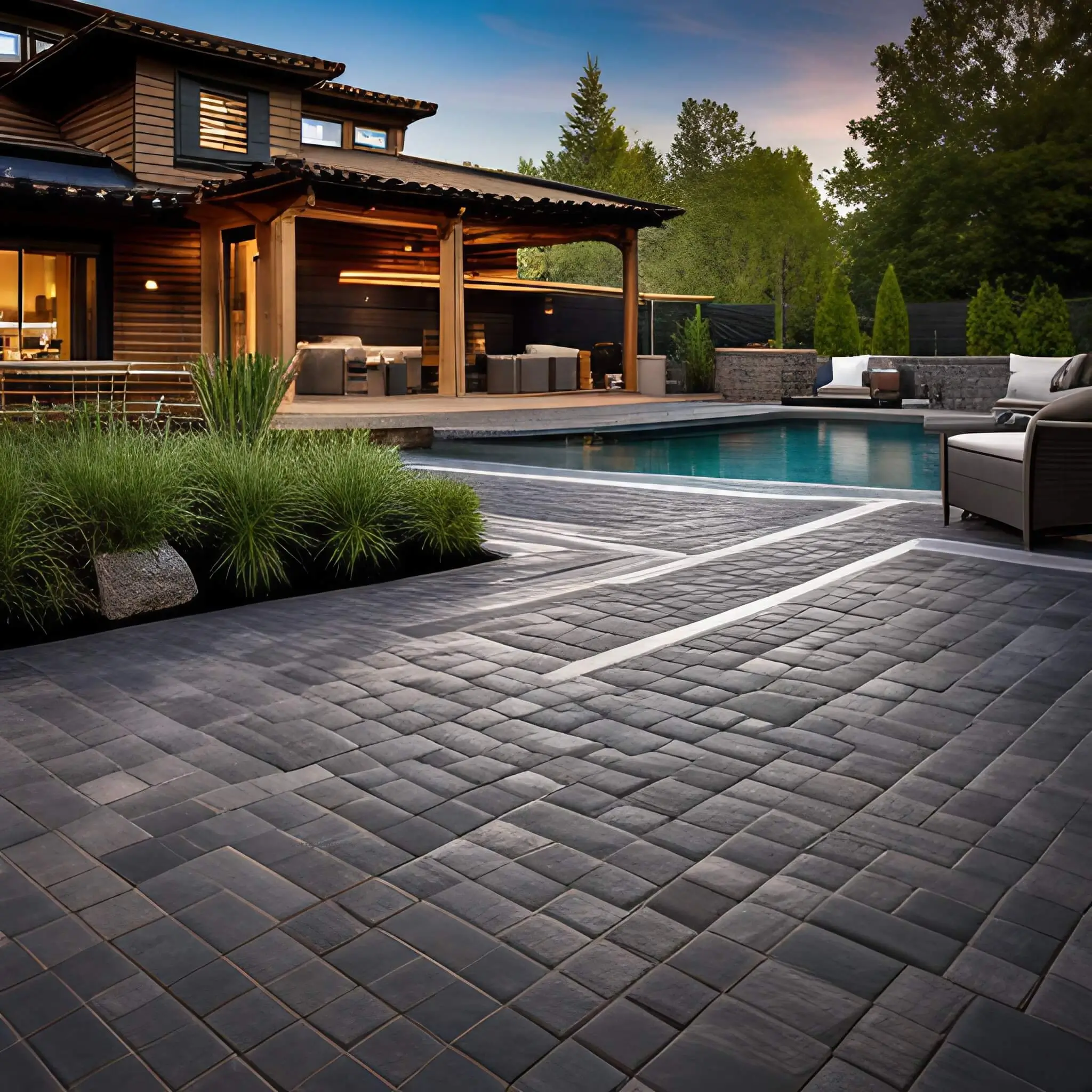
Use mild, non-acidic cleaners to preserve the finish.
Sealing Basalt Tiles
Seal periodically to enhance stain resistance and longevity.
Preventing Scratches and Stains
Place mats and rugs in high-use areas and use coasters under heavy objects.
Long-Term Maintenance
Inspect regularly for chips and address any issues promptly to prevent further damage.
Successful Case Studies of Basalt Tiles
Black Basalt Courtyard — Los Angeles Multi-Family Podium
Project overview
Developer: West Coast Living Group · Location: Los Angeles, CA · Area: 3,200 sq ft podium courtyard · Completion: Q4 2024
The challenge
The owner required a premium podium courtyard that endures heavy foot traffic, irrigation and landscaping activity, transient wet weather and municipal slip-resistance requirements — all while looking photogenic for leasing material and remaining low-maintenance.
Solution delivered
Material: honed outdoor-grade black basalt, main field modules 20×20″ with 12×24″ accents.
Installation: full-bed mortar over sloped structural slab with linear drains; movement joints matched to waterproofing and structural control joints.
Jointing: 3–5 mm epoxy grout (UV resistant) for stain and freeze protection.
Technical specifications (approx.)
Coverage: 3,200 sq ft (plus 10% waste)
Field tile: honed black basalt, 20×20″, 30 mm (outdoor grade)
Accent tile: honed black basalt, 12×24″, 30 mm
Grout: epoxy, 3–5 mm
Citadel Stone — Supply, Engineering & Execution
Citadel Stone executed the procurement and technical delivery end-to-end: furnished physical sample boards and a 10 sq ft mock-up for daylight approval; engineered bond-coat and movement-joint details to align with the waterproofing contractor; staged and expedited phased deliveries to match the construction schedule; and provided on-call technical supervision during tile set-out and grouting to ensure the aesthetic and performance goals were achieved.
Results
The courtyard met owner expectations for aesthetics and durability. The honed finish shed water effectively, resisted visible wear under heavy pedestrian use, and simplified long-term maintenance. Leasing photography benefited from consistent, low-glare stone surfaces.
Maintenance & recommendations
Routine: sweep and neutral pH wash.
Protection: penetrating sealer at installation; reapply every 3–5 years depending on traffic and exposure.
Basalt Walkways & Café Flooring — Houston Commercial Retrofit
Project overview
Client: Industrial-park café retrofit · Location: Houston, TX · Area: ~2,300 sq ft (exterior walkways + interior café) · Completion: Q2 2024
The challenge
The café’s exterior walkways and service approaches needed to withstand grease/oil exposure, heavy-boot traffic, frequent pressure washing and occasional light vehicle service — while the interior seating area required an elevated look that’s easy to clean.
Solution delivered
Exterior: thermal/textured cast basalt pavers to maximize slip resistance and abrasion resistance.
Interior: honed basalt tiles for the dining area to create a durable, branded finish.
Installation: full-bed and polymer-modified bedding where needed; epoxy grout in grease-exposed zones; isolation joints at expansion locations.
Technical specifications (approx.)
Exterior: 1,500 sq ft — thermal basalt 12×24″, 30 mm
Interior: 800 sq ft — honed basalt 12×12″, 20 mm
Grout: epoxy in high-grease areas; flexible cementitious elsewhere
Citadel Stone — Performance, Protection & Site Support
Citadel Stone specified the optimal thermal/textured finish for grease and wet traction, packaged and protected inventory for humid inland transport, coordinated just-in-time delivery windows to avoid site congestion, and supplied the contractor with pressure-wash and degreasing protocols plus on-site troubleshooting during initial commissioning.
Results
Exterior walkways provide reliable traction under contamination and pressure washing; interior floors present a consistent brand look and clean easily after peak service periods. Long-term abrasion and staining have been minimal.
Maintenance & recommendations
Daily sweeping and targeted degreasing.
Inspect grout annually; reseal grout lines in heavy-use zones as needed.
Basalt Pool Surround & Coping — Jacksonville Waterfront Residence
Project overview
Owner: Private waterfront residence · Location: Jacksonville, FL · Pool deck: ~900 sq ft + 60 lf coping · Completion: Spring 2024
The challenge
Pool decking required materials that resist chlorine, salt air and UV, stay cool underfoot, provide slip safety when wet, and integrate with custom coping details.
Solution delivered
Field tiles: honed basalt tiles to reduce heat retention with bush-hammered accents at high-traction zones.
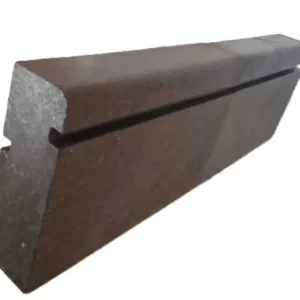
Coping: CNC-milled bullnose basalt with drip grooves to manage runoff and reduce water migration into the pool assembly.
Protective finish: marine-grade, non-film forming penetrating sealer.
Technical specifications (approx.)
Deck: 900 sq ft — honed basalt 12×24″, 20 mm
Coping: custom CNC bullnose basalt with drip groove
Sealer: marine-grade penetrating sealer
Citadel Stone — Material Sourcing, Fabrication & Warranty Support
Citadel Stone sourced low-porosity quarried basalt suited to coastal conditions, produced CNC shop drawings and mock-up coping pieces for client approval, coordinated precision fabrication and shipping, and provided a care protocol and warranty guidance tailored for marine exposure.
Results
A cohesive pool surround that stayed cool, resisted staining, and maintained slip performance under heavy seasonal use and storm events. The custom coping delivered tight visual continuity with surrounding stonework.
Maintenance & recommendations
Rinse after heavy salt spray; use neutral pH cleaners; reapply penetrating sealer seasonally if required by exposure.
Basalt Lobby & Custom Stair Treads — New York City Retail Flagship
Project overview
Client: International retail brand · Location: Manhattan, New York, NY · Area: 1,800 sq ft lobby + 60 lf stair treads · Completion: Winter 2023
The challenge
A flagship store required dramatic, dark lobby finishes and engineered stair nosings that remain safe with heavy pedestrian traffic, snow melt and rigorous cleaning regimens — all to brand standards.
Solution delivered
Flooring: 24×24″ honed black basalt for a seamless, low-glare lobby.
Stairs: precision-machined basalt stair nosings with integrated serrations/grooves for anti-slip performance.
Substrate: crack-isolation membrane, flexible grout and stainless anchorage for stair assemblies.
Technical specifications (approx.)
Lobby: 1,800 sq ft — honed basalt 24×24″, 20 mm
Stairs: 60 lf — custom machined serrated nosings in basalt
Grout and underlay: flexible cementitious grout with isolation membrane
Citadel Stone — Custom Fabrication, Approval & Installer Enablement
Citadel Stone produced precise shop drawings, fabricated the stair nosings to the retailer’s tolerances, delivered a 6 sq ft mock-up for cleaning and abrasion trials, conducted installer training to ensure grout and movement-joint details were executed correctly, and managed staged deliveries and Manhattan logistics to prevent street-level delays.
Results
A high-impact lobby and stair assembly that satisfied brand aesthetics and performed reliably under heavy use with routine maintenance. Stair nosings passed cleaning and anti-slip trials during commissioning.
Maintenance & recommendations
Daily cleaning with neutral pH agents. Annual inspection of grout and nosing anchorage.
Basalt Steps & Plaza — Philadelphia University
Project overview
Client: Mid-Atlantic university · Location: Philadelphia, PA · Area: 1,600 sq ft plaza + 120 lf steps · Completion: Fall 2024
The challenge
The project required exterior paving and entrance steps that withstand freeze-thaw cycles, de-icing salts and heavy pedestrian loads while maintaining an institutional aesthetic and minimizing long-term maintenance.
Solution delivered
Paving: dense cut and textured basalt pavers for abrasion and freeze-thaw durability.
Steps: anchored basalt risers with stainless mechanical fixings and frost-compatible mortar systems.
Structural: compacted aggregate subbase, saw-cut control joints and dedicated drainage paths.
Technical specifications (approx.)
Plaza: 1,600 sq ft — textured basalt pavers 12×24″, 30 mm
Steps: 120 lf — 8″ riser units with stainless anchorage
Base: compacted aggregate with frost-rated mortar beds for step anchoring
Citadel Stone — Specification, Certification & Risk Mitigation
Citadel Stone specified a freeze-thaw rated basalt, provided mill certificates and compliance documentation for procurement, supplied engineered cut-sheets and installation detail drawings, coordinated mill testing and quality acceptance, and delivered a post-install inspection checklist to protect the university’s asset over time.
Results
A durable plaza and entrance that resists spalling and surface degradation through seasonal freeze-thaw and de-icing cycles, reducing reactive maintenance and extending lifecycle performance.
Maintenance & recommendations
Use frost-compatible de-icers per specification; inspect grout and mechanical anchors annually.
Clean with low-abrasion detergents; reseal grout where specified.
Basalt Flooring — Chicago Restaurant (Dining + Back-of-House)
Project overview
Client: Downtown Chicago restaurant · Location: Chicago, IL · Area: 900 sq ft dining + 400 sq ft back-of-house · Completion: Summer 2024
The challenge
The operator required a warm, elegant dining surface and a separate back-of-house floor that tolerates grease, heavy rolling equipment and aggressive cleaning with minimal downtime.
Solution delivered
Dining area: honed 18×18″ basalt tiles for a matt, warm finish.
Back-of-house: thermal/cast basalt tiles with textured surface for slip resistance and abrasion.
Grout and maintenance: epoxy grout in kitchen zones; routine degreasing protocols.
Technical specifications (approx.)
Dining: 900 sq ft — honed basalt 18×18″, 20 mm
BOH: 400 sq ft — thermal basalt 12×24″, 30 mm
Grout: epoxy in BOH; flexible grout in dining
Citadel Stone — Staged Supply & Operational Continuity
Citadel Stone managed split pallet shipments to support phased openings, maintained emergency reorder stock to prevent operational downtime, validated cleaner compatibility and stain remediation procedures with the operator, and worked with the GC to ensure transitions between dining and BOH flooring met health and safety standards.
Results
An elevated dining environment with a resilient kitchen floor that reduced repairs and downtime. The operator reported easier daily cleaning and improved guest perception of quality.
Maintenance & recommendations
Daily sweeping and degreasing in BOH. Periodic grout inspection and reseal if heavy grease exposure occurs.
Sustainability and Eco-Friendliness
Environmentally Friendly Quarrying
Basalt is sourced responsibly with minimal environmental impact.
Recyclability of Basalt Tiles
Basalt can be reused and repurposed, contributing to sustainable construction.
Energy Efficiency
Basalt tiles enhance thermal regulation in homes, reducing energy costs.
Buying Guide for Basalt Tiles
Factors to Consider For Durable Flooring Options
- Budget: The cost of basalt tiles can range significantly based on factors like size, finish, and thickness. On average, basalt tiles might cost between $5 and $20 per square foot, but high-end options can exceed this range. Factors influencing the price include the type of finish (polished or textured), the thickness of the tile, and any additional customizations. Establishing a clear budget helps narrow down choices that align with your project’s scale and quality expectations.
- Application: Consider where you’ll use the tiles—indoor flooring, outdoor patios, or pool surrounds—to select the right finish and thickness. For indoor applications like living rooms and bathrooms, polished or honed finishes paired with thinner tiles (e.g., 1-2 cm) can achieve a sleek, elegant look. Outdoor spaces, such as patios or pool surrounds, benefit from textured or flamed finishes for slip resistance, with thicker tiles (e.g., 3-4 cm) to withstand weather elements. Driveways and high-traffic areas often require split-faced or rugged finishes with extra thickness for added durability.
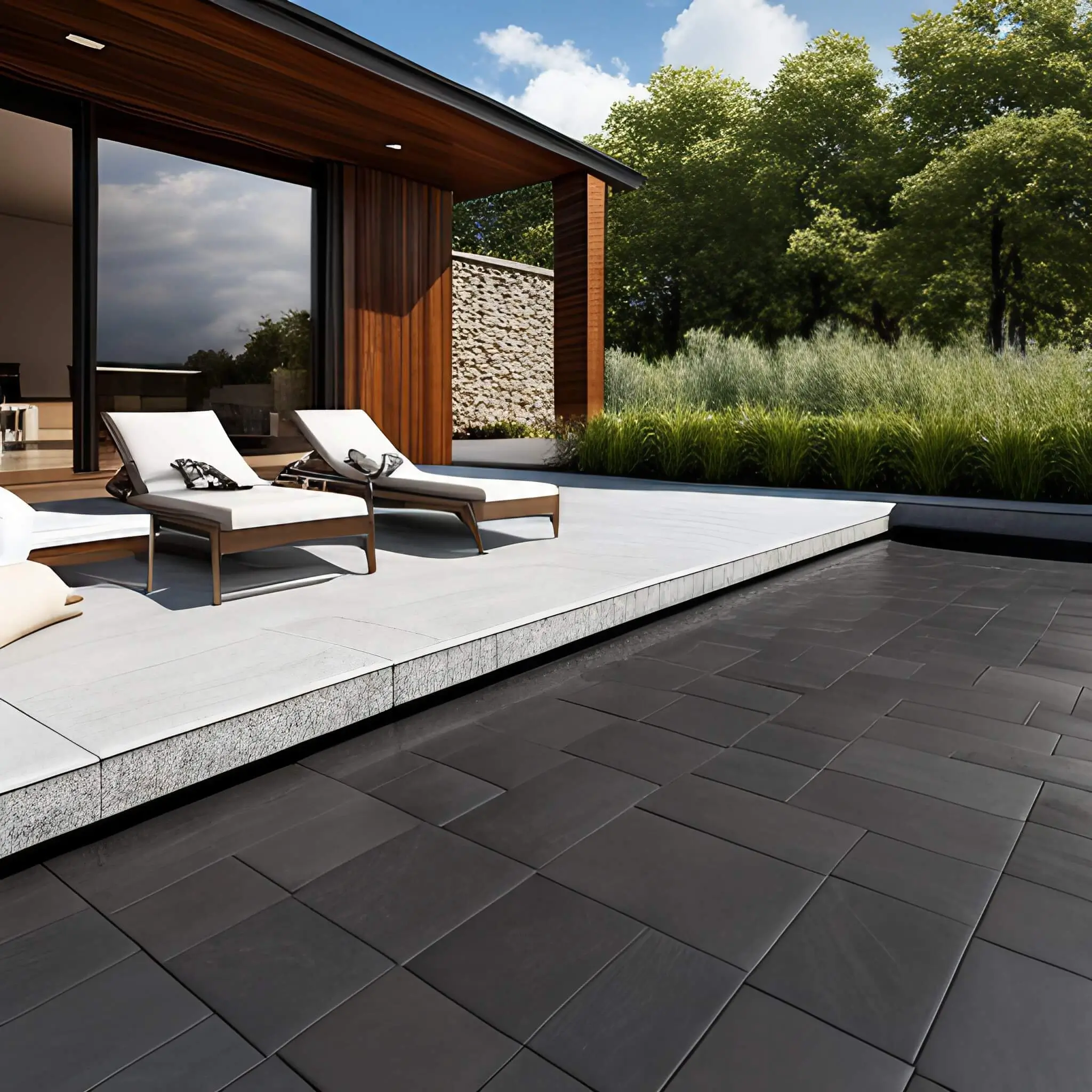
- Finish: Choose polished for sleek interiors, honed for a matte look, or textured for outdoor and anti-slip needs.
- Size: Large tiles create a modern, expansive feel, while smaller formats allow intricate patterns and designs.
Where to Buy Affordable Basalt Tiles
For the highest quality basalt tiles, Citadel Stone is the leading supplier in the United States. Renowned for our premium offerings, we provide access to the finest basalt tiles for both residential and commercial projects. Whether you’re sourcing locally or exploring online options, Citadel Stone ensures unparalleled quality, exceptional service, and a comprehensive selection tailored to your needs.
Tips for Getting the Best Deal
Compare quotes and inquire about bulk discounts or promotions. Consider using online platforms or tools designed to compare multiple quotes effectively, saving time and ensuring the best value for your investment.
Basalt Tiles USA: Market Snapshot & Specifier Guidance
Regional Sourcing & Supply Chain Strategies
Basalt tile supply in the United States is clustered near volcanic bedrock regions—fabricators in the Pacific Northwest and certain Intermountain quarries dominate domestic supply—while coastal import hubs supplement specialty grades. Smart buyers prioritize suppliers with bonded inventory and local cutting capability to avoid cross-country freight delays. Ask vendors for reserve-slab programs and verified lead-time windows to keep fast-track projects on schedule.
Performance, Finishes and Typical Applications
Basalt’s dense, fine-grained matrix makes it ideal for heavy-use commercial floors, exterior plazas, and industrial interiors where abrasion and thermal shock resistance matter. Available in honed, flamed, and brushed finishes, basalt tiles deliver variable slip profiles for pool decks, transit hubs, and retail concourses. Specifiers should request lab data on water absorption, freeze-thaw resilience, and slip testing (ANSI/ASTM standards) to match finish to environment.
Fabrication, Sustainability & Spec Tips
Modern U.S. fabricators use CNC profiling and calibrated sawing to produce tight-tolerance formats and minimal waste. Many offer recycled-aggregate underlayment and closed-loop water systems—ask for EPDs or mill reports when pursuing green certifications. For best outcomes, require mockups, continuity slabs for visible runs, and adhesive/ grout compatibility statements to ensure long lifecycle performance and simplified maintenance for clients.
Natural Basalt Stone Tiles by Citadel Stone
Basalt tiles are a versatile, durable, and visually stunning choice for both residential and commercial applications. From their volcanic origins to their modern design potential, basalt tiles offer unmatched quality and timeless appeal. Whether you’re upgrading a home or designing a large-scale project, basalt tiles promise performance and elegance for years to come.
Get Inspired: Request Your Free Project Resources
Discover a full range of samples, literature, PowerPoint presentations, catalogs, tear sheets, concept boards, and display units tailored to your project needs. Request yours today through our Contact Page for personalized assistance.