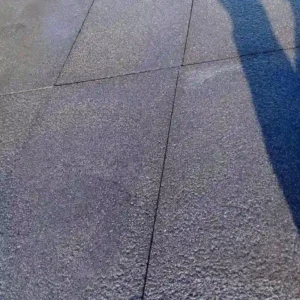
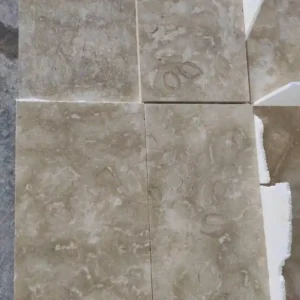

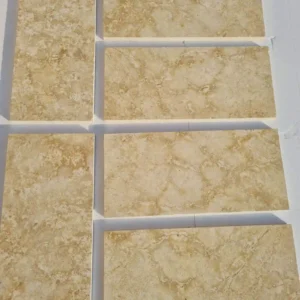

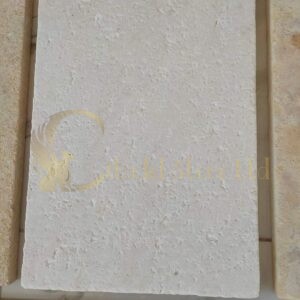

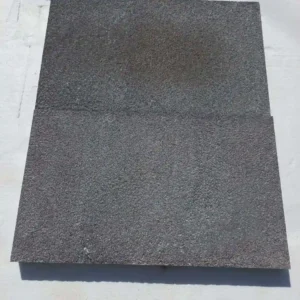
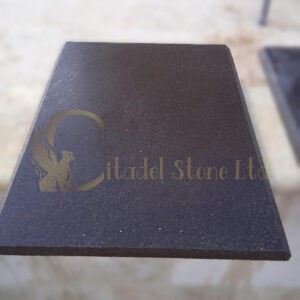



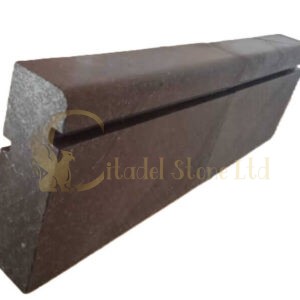
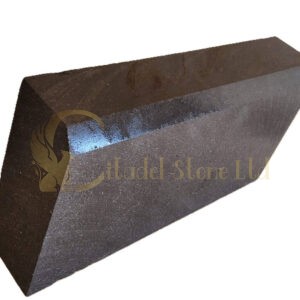
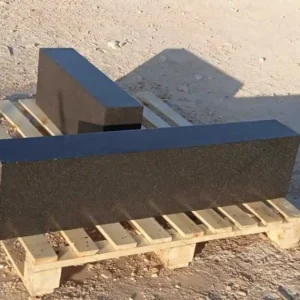
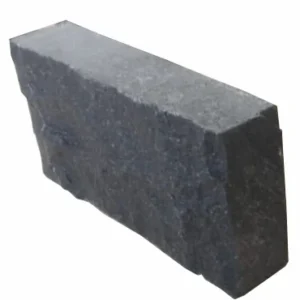


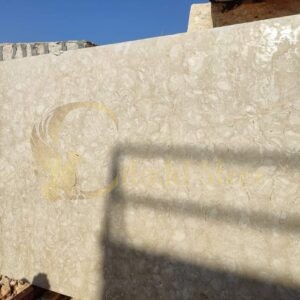
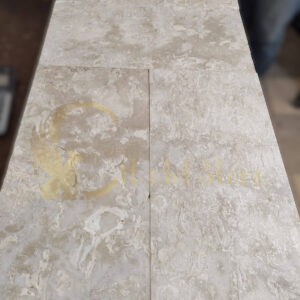
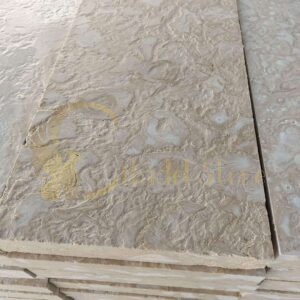
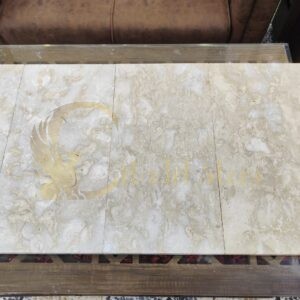
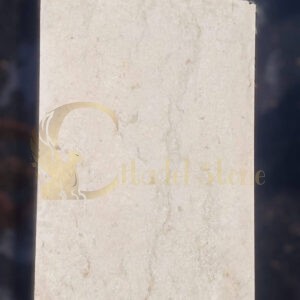
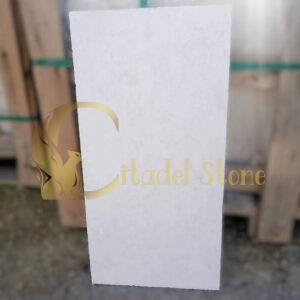

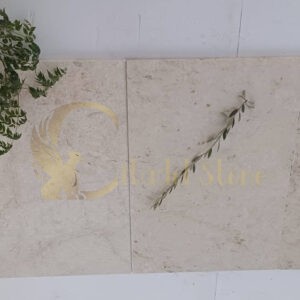


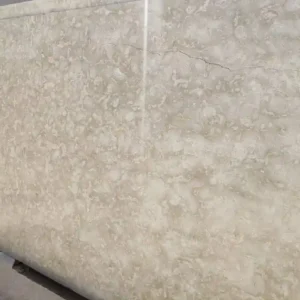
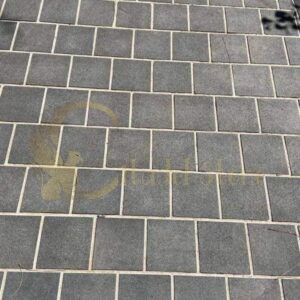

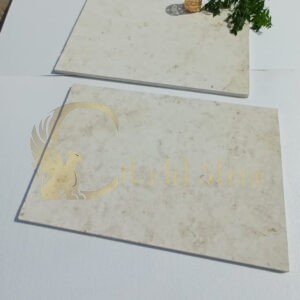
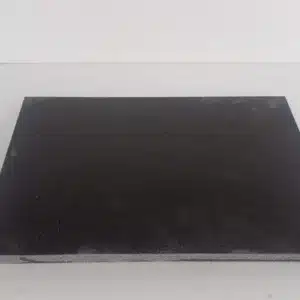
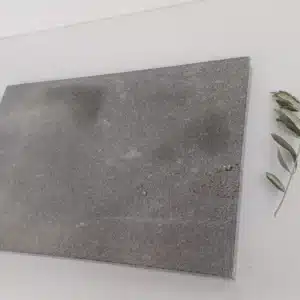
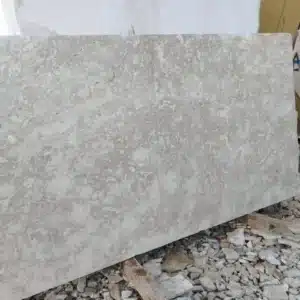

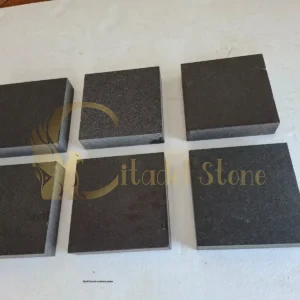

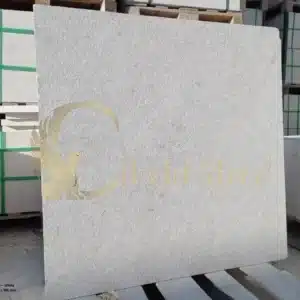


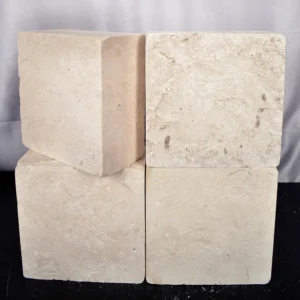
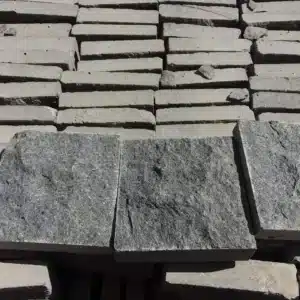
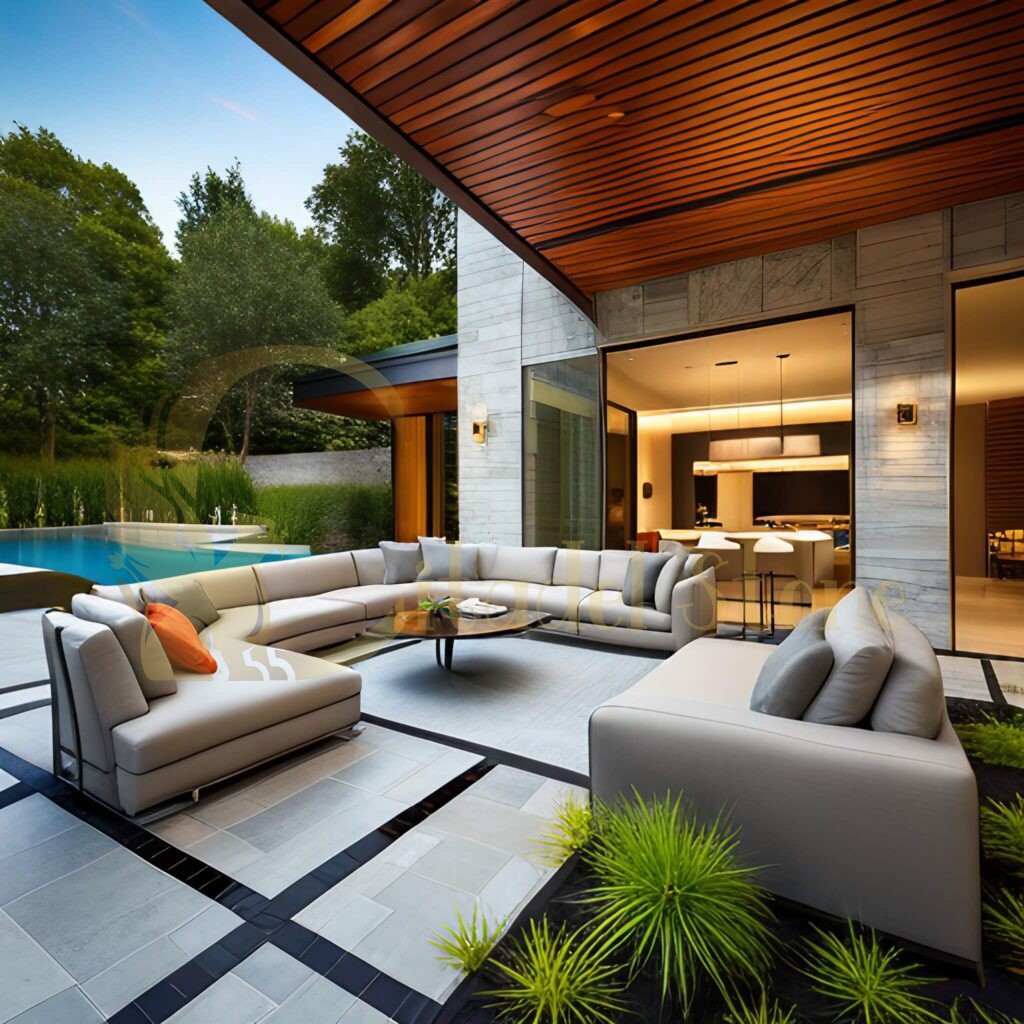
Grey granite paving in Arizona presents a deceptively specific challenge that most specifications don’t fully address — UV-driven surface degradation that operates independently of temperature. The feldspar and quartz mineral matrix in granite responds to prolonged ultraviolet exposure through a process called photooxidation, where iron-bearing minerals at the surface gradually shift in tone regardless of how structurally intact the stone remains beneath. Understanding this mechanism before you select your granite grade, finish, and sealing protocol is what separates a specification that holds its design intent for 20 years from one that looks faded and uneven by year five.
UV Exposure and Granite Surface Stability in Arizona
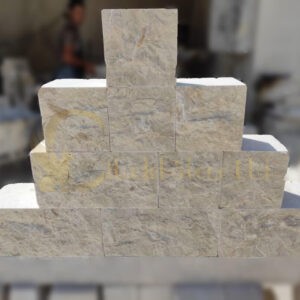
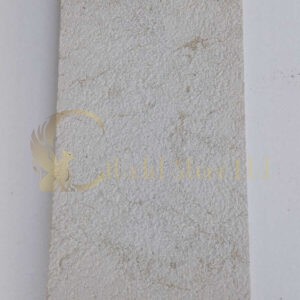
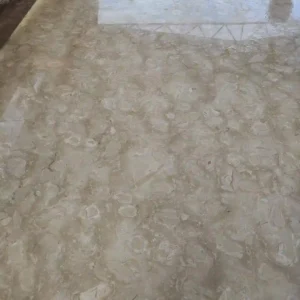
Arizona’s UV index regularly climbs into the 11+ extreme range across low-desert cities, and that sustained radiation load affects natural stone differently than it affects concrete or porcelain. With grey granite paving in Arizona specifically, the concern isn’t structural — granite’s compressive strength stays above 19,000 PSI regardless of UV exposure. The real issue is aesthetic drift: minerals close to the surface absorb UV energy and release it as oxidation, shifting warm grey tones toward yellow-brown undertones over time. Your best defense is selecting granite with a consistent, tight mineral grain rather than a coarse, open-crystal structure, because finer grain distributes UV absorption more evenly and slows visible surface change.
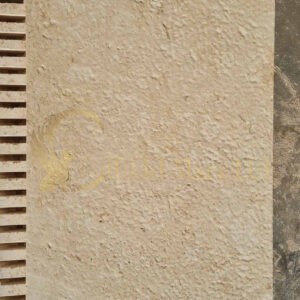
Finish selection plays a larger role here than most buyers anticipate. A flamed or brushed finish opens the surface texture, increasing the mineral face area exposed to direct radiation. A honed or polished finish retains a denser surface layer that resists photooxidation more effectively in continuous sun exposure. For pool surrounds and south-facing patios in Phoenix, where UV accumulation is essentially year-round and unrelenting, specifying a honed finish on your grey granite patio slabs is a decision you won’t regret at the five-year inspection.
Citadel Stone sources grey granite from established quarry partners who provide mineral composition documentation with each batch, which lets you evaluate iron content before it arrives on site — not after you’ve noticed discoloration two seasons in.
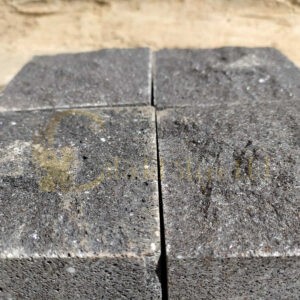
Dark Grey Granite Performance in High-UV Zones
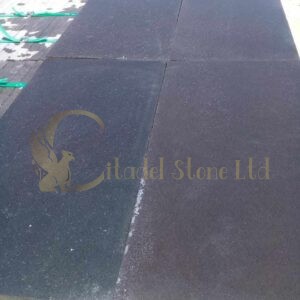
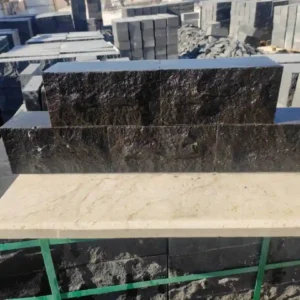
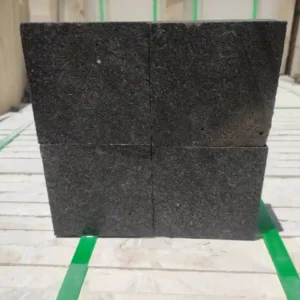
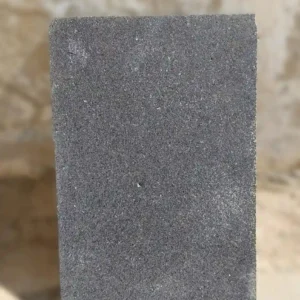
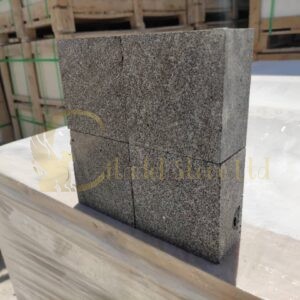
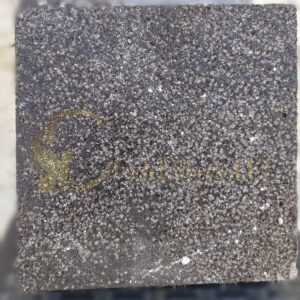
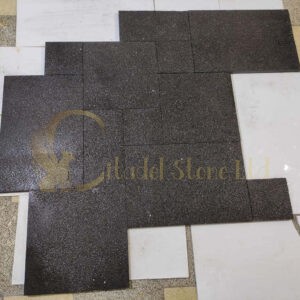
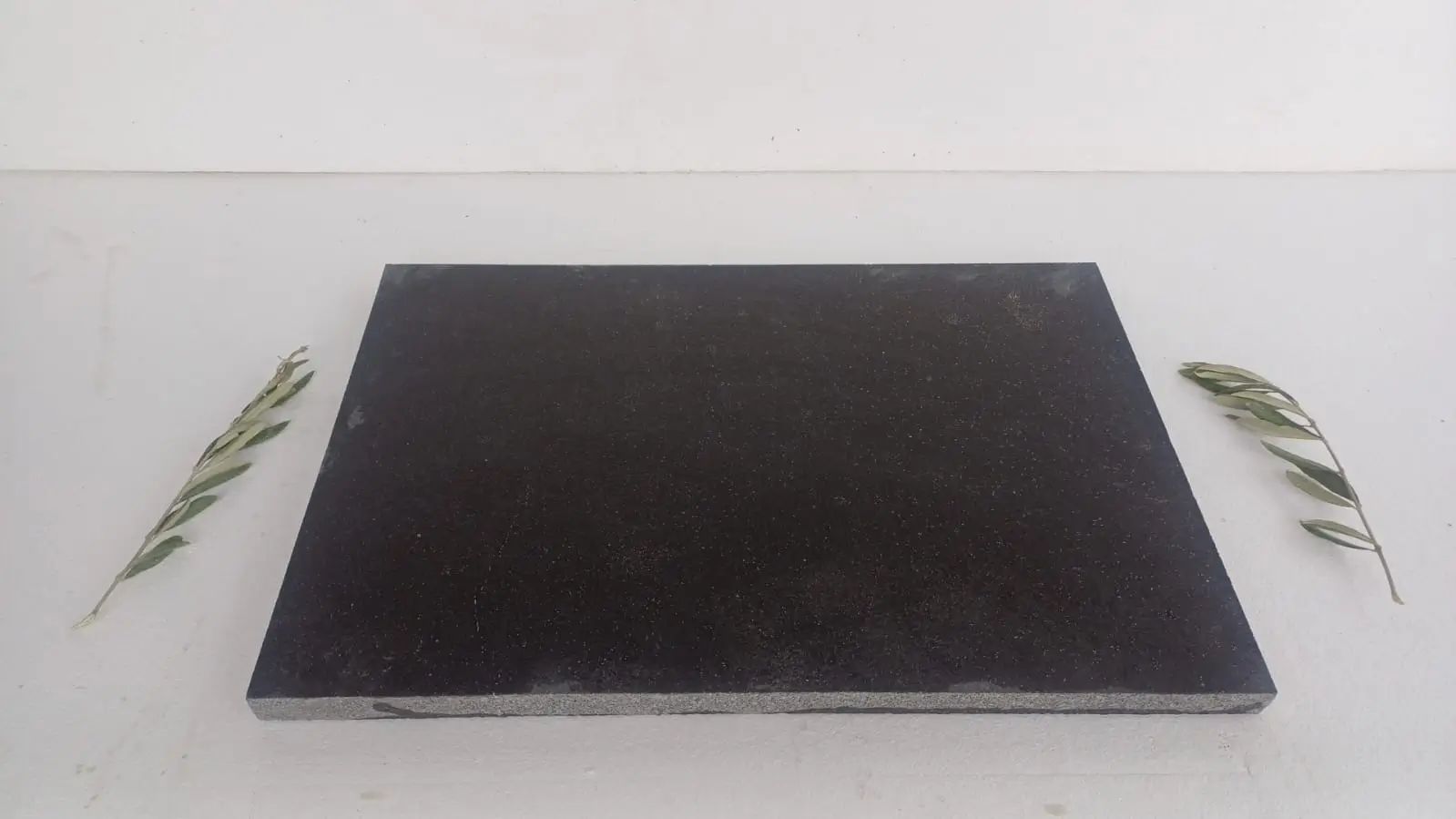
There’s a common assumption that dark materials absorb more UV and therefore degrade faster, but the relationship with dark grey granite paving in Arizona is more nuanced than that. Darker granite varieties — those in the charcoal to near-black grey range — typically derive their color from higher biotite and hornblende mineral concentrations. These minerals are UV-stable under sealed conditions, meaning a properly sealed dark grey granite paving slab can maintain its visual consistency better than an unsealed light grey one with higher free feldspar content.
The practical implication for your project: dark grey granite paving slabs in Arizona perform well aesthetically when you apply a penetrating impregnator sealer rated for UV inhibition, not just water resistance. Standard silane-siloxane sealers handle moisture intrusion but don’t address oxidative color drift. Look for formulations that include UV-blocker chemistry — these are increasingly common in products rated for outdoor stone in desert climates and add roughly 15–20% to sealing cost but deliver significantly better color retention over time.
- Biotite-rich dark grey granites show lower visible UV degradation than feldspar-dominant light grey varieties when properly sealed
- UV-inhibitor sealers should be reapplied every 18–24 months in full-sun Arizona exposures rather than the standard 3-year schedule for shaded applications
- Surface oxidation appears first at joint edges and unsealed cut faces — always seal cut edges during installation
- Inspect flamed or bush-hammered surfaces annually, as open textures allow UV penetration deeper into the mineral matrix
Grey Granite Block Paving: Base and Joint Requirements for Desert Conditions
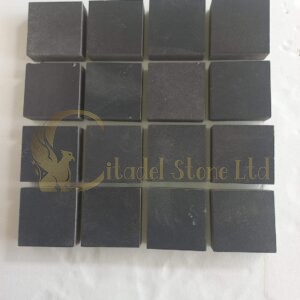
Grey granite block paving in Arizona demands base preparation that accounts for both the state’s expansive clay soils and the thermal cycling that, while secondary to UV concerns, still creates mechanical stress at joint interfaces. Your aggregate base should run a minimum of 8 inches for pedestrian applications and 12 inches for vehicular paving — both deeper than generic manufacturer guidelines written for temperate climates. The reason is Arizona’s caliche layer behavior: in many desert zones, caliche reacts inconsistently with seasonal moisture variation, creating localized heave that translates directly to lifted block edges and failed joints.
In Tucson, caliche profiles can appear as shallow as 10 inches below grade, and they’re not always uniform — you can hit a hard caliche cap on one end of a patio footprint and loose sandy soil on the other. The practical move is to scarify and re-compact the sub-base after any caliche removal rather than relying on the aggregate layer alone to bridge differential settlement zones. Expansion joints in grey granite block paving should run every 12–15 feet in exposed installations, not the 20-foot intervals appropriate for indoor or shaded applications.
- Use Class II compacted road base at minimum 95% Proctor density before laying bedding sand
- Bedding sand layer: 1 inch nominal, screeded level, not compacted prior to paver placement
- Joint sand should be polymeric, not standard swept sand, to resist Arizona’s monsoon flushing events
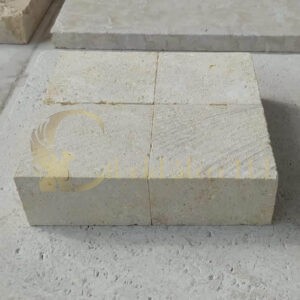
- Grey granite bricks in Arizona used for driveway applications should be minimum 2.5-inch thickness for passenger vehicle loads, 3.15-inch for light truck traffic
Grey Granite Patio Slabs: Sizing, Layout, and UV Shadow Planning
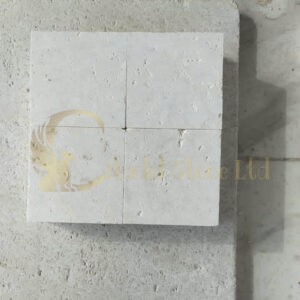
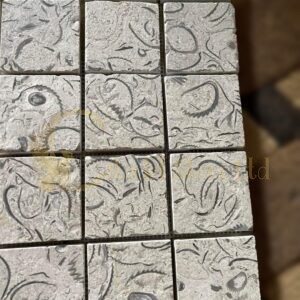
Slab sizing affects how UV weathering patterns appear on a finished patio over time, and this is a detail most specifications overlook entirely. Larger format grey granite patio slabs — 24×24 inches and above — create fewer joint lines and broader uninterrupted mineral faces exposed to UV. This means any tonal shift from photooxidation is more visible across a large slab face than it would be distributed across many smaller units. Conversely, smaller format paving — 12×12 or cobble-scale grey granite bricks — breaks up the visual field enough that gradual UV weathering blends in naturally and can even enhance the aged character of the installation.
For residential patio designs where long-term color consistency matters, the 18×18 inch format hits a practical middle ground. You get the clean, contemporary line of a larger slab without the full visual exposure of the 24×24 format, and the additional joint lines provide natural thermal relief. Gray granite pavers in Arizona in the 18×18 format are also among the most commonly stocked sizes in regional warehouse inventory, which gives you better access to consistent batch coloration — critical when you’re matching phases of a phased installation.
Citadel Stone’s warehouse carries grey granite patio slabs in multiple standard formats, and you can request sample tiles before committing to full project quantities — a straightforward step that eliminates the color-match surprises that show up when slabs from different production batches arrive on the same truck.
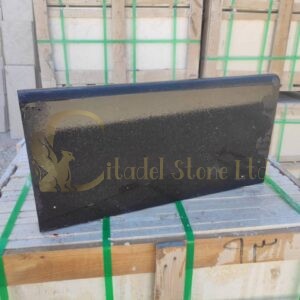
Grey Granite Pool Coping: Where UV and Water Chemistry Intersect
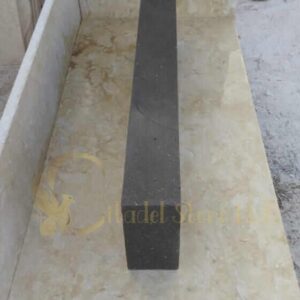
Pool coping in grey granite sits at the intersection of two aggressive forces — sustained UV exposure and pool water chemistry — and the specification decisions compound each other in ways that straight pool deck paving doesn’t face. Grey granite pool coping in Arizona needs to handle surface temperatures that routinely exceed 130°F on the exposed nosing edge, UV radiation at the water reflection plane (which actually amplifies UV intensity through bounce), and chlorine or saltwater contact at the underside. Each of these factors independently degrades stone; in combination, they require you to sequence your material and sealing decisions carefully.
The water reflection amplification effect is worth dwelling on. Pool water acts as a UV mirror, reflecting radiation back upward onto the underside of your coping nosing. This means the underside of light grey granite pool coping in Arizona receives UV exposure that standard surface-facing treatments don’t address. Applying penetrating sealer to all six faces of coping units — including the underside and the pool-facing vertical edge — is a non-negotiable step that field experience confirms makes a measurable difference in long-term appearance. Slabs sealed only on the top face show visible tonal separation between exposed and unexposed surfaces within three to four seasons.
- Specify a 2-inch minimum coping thickness for pool applications — thermal cycling at the water edge creates edge stress that thinner units don’t handle well over time
- Light grey granite pool coping in Arizona benefits from a sawn-bottom face rather than split, as this reduces water infiltration at the mortar bond line
- Anchor coping with polymer-modified mortar rated for pool environments — standard mortar formulations break down under repeated chlorine exposure
- Inspect coping joints annually before monsoon season and re-point any gaps immediately to prevent water infiltration behind the coping and into the pool bond beam
Light Grey Granite Pavers: UV Reflectance and the Heat Island Trade-Off
Light grey granite pavers in Arizona carry a reflectance advantage that’s often cited without the full picture being explained. Higher solar reflectance index (SRI) values — which light grey surfaces achieve more readily than dark — do reduce surface temperature and contribute to lower urban heat island effect. For Scottsdale projects subject to city green building guidelines or LEED credits for heat island mitigation, specifying light grey granite pavers with SRI values of 29 or higher can contribute to compliance requirements.
The trade-off is that higher reflectance means higher UV re-radiation into adjacent surfaces, including building facades, outdoor furniture, and adjacent darker stone elements. Projects that mix light grey granite pavers with darker stone borders or plant beds should plan for accelerated UV weathering in the transition zones where reflected radiation concentrates. This isn’t a reason to avoid light grey granite — it’s a layout planning detail that experienced specifiers account for at the design stage rather than discovering it during a warranty conversation two years later.
For projects combining materials, specify consistent sealing protocols across all stone types present. The failure mode in mixed-material projects is usually that one material gets treated and another doesn’t, creating mismatched weathering rates that are visually obvious within 18 months of installation.
Sealing Schedule for Grey Granite in Arizona UV Conditions
The standard “reseal every three to five years” guidance doesn’t hold in Arizona’s UV environment, and following it is one of the most common reasons granite installations look worn long before their structural life warrants replacement. Full-sun Arizona exposures should be treated as a different sealing context than the shaded or moderate-climate applications those timelines were written for. For continuous sun exposures — pool decks, south-facing patios, uncovered driveways — treat an 18-month resealing cycle as your baseline and adjust based on water bead performance, not calendar date.
The water bead test is your field diagnostic: pour a small amount of water on the granite surface. If it beads and holds for 2–3 minutes, the sealer is performing. If it absorbs within 30 seconds, reseal immediately regardless of when the last application was. UV degradation breaks down sealer chemistry faster than time alone, and an unprotected grey granite paving surface in Arizona’s UV environment can absorb airborne minerals and iron compounds that permanently stain the stone in ways no amount of cleaning reverses. For projects where you want detailed guidance on maintaining your installation over time, dark grey granite paving options covers maintenance protocols specific to Arizona’s UV and climate conditions — reviewing it before you finalize your specification package helps ensure your sealing and upkeep plan matches the actual demands of the desert environment.
- Apply sealer in early morning or late afternoon — never in direct midday sun, as rapid evaporation prevents proper penetration
- Two thin coats outperform one thick coat; allow 20–30 minute drying between applications
- Use a UV-inhibitor penetrating impregnator for all exterior granite applications in Arizona
- Seal cut faces and edges immediately after any field cutting — don’t wait for full installation to be complete
- Document your sealing dates — field experience shows that without records, resealing gets delayed by 12–18 months beyond the correct interval on average
Sourcing and Logistics for Grey Granite Paving in Arizona
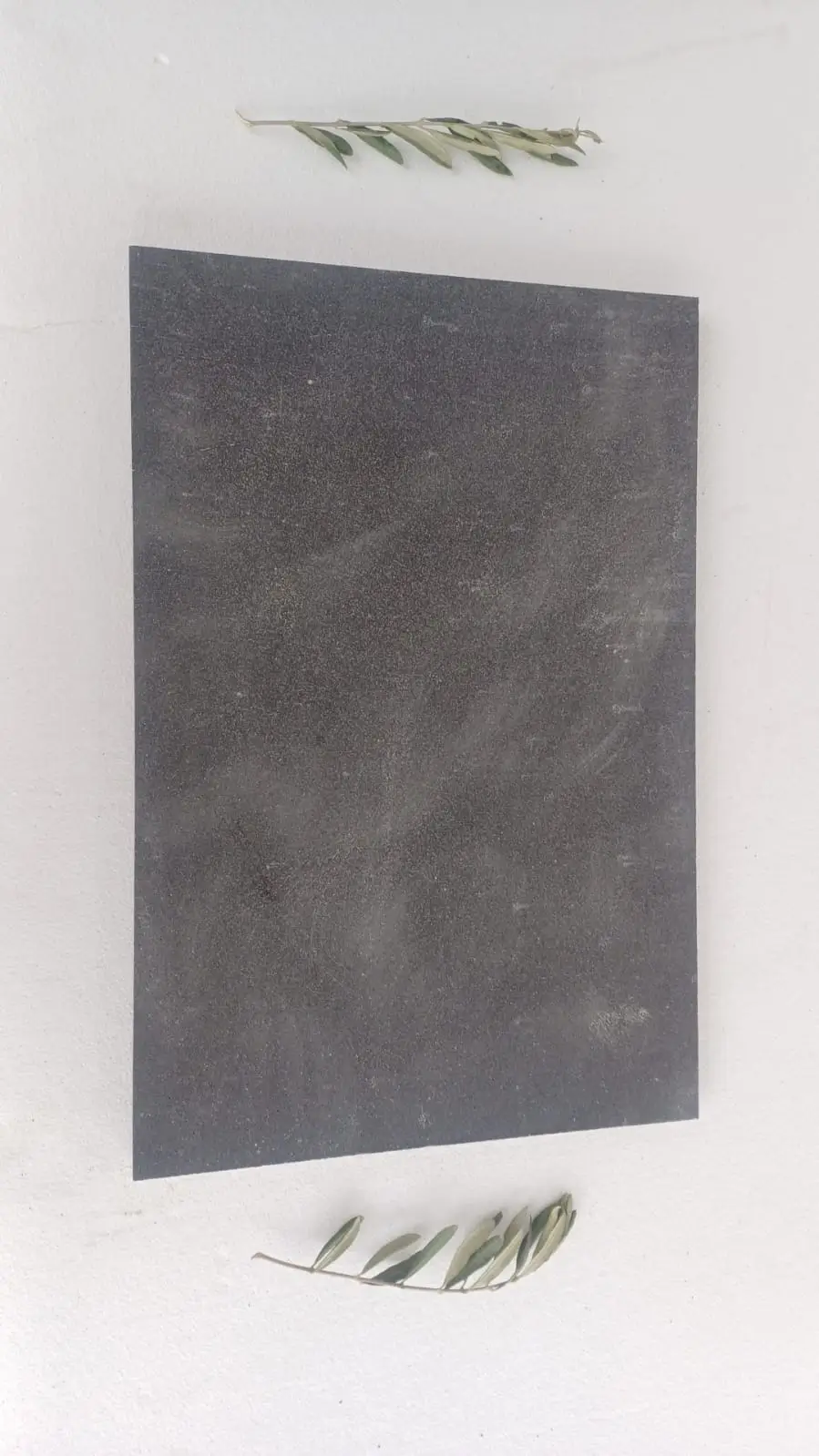
Project timelines in Arizona’s construction market move faster than most suppliers are configured to support, and material delays on granite paving can cascade into finish trade conflicts that cost more in schedule compression than the material itself. Understanding how grey granite paving moves through the supply chain is practical project management, not just logistics detail. Import-cycle granite — material that isn’t warehoused domestically — typically runs 6–10 weeks from order confirmation to site delivery. For projects with firm milestone dates, that timeline requires you to commit to your stone selection before your contractor has finished base preparation.
Citadel Stone maintains regional warehouse inventory of grey granite paving in standard formats, which typically reduces lead times to 1–2 weeks from order to truck delivery across Arizona. That compression matters when a project phase opens unexpectedly or a material substitution becomes necessary mid-construction. When you’re planning your project schedule, verify current warehouse stock levels before locking in your installation sequence — inventory levels fluctuate with regional construction demand, and checking early gives you substitution options if your preferred format needs a short restocking window. For custom-format cuts or non-standard thickness requirements, Citadel Stone’s technical team can advise on lead times and quarry sourcing options that keep your project on schedule without compromising specification standards.
Getting Grey Granite Paving Right in Arizona
The specification decisions that determine long-term performance for grey granite paving in Arizona cluster around three variables: mineral composition relative to UV stability, finish selection based on application exposure, and sealing chemistry matched to desert conditions. Get those three right at the design stage and you’ve addressed the primary failure modes before the first paver is placed. The installation mechanics — base depth, joint specification, expansion joint spacing — are important but correctable; the material and finish decisions made on the drawing board are what you’ll live with for the life of the project.
Your material selection process should include requesting quarry documentation on iron and feldspar content, evaluating finish options against your specific exposure conditions, and confirming sealing product compatibility before purchase rather than after installation. Projects in high-elevation locations like Flagstaff face the additional variable of freeze-thaw cycling layered on top of UV exposure — installations there should specify granite with water absorption rates below 0.4% per ASTM C97 to handle both UV surface demands and frost penetration resistance simultaneously. As you finalize your stone selection across related project elements, Black Granite Paving in Arizona offers a useful comparison point for how darker granite variants perform under the same Arizona UV conditions, which can inform contrast material decisions in mixed-stone designs. For dark grey granite paving suited to Arizona’s climate and design standards, Citadel Stone provides reliable material sourcing and knowledgeable support throughout the project process.