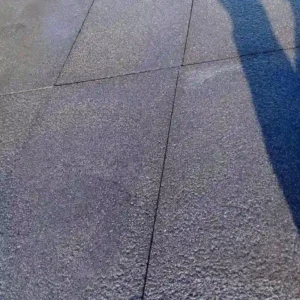
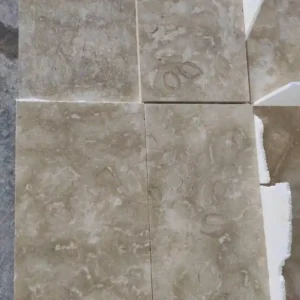
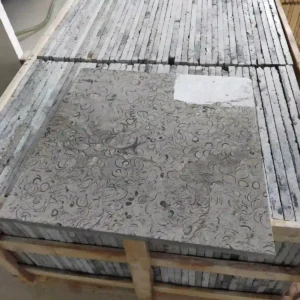
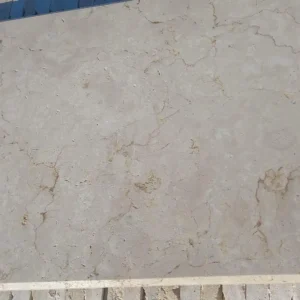
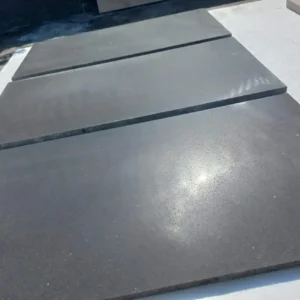
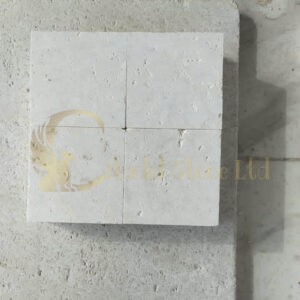
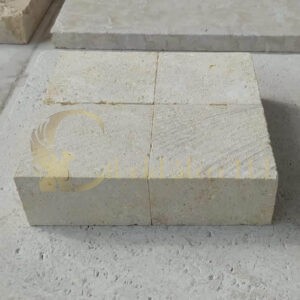
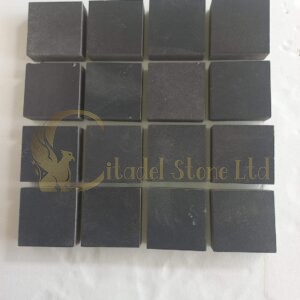
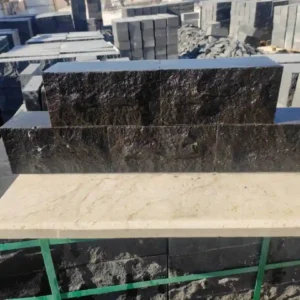
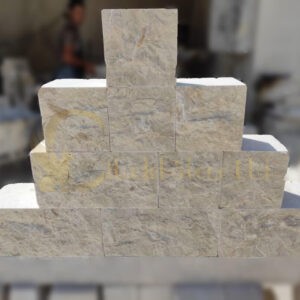
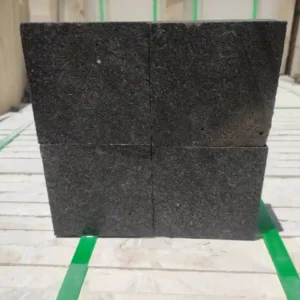
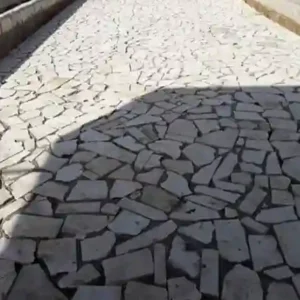
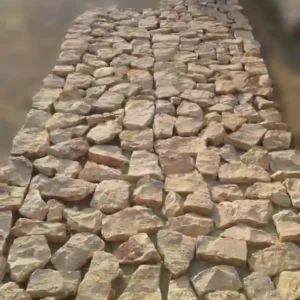
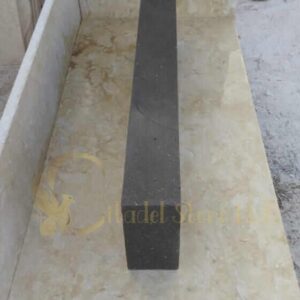
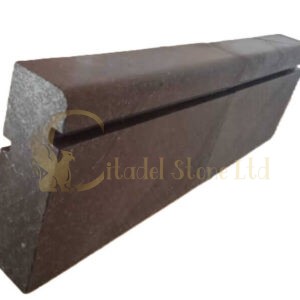
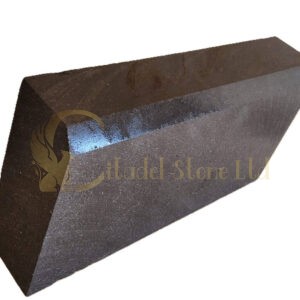
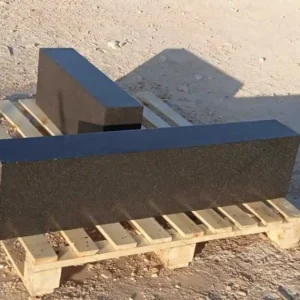
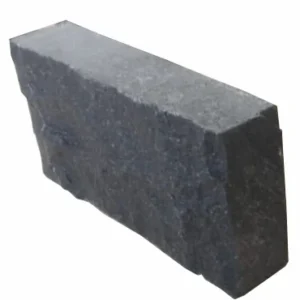
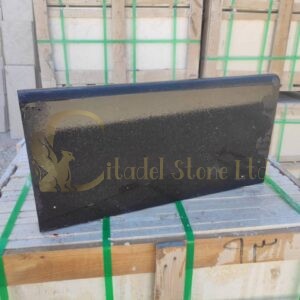
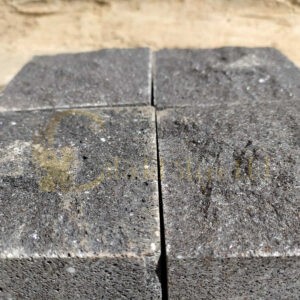
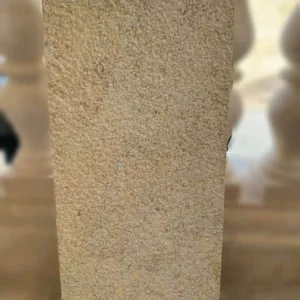
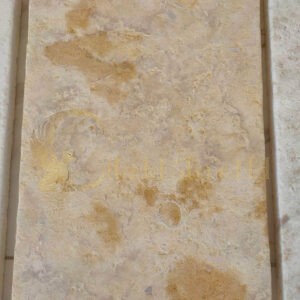
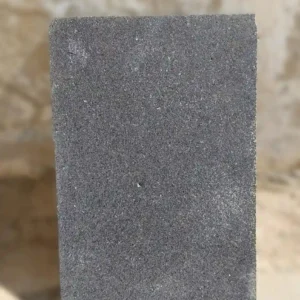
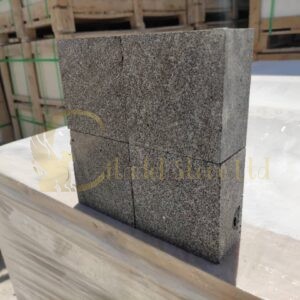
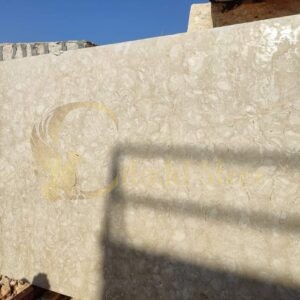
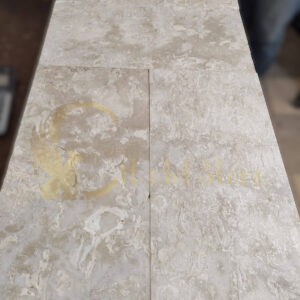
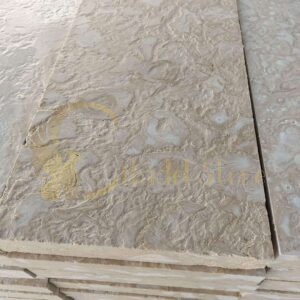
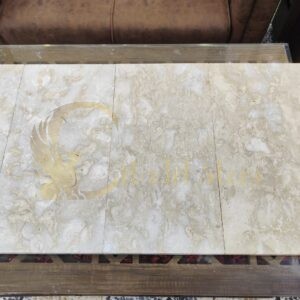
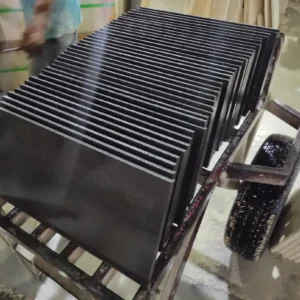
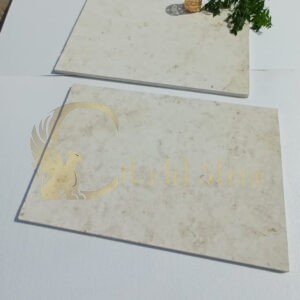
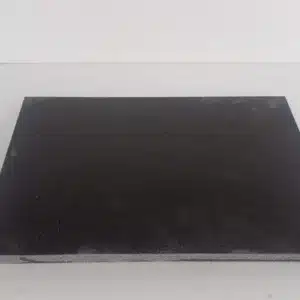
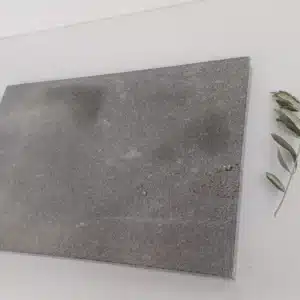
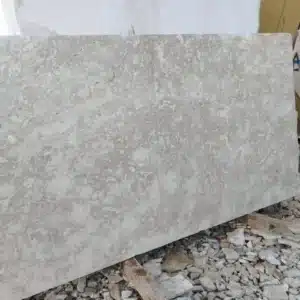
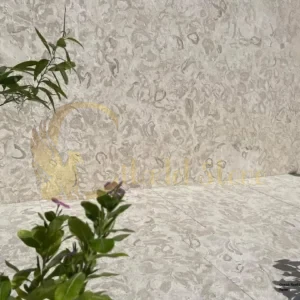
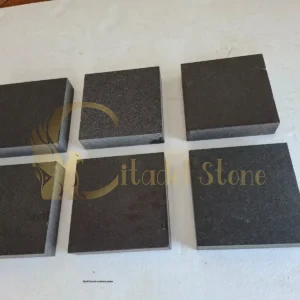

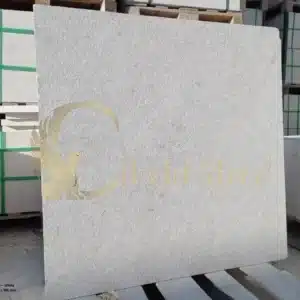
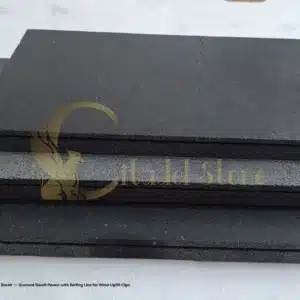
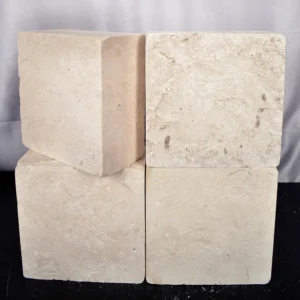
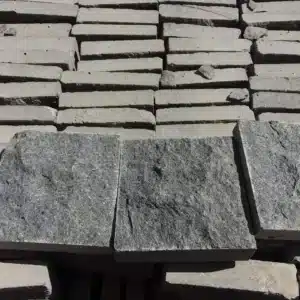
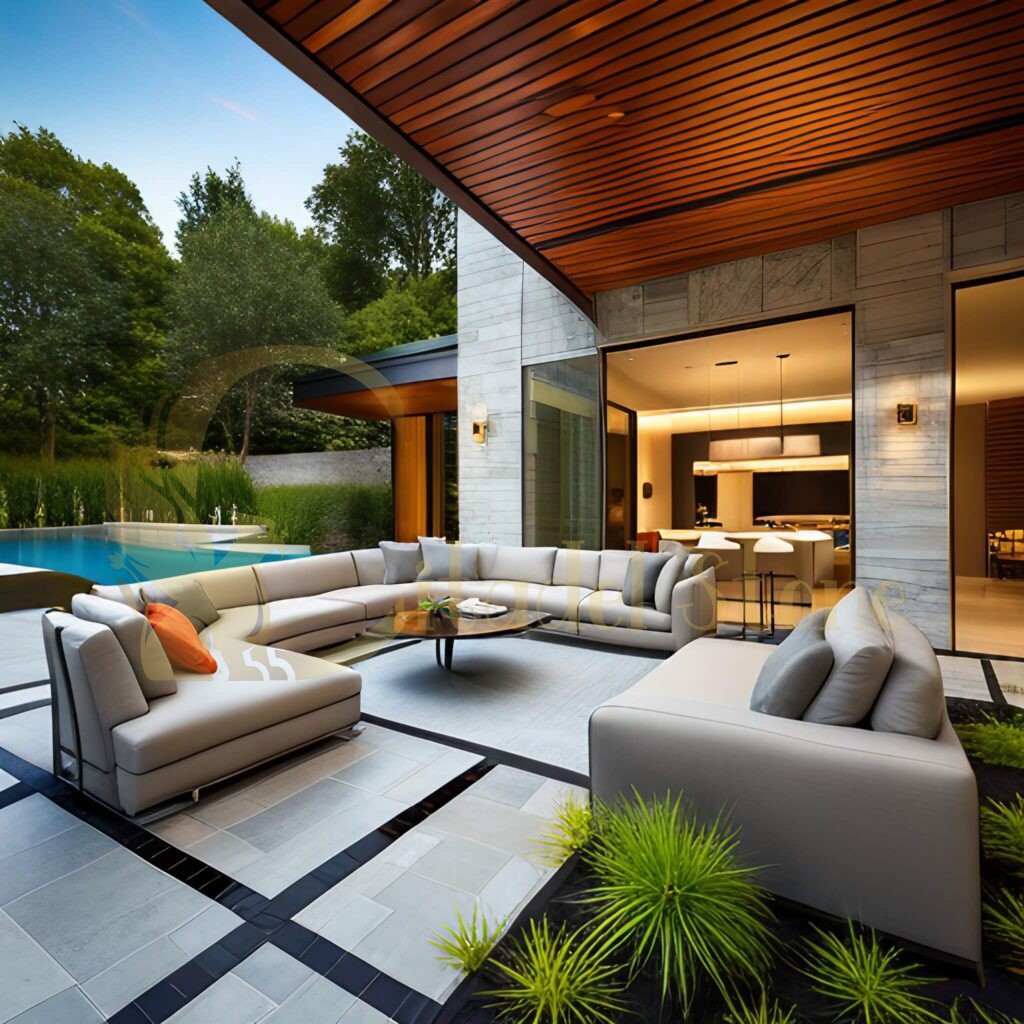
Granite pavers in Arizona face a performance challenge that most specification documents don’t fully capture — not the heat itself, but the relentless mechanical stress of daily temperature cycling. In Phoenix, surface stone can reach 145°F by early afternoon and drop 50°F or more overnight. That 50-degree swing, repeated 300-plus days a year, creates cumulative joint stress that determines whether your installation holds for two decades or starts failing in year seven.
How Thermal Cycling Affects Granite Pavers in Arizona
Granite’s thermal expansion coefficient sits around 4.4 to 8.0 × 10⁻⁶ per °F depending on mineral composition — tighter than many competing stones, which gives it a genuine mechanical advantage in high-cycling climates. But here’s what often gets overlooked: it’s not the expansion on hot days that causes damage. It’s the contraction on cold nights that widens joint gaps, allows debris infiltration, and then creates point-load stress when the stone expands again. Over hundreds of cycles, that debris-filled joint becomes a wedge.
In Flagstaff, the thermal problem compounds further — elevations above 6,900 feet bring genuine freeze-thaw cycles, not just temperature swings. Natural granite pavers in Arizona at that elevation need to be specified with ASTM C170 compressive strength above 19,000 PSI and water absorption below 0.4% to resist the micro-fracturing that freeze-thaw pressures create inside pore structures. Flagstaff installations that ignore this and use the same granite spec as a Phoenix driveway typically show surface spalling within three to five winters.
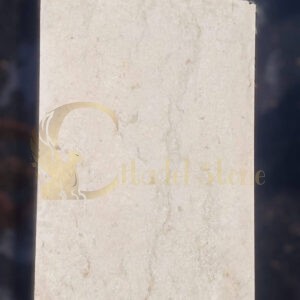
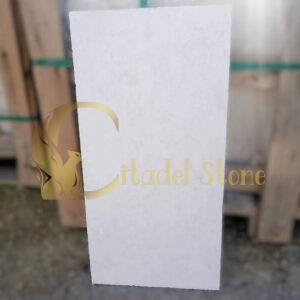
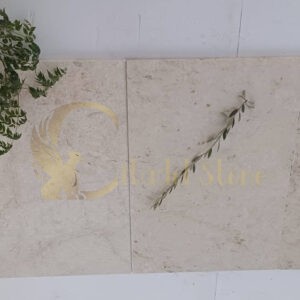
Citadel Stone sources granite pavers for Arizona projects from quarry partners with documented low-absorption characteristics, and each batch goes through warehouse inspection for consistency before it ships. That sourcing discipline matters when you’re specifying for elevation-sensitive sites.
Selecting the Right Granite Varieties for Arizona Conditions
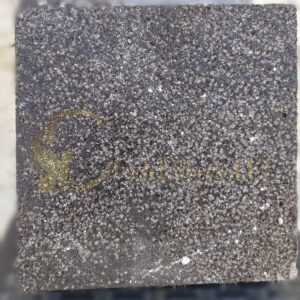
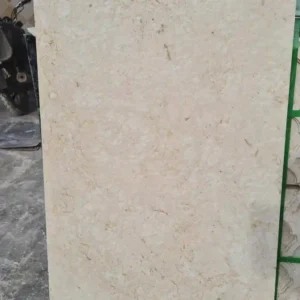
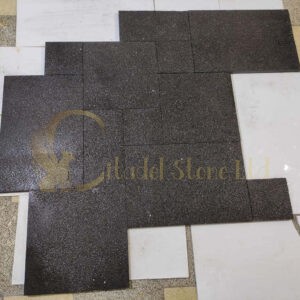
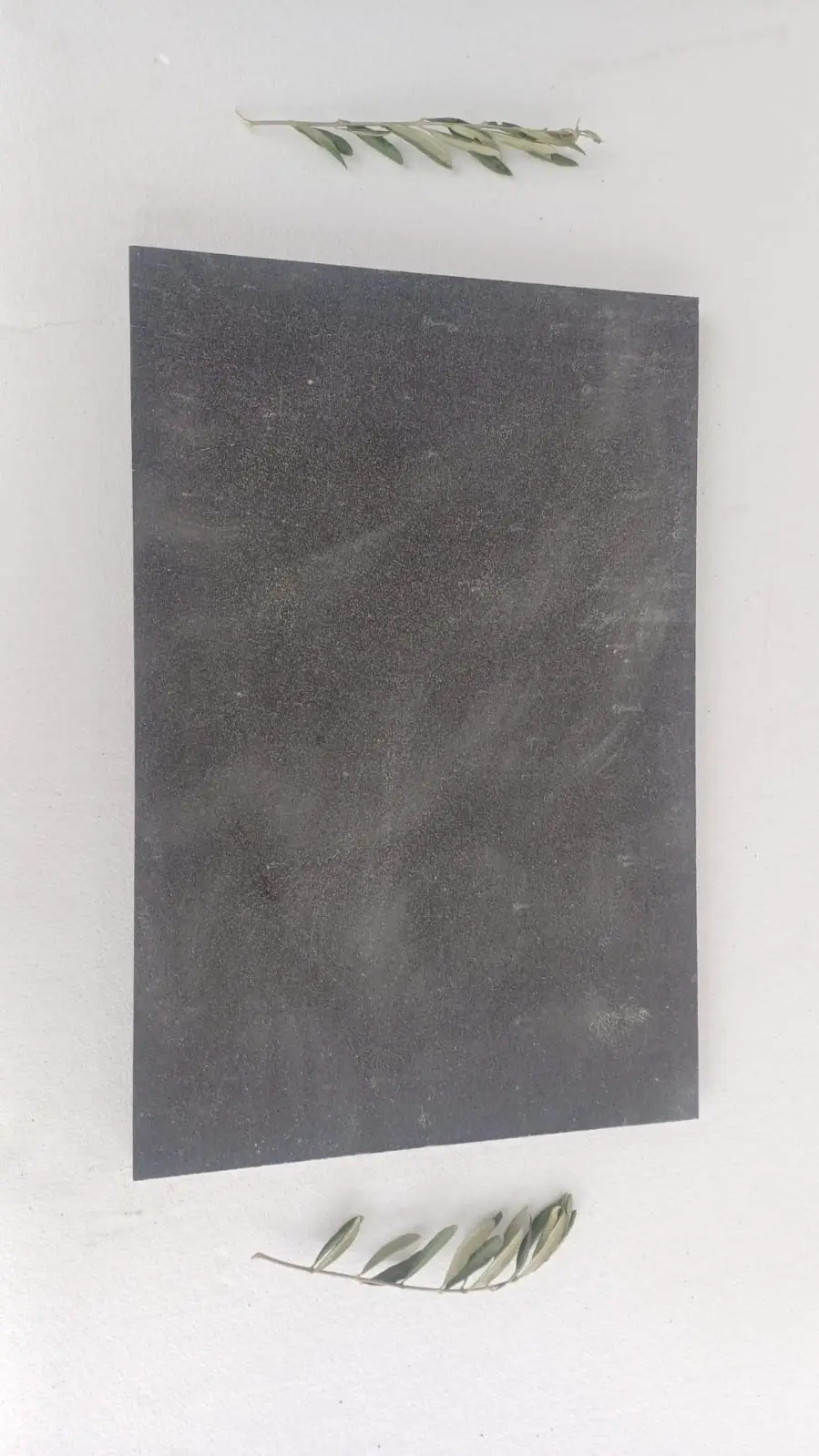
Not all granite performs equally under thermal cycling stress, and the mineral blend is what drives that difference. High-quartz granites — often lighter in color — have lower thermal expansion coefficients and better freeze-thaw ratings. Darker granites with higher mafic mineral content can absorb significantly more heat, which accelerates the daily cycling amplitude and increases joint stress over time. For most exterior granite pavers in Arizona applications, specifying a lighter-toned or mid-tone granite isn’t just aesthetics — it’s a thermal management decision.
- Light gray and salt-and-pepper granites typically measure 30–40% lower surface temperatures than dark charcoal varieties under direct Arizona sun
- Flamed or brushed finishes reduce thermal absorption slightly compared to high-polish surfaces, while also improving slip resistance ratings
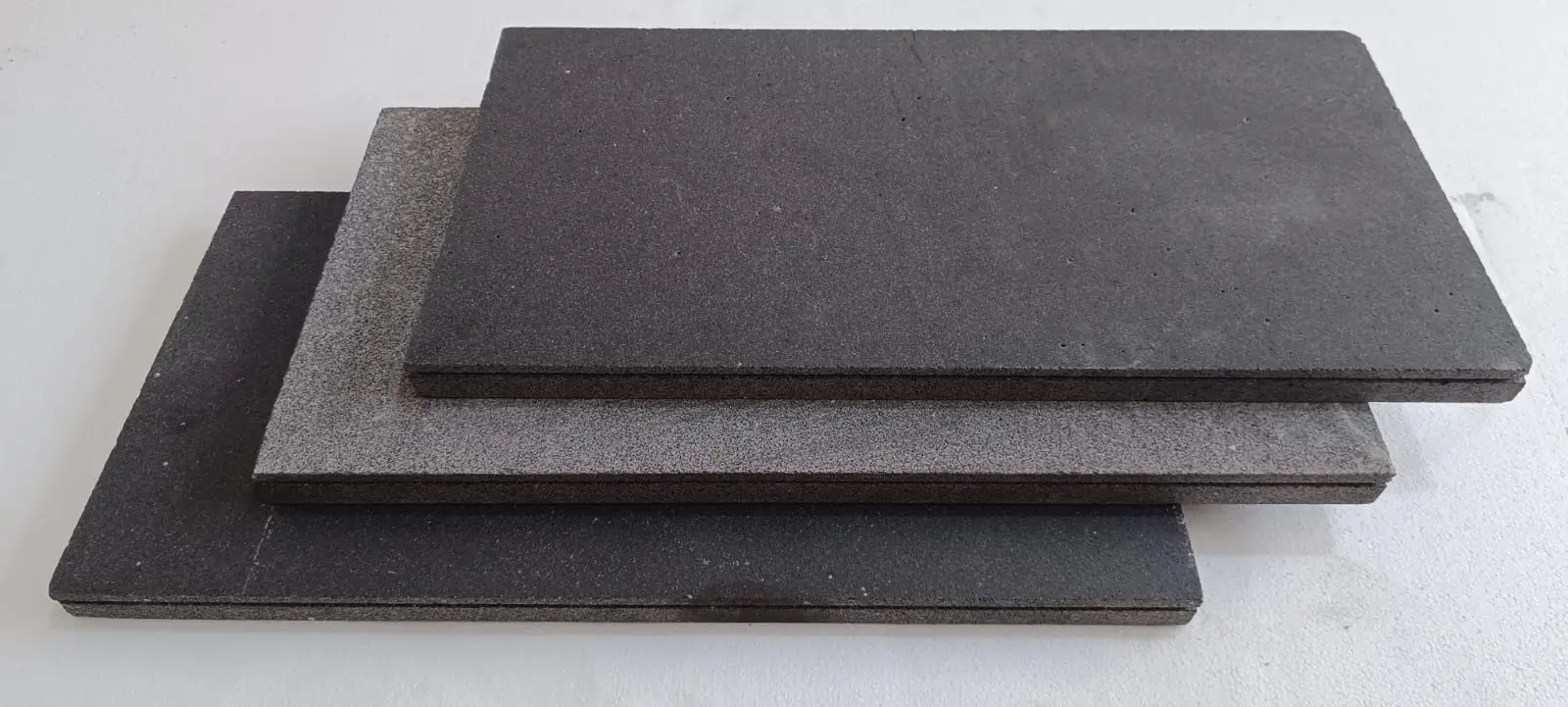
- Granite tile pavers in the 2-inch nominal thickness provide the structural mass needed to resist warping from differential heating across the paver face
- Square granite pavers in Arizona projects favor 24×24 or 18×18 formats, which allow more predictable joint spacing calculations for thermal expansion management
- Large granite pavers in Arizona installations — 24×48 or larger — require tighter expansion joint frequency, typically every 10 to 12 feet rather than standard 15-foot intervals
You can request sample tiles and thickness documentation from Citadel Stone before committing to a full-project order — a step worth taking when you’re working out thermal specification details for a specific site elevation or exposure.
Base Preparation That Accommodates Thermal Movement
The base system underneath granite paving tiles in Arizona is doing more work than most installers acknowledge. Your aggregate base isn’t just a structural platform — it’s a drainage and movement management layer. Compacted decomposed granite (DG) is regionally common, but standard DG compacted to 95% Proctor density can transmit differential thermal movement upward into the paver joints when it dries and contracts during the hot season. Class II crushed aggregate with a 3/4-inch minus gradation gives you better interlock and less seasonal dimensional change.
Projects in Scottsdale commonly encounter expansive soils with plasticity indices above 20, which introduces a second movement variable below your aggregate base. On those sites, a geotextile fabric between native subgrade and aggregate base prevents clay migration into the base course — a detail that protects joint integrity through both thermal and moisture cycling over the long term.
- Minimum 6-inch compacted aggregate base for residential pedestrian applications
- 8-inch base minimum for vehicular applications, increased to 10 inches on expansive soil sites
- Bedding sand or mortar bed selection affects joint flexibility — dry-set sand beds allow slight thermal movement; mortar beds require more frequent expansion joints
- Slope the base at 1/8 to 1/4 inch per foot to ensure drainage; standing water in joint channels accelerates freeze-thaw damage at elevation
Joint Spacing and Expansion Joints for Granite Pavers
Here’s the detail most specifiers miss on granite paving and landscaping in Arizona: the standard 1/8-inch joint used in temperate climates is undersized for desert thermal cycling conditions. A proper joint width calculation for Phoenix or Tucson conditions should account for a 70°F seasonal differential minimum — and that math points to 3/16 to 1/4-inch joints for most granite formats. Running 1/8-inch joints in a high-cycle environment means you’re counting on the granite’s low expansion coefficient to save you. Most of the time it will. But the installations that fail early almost always have undersized joints combined with a rigid mortar setting bed.
Expansion joints — those full-width breaks filled with a flexible backer rod and polyurethane sealant — need to be planned at the layout stage, not added as an afterthought. For granite stone paving in Arizona, place expansion joints at a maximum 12-foot spacing for thin-set mortar applications and 15 feet for sand-set installations. Around fixed objects like columns, drain rings, and wall bases, install expansion joints regardless of panel size. Paving granite stone in corner-heavy designs with multiple fixed constraints often needs expansion joints at every terminus point.
- Use ASTM C920 Type S, Grade NS polyurethane sealant in expansion joints — it handles Arizona’s UV and temperature range better than standard silicone in exposed conditions
- Backer rod diameter should be 25% larger than the joint width to ensure proper compression and sealant bonding
- Expansion joints should penetrate the full depth of the setting bed, not just the paver thickness
- Plan joint locations to align with natural layout breaks — forced misalignment compromises both aesthetics and structural function
Finish Selection and Performance Under Arizona Conditions
The finish you specify on granite outdoor pavers in Arizona affects three performance factors simultaneously: slip resistance, thermal cycling behavior, and long-term maintenance requirements. Polished granite is the most common finish request for aesthetic reasons, but it’s worth having a direct conversation about performance trade-offs in exterior applications.
Polished granite surfaces in exterior use develop micro-surface changes from UV exposure and thermal cycling within three to five years — not structural damage, but a gradual dulling of the mirror finish that then requires professional restoration to bring back. Flamed, bush-hammered, or sandblasted finishes maintain their appearance through thermal cycling without degradation. For granite pavement in high-traffic commercial settings in Scottsdale or Phoenix, a flamed or sawn finish is the specification that holds up without recurring maintenance costs.
- Flamed finish: COF above 0.60 wet, excellent thermal cycling durability, low maintenance — best for driveways and pool decks
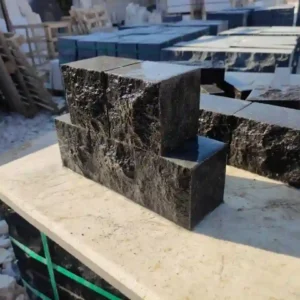
- Bush-hammered finish: COF typically 0.55–0.65, good durability, well-suited to pedestrian pathways with heavy foot traffic
- Sawn finish: Moderate COF around 0.45–0.55, requires sealing to prevent absorption, best for low-traffic patio use
- Polished finish: COF below 0.40 when wet — not recommended for exterior Arizona installations without anti-slip treatment
- Sandblasted finish: Economical thermal performance with acceptable COF; some granites show color fading over time under intense UV exposure
For projects in Phoenix, pool deck applications almost always warrant a flamed or textured finish — wet foot traffic combined with surface temperatures above 120°F creates a condition where polished stone becomes a liability rather than an asset.
Sealing Granite Pavers in a Desert Climate
Granite’s natural density makes it one of the lower-maintenance natural stones from a sealing standpoint — absorption rates typically run 0.2% to 0.5% by weight, compared to limestone or travertine at 3–8%. That low absorption means some Arizona installers skip sealing entirely, particularly on flamed or textured surfaces. The better approach is more nuanced: sealing isn’t primarily about water resistance in the desert. It’s about protecting joint integrity and preventing thermal cycling from opening micro-surface fissures that accumulate mineral deposits over time.
For cheap granite pavers in Arizona applications where budget is a priority, a penetrating silane-siloxane sealer applied once at installation and refreshed every three to four years provides meaningful protection without adding much cost to the project. Premium impregnating sealers in the fluoropolymer category are worth specifying on high-value patio stone paving in Arizona installations where long-term aesthetics matter — these maintain performance through Arizona’s UV intensity and require reapplication only every five to seven years when properly applied at the warehouse-verified moisture content of the stone.
- Apply sealers only when stone surface temperature is below 90°F — early morning application on Arizona summer projects
- Confirm stone moisture content below 3% before application; freshly delivered stone from a temperature-controlled truck may need 24-hour acclimation
- Two thin coats outperform one heavy coat in penetrating sealer applications on dense granite
- Avoid solvent-based sealers on surfaces adjacent to pool water — water-based penetrating sealers are more compatible with pool chemical exposure
Cost, Sizing, and Project Budgeting for Arizona Granite Projects
Natural granite pavers in Arizona cover a meaningful price range depending on origin, format, and finish. Domestic granite from southwestern quarry sources typically prices lower than imported Brazilian or Indian granite — not because of quality differences, but because freight cost from a regional truck delivery is substantially less than port-to-warehouse-to-site logistics for imported material. For budget-sensitive projects, asking specifically about domestic granite availability can bring material costs into a more accessible range without compromising performance.
For detailed pricing by format and finish, Arizona granite outdoor paver options walks through the cost variables worth understanding before you finalize your specification. Getting that information early prevents the scope adjustments that happen when material costs come in differently than estimated.
- Granite paving tiles in 12×12 and 16×16 formats are the most economical per square foot due to production volume efficiencies
- Large granite pavers — 24×48 and above — carry premium pricing because of quarry extraction and fabrication complexity
- Flamed finish typically adds 15–25% over sawn finish pricing; bush-hammered adds 10–20%
- Freight from regional Arizona warehouse stock is typically $80–$150 per pallet depending on delivery location — worth factoring into material comparisons with out-of-state suppliers
- Order 10–12% overage on granite paving and landscaping projects for cut waste and future repairs; granite dye lots vary enough that matching material ordered 18 months later may not be achievable
Citadel Stone ships granite pavers across Arizona from regional inventory, which typically cuts lead times to one to two weeks compared to the six to eight week import cycles that affect projects sourced through standard distribution channels.
Installation Logistics and Field Conditions to Plan Around
Arizona’s construction season creates installation windows that directly affect how granite paving goes down and how long it lasts. Mortar and setting bed materials have strict temperature curing requirements — most Portland cement-based materials shouldn’t be placed when substrate temperatures exceed 95°F, which eliminates midday installation windows from April through October. Your installation schedule needs to account for early-morning start times with a hard stop before noon in summer months, or you’re working against the material chemistry regardless of technique.
Truck access is a planning variable that catches projects off guard on infill lots in older Phoenix or Tucson neighborhoods. A standard pallet truck delivering 3,000 pounds of granite stone paving needs 12 feet of clearance and a reasonably stable surface to maneuver — properties with soft DG driveways or restricted street access may need a crane offload or hand-carry staging plan. Discuss delivery site conditions with your supplier early so the warehouse can stage pallets appropriately for your access constraints.
- Acclimate granite to site temperature for a minimum of four hours before installation in extreme heat — thermal shock from cold truck delivery to hot substrate can affect setting bed adhesion
- Joint sand should be dry-screeded and swept in during low-humidity conditions — monsoon season (July through September) creates moisture levels that prevent proper polymeric sand curing
- Protect freshly set mortar beds from direct sun for 24 hours using shade cloth — UV exposure accelerates surface drying and creates shrinkage cracking before proper hydration occurs
- Plan for tool cleaning protocols: granite paver cutting generates silica dust, requiring water suppression or NIOSH-approved respiratory protection at the cut station
Getting Granite Pavers Right in Arizona
The specification decisions that determine long-term performance for granite pavers in Arizona trace back to three variables: granite selection suited to your site’s actual thermal cycling amplitude, joint design sized for desert temperature differential rather than temperate defaults, and a base system that manages both structural load and seasonal soil movement. Getting all three right at the design stage prevents the remediation costs that come from addressing them separately after installation.
Your project’s elevation, exposure, and traffic load profile each shift those three variables in specific ways — a Flagstaff patio with freeze-thaw exposure needs a different specification than a Phoenix driveway even when the granite format is identical. For Arizona property owners exploring complementary hardscape materials, Bluestone Stepping Stones in Arizona covers how a different natural stone performs across similar Arizona site conditions and can inform your broader material palette decisions. For Arizona property owners considering granite outdoor pavers, Citadel Stone offers reliable product sourcing, material guidance, and support throughout the selection and installation planning process.