










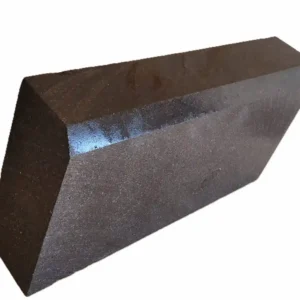
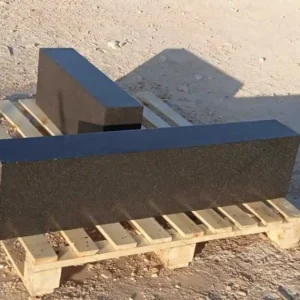
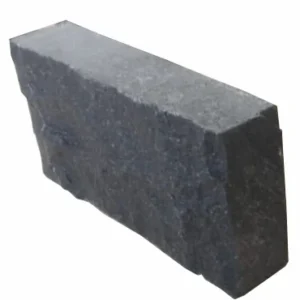

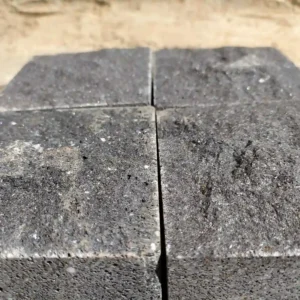
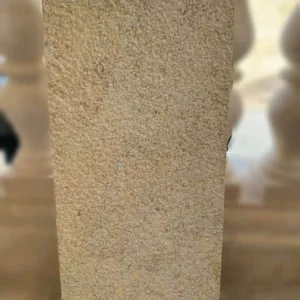

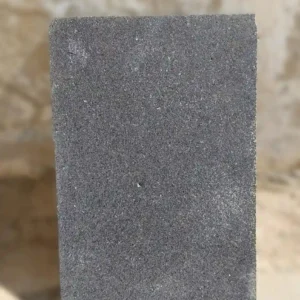
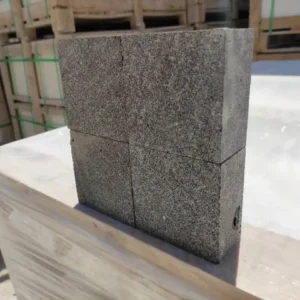
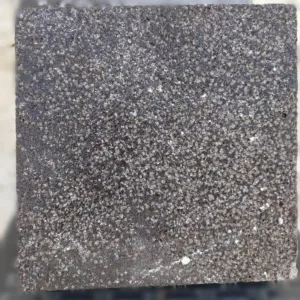



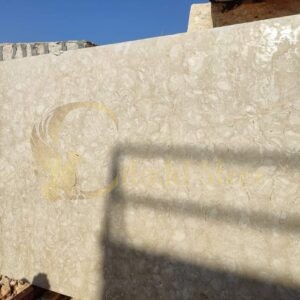
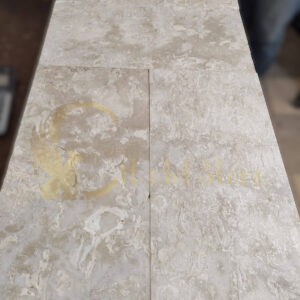
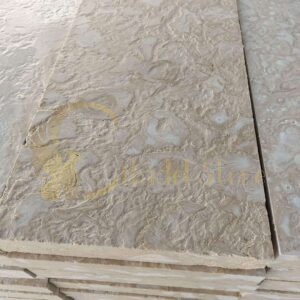
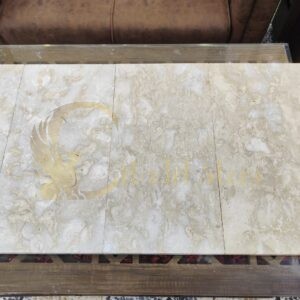



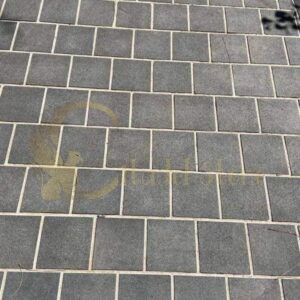






Cobblestone paving in Arizona takes a mechanical beating that most specifiers underestimate — not from heat alone, but from the lateral forces, vibration, and impact loading that come with monsoon-driven wind events, haboob-grade dust storms, and the occasional hail strike that tracks across the high desert. The jointing system and base depth you spec for a project in Phoenix or Scottsdale need to account for these dynamic loads before you ever consider aesthetics. Getting that structural foundation right is what separates a cobblestone installation that holds its pattern for 25 years from one that starts rocking and shifting after the second monsoon season.
Why Storm Resistance Drives Cobblestone Selection in Arizona
Arizona’s reputation as a heat state masks a more demanding mechanical reality. The summer monsoon season delivers sustained wind gusts regularly exceeding 60 mph across the Valley and upland corridors, and haboob events have been recorded with wall speeds above 70 mph. For cobblestone block paving in Arizona, those lateral wind loads create micro-vibrations at the pavement surface that propagate down through the jointing material and into the bedding layer. Over time, that vibration displaces polymeric sand, loosens the interlock between cobble units, and opens the surface to water infiltration — the real long-term enemy.
Hail adds a different stress category. Quarter-sized hail at terminal velocity delivers concentrated point impacts that can fracture softer natural stones outright and create surface spalling on units with pre-existing micro-cracks. Selecting cobblestones with a minimum compressive strength of 15,000 PSI and a low absorption rate — ideally below 3% — gives you the impact resistance margin you need when these events roll through. Citadel Stone sources cobblestone units from established quarry partners who supply material certification data for each batch, so you can verify those performance numbers before they arrive on your project.
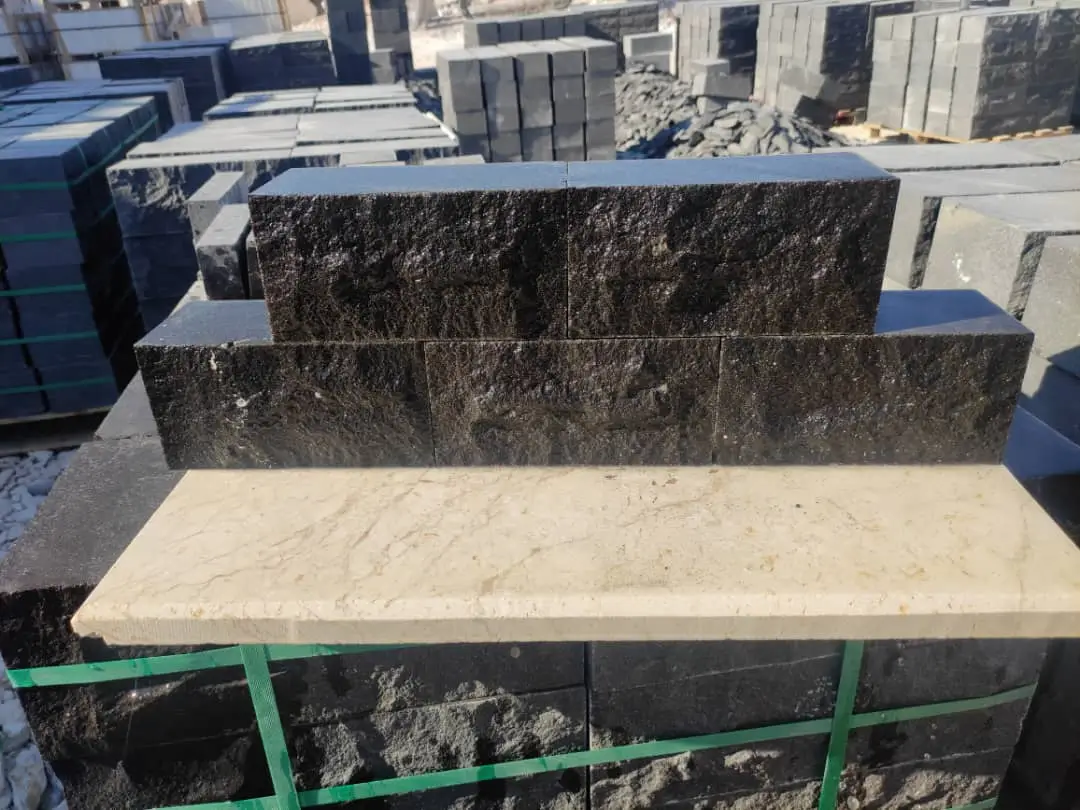
Base Preparation for Wind and Storm Loads
The base system is where storm resistance is actually built. A cobblestone surface that experiences high lateral wind loading needs a compacted aggregate base deep enough to provide the mass and friction that prevents lateral creep. For residential driveways and pedestrian zones, a minimum 6-inch compacted Class II base is standard — but for areas exposed to channeled wind corridors common in open desert landscaping around Scottsdale, stepping that up to 8 inches with a geotextile separation layer at the subgrade interface is the smarter long-term call.
Caliche layers, present throughout much of the Phoenix metro, behave inconsistently under dynamic loading. When caliche is intact and fully compacted, it provides excellent bearing capacity. The problem occurs at the edges of caliche lenses where the transition to native soil creates differential settlement — and that differential settlement shows up as rocking cobbles after the first serious storm season. Your soil investigation should identify these transition zones so your bedding layer can bridge them with additional compaction passes.
- Compact aggregate base in 2-inch lifts, achieving 95% Modified Proctor density at each lift before proceeding
- Maintain bedding sand layer at 1 inch nominal — never exceed 1.5 inches, as thicker beds allow lateral displacement under dynamic loading
- Install edge restraints rated for vehicular loading even on pedestrian-only zones — wind-driven debris impacts warrant the added structural margin
- Slope the base at a consistent 1.5–2% cross-fall for drainage, which also limits the ponding that accelerates joint sand washout after storm events
- In clay-heavy soils, install a geogrid reinforcement layer at the subgrade to distribute point loads from hail impact and foot traffic simultaneously
Cobblestone Formats and Thickness for Arizona Conditions
Block stone paving in Arizona performs best when unit thickness matches the application load category. The dimensional relationship between thickness and plan area — the thickness-to-width ratio — directly affects how much lateral force a unit can absorb before it rotates in its bedding. Cobble paving slabs in the 3.15-inch (80mm) thickness range are appropriate for most residential driveway and courtyard applications. For areas subject to vehicle loading combined with storm exposure, 4-inch (100mm) units provide the additional rotational resistance that prevents the rocking-and-locking failure mode common after high-wind events.
Plan dimensions matter too. Larger-format cobble units — 6×9 inches and above — offer more contact area with adjacent units, which improves interlock efficiency. Smaller sett-style units in the 4×4 range create more joints per square foot, which means more potential failure points under vibration loading but also more flexibility to accommodate differential movement without surface fracture. For most Arizona storm-exposure applications, a 4×8 or 6×9 rectangular cobble in a herringbone or running bond pattern offers the best balance of interlock strength and drainage capacity between joints.
- Herringbone patterns at 45° or 90° provide the highest interlock efficiency for driveways subject to lateral vehicle braking forces and wind-driven vibration
- Running bond works well for pedestrian walkways but requires continuous edge restraint to prevent unraveling at the perimeter
- Basket weave and stack bond patterns have the lowest interlock performance — avoid them in any zone exposed to storm-level wind loads
- For cobble paving bricks in entry courtyards and motor courts, specify a minimum 3.5-inch thickness to handle both vehicle loading and hail impact without surface fracture
Material Selection: Natural Stone Versus Manufactured Cobble
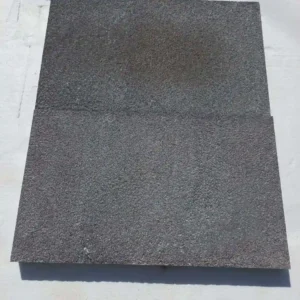
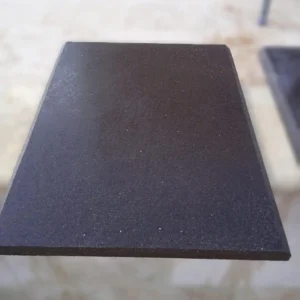
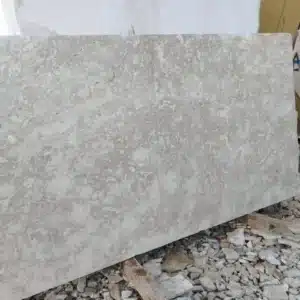
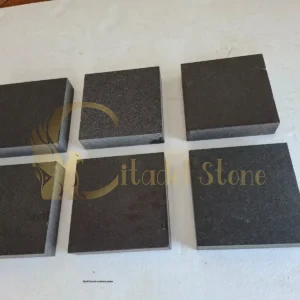
The debate between natural and manufactured cobble bricks comes down to one core trade-off in storm-exposed Arizona applications: natural stone’s variable density versus manufactured units’ dimensional precision. Natural granite and basalt cobbles bring compressive strengths well above 20,000 PSI and virtually zero water absorption — both critical for surviving hail impact and freeze-thaw cycling at elevation. The trade-off is dimensional variation of plus-or-minus 3–5mm between units, which creates micro-height differences at joints that accumulate lateral edge-stress under repeated wind vibration cycles.
Manufactured concrete cobble pavers offer tighter dimensional tolerances — typically plus-or-minus 1mm — which creates a more uniform bedding contact surface. That precision helps under vibrational loading but comes with a compressive strength ceiling around 8,000–10,000 PSI for most standard production units, leaving less margin against hail impact. For projects where budget and dimensional consistency take priority, manufactured cobble paving bricks are a practical choice. For high-value installations in exposed locations, natural basalt or granite cobbles deliver mechanical performance that manufactured units simply cannot replicate. You can request material specification sheets and sample units from Citadel Stone before committing to either direction — getting the material in hand before ordering is the standard professional approach. For projects comparing these options in detail, cobblestone block paving solutions covers the performance comparison across Arizona climate zones with specific data on long-term durability outcomes — a resource worth reviewing alongside your material selection process before finalizing specifications.
Jointing and Interlock Performance Under Storm Conditions
Joint filling is the most undermaintained element of cobblestone block paving in Arizona, and storm events are what expose that neglect fastest. Standard kiln-dried jointing sand washes out in a single significant monsoon runoff event if drainage hasn’t been designed to move water away from the surface before it dwells and mobilizes the joint material. Polymeric jointing sand — the properly activated variety, not the boxed retail product applied without adequate compaction — significantly outperforms standard sand under these conditions, maintaining joint fill rates above 85% through multiple storm seasons when installed correctly.
In Flagstaff, where the elevation brings genuine freeze-thaw cycling on top of monsoon loading, joint performance becomes even more critical. Water that infiltrates depleted joints freezes, expands, and lifts adjacent cobble units — a cycle that compounds with each storm season until the surface requires full resetting. Specifying a polymeric sand with a minimum 28-day cure period before the first rain event is a practical field requirement in those zones, not an optional precaution.
- Apply polymeric sand only when the surface and joints are completely dry — moisture in the joint cavity prevents proper polymer activation and leads to premature washout
- Compact the sand in two passes using a plate compactor with a protective rubber pad, then top-dress and re-compact before the final misting activation
- Inspect joint fill depth after the first storm event and top-dress any joints that have dropped below 80% fill capacity
- For driveways in high-traffic zones, budget for joint inspection and top-dressing every 18–24 months as part of your maintenance specification
Drainage Design for Monsoon Runoff Management
Block stone paving in Arizona’s monsoon corridor needs to manage runoff volumes that can exceed 2 inches per hour during peak storm events — a hydraulic load that most standard residential drainage designs handle poorly. The cobblestone surface itself is not the drainage solution; it’s the conveyance system beneath and adjacent to it that determines whether the installation survives storm season intact. Your drainage design should treat cobblestone paving as a semi-permeable surface that delays, not eliminates, the runoff peak.
Slot drains positioned at low points before the cobblestone surface transitions to building entries or garage thresholds are non-negotiable in exposed Arizona installations. The drain inlet capacity needs to match the tributary area’s peak flow calculation — not the average storm, but the design storm appropriate for your project’s consequence class. Projects in Mesa frequently encounter shallow water table conditions that affect the drainage base’s ability to shed storm runoff efficiently, making proper inlet sizing and positive outfall connection even more critical in that geography.
- Minimum 1.5% surface cross-fall toward dedicated drainage inlets — 2% is preferable for high-runoff zones
- Perforated collector pipe at the base of the aggregate layer, daylighted to a positive outfall, prevents hydrostatic uplift during intense rainfall events
- Avoid designing cobblestone surfaces as the only drainage path for adjacent impervious areas — the joint system cannot handle concentrated inflow without accelerated sand displacement
- Channel edge restraints inward slightly at drainage inlets to prevent cobble units from migrating toward the inlet opening under flow conditions
Sealing and Long-Term Maintenance in Arizona’s Climate
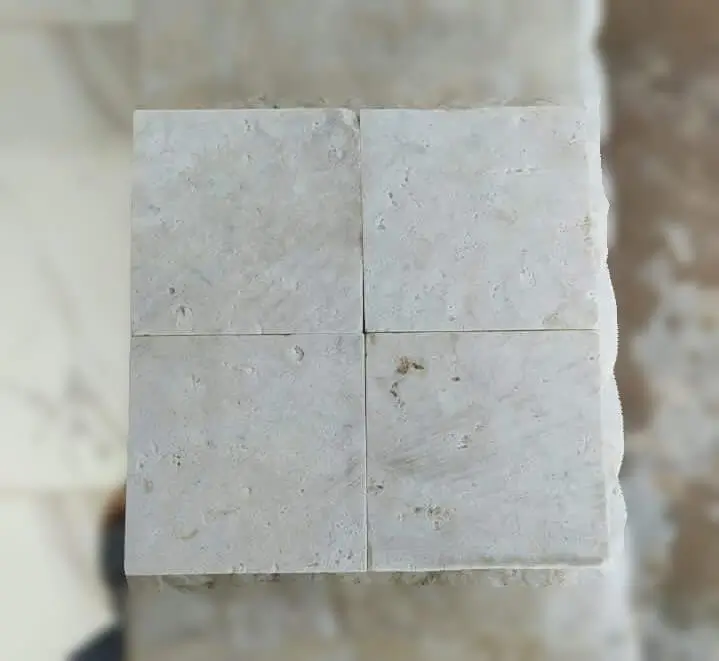
Sealing cobble paving slabs and natural stone cobbles in Arizona’s UV environment requires a different approach than what generic sealer instructions describe. The photodegradation rate for solvent-based penetrating sealers accelerates significantly above 5,000 foot-candles of solar exposure — a threshold Arizona’s low-desert locations exceed for 200+ days per year. That means your resealing interval isn’t the 5-year cycle the product data sheet suggests in a temperate climate. Plan for 2.5–3 years as your practical reapplication schedule, with an annual inspection to check for surface whitening or water bead collapse that signals sealer depletion ahead of schedule.
For natural stone cobbles, a water-based penetrating impregnator applied in two cross-coats 30 minutes apart gives better UV stability than solvent-based alternatives, while maintaining the natural surface appearance that makes cobble paving bricks desirable in high-end residential and commercial projects. Avoid film-forming topical sealers entirely on cobblestone — the surface micro-texture that provides traction is lost under a film coating, creating a slip hazard that negates one of cobblestone’s primary safety advantages in wet conditions. Citadel Stone’s technical team can advise on sealer compatibility for specific stone types and recommend application schedules calibrated to your project’s elevation and exposure zone.
- Clean the cobblestone surface with a pH-neutral cleaner before sealing — alkaline or acid-based cleaners alter the surface chemistry and reduce sealer penetration depth
- Apply sealer only when ambient temperature is between 50°F and 90°F and no rain is forecast for 24 hours — monsoon season is not a safe application window
- Test sealer on a spare unit or inconspicuous area first — some Arizona basalt and granite cobbles have variable absorption characteristics that cause uneven darkening
- Joint sand should be re-evaluated before resealing — sealer applied over depleted joints locks in the depleted condition and accelerates structural deterioration
Source Cobblestone Paving from Citadel Stone
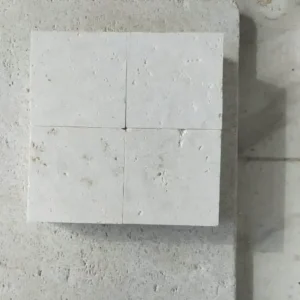
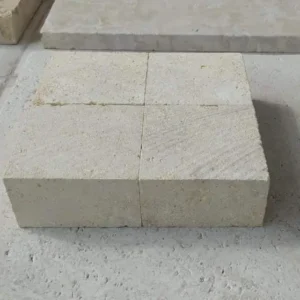
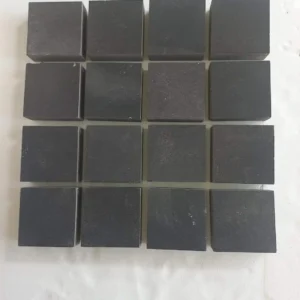
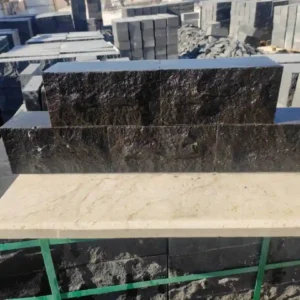
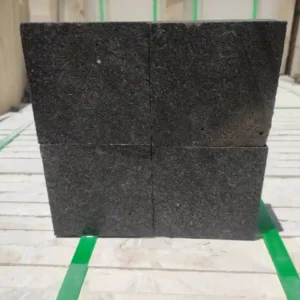
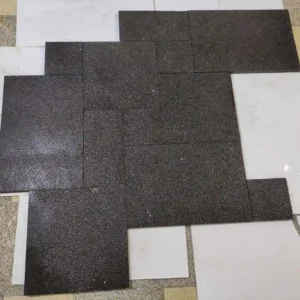
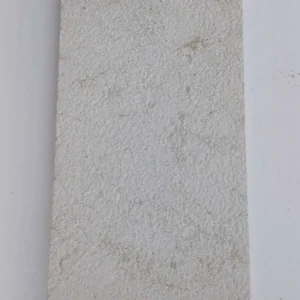
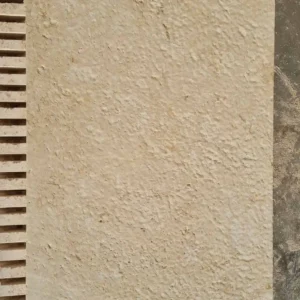
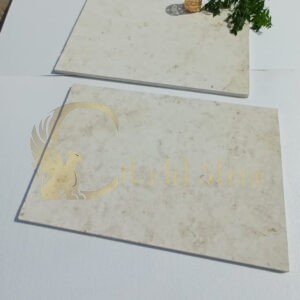
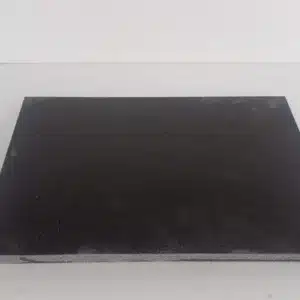
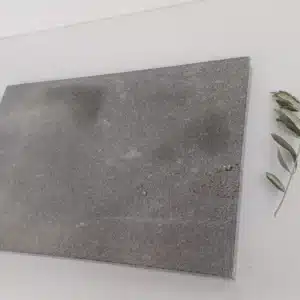
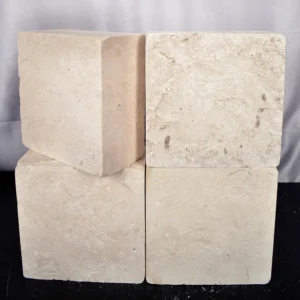
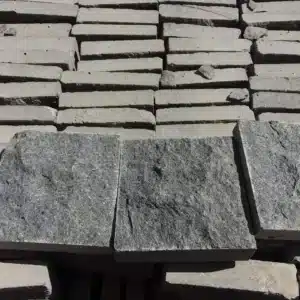
Citadel Stone stocks cobblestone paving in Arizona in standard formats including 4×8, 6×9, and irregular natural sett profiles, with thickness options in both 80mm and 100mm to match residential and commercial loading requirements. Available finishes range from natural split face to tumbled and honed surfaces, giving you the flexibility to match cobble bricks to both traditional and contemporary project aesthetics. Warehouse stock levels are maintained for the most common formats to support projects with tight lead times — for standard formats, you can typically expect 1–2 weeks from order confirmation to truck delivery across the Phoenix, Tucson, and greater Arizona service area.
For projects requiring custom cuts, non-standard thicknesses, or specialty stone types, requesting a lead time consultation before finalizing your project schedule is the practical move. Trade accounts and wholesale enquiries receive dedicated pricing support along with access to material certification data, sample units, and specification sheets. You can reach Citadel Stone’s project team directly to request a quote, confirm warehouse availability, or schedule a material consultation for your upcoming installation. As your project moves from specification into procurement, confirming truck access dimensions at your delivery site ahead of scheduling avoids the logistics delays that compress installation windows during Arizona’s busy fall and spring building seasons. For related stone paving applications across Arizona projects, Driveway Paving Stones in Arizona provides additional specification detail on complementary hardscape elements that often pair with cobblestone installations in residential and commercial settings. For Arizona projects requiring reliable cobblestone block paving, Citadel Stone offers the material expertise and regional understanding to support informed decisions from planning through completion.