



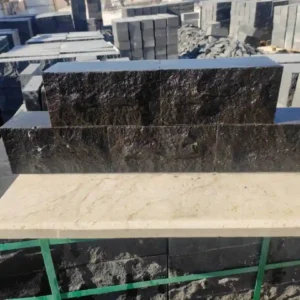

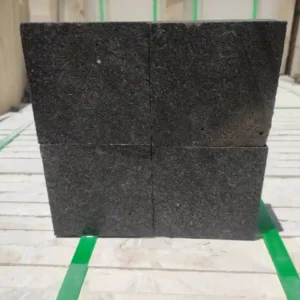













Budgeting a cobble patio in Arizona before you’ve mapped out freight distances and regional material availability is where most project costs go sideways. The delivered price per square foot for cobblestone paving bricks can swing by 30–45% depending on whether you’re sourcing from a regional warehouse with Arizona inventory or waiting on an out-of-state import shipment. That gap closes or widens based on truck mileage, fuel surcharges, and how tight the regional market is at the time you’re ordering — and in Arizona, those variables are rarely stable quarter to quarter.
Cobble Patio Cost Factors Specific to Arizona
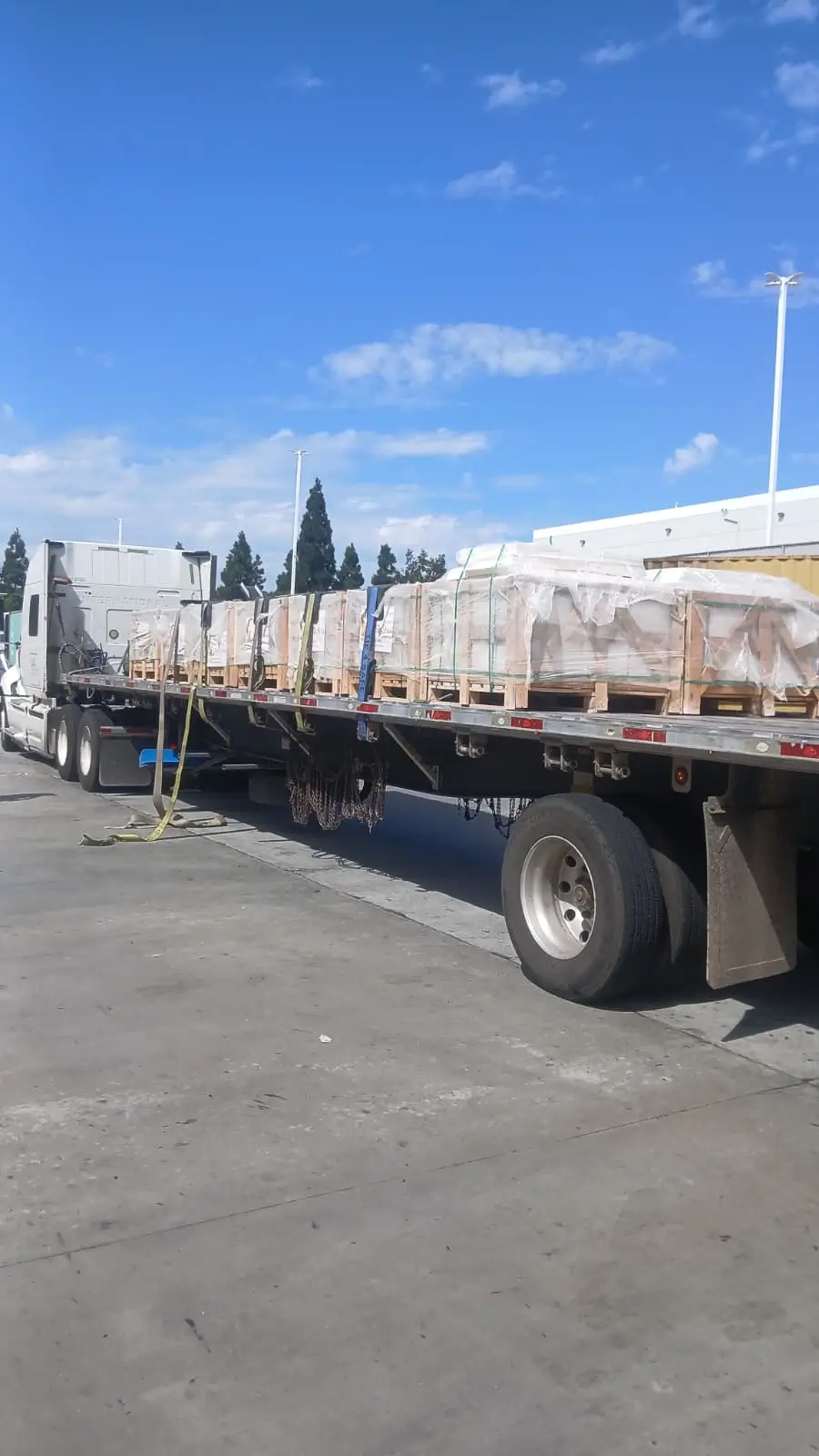
Arizona’s geography creates real pricing complexity for cobblestone projects. The state stretches across multiple freight zones, and a delivery from a Phoenix-area distribution point to a project site in the far northwest or northeast corner of the state can add meaningful per-pallet cost before you’ve accounted for any material markup. You’ll want to calculate freight separately from material cost — never let a single bundled quote obscure the true landed price.
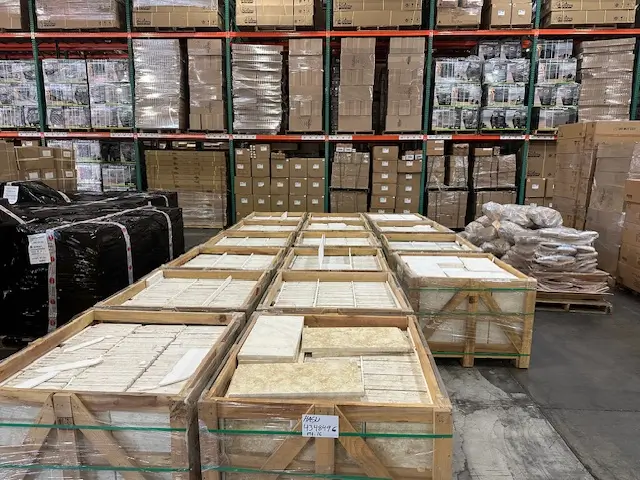
Regional material availability matters as much as proximity. Natural cobblestone sourced from established quarry partners tends to command more consistent pricing than fabricated concrete alternatives, but the logistics layer affects both. Citadel Stone maintains warehouse inventory in Arizona, which typically reduces lead times to one to two weeks compared to the six-to-eight-week import cycle that most projects face when sourcing internationally without a domestic stocking point.
- Freight zone placement — distance from the nearest stocking warehouse directly affects your delivered cost per ton
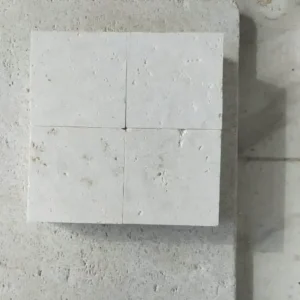
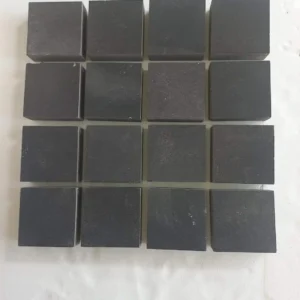
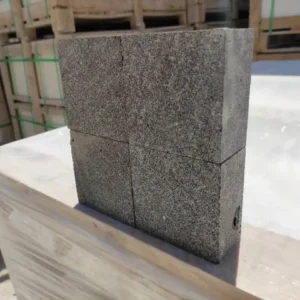
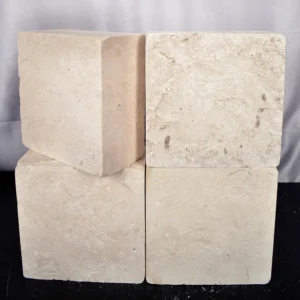
- Pallet configuration — 4×4 cobblestone pavers in Arizona ship more efficiently per pallet than irregular-format alternatives, reducing per-piece freight cost
- Minimum order thresholds — full truck loads avoid LTL surcharges that can add 15–25% to small-volume orders
- Lead time buffers — ordering during peak Arizona construction season (October through April) compresses warehouse stock and extends lead times
- Batch consistency requirements — matching dye lots for large patios means ordering more than you think you need, which affects total project spend
Choosing the Right Cobble Paving Bricks in Arizona
The format decision — 4×4 cobblestone pavers versus 6×6 cobblestone pavers — affects more than aesthetics. In Arizona’s intense UV environment, smaller-format cobbles create more joint lines per square foot, which distributes thermal expansion stress across more interfaces. That matters when your surface is absorbing heat that pushes surface temperatures past 160°F on exposed southern exposures during July and August.
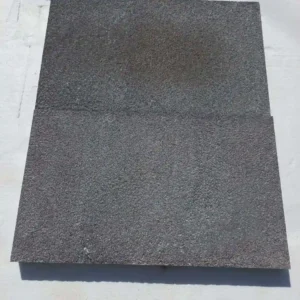
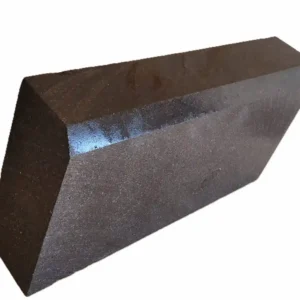
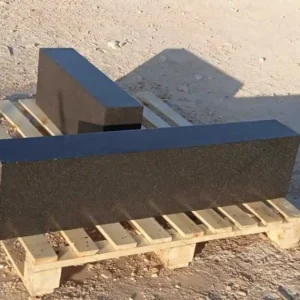
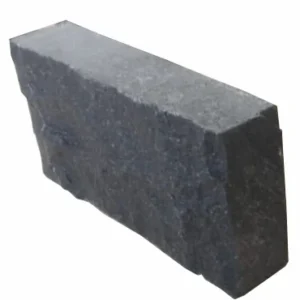
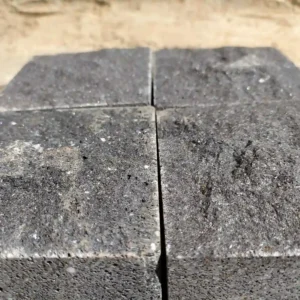
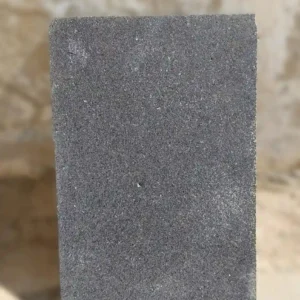
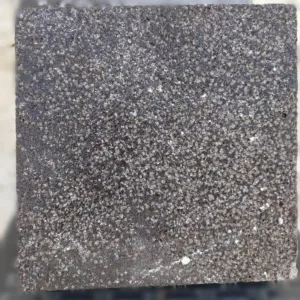
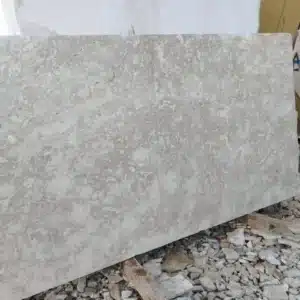
Natural cobblestone patio stones in Arizona perform differently depending on their mineral composition. Basalt cobbles run higher in density — typically 175–185 lbs per cubic foot — and they resist thermal cycling better than lighter sedimentary options. Granite-based cobble formats offer comparable density with slightly higher surface hardness, which is worth specifying in driveways or commercial applications where point loads from vehicle tires concentrate stress at individual units.
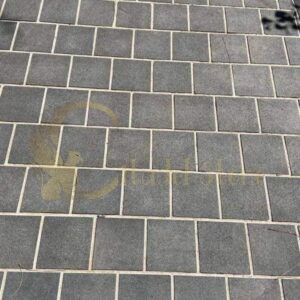
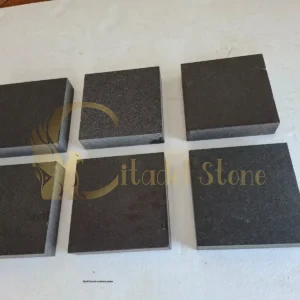
- 4×4 cobblestone pavers in Arizona suit pedestrian patio zones where joint articulation and visual texture outweigh installation speed
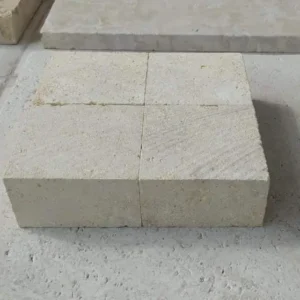
- 6×6 cobblestone pavers in Arizona offer better stability for mixed-use zones where light vehicle access is possible
- Tumbled finishes reduce specular glare in outdoor living spaces where reflection from smooth surfaces causes discomfort
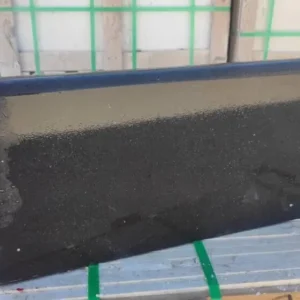
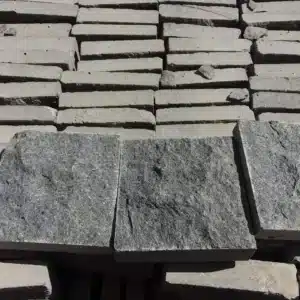
- Split-face cobble textures provide natural slip resistance that smooth-cut units require separate treatment to achieve
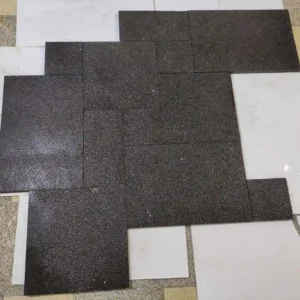
- Colour selection should account for heat absorption — darker units retain more thermal mass, which can actually moderate evening temperatures in well-designed outdoor living spaces
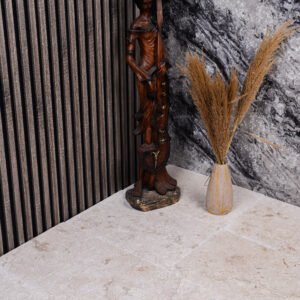
In Scottsdale, where outdoor living spaces are often designed as extensions of interior rooms, the demand for consistent colour tone and tightly graded cobble sizing has driven specifiers toward pre-sorted batches rather than standard quarry-run material. Sourced from established quarry partners, each batch Citadel Stone supplies is inspected for colour consistency and dimensional tolerance before it ships — a step that prevents the mismatch complaints that appear after site delivery when it’s too late to correct them.
Base Preparation for Cobblestone Patio Installations in Arizona
Arizona soils introduce a variable that most generic installation guides underweight — caliche. This calcium carbonate hardpan layer appears at unpredictable depths across the low desert, and its behaviour under saturated conditions is the opposite of what you’d expect: it can soften and lose bearing capacity when saturated during monsoon events, even though it feels rock-solid when dry. You’ll need a geotechnical assessment before committing to base depth specifications, particularly for patios exceeding 400 square feet.
For standard residential cobble patio installations in the Phoenix metro area, a compacted aggregate base of 4–6 inches over prepared native soil provides adequate support when soil CBR values are at or above 15. In Mesa, caliche hardpan encountered at 18–24 inches below grade often functions as an excellent natural sub-base once it’s been scarified and compacted — but only when you verify moisture penetration won’t cause softening during the summer monsoon season.
- Minimum 4 inches of compacted Class II aggregate base for pedestrian patios on stable soils
- 6–8 inches of compacted base for patios adjacent to pool decks or in zones with irrigation system proximity
- 1-inch bedding sand layer should be screeded to ±⅛ inch tolerance before cobble placement begins
- Edge restraints must be installed before bedding sand to prevent lateral migration — this step gets skipped in the field more often than any other
- Expansion joints spaced at 12–15 feet, not the 20-foot intervals found in standard concrete guidelines — Arizona’s temperature swings demand the tighter spacing
Base preparation is the phase where getting a quote alongside your material order can prevent scope gaps — the technical consultation covers thickness specifications and base requirements that vary by project zone across Arizona. Requesting a project estimate from Cobble Patio from Citadel Stone at this stage ensures the base specification and material costs are scoped together rather than treated as separate decisions that create budget surprises later.
Regional Pricing Dynamics for Cobblestone Pavers Across Arizona
The Phoenix metro market operates at a different price point than rural Arizona, and the gap isn’t purely about material cost. Labor rates, contractor availability, and the density of competing suppliers all compress or expand installed cost depending on where your project sits. In the greater Phoenix area, competition among hardscape contractors keeps installation pricing relatively competitive, but material lead times tighten during peak season because every contractor in the market is drawing from the same regional warehouse stock.
Northern Arizona introduces freight complexity that southern projects don’t face. A cobble patio project in Flagstaff at 7,000 feet elevation involves a truck run over mountain grades that affects delivery scheduling and occasionally requires specialized equipment — factors that add to the landed cost in ways that a flat-rate freight quote from an out-of-state supplier won’t reflect accurately. At Citadel Stone, we account for elevation and access conditions when we provide delivery estimates, because a truck that miscalculates a mountain-grade haul creates delays that cascade across your entire installation schedule.
- Phoenix metro delivered pricing for natural cobble typically lands 18–25% lower per square foot than Flagstaff or White Mountains projects due to freight differential
- Tucson projects often benefit from southern Arizona material sourcing options that reduce outbound truck distance compared to Phoenix-centric distribution
- Bulk order discounts kick in at full-pallet minimums — splitting an order to save upfront cost almost always increases your per-unit landed price
- Seasonal pricing for cobble paving bricks in Arizona tightens between October and March when construction activity peaks — ordering in summer typically secures better pricing and faster availability
Installation Patterns That Affect Cobble Patio Performance
The pattern you select for your cobble patio isn’t just an aesthetic decision — it determines how the installation distributes load and handles thermal movement. A running bond pattern transfers load linearly along joint lines, which is predictable but creates preferred failure planes if your base develops any differential settlement. A herringbone pattern interlocks load transfer in two directions simultaneously, which is why it’s the standard specification for any cobble installation that will see vehicular loading.
Circular and fan patterns require more cuts, which increases waste allowance and installation time. Budget a 10–12% overage for cut waste on circular designs versus the standard 5–7% for straight running patterns. For 6×6 cobblestone pavers in Arizona, circular patterns also require tighter joint tolerances at the center point — irregular joint width at the focal point is the most common quality complaint on high-end residential patios.
- Herringbone at 45 degrees to the primary traffic axis outperforms 90-degree herringbone for interlock efficiency under cyclic loading
- Random ashlar patterns using two or three cobble sizes require a layout plan before installation begins — improvised random patterns invariably create four-corner joints that concentrate cracking
- Border courses in a contrasting cobble colour or size define the patio boundary and protect edge units from lateral displacement
- Joint sand specification matters — polymeric sand performs significantly better in Arizona’s thermal environment than plain jointing sand, which can wash out during monsoon rain events
Sealing and Maintenance for Cobblestone Patio Stones in Arizona
Sealing protocols for cobblestone patio stones in Arizona differ from standard recommendations because the UV intensity accelerates sealer degradation faster than most product data sheets acknowledge. A penetrating silane-siloxane sealer rated for exterior stone in southwestern climates will typically require reapplication on an 18-to-24-month cycle in the Phoenix valley — not the three-to-five-year cycle listed on the product label, which reflects temperate climate testing conditions.
Natural cobble paving bricks have interconnected pore structures that require thorough sealer penetration to perform correctly. Applying sealer over residual moisture — a common field error after pressure washing — traps water in the pore structure and causes the whitening and peeling that gets blamed on the sealer product when the application method was actually the problem. Allow a minimum of 48 hours of dry weather before sealing after any washing or rain event in Arizona’s low humidity conditions.
- Test sealer absorption on a representative sample unit before full application — some dense cobble varieties require a lighter solvent-based sealer rather than a water-based formula
- Apply sealer in the morning when surface temperatures are below 85°F — afternoon application in Arizona summer causes solvent flash-off that prevents full penetration
- Joint sand must be fully consolidated before sealing — vibrating the surface with a plate compactor after joint filling and before sealing prevents sealer from filling voids that should remain sand-filled
- Avoid acrylic topcoat sealers on outdoor cobble patio installations — they create surface gloss that looks attractive initially but becomes a maintenance liability within 12–18 months under Arizona UV
Get Cobble Patio — Citadel Stone Arizona Supply
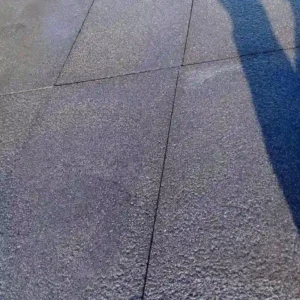
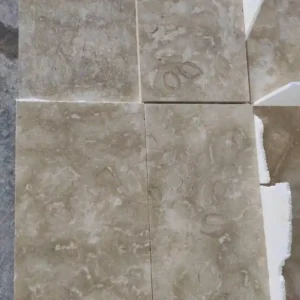
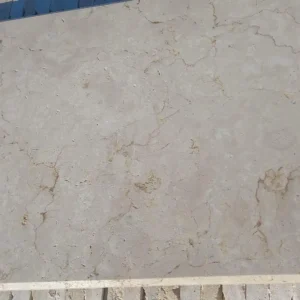
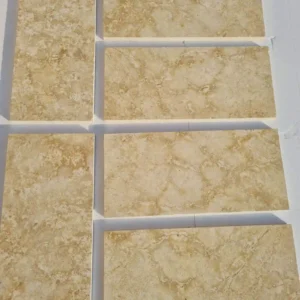
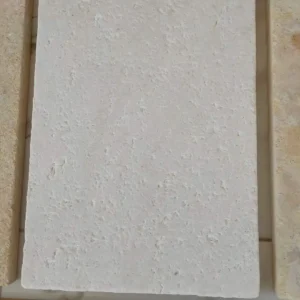
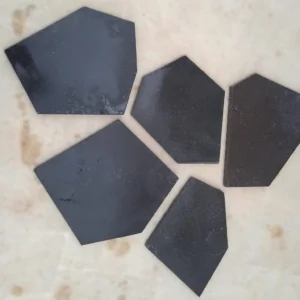
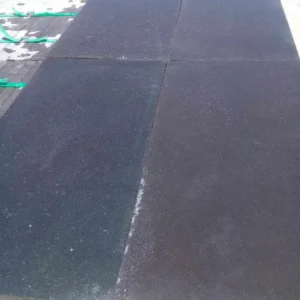
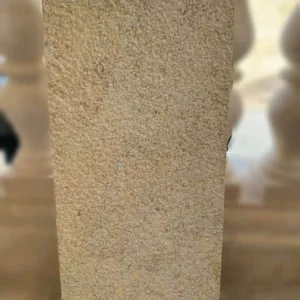
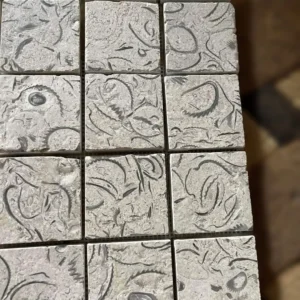
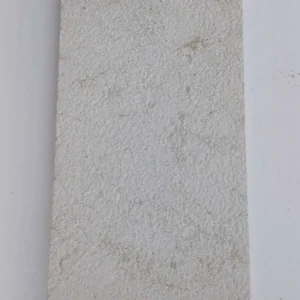
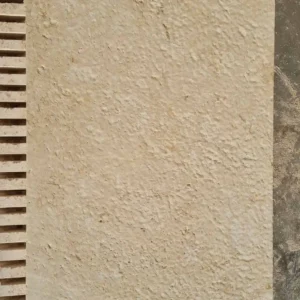
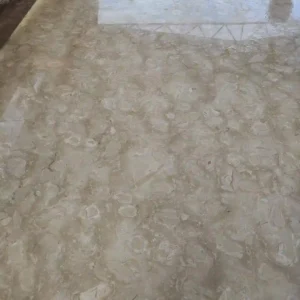
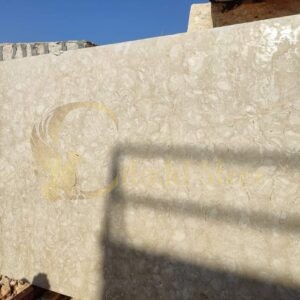
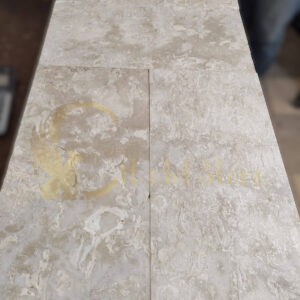
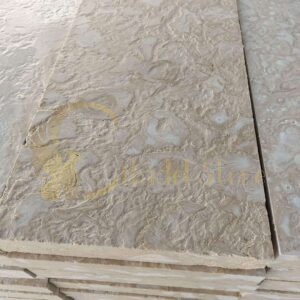
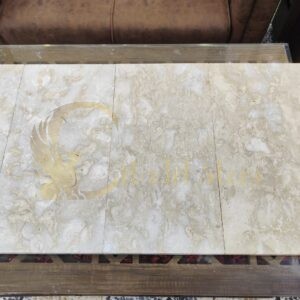
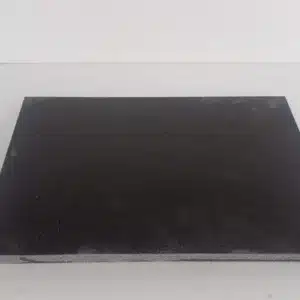
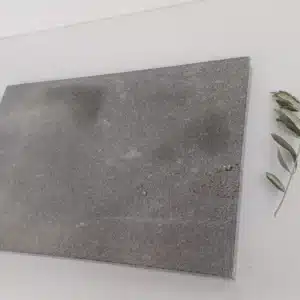
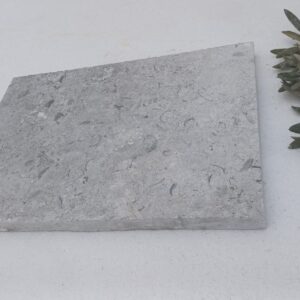
Citadel Stone stocks cobble patio formats in standard sizes including 4×4 and 6×6 units, available in natural basalt, granite-based options, and tumbled limestone finishes suited to Arizona’s residential and commercial market. You can request sample units or dimensional specification sheets before committing to a full order — a step that’s especially useful when you’re matching to existing site materials or coordinating with a landscape architect’s finish schedule.
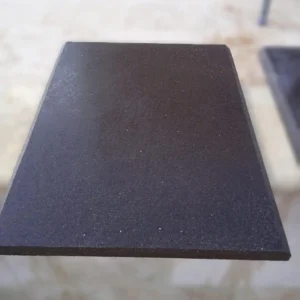
Trade and wholesale enquiries are handled through Citadel Stone’s project team, which can provide volume pricing, batch reservation for large-format projects, and freight estimates specific to your delivery address — including the elevation and access variables that affect northern Arizona truck delivery costs. Lead times from warehouse to site typically run one to two weeks for in-stock formats, with custom or non-standard sizing requiring additional lead time that the team can confirm at enquiry. Delivery coverage extends across Arizona, including metro Phoenix, Tucson, and regional destinations. Contact Citadel Stone to request a project quote or schedule a materials consultation before your installation window. Your broader Arizona hardscape plan may extend beyond the patio itself — for a different but complementary perspective on stone surface selection in this region, Black Paving in Arizona covers how dark-toned stone materials perform under Arizona conditions, which is relevant context if you’re coordinating your cobble patio with adjacent driveway or pathway surfaces. Homeowners in Flagstaff, Sedona, and Yuma source Cobble Patio through Citadel Stone for Arizona residential and commercial installations.