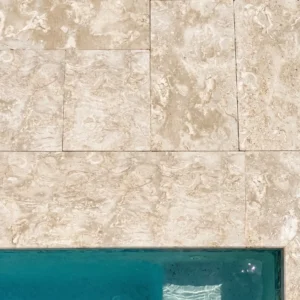
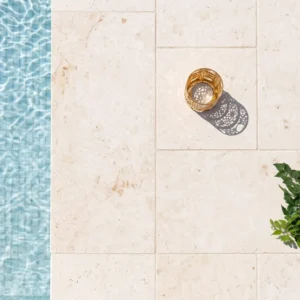
The slate rock cost breakdown most project managers get wrong isn’t about the per-slab price — it’s about the compounding variables that make the final invoice 30–45% higher than the initial quote. Thickness tolerances, finish type, and quarry origin all interact with freight geometry and seasonal timing in ways that aren’t obvious until you’re already committed. Understanding where each dollar goes before you sign off on a purchase order is the difference between a project that finishes on budget and one that doesn’t.
What Actually Drives Slate Rock Pricing
Slate isn’t a commodity — it’s a metamorphic material with significant variation in density, cleavage quality, and mineral composition depending on where it originates. According to Britannica’s classification of slate metamorphic rock properties, the layered crystalline structure that makes slate cleavable also creates natural inconsistency in thickness and surface texture from slab to slab. That inconsistency directly affects how much material you lose to breakage during installation, which tightens your ordering margin considerably. You should plan for a 12–18% overage on most slate projects, not the 10% that applies to more uniform materials.
The other driver that specifiers underestimate is finish processing. Rough-split slate — where the face is opened along natural cleavage planes — is the least processed and typically the most affordable. Honed or gauged slate, where one face is mechanically ground to a consistent thickness, adds processing cost that can increase the per-square-foot price by 20–35%. Your application determines which finish you actually need, not which one looks best in a catalog.
Thickness Ranges and Their Cost Impact
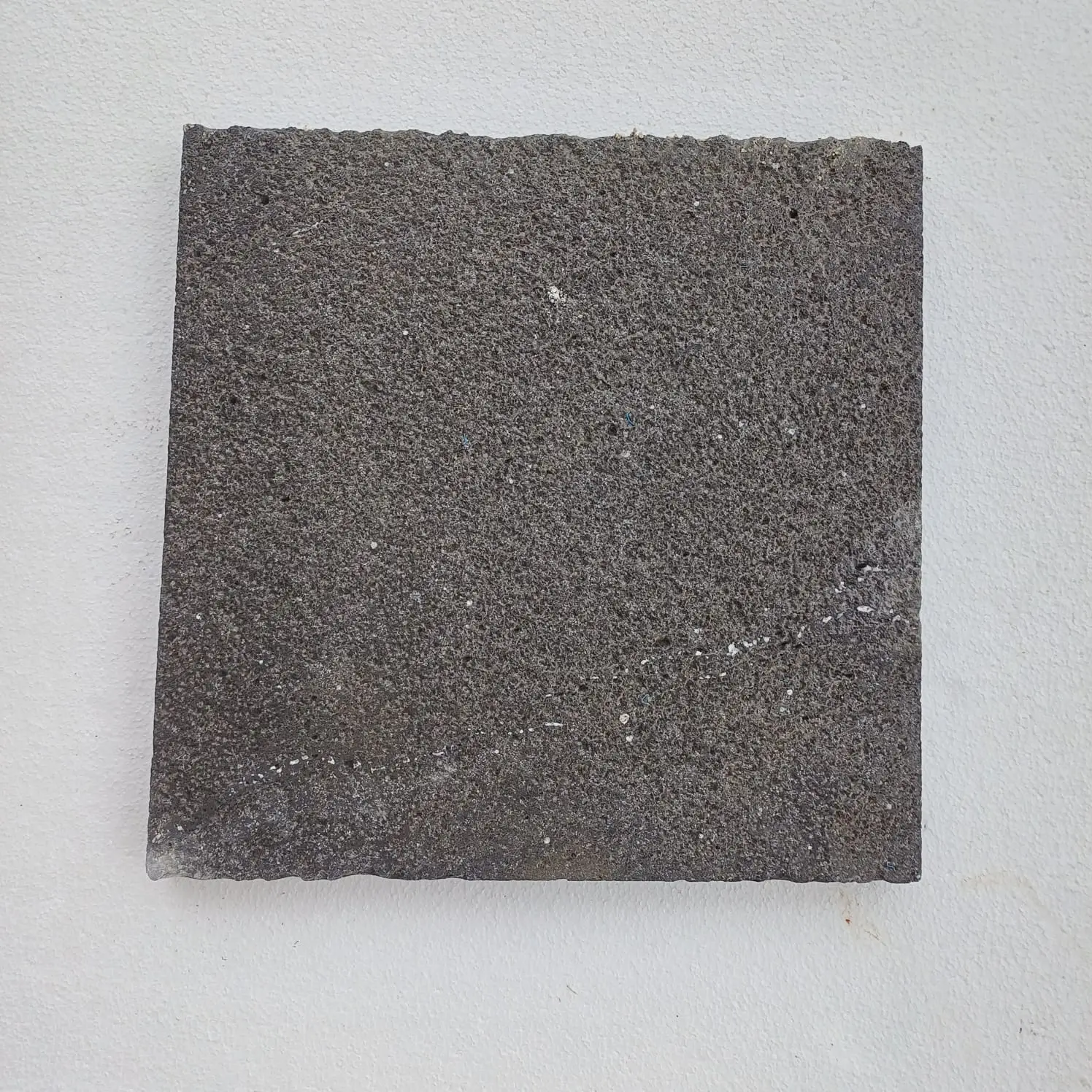
Slate rock available for paving and cladding applications typically comes in three nominal thickness ranges, and each range carries a different price tier — not just because of material volume, but because of structural integrity and wastage rates during cutting.
- 3/8″ to 1/2″ nominal — the thinnest range, primarily for indoor or light-duty applications; lowest per-slab cost but highest breakage rate during handling
- 3/4″ to 1″ nominal — the most commonly specified range for exterior paving; balances cost against durability well across most load conditions
- 1.25″ to 1.5″ nominal — structural-grade slate for heavy pedestrian areas, commercial applications, and wet environments; highest cost per square foot but lowest long-term replacement rate
Your structural load requirements and substrate type should drive thickness selection first, before price enters the conversation. Specifying thinner material to save 15% upfront often results in cracking within two to three years in high-traffic areas — a replacement cost that dwarfs the original savings.
Quarry Origin and Its Effect on the Price Per Slab
Slate rock for sale at the wholesale level comes from several distinct quarry regions, and the origin tier affects both price and performance characteristics. Domestic quarries — primarily in northeastern regions — produce slate with well-documented cleavage consistency, but domestic quarrying costs are reflected in higher baseline prices. Imported slate from quarries in Brazil, India, and selected quarries from the Middle East brings lower entry pricing, but shipping lead times and minimum order quantities introduce their own cost variables.
The slate rock cost breakdown for imported material almost always includes a freight-loading factor that doesn’t appear in the per-slab quote. You’re typically looking at LCL (less-than-container-load) premiums if your order falls below a full 20-foot container threshold. At Citadel Stone, we evaluate quarry production runs directly and maintain warehouse stock that eliminates the LCL penalty for most standard project quantities — a practical advantage that significantly tightens your actual landed cost versus the quoted price.
ASTM C629 establishes the technical benchmarks for slate dimension stone — covering modulus of rupture, absorption, and flexural strength — and ASTM C629 slate dimension stone technical specifications are the right reference point for comparing quarry grades across different origins. Not all imported slate meets these thresholds; material sourced below the ASTM C629 floor will fail in freeze-thaw conditions within a few seasons.
Finish Processing and Price Differentials
The finish you specify is one of the most controllable elements in the slate rock cost breakdown, and it’s worth understanding what each option actually costs versus what it delivers in performance terms.
- Natural cleft — opened along the natural foliation plane; the roughest finish and the lowest processing cost; excellent slip resistance but inconsistent thickness across the face
- Gauged natural cleft — natural cleft on the exposed face, machine-ground on the back to a consistent thickness; adds 10–20% to cost but dramatically simplifies mortar-bed depth calibration
- Honed — mechanically ground to a smooth, matte surface; adds 25–40% to processing cost; appropriate for interior applications but reduces slip resistance below safe thresholds for wet exterior use without scoring
- Sand-rubbed — an intermediate finish between natural cleft and honed; moderate cost premium and good outdoor performance in dry conditions
For exterior paving, natural cleft or gauged natural cleft is almost always the right specification. Paying extra for honed slate only makes sense when the aesthetic requires it — and in wet-zone applications, you’d need to add texture scoring on top, which eliminates any cost advantage entirely.
Seasonal Timing and How It Affects Your Total Installation Cost
Installation labor rates for slate don’t shift dramatically with seasons, but the conditions that affect adhesive behavior, curing performance, and material handling absolutely do — and those conditions translate directly into cost through rework, wasted setting material, and extended scheduling windows.
Polymer-modified thinset used for gauged slate performs optimally between 50°F and 80°F ambient temperature. Below that range, cure times extend significantly, which means your crew is either working with insufficient cure between lifts or heating the substrate — both of which add cost. Above 90°F ambient, the open time on polymer-modified mortars drops sharply. In hot periods, morning installation windows — starting at first light and stopping by early afternoon — are the practical solution, but that cuts your productive daily hours by roughly 30–40%.
Slate slabs stored on trucks or in a staging yard in direct summer sun absorb radiant heat that can cause differential thermal expansion at the setting face — enough to affect bond strength in the first critical 24 hours. Deliveries scheduled for early morning unloading, followed by shaded staging, eliminate this variable. Your scheduling plan should account for this from the start, not as an afterthought on site.
- Early spring and fall — optimal installation periods; stable temperatures support predictable mortar cure and allow full-day work schedules
- Peak summer — manageable with morning-focused scheduling, but requires adjusted crew hours and additional mortar monitoring
- Late fall — watch for substrate temperature drops below 40°F, which require cold-weather setting mix upgrades that add material cost
- Winter installation — technically feasible with heated enclosures but adds significant temporary infrastructure cost to the total project budget
Freight, Delivery Logistics, and Their Role in the Total Cost
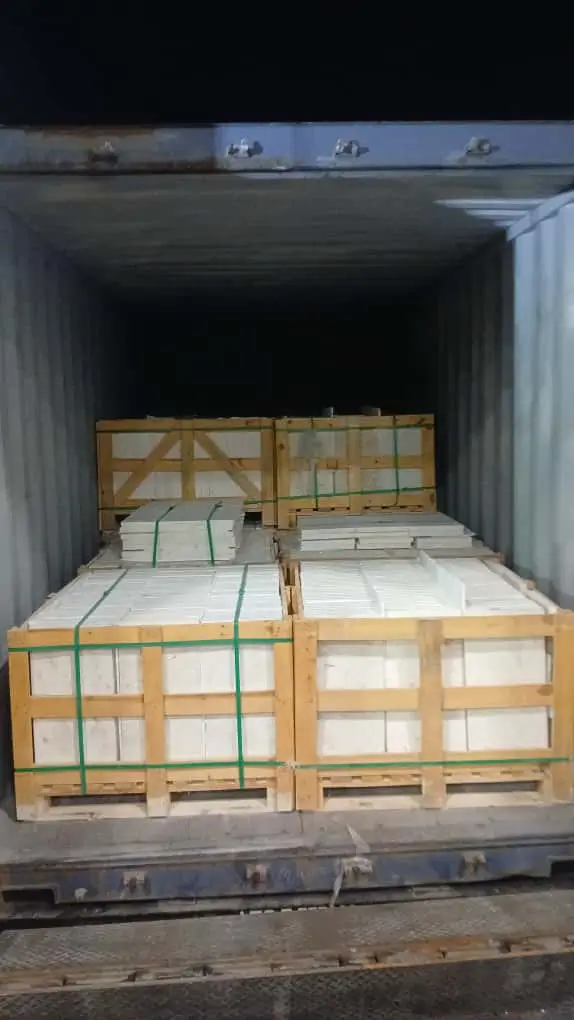
Freight is consistently the most underestimated line item in the slate rock cost breakdown, particularly for projects ordering in the 500–2,000 square foot range where you’re straddling the LCL and full-container thresholds. The per-pallet delivery cost from a national warehouse to a project site varies based on truck type, access constraints, and destination distance — but the variable most specifiers miss is the lift-gate versus dock-level delivery distinction.
Residential and light commercial sites almost always require lift-gate service, which adds a fixed surcharge per truck. If your project requires two trucks due to timing constraints or phased delivery, that surcharge doubles. Citadel Stone coordinates deliveries directly with project schedules to minimize truck trips and reduce that exposure — a logistics detail that becomes meaningful on mid-size projects where freight can represent 8–12% of total material cost.
Confirm truck access dimensions before the order is finalized. Articulated trucks carrying full pallets of slate need a minimum turning radius and ground clearance that some urban sites and gated residential areas can’t accommodate. Discovering this constraint after the truck arrives results in redelivery charges and schedule delays that compound your overall project cost.
Quantity Calculation, Waste Factors, and Ordering Precision
Accurate quantity calculation for slate rock projects requires layering multiple waste factors on top of the net coverage area — and the factors stack, not average. Start with the field cut waste: any installation with angles, curves, or penetrations generates cut offcuts that can’t be reused. A standard rectangular installation typically runs 8–10% field waste. Add irregular shapes or multiple cut-in directions and that climbs to 15–20%.
On top of field waste, add a breakage allowance for handling — slate’s foliation planes make it more susceptible to cleavage under point load during handling than dense igneous materials. Natural cleft slate in the thinner ranges should carry an additional 5–8% breakage factor built into your order. Gauged slate is more predictable, but a 3–5% handling buffer is still appropriate.
You can review our slate slab and rock inventory to compare available formats and thicknesses while working through your quantity calculations — knowing what’s in stock lets you align your specifications to available sizes rather than ordering to a spec that requires custom cutting at additional cost.
According to USGS slate dimension stone production and paving use data, domestic slate consumption patterns show consistent preference for 3/4″ to 1″ gauged formats in commercial applications — which aligns with where inventory availability and lead times are most predictable. Ordering to common stock dimensions reduces your lead time from a warehouse and avoids the 3–6 week custom-processing window that specialty sizes require.
Comparing Slate Grades and What Each Price Tier Delivers
The market for slate rock for sale spans a wide pricing range, and the variation isn’t just about markup — it reflects genuine differences in material quality, processing consistency, and quarry-level quality control. Here’s how the tiers typically break down in practical terms:
- Entry-level imported slate — lower per-square-foot cost but with higher variability in thickness, color consistency, and cleavage integrity; requires more on-site sorting and generates higher waste rates
- Mid-grade quarried slate — consistent with ASTM C629 thresholds; offers predictable installation behavior and acceptable long-term performance across most climate conditions
- Premium gauged slate — tightly toleranced thickness, consistent color within a batch, and documented quarry origin; carries the highest per-square-foot cost but reduces total project cost through lower waste, faster installation, and extended service life
The slate rock cost breakdown that matters to your bottom line isn’t just the material line — it’s the total installed cost including waste, labor time, and expected maintenance intervals. Premium gauged material often delivers a lower 10-year cost than entry-level slate when you factor in replacement and resealing cycles honestly.
Getting Your Slate Rock Cost Breakdown Right From the Start
Every element of the slate rock cost breakdown connects back to decisions made at the specification stage — finish type, thickness, quarry grade, and quantity buffer all compound in ways that are much easier to control before the order is placed than after material is on site. Your specification precision is the single most effective cost management tool available to you.
As you move toward procurement, it’s worth considering how slate performs in wall and veneer applications alongside paving — cladding projects carry their own thickness and adhesion specifications that differ meaningfully from floor installations. For that dimension of natural stone specification, exterior stone veneer selection guidance covers the performance variables worth reviewing before finalizing a mixed-application project scope. Estimating quantity accurately before ordering from Citadel Stone helps avoid costly overages or project delays caused by material shortfalls.
Related reading: blue slate floor tile comparison · what is blue stone · Slate Outdoor Tile Guide: Slip Resistance and Climate Fit.