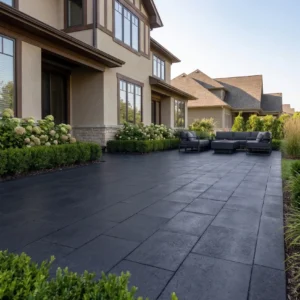
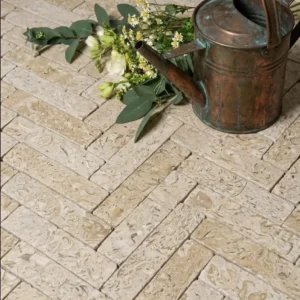
Outdoor stone steps ideas worth building start with a decision most designers skip — choosing between monolithic treads and coursed masonry before a single dimension gets drawn. That choice drives everything downstream: tread thickness, riser height, base engineering, and the jointing system that will either hold for thirty years or start rocking by year five. Get the structural logic right first, and the aesthetic options open up considerably. Rush past it, and even the most beautiful stone becomes a maintenance problem.
Why Material Choice Defines the Design
The stone you select for outdoor steps does more work than any other hardscape element on a property. Treads take concentrated point loads — foot strike, furniture drag, snow blower passes — while simultaneously managing drainage, UV exposure, and freeze-thaw cycling. According to Natural Stone Institute step and tread design specifications, minimum flexural strength requirements for cantilevered treads start at a meaningful threshold that eliminates softer limestones and most sandstones from consideration in heavy-use applications. Your material short-list should run through that filter before it runs through aesthetics.
Natural stone steps ideas that perform over the long haul share a few common traits: adequate tread thickness (typically 2 inches minimum for granite and bluestone, 3 inches for limestone in span applications), a surface finish that maintains slip resistance when wet, and enough mass to stay seated on their base without mechanical fastening. These aren’t decorative decisions — they’re structural ones that happen to have visual consequences.
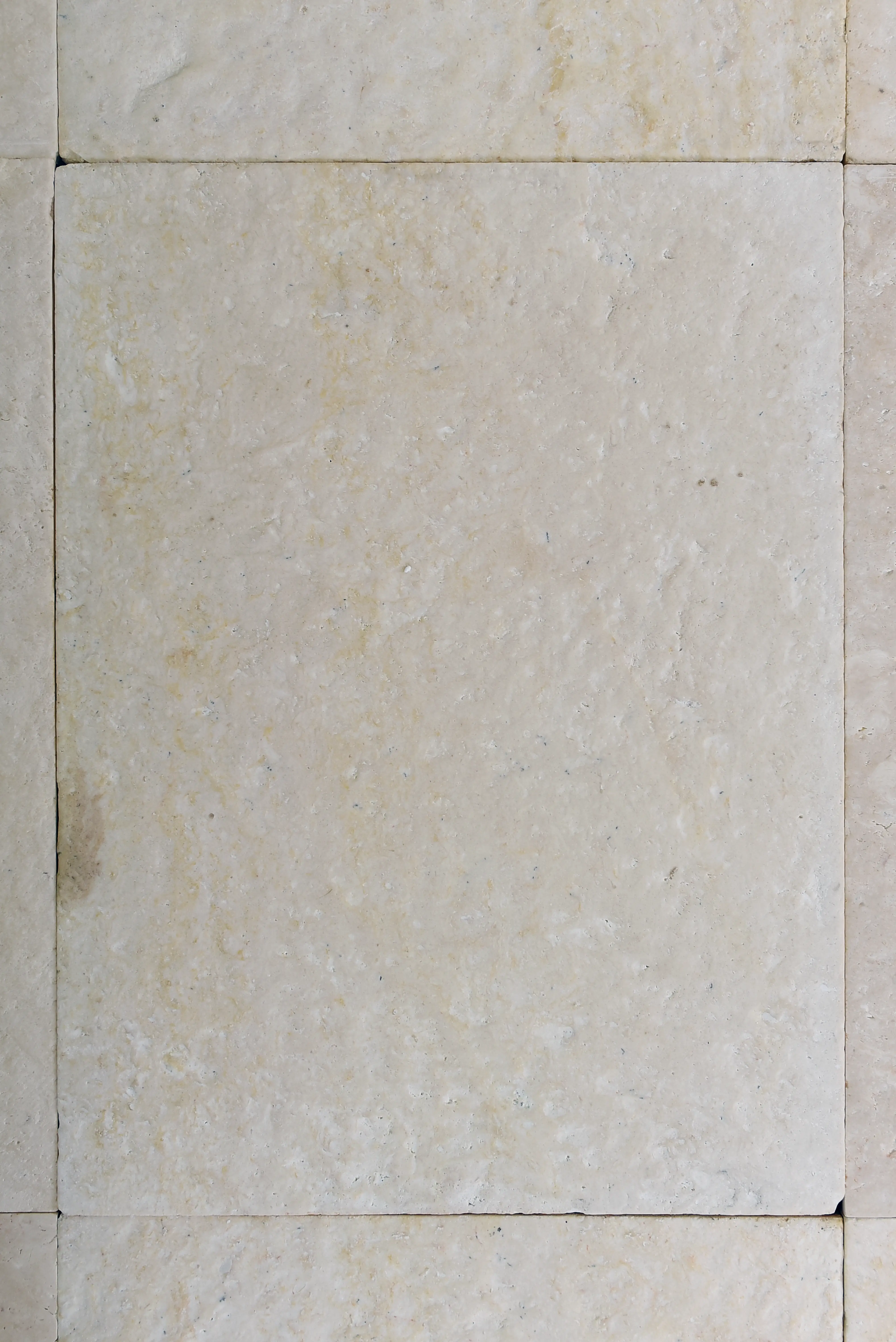
12 Outdoor Stone Steps Ideas Worth Considering
Here’s a practical breakdown of approaches that hold up in real projects — not just in renderings. Each idea addresses both the visual goal and the specification requirement behind it.
1. Full Monolithic Bluestone Treads on Coursed Block Risers
Bluestone in 2-inch thermal-finish treads paired with coursed concrete block or natural stone risers is the most field-reliable combination for high-traffic exterior stairs. The thermal finish provides consistent COF (coefficient of friction) above 0.6 wet — the threshold referenced in ADA accessibility and slip resistance requirements for accessible routes. You get a clean, contemporary look with a track record that spans decades of freeze-thaw cycling.
2. Limestone Slab Steps with Rough-Sawn Edges
Honed or sawn-edge limestone treads read as quieter and more refined than bluestone while still delivering serious visual weight. The key specification detail: you’ll want a minimum 3-inch tread thickness for spans over 4 feet, and a bushed or sandblasted finish rather than a polished one. Polished limestone becomes genuinely dangerous when wet — a fact that gets discovered the hard way more often than it should.
3. Granite Treads for High-Traffic Entries
Granite’s compressive strength — typically above 19,000 PSI for common commercial grades — makes it the right call for entries handling heavy daily foot traffic. Flamed or brushed finishes add grip without sacrificing the material’s natural pattern. Your specification should reference ASTM C615 minimum requirements for granite dimension stone to ensure you’re sourcing material with documented flexural and absorption performance, not just visual grade.
4. Irregular Fieldstone Steps for Garden Paths
Irregular fieldstone or flat ledgestone creates a naturalistic garden stair that integrates with planted borders better than any cut-stone alternative. The trade-off is geometric precision — you’re working with naturally occurring dimensions, so riser height consistency requires careful stone selection. Source material in the 4–6 inch thickness range and plan for more on-site fitting time than a cut-tread installation. The look rewards the extra labor investment significantly.
5. Travertine Treads in Hot, Dry Climates
Travertine’s low thermal mass keeps surface temperatures notably lower than dense igneous stone alternatives in full-sun exposures — a genuine performance consideration, not just comfort preference. Specify filled-and-honed travertine treads rather than unfilled tumbled versions for step applications; open voids in unfilled travertine collect debris and create minor trip hazards at tread edges over time. Among outdoor stone steps ideas for pool-adjacent settings, travertine remains one of the most specified materials precisely because of this thermal characteristic.
6. Mixed-Material Steps: Stone Tread with Wood Riser
Pairing a natural stone tread with a hardwood or thermally modified wood riser creates warmth and visual contrast that pure stone staircases often lack. This combination works particularly well on deck transitions and covered entry sequences where the riser isn’t fully exposed to precipitation. Your specification needs to account for differential expansion — stone and wood move at different rates seasonally, so the joint between tread nosing and riser face should be a flexible sealant rather than rigid mortar.
7. Stacked Dry-Laid Stone Steps
Dry-laid stacked stone steps — essentially coursed ashlar or rubble masonry without mortar — are the traditional approach for retaining grade changes in garden and landscape settings. The self-draining character of the dry-laid system eliminates hydrostatic pressure buildup behind the riser face, which is why dry-laid steps in well-draining soils consistently outlast mortared alternatives in the same conditions. Use stone with at least one flat bearing face and plan for 12–18 inches of depth per tread course for adequate bearing.
8. Large-Format Single-Slab Landing Steps
Oversized single slabs — treads running 6 feet or wider — make a strong architectural statement at formal entries and create a sense of mass that standard tread dimensions simply can’t achieve. Granite and bluestone handle these spans in 3-inch material; limestone requires 4 inches minimum for spans above 5 feet. Check warehouse stock lead times before committing this approach to a project schedule — large-format slabs are often cut to order, and lead times from the warehouse can run 3–5 weeks depending on current inventory.
9. Cobblestone-Bordered Stone Tread Steps
A cut-stone tread flanked by granite cobblestone borders or setts on each side adds visual weight and a sense of permanence that tread-only designs lack. The cobblestone border also functions as an edge restraint, keeping the tread seated and preventing lateral movement without requiring through-bolting or mechanical fastening. This detail looks particularly strong on curved or radiused stair configurations where straight-cut tread edges create awkward gaps.
10. Reclaimed Stone Steps for Aged Character
Reclaimed limestone, bluestone, and granite salvaged from demolished structures carries a surface patina that takes new stone decades to develop naturally. Each piece warrants inspection for structural integrity — reclaimed stone occasionally harbors hidden fractures from its previous life. The visual reward is significant: reclaimed treads read as irreplaceable in ways that new material, however well-specified, simply doesn’t replicate.
11. Cantilevered Stone Tread with Open Riser Design
Cantilevered stone treads anchored into a structural wall or steel stringer create a floating visual effect that works exceptionally well in contemporary landscape design. This approach requires engineering sign-off — the cantilever loads are significant, and the anchor detail into the supporting structure needs to be sized for both dead load and dynamic foot-traffic loads. Granite is the standard specification for cantilevered treads given its flexural strength; natural stone steps ideas that involve cantilever spans over 18 inches should always involve a structural review.
12. Stone Veneer-Clad Concrete Steps
Stone veneer applied over a poured concrete substrate gives you the visual character of natural stone at a fraction of the material cost — particularly relevant for large stair runs where full-tread natural stone would represent a significant budget commitment. The specification detail that determines whether this approach holds up is the bonding system: thin-set mortar alone isn’t adequate for exterior veneer steps. A polymer-modified mortar with a matching grout joint sealed annually gives this system a realistic 15–20 year service life. You can explore stone step styles at Citadel Stone to see how veneer and solid-tread options compare across material families.
Surface Finish and Slip Resistance
Surface finish is the most consequential specification decision for outdoor stone steps — more so than material selection in most cases. The ASTM compressive and flexural standards for natural stone address structural performance, but finish determines whether the installation is safe in wet conditions. Here’s the practical breakdown:
- Flamed or thermal finishes open the stone surface, providing consistent grip at COF values well above the 0.5 minimum for outdoor pedestrian surfaces
- Bush-hammered and sandblasted finishes offer similar grip with a softer visual texture — well suited to limestone and travertine
- Honed finishes are acceptable on protected treads but require documented wet COF testing before specification on exposed applications
- Polished finishes are categorically inappropriate for outdoor step treads regardless of material — the wet slip risk is not recoverable with sealant
- Tumbled finishes create an irregular surface that reads as rustic but requires careful review — the surface variation can create trip hazards at tread nosings if the lip height is inconsistent
Your finish specification should always reference the intended exposure condition. A tread under a covered entry can carry a honed finish safely; the same tread in a fully exposed open-air stair cannot.
Base Preparation and Structural Requirements
The detail that separates 25-year stone steps from 8-year stone steps isn’t the material — it’s what happens below the first course. Most step failures trace back to inadequate base preparation rather than material deficiency.
- Compact aggregate base to a minimum 95% Proctor density before setting any stone — this eliminates the settlement differential that rocks tread slabs over time
- Extend the compacted base a minimum of 12 inches beyond the step footprint on all sides to prevent edge failure under load
- In freeze-thaw regions, base depth should reach below the local frost line — typically 24–42 inches depending on geography
- Mortar bed thickness for set treads should run 1–1.5 inches, with full coverage across the tread bearing area (not spot placement)
- Open-riser and dry-laid systems need a drainage layer of clean crushed stone directly beneath the bearing surface to manage water accumulation
A correctly prepared base adds modest cost to the installation — typically 10–15% of the tread material cost — but it’s the single variable with the greatest impact on long-term performance.
Budgeting and Sourcing Considerations
Project budgets for outdoor stone steps vary more than most clients expect — and the variance has less to do with material grade than with freight distance and sourcing decisions. Natural stone steps ideas that look similar in a design presentation can carry dramatically different delivered costs depending on where the material is stocked.
Freight adds meaningfully to per-unit cost when stone ships from a single regional quarry to a distant project site. Sourcing from a national supplier with warehouse inventory distributed across the country reduces that freight exposure significantly. Citadel Stone maintains ready warehouse stock of step and tread material nationally, which typically brings lead times down to 1–2 weeks rather than the 6–8 week import cycle that quarry-direct orders require — a meaningful difference when a contractor is sequencing concrete pours and finish work around a delivery date.
The material-to-labor cost ratio for stone steps favors premium material selection more than most hardscape applications. Labor to set a premium granite tread isn’t meaningfully different from labor to set a mid-grade limestone tread — but the performance delta over 20 years is substantial. Value engineering that skimps on tread quality to save 15% on material often costs more in replacement and repair within the first decade than the original premium would have.
- Granite treads carry higher upfront material cost but the lowest long-term maintenance requirement of any natural stone option
- Limestone and travertine offer lower material cost but require sealed joints and biennial sealer application to maintain integrity
- Stone veneer over concrete provides the most cost-effective look for large stair runs but demands a higher-specification bonding system to perform
- Truck delivery access at your project site affects scheduling — confirm access dimensions before ordering large-format slabs that require specialized equipment to offload
Natural Stone Steps Ideas for Specific Settings
Setting context shapes every specification decision for outdoor stairs. A formal front entry, a garden path transition, and a pool deck stair all involve stone for outdoor steps — but they carry entirely different structural, finish, and aesthetic requirements.
For formal entries, monolithic cut-stone treads in granite or bluestone read as architecturally serious and require minimal visual elaboration. Material chosen for outdoor stone steps in this setting should carry consistent color across the full tread face — avoid stone with strong natural variation if the design requires visual uniformity across multiple treads.
Garden path transitions reward irregular or reclaimed material. The naturalistic feel of fieldstone or reclaimed limestone integrates with planting beds in ways that precision-cut treads don’t. Riser consistency matters less in this setting, but tread surface stability is non-negotiable — every tread should be bedded firmly without rock or lateral movement.
Pool-adjacent stairs carry the strictest finish requirements of any outdoor step application. Wet bare feet on stone demand COF values above 0.6, achievable through flamed, brushed, or sandblasted finishes on appropriate materials. Travertine and honed bluestone are the most common stone steps ideas specified in this setting for good reason — both materials perform consistently and have a long track record in pool environments.
Final Recommendations
Outdoor stone steps ideas succeed or fail on three decisions made early: material selection matched to structural requirements, surface finish calibrated to actual exposure and use conditions, and base preparation that eliminates settlement before the first tread is set. Every aesthetic option in this article is achievable at a professional standard when those three decisions are made correctly. The details that look effortless in finished photography — flush riser faces, consistent tread overhangs, tight joints — are products of specification precision, not luck. As you finalize your project’s approach to stone stairs, the application of veneer to structural substrates is worth understanding in depth; how stone veneer performs on step applications covers the bonding, substrate preparation, and finish considerations that make that system durable. Mixed-material stair designs — pairing a stone tread with a contrasting riser material — are among the most requested looks Citadel Stone helps designers source.
Related reading: how to build stone steps · stone steps on a slope · granite stone steps.