





The Design Language of Paving Setts in Arizona Landscapes<\/h2>
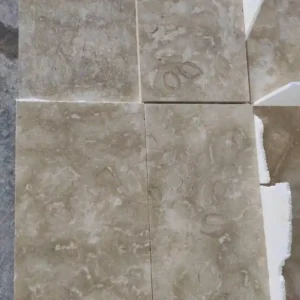
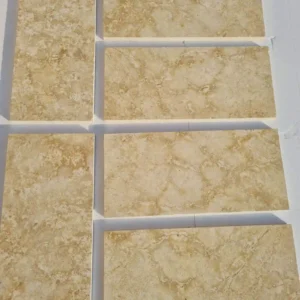
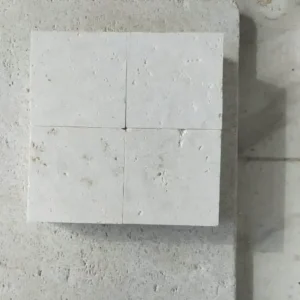
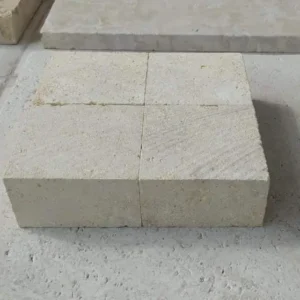
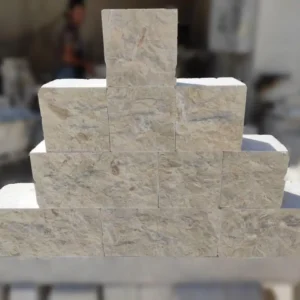
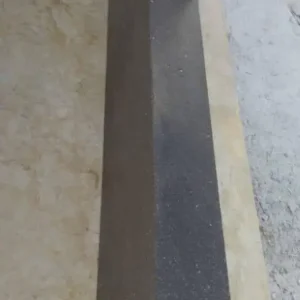
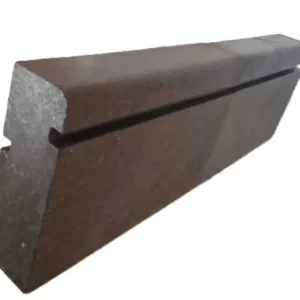
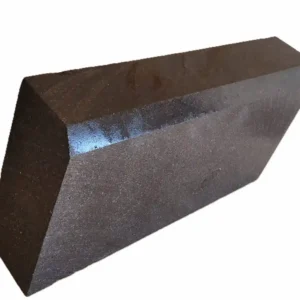
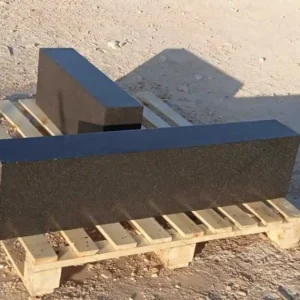
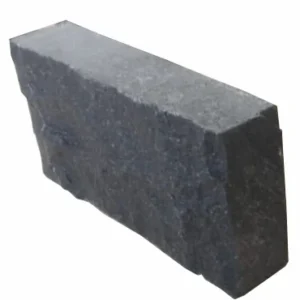
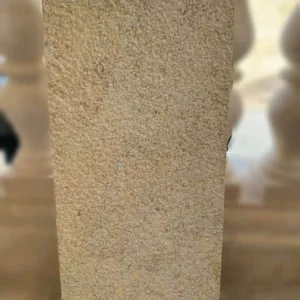
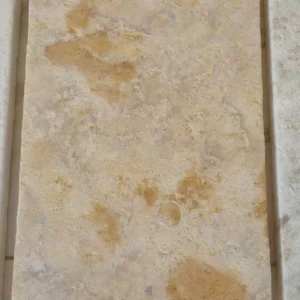
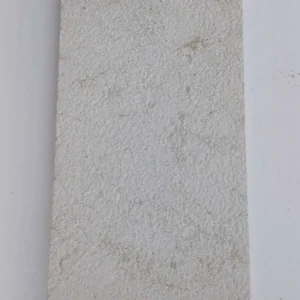
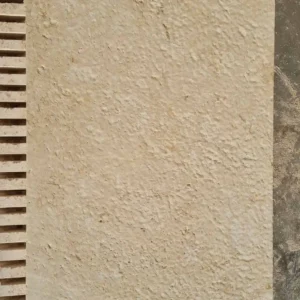
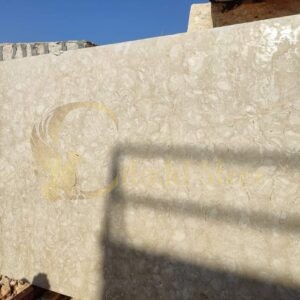
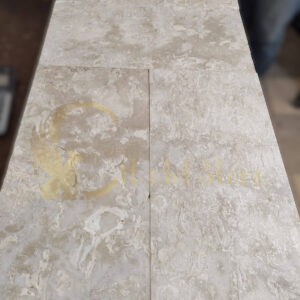
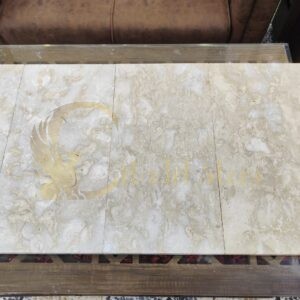
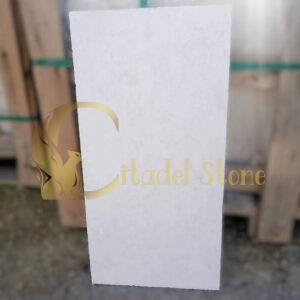
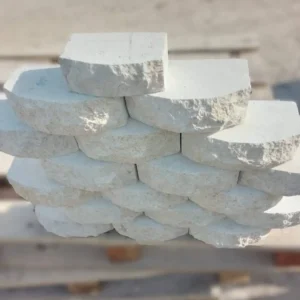
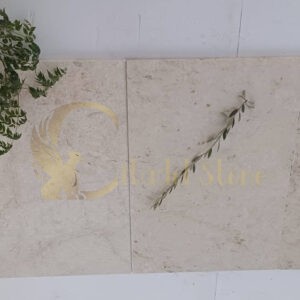
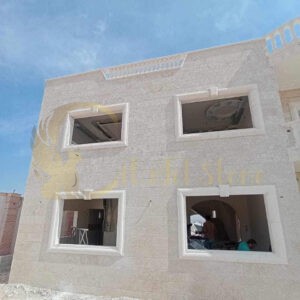
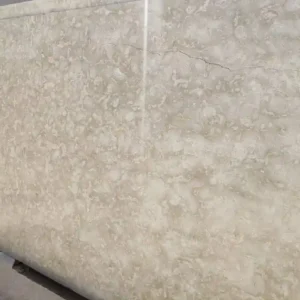
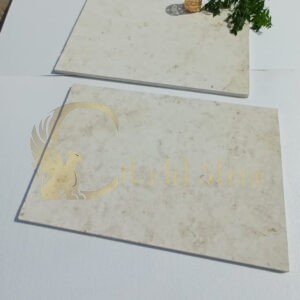
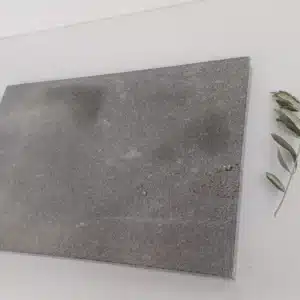
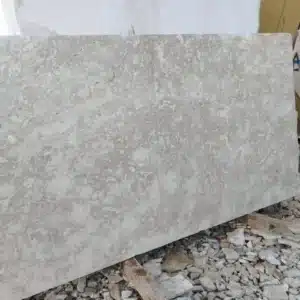
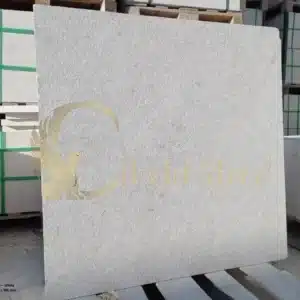
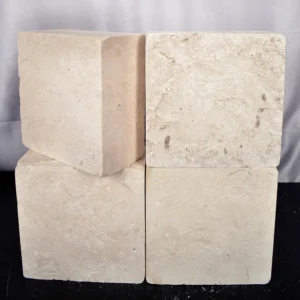
Paving setts in Arizona carry a design vocabulary that concrete block and poured surfaces simply cannot replicate — the dimensional regularity, the textural depth, and the way natural stone holds color across decades of desert sun exposure. Your first specification decision isn’t thickness or compressive strength; it’s understanding how sett geometry interacts with the architectural traditions already present on your site. Adobe and territorial styles read beautifully against tumbled stone setts with warm buff and sandstone tones, while contemporary desert-modern architecture often demands the clean geometry of square stone setts in grey or charcoal finishes. Citadel Stone sources setts from quarry partners whose color ranges have been vetted specifically against the dominant palette of Arizona’s built environment — that material-matching step happens before the stone ever reaches the warehouse.<\/p>

<\/figure>
Colour Palette and Material Selection for Arizona Projects<\/h2>
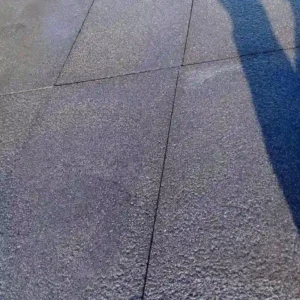
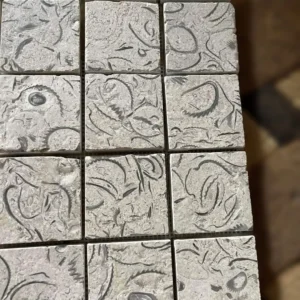
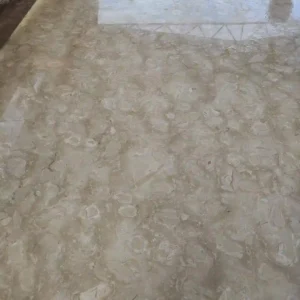
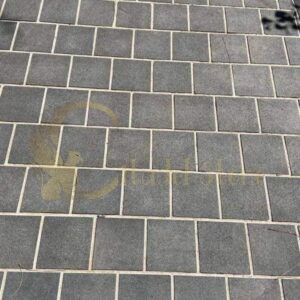
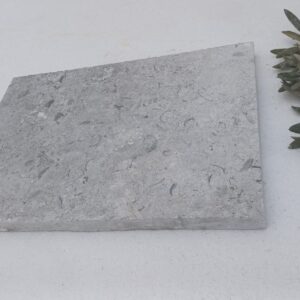
The colour conversation around stone setts in Arizona is more nuanced than simply matching the house exterior. Your hardscape tone needs to work across multiple lighting conditions — the flat midday glare of a Phoenix summer, the orange-amber light of a Sonoran sunset, and the cooler blue-grey cast of an overcast winter afternoon. Grey setts in Arizona are among the most specified finishes precisely because neutral mid-grey performs consistently across all three conditions, neither washing out nor absorbing too much contrast.<\/p>
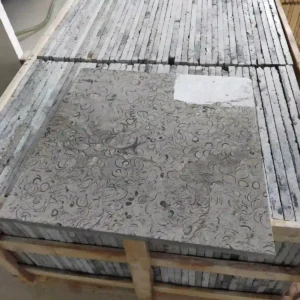
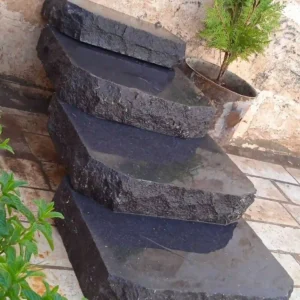
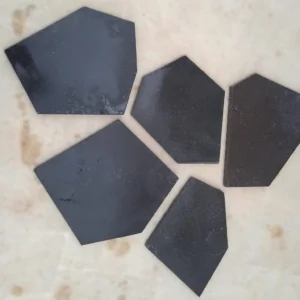
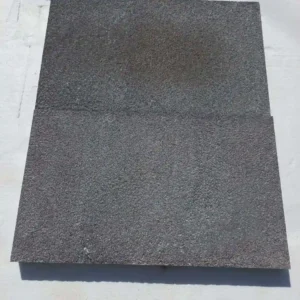
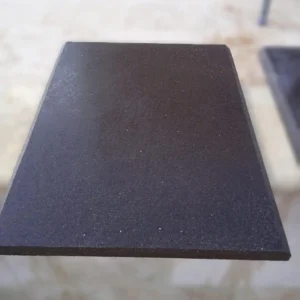
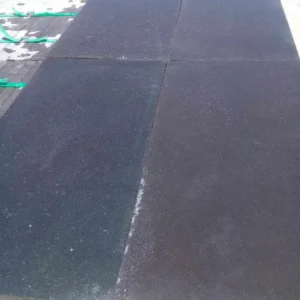
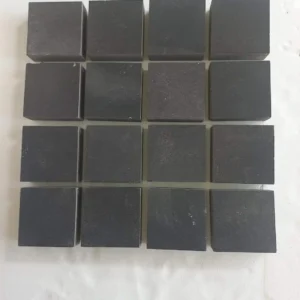
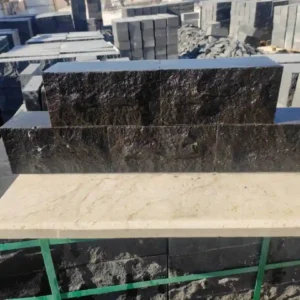
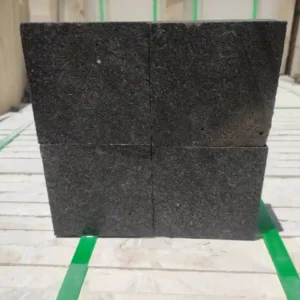
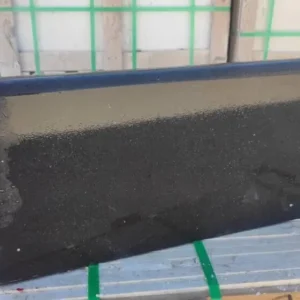
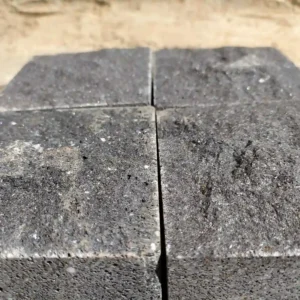
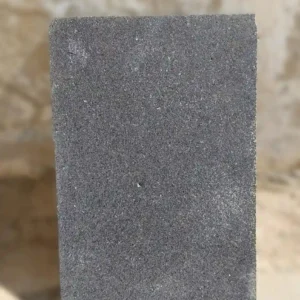
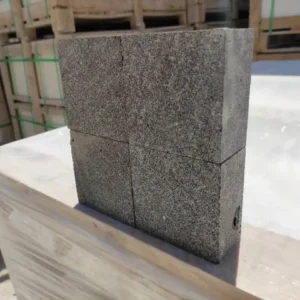
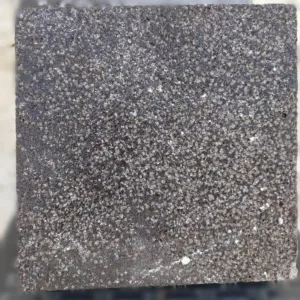
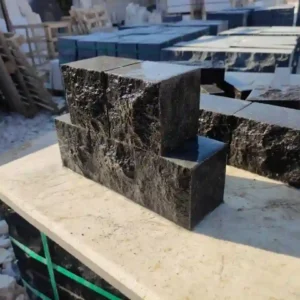
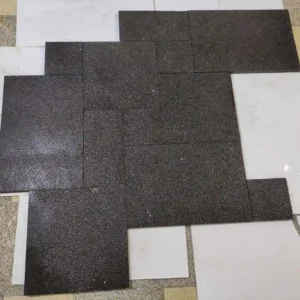
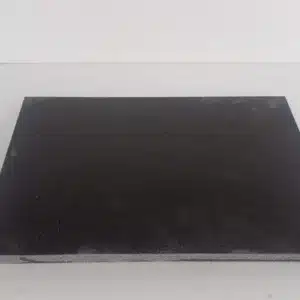
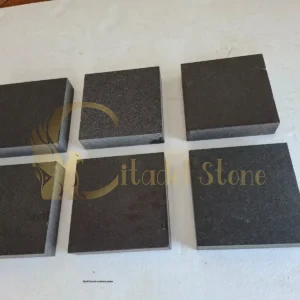
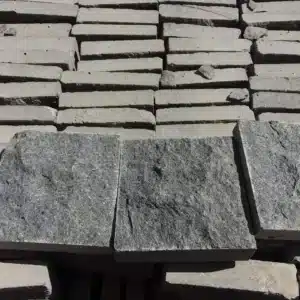
Charcoal paving setts occupy a different position in the palette — they anchor a design with visual weight, and in Scottsdale’s high-end residential market, charcoal setts alongside light limestone coping or white plaster walls create a contrast ratio that photographs well and reads as intentional from street level. The risk with very dark stone in Arizona’s low desert is surface temperature accumulation, which you’ll want to factor into zones where barefoot traffic is expected, such as pool surrounds or covered outdoor living areas. For those applications, a mid-grey or warm sandstone tone reduces radiant heat at foot level without compromising the visual scheme.<\/p>
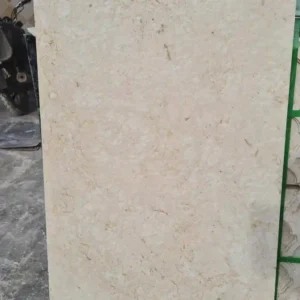
- Warm buff and sandstone setts suit adobe, Spanish colonial, and territorial architectural styles<\/li>
- Grey setts in Arizona work across contemporary, transitional, and desert-modern design languages<\/li>
- Charcoal paving setts deliver maximum contrast in high-design residential and commercial projects<\/li>
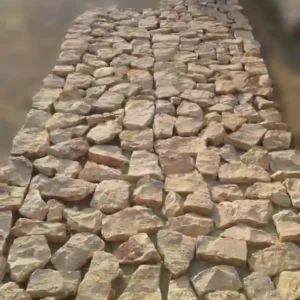
- Tumbled stone setts add organic texture that softens formal geometry in garden and courtyard settings<\/li>
- Square stone setts in uniform finish suit clean-lined modern designs with minimal ornamentation<\/li>
<\/ul>You can request colour samples from Citadel Stone before finalizing your specification — comparing stone tones against your existing masonry or render under natural Arizona light is worth the extra step, because warehouse lighting and site lighting produce genuinely different results.<\/p>
Sett Formats and Size Selection: Getting the Geometry Right<\/h2>
The 100mm sett format dominates most residential and commercial specifications in Arizona for a practical reason — the proportions work at human scale, and the modular grid they create accommodates both straight-line and curved layouts without excessive cutting waste. Paving setts 100×100 in Arizona projects function as a near-universal specification that suits driveways, garden paths, plaza surfaces, and pool terraces with equal competence. Specifying 100mm setts in Arizona also simplifies procurement, since stocked formats ship within standard lead times rather than requiring an extended import window.<\/p>
That said, larger cobble paving setts in the 150mm range carry more visual mass and are worth considering for broad driveway aprons or plaza forecourts where the 100mm module can look busy over a large uninterrupted field. The scale relationship between sett size and the surrounding landscape elements — retaining walls, planting beds, architectural openings — determines whether your installation reads as refined or restless. Projects in Sedona<\/a> regularly use oversized cobble formats to echo the scale of the surrounding rock formations, creating a landscape that feels continuous with the natural geology rather than imposed on it.<\/p>
- 100mm setts provide the most versatile module for residential driveways, paths, and courtyards<\/li>
- Paving setts 100×100 minimize cutting waste on straight-run layouts and standard-width paths<\/li>
- Larger cobble paving setts in Arizona suit plaza-scale applications where smaller modules look fragmented<\/li>
- Rectangular sett proportions (e.g., 100×200) allow herringbone and stretcher-bond patterns<\/li>
- Square stone setts in uniform sizes simplify estimating and reduce offcut material costs<\/li>
<\/ul>Tumbled vs. Sawn Finish: Which Surface Works for Your Project?<\/h2>
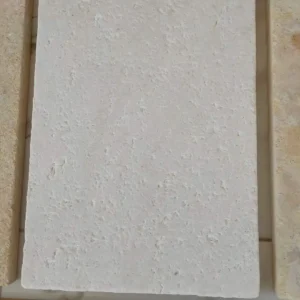
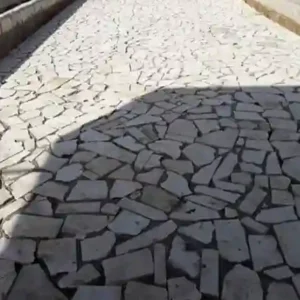
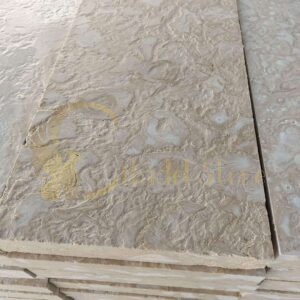
The finish decision on paving setts is genuinely consequential, and it’s one that gets glossed over in most supplier conversations. Tumbled stone setts have their arrises and faces mechanically weathered to simulate decades of wear, which does two things simultaneously: it reduces the visual precision of the joint lines, giving the installation an organic, settled quality, and it slightly increases the surface micro-texture, which contributes to wet-weather slip resistance. For garden paths, courtyard entries, and informal driveway edges in residential Arizona projects, tumbled finishes are consistently the right aesthetic call.<\/p>
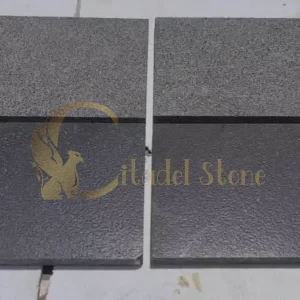
Sawn-face setts hold tighter dimensional tolerances, which matters when you’re working to a pattern that requires consistent joint widths — herringbone layouts on vehicular driveways, for example, or any application where the geometry needs to read as intentional rather than relaxed. The tradeoff is that the sawn face is smoother, and in pool-adjacent areas or any location that stays wet for extended periods, you’ll want to verify slip resistance ratings against your local building requirements. At Citadel Stone, we typically recommend a textured or flame-finished sawn sett for those high-moisture zones rather than defaulting to polished or honed faces.<\/p>
- Tumbled stone setts suit informal gardens, historic revival styles, and organic landscape compositions<\/li>
- Sawn-face setts suit pattern-driven layouts where dimensional precision is needed<\/li>
- Textured sawn faces provide better wet-surface traction than smooth sawn alternatives<\/li>
- Tumbled finishes naturally conceal minor installation inconsistencies at joint lines<\/li>
- For vehicular-rated driveways, verify compressive strength regardless of surface finish<\/li>
<\/ul>For projects requiring custom cuts or non-standard formats, Citadel Stone’s team can advise on lead times and whether your chosen finish is available from current warehouse inventory or requires a sourcing lead window.<\/p>
Base Preparation Across Arizona’s Variable Soil Conditions<\/h2>
The soil variability across Arizona is extreme enough that a single base specification doesn’t travel well from project to project. In Phoenix<\/a>‘s lower elevations, expansive clay soils — particularly the brown and grey Vertisols common in the Salt River basin — can move vertically by 2–4 inches across a seasonal moisture cycle. That movement will crack any rigid installation that doesn’t account for it at the sub-base level. Your aggregate base needs to be compacted to 95% Proctor density minimum, and for setts carrying vehicular loads, a 6–8 inch compacted aggregate base with a 1-inch bedding sand layer is the reliable starting point.<\/p>
Caliche layers complicate this further. When you hit cemented caliche hardpan during excavation, the instinct is to treat it as a stable sub-base and reduce your aggregate depth. Resist that instinct. Caliche is stable in compression but can fracture and shift at the edges of your excavation zone, particularly where moisture enters from adjacent irrigated planting beds. The correct approach is to break through the caliche layer in the perimeter zone and establish a continuous aggregate base that bridges any potential edge movement. For projects specifying paving setts in Arizona’s caliche-heavy zones — most of the Sonoran Desert floor — this is the detail that separates ten-year installations from twenty-year ones.<\/p>
- Expansive clay soils require a minimum 6-inch compacted aggregate base for pedestrian sett applications<\/li>
- Vehicular driveway applications typically need 8–10 inches of compacted base material<\/li>
- Perimeter restraints must be set below the full depth of the bedding layer to prevent lateral spread<\/li>
- Slope the finished surface at 1–2% minimum for drainage away from structures<\/li>
- Allow 72 hours minimum after base compaction before beginning bedding sand placement<\/li>
<\/ul>Joint Sand, Sett Locking, and Long-Term Stability<\/h2>
Joint sand selection for paving setts gets underspecified more often than base preparation does, and the consequences show up 3–5 years post-installation when setts begin rocking or migrating. Standard kiln-dried jointing sand is adequate for low-traffic pedestrian applications in dry climates, but Arizona’s monsoon season introduces a specific challenge: concentrated rainfall events move unbonded joint sand more aggressively than the steady rainfall patterns that most jointing sand products are tested against. Consider polymeric joint sand for any project in a zone that sees monsoon exposure — the polymer binder locks the sand matrix after an initial cure cycle and resists the hydraulic flushing that monsoon events cause.<\/p>
- Polymeric joint sand is the recommended specification for monsoon-zone Arizona projects<\/li>
- Standard kiln-dried sand is acceptable only in sheltered pedestrian applications with limited storm exposure<\/li>
- Flagstaff and higher-elevation projects require flexible-binder jointing compounds for freeze-thaw resistance<\/li>
- Re-sweep joint sand at 6-month intervals during the first year to consolidate initial settlement<\/li>
- Inspect and top up joint sand after every significant monsoon event in year one<\/li>
<\/ul>Thermal Performance and Heat Management in Arizona Installations<\/h2>
Dense natural stone setts absorb and store heat during Arizona’s long high-radiation days, which creates a surface thermal mass effect that most landscape architects understand in principle but underestimate in degree. On a 110°F Phoenix afternoon, a dark granite sett surface can reach 165–175°F under full sun exposure — well above the threshold for comfortable barefoot contact and a legitimate safety consideration in residential pool areas or children’s play zones. Your material and finish selection should account for this, not just aesthetically but functionally.<\/p>
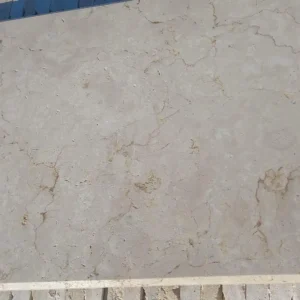
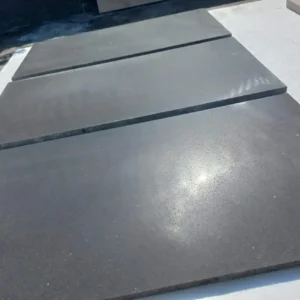
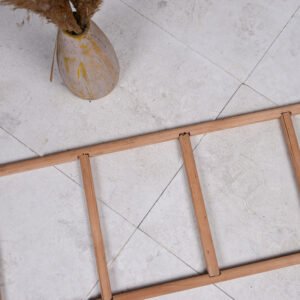
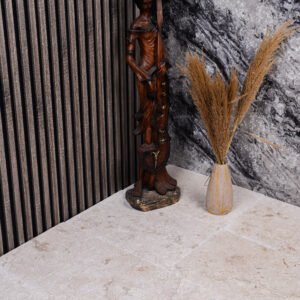
Lighter-toned stone setts with more reflective surfaces — buff sandstone, grey limestone, or textured grey setts — reduce peak surface temperatures by 25–35°F compared to dark polished alternatives under identical exposure conditions. That’s not a trivial difference. It’s the gap between a surface that’s usable at 3pm in July and one that requires sandals at all times. Where design intent demands darker charcoal paving setts, locate them in shaded zones — under pergolas, between planted canopy areas, or in east-facing orientations that are in shadow during peak afternoon hours.<\/p>

image2 alt<\/figcaption>
<\/figure>Understanding the interaction between sett tone, surface finish, and daily sun angles is exactly the kind of specification nuance that separates successful long-term installations from ones that generate callbacks. For a detailed comparison of how different stone types perform in Arizona conditions, Paving Setts from Citadel Stone<\/u><\/b><\/a> provides specification guidance that maps directly to these thermal performance considerations and helps you make the most informed material choice for your project.<\/p>
Sealing and Maintenance Protocols for Arizona Stone Setts<\/h2>
Natural stone setts in Arizona’s desert environment don’t deteriorate the same way they do in humid climates — UV degradation and thermal cycling are the primary stressors here, not freeze-thaw spalling or biological growth. Your sealing strategy needs to be calibrated to those actual stressors rather than following generic maintenance schedules written for temperate climates. A penetrating impregnator sealer applied at installation, then refreshed every two years, is the appropriate baseline for most paving sett applications in the lower desert zones.<\/p>
The exception is sandstone or soft limestone setts in high-traffic areas. Those materials are genuinely porous enough that oil contamination from vehicle drips or cooking areas can become a permanent stain issue without a high-quality surface sealer providing a sacrificial protective film. Sourced from established quarry partners, each batch of Citadel Stone setts is inspected for density and absorption characteristics before shipping, which lets you match the right sealer specification to the actual porosity of the material you’re receiving — not just the generic category it belongs to.<\/p>
- Apply a penetrating impregnator sealer to all natural stone setts at installation before joint sand is placed<\/li>
- Re-seal every 24 months in full-sun low-desert exposures; every 36 months in shaded or high-elevation locations<\/li>
- Use a surface film sealer for soft or porous stone in cooking areas, pool surrounds, or oil-exposure zones<\/li>
- Clean sett surfaces with a pH-neutral stone cleaner — avoid acid-based products on any calcareous stone<\/li>
- Inspect joint sand integrity annually and top up before the monsoon season begins in late June<\/li>
<\/ul>Order Paving Setts for Arizona — Citadel Stone<\/h2>
Citadel Stone stocks paving setts in Arizona-ready formats across standard sizes — including 100mm setts, paving setts 100×100, larger cobble formats, and both tumbled and sawn-face finishes in grey, charcoal, and natural buff tones. You can request samples or detailed thickness specifications before committing to a project order, which is worth doing for large-area installations where color consistency across multiple pallets is critical. Citadel Stone ships paving setts across Arizona from regional inventory, with standard lead times of 1–2 weeks for stocked formats — significantly shorter than the 6–8 week import cycle that affects many natural stone orders. Trade and wholesale enquiries are handled directly through the Citadel Stone team, who can advise on volume pricing, pallet configurations, and truck delivery logistics for your site access constraints. For projects in Mesa, Gilbert, or Chandler with restricted access, confirming truck delivery options early keeps your schedule intact. Contact Citadel Stone to request a quote, arrange samples, or schedule a material consultation for your Arizona project.<\/p>
As you plan your Arizona hardscape specification, related stone materials can inform your broader material palette. Black Granite Setts in Arizona<\/u><\/b><\/a> explores a complementary sett material that pairs well with the grey and charcoal specifications covered here, offering additional guidance on high-density stone performance in Arizona’s demanding climate. Architects and builders in Flagstaff, Sedona, and Yuma specify Citadel Stone Paving Setts for Arizona outdoor installations.<\/b><\/p>