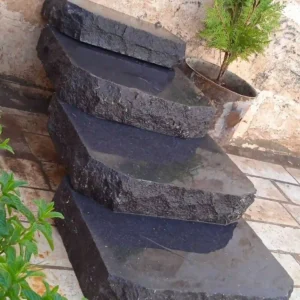
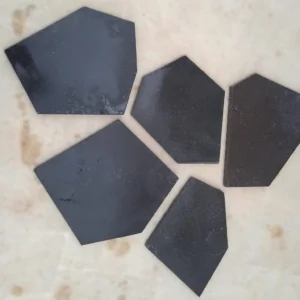
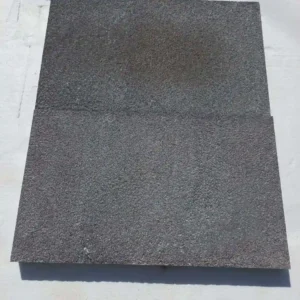
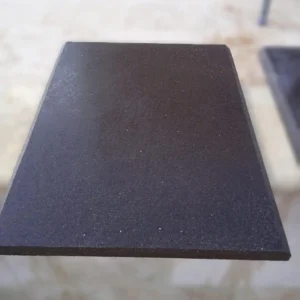
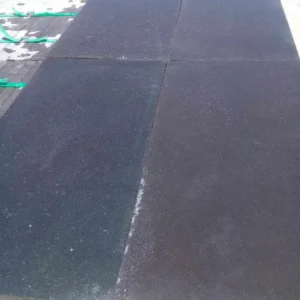
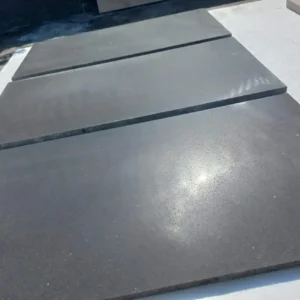
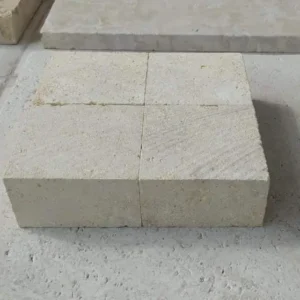
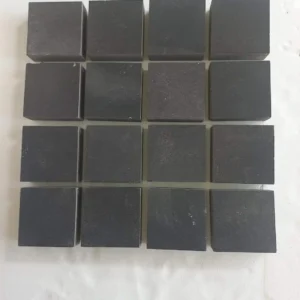
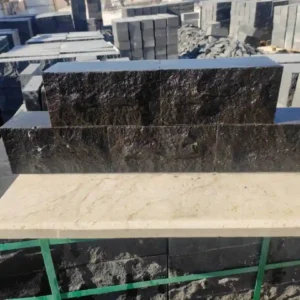
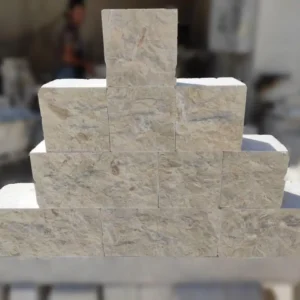
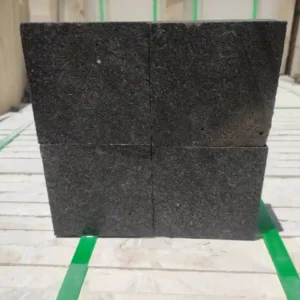
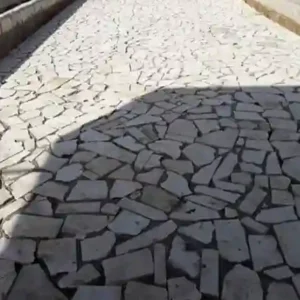
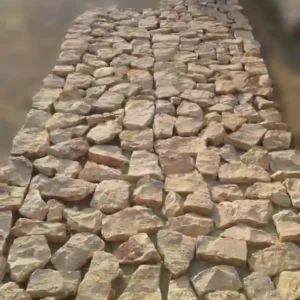
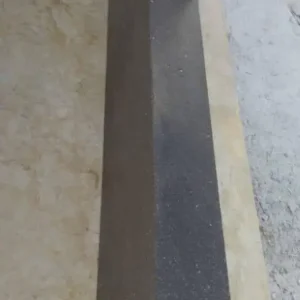
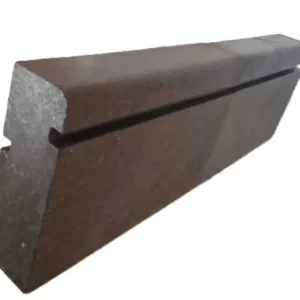
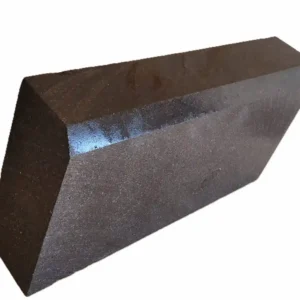
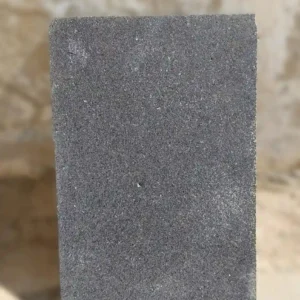
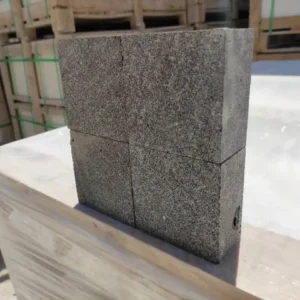
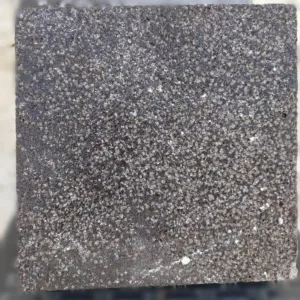
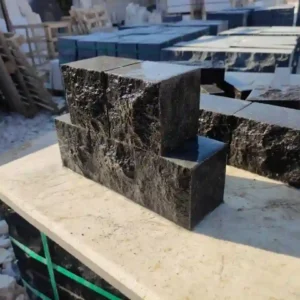
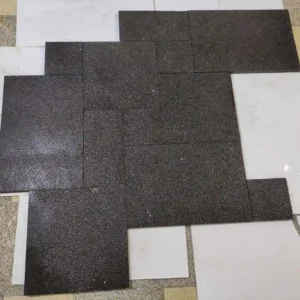
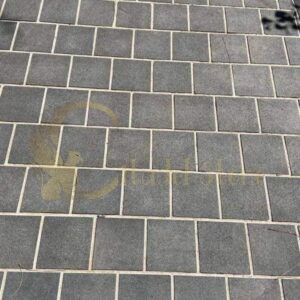
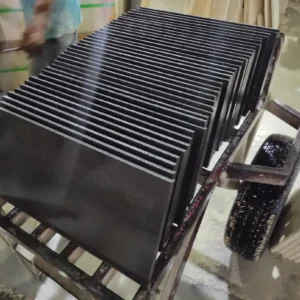
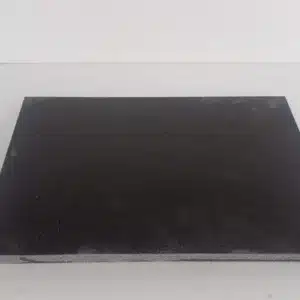

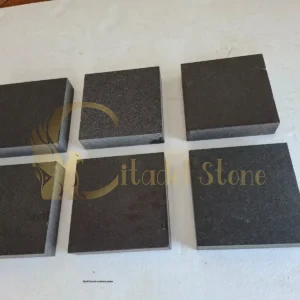
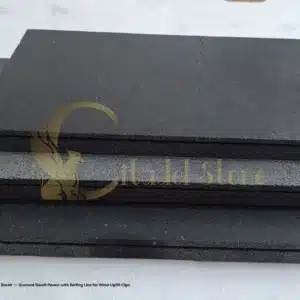
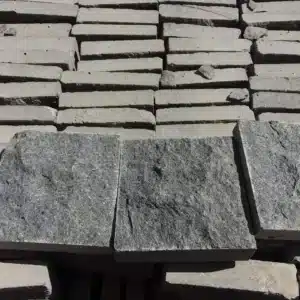
Black granite setts in Arizona face a mechanical stress profile that most spec sheets don’t adequately address — specifically, the lateral shear forces generated when monsoon-driven debris fields sweep across hardscape surfaces at 60-plus mph. Getting your installation right means thinking about wind and storm loads from the very first layer of base aggregate, not as an afterthought once the field pattern is locked in. The dense crystalline structure of black granite setts in Arizona, with compressive strength typically exceeding 18,000 PSI, gives you genuine resistance to impact and displacement that softer stone simply can’t replicate under these conditions.
Why Storm Loads and Wind Events Define the Right Sett Specification
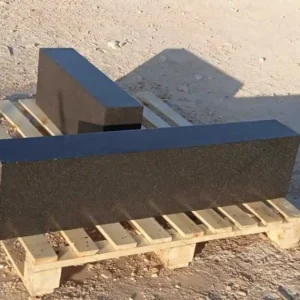
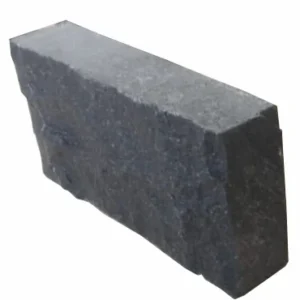
Arizona’s severe weather calendar is easy to underestimate on paper. Haboob events in the Phoenix corridor generate sustained lateral wind pressure that acts like a hydraulic ram on any surface installation with exposed leading edges. Black paving setts — especially the 200x100x100 mm format — have a favorable mass-to-surface-area ratio that resists lift and displacement better than thin-format pavers. You’re working with a unit that weighs roughly 5.5 to 6 kg per piece, and that mass is your first line of mechanical defense against storm-driven forces.
The failure mode you need to design against isn’t vertical load — it’s the combination of horizontal wind pressure and vacuum uplift that occurs when a fast-moving storm front passes over an interrupted surface. Black paving setts that aren’t fully bedded with consistent sand contact across the full bearing face will rock under these conditions, even when they appear stable under foot traffic. Your bedding layer needs to be a true 30–40 mm of compacted sharp sand, screeded to within ±2 mm, with no voids beneath the corners — corners are where sett rocking initiates under lateral load.
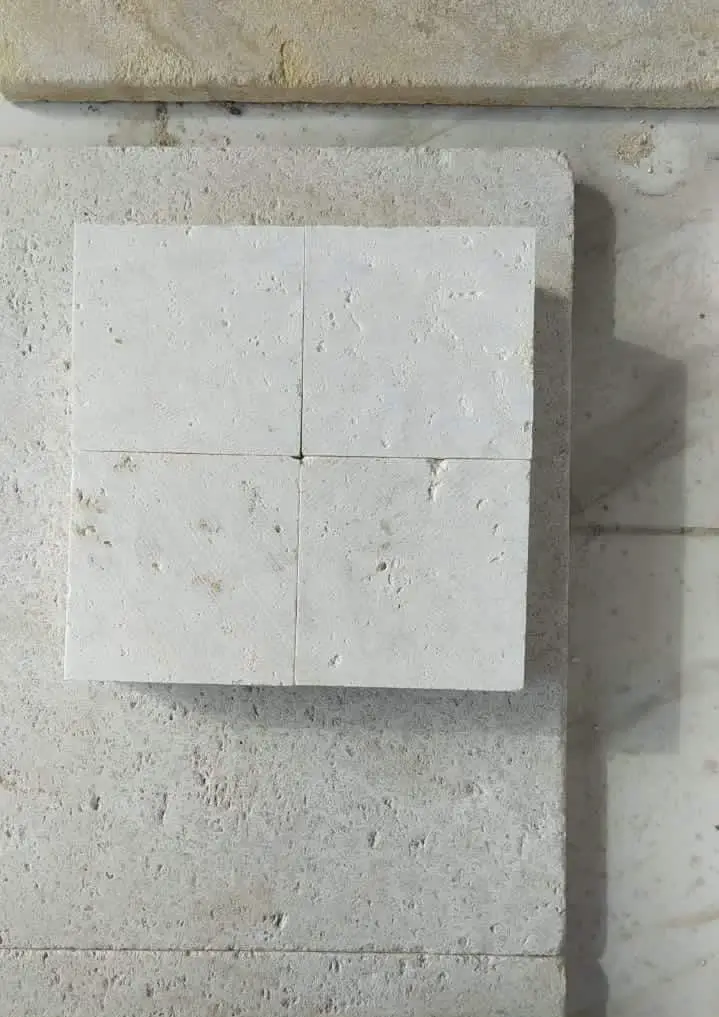
Hail Impact Resistance: Where Black Granite Setts Outperform the Alternatives
Hail events across northern Arizona — particularly around Flagstaff, where convective storm cells intensify at elevation — regularly produce hailstones in the 1.5 to 2-inch diameter range. At that size, impact energy on surface stone reaches levels that will spall softer materials like sandstone or tumbled limestone. Black stone setts in the granite category exhibit a Mohs hardness of 6 to 7, which translates to genuine hail resistance without the surface cratering you’d see on calcium carbonate alternatives.
What most specifiers overlook is that hail damage on paving isn’t purely about surface hardness — it’s about the rigidity of the system beneath the unit. A sett sitting on a well-compacted 150 mm aggregate sub-base transfers impact energy downward through the bedding layer. A sett sitting on a soft or inconsistently compacted base flexes slightly on impact, and that micro-flexion is where surface spalling initiates over multiple storm seasons. Your sub-base specification is doing as much hail-resistance work as the stone itself.
- Granite’s interlocking crystalline structure resists impact fracture better than sedimentary stone categories
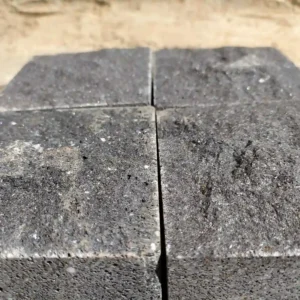
- Sawn black granite setts in Arizona present a consistent surface plane that distributes impact loads more evenly than tumbled or irregular formats
- Black cobble setts with chamfered edges reduce stress concentration at corners, which is where hail impact most commonly initiates fracture
- Surface finish matters — sawn surfaces show less post-impact micro-cracking than flame-finished surfaces under repeated hail exposure
Base Preparation for a Storm-Resilient Black Sett Installation
The base system is where you either build in storm resilience or leave it to chance. For black granite setts in Arizona, particularly in areas with expansive clay soils common across the Scottsdale valley floor, your compacted aggregate sub-base needs to account for two competing forces simultaneously: the vertical swelling pressure from clay expansion after monsoon rain saturation, and the lateral wind-driven loads on the surface above. These forces work in opposite directions and both peak during the same storm event.
A minimum 150 mm compacted Type II aggregate base works for residential pedestrian applications, but push that to 200 mm for driveway-grade installations or any surface adjacent to mature trees where root-driven heave compounds storm damage. Geotextile separation fabric between native soil and aggregate is non-negotiable in clay-heavy ground conditions — without it, fines migrate upward during saturation cycles and undermine your bedding layer within three to four monsoon seasons.
- Excavate to a minimum 280 mm below finished grade for pedestrian sett installations in clay soil zones
- Compact aggregate sub-base to 95% Proctor density — verify with a plate compactor making minimum three passes in alternating directions
- Install 30–40 mm bedding sand layer, screeded and never compacted before sett placement
- Allow for a 2% minimum cross-fall to direct storm water away from structures
- Edge restraints must be mechanically fixed — storm-season water volumes will undermine unanchored edge course units within one season
For projects requiring complementary stone guidance on joint filling and sealing after base preparation, Black Granite Setts from Citadel Stone covers the specific maintenance protocols that apply to Arizona’s wet-dry cycling conditions. Getting the joint system right at installation is the most cost-effective storm-resilience investment you can make.
Joint Systems and Drainage Geometry in High-Wind Arizona Zones
Joint sand selection for black cobble setts in high-wind zones deserves more attention than it typically receives. Standard kiln-dried jointing sand in open desert environments will simply blow out of joints during haboob events — you can lose 40–60% of joint fill in a single severe dust storm. Polymer-modified jointing compounds, set to full cure before the monsoon season begins in early July, resist wind erosion at the joint level and prevent water infiltration that destabilizes the bedding layer from above.
Drainage geometry is the other half of the joint equation. Your pattern selection directly affects how quickly monsoon rain volumes — which can reach 2 inches per hour in concentrated storm cells — move off the surface. Herringbone bond at 45 degrees to the primary drainage fall direction outperforms running bond in storm water dispersal because it breaks up laminar flow across the surface. That matters when you’re draining 1,500 square feet of black stone setts toward a single outlet in a 20-minute downpour.
Citadel Stone stocks black granite setts 200x100x100 in Arizona in standard sawn formats, and the team can advise on pattern layouts optimized for your specific site drainage geometry before you commit to a bond pattern — that consultation at the planning stage saves significant rework cost when storm season arrives.
Colour Stability and Finish Performance Through Arizona Storm Seasons
The deep charcoal-to-jet-black colour range of black cobble setts in Arizona remains one of their most commercially durable features — but storm exposure affects surface finish in ways that depend heavily on your finish selection. Sawn black granite setts in Arizona develop a natural surface patina over multiple seasons of UV and rain cycling that actually deepens the apparent colour, giving installations a richer visual character over time rather than fading. That’s the opposite of what happens with pigmented concrete alternatives, which chalk and fade under identical exposure.
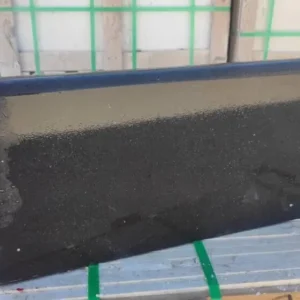
Flame-finished surfaces on black stone setts develop micro-surface texture that provides excellent slip resistance — DCOF values typically above 0.60 in wet conditions — but that texture becomes a debris-trapping surface after dust storms. You’ll need to schedule pressure washing after major haboob events to prevent fine silica dust from bonding into the surface texture with subsequent rain. Sawn surfaces are easier to clean post-storm but require a penetrating impregnator sealer to maintain colour depth and prevent mineral streaking from hard water.
- Penetrating silane-siloxane sealers applied at 18–24 month intervals maintain colour and reduce mineral staining from monsoon runoff
- Avoid film-forming sealers on exterior sett installations — they trap moisture under storm-driven saturation and peel within two seasons
- Black paving setts with sawn tops show surface iron oxidation (rust spotting) if left unsealed in high-mineral-content water zones — seal within 60 days of installation
- Clean sett surfaces within 48 hours after dust storms before silica fines bond with any residual sealer film
Protecting Edge Courses from Wind-Driven Debris Impact
Edge courses on black stone sett installations take the hardest mechanical punishment during storm events — wind-driven gravel, broken branch material, and airborne construction debris travel at velocities that can chip or dislodge inadequately restrained edge units. In Phoenix metropolitan installations adjacent to open desert lots, edge protection design is a genuine engineering consideration, not an aesthetic afterthought.
Concrete haunch restraints on both sides of perimeter courses — cast to a minimum 100 mm width and 150 mm depth — anchor the edge against both lateral impact and the hydraulic pressure of storm water flowing across adjacent unpaved surfaces. For driveway-grade sett borders, consider upgrading to a double-soldier course at the perimeter: two rows of setts laid on-edge provide a continuous mechanical stop that resists both vehicle approach loads and storm debris impact simultaneously.
You can request sample pieces and detailed specification sheets from Citadel Stone before finalizing your edge detail — verifying actual sett dimensions against your restraint design tolerances at the sample stage prevents costly field adjustments once truck delivery has been made and the full pallet quantity is on site.
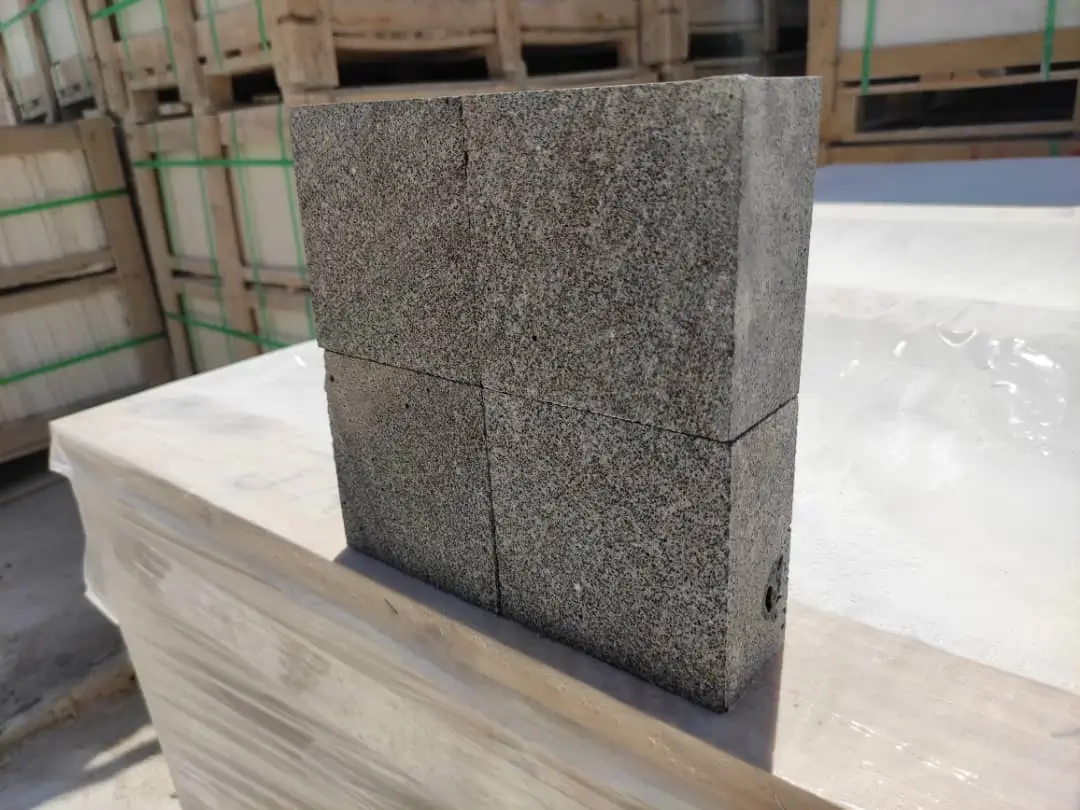
Sawn Black Granite Setts for Driveway and High-Traffic Applications
Driveway-grade applications for sawn black granite setts in Arizona need a specification bump relative to pedestrian installations. Vehicle point loads during storm-season emergency movements — rapid ingress and egress when weather turns severe — stress the joint system and bedding layer simultaneously. Your aggregate sub-base should go to 200–225 mm compacted depth, and bedding sand must be held to the 30–40 mm screeded range without deviation. Over-thick bedding sand is the number one cause of sett rocking under vehicle load in field installations.
The 200x100x100 mm sett format is particularly well-suited to driveway applications because the 100 mm nominal depth gives you adequate embedment into the bedding layer while the plan dimensions create a tight joint grid that resists individual unit displacement. Herringbone bond is the standard recommendation for vehicle-trafficked sett surfaces — it distributes wheel loads diagonally across multiple units rather than following a continuous joint line that can open under repeated loading.
- Minimum 200 mm compacted aggregate sub-base for single-vehicle driveway loads; 225 mm for double-wide or heavy vehicle access
- Plate compactor passes over installed setts with a rubber pad — minimum two passes before joint filling to achieve initial interlock
- Polymer jointing compound, not kiln-dried sand, for all vehicle-trafficked sett surfaces subject to Arizona storm water volumes
- Re-compact and re-joint after first monsoon season — initial settlement is normal and addressing it early prevents cumulative displacement
Black Granite Setts in Arizona — Request a Quote from Citadel Stone
Citadel Stone maintains warehouse inventory of black granite setts across Arizona in the standard 200x100x100 mm sawn format, with availability in both natural sawn and flame-finished surfaces depending on your application requirements. Standard pallet quantities ship within 1–2 weeks from regional warehouse stock, significantly faster than the 8–10 week lead times typical of direct import sourcing. For projects requiring custom cut sizes, non-standard thicknesses, or large-volume wholesale pricing, the Citadel Stone technical team can walk you through lead time expectations and quantity scheduling before you commit to a project timeline.
Sourced from established quarry partners with consistent vein selection, each batch of black cobble setts undergoes dimensional and colour consistency checks before dispatch — something that matters when you’re matching into an existing installation or specifying across multiple delivery phases. You can request sample pieces for approval, confirm specification data sheets, and arrange trade account pricing through a single consultation. As your project moves from specification to procurement, your truck delivery can be scheduled to match your installation phase — coordinate access requirements with the logistics team at enquiry stage to avoid field delays. For a broader look at how Citadel Stone’s granite materials perform across Arizona conditions, Granite Setts in Arizona covers the wider product range available for Arizona hardscape projects. Black Granite Setts from Citadel Stone reaches project sites across Flagstaff, Sedona, and Yuma and throughout Arizona.