
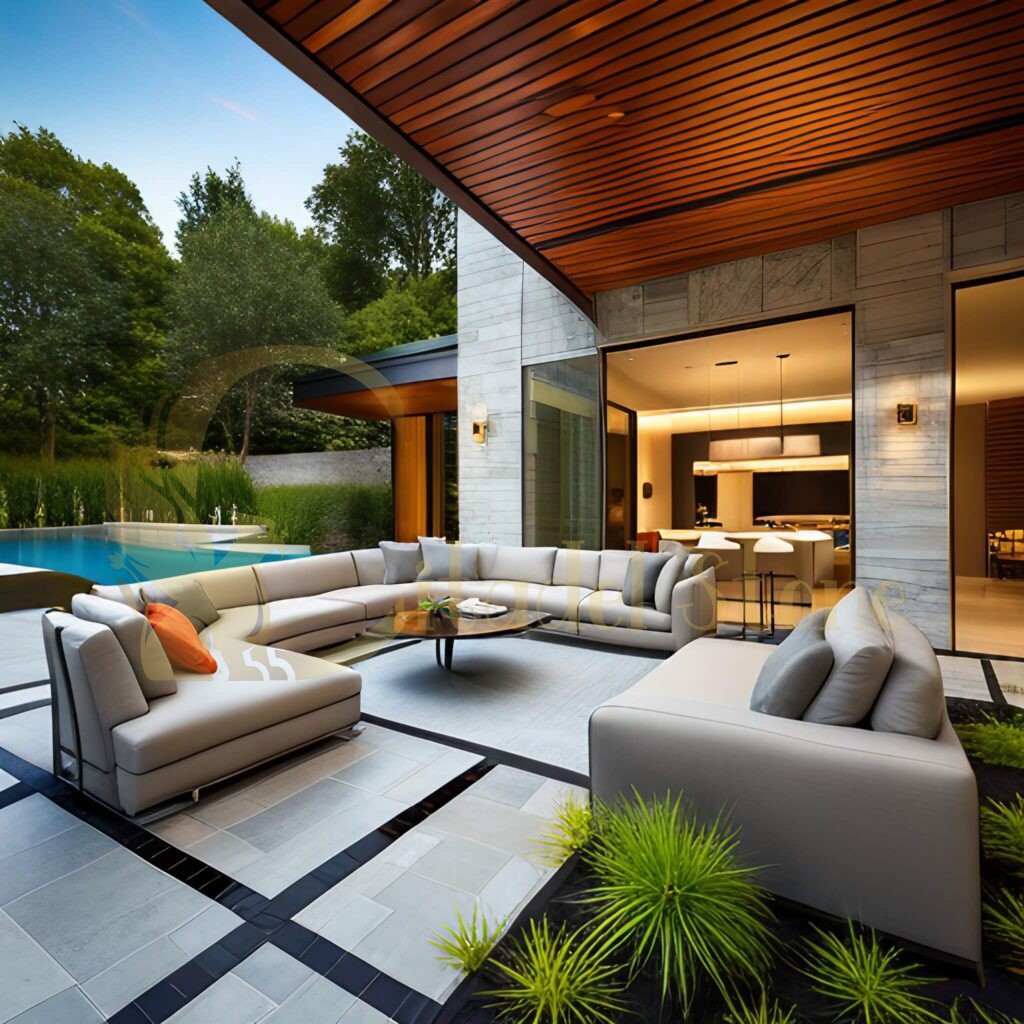
Freight cost is the variable that quietly breaks Arizona stone budgets — and large paving slabs in Arizona are one of the heaviest line items you’ll encounter in any hardscape specification. The weight-to-value ratio of large format stone pavers in Arizona means that sourcing decisions made early in the design phase can shift your installed cost per square foot by 30 to 50 percent before a single slab hits the ground. Understanding why that gap exists, and how to work within Arizona’s regional supply dynamics, is the first thing any serious specifier needs to nail down.
Arizona sits at a genuine crossroads in the stone supply chain. You’re far enough from Gulf Coast ports and Pacific Coast container facilities that import freight adds real money to every pallet, yet close enough to productive Southwest quarry regions that domestic material can be competitively priced when you know where to look. The projects that come in on budget are almost always the ones where the buyer locked in material sourcing before finalizing the design scope — not after.
How Freight Distance and Regional Pricing Shape Your Budget
The freight reality for large paving slabs in Arizona is straightforward once you understand the map. Most imported natural stone — Portuguese limestone, Italian travertine, Brazilian quartzite — moves through Los Angeles or Long Beach, then travels overland to Arizona distribution points. That final leg, typically 300 to 450 miles depending on your job site, adds $180 to $320 per pallet in trucking costs alone. For a 2,000-square-foot patio project using 2-inch nominal slabs, you can be looking at $4,000 to $8,000 in freight before any material margin is applied.
Domestic sourcing changes the math considerably. Arizona and the surrounding Four Corners region produce usable flagstone, sandstone, and some limestone products that move shorter distances. The trade-off is consistency — regional quarry output tends to vary more in thickness and shade from batch to batch, which creates challenges when you’re trying to maintain a uniform look across large patio squares or expansive large garden slabs in Arizona. For projects where aesthetic uniformity matters, the premium for imported product with tighter quality control often pays for itself in reduced installation labor and waste.
- Import freight from West Coast ports adds $180–$320 per pallet for Arizona job sites
- Domestic Southwest quarry material reduces transport cost but introduces thickness and shade variability
- Projects over 1,500 square feet benefit most from locking in warehouse stock before design finalization
- Freight cost per square foot drops significantly when you order full truck quantities rather than partial loads
- Lead times from regional inventory typically run 1–2 weeks versus 6–8 weeks for imported stock orders
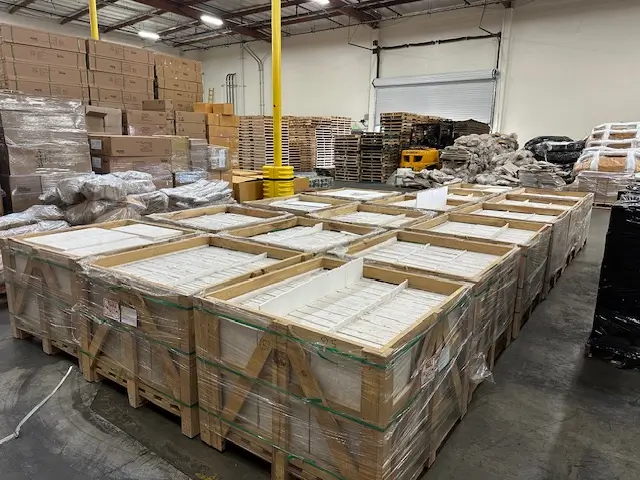
Citadel Stone maintains warehouse inventory across Arizona specifically to compress that import timeline. You can request current stock availability and thickness specifications before committing to a design — that’s the kind of pre-purchase verification that prevents the expensive redesign scenarios when a specified slab turns out to be on a 10-week backorder.
Material Options and Format Selection for Arizona Projects
Large outdoor stone pavers for Arizona applications generally fall into three performance tiers, and the format you select determines how each tier behaves under desert conditions. The terminology matters here because it affects both specification writing and purchasing conversations — large patio flags in Arizona, large format stone pavers in Arizona, and large paver tiles in Arizona are often used interchangeably in sales contexts but represent meaningfully different products in the field.
True large patio flags run 24 inches and above in their shortest dimension, with 24×24, 24×36, and 36×36 formats being the most commonly stocked sizes. Large paver squares in the 18×18 range occupy a middle tier that’s easier to handle on site but doesn’t deliver the same visual impact. Large paver tiles — typically 12 to 18mm in thickness — are engineered specifically for pedestal systems and elevated deck applications, where structural loading calculations differ from conventional sand-set installations.
Limestone and Travertine Performance Characteristics
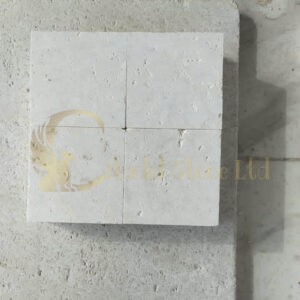
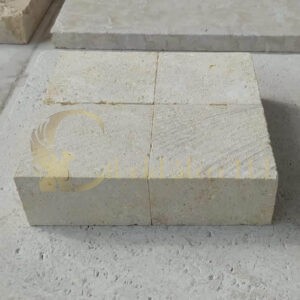
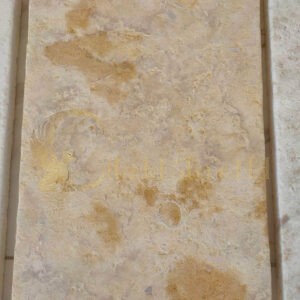
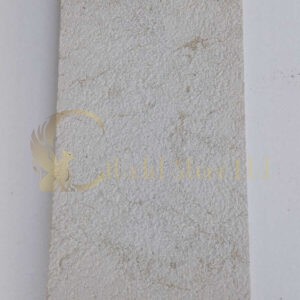
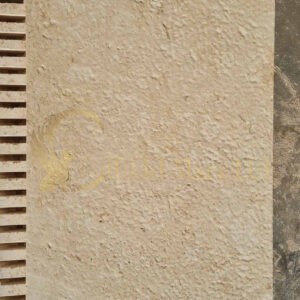
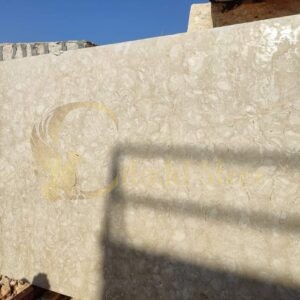
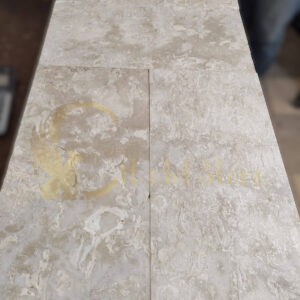
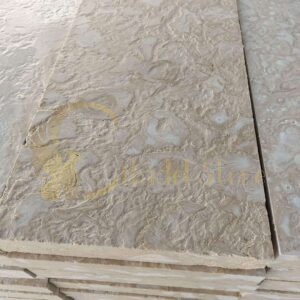
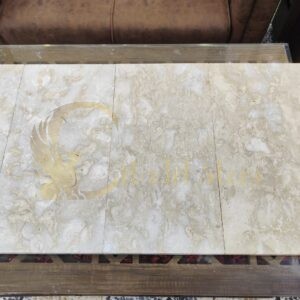
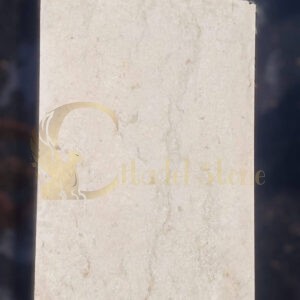
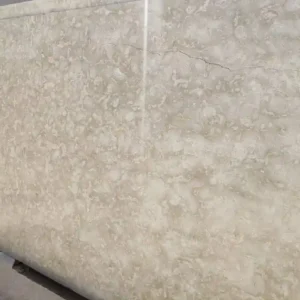
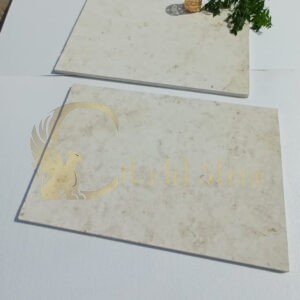
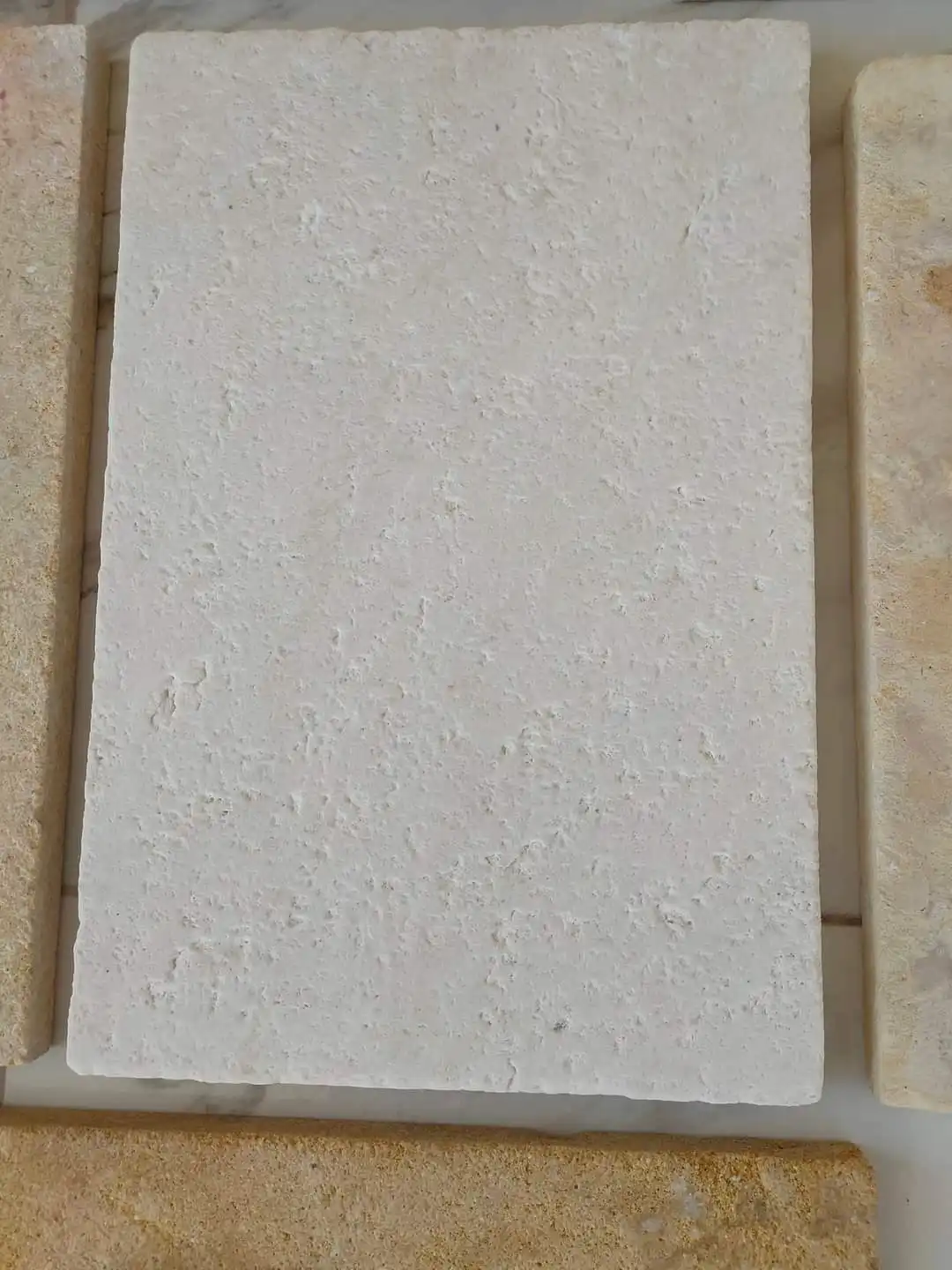
Limestone remains one of the most specified materials for large outdoor paving slabs in Arizona, and for good reason. Compressive strength in the 6,000 to 12,000 PSI range handles typical residential and light commercial traffic without issue, and the material’s natural color palette — cream, ivory, silver, buff, and warm grey tones — reflects rather than absorbs solar radiation. That thermal performance distinction matters significantly in a market where surface temperatures on dark concrete can hit 160°F in July.
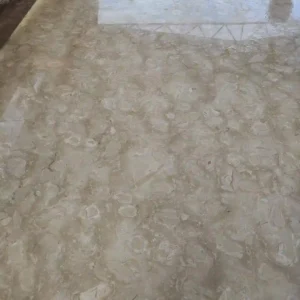
Travertine brings a different performance profile. The interconnected pore structure that gives travertine its visual texture also creates natural drainage channels that improve slip resistance in pool deck and garden applications — a detail that often gets lost when specifiers focus purely on aesthetics. For large garden patio slabs in Arizona, travertine’s surface stays meaningfully cooler than comparable granite or basalt formats, though it requires more attentive sealing in areas with hard water.
- Limestone: compressive strength 6,000–12,000 PSI, excellent reflectivity in cream and grey tones
- Travertine: natural drainage pores improve slip resistance, cooler surface temperatures than dense stone
- Granite: 15,000–25,000 PSI compressive strength, highest durability, darker shades absorb more heat
- Quartzite: excellent hardness for high-traffic large landscape pavers in Arizona, limited color range in regional supply
- Sandstone: regionally sourced, variable thickness, best for informal garden and stepping stone applications
Color and Shade Selection in Arizona’s Light Conditions
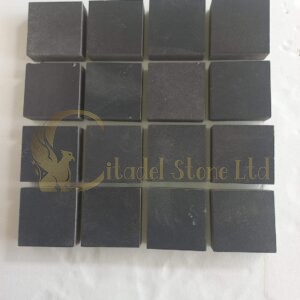
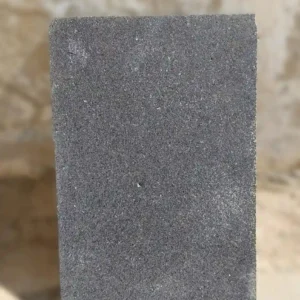
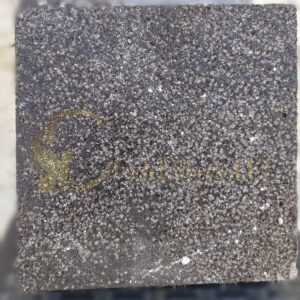
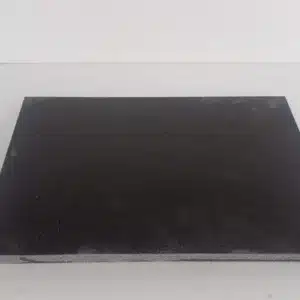
Arizona’s intense UV exposure creates a color selection dynamic that differs from what you’d encounter in the Pacific Northwest or the Southeast. Light-colored stone — cream limestone, ivory travertine, silver-grey slate — performs visually in ways that darker charcoal or graphite materials don’t. Dark stone absorbs significantly more heat, creating surface temperatures that limit barefoot usability in summer months and accelerate any sealant degradation that isn’t UV-stabilized.
The reflectivity advantage of lighter stone isn’t just comfort — it directly affects how your outdoor spaces function in summer. Projects in Scottsdale where large smooth paving slabs in light travertine or cream limestone have been installed consistently show surface temperature differentials of 25 to 35°F compared to adjacent concrete or dark stone surfaces under identical solar exposure. That’s a meaningful usability difference for any outdoor space designed for summer use.
Thickness and Structural Requirements for Large Format Stone
The thickness specification for large outdoor patio pavers is where most residential projects go wrong. The instinct is to specify the thinnest slab that passes the structural check — it’s lighter, it’s cheaper per unit, and it’s easier to handle on site. The problem is that large format stone behaves differently from smaller pavers under point loading, and the bending moment across a 36-inch span is substantially higher than across an 18-inch span at the same load.
For large patio slabs in Arizona residential applications with pedestrian and light furniture loading, 1.25 inches (30mm) is a defensible minimum on a well-compacted base. For driveway crossings, vehicle access areas, or any application where wheeled equipment will cross the surface, move to 2 inches (50mm) minimum. The extra thickness isn’t just about strength — thicker slabs are also more forgiving when minor base settlement occurs, and they’re less prone to the edge chipping that compromises the appearance of thinner large stone pavers over time.
- Pedestrian patios and garden areas: 1.25-inch (30mm) minimum on compacted base
- Driveway crossings and vehicle areas: 2-inch (50mm) minimum, bed depth adjusted accordingly
- Pool decks with pedestal systems: 0.75 to 1 inch (20–25mm) engineered tile format
- Commercial and public-access applications: consult structural engineer, typically 2.5 to 3 inches
- Edge support within 3 inches of any unsupported edge is mandatory to prevent breakage under lateral load
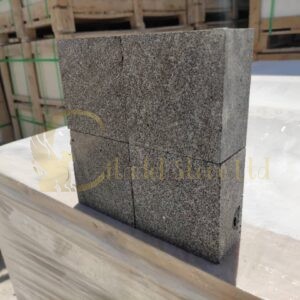
Sourced from established quarry partners, each batch of large stone paving slabs in Arizona that moves through Citadel Stone’s inventory is inspected for thickness consistency before it ships — the tolerance range is tighter than most import distributors apply, which directly affects how much grinding and shimming your installer has to do on site.
Base Preparation for Arizona Soil Conditions
Arizona soil conditions introduce base preparation challenges that don’t appear in standard paver installation guides written for the Midwest or East Coast. The three main variables you’ll encounter across the state are expansive clay soils, caliche hardpan layers, and decomposed granite subgrade — and each requires a different approach to base preparation for large paving slabs.
Expansive clay is the most problematic. Clay soils in Arizona’s valley areas absorb monsoon moisture and expand with enough force to displace sand-set slabs and crack mortared installations. The correct response isn’t just deeper compaction — it’s removing expansive material to a minimum of 8 inches and replacing it with crushed angular aggregate before any setting bed is placed. Attempting to seal over or compact through expansive clay adds labor and materials while leaving the fundamental problem in place.
Projects in Mesa frequently encounter caliche hardpan at 18 to 30 inches below finish grade. That hardpan, when properly scarified and re-compacted, actually provides an excellent structural sub-base for large landscape pavers in Arizona — it’s dense, stable, and not significantly moisture-sensitive. The challenge is drainage: caliche is essentially impermeable, so you need to design lateral drainage paths rather than relying on percolation. Missing that detail leads to standing water under the base course during monsoon events, which destabilizes the setting bed regardless of how well it was compacted initially.
Setting Bed and Joint Options for Large Slabs
The setting bed choice for large outdoor slabs in Arizona comes down to a straightforward trade-off between flexibility and long-term stability. Sand-set installations accommodate minor base movement without transferring stress to the slab, but they require regular joint sand maintenance — particularly after monsoon events that wash fine material from open joints. Mortar-set installations on a concrete sub-base eliminate joint maintenance but create a rigid system that concentrates any sub-base movement into crack stress at the slab or mortar interface.
For most Arizona residential patios using large garden pavers or large patio stones, a hybrid approach using a dry-pack mortar setting bed with polymeric sand joints hits the right balance. The dry-pack bed provides a stable, adjustable surface during installation, and polymeric sand resists the washout that standard joint sand experiences during heavy monsoon rainfall. Joint width for slabs over 24 inches should be maintained at a minimum of 3/8 inch to accommodate the thermal expansion cycles these surfaces experience between winter mornings and midsummer afternoons — a range that can span 80 to 100°F in Phoenix and surrounding communities.
- Sand-set: flexible, accommodates movement, requires seasonal joint sand maintenance
- Mortar-set on concrete: rigid, eliminates maintenance, concentrates movement stress
- Dry-pack hybrid: best combination of stability and adjustment tolerance for large format stone
- Polymeric sand joints: resist monsoon washout better than standard joint sand
- Minimum joint width: 3/8 inch for slabs over 24 inches in desert heat climates
- Expansion joints at perimeter and every 15 feet in field runs to manage thermal cycling
Sealing and Maintenance Protocols for Desert Conditions
The sealing frequency that works in coastal climates doesn’t translate to Arizona — UV intensity and thermal cycling accelerate sealant breakdown faster than the 3-to-5-year schedules often printed on product containers. For projects requiring complementary stone elements and ongoing maintenance planning, Large Paving Slabs from Citadel Stone covers sealing schedules and maintenance specifications that apply directly to Arizona’s desert climate conditions, including product-specific guidance for limestone and travertine formats.
In practice, penetrating impregnator sealers applied to large patio paving slabs in Arizona need inspection at 18 months and reapplication at 24 to 30 months in Zones 9 and 10 exposure conditions. Topical sealers — acrylic, polyurethane, and epoxy-based products — break down even faster in high UV environments and tend to create surface whitening and peeling at year two or three. The penetrating impregnator approach protects without creating a surface film that the desert sun degrades visibly.
Projects in Flagstaff operate in a different sealing environment entirely. Elevation introduces genuine freeze-thaw cycling that demands a breathable impregnator — one that allows vapor transmission — rather than a vapor-barrier sealer. The wrong sealer choice in freeze-thaw conditions traps moisture in the stone’s pore structure, and the expansion pressure from repeated freezing causes spalling and surface delamination within two to three winters.
Application Contexts: Patios, Gardens, and Landscape Installations
Large natural pavers in Arizona serve applications that span from intimate residential courtyard gardens to expansive commercial plaza surfaces, and the specification requirements shift considerably across that range. Understanding which application category your project falls into determines format selection, thickness requirements, and joint treatment choices before you get into material type or color selection.
Residential patio applications — what most buyers mean when they search for large patio blocks or large patio squares in Arizona — typically involve areas between 300 and 2,000 square feet with pedestrian and light furniture loading. These projects are well-served by 24×24 or 24×36 formats in 1.25-inch to 1.5-inch thickness, with the larger format delivering the clean, contemporary aesthetic that’s dominated residential outdoor design specifications across Arizona for the past decade.
Garden and landscape applications introduce different constraints. Large garden paving slabs in Arizona set in planted areas need to accommodate root expansion and seasonal soil movement differently than patio surfaces. Wider joints — 3/4 inch to 1 inch — filled with decomposed granite or ground cover allow drainage and accommodate movement without requiring rigid base preparation. Large slabs for garden stepping paths perform best when set slightly below surrounding grade, which keeps edges from catching foot traffic and reduces trip hazard risk over time.
- Residential patios: 24×24 or 24×36 formats, 1.25–1.5-inch thickness standard
- Garden and landscape paths: wider joints, lower set height, flexible base preferred
- Pool deck surrounds: travertine or tumbled limestone for slip resistance and heat management
- Commercial plazas: 2-inch minimum thickness, engineered base design, mortar-set installation
- Driveway borders and yard pavers in Arizona: 2-inch to 2.5-inch thickness for vehicle proximity areas
- Outdoor kitchen and dining areas: tighter joints, sealed surface for ease of cleaning
Sourcing Verification and Material Authentication in Arizona
The Arizona stone market has a counterfeit and misrepresentation problem that experienced buyers have learned to navigate but new buyers often encounter the hard way. Material sold as natural limestone occasionally turns out to be reconstituted aggregate or low-density manufactured product — visually similar at point of purchase, dramatically different in field performance. Verifying authentic material before your purchase is not optional for projects where long-term performance matters.
Authentic large format stone pavers in Arizona should come with documentation that traces material origin — quarry source, country of origin, and material classification. Physical verification steps include water absorption testing (natural limestone absorbs water noticeably and quickly; dense manufactured product often beads), edge inspection for consistent crystal structure rather than uniform aggregate distribution, and thickness measurement across multiple points on the same slab. Thickness variation greater than 3mm across a single large slab indicates either quarry variability or reconstituted material cast in molds.
You should also verify warehouse stock physically matches sample tiles — batch-to-batch color and shade variation in natural stone is real, and a sample approved six months before delivery may not match the batch that arrives on the truck. Requesting that your supplier pull comparative photos of the specific warehouse lot before shipping is a reasonable ask for any project where color consistency drives the aesthetic specification.
- Request material origin documentation: quarry source, country, material classification
- Perform water absorption test: natural stone absorbs quickly, manufactured product often doesn’t
- Inspect edges for consistent crystal structure versus uniform aggregate distribution
- Measure thickness variation across each slab: greater than 3mm suggests quality control issues
- Request warehouse lot photos to verify color match to approved samples before truck dispatch
- Ask for test reports to ASTM C503 (marble) or ASTM C568 (limestone) classification standards
Buy Large Paving Slabs in Arizona — Wholesale from Citadel Stone
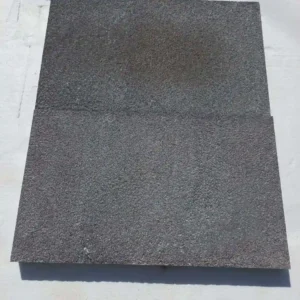
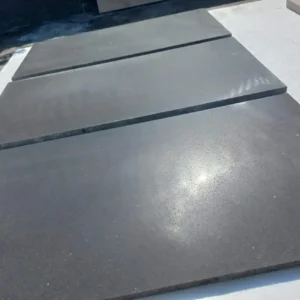
Citadel Stone stocks large paving slabs in Arizona in standard formats including 24×24, 24×36, and 36×36 — available in limestone, travertine, and quartzite across cream, ivory, buff, silver-grey, and charcoal shade ranges. Thickness options run from 1.25-inch (30mm) for residential pedestrian applications through 2-inch (50mm) for vehicle-adjacent and commercial specifications. You can request sample tiles and full thickness specification sheets before committing to a quantity order — that’s a standard part of the pre-purchase process for wholesale and trade accounts.
Trade and wholesale enquiries receive pricing structured around full pallet and full truck quantities, which is where the per-square-foot cost on large paving slabs for sale in Arizona becomes genuinely competitive relative to retail alternatives. For projects requiring custom cuts — L-shapes, curved radius edges, or non-standard formats — Citadel Stone’s team can advise on fabrication lead times and minimum order requirements. Delivery coverage extends across Arizona with standard lead times of one to two weeks from warehouse inventory for in-stock product.
To get current pricing, confirm stock availability, or schedule a material consultation for your project, contact Citadel Stone directly with your format, thickness, quantity, and delivery location. Beyond large outdoor paving slabs, your Arizona project may also benefit from related hardscape materials — Granite Driveway Slabs in Arizona covers another dimension of Arizona stone specification that’s worth reviewing if your project includes driveway or heavy-traffic surfaces. Homeowners in Flagstaff, Sedona, and Yuma source Large Paving Slabs through Citadel Stone for Arizona residential and commercial installations.