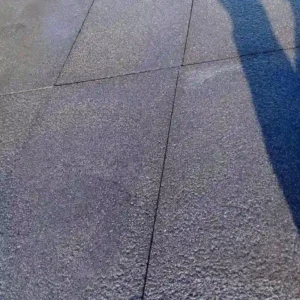
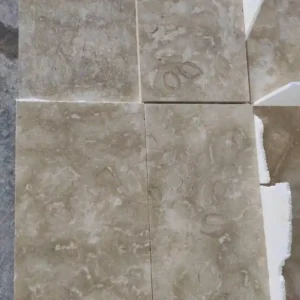

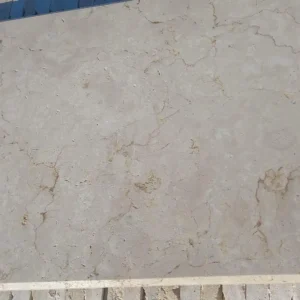
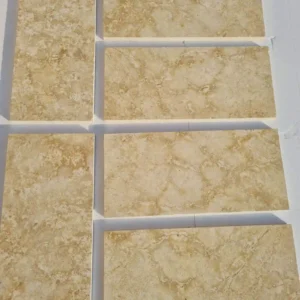










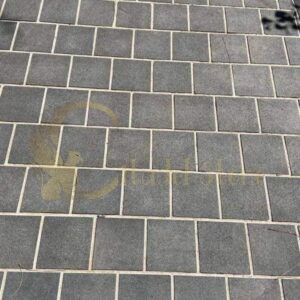

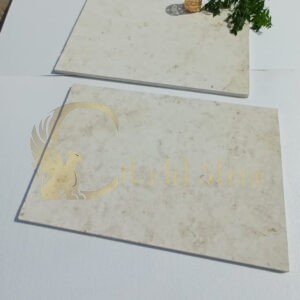
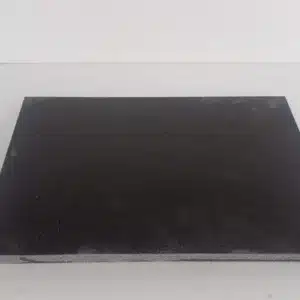
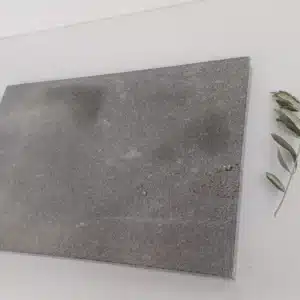




Base geometry is the variable that separates a flawless Extra Large Patio Slabs in Arizona installation from one that fails within five years — and in Arizona, base geometry is dictated almost entirely by terrain. Whether you’re working on a sloped lot in the elevated ponderosa zones or a mesa-edge property with decomposed granite underlays, the way your site sheds water determines every specification decision that follows. Extra large patio slabs amplify every drainage miscalculation because their surface area traps standing water over wider footprints than standard-format pavers, meaning a 1% cross-slope error that’s inconsequential at 12×12 becomes a genuine ponding problem at 24×48.
How Arizona’s Terrain Shapes Your Drainage Design
Arizona’s elevation profile is one of the most varied in the continental United States — you can move from desert basin floor at 1,100 feet to forested plateau at 7,000 feet within a two-hour drive. That range creates wildly different drainage realities that directly affect how you detail your slab base. In the low desert basins around Phoenix, the predominant challenge is caliche — a calcium carbonate hardpan that forms impermeable layers anywhere from 8 to 30 inches below grade, effectively creating a buried bathtub under your slab installation. You’ll need to either perforate through the caliche or design surface drainage that moves water away before it has any chance of saturating the base course.
At higher elevations, the problem shifts from caliche to freeze-thaw heave and clay expansion. Expansive soils in transitional zones between desert scrub and mountain terrain can generate uplift pressures exceeding 1,500 pounds per square foot — enough to crack a 3-inch slab if your compacted base isn’t isolating the pavers from subgrade movement. Your aggregate base needs to act as both a drainage layer and a buffer between the stone and the ground beneath it.
- Low desert sites below 2,000 feet: focus on caliche perforation and surface slope of 1.5–2% minimum
- Transitional zones between 2,000 and 4,500 feet: address expansive soil moisture retention and base depth of 8–12 inches compacted
- High elevation sites above 4,500 feet: plan for freeze-thaw cycles and use open-graded aggregate that drains freely rather than retaining moisture
- Sloped terrain regardless of elevation: install perimeter drainage channels before laying aggregate base — retrofitting drainage after the fact costs three times more than doing it right the first time
Why Extra Large Patio Slabs Perform Differently on Challenging Terrain
The physics of large-format stone on variable terrain are worth understanding before you commit to a specification. Extra large garden slabs in Arizona — typically running from 24×24 inches up to 48×48 inches or even larger custom cuts — behave as semi-rigid plates rather than individual interlocking units. That means they bridge micro-variations in your base rather than conforming to them, which is actually an advantage on well-prepared ground but a significant liability if your base has soft spots or inconsistent compaction.
For projects on sloped sites, this plate behavior works in your favor when you’re trying to maintain clean linear drainage geometry. A properly bedded giant paving slab will carry water in the direction you’ve specified by its own surface slope, rather than creating the irregular micro-pooling you sometimes see with smaller unit pavers. You’re essentially controlling surface hydrology at the design stage rather than hoping individual paver orientations average out to something functional.
- Minimum slab thickness for unsupported spans over soft subgrade: 2.5 inches nominal (60mm), not the 1.5-inch thickness appropriate for fully supported pedestrian areas
- Bedding layer consistency: tolerance of plus or minus 3mm across the full slab footprint — inconsistent bedding causes stress concentration and edge cracking under foot traffic
- Joint width for giant paver stones in Arizona: 8–12mm minimum to allow thermal expansion and differential movement without contact pressure between units
- Edge restraint at all perimeter locations: steel or aluminum edging pinned at 24-inch maximum spacing to prevent lateral migration on sloped terrain
Selecting the Right Material for Arizona Site Conditions
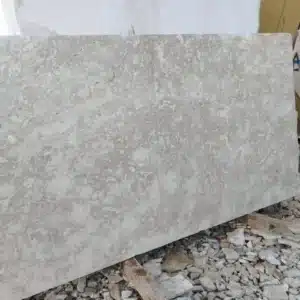
Extra large patio stones in Arizona perform best when the material’s thermal and moisture characteristics match your specific elevation zone. Natural stone — limestone, travertine, basalt, and sandstone variants — each respond differently to Arizona’s combination of UV intensity, temperature swing, and moisture events. Here’s what matters for terrain-specific applications.
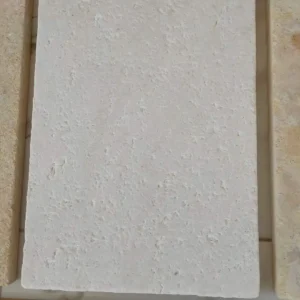
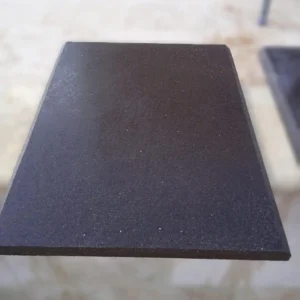
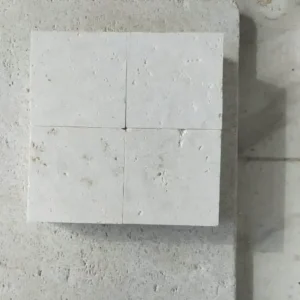
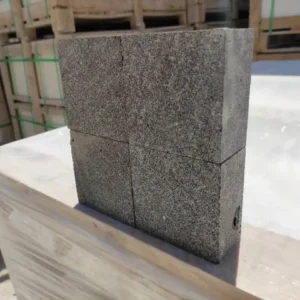
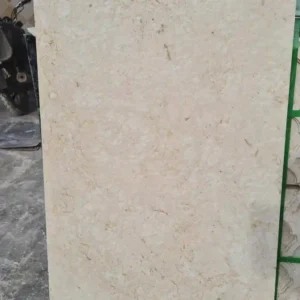
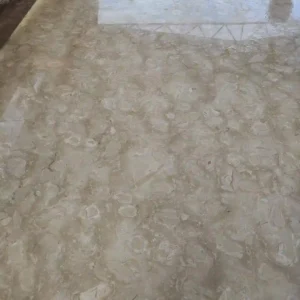
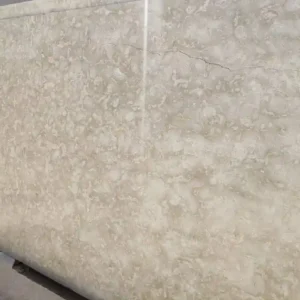
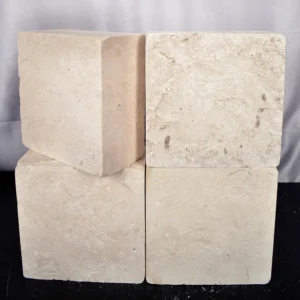
Limestone and travertine are the workhorses for low-desert patio applications. Their interconnected pore structure means absorbed water migrates through the material rather than sitting at the surface, which reduces hydraulic pressure during the monsoon saturation-drying cycles that characterize Phoenix and Tucson summers. Dense-cut limestone in a 40mm (1.5-inch) thickness handles residential pedestrian loads without issue and provides enough thermal mass to moderate surface temperature during peak afternoon exposure.
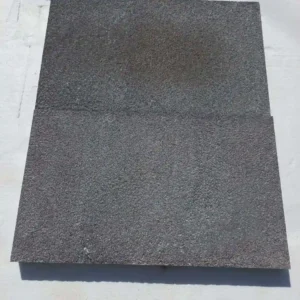
For elevated sites where you’re dealing with freeze-thaw stress, basalt and hard sandstone offer better performance because their lower porosity reduces the amount of water that can penetrate and expand during freeze cycles. Citadel Stone sources these materials from quarry partners with documented freeze-thaw testing data — you can request specification sheets that include ASTM C880 flexural strength and water absorption figures before finalizing your material selection.
- Limestone: water absorption 0.5–4% by mass depending on density classification; best suited to elevations below 4,000 feet
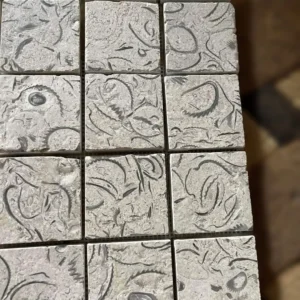
- Travertine: filled varieties outperform unfilled in wet conditions because unfilled voids accumulate sediment and create uneven surface drainage
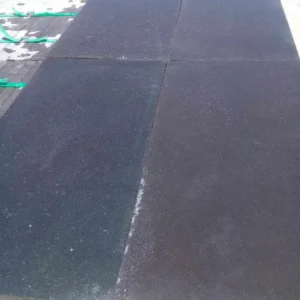
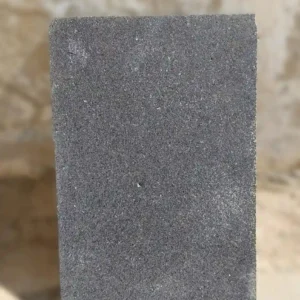
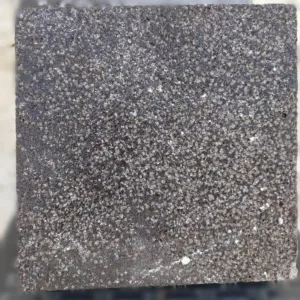
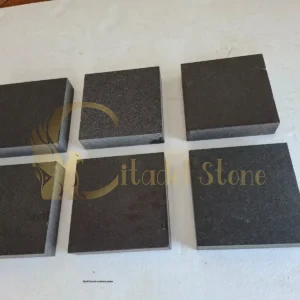
- Basalt: water absorption typically below 0.5%; recommended for high-elevation installations where freeze-thaw rating matters
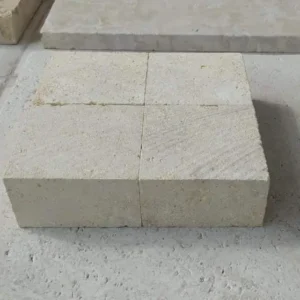
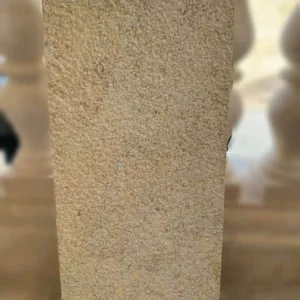
- Sandstone: highly variable by quarry source; always request specific gravity and absorption data before specifying for Arizona high-desert conditions
Base Preparation for Sloped and Elevated Sites
Your base preparation on a sloped Arizona site needs to accomplish three things simultaneously: establish a stable compacted platform, create positive drainage geometry, and accommodate the differential settlement that any engineered fill will experience in the first 12 to 18 months. Most field failures with extra large patio blocks in Arizona trace back to shortcuts in this stage, not to material quality or surface treatment.
Start by establishing your finished surface drainage geometry before you touch the subgrade. On sites with natural slope, you’ll typically work with 1.5–2% surface fall toward a defined collection point or channel. On flat sites — particularly common in Phoenix metro developments where lots are graded level before construction — you need to build the drainage geometry entirely within your base, which means a tapered compacted aggregate layer running from 6 inches at the high point to 10 inches at the low point. That’s more aggregate than most residential specs call for, but it’s the only way to achieve reliable surface drainage without topographic help.
Projects in Scottsdale and surrounding areas frequently encounter caliche within the excavation depth, and once you hit caliche, the compaction dynamics change. A properly perforated caliche layer with angular aggregate packed into the perforations actually provides superior bearing capacity compared to undisturbed decomposed granite — you just need to verify there are no perched water zones developing above any intact caliche sections.
- Subgrade preparation: proof roll with loaded equipment before placing aggregate; any deflection greater than 0.5 inches indicates unsuitable subgrade requiring replacement or stabilization
- Aggregate base: 3/4-inch crushed angular aggregate, compacted in maximum 4-inch lifts to 95% Standard Proctor density
- Bedding layer: 1-inch maximum of coarse sand or fine aggregate — NOT screenings, which compact under rain and lose drainage function
- Drainage fabric: non-woven geotextile at the subgrade interface prevents fine migration into the aggregate base over time
For specification support on base depth calculations relative to your site’s soil bearing capacity, Citadel Stone’s technical team can advise on load-transfer assumptions based on the slab format and expected use — it’s the kind of detail that’s worth confirming before your materials ship from the warehouse rather than after the slab is down.
Giant Paving Slabs for Outdoor Living Areas — Format and Finish Choices
The format decision for giant stone pavers goes beyond aesthetics. On terrain-challenged sites, the aspect ratio of your slab affects how tolerant the installation is of base settlement and how effectively it channels surface water. A square 36×36 slab bridges base variations symmetrically and suits omnidirectional drainage designs. A rectangular 24×48 format creates directional drainage channels along its long axis — useful when you need to move water efficiently toward a specific outlet on a sloped site. Extra large pavers outdoor patio layouts in Arizona benefit from this rectangular geometry on any lot with more than 2% natural fall.
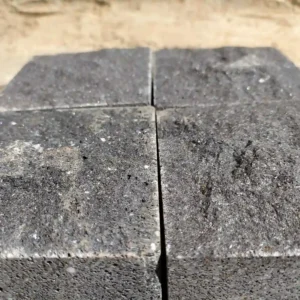
Surface finish is the other decision that intersects with terrain and drainage. Sawn and honed finishes look exceptional but require you to maintain cross-slope geometry precisely — a smooth surface at 0.5% slope will sheet water effectively, but at 0% slope it will hold standing water that’s visible and potentially hazardous. Textured or flamed finishes provide inherent slip resistance that gives you more margin on slope geometry, and they tend to show less surface staining from the iron-rich water that runs off decomposed granite in many Arizona locations.
- Honed finish: requires minimum 1.5% surface slope to drain effectively; shows water marks but maintains color depth
- Flamed or brushed finish: functional at 1% slope; provides Class 1 slip resistance per AS 4586 when tested wet
- Sawn face with textured top: the standard commercial spec for Arizona pool surrounds and terrace areas — balances aesthetics with drainage practicality
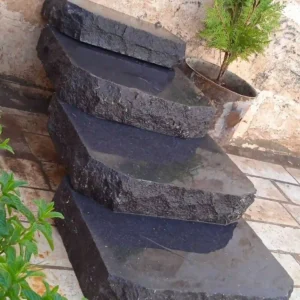
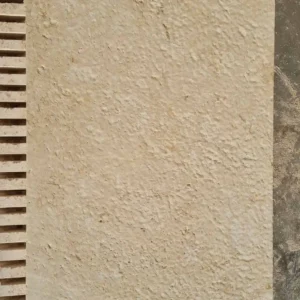
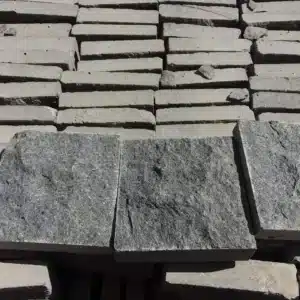
- Split-face large-format stone: avoid on primary patio surfaces due to irregular bearing points; better suited for feature walls and step risers
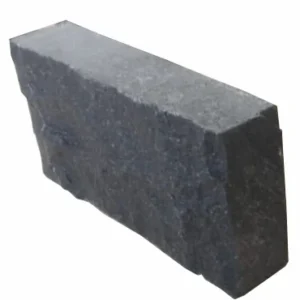
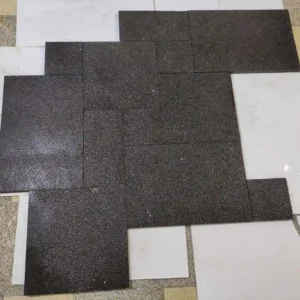
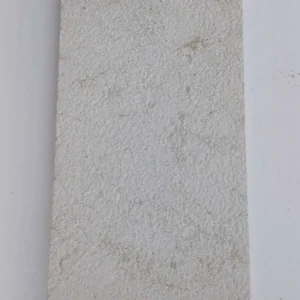
Grand stone pavers in the 24×48 and larger formats are available from Citadel Stone in standard thicknesses of 30mm (1.2 inches), 40mm (1.6 inches), and 60mm (2.4 inches). For elevated site applications with vehicle overhang or heavy planter loading, specifying the 60mm thickness adds meaningful resistance to edge breakage during base settlement. Garden large slabs in Arizona at this thickness also perform reliably under the thermal cycling that high-desert sites impose across seasons. You can request sample tiles in your preferred finish and thickness from Citadel Stone before confirming your order — it’s the most effective way to verify color consistency with existing site materials.
Drainage Design and Joint Detailing for Large-Format Slabs
Joint detailing on extra large pavers outdoor patio installations carries more structural consequence than most residential specs acknowledge. The joint isn’t just a gap between units — it’s a pressure relief mechanism, a drainage pathway, and a maintenance access point. Getting joint width, fill material, and layout geometry right is the difference between a patio that performs for 25 years and one that starts lifting and cracking at year eight.
For Arizona applications, polymeric sand is the standard joint fill for most patio installations, but it has a meaningful limitation on sloped terrain: it requires adequate surface drainage away from the joints to prevent rehydration and washout during monsoon events. On sites with slopes greater than 3%, consider a dry-packed mortar joint for the perimeter course of giant pavers in Arizona, with polymeric sand filling the field joints. This combination locks your perimeter geometry while maintaining some flexibility in the field.
Think carefully about the intersection of giant paving slabs with any drainage structures — channel drains, area drains, and cleanouts. The slab’s semi-rigid plate behavior means you need clean, straight saw cuts at drain edges rather than trying to fit cut pieces around irregular shapes. Plan drain locations in your design layout before finalizing slab module sizes, not after.
- Expansion joint spacing: every 15–20 linear feet using 10mm compressible backer rod and flexible sealant — do not rely on polymeric sand to absorb thermal expansion across large field areas
- Drain edge cuts: always cut with a wet diamond blade at minimum 1/4-inch clearance from drain frame to allow independent settlement
- Monsoon preparation: slope surface minimum 1.5% away from structure foundations; 2% preferred on level lots where you’re creating drainage geometry from scratch
- Joint sand depth: fill to within 3–4mm of the surface — under-filled joints allow debris accumulation that restricts drainage over time
Sealing and Maintenance on Arizona’s Variable Terrain
Sealing extra large patio slabs in Arizona is a terrain-dependent decision, not a universal recommendation. In the low desert, a penetrating impregnator sealer applied every two to three years controls the efflorescence that develops when mineral-rich groundwater moves through your base and evaporates at the slab surface. That’s a genuine performance benefit, not just cosmetic. At higher elevations where freeze-thaw cycling occurs, sealing reduces the porosity available for water infiltration, which directly lowers the hydraulic pressure that drives freeze-related spalling.
In Flagstaff and other high-elevation Arizona locations, you’re dealing with a fundamentally different maintenance cycle than Tucson or the Phoenix metro. Freeze-thaw stress means your sealing schedule should shift to annual application on north-facing and shaded surfaces where moisture lingers longest. Exposed south-facing surfaces in Flagstaff need UV-stable sealers that won’t degrade before the next application cycle — standard silane-siloxane formulas designed for southern climates typically fail in 12–18 months at elevation due to the combination of UV intensity and temperature cycling that those products aren’t rated for.
- Low-desert application: penetrating impregnator, every 2–3 years, applied to clean dry surface above 55°F
- High-elevation application: UV-stable impregnator with documented freeze-thaw performance, annual application on shaded surfaces
- Avoid topical sealers (film-forming) on outdoor patio stone in Arizona — UV degradation creates a peeling surface film within 18 months in most low-desert exposures
- Test sealer compatibility with your specific stone on a sample before full application — basalt and dense limestone may require different sealer chemistry than travertine
Buy Extra Large Patio Slabs in Arizona — Wholesale from Citadel Stone
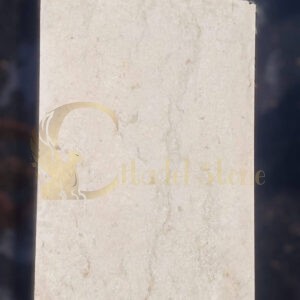
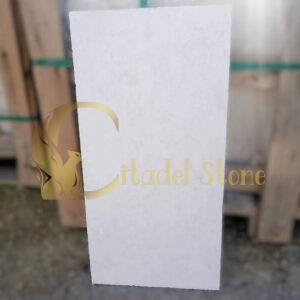
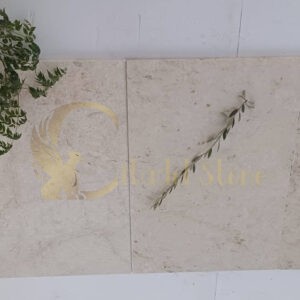
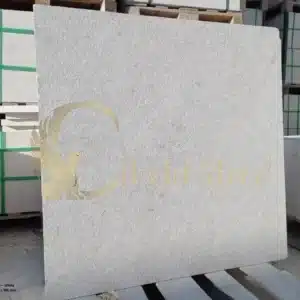
Citadel Stone stocks extra large patio slabs across multiple material types and format sizes for immediate delivery to Arizona projects. Available formats include limestone, travertine, basalt, and sandstone in standard sizes from 24×24 inches through 48×48 inches, with custom cut options available for larger-format requirements on commercial and high-end residential work. Thickness options run from 30mm through 60mm to cover pedestrian, light commercial, and elevated-load applications. At Citadel Stone, we work directly with quarry partners on batch consistency, which means the samples you approve match what arrives on the truck — a detail that matters significantly when you’re specifying color-matched large-format stone across an entire outdoor living area.
Lead times from warehouse stock typically run one to two weeks for standard formats across Arizona delivery zones. For custom cuts or non-standard thickness specifications, plan for an additional two to three weeks depending on quarry availability. Trade accounts and wholesale enquiries can be handled through Citadel Stone’s commercial team, who can provide pricing per square foot at project quantities and coordinate staged deliveries for phased installations. You can request material samples and specification sheets — including ASTM absorption and flexural strength data — before committing to your order.
Your Arizona project site’s terrain and drainage requirements should drive the specification conversation from the start. As you finalize your material selections and complementary hardscape elements, the detailing at slab boundaries matters as much as the field installation — Grey Edging Blocks in Arizona covers another important dimension of Arizona stone project detailing that connects directly to how large-format slabs are finished at boundaries and transitions. Homeowners in Flagstaff, Sedona, and Yuma source Extra Large Patio Slabs through Citadel Stone for Arizona residential and commercial installations.