












Why Tumbled Stone Pavers Fit Arizona’s Design Traditions
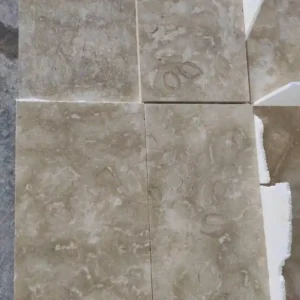
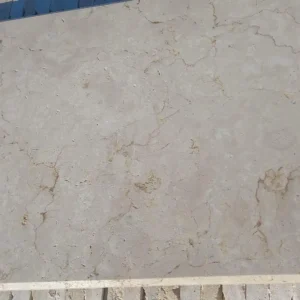
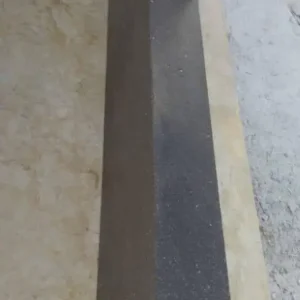
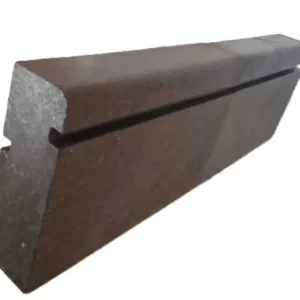
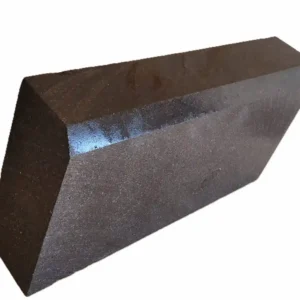
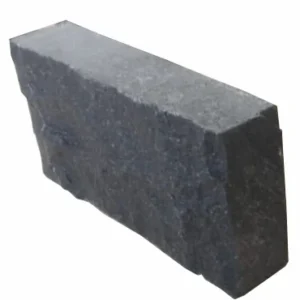
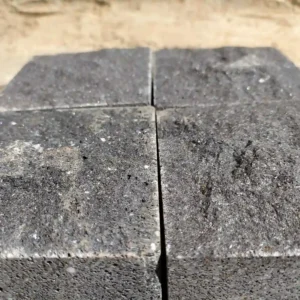
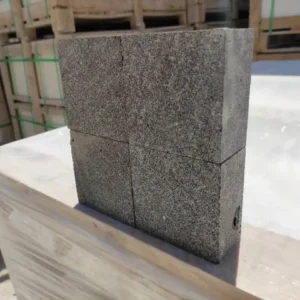
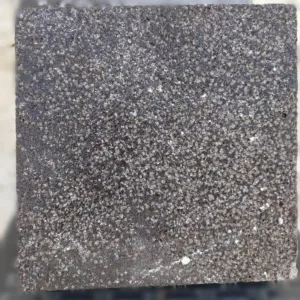
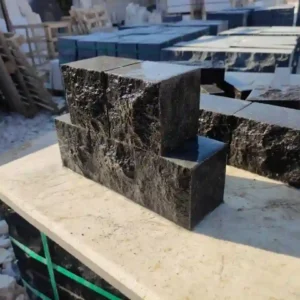
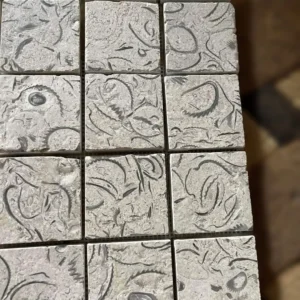
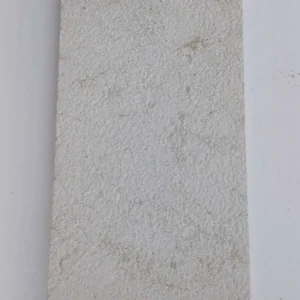
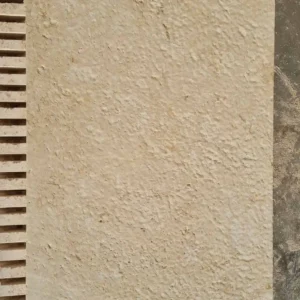
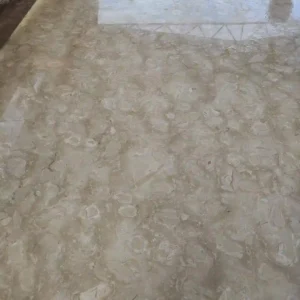
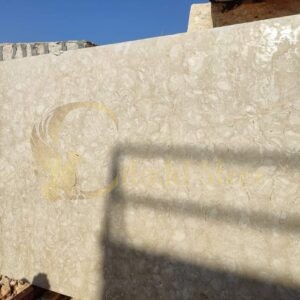
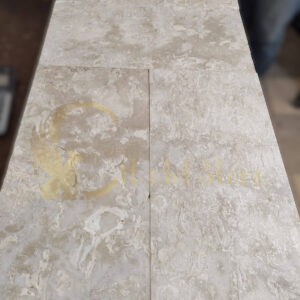
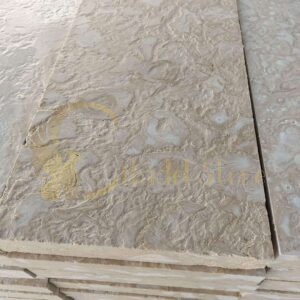
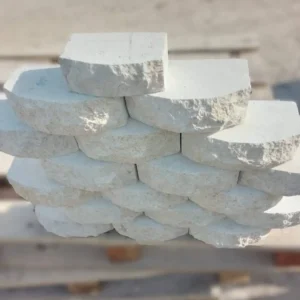
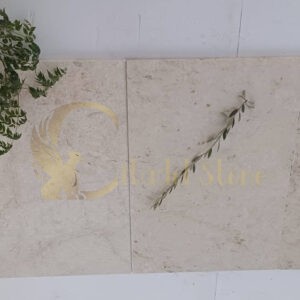
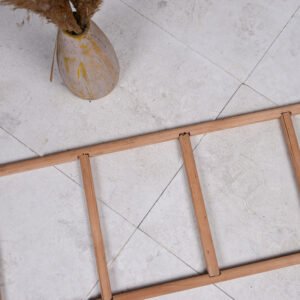
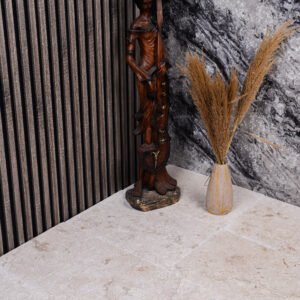
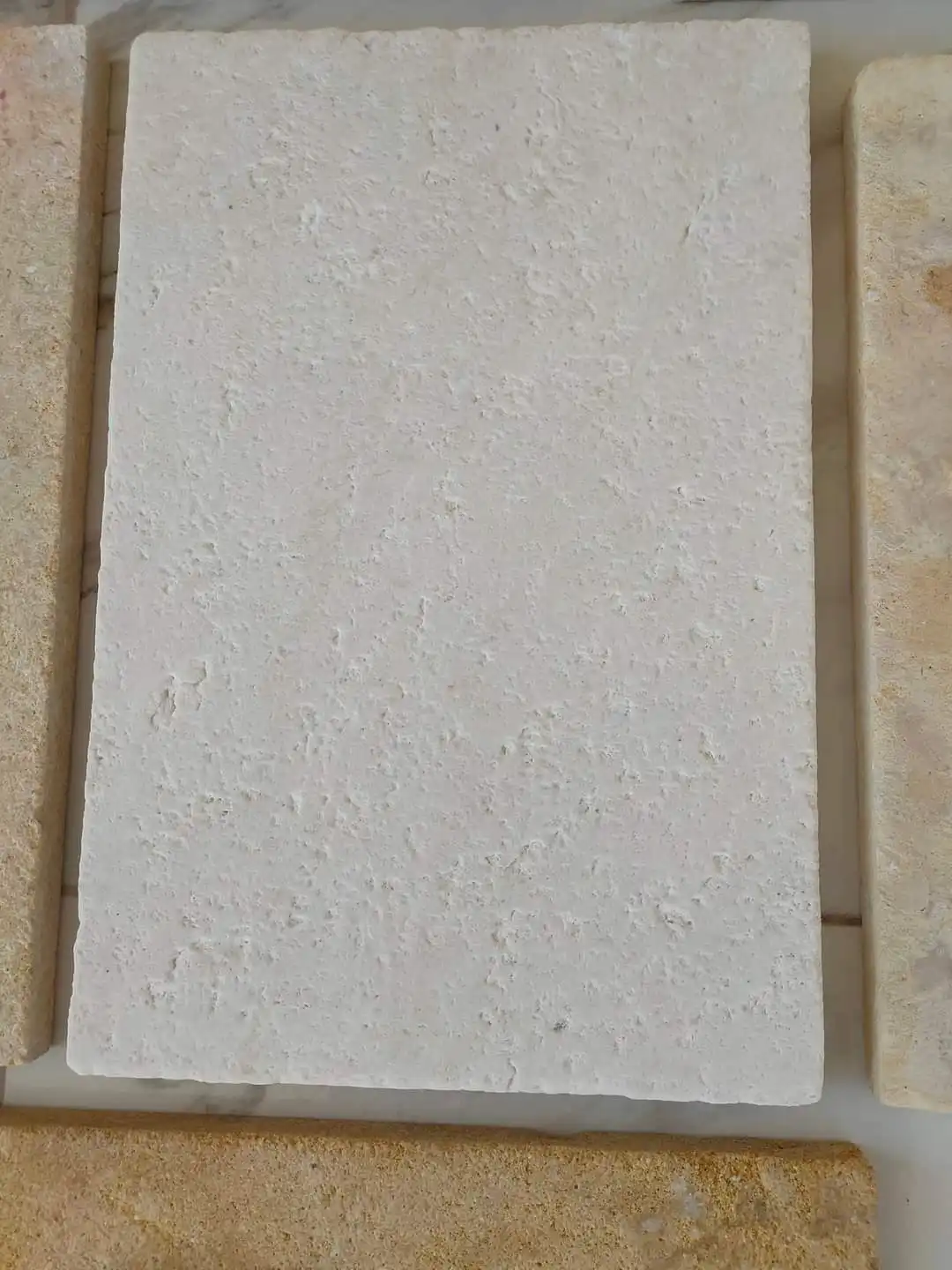
Tumbled Stone Pavers in Arizona carry a design logic rooted in centuries of Southwestern building tradition — the rounded edges and weathered faces aren’t a stylistic affectation but a direct response to a regional aesthetic language that spans Spanish Colonial, Pueblo Revival, and contemporary desert modernism. All three traditions share a preference for materials that look like they belong to the land rather than imported from a catalogue. The mechanical tumbling process mimics decades of natural wear, producing a surface texture and patina that reads as genuinely site-specific rather than freshly manufactured, which is why the material continues to dominate high-quality Arizona residential and commercial paving specifications.
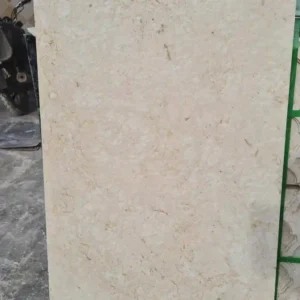
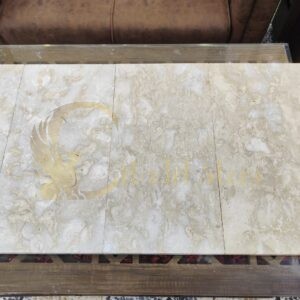
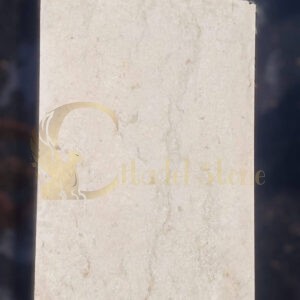
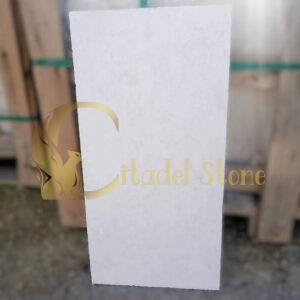
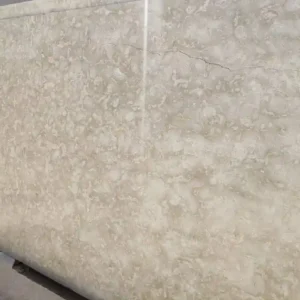
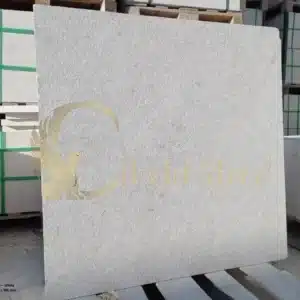
Citadel Stone works directly with quarry partners to source tumbled stone that matches the warm ochre, terracotta, and sandstone palettes that define Arizona residential and commercial design. Each batch is inspected for colour consistency before it leaves the warehouse, which matters more than most people realize — a single pallet with inconsistent colour variation can throw off an entire courtyard layout when the tones are supposed to blend with adobe walls or stucco exteriors.
The material’s naturally uneven surface also reduces the visual formality that polished or sawn stone projects. For Scottsdale residential projects where the design goal is relaxed luxury rather than corporate precision, that quality is genuinely valuable — it’s hard to achieve with machine-cut pavers regardless of how carefully you lay them.
Colour and Finish Varieties for Arizona Projects
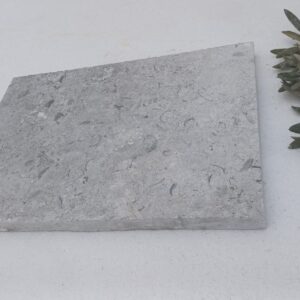
Selecting the right colour for a tumbled paver patio in Arizona comes down to understanding how desert light interacts with stone surface tone. The intense southwestern sun flattens contrast and bleaches warm tones over time, so you need to spec a shade that builds in enough depth to remain visually rich after years of UV exposure. Tumbled bluestone pavers in Arizona are a strong performer on this front — their blue-grey base tone shifts toward a warm silver under direct afternoon sun, which pairs exceptionally well with the warm neutrals of stucco and the deep greens of desert plantings like agave and palo verde.
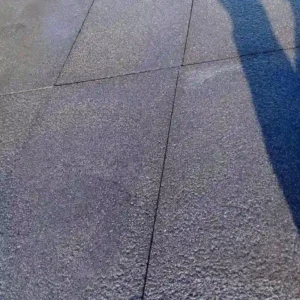
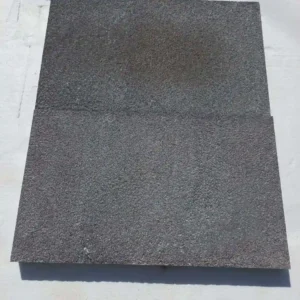
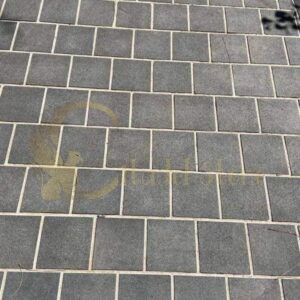
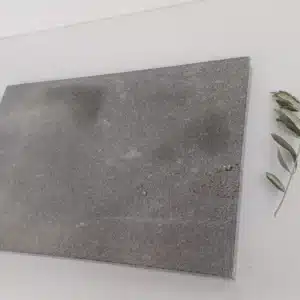
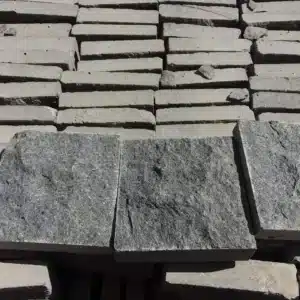
Tumbled block paving grey in Arizona is another specification that holds up visually in high-UV conditions. The grey palette reads as contemporary and clean against the raw desert backdrop, and it complements the corrugated metal, weathered wood, and exposed concrete elements common in modern desert architecture. Here’s what often gets overlooked with grey tones: lighter greys reflect significantly more solar radiation than darker alternatives, which translates to a measurable surface temperature difference — something worth factoring into outdoor seating areas.
The main colour families to evaluate include:
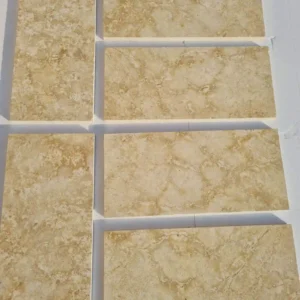
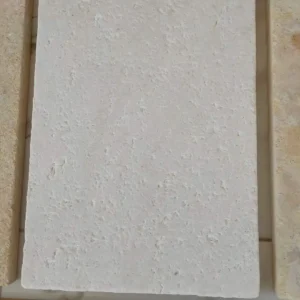
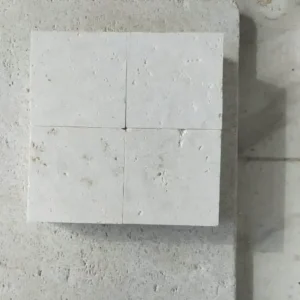
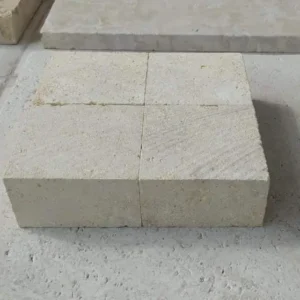
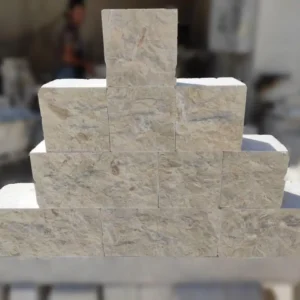
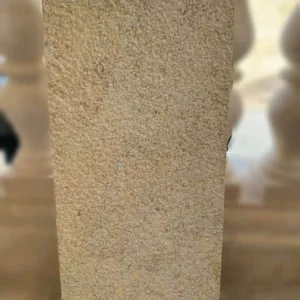
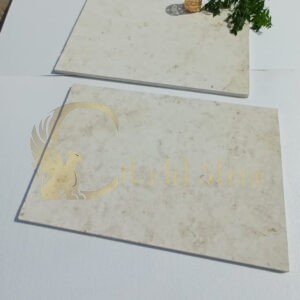
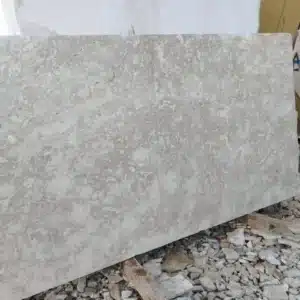
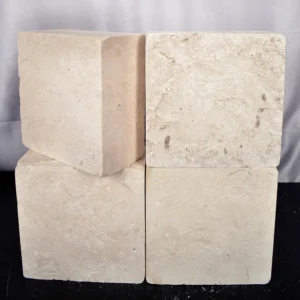
- Warm buff and sandstone tones that echo the natural desert floor and integrate with traditional Pueblo or Spanish Revival architecture
- Tumbled bluestone patio shades in grey-blue that provide a cooler visual temperature while maintaining natural stone character
- Mixed or blended palettes that combine multiple tumbled tones for a mosaic effect unique to artisan-style installations
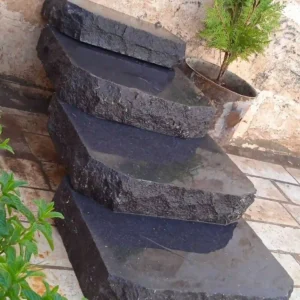
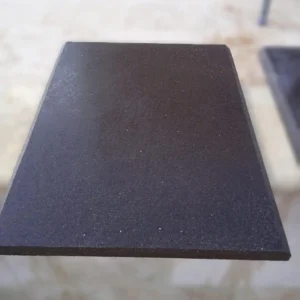
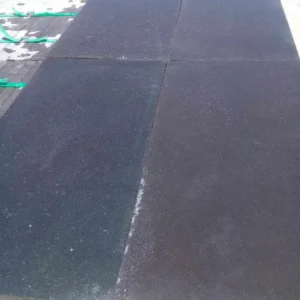
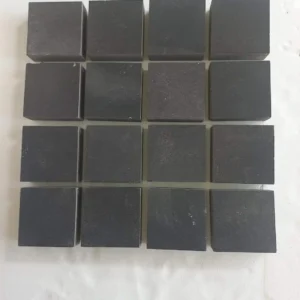
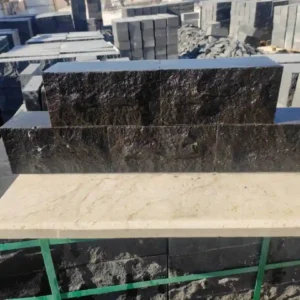
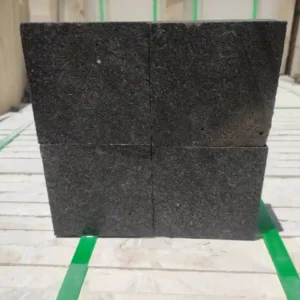
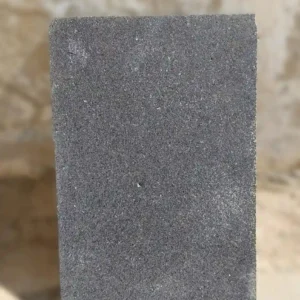
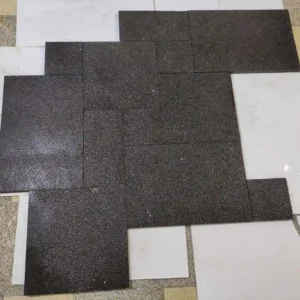
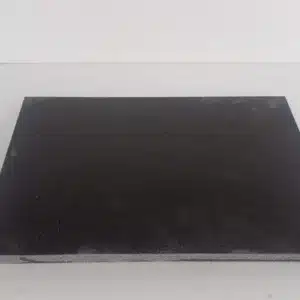
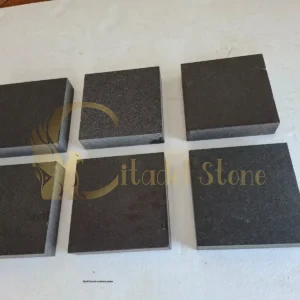
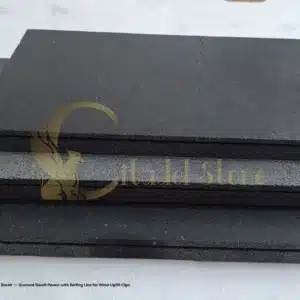
- Charcoal and darker grey finishes suited to contemporary desert modernism where contrast with light stucco is intentional
Citadel Stone stocks tumbled stone patio pavers in multiple colour ranges and can provide physical samples before you commit to a full project order. Reviewing samples on-site under actual Arizona light conditions — rather than in a showroom under artificial lighting — is the only reliable way to confirm colour selection before truck delivery.
Tumbled Stone Performance in Arizona Heat
The thermal dynamics of natural stone in Arizona’s climate deserve more attention than most specification documents give them. Surface temperatures on exposed hardscape in Phoenix regularly exceed 160°F in summer, and the material you select either stores that heat or reflects it. Dense natural stone like basalt or blue limestone sits higher on the thermal mass scale, which means it absorbs heat through the day and releases it into the evening hours — a behaviour that can extend the usable temperature window on a shaded patio but becomes uncomfortable on open sun-exposed pool decks.
Tumbled driveway pavers in natural stone typically run 20–35°F cooler than equivalent concrete surfaces under identical solar exposure. The combination of surface texture and stone’s lower emissivity compared to concrete is responsible for this difference. For a driveway surface in Tempe or Mesa, that’s not a minor comfort consideration — it’s the difference between a surface you can walk barefoot across in early evening and one that remains dangerous.
Thermal expansion is the other performance variable that field performance data consistently shows gets underspecified. Natural stone pavers expand at approximately 4–6 × 10⁻⁶ per °F depending on mineralogy. In Arizona’s 100°F+ seasonal temperature swing, that adds up to meaningful movement across a large patio or driveway installation. Expansion joints every 12–15 feet in full-sun installations are advisable — tighter than the 20-foot intervals that generic installation guides often recommend for more moderate climates.
Selecting Tumbled Stone for Patios and Driveways
The application context changes your material selection criteria significantly, and the distinction between patio and driveway use is more consequential than most homeowners realize when browsing tumbled stone driveway pavers in Arizona. Patio applications are primarily pedestrian, which means you can work with thicknesses in the 1.25-inch to 1.5-inch range without structural compromise. Driveway applications introduce vehicle point loads, and the minimum recommended thickness steps up to 2.25–2.5 inches for passenger vehicles, with 3-inch or greater nominal thickness for SUVs, trucks, or regular heavy delivery traffic.
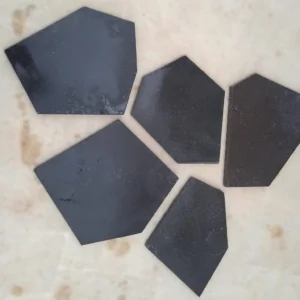
Tumbled patio block and tumbled paver patio formats are typically available in irregular or modular sizes designed for the relaxed, organic layouts that suit desert residential design. The 4×8, 6×6, and 12×12 modular formats give you flexibility to work with running bond or herringbone patterns, while irregular flagstone-style tumbled formats suit organic free-form patio shapes better. Herringbone is the superior structural pattern for tumbled stone patio pavers on driveways — it distributes load across more interlock points than running bond and resists edge creep more effectively under vehicle turning loads.
For projects in Flagstaff, the elevation factor introduces freeze-thaw cycling that low-desert installations never encounter. Above 6,000 feet, you need a tumbled stone with a water absorption rate below 3% — tighter than the 5% that’s acceptable at Phoenix elevations. Flagstaff’s winters can deliver 20+ freeze-thaw cycles annually, and stone with higher porosity will develop micro-fractures over 5–8 seasons that become visible surface spalling by year ten.
Base Preparation and Installation for Arizona Soils
Arizona’s soil profile creates installation challenges that you won’t find in the standard paver installation references written for mid-Atlantic or Pacific Northwest conditions. Caliche — the calcium carbonate hardpan layer common throughout the Sonoran Desert — can appear anywhere from 6 inches to 36 inches below grade. It’s both an obstacle and an asset: it doesn’t support root intrusion or moisture wicking the way clay soils do, but it requires mechanical breaking before any meaningful excavation can happen. Your base preparation timeline needs to account for this, particularly on larger driveway or commercial projects where a single caliche seam can add a full day to excavation work.
For tumbled stone patio pavers in typical low-desert conditions, the recommended aggregate base depth is 4–6 inches of compacted class II base rock, with a 1-inch bedding sand layer above. In expansive clay zones — which appear in pockets throughout the Phoenix metro area — that base depth increases to 8 inches, and you should include a geotextile separator between native soil and aggregate to prevent clay migration into the base over time. That migration is the most common cause of settlement failure in 5–8 year old installations, and it’s almost entirely preventable with a $0.08 per square foot fabric layer that most contractors skip to trim bids.
Key installation specifications for Arizona conditions:
- Compact aggregate base in maximum 3-inch lifts to achieve 95% Modified Proctor density — single-lift compaction on deep bases consistently underperforms
- Set bedding sand at 1-inch nominal depth, screeded level — do not exceed 1.5 inches or you lose point-to-point interlock stability
- Install edge restraints before setting field pavers, not after — late-added restraints allow edge rows to shift during the initial compaction pass
- Allow 1/16-inch nominal joint spacing for tumbled formats to accommodate the natural edge variation without forcing tight joints that crack under thermal movement
- Complete final plate compaction with a rubber pad to protect tumbled surface texture — steel plate direct contact creates surface bruising
Getting the base right at this stage is the single biggest factor separating 10-year from 25-year installations. For detailed guidance on material sourcing and specification coordination, Tumbled Stone Pavers from Citadel Stone covers the product-specific installation parameters that apply to Arizona site conditions across low-desert and high-elevation projects alike.
Unique Block Paving Patterns and Design Layouts
The design potential of tumble block paving in Arizona extends well beyond the standard grid or running bond that most homeowners default to when they first see the material. Unique block paving approaches that draw on Arizona’s design traditions include basketweave patterns derived from Pueblo textile geometry, radial fan layouts that echo Spanish Colonial courtyard design, and mixed-size random ashlar patterns that create a genuinely organic, site-specific quality that no two installations share.
The tumbled surface finish is particularly well-suited to multi-directional patterns because the rounded edges and textural variation read consistently regardless of orientation. With sawn stone, pattern direction affects how light catches the cut faces, which creates strong visual directionality. Tumbled stone’s random surface quality means a herringbone, basketweave, or pinwheel layout reads as an integrated composition rather than a series of directional lines — exactly the quality that suits the relaxed formality of desert residential design.
Design considerations that professionals working in Arizona learn from experience:
- Border courses in a contrasting tumbled tone anchor a patio composition without requiring a different material entirely — staying within the same product family ensures compatible thermal expansion behaviour
- Mixing tumbled stone sizes within the same colour family creates visual texture that reads as natural rather than manufactured, which suits the desert landscape context better than uniform module patterns
- Radial cuts at curved borders expose fresh stone faces — seal those cut edges individually to match the surface sealer application on the tumbled faces
- Inset medallion features in contrasting tumbled bluestone patio formats create focal points at entry courtyards or pool surrounds without disrupting the field material’s natural character
Sealing and Maintenance in the Arizona Climate
Sealing requirements for tumbled stone patio pavers in Arizona differ meaningfully from the guidance written for coastal or northern climates. The primary threat in the Sonoran Desert isn’t freeze-thaw infiltration — it’s UV degradation of sealer films and the salt efflorescence that occurs in areas with hard water irrigation systems running close to paved surfaces. Phoenix water hardness regularly measures above 300 ppm calcium carbonate, and when irrigation overspray hits sealed stone surfaces repeatedly, mineral deposits build up faster than in soft-water regions. A sealer specifically formulated for high-mineral-content water exposure is required here — not the generic penetrating sealers sold at hardware stores.
A penetrating impregnating sealer — silane-siloxane chemistry is the reliable choice for natural stone in high-UV environments — provides the best long-term performance for tumbled stone driveway pavers and patio applications in Arizona. Topical film-forming sealers peel and blister under the combination of Arizona UV intensity and thermal cycling within 18–24 months, creating a maintenance problem worse than unsealed stone. The penetrating approach protects from within without creating a surface film that the climate will degrade.
Maintenance schedule for Arizona conditions:
- Initial sealer application: 30 days after installation, once all curing and joint settling is complete
- Reapplication interval: every 2–3 years for patio areas, every 18–24 months for driveway surfaces that see regular vehicle traffic
- Joint sand replenishment: inspect annually and top up polymeric sand where wind erosion or irrigation has displaced material — joint voids accelerate paver rocking and edge chipping under vehicle loads
- Mineral deposit removal: use a pH-neutral stone cleaner with a light scrub brush — acid-based concrete cleaners etch the calcium-carbonate matrix in limestone and travertine tumbled pavers
In Tucson, where summer monsoon season delivers concentrated rainfall events after months of dry conditions, joint sand displacement is a particular maintenance issue. The sudden high-intensity runoff after extended dry periods carries polymeric sand out of joints faster than gradual rainfall patterns do — inspect joint depth after every major storm event in July and August.
Order Tumbled Stone Pavers in Arizona — Citadel Stone
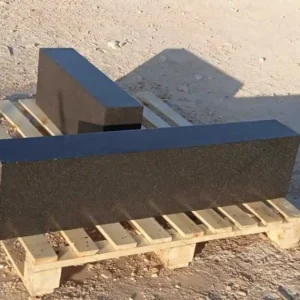
Citadel Stone stocks tumbled stone pavers in Arizona in standard formats including 4×8, 6×6, 6×9, 12×12, and irregular flagstone sizes across multiple colour ranges. Thickness options run from 1.25-inch nominal for pedestrian patio applications to 2.5-inch and 3-inch nominal for driveway and commercial traffic applications. You can request material samples and full product specifications before committing to a project order — reviewing physical samples under Arizona light conditions is the most reliable way to confirm colour selection.
Trade and wholesale enquiries are welcome for landscape contractors, architects, and developers working on larger Arizona residential or commercial projects. At Citadel Stone, we can advise on lead times for custom sizes, non-standard colour batches, or projects requiring large-volume consistency across multiple pallet deliveries. Standard warehouse inventory typically ships within 1–2 weeks across Arizona, including direct truck delivery to Phoenix, Tucson, Scottsdale, Mesa, and surrounding areas.
For projects requiring bulk quantities, early consultation on warehouse availability prevents the scheduling gaps that occur when contractors assume product is in stock without verification. Each batch of tumbled stone is sourced from established quarry partners and inspected for colour consistency and surface quality before it enters our inventory. Contact Citadel Stone to request a quote, arrange a sample delivery, or schedule a technical consultation for your Arizona project. Your broader Arizona hardscape planning may also include complementary stone elements — Stone Block Pavers in Arizona covers another dimension of natural stone paving specification relevant to Arizona residential and commercial work. Homeowners in Flagstaff, Sedona, and Yuma source Tumbled Stone Pavers through Citadel Stone for Arizona residential and commercial installations.