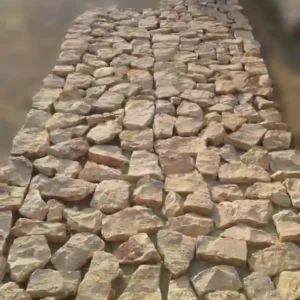
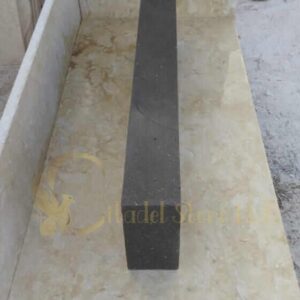
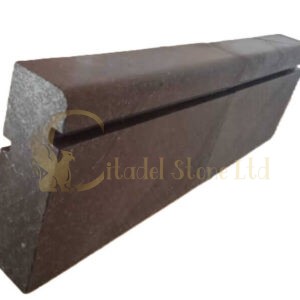
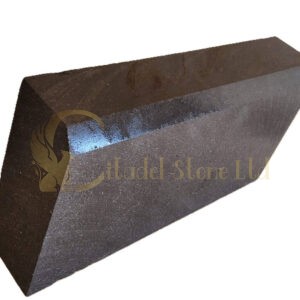
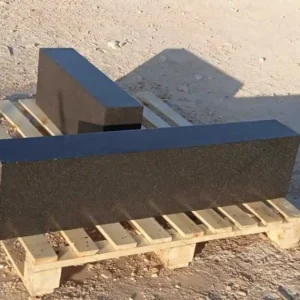
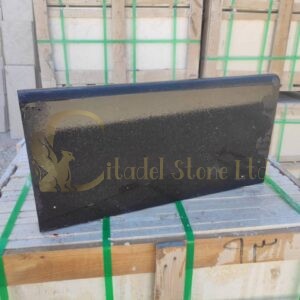
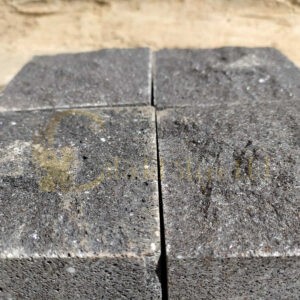
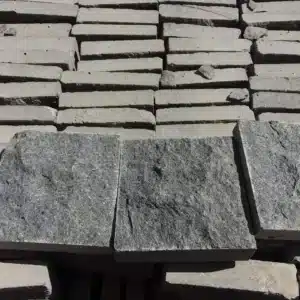
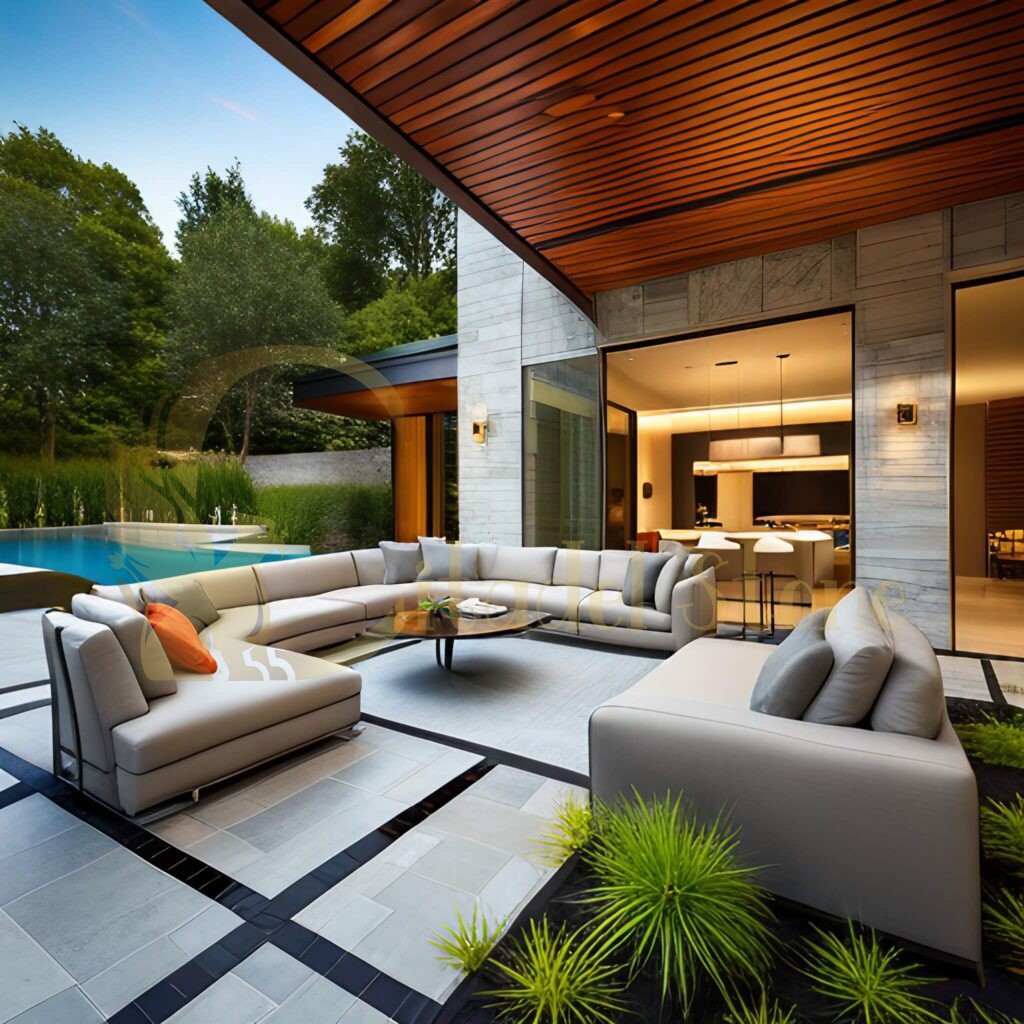
Thermal cycling is the specification variable most Arizona paver projects underestimate. Pavers in Arizona don’t just face heat — they face extreme swings of 40°F to 60°F between night and day, and in northern elevations, genuine freeze-thaw cycles that stress joints, edges, and bedding layers in ways that static heat never would. The failure mode isn’t surface wear — it’s cumulative joint displacement caused by repeated contraction and expansion across seasons. Getting the material and the installation right means understanding that cycling, not peak temperature, is what separates a 10-year installation from a 25-year one.
How Thermal Cycling Affects Pavers in Arizona
Arizona’s temperature range is genuinely punishing for hardscape materials. In Phoenix, summer daytime surface temperatures on exposed stone can push past 140°F, while pre-dawn readings drop into the mid-60s — a 70°F daily swing that drives constant micro-movement in every paver, joint, and bedding layer. Your stone selection needs to account for that cycling, not just the peak.
Natural stone materials with low linear thermal expansion coefficients — limestone, basalt, and travertine — manage this range significantly better than concrete pavers with high cement content. Travertine’s expansion coefficient of approximately 4.8 × 10⁻⁶ per °F means you’re dealing with predictable, manageable movement. Concrete alternatives often run 5.5 × 10⁻⁶ per °F or higher, which compounds over years of cycling into visible joint widening and edge chipping. Field data on affordable patio stones in Arizona across a range of climate conditions consistently shows natural stone outperforming concrete alternatives in 10-year inspections.
Citadel Stone sources each batch of natural stone pavers from established quarry partners, with warehouse inspection protocols that verify thermal density ratings and surface consistency before material ships. That quality check matters more than most buyers realize — inconsistent density within a batch creates uneven cycling responses that show up as uneven joint widths after 18 to 24 months.
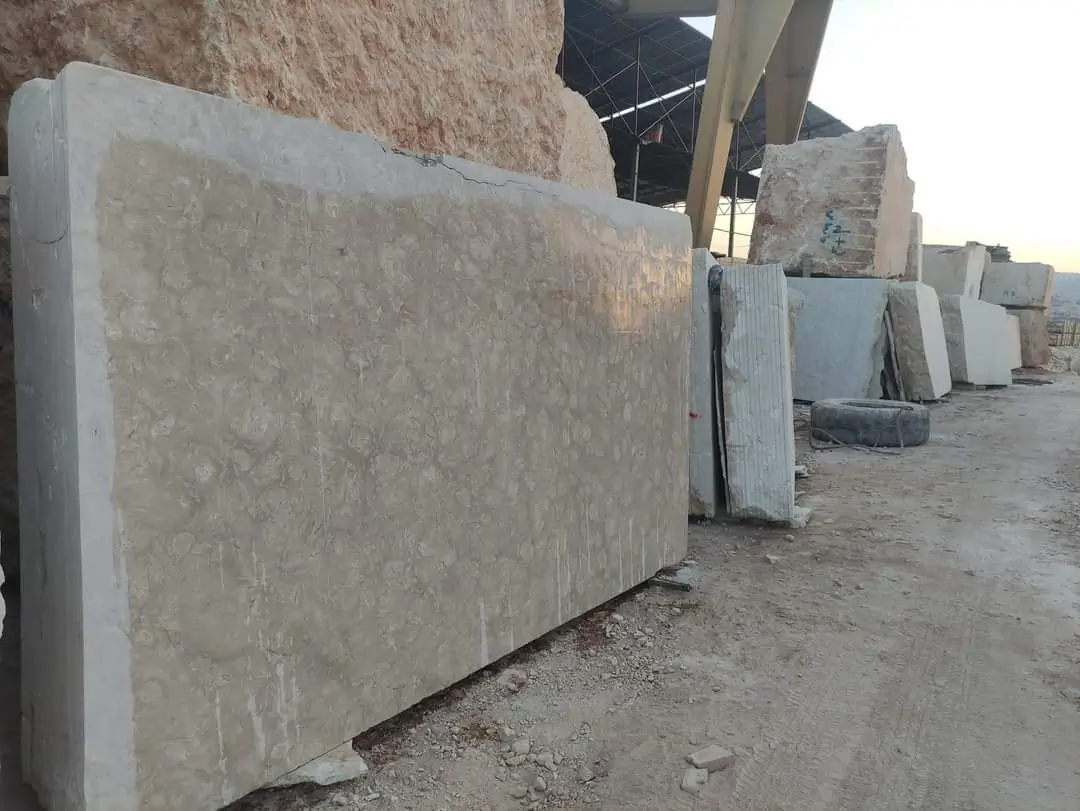
Freeze-Thaw Performance in Northern Arizona Elevations
Northern Arizona is a different environment entirely from the low desert. Flagstaff, sitting at 6,900 feet, logs over 100 freeze-thaw cycles annually — enough to destroy porous, undertreated stone in three to five years. Your paver specification for Flagstaff and similar elevations needs to prioritize absorption rate as a primary selection criterion, not an afterthought.
Stone with water absorption below 0.5% per ASTM C97 performs reliably through repeated freeze-thaw cycles. Once absorption climbs above 1.2%, capillary saturation during Arizona’s monsoon season creates the conditions for spalling — water expands approximately 9% when it freezes, and that pressure applied from within the stone fractures surface layers from the inside out. Here’s what that means practically:
- Select dense-cut limestone or basalt with tested absorption rates, not assumed ones — request material data sheets before ordering
- Avoid tumbled finishes with open surface pores for freeze-thaw zones — honed or sawn finishes seal more effectively
- Penetrating sealers rated for freeze-thaw resistance reduce capillary absorption by 60 to 70% and should be applied before first winter exposure
- Joint sand type matters — polymeric sand with freeze-thaw flexibility ratings prevents joint heave that destabilizes the entire surface plane
- Minimum 4-inch compacted aggregate base is non-negotiable at elevation; 6 inches is the better target for anything handling vehicle loads
Affordable paver stones in Arizona’s elevation zones need this level of specification discipline. A lower material price becomes irrelevant when you’re relaying the surface in year four because absorption wasn’t verified upfront.
Choosing the Right Stone for Arizona’s Temperature Range
The selection conversation for pavers in Arizona should start with three material properties: thermal expansion coefficient, water absorption, and compressive strength. Those three numbers tell you more about long-term performance than any aesthetic consideration — and they’re all available in published material data for every stone Citadel Stone stocks.
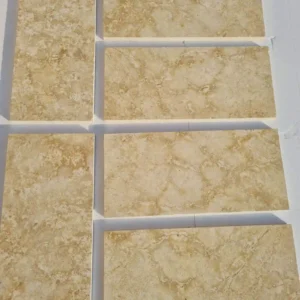
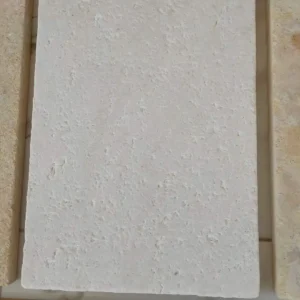
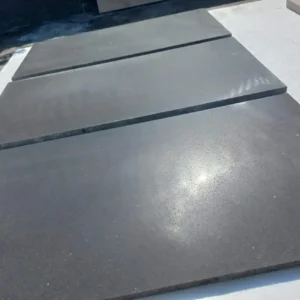
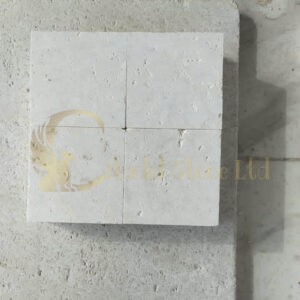
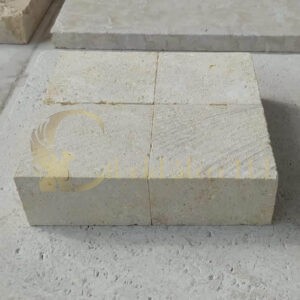
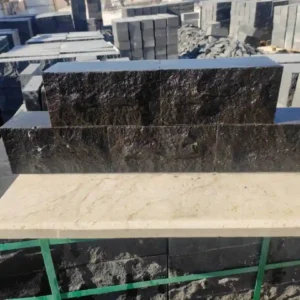
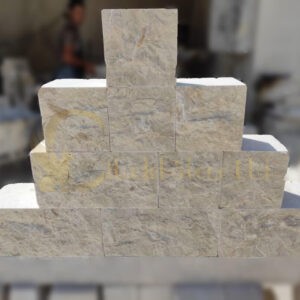
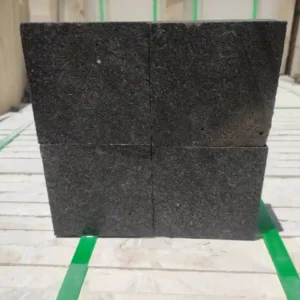
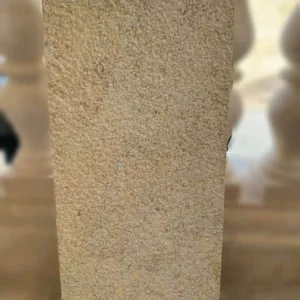
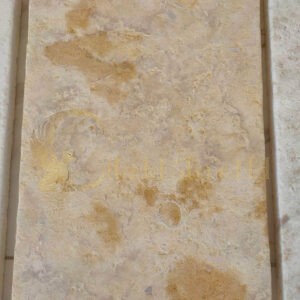
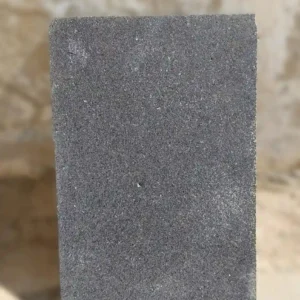
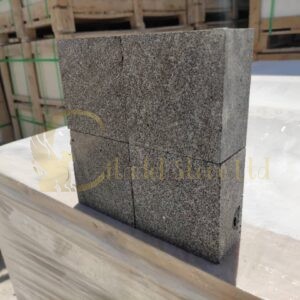
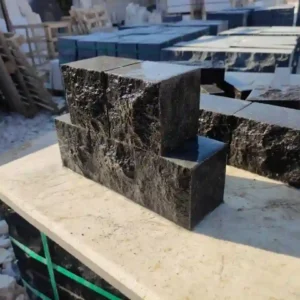
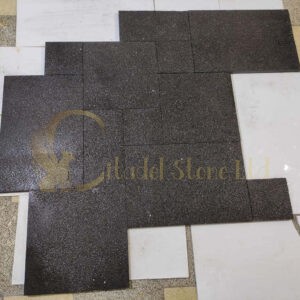
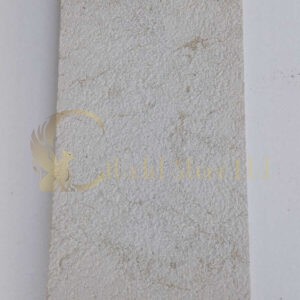
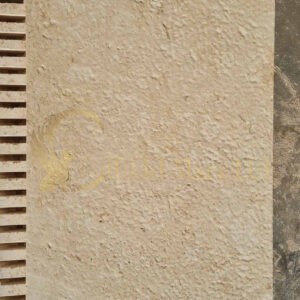
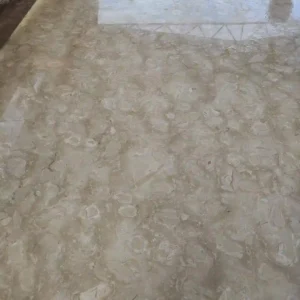
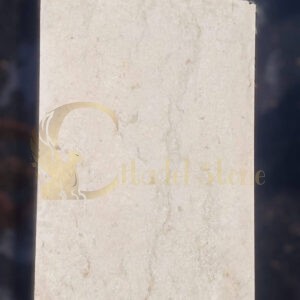
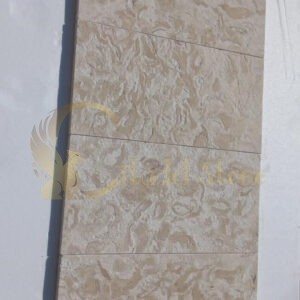
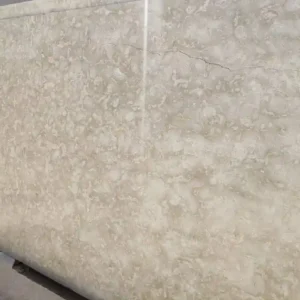
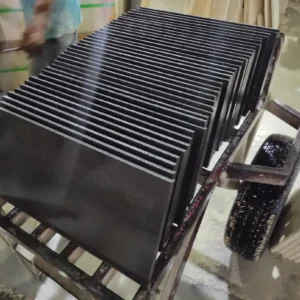
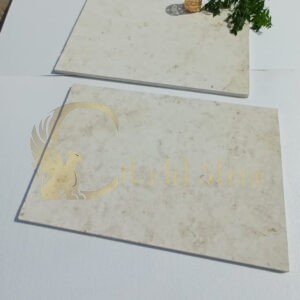
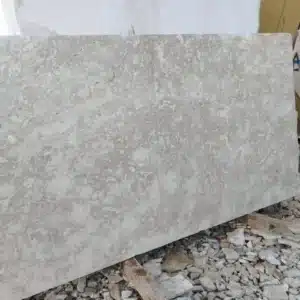
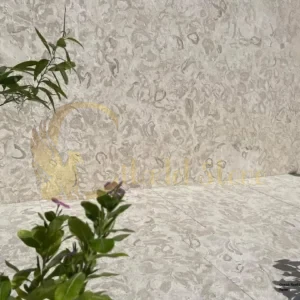
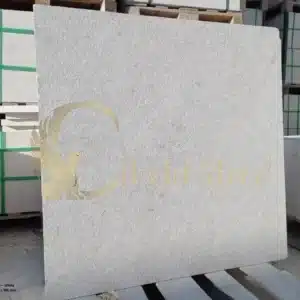
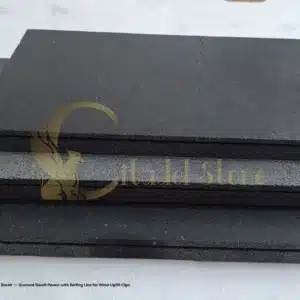
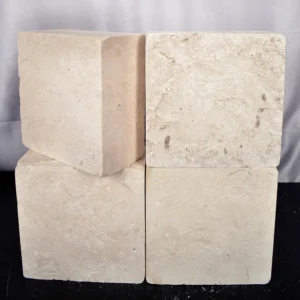
Limestone in the 2- to 3-inch nominal thickness range handles Arizona’s diurnal temperature swings reliably when jointed correctly. The material’s interconnected pore structure, when treated with a penetrating impregnator sealer, resists both thermal stress and the capillary moisture that causes freeze-thaw damage at elevation. Travertine delivers similar thermal performance with the visual warmth that suits Scottsdale and Sedona-area aesthetics. Basalt offers the highest compressive strength in Citadel Stone’s range — above 15,000 PSI in most quarry grades — which makes it the right choice for driveways and high-traffic commercial applications where point loads are a concern.
Affordable paving slabs in Arizona’s mid-range budget tier shouldn’t mean compromised thermal performance. The material price difference between a mid-grade limestone and a premium basalt is often smaller than the cost difference between a correctly specified installation and one that needs joint repair in year three. Thinking of the material cost and the installation cost as a single number — not two separate line items — leads to better decisions and fewer surprises at the three-year mark.
- Limestone: thermal expansion ~5.0 × 10⁻⁶ per °F, compressive strength 8,000–12,000 PSI, absorption typically 0.4–0.8%
- Travertine: thermal expansion ~4.8 × 10⁻⁶ per °F, compressive strength 6,000–10,000 PSI, absorption 0.3–0.7% in filled/honed grades
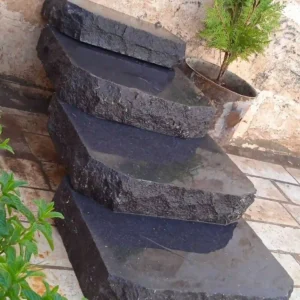
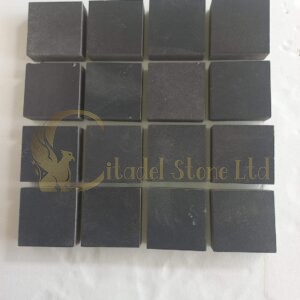
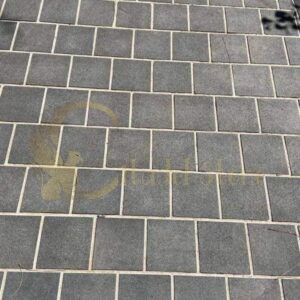
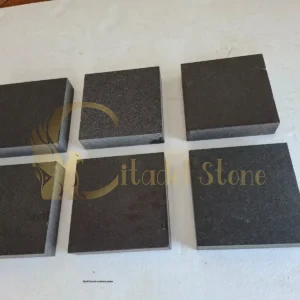
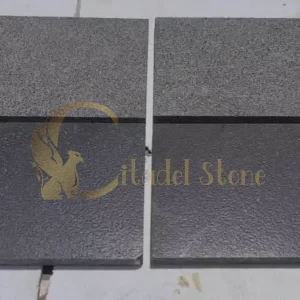
- Basalt: thermal expansion ~4.2 × 10⁻⁶ per °F, compressive strength 12,000–18,000 PSI, absorption below 0.3%
- Concrete pavers: thermal expansion ~5.5–6.0 × 10⁻⁶ per °F, variable absorption, surface subject to carbonation in high UV environments
Citadel Stone stocks these materials in standard slab formats and can provide thickness specifications and absorption test data before you commit. Requesting samples early in your project timeline gives you the opportunity to verify finish, colour consistency, and density against the actual batch — not just catalogue images.
Joint Spacing for Thermal Expansion — The Specification Most Projects Get Wrong
The standard joint spacing recommendations in most published guides assume temperate climates with 30°F to 40°F annual temperature ranges. Arizona routinely delivers daily ranges of 40°F to 60°F and seasonal ranges exceeding 80°F. Those numbers mean your joint spacing calculation needs to account for significantly more cumulative movement than the printed guideline assumes.
Field performance across Arizona patio and driveway projects shows that 3/16-inch minimum joints with polymeric sand infill maintain structural integrity through 10-plus years of cycling. Closing down to 1/8-inch joints — common when installers chase a tighter aesthetic — removes the movement tolerance the joint is designed to provide. The result is edge chipping and corner breakage as individual pavers try to expand into each other with nowhere to go. In Phoenix, where summer surface temperatures regularly exceed 130°F, that constraint builds enough cumulative stress over two to three seasons to lift corner sections entirely.
Expansion joints — full-depth cuts filled with a flexible backer rod and elastomeric sealant — should be specified every 12 to 15 linear feet, not the 20-foot spacing that generic guidelines often suggest for lower thermal-range environments. For projects referencing complementary stone performance data, affordable patio stones Arizona homeowners trust covers climate zone specification details that apply across similar high-cycling site conditions — understanding those zone-specific factors before finalizing joint spacing prevents the most common mid-life repair scenarios. Here’s the practical breakdown:
- Install expansion joints at all fixed structure boundaries — walls, steps, pool edges, and building perimeters
- Space field expansion joints at 12 to 15 feet in patio applications, 10 feet for driveways handling vehicle loads
- Use sealant rated for 25% joint movement — standard construction caulk fails within two seasons in Arizona’s UV and thermal environment
- Recheck and repack polymeric sand joints annually in the first three years — initial cycling settles the sand and voids develop faster than in moderate climates
Base Preparation for Arizona Soils and Drainage
Arizona’s soil profile varies significantly by region, and base preparation decisions need to account for local conditions rather than a single statewide standard. Expansive clay soils in parts of the valley expand and contract with moisture changes, adding vertical movement on top of the thermal cycling your pavers are already managing. Caliche layers common in the central and southern parts of the state are actually advantageous when properly prepared — they provide a dense, stable sub-base that outperforms imported compacted gravel in many situations.
Projects in Mesa frequently encounter caliche hardpan at 18 to 24 inches below grade, which reduces the excavation depth needed but requires scarification to prevent drainage from pooling at the caliche interface. Cutting drainage channels through caliche at 8-foot intervals before placing your aggregate base prevents the saturation that turns freeze-thaw manageable into freeze-thaw destructive.
The aggregate base specification for most Arizona paver installations should target:
- Minimum 4-inch compacted crushed aggregate base for pedestrian patio applications in low-desert zones
- Minimum 6-inch compacted aggregate for vehicle-rated driveways and parking areas
- 8-inch aggregate base for Flagstaff-area projects where freeze-thaw cycling adds vertical heave pressure from below
- 1-inch bedding sand layer, screeded level — not compacted before laying pavers, only after
- Positive drainage slope of 1/8 inch per foot minimum — slope away from structures and toward defined drainage channels
- Geotextile fabric between subgrade and aggregate in clay-heavy soils to prevent fines migration into the aggregate base
Basic garden slabs and affordable garden slabs placed on undersized bases are the primary failure pattern in DIY installations across the state. The material holds up — it’s the base that fails, and the repair cost of relaying pavers on a properly rebuilt base typically exceeds what a correct initial installation would have cost.
Surface Finish Selection and Slip Resistance in Arizona Conditions
Surface finish choice is partly aesthetic and partly a performance specification — and in Arizona’s outdoor environment, the performance side deserves more attention than it typically gets. Thermal cycling affects finishes differently: high-polish surfaces develop micro-craze patterns over years of cycling that eventually affect both appearance and slip resistance. Honed and bush-hammered finishes age more gracefully through repeated expansion and contraction.
Slip resistance is a genuine concern for pool surrounds, outdoor kitchen areas, and any surface that gets wet from irrigation or monsoon rain. The ASTM C1028 wet COF (coefficient of friction) standard targets 0.60 or higher for outdoor wet surfaces. Tumbled travertine and bush-hammered basalt typically achieve wet COF values of 0.65 to 0.75, making them reliable choices for pool deck applications. Highly polished limestone can drop below 0.55 when wet — adequate for covered areas but marginal for full-exposure pool surrounds.
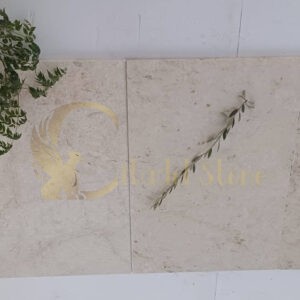
Colour selection also intersects with thermal performance in ways that matter for Arizona’s cycling range. Lighter stone colours — cream limestone, ivory travertine — reflect significantly more solar radiation than charcoal or dark grey basalt, which reduces peak surface temperature by 20 to 35°F under direct exposure. That lower peak temperature reduces the thermal differential the stone cycles through daily, which extends joint life and reduces edge stress. The trade-off is that lighter surfaces show staining more readily in areas with organic debris, irrigation overspray, or pool water splash.
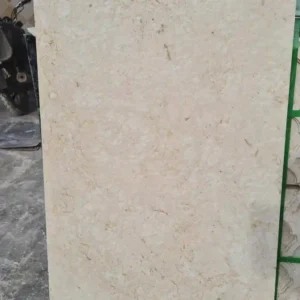
- Cream and ivory finishes: high solar reflectivity, lower peak cycling temperatures, greater stain visibility
- Silver and light grey finishes: balanced reflectivity and stain resistance, neutral aesthetic for modern designs
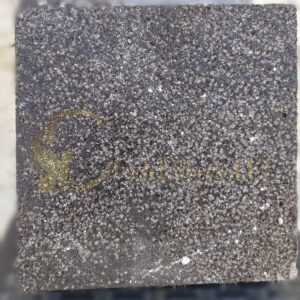
- Charcoal and dark basalt: high thermal absorption, maximum peak temperatures, outstanding durability for high-traffic zones
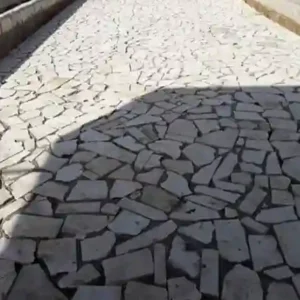
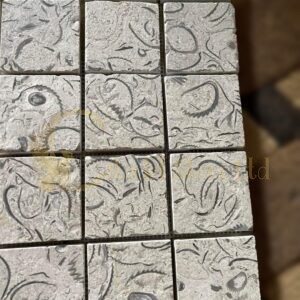
- Tumbled finishes: excellent slip resistance, irregular edge profile absorbs minor movement without chipping
- Sawn-cut finishes: precise joint alignment, easier to lay to grade, more demanding sealing schedule to maintain absorption protection
Sealing and Maintenance Schedules for Arizona’s Climate
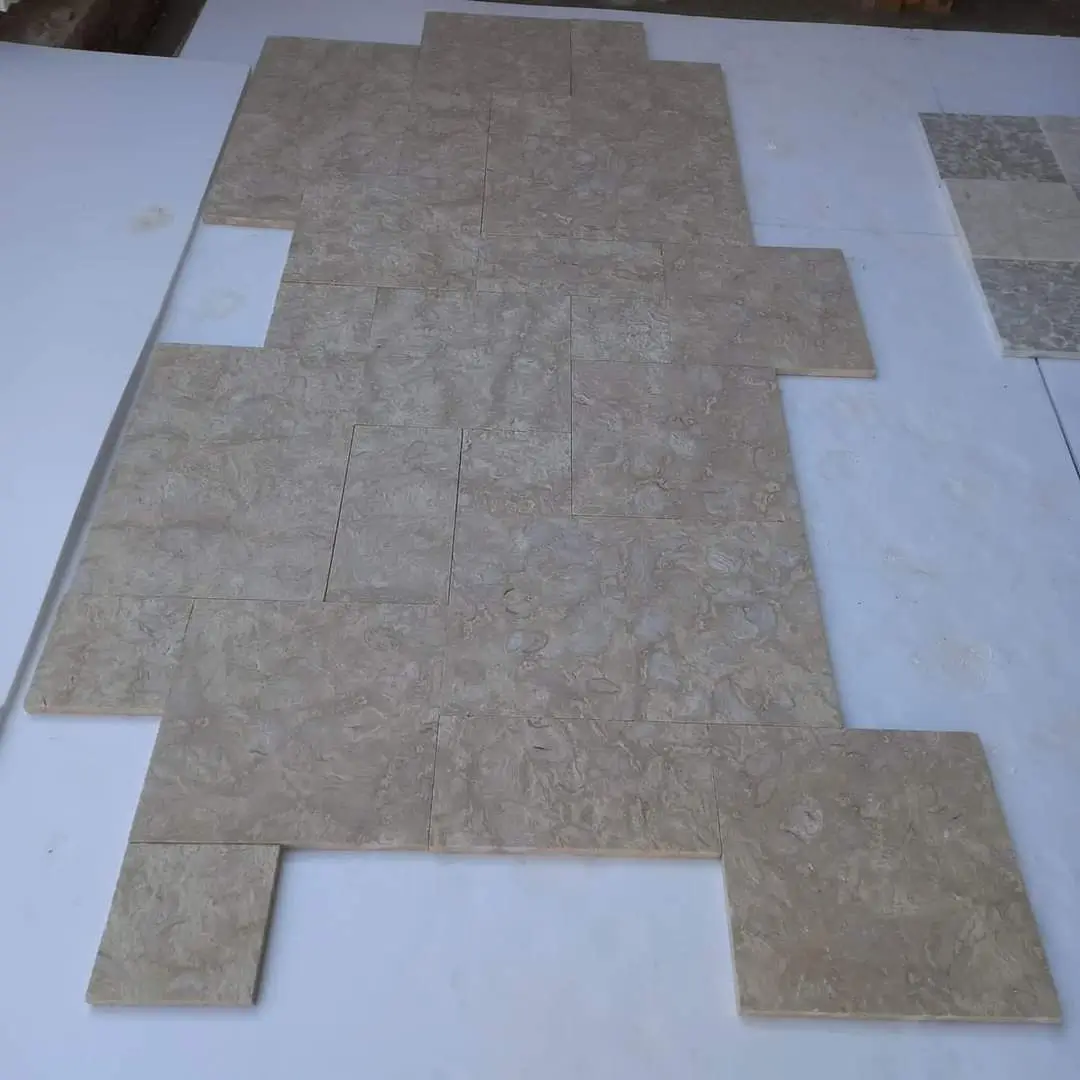
Sealing protocols for affordable patio stones in Arizona’s environment differ from standard moderate-climate maintenance because UV degradation of sealer chemistry is significantly accelerated at Arizona’s sun exposure levels. A penetrating impregnator sealer that would perform for five to seven years in a Pacific Northwest installation typically needs renewal every two to three years in Phoenix or Tucson — and annually for Flagstaff installations that face UV plus freeze-thaw stress.
Solvent-based impregnating sealers provide the best long-term protection in Arizona conditions. Water-based formulas are improving, but solvent-based penetrators still achieve greater depth of penetration into dense stone — typically 0.5 to 0.8 inches versus 0.2 to 0.3 inches for water-based products on the same material. That depth difference matters for freeze-thaw protection because shallow sealer films can be undercut by capillary moisture that bypasses the treated zone.
Your maintenance routine should include:
- Initial sealer application before first use — ideally 28 to 48 hours after installation, once bedding sand has fully settled
- Annual inspection of joint sand infill — top up with compatible polymeric sand where voids have developed from thermal cycling and ant activity
- Biennial sealer reapplication in Phoenix and Tucson zone applications
- Annual sealer reapplication for Flagstaff elevation projects facing freeze-thaw cycles
- pH-neutral cleaner for routine washing — acid-based cleaners etch limestone and travertine surface finishes and accelerate sealer breakdown
- Pressure washing below 1,200 PSI to avoid dislodging polymeric sand and surface finish degradation
In Scottsdale, where high-end residential and commercial projects demand consistent appearance through years of monsoon seasons and intense UV exposure, specifying a 10-year sealing maintenance plan in writing at project handover protects both the installation and the client relationship. Surface failures traced to missed resealing are rarely covered under material warranties — the stone itself is fine; the protection layer wasn’t maintained.
Pavers in Arizona — Request a Quote from Citadel Stone
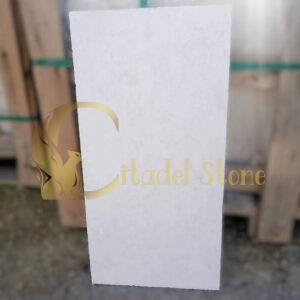
Citadel Stone stocks pavers in Arizona-suitable formats including 12×12, 16×16, 18×18, 12×24, and 24×24 slab sizes across limestone, travertine, and basalt product lines. Thickness options run from 3/4-inch nominal for interior overlays through 1-1/4-inch standard patio format up to 2-inch and 3-inch structural grades for driveways and high-load applications. You can request sample tiles, material data sheets, and absorption test certificates directly from the Citadel Stone team before committing to a full project order — that step is particularly valuable for large-format projects where batch consistency matters.
Trade and wholesale enquiries are handled through the same contact channel as residential projects. For projects requiring custom cuts, non-standard formats, or mixed material palettes, lead times vary by material and current warehouse stock levels — typically one to two weeks from available inventory, with longer lead times for special-order grades. Truck delivery coverage spans the full state, including northern Arizona destinations that require scheduled freight coordination. Confirming truck access constraints at your delivery address when you place the order prevents scheduling delays, particularly for sites with restricted driveway widths or overhead clearance limitations.
For driveway applications requiring structural-grade material, the same thermal cycling and base preparation principles covered throughout this guide apply directly to heavier-duty formats. 50mm pavers for driveway in Arizona covers the structural and installation specifics for those high-load applications in detail. Contact Citadel Stone to confirm current stock, request samples, or get project-specific material guidance before finalizing your specification. For dependable pavers across Arizona, Citadel Stone offers a practical selection of materials suited to the region’s climate and a range of project budgets.