

50 Years Of Manufacturing & Delivering The Highest-Quality Limestone & Black Basalt. Sourced & Hand-Picked From The Middle East.

Escrow Payment & Independent Verifying Agent For New Clients

Contact Me Personally For The Absolute Best Wholesale & Trade Prices:

USA & Worldwide Hassle-Free Delivery Options – Guaranteed.

Best Pavers in Arizona: A Complete Local Guide

Arizona's ground conditions present challenges that most homeowners and contractors underestimate before a paver project breaks ground. Caliche layers, expansive soils, and inconsistent subgrade density vary dramatically across the state — and each one affects how pavers settle, shift, and perform over time. Understanding Arizona climate zones paver performance means going beyond surface materials to examine what's happening beneath the installation. A stable, properly prepared base is what separates a paver surface that holds for decades from one that fails within a few seasons. Citadel Stone regional Arizona pavers are specified with material density and absorption rates suited to these demanding ground conditions across the state. Citadel Stone provides pavers from premium quarries in Turkey and the broader Middle East region, with material grades selected to perform across Arizona's distinct climate zones from Flagstaff's freeze-thaw cycles to Yuma's sustained desert heat.

Table of Contents

Soil conditions in Arizona dictate paver performance far more than most project specifications acknowledge — and understanding how Arizona climate zones paver performance intersects with what’s actually happening beneath the surface is where successful long-term installations begin. You can select the right material, nail the joint spacing, and still face a failing installation within five years if the subgrade wasn’t properly addressed before the first paver went down. The ground beneath your project isn’t just a platform — it’s an active variable that shifts with moisture, temperature, and time.

Arizona’s Soil Challenge: What’s Really Under Your Pavers

The single most underestimated factor in Arizona paver projects is caliche — that dense, calcium carbonate-cemented hardpan layer that shows up at anywhere from 6 inches to 4 feet below grade depending on where you’re working. It looks like solid ground, and a lot of installers treat it like solid ground. The problem is that caliche is brittle, not uniform, and it doesn’t drain. Water hits it and spreads laterally, which undermines edge zones and creates differential settlement exactly where you don’t want it.

In Chandler, caliche layers tend to appear at shallower depths than in some northern sections of the metro, which compresses your working window for base installation. You need to either scarify through it entirely or engineer drainage relief channels through it — there’s no middle ground if you want your paver surface to stay flat over a decade. Skipping this step because the caliche feels hard is one of the most common field errors in Arizona paving work.

Beyond caliche, you’re also dealing with expansive desert soils that shift measurably during the monsoon season. Arizona’s clay-heavy alluvial soils in lower valley areas can expand 3–5% volumetrically when saturated, which translates directly into surface displacement of your paver field if the compaction protocol wasn’t right. Regional stone paver selection across Arizona must account for these subgrade realities, not just surface aesthetics.

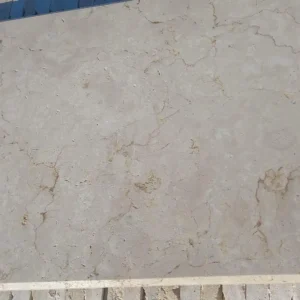
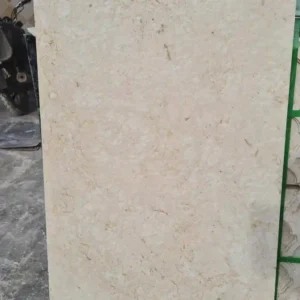
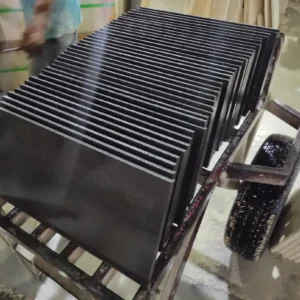
Light beige stone slabs are placed on industrial rollers in a processing facility.

Base Preparation: The Non-Negotiable Foundation

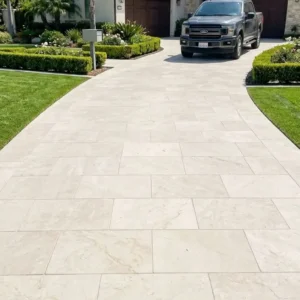
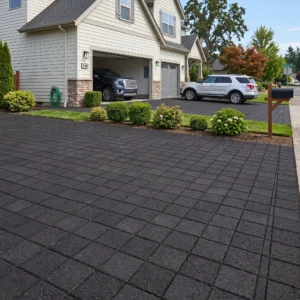
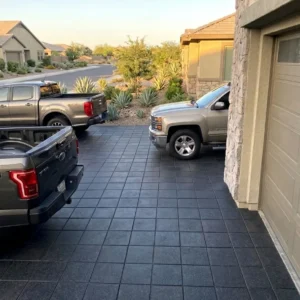
Your base aggregate depth in Arizona should start at a minimum of 6 inches of compacted Class II road base for pedestrian applications, and you need to move to 8–10 inches for vehicular driveways. Those numbers go up if you’re working over sandy alluvial soil with poor cohesion — in those cases, geotextile fabric between the native soil and aggregate base isn’t optional, it’s the difference between a stable installation and a wavy surface in three monsoon seasons.

Compaction target is 95% Proctor density measured at optimum moisture content. You’ll hear contractors in the field talk about “hitting it a few passes” — that’s not a specification, it’s a guess. A nuclear densometer test on the compacted base costs very little relative to a full reinstallation, and it tells you definitively whether your sub-base is ready. For projects with outdoor pavers suited for Arizona weather, the investment in proper base verification pays back immediately in long-term stability.

  • Excavate a minimum of 9 inches below finished grade for pedestrian paver fields to allow for base aggregate plus bedding sand plus paver thickness
  • Scarify or perforate caliche layers to allow vertical drainage rather than allowing water to pond and spread
  • Install geotextile fabric over sandy or highly expansive native soils before placing base aggregate
  • Compact base aggregate in 3-inch lifts — placing and compacting the full depth in one pass creates uneven density
  • Allow 24–48 hours after compaction before placing bedding sand to let any residual moisture equalize

At Citadel Stone, we recommend reviewing soil test reports whenever they’re available for the project site — even a basic visual soil classification from a geotechnical report changes how you approach the base design. It’s the kind of front-end diligence that separates a 25-year installation from a 10-year one.

Arizona Climate Zones Paver Performance: Matching Material to Region

Arizona spans five distinct climate zones that each impose different demands on stone paving materials, and stone paving durability in Arizona regions genuinely isn’t a one-size situation. The low desert zone covering Phoenix, Tucson, and the surrounding valley floors operates at a different performance threshold than the high plateau around Flagstaff or the transitional zones in Prescott and Jerome. Stone paving durability in Arizona regions depends heavily on whether you’re dealing with freeze-thaw cycling, extreme UV exposure, thermal expansion from 115°F surface temperatures, or some combination of all three.

In the low desert zones, the primary paver stressor is thermal expansion combined with UV degradation of sealers. Your paver material needs to manage a daily temperature swing that can exceed 40°F in summer — stone is absorbing heat, expanding, and contracting every single day. For Arizona climate zones paver performance at its best, you want materials with low thermal expansion coefficients and high solar reflectance. Lighter-colored travertine and limestone consistently outperform darker basalt in low-desert surface temperature management, though basalt’s density makes it worth considering for high-traffic commercial applications where thermal comfort is less critical.

The high-elevation zones above 5,000 feet introduce freeze-thaw cycling that demands materials with low absorption rates — ideally below 3% per ASTM C97. Travertine with its characteristic pore structure needs to be filled and sealed before installation in these zones, because water intrusion into unfilled voids and subsequent freezing causes spalling within two to three winters.

Climate-Appropriate Paver Selection: Material Characteristics by Zone

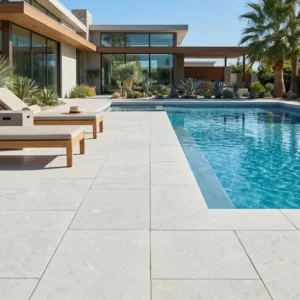
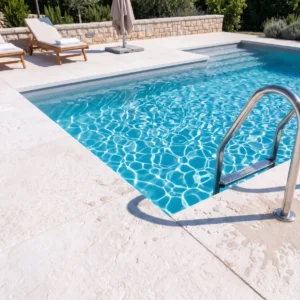
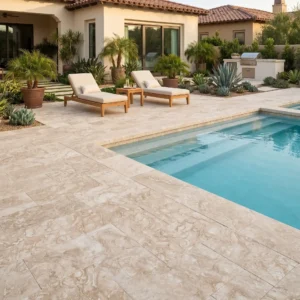
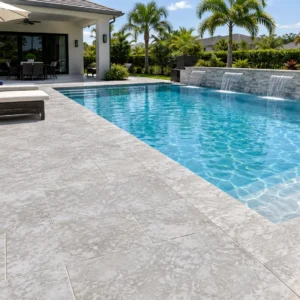
Travertine performs exceptionally well in low to mid-elevation Arizona zones when properly filled and sealed. Its natural porosity, which is a liability when unsealed in freeze-thaw areas, actually contributes to its slip resistance and thermal comfort in the low desert. Surface temperatures on filled-and-sealed travertine typically run 15–20°F cooler than comparable concrete pavers under direct summer exposure, which matters considerably for barefoot comfort around pools and outdoor living areas. Climate-appropriate paver selection in AZ begins with understanding these material-specific thermal behaviors before anything else.

Limestone is the stronger performer for structural applications across multiple Arizona climate zones. With compressive strengths typically ranging from 4,000 to 12,000 PSI depending on the specific formation, properly specified limestone handles vehicular loads, point loads from patio furniture, and the constant thermal cycling of Arizona summers without the micro-fracturing you sometimes see in softer materials. The key specification parameter is absorption rate — you want limestone at or below 5% for Arizona applications, and below 3% for any installation above 4,500 feet elevation.

  • Travertine (filled and sealed): Low desert patios, pool decks, and covered outdoor living spaces — thermal comfort, slip resistance, and aesthetic versatility
  • Limestone: Driveways, high-traffic patios, and elevated-zone projects — structural performance and broader elevation range compatibility
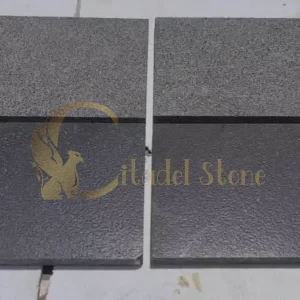
  • Basalt: Commercial applications and modern-aesthetic projects in low-elevation zones — exceptional hardness but high thermal mass requires careful placement design
  • Tumbled granite: Informal pathways and garden areas — good durability but irregular sizing demands more careful base preparation
  • Sandstone: Accent applications in protected, shaded areas — beautiful material but higher absorption rates limit its use in exposed Arizona conditions

Subgrade Stability and Soil Expansion Management

The monsoon season is where subgrade issues reveal themselves. July and August bring rainfall intensity that Arizona’s desert soils weren’t engineered to absorb quickly — and when water moves laterally through your base because vertical drainage was blocked by caliche or compacted clay, the differential pressure under your paver field causes the kind of uneven heaving that’s expensive to fix and impossible to ignore. This is the variable that makes climate-appropriate paver selection in AZ incomplete without an equally serious conversation about what’s happening underground.

Designing your drainage strategy before the base goes in is the professional approach. Perimeter drainage channels, cross-slope grades of 1.5–2% minimum, and clear paths for subsurface water to exit the paver field laterally — these are the details that determine whether your installation survives monsoon saturation cycles over a decade. For projects in Gilbert, where the relatively flat terrain reduces natural drainage gradients, you sometimes need to engineer positive drainage through the base rather than relying on surface slope alone.

Soil stabilization with Portland cement or lime is worth considering on highly expansive clay sites before aggregate base placement. A 4–6% Portland cement treatment of the top 6 inches of native soil reduces expansion potential significantly and gives your aggregate base a much more stable platform. The additional material cost is modest relative to the performance benefit on problematic soils.

Joint Design and Thermal Movement in Arizona Conditions

Thermal expansion isn’t just a summer concern — it’s a daily cycle that accumulates stress in your paver field over years. Joint sand at the right fill level (92–95% of joint depth, not packed solid to the surface) provides the flexibility buffer that allows individual pavers to expand and contract without generating inter-paver pressure that cracks edges. This is the specification detail that gets compromised most often on large-format paver projects where the installer rushes the sand sweep and sealing phase.

For large-format pavers (18×18 inches and above), perimeter expansion joints at the field boundary and intermediate control joints at 15-foot intervals are the correct specification for Arizona conditions — not the 20-foot spacing you’ll find in generic installation guidelines written for temperate climates. Arizona’s thermal cycling is aggressive enough that the difference between 15-foot and 20-foot joint intervals shows up in surface cracking within 5–7 years on large installations.

Confirming that warehouse stock availability aligns with your project schedule is a planning step that’s easy to overlook. Material variations within a single product line can affect thermal expansion behavior if your order ships in two separate truck deliveries from different quarry batches. Matching quarry lots for large installations isn’t over-specifying; it’s how you ensure consistent expansion behavior across the whole field. A second truck delivery mid-project to resolve a warehouse shortage can introduce batch variation that shows up as visible color inconsistency in the finished surface.

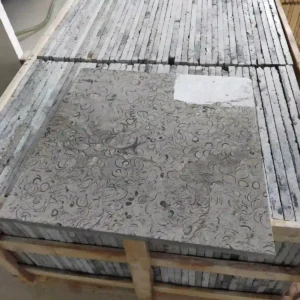
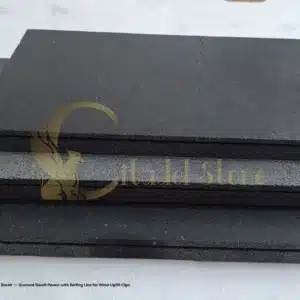
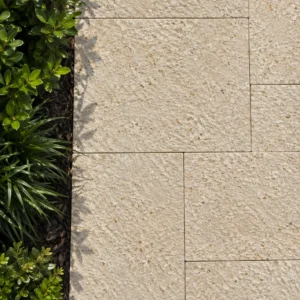
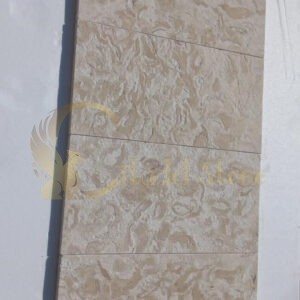
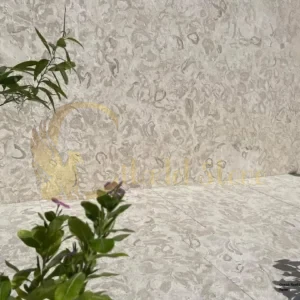
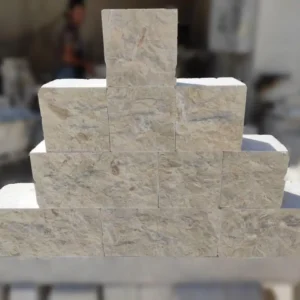
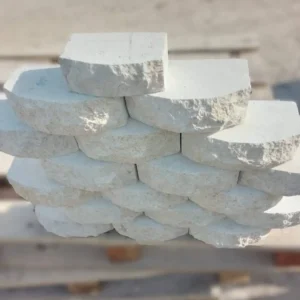
A stack of light-colored stone slabs with a textured surface.

Sealing and Maintenance Across Arizona’s Climate Zones

Sealing protocols for natural stone pavers in Arizona differ from standard recommendations because UV intensity at this latitude degrades sealer chemistry faster than most product datasheets account for. A penetrating silane-siloxane sealer that carries a 5-year claim in a Pacific Northwest climate will typically need reapplication every 2–3 years under Phoenix-area UV and temperature exposure. Factor that into your maintenance specification from the start, because it affects both product selection and long-term ownership cost.

For low-desert installations, a solvent-based penetrating sealer applied after the initial cure period (minimum 28 days for mortared applications) provides better UV stability than water-based formulations. In higher-elevation zones with freeze-thaw cycling, breathable sealers are non-negotiable — vapor-impermeable coatings trap moisture that then freezes and causes delamination from beneath. That’s a failure mode that looks like poor material quality but is actually a sealing specification error.

  • Penetrating silane-siloxane sealers: Best for low-desert applications — UV-stable, breathable, and protective against oil and organic staining
  • Impregnating sealers: Ideal for travertine in mid-elevation zones — penetrate the pore structure without creating a surface film that can peel under thermal cycling
  • Avoid surface-coating film sealers in Arizona’s low desert: The thermal expansion differential between sealer film and stone substrate causes peeling within 1–2 seasons
  • Reapplication interval: Every 24–36 months in low-desert zones, every 36–48 months in cooler high-elevation zones

The Arizona climate paver guide Citadel Stone covers material-specific sealing recommendations in more detail, including product compatibility notes for travertine, limestone, and basalt across Arizona’s elevation bands.

Ordering, Logistics, and Project Planning for Arizona Pavers

Material lead time is a planning variable that catches a lot of homeowners and contractors off guard. Domestic warehouse stock for popular outdoor pavers suited for Arizona weather — travertine and limestone chief among them — typically ships within 1–2 weeks when inventory is confirmed. Imported stone or specialty materials can run 6–8 weeks from order to your site, and coordinating truck delivery to an active construction site requires advance scheduling, particularly for large orders that may require multiple deliveries to manage site storage limitations.

Order 8–10% overage on natural stone for any project that involves cutting — Arizona’s irregular lot shapes and the frequency of diagonal paver layouts mean your cut waste runs higher than rectangular projects in regular-geometry spaces. Running short on material mid-project and needing a second truck delivery from the warehouse isn’t just an inconvenience; it risks batch variation that creates visible color inconsistency in your finished surface. In Peoria, where larger lot sizes often mean bigger paver installations with more perimeter cutting, that overage calculation is especially important to get right before the order ships.

Citadel Stone maintains warehouse inventory across Arizona specifically to support project continuity — when you need additional material during installation, having a regional supply relationship means you can often resolve shortfalls within days rather than weeks.

Getting Arizona Climate Zones Paver Performance Right from the Ground Up

The specifications that define long-term paver performance in Arizona all trace back to decisions made before a single paver is placed. Soil evaluation, caliche management, base aggregate depth, compaction verification, drainage design — these are the variables that Arizona climate zones paver performance actually depends on, and they’re all subgrade decisions. Material selection matters enormously, but it matters most when the foundation beneath it is properly engineered for Arizona’s specific ground conditions.

Your project documentation should include a soil assessment, a drainage plan, and material specifications that reference absorption rates, expansion coefficients, and sealer compatibility — not just product names and surface aesthetics. That level of specification detail is what separates installations that look the same at year two from those that still look the same at year twenty. The regional stone paver guide across Arizona principles covered here apply equally whether you’re working in a low-elevation heat zone or a high-altitude frost-prone area — the inputs change, but the discipline of specifying correctly does not.

As you finalize your paver specification and prepare for installation, the How to Install Pavers in Arizona: Step-by-Step Guide provides the sequential field procedures that translate these specification principles into on-site execution. Contractors and homeowners in Scottsdale, Mesa, and Chandler frequently specify Citadel Stone pavers because the product range covers both low-elevation heat zones and higher-altitude frost-prone areas within a single supplier relationship.

Arizona's Direct Source for Affordable Luxury Stone.

Need a Tailored Arizona Stone Quote

Receive a Detailed Arizona Estimate

Special AZ Savings on Stone This Season

Grab 15% Off & Enjoy Exclusive Arizona Rates

A Favorite Among Arizona Stone Industry Leaders

Invest in Stone That Adds Lasting Value to Your Arizona Property

100% Full Customer Approval

Our Legacy is Your Assurance.

Experience the Quality That Has Served Arizona for 50 Years.

When Industry Leaders Build for Legacy, They Source Their Stone with Us

Arrange a zero-cost consultation at your leisure, with no obligations.

Achieve your ambitious vision through budget-conscious execution and scalable solutions

An effortless process, a comprehensive selection, and a timeline you can trust. Let the materials impress you, not the logistics.

The Brands Builders Trust Are Also Our Most Loyal Partners.

Secure the foundation of your project with the right materials—source with confidence today

One Supplier, Vast Choices for Limestone Tiles Tailored to AZ!

Frequently Asked Questions

If your question is not listed, please email us at [email protected]

How does caliche soil affect paver installation in Arizona?

Caliche is a hardened calcium carbonate layer found at varying depths throughout Arizona’s desert soils, and it creates real problems for base preparation. It resists compaction equipment, prevents proper drainage, and can form an impermeable barrier that traps water beneath the paver base. In practice, contractors must either break through caliche layers mechanically or adjust their drainage strategy entirely — ignoring it almost always leads to heaving or surface instability down the line.

Arizona’s native soils — particularly in the low desert regions — are often sandy, loosely structured, or laced with caliche, none of which provide adequate subgrade stability on their own. A properly engineered base typically requires excavating to stable material, adding compacted aggregate base (class II or equivalent), and grading for drainage before any bedding sand is laid. Skipping or shortcutting subgrade prep is the most common cause of long-term paver failure in the state.

Yes — and this is something that often gets overlooked when specifying pavers for a mixed-climate state like Arizona. In Flagstaff and higher elevations, freeze-thaw cycling exerts upward pressure on the base, requiring a more robust compacted aggregate depth and pavers with low water absorption. In the low desert, thermal expansion from sustained heat is the primary concern, making joint spacing and bedding sand selection critical. Arizona climate zones paver performance isn’t a single standard — it’s a set of variables that shift with elevation and regional conditions.

Natural stone pavers with high density and low porosity — such as travertine, limestone, or basalt — tend to outperform concrete pavers in reactive soil environments because they’re less susceptible to moisture-driven dimensional changes. What matters most, however, is base isolation: the paver material itself is only as stable as the compacted base beneath it. Dense stone with tight tolerances on absorption rates gives the installation the best chance of remaining stable even when underlying soils shift seasonally.

Drainage is arguably the most important design factor for paver installations on Arizona’s desert soils. Impermeable caliche layers and compacted native soils resist percolation, meaning runoff has to be actively directed away from the base — not just hoped to drain through. Poor drainage leads to base saturation during monsoon events, which softens bedding sand and destabilizes the entire installation. What people often overlook is that a well-drained base in Arizona’s climate protects not just against rain, but against the irrigation cycles that run year-round in residential and commercial settings.

Contractors consistently point to Citadel Stone’s involvement across the full project workflow — from helping specifiers match material density and finish to actual ground conditions, through to confirming availability before crews are scheduled. That specification-to-delivery support reduces costly mid-project decisions. Arizona professionals benefit from Citadel Stone’s regional inventory depth, with commonly specified sizes and finishes kept in ready stock at accessible facilities so projects aren’t stalled waiting on sourced materials.