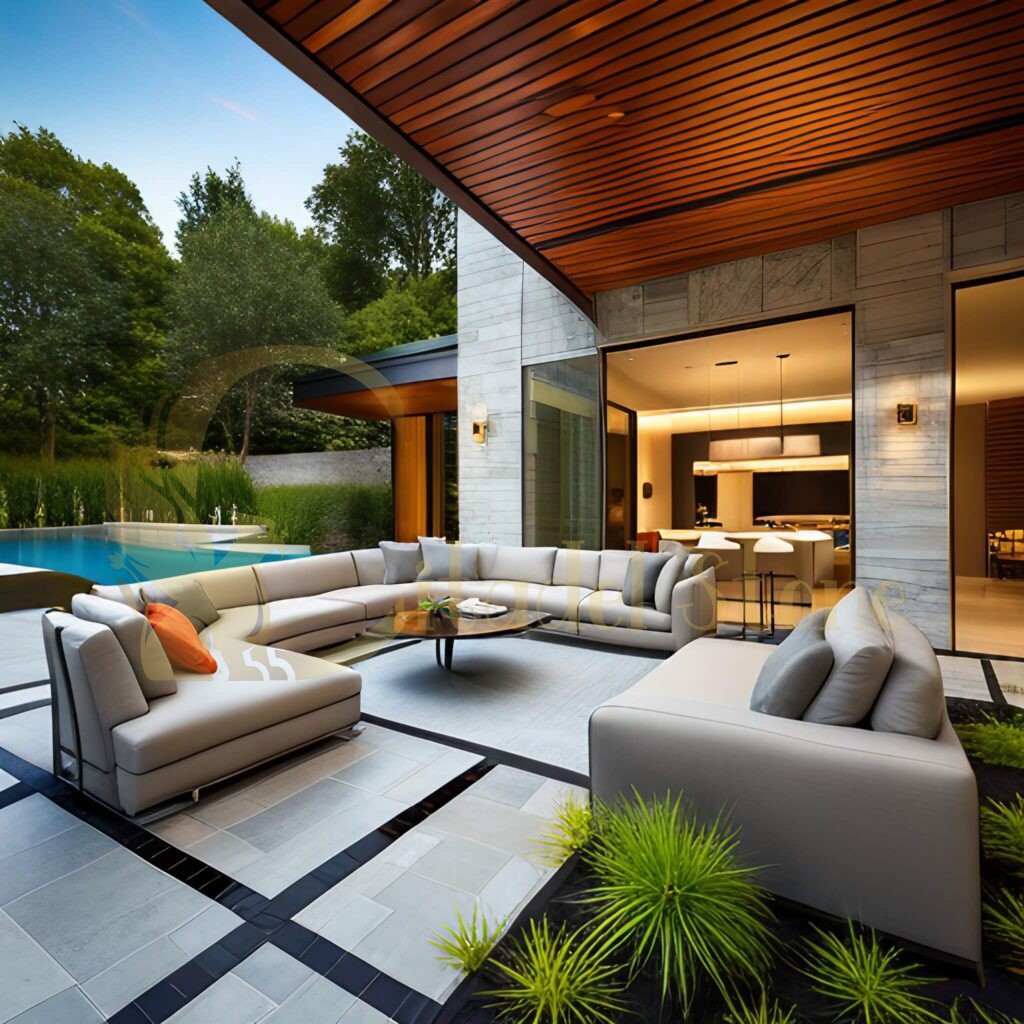
UV degradation doesn’t just bleach your stone — it fundamentally alters the surface crystalline structure over time, and that’s the variable most garden paving in Arizona specifications fail to account for. The intense solar radiation across the state, particularly in the low desert zones, drives photochemical reactions in certain stone minerals that no sealer fully stops. Understanding which materials resist this at the molecular level is the difference between a garden surface that looks sharp after a decade and one that looks tired after three years. Material choices grounded in UV performance data, not just compressive strength ratings, are what separate successful Arizona installations from costly ones.
How UV Exposure Affects Natural Stone in Arizona
Arizona’s UV index regularly exceeds 11 — the extreme classification — for roughly five to six months each year. That level of solar radiation does specific things to natural stone that most specifications overlook. Iron-bearing minerals in certain sandstones and some limestones undergo photooxidation, where the iron compounds shift from ferrous to ferric states, producing the characteristic orange and rust-colored surface staining you’ve probably seen on older installations in the Phoenix metro. This isn’t surface dirt — it’s a mineralogical change driven by sustained UV bombardment combined with trace moisture cycling.
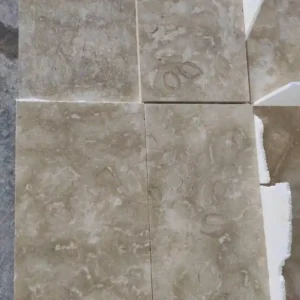
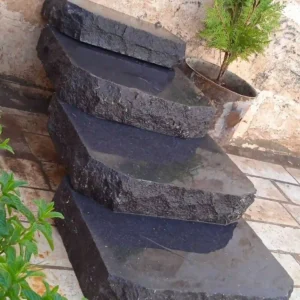
Travertine and certain dense limestones resist this process far better because their calcite matrix doesn’t contain the iron-mineral concentrations that drive photooxidation. Basalt performs exceptionally well too — its volcanic silica structure is inherently UV-stable, which is why you’ll see it holding color integrity on installations that have been baking in the Tucson sun for fifteen or twenty years. Porosity is the other UV-related variable: open-pored stones trap airborne particulates that UV breaks down into surface-staining compounds over seasons.
- Stones with iron-mineral content above 2% are at high risk of UV-driven surface oxidation in Arizona’s climate zones
- Dense, low-porosity materials — travertine, basalt, quartzite — maintain color fidelity significantly longer under extreme UV
- Cream and buff tones in limestone resist visible fading better than darker iron-rich sandstones under the same exposure conditions
- Penetrating silane-siloxane sealers reduce photochemical surface reactions by limiting the moisture cycling that accelerates UV oxidation
- Surface finish matters: honed finishes show UV-driven color shift earlier than flamed or brushed finishes because the smooth surface has less optical depth to mask gradual changes
Citadel Stone sources garden paving slabs in Arizona from quarry partners whose material documentation includes UV stability data alongside the standard compressive strength and absorption figures. You should request that documentation before finalizing a material specification — it’s the kind of detail that separates a ten-year installation from a twenty-year one.
Choosing the Right Material for Arizona Garden Paving
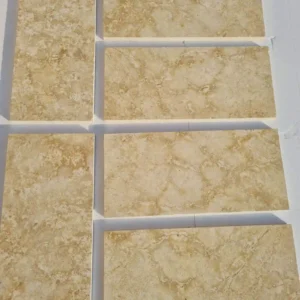
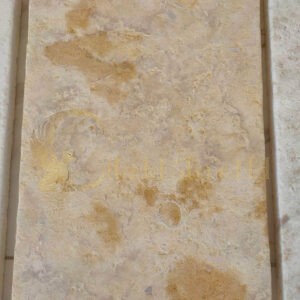
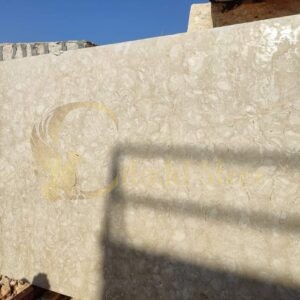
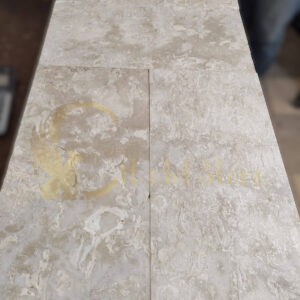
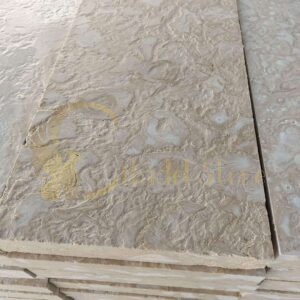
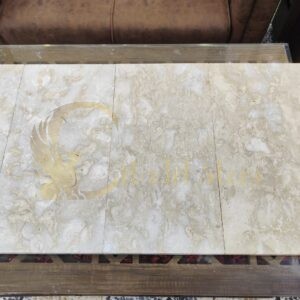
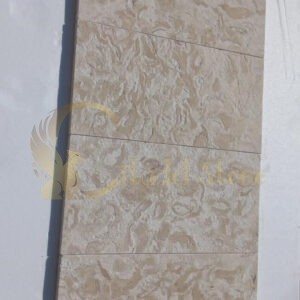
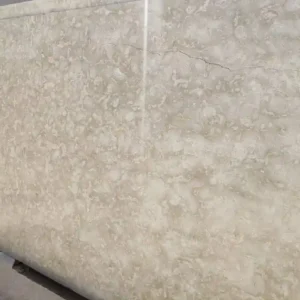
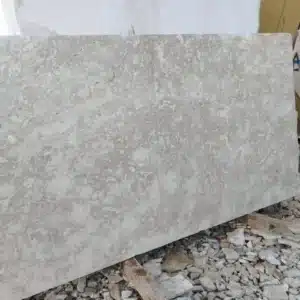
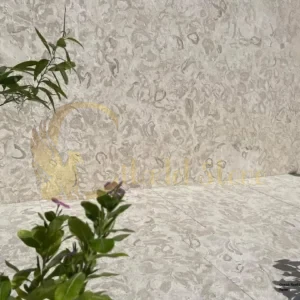
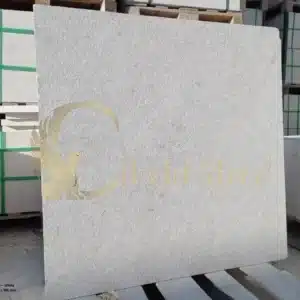
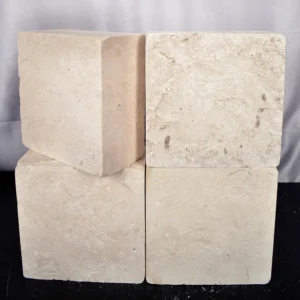
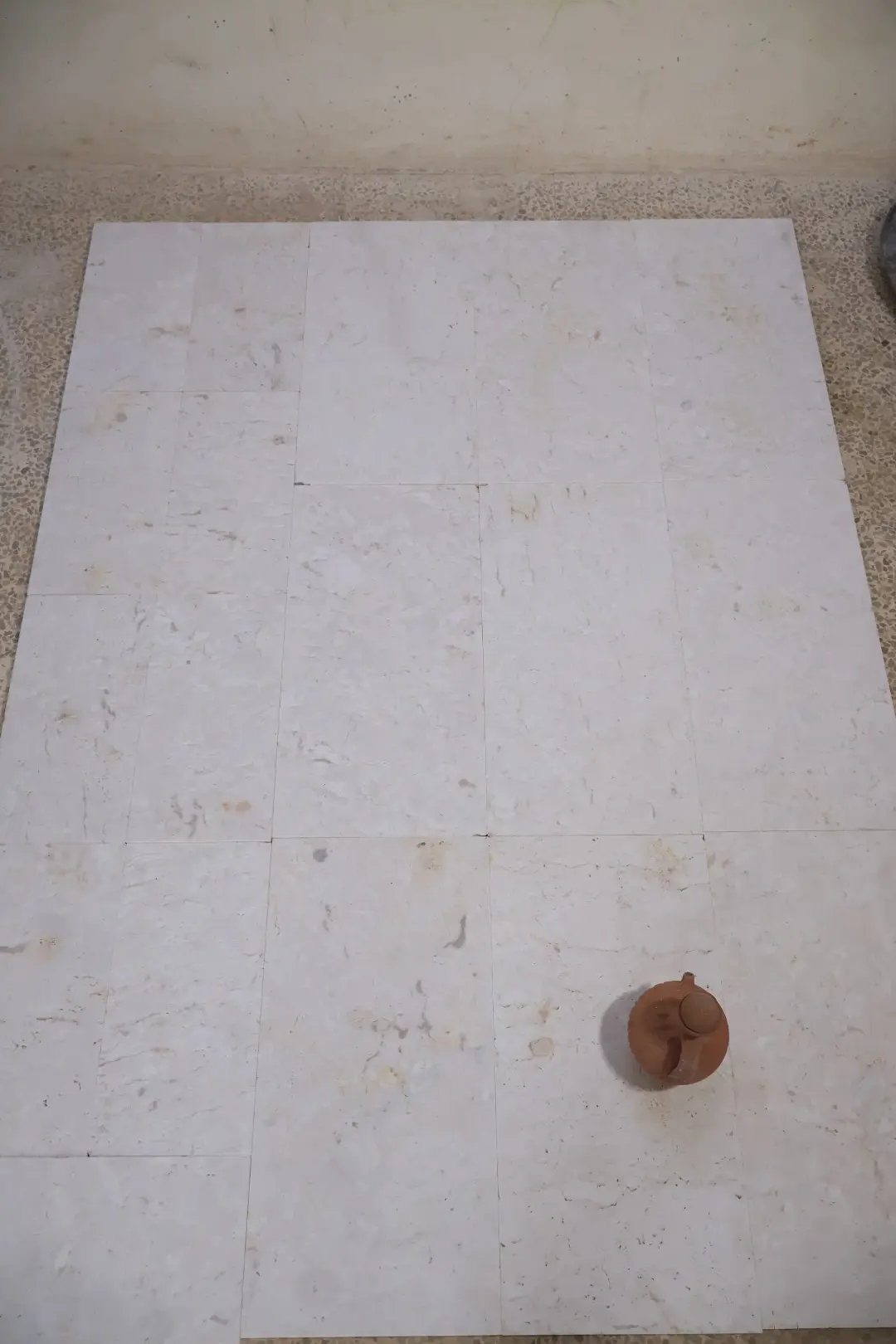
The material decision for garden paving in Arizona isn’t just about aesthetics — it’s a performance specification that needs to hold up under some of the most demanding UV and thermal conditions in North America. Travertine remains the benchmark for low desert gardens because its calcite-dominant composition stays chemically stable under prolonged UV exposure, its thermal mass characteristics are manageable, and its natural surface variation disguises the micro-etching that even UV-stable stones develop over years.
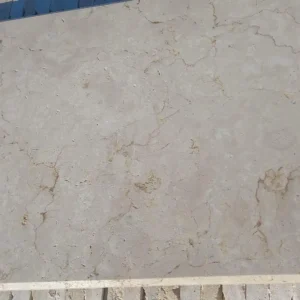
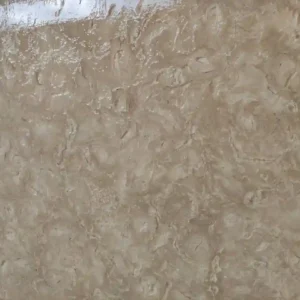
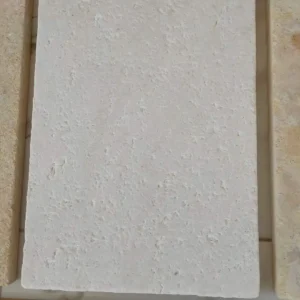
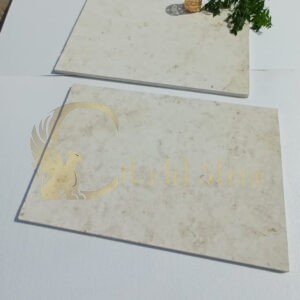
Limestone is a close second when you select the right formation — dense Jura or Cotswold-style limestones with low iron content and absorption rates below 3% perform well in Phoenix and Scottsdale gardens. Avoid the warmer-toned limestones with visible iron banding; that banding is a visual indicator of the same minerals that drive photooxidation. In gardens where you want a stronger visual contrast, quartzite delivers both UV stability and exceptional hardness — compressive strengths above 18,000 PSI are common, and the quartz matrix is essentially inert under UV bombardment.
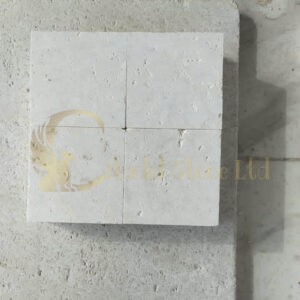
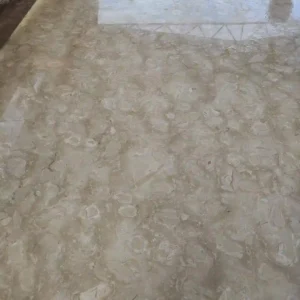
- Travertine: ideal for low desert gardens — UV-stable calcite matrix, thermal mass in a manageable range, natural color consistency
- Dense limestone (low iron, absorption below 3%): excellent for garden patio paving in Arizona, particularly in shaded or partially covered settings
- Quartzite: premium UV resistance with hardness above 7 on the Mohs scale — the right choice for fully exposed south-facing garden spaces
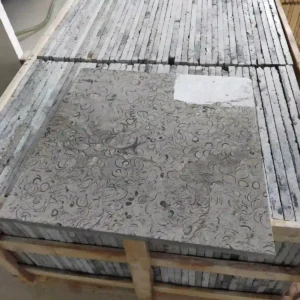
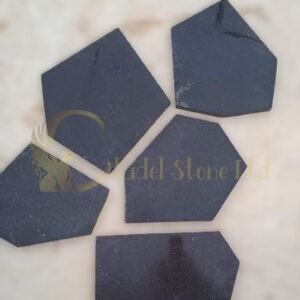
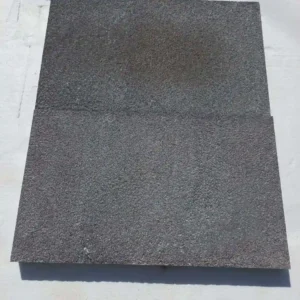
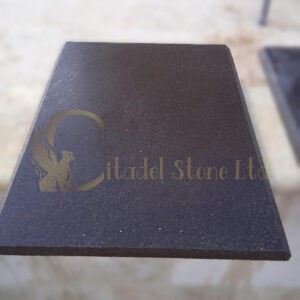
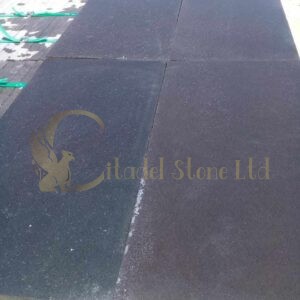
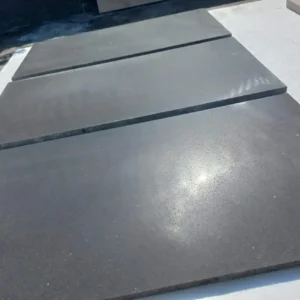
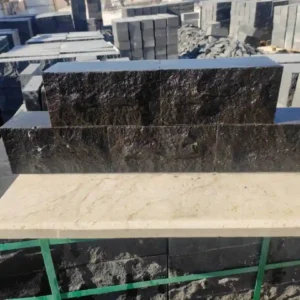
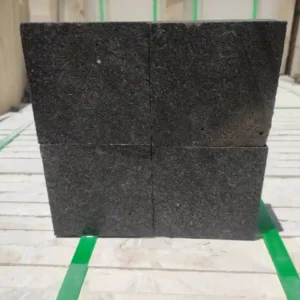
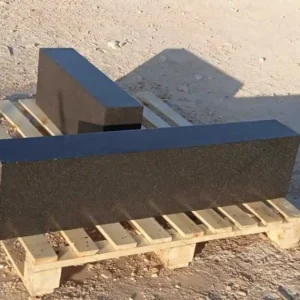
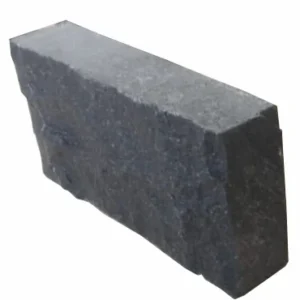
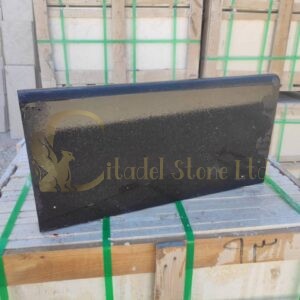
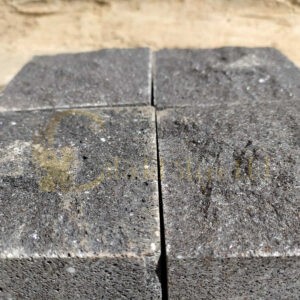
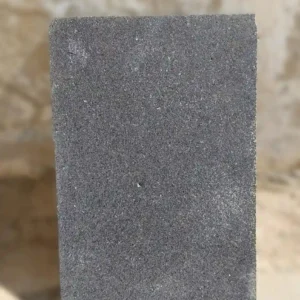
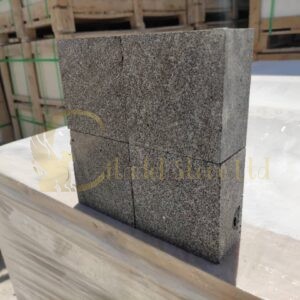
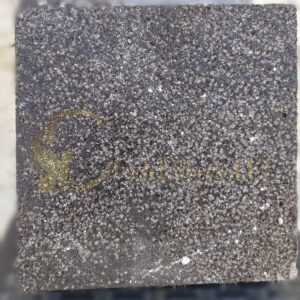
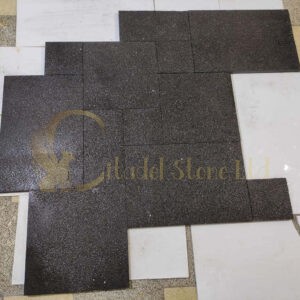
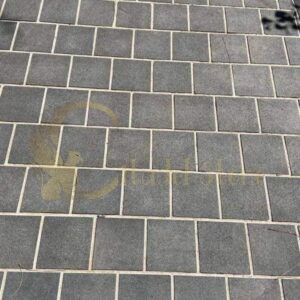
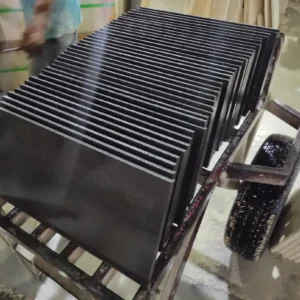
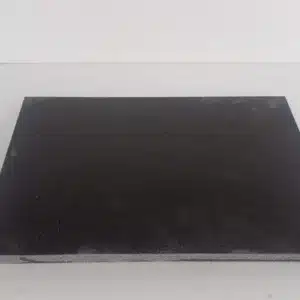
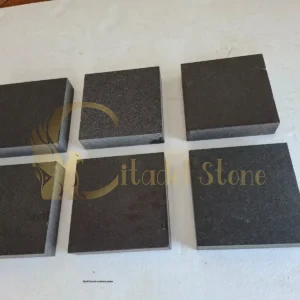
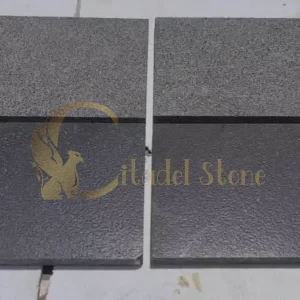
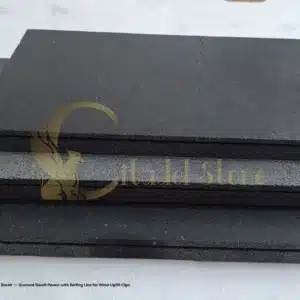
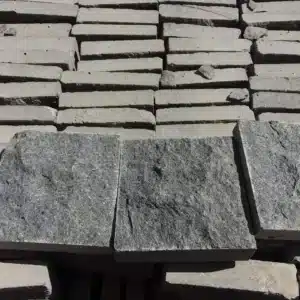
- Basalt: consistently UV-stable, charcoal and dark grey tones hold well over time, though the darker surface absorbs more radiant heat
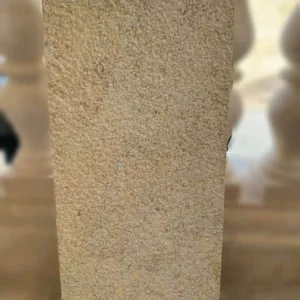
- Sandstone with high iron content: avoid for Arizona gardens — UV-driven photooxidation will produce surface staining within three to five years in full exposure
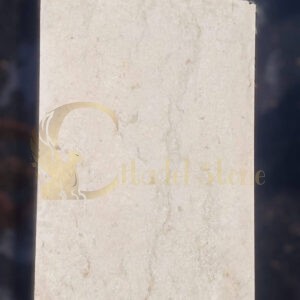
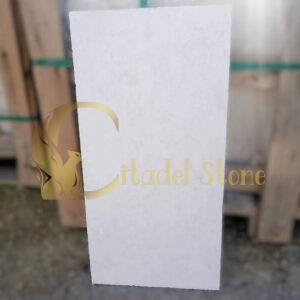
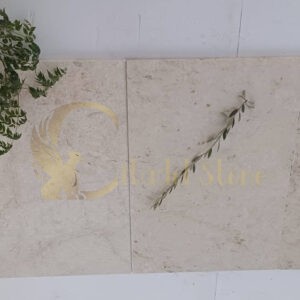
Garden paving tiles in Arizona are available from Citadel Stone in travertine, limestone, quartzite, and basalt formats. You can request sample tiles through their specification support process before committing to a full project order — examining actual material samples under Arizona light conditions is worth the step, particularly for color-critical projects. The best paving for garden in Arizona is ultimately the material whose UV and thermal performance data supports the specific exposure conditions of your site, not just the one that photographs best in a showroom.
Garden Paving Formats: Slabs, Tiles, Bricks, and Blocks
Format selection shapes not just the visual outcome but the long-term UV performance of your garden surface. Larger garden patio slabs in Arizona — formats in the 600×900mm or 24×36-inch range — have fewer joints, which means less grout or joint sand surface area exposed to UV degradation. Grout and jointing compounds break down under sustained UV faster than the stone itself in many cases, so minimizing joint linear footage is a legitimate UV management strategy, not just an aesthetic preference.
Garden paving bricks and garden block paving introduce more joint surface but provide superior pattern flexibility and easier repair access. For back garden slabs in Arizona where you’re dealing with established tree root systems or irrigation infrastructure, a brick or block format lets you lift and relay individual units without disturbing the entire installation. Garden stone paving slabs in larger formats are less forgiving in that regard — they’re harder to source as exact replacements years later if a single unit fails.
- Large-format garden patio slabs (600×900mm and above): fewer joints, reduced UV exposure on jointing material, cleaner maintenance profile
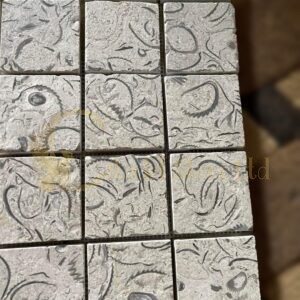
- Garden paving tiles in modular 400×400mm or 600×600mm formats: versatile for irregular garden shapes, easier to work around existing plantings
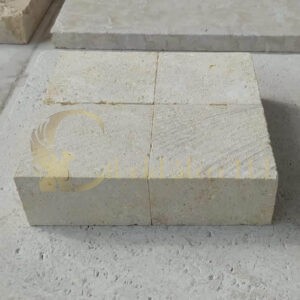
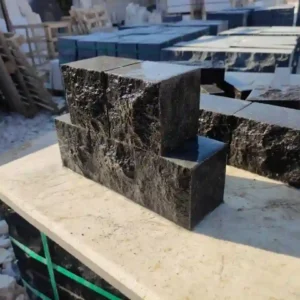
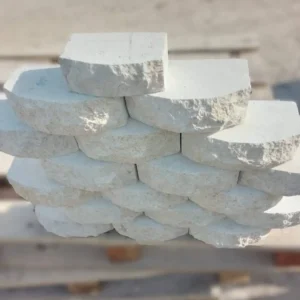
- Garden block paving in smaller units (200×100mm brick format): highest pattern flexibility, easiest long-term repair access, suitable for garden pathway slabs contexts
- Garden path paving slabs in stepping-stone configurations: allow for natural ground movement without the stress concentration that comes with continuous-bed installations
- Garden pavement slabs in random or calibrated formats: calibrated thickness is important in Arizona because the thermal cycling across seasons requires consistent joint spacing to manage expansion
At Citadel Stone, we’ve seen that format decisions made without considering the garden’s long-term maintenance context tend to generate the most costly retrofits. The best garden slabs in Arizona aren’t necessarily the largest or most impressive-looking on the specification sheet — they’re the ones that fit the actual maintenance reality of the project.
Base Preparation and Installation for Arizona Conditions
Base preparation in Arizona needs to account for something that most general installation guides understate: the caliche layer. In Phoenix and surrounding metro areas, caliche hardpan sits at varying depths — sometimes at 8 inches, sometimes at 24 — and it fundamentally changes your drainage geometry. Caliche is essentially impermeable, which means water that infiltrates your aggregate base has nowhere to go once it reaches that layer. In climates with significant rainfall events, that trapped water creates hydrostatic pressure cycles that move slabs over time, even when the surface looks completely dry between events.
The standard approach is to either break through the caliche to reach permeable soil below, or design your base as a fully drained system with positive-slope drainage to grade. For most garden paving in Arizona projects, the second approach is more practical — breaking caliche uniformly across a large garden area is expensive and time-intensive. A 4-inch compacted Class II base material over a geotextile fabric, with a minimum 1.5% cross-slope toward a perimeter drain, handles Arizona’s episodic rainfall without relying on vertical infiltration.
- Minimum base depth of 4 inches compacted aggregate for residential garden paving; increase to 6 inches in areas with known expansive clay beneath the caliche
- Geotextile fabric between native soil and aggregate base prevents fines migration that causes long-term settlement
- Cross-slope of 1.5–2% minimum toward drainage outlets — Arizona’s monsoon rain events can drop 1–2 inches in under an hour, so drainage capacity matters
- Setting bed depth of 1 inch compacted sharp sand for bedded slab systems; use a dry-pack mortar bed for garden patio paving in Arizona where slab sizes exceed 600×600mm
- Expansion joint spacing should be reduced to every 12–15 feet in Arizona versus the 18–20 feet common in cooler climates — thermal cycling is more extreme here
- Allow stone to acclimate on-site for 24 hours before installation — direct sun on cold-shipped stone causes temporary dimensional changes that affect joint consistency
Installation timing matters more than most contractors acknowledge. Laying stone in direct midday sun when surface temperatures exceed 140°F affects the setting bed cure rate in dry-pack mortar systems. Early morning installs, completed before 10 AM in summer months, give your mortar bed optimal cure conditions and your joints the best chance of staying consistent through the first thermal cycle.
UV and Color Fading: What to Expect Over Time
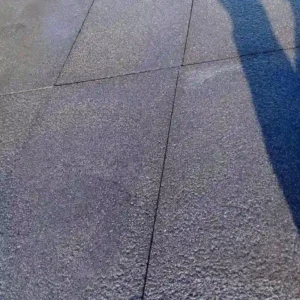
Realistic color expectations are something every Arizona garden paving project needs upfront. Natural stone will change appearance under sustained UV exposure — the question is how much, how fast, and whether the change is aesthetically acceptable. Travertine typically develops a slight lightening of its warmer tones over five to ten years, which most clients find natural and appealing. Dense grey limestone and basalt hold their tone exceptionally well because their mineralogy doesn’t contain UV-reactive compounds in significant concentrations.
The more problematic scenario is the uneven fading that happens when part of your garden paving is shaded by a structure, tree canopy, or wall, while another section gets full southern exposure. That differential UV exposure creates visible color variation across what was originally a uniform surface. In Scottsdale installations where the design incorporates shade structures over part of the garden, this differential is a real consideration — you’ll want to select a stone where the natural color variation is wide enough that the UV-driven change reads as character rather than deterioration.
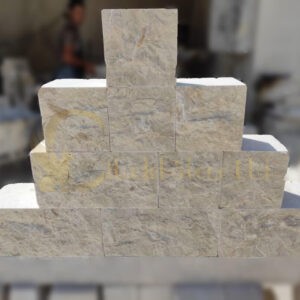
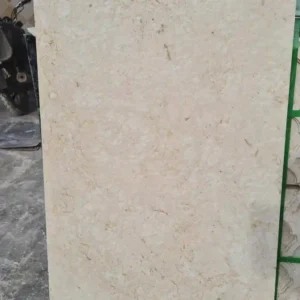
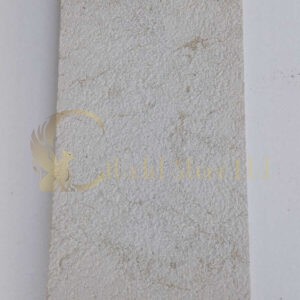
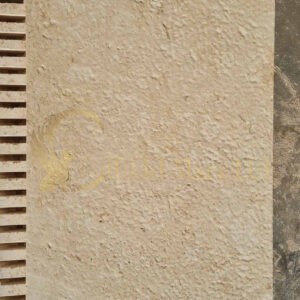
- Light-colored travertine and cream limestone: minimal visible UV-driven color change over ten years, with tone becoming slightly warmer and more muted
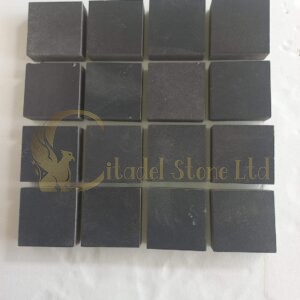
- Dark basalt and charcoal-tone garden paving bricks in Arizona: excellent UV color stability, though surface micro-etching is visible under raking light after prolonged exposure
- Iron-bearing buff or rust-toned sandstone: expect visible surface oxidation staining within three to five years in full Arizona sun — not recommended for garden patio slabs in exposed positions
- Differential shading: plan for visual variation if more than 30% of the paved area will be permanently shaded while the remainder is fully exposed
- Penetrating UV-inhibiting sealers slow the photooxidation process but require reapplication every two to three years in Arizona’s UV environment to remain effective
For projects where garden paving maintenance protocols are critical to the long-term color performance, the approach you take in the first two years after installation — specifically the sealing frequency and product selection — has a disproportionate influence on how the stone looks at year ten. Getting the sealer specification right early is worth more than any remediation effort later. Citadel Stone’s specification team can advise on product selection for garden paving slabs Arizona maintenance schedules suited to your specific material and exposure conditions.
Garden Path and Patio Design Considerations for Arizona
Garden pathway slabs in Arizona need to balance UV stability with slip resistance — and those two requirements pull in different directions when it comes to surface finish. Honed finishes offer the cleanest aesthetic and the most UV-consistent appearance over time, but their coefficient of friction in wet conditions (particularly during monsoon events) can drop below the 0.6 minimum recommended by ASTM C1028 for exterior applications. Brushed and flamed finishes provide better wet traction and also mask surface micro-etching from UV exposure more effectively.
For garden path paving slabs in Arizona where barefoot use is common — which covers most residential pool-adjacent garden spaces — the surface temperature of the stone under direct sun is a factor that often surprises homeowners. Light-colored travertine and cream limestone can still reach 110–120°F surface temperature in full summer sun, which is at the upper limit of comfortable barefoot contact. Shade structure placement over key path sections isn’t just an aesthetic decision — it’s a practical one for livability.
- Garden pathway slabs in brushed or flamed finish: better wet traction (COF above 0.7) and better visual aging under Arizona UV than honed alternatives
- Stepping stone configurations with 450–600mm spacing center-to-center: allow natural plant ground cover between units, which reduces overall surface temperature in the immediate area
- Garden patio paving in Arizona benefits from orienting the longer dimension of rectangular slabs perpendicular to the primary viewing axis — it visually expands the space and aligns slab joints with natural movement patterns
- Perimeter edging detail is critical: without a restrained edge, thermal cycling will migrate individual units outward over years, creating trip hazards at the garden’s perimeter
- Garden patio bricks in a soldier course border contain large-format slabs effectively and allow for the differential thermal movement that occurs at the transition between the main field and the edge treatment
Cheap Garden Paving in Arizona: What the Budget Actually Buys
Garden paving on a budget in Arizona is achievable, but the material selection decision here has more long-term cost implications than in most other states. The UV environment is unforgiving on low-density materials — concrete-based garden slabs, in particular, degrade faster under Arizona’s UV and thermal cycling combination than in cooler, less UV-intense climates. A cheap garden paving product that requires replacement or remediation in eight years has a higher total lifecycle cost than a more expensive natural stone that performs reliably for twenty-five.
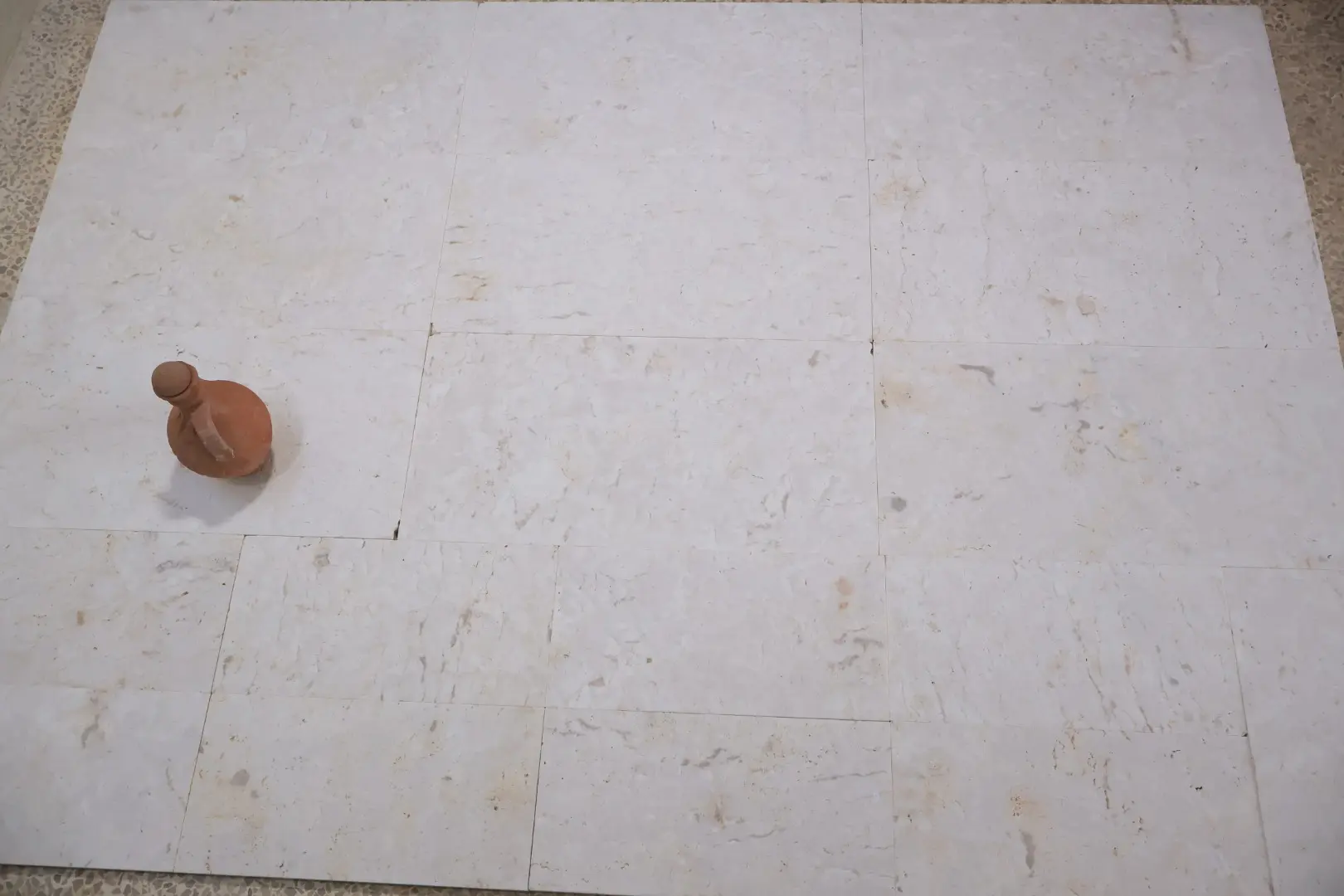
The practical budget approach is to focus spending on material quality in the zones that receive the most UV exposure and foot traffic — typically the main garden patio area — and use a less expensive format for secondary zones like side paths or utility access areas. Natural stone isn’t uniformly expensive; travertine garden slabs for sale in Arizona are available at accessible price points, particularly in standard modular formats, and the performance differential over budget concrete alternatives is substantial over a ten-to-fifteen-year horizon. Garden slabs for sale in Arizona from established quarry sources represent a genuine long-term value proposition that cheap alternatives rarely match once UV performance data is factored in.
- Cheap garden slabs in concrete: acceptable in covered or shaded settings, but expect surface spalling and color fade within five to eight years in full Arizona UV exposure
- Budget travertine in standard 400×400mm or 600×300mm formats: genuinely affordable entry point into natural stone with twenty-plus-year performance expectations when installed correctly
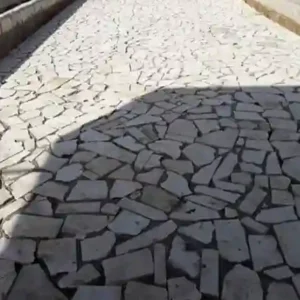
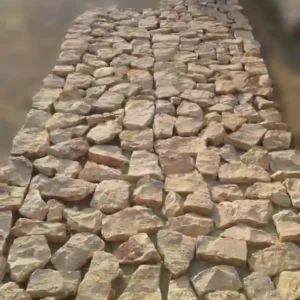
- Reclaimed or irregular garden stone paving slabs: cost-effective option where the natural variation and imperfection is an aesthetic asset rather than a liability
- Garden paving on a budget in Arizona: prioritize material quality in the main patio zone, use simpler formats in secondary paths to balance overall project cost
- Avoid the cheapest sandstone options entirely for Arizona gardens — the UV and oxidation performance simply doesn’t justify the initial savings when remediation costs are factored in
In Tucson, where the combination of extreme UV intensity and occasional freeze events at higher elevations complicates material selection, the mid-range travertine and dense limestone formats from established quarry sources consistently outperform budget alternatives on a total cost basis. The savings at purchase rarely survive the first decade in that UV environment.
Sealing and Maintenance for Arizona UV Conditions
Your sealing protocol for garden paving in Arizona needs to be more aggressive than the manufacturer’s generic recommendation, which is typically calibrated for temperate European or northeast American conditions. Arizona’s UV intensity accelerates sealer breakdown — a penetrating silane-siloxane sealer that’s rated for five-year reapplication intervals in a standard climate will need reapplication every two to three years here to maintain its photooxidation inhibition properties.
The first sealer application should happen after the installation has cured for a minimum of 28 days and ideally after the stone has gone through at least one full thermal cycle. Sealing too early traps installation moisture that needs to breathe out through the stone face. Apply in the early morning when surface temperatures are below 85°F — sealer applied to stone above that temperature flashes too quickly and doesn’t penetrate to the depth required for UV protection effectiveness.
- Penetrating silane-siloxane sealers: correct product type for Arizona garden paving — they protect without changing surface appearance or creating a slippery film
- Topical film sealers: avoid for outdoor Arizona applications — UV breaks them down into a chalky residue that’s harder to remove than the original surface staining you were trying to prevent
- Reapplication interval: every 24–30 months for fully exposed garden paving in Arizona versus 48–60 months in cooler climates
- Joint sand stabilization: stabilized polymeric sand in joints reduces the UV-driven organic breakdown and weed infiltration that occurs in unstabilized joint systems
- Annual inspection: check for UV-driven surface micro-etching, joint sand level, and edge restraint movement each spring before the peak UV season begins
Warehouse stock levels for sealer products from Citadel Stone are worth verifying before scheduling your seasonal maintenance — lead times from the warehouse on specialist stone sealers can run two to three weeks during peak spring demand, which is exactly when most Arizona garden paving maintenance projects are scheduled.
Order Garden Paving in Arizona — Arizona Delivery Available
Citadel Stone stocks garden paving slabs in Arizona in travertine, limestone, quartzite, and basalt formats across standard sizes including 400×400mm, 600×300mm, 600×600mm, and 600×900mm, with nominal thicknesses of 20mm and 30mm to suit both pedestrian and light-vehicle garden applications. Garden paving tiles in Arizona are available in calibrated and tumbled finishes. Garden block paving in Arizona is stocked in standard brick format (200×100mm) and larger module formats for mixed-pattern installations.
You can request sample tiles and full technical data sheets — including UV stability documentation, absorption rates, and compressive strength figures — through Citadel Stone’s specification support process before placing a project order. For trade and wholesale enquiries, the team can provide material scheduling, format mix optimization for minimal waste, and project-specific lead time estimates based on current warehouse stock positions. Truck delivery is available across Arizona, including to project sites in metropolitan Phoenix, Tucson, Scottsdale, and surrounding areas, with lead times typically running one to two weeks from confirmed order for in-stock formats. For non-standard sizes or custom-cut requirements, allow four to six weeks for fulfillment. Contact Citadel Stone directly to request pricing, confirm current stock availability, or schedule a technical consultation for your project.
As you finalize your Arizona stone project specification, related hardscape applications are worth exploring alongside your garden paving choices. Block Paving in Arizona covers another dimension of Citadel Stone’s Arizona hardscape range that may complement your overall garden design. For dependable garden paving installations across Arizona, Citadel Stone offers materials and expertise suited to the region’s unique environmental conditions and landscaping requirements.