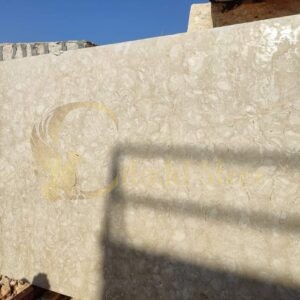
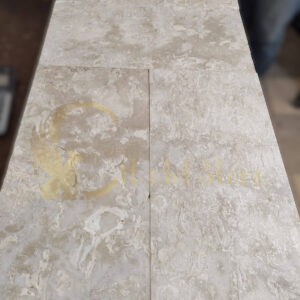
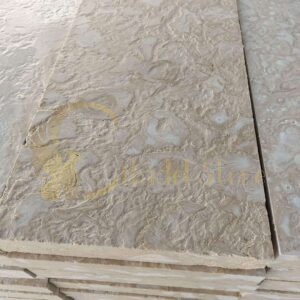
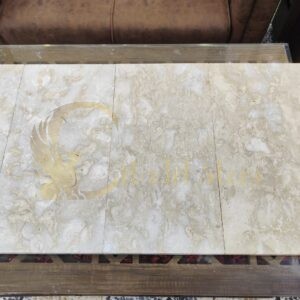
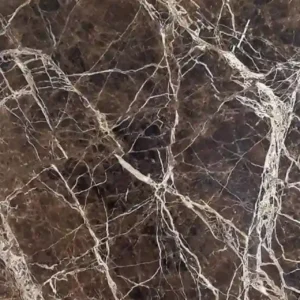
UV degradation hits patio pavers in Arizona differently than most installers expect — not through heat alone, but through cumulative photon bombardment that breaks down mineral binders at the crystalline surface level. Arizona receives some of the highest annual UV index readings in North America, and that exposure directly compromises the feldspar and carbonate bonds in natural stone long before visible discoloration signals a problem. Selecting the right patio pavers in Arizona means understanding which mineral compositions resist photooxidation and which turn chalky or spalled within five years of installation.
How UV Exposure Affects Natural Stone Pavers in Arizona
The surface chemistry of outdoor patio pavers in Arizona changes under sustained UV bombardment in ways that concrete alternatives don’t replicate. In natural limestone, UV radiation accelerates calcite surface dissolution — a process called photohydrolysis — that strips the natural sealer bond and exposes raw pore networks to airborne particulate. You’re essentially watching the stone bleach from the outside in, one micron at a time. By year three without treatment, that process is visible as a milky haze across the surface that no cleaning product reverses.
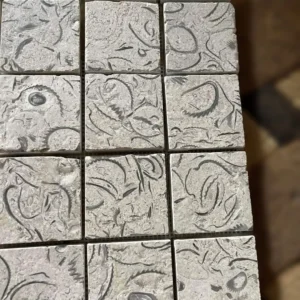
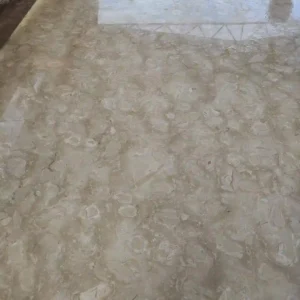
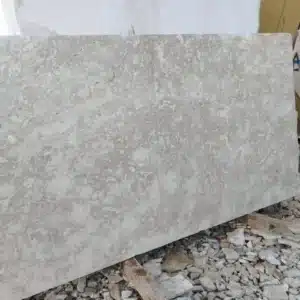
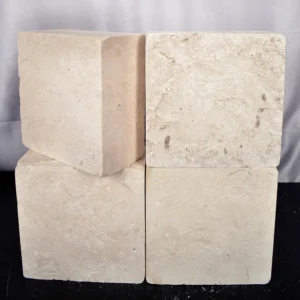
Travertine behaves differently under Arizona UV. Its interconnected void structure distributes thermal and photon stress across a larger surface area, which slows surface oxidation compared to dense limestone. Field performance data on outdoor patio pavers across Arizona’s low desert shows travertine maintaining color fidelity 40–60% longer than comparable limestone under identical UV exposure — a meaningful difference when you’re selecting stone for an unshaded backyard patio in Yuma or Phoenix.
- UV index in Arizona’s low desert averages 10–11 on clear days, roughly double what installers in northern states design for
- Photooxidation strips impregnating sealers at a rate 2–3x faster than temperate climates, requiring more frequent maintenance cycles
- Color fading in iron-rich stones (buff limestone, red sandstone) accelerates sharply above UV index 9 due to hematite surface oxidation
- Dense, low-porosity stones (basalt, quartzite) resist UV degradation better than high-porosity alternatives at equivalent price points
- Surface finish matters — tumbled and brushed finishes expose more aggregate surface area to UV than honed or natural-cleft faces
Citadel Stone sources its patio pavers in Arizona from quarry partners with documented mineral composition profiles, allowing the team to match stone density and carbonate content to specific UV exposure levels by project location. That kind of specification support at the sourcing stage prevents the color instability problems that show up two seasons after installation.
Material Selection Guide for Back Patio Pavers in Arizona
The most popular patio pavers in Arizona’s residential market break into three performance tiers when evaluated against UV resistance, thermal cycling, and long-term color retention. Understanding where each material sits in that hierarchy saves you from replacing a back patio paver installation five years ahead of schedule.
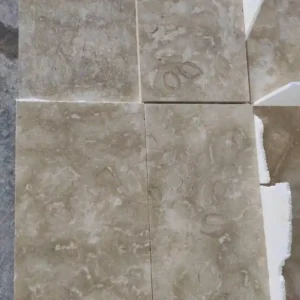
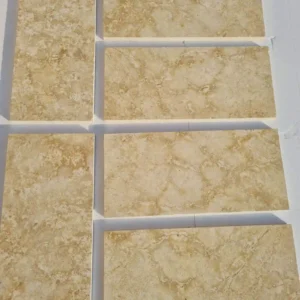
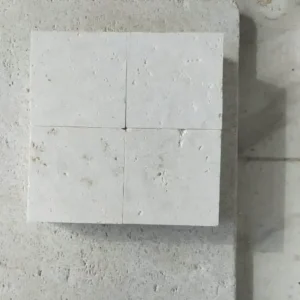
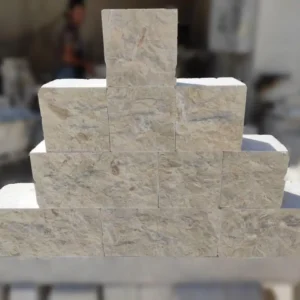
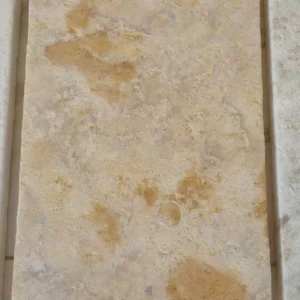
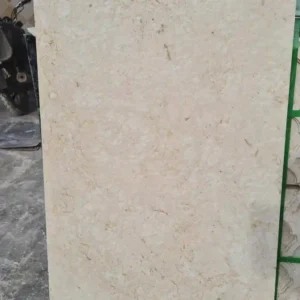
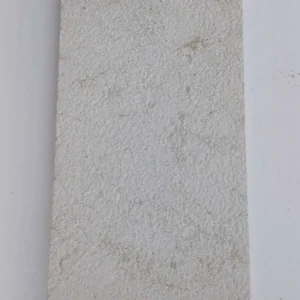
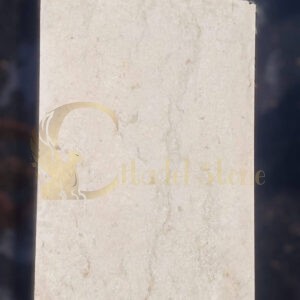
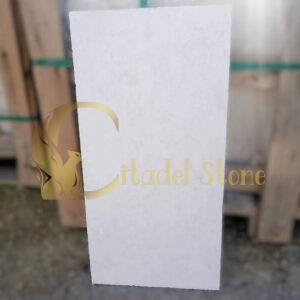
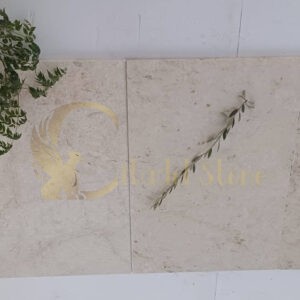
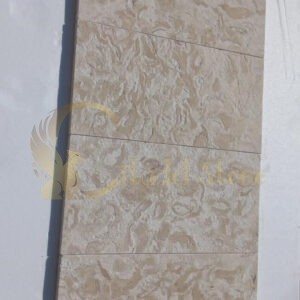
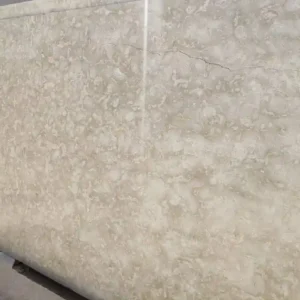
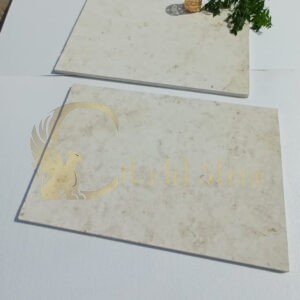
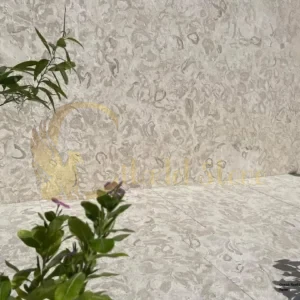
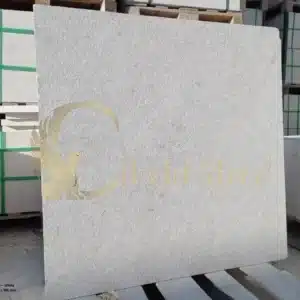
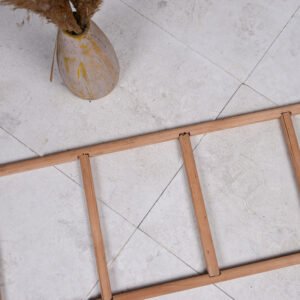
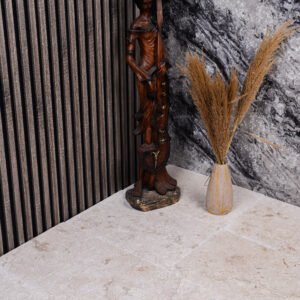
Travertine remains the benchmark for UV-resistant outdoor patio pavers in Arizona’s low desert. Its natural ivory and cream tones reflect rather than absorb UV radiation, which limits photooxidation at the surface layer. The reflectance coefficient on light-colored travertine runs between 0.55 and 0.70, meaning it bounces back more than half the incident solar energy instead of converting it to surface heat and photochemical stress. You’ll get 20–25 years of stable color performance from properly sealed travertine in Phoenix-area conditions without the surface bleaching that plagues denser limestone pavers.
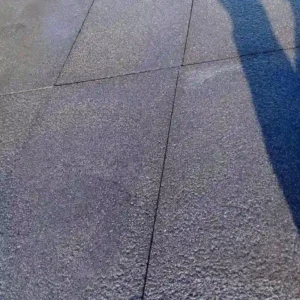
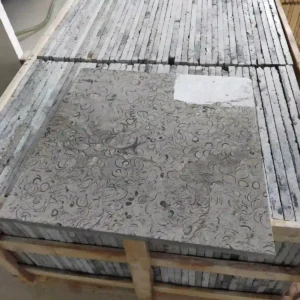
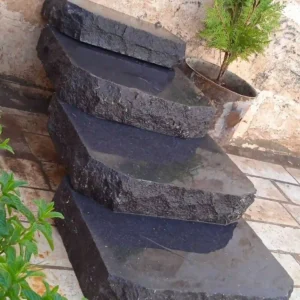
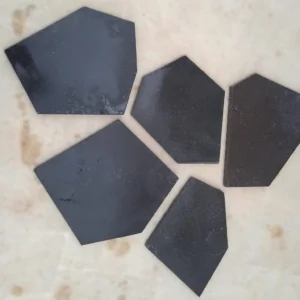
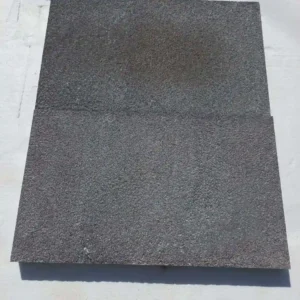
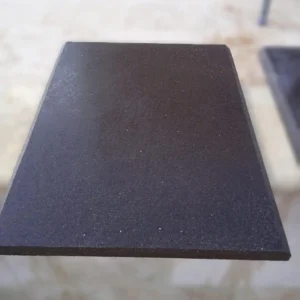
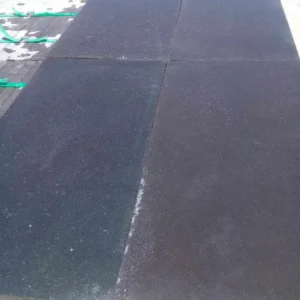
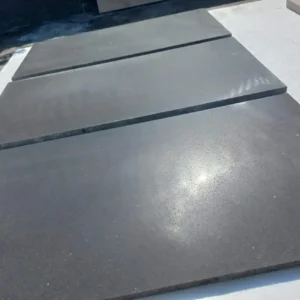
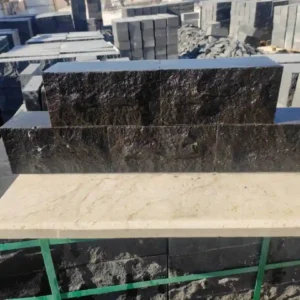
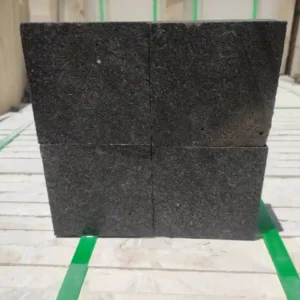
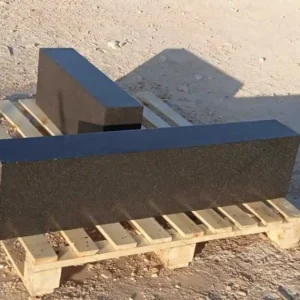
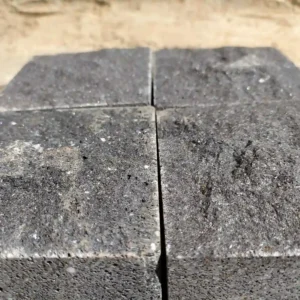
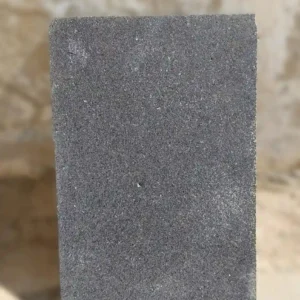
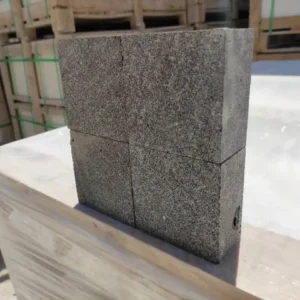
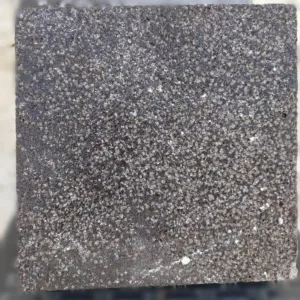
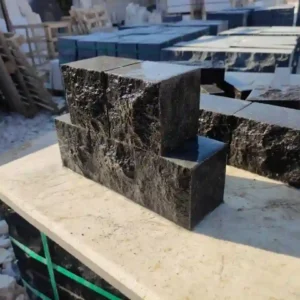
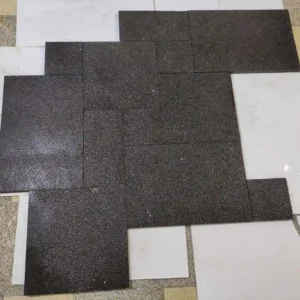
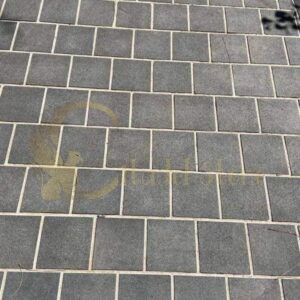
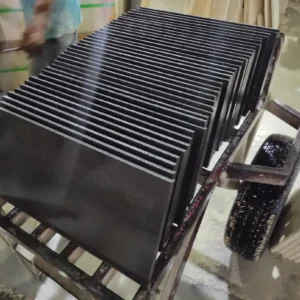
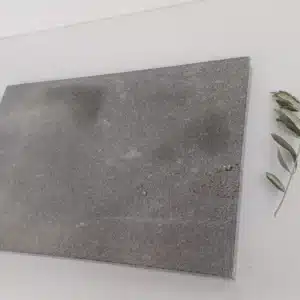
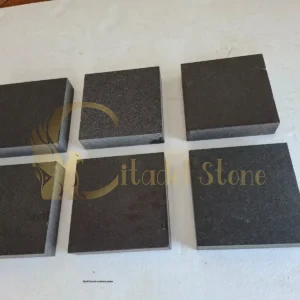
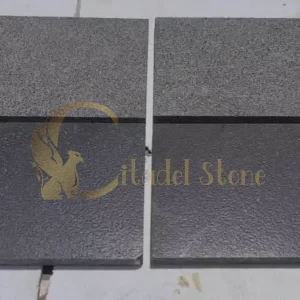
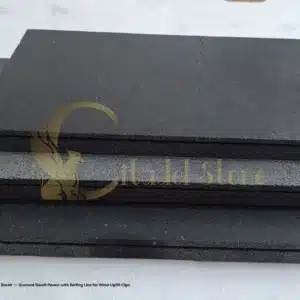
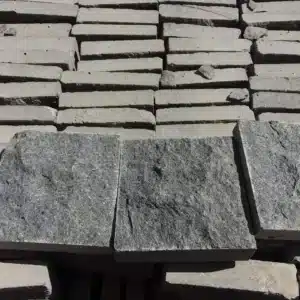
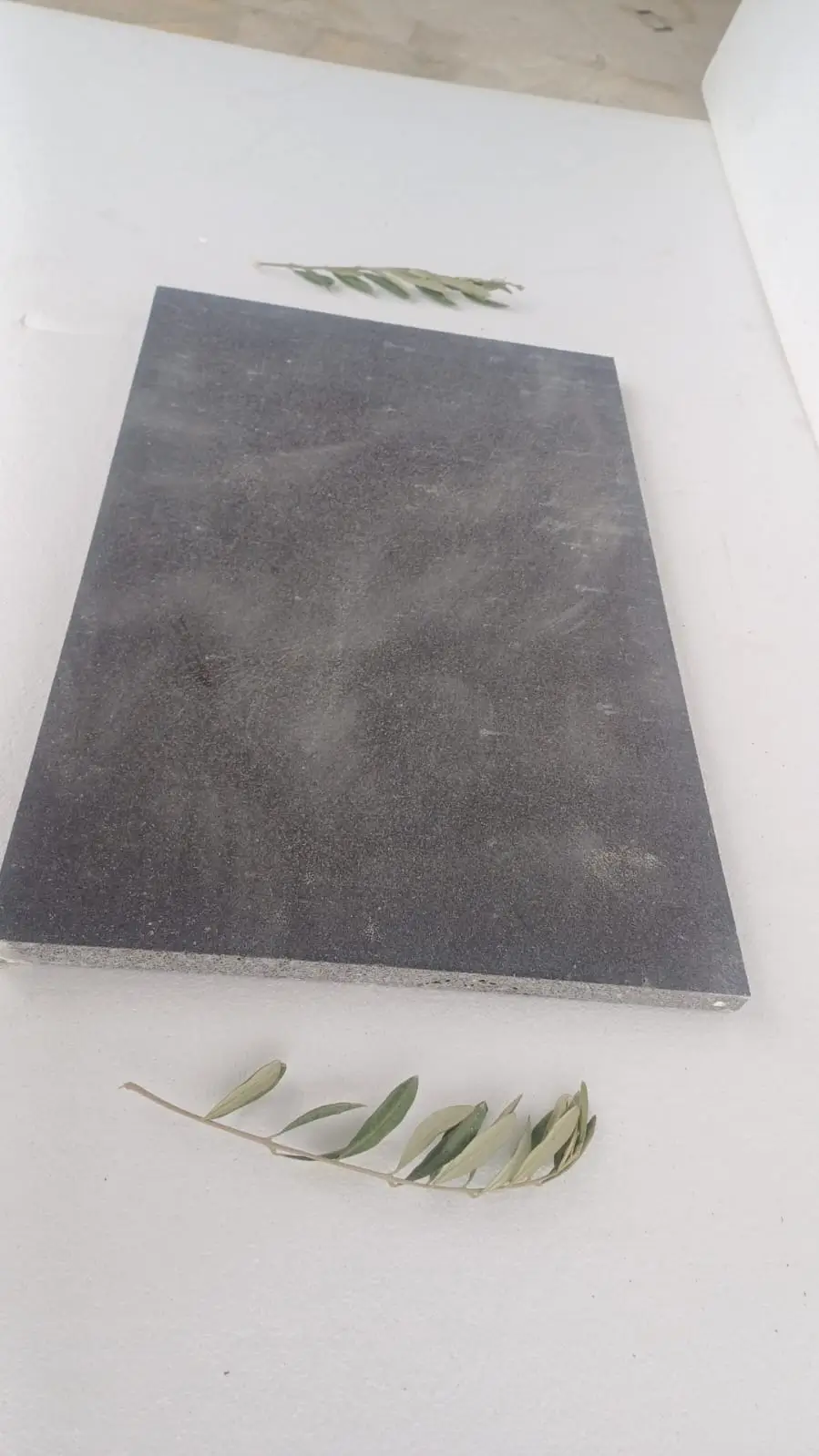
Patio pavers grey in color — particularly basalt and dark limestone — create a different UV performance profile. Darker stones absorb more radiation, which accelerates surface oxidation and can cause micro-cracking at grain boundaries over a 10–15 year horizon in unshaded desert exposure. That’s not a disqualifier, but it means your sealing schedule needs to run on an 18-month cycle rather than the 24-month schedule appropriate for lighter stones. Projects in Scottsdale with eastern or northern patio orientations — where shade patterns reduce peak UV hours — can push grey stone performance closer to 20 years with consistent maintenance.
- Travertine (cream, ivory): highest UV color stability, 0.55–0.70 reflectance, recommended for fully exposed south and west-facing patios
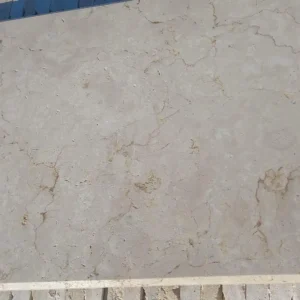
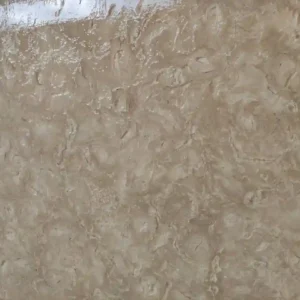
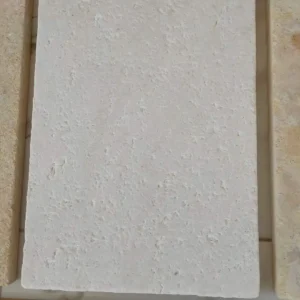
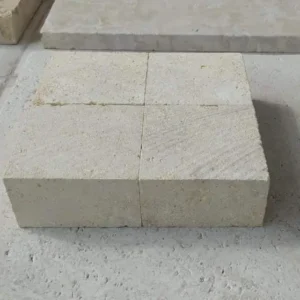
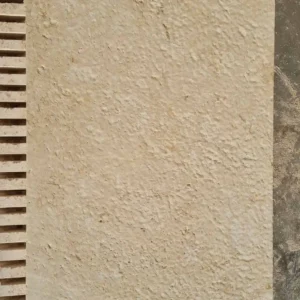
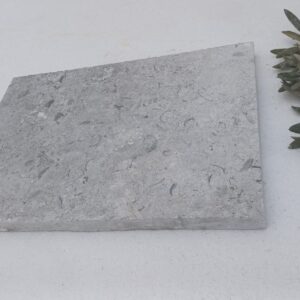
- Limestone (buff, beige): moderate UV stability, requires impregnating sealer with UV inhibitors, 18-month reapplication cycle
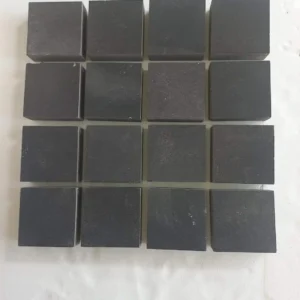
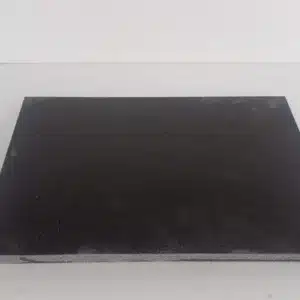
- Basalt and dark grey pavers: excellent structural durability but accelerated surface oxidation, best suited for shaded or semi-shaded applications
- Quartzite: outstanding UV resistance due to low iron content and dense crystalline structure, premium price point but 25+ year color stability
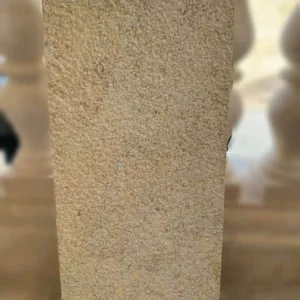
- Sandstone: weakest UV resistance in the natural stone family — not recommended for unshaded Arizona patio applications
For beautiful patio pavers with long-term UV performance in Arizona, the material choice at the specification stage carries more weight than any maintenance protocol you apply afterward. Get the stone type right first.
Size, Format, and Layout: Large and Rectangle Patio Pavers in Arizona
Format selection for Arizona patio installations isn’t purely aesthetic — it directly affects UV weathering outcomes and thermal performance across the slab surface. Large patio pavers in Arizona reduce the total joint linear footage per square foot of installation, which limits the number of exposed edges vulnerable to UV-accelerated edge spalling. A 24×24 inch rectangle paver layout in the same square footage as a 12×12 grid cuts exposed edge length by roughly 50%, and those edges are where UV damage initiates in most installations.
Extra large patio pavers in Arizona — typically 24×36 or 36×36 inch formats — deliver this edge-protection benefit at maximum scale but introduce a specific installation challenge: thermal expansion management. At Arizona daytime temperatures, a 36-inch stone slab can expand 0.018–0.022 inches from morning to peak afternoon. Your joint spacing needs to account for this, with a minimum 3/8-inch joint on large format natural stone. Going tighter than that risks edge chipping and joint mortar failure within the first two summers.
Patio pavers rectangle formats — particularly 12×24, 16×24, and 18×36 proportions — give you directional visual flow that works well with Arizona’s linear architectural aesthetic. Running bond and offset patterns in these proportions also distribute point loads more effectively than square formats, which matters on patios that carry outdoor furniture and grill traffic. Projects in Chandler with expansive open-plan outdoor living areas frequently specify 16×24 travertine in a 1/3 offset pattern specifically for this load distribution advantage.
- Minimum joint width for large format pavers in Arizona: 3/8 inch (thermal expansion clearance)
- Extra large formats (36×36+) require a minimum 4-inch compacted aggregate base regardless of soil bearing capacity
- Rectangle formats in running bond distribute point loads 15–20% more evenly than stack bond square patterns
- Avoid formats smaller than 12×12 in unshaded Arizona patios — more joint exposure means faster UV deterioration at grout interfaces
- Natural cleft and brushed surface finishes on large format stone hide UV-related surface changes better than polished or honed finishes over time
Patio pavers with border treatments add a design element that also functions as a UV management tool. A contrasting border stone in a UV-stable dark basalt or a sealed quartzite edge creates a visual frame that anchors color — even if the field stone experiences some tone shift over years of Arizona exposure, the border holds its definition and the overall pattern reads as intentional rather than weathered.
Base Preparation and Drainage: What Arizona Soils Demand
Arizona’s caliche and clay-heavy soils create base preparation challenges that override any material selection decision you make above grade. Caliche hardpan — calcium carbonate-cemented soil found at depths ranging from 6 inches to 36 inches depending on the site — is both an asset and a problem. As a bearing layer it’s excellent, often exceeding 4,000 PSF capacity. As a drainage barrier it’s catastrophic. Water pools above caliche under monsoon conditions and saturates the aggregate base, which undermines your paver installation through cyclic wet-dry expansion regardless of how well you specified the stone above.
For back patio pavers in Arizona on caliche-bearing lots, you need either a french drain running below the hardpan elevation or a sloped aggregate profile that directs water away from the structure before it pools. A minimum 2% cross-slope on the base course achieves this in most residential configurations. Don’t rely on the surface paver slope alone — by the time water reaches the paver surface and drains off, the aggregate below may already be saturated from capillary wicking through caliche fractures.
Base depth specifications for Arizona patio installations should run deeper than generic national guidelines suggest. For residential backyard patio pavers in Arizona receiving foot traffic only, a 4-inch compacted class II aggregate base over 4 inches of compacted native subgrade is the practical minimum. Add an inch of bedding sand, and you’re placing pavers at 9 inches total depth from finished grade. Projects in Tucson with expansive clay soils — common in the Rillito watershed areas — should add 2 inches to that base depth to accommodate soil movement during monsoon season without paver displacement.
- Test for caliche hardpan before finalizing base design — probe rods at 12-inch intervals across the patio footprint to map hardpan depth variation
- Compact aggregate base to 95% Modified Proctor density — less than that leaves differential settlement risk in Arizona’s wet-dry cycles
- Use angular crushed aggregate (3/4 inch minus) rather than rounded river gravel — angular material interlocks and resists lateral shifting under thermal cycling
- Install a geotextile separator between native soil and aggregate base on clay sites — it prevents clay migration into the aggregate over time
- Slope finished paver surface minimum 1/8 inch per foot away from structures — insufficient drainage is the leading cause of paver installation failure in Arizona
Base preparation is the one cost you genuinely can’t cut without consequences. Affordable patio pavers in Arizona installed over a properly designed base will outperform expensive stone on a compromised foundation every time. The base is where the 20-year installation separates from the 8-year replacement.
Sealing, UV Protection, and Maintenance Schedules for Arizona Stone
The sealing decision for patio pavers in Arizona carries more performance weight than in almost any other climate in the country. UV radiation doesn’t just fade color — it degrades the polymer matrix of impregnating sealers, progressively reducing their ability to block moisture and airborne mineral deposits. What works as an 18-month sealer cycle in California becomes a 12-month cycle in unshaded Phoenix conditions.
Solvent-based impregnating sealers with UV stabilizers perform significantly better than water-based alternatives on Arizona outdoor patio pavers. The solvent carrier penetrates deeper into natural stone pore networks — typically 3–5mm versus 1–2mm for water-based products — which means the active barrier sits below the zone of maximum UV bombardment rather than at the surface. You’re protecting the stone from underneath the UV damage zone, not just coating the top. Look for sealers with benzotriazole or hindered amine light stabilizer (HALS) additives specifically formulated for high-UV environments.
Application timing matters in Arizona in ways that don’t apply elsewhere. Apply sealer in early morning — stone surface temperature above 90°F causes solvent flash-off before full penetration occurs, leaving a surface film rather than a true impregnating seal. That surface film looks fine for 6 months and then peels, requiring full strip-and-reseal rather than a routine maintenance application. For projects requiring guidance on protection protocols for outdoor patio pavers for Arizona, the specific UV and monsoon weathering combinations in this state demand a tailored approach that standard maintenance guides don’t fully address.
- Apply sealer when stone surface temperature is below 75°F — typically before 8 AM in Arizona summer months
- Solvent-based impregnating sealers: reapply every 12–18 months on fully exposed south and west-facing patios
- Test sealer effectiveness annually with the water bead test — if water absorbs within 60 seconds, reseal immediately
- Strip and fully reseal every 4–5 years regardless of annual maintenance — sealer buildup in pore networks reduces effectiveness over time
- Use UV-stabilized grout additives in joint mortars — unstabilized grout chalks and loses adhesion under Arizona UV within 3–4 years
- Patio pavers with steps require extra attention at tread-riser joints — water intrusion at these transitions accelerates UV damage at the most trafficked surfaces
Front Patio Pavers in Arizona: Curb Appeal That Holds Up to Sun
Front patio pavers in Arizona face a different UV challenge than backyard installations — they’re typically in full, unrelenting western or southern exposure for the peak UV hours of the afternoon, and they’re the first thing anyone sees when approaching the property. The stakes for color stability and surface appearance are higher, which means the material specification needs to account for that visibility pressure alongside the standard performance criteria.
Light-colored natural stone — travertine in ivory or cream, or limestone in buff and wheat tones — performs best in Arizona front patio applications because its reflectance coefficient keeps surface temperatures 15–25°F below what dark stone reaches under identical solar exposure. Lower surface temperature means slower sealer degradation and slower photochemical breakdown at the mineral surface. Beyond the UV performance benefit, light-toned patio pavers modern in architectural aesthetic also photograph and present better in the bleached, high-contrast light of Arizona’s midday sun.
Patio pavers with border treatments on front entries deserve particular UV-related attention because borders are often the first element to show discoloration. Specifying a UV-stable border material — basalt in charcoal grey or dense quartzite in graphite — creates a defined frame that holds its appearance even if the field stone shows some natural patina development over years. The visual hierarchy the border provides actually makes natural weathering in the field stone look intentional and elegant rather than like degradation.
Patio Pavers Modern Design with Natural Stone in Arizona
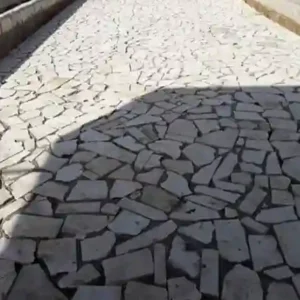
The contemporary Arizona aesthetic — clean lines, horizontal planes, desert plant palettes — aligns naturally with large-format natural stone in neutral and earth tones. Patio pavers natural stone in the modern vocabulary means choosing finishes and formats that read as architectural elements rather than decorative surfaces. Honed travertine in 24×24 format, basalt slabs in 16×48 linear runs, and quartzite in large irregular natural-cleft formats all fit this direction without looking forced.
The finish decision for patio pavers modern installations in Arizona has a UV dimension that often gets overlooked in design conversations. Polished finishes on natural stone — which look stunning in showroom conditions — oxidize to a dull matte surface in Arizona UV within 2–3 outdoor seasons. The polish is a mechanical refinement of the surface crystal layer, and UV radiation disrupts that crystal alignment progressively. A honed or brushed finish, by contrast, starts without the polished surface layer and ages uniformly rather than losing a polish it was never designed to maintain outdoors in high-UV conditions.
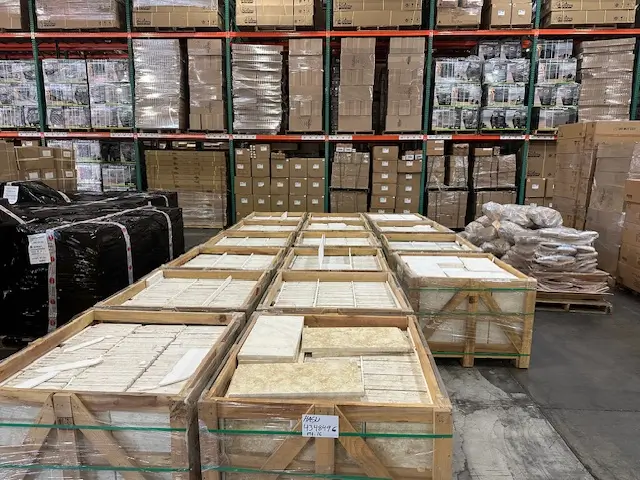
Patio pavers bulk orders for larger Arizona projects — pools, multi-zone outdoor living areas, entertainment decks — benefit from ordering stone from a single production run to ensure shade consistency. Natural stone varies between quarry batches, and UV weathering reveals those variations faster than any indoor showroom review would suggest. Citadel Stone coordinates batch-consistent supply from warehouse inventory, which reduces color variation risk on large projects. You can request sample tiles before committing to full volume, which is particularly valuable for projects where material continuity across multiple zones is critical to the design intent.
- Specify honed or brushed finishes over polished for unshaded Arizona patio applications — they age more gracefully under UV exposure
- Linear formats (12×24, 16×48) in natural stone reinforce modern architectural lines better than square patterns
- Consistent stone tone across bulk orders prevents UV weathering from revealing batch color differences over time
- Coordinate stone and grout tones for UV stability — high-contrast grout-to-stone color combinations highlight any discoloration more dramatically over time
- Natural cleft surfaces on patio pavers natural stone hide UV-related surface changes more effectively than mechanically refined finishes
Budgeting for Patio Pavers in Arizona: Affordable Options Without Compromising UV Performance
The most common mistake in Arizona patio paver budgeting is optimizing for material cost while underbudgeting for base preparation and sealing — which are the two variables that actually determine whether the installation lasts 8 years or 20. Cheap patio pavers in Arizona installed over a proper 4-inch aggregate base with annual sealing will dramatically outperform premium stone over a compromised subgrade without maintenance.
Affordable patio pavers in Arizona’s natural stone category start with limestone in standard formats — typically 12×12 and 12×24 — which carry significantly lower per-square-foot costs than travertine or quartzite while still delivering acceptable UV performance when sealed on schedule. The trade-off is a more demanding maintenance cycle: sealed limestone in Arizona’s UV environment needs attention every 12–14 months versus every 18 months for travertine. Over a 20-year horizon, that additional sealing frequency roughly offsets the initial material cost difference, but the upfront budget pressure is lower.
Patio pavers bulk ordering from warehouse-stocked inventory is the most reliable way to reduce per-unit costs without sacrificing quality. Citadel Stone ships patio pavers across Arizona from regional warehouse inventory, with standard formats typically available for truck delivery within 1–2 weeks. Delivery to your job site is straightforward for most residential and commercial addresses across the Phoenix metro, Tucson basin, and surrounding areas, though you should confirm site access for larger format material — truck clearance for full-pallet delivery requires a minimum 12-foot gate width and a reasonably level approach surface.
- Best patio pavers value in Arizona: standard-format travertine with proper base and annual sealing — better 20-year cost than cheap stone on a compromised base
- Patio pavers bulk pricing from warehouse stock typically reduces per-square-foot cost by 15–25% versus small-lot orders
- Budget 20–25% of material cost for base preparation materials — the category most projects underfund
- Factor biennial sealing into your 10-year cost model — it’s the largest ongoing maintenance expense for Arizona natural stone patios
- Most popular patio pavers price point for Arizona residential projects: travertine and buff limestone in 12×24 format, which balances UV performance with competitive material cost
Get a Quote on Patio Pavers in Arizona from Citadel Stone
Citadel Stone stocks patio pavers in Arizona in a range of natural stone formats — travertine in cream and ivory, limestone in buff and grey tones, basalt in charcoal, and quartzite in graphite and silver — available in standard sizes from 12×12 through 36×36 and in rectangle formats including 12×24, 16×24, and 18×36. You can request sample tiles or full thickness specifications before committing to volume, which is the recommended approach for any project where UV color stability across a large installation area is a design priority. Trade and wholesale enquiries are handled directly, with pricing structured for contractors, landscape architects, and developer accounts managing multiple Arizona projects. Warehouse stock levels across the most popular formats support lead times of 1–2 weeks for standard orders, with truck delivery coordinated across the greater Phoenix, Tucson, and Scottsdale metropolitan areas as well as regional delivery to Flagstaff, Sedona, Yuma, Mesa, Gilbert, Chandler, Peoria, Tempe, and surrounding communities. For custom cuts, non-standard formats, or projects requiring batch consistency across phased construction timelines, Citadel Stone’s team can advise on lead times and coordinate supply to match your project schedule. Contact Citadel Stone directly to request a project quote, confirm current warehouse availability, or schedule a material consultation for your Arizona patio specification.
As you finalize your Arizona outdoor stone project, complementary materials across the natural stone family can inform the broader hardscape specification — Natural Stone Pavers in Arizona explores the wider range of stone options that perform across the state’s varied climate zones, from the low desert to higher-elevation sites. For outdoor patio pavers in Arizona, Citadel Stone offers dependable materials and knowledgeable guidance to support projects of every scale across the state.