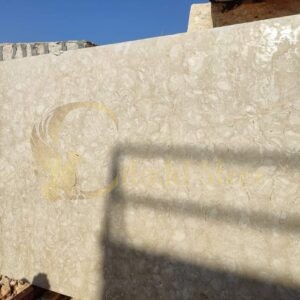
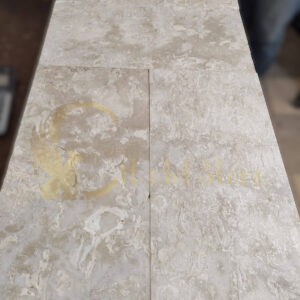
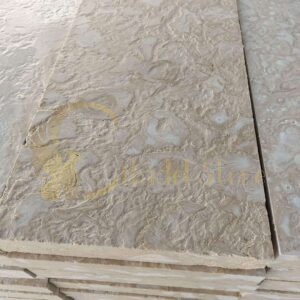
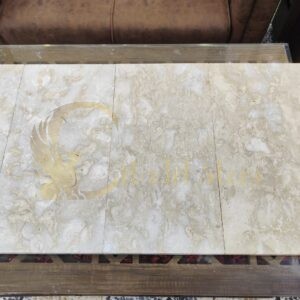
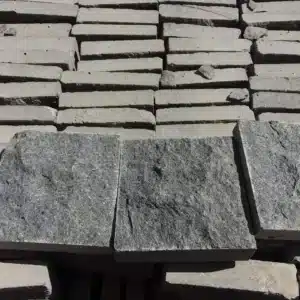
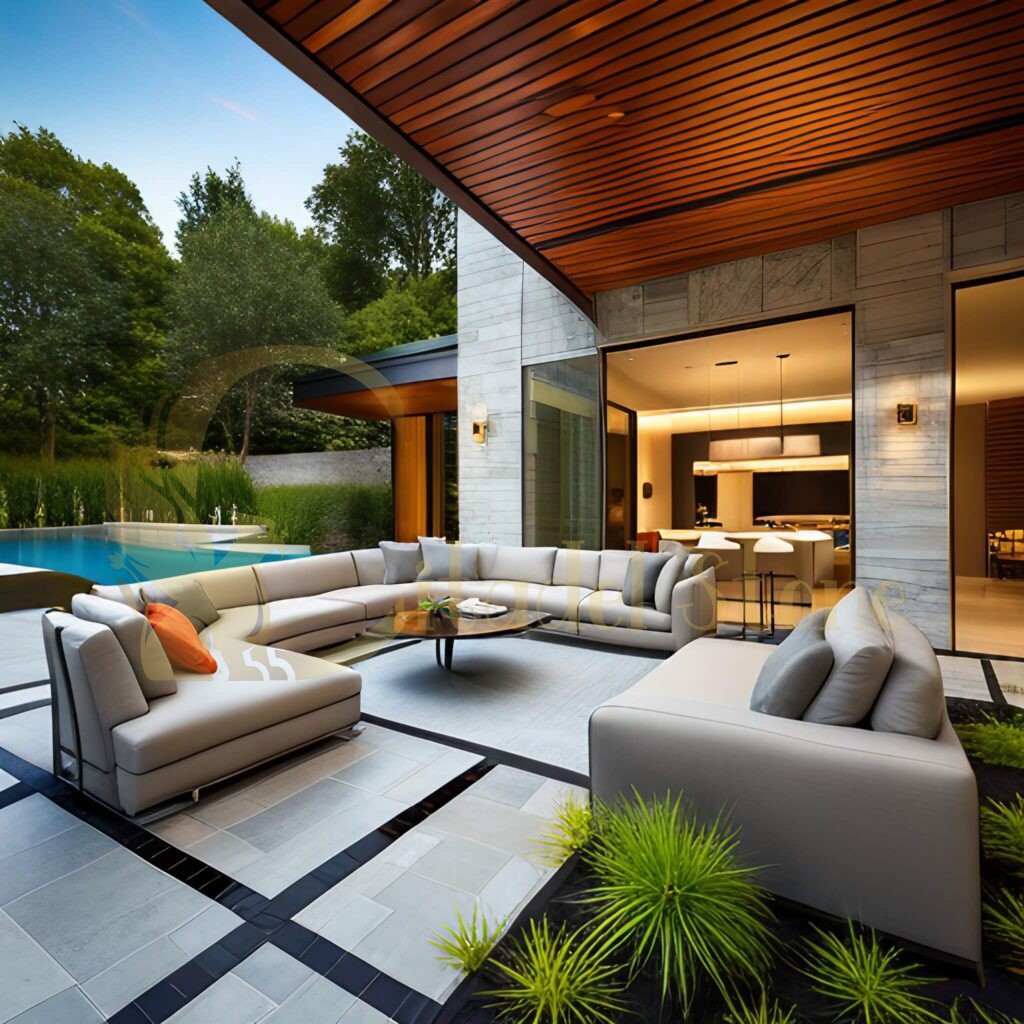
Base failures in flagstone walkway pavers in Arizona rarely start with the stone itself — they start six inches below it, where inconsistent compaction meets a drainage geometry that wasn’t designed for the terrain. Arizona’s elevation range, from below sea level near Yuma to over 7,000 feet in the White Mountains, creates radically different site conditions that demand fundamentally different base engineering approaches. Getting the base right is what separates a walkway that holds its grade through monsoon season from one that shifts, settles, and spalls within three years.
How Arizona’s Terrain and Elevation Affect Flagstone Walkway Design
Arizona’s topographic diversity is the single most underestimated variable in outdoor stone specification. You’re not dealing with one climate — you’re dealing with a dozen microclimates stacked across elevation bands, and each one changes how water moves through the soil beneath your flagstone walkway pavers in Arizona. In the basin-and-range lowlands around Phoenix, the primary drainage challenge is surface sheet flow during monsoon events: water arrives fast, volumes are high, and compacted caliche layers prevent it from percolating quickly. The design solution is slope management and open-joint systems that let water escape laterally before it undermines your setting bed.
In mid-elevation terrain like Sedona, the challenge shifts. The red-rock geology creates hardpan conditions just inches below grade in some areas, while other sections have sandy decomposed granite that drains freely but offers minimal cohesion for base compaction. Your flagstone installation has to account for both conditions sometimes within the same run of walkway. That means specifying variable base depths — typically 4 inches of compacted aggregate in well-draining sections, stepping up to 6–8 inches where you’re building over transitional soils.
Citadel Stone’s team works through these site-specific variables with specifiers before material orders are placed — because getting material quantity right requires understanding your actual base depth, not just the square footage of the walkway surface.
Material Selection: Flagstone Types for Arizona Walkway Conditions
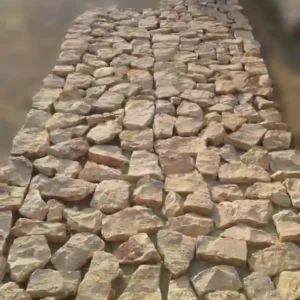
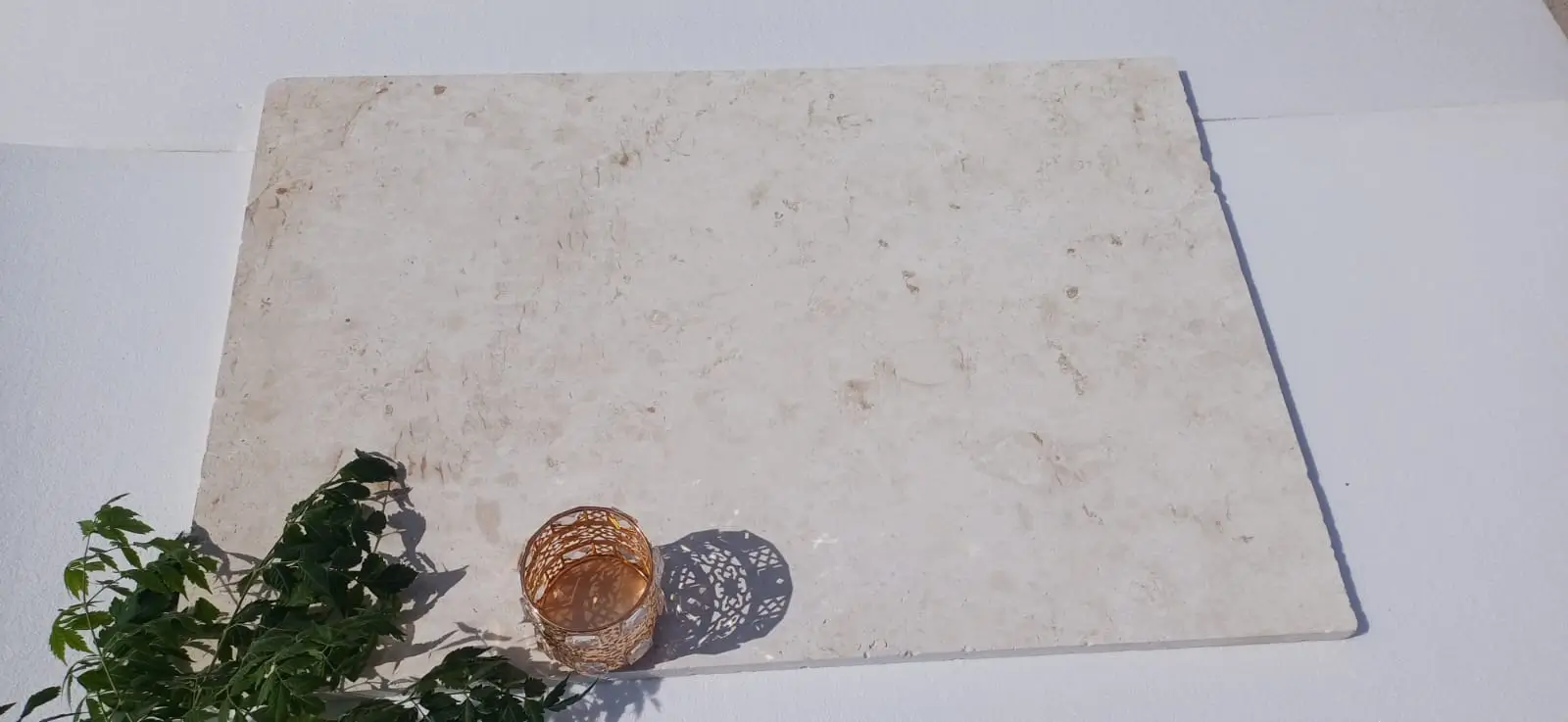
Not all flagstone performs equally across Arizona’s terrain zones, and the differences matter more than most product specifications suggest. The core variables to evaluate are absorption rate, modulus of rupture, and surface texture — in that order of importance for walkway applications. Flagstone pavers for walkway in Arizona need to handle point loading from foot traffic while managing moisture at the joint level. A stone with high absorption will perform fine in Yuma’s arid low desert but will face accelerated spalling in Flagstaff’s freeze-thaw environment if you haven’t sealed it appropriately.
For most Arizona walkway applications, you’re choosing from four primary flagstone families:
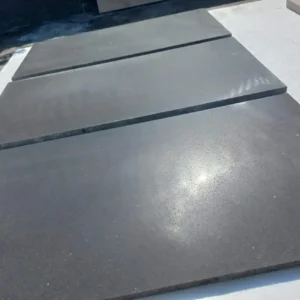
- Quartzite flagstone: absorption below 1%, excellent surface hardness, handles monsoon sheet-flow conditions without absorbing standing water
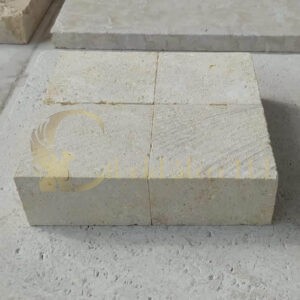
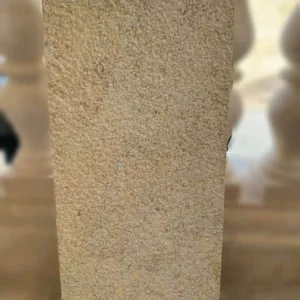
- Sandstone flagstone: absorption rates of 4–10% depending on formation, requires sealing in mid-to-high elevation zones, delivers natural texture that reads well in Southwestern architectural contexts
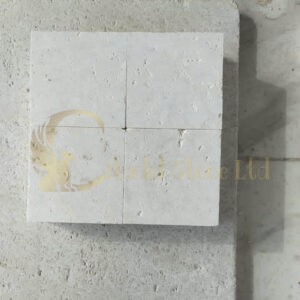
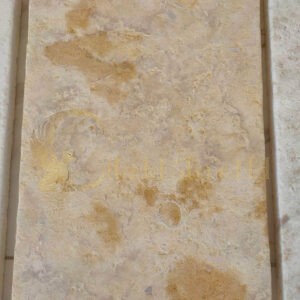
- Limestone flagstone: absorption typically 3–8%, excellent for natural stepping stone applications in shaded or semi-shaded pathways, verify hardness rating before specifying in high-traffic corridors
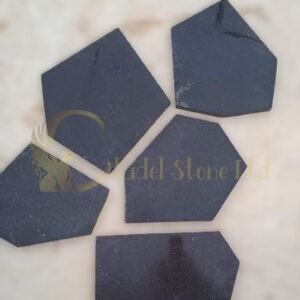
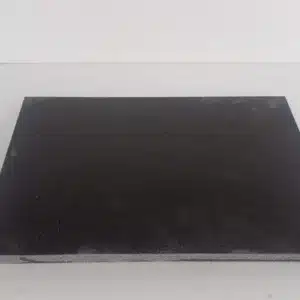
- Slate walkway pavers in Arizona: naturally laminar structure, low absorption at 0.4–0.8%, excellent in drainage-sensitive applications but requires careful attention to cleft thickness uniformity during installation
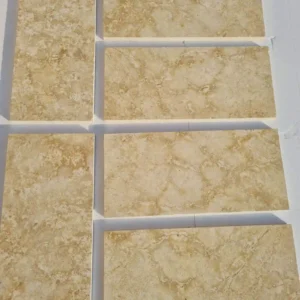
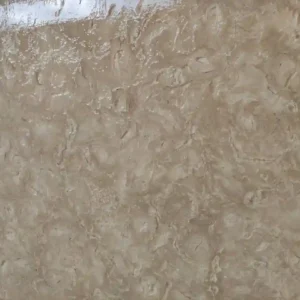
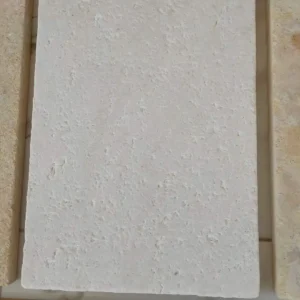
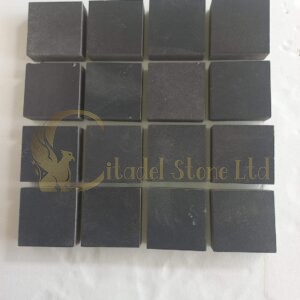
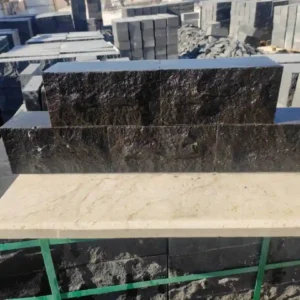
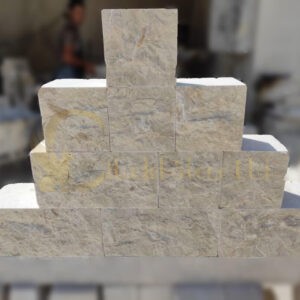
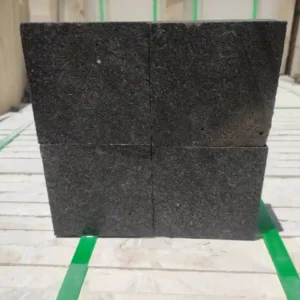
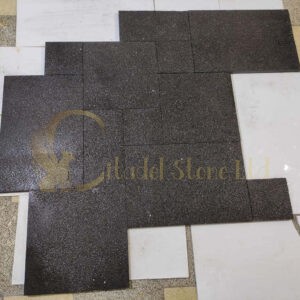
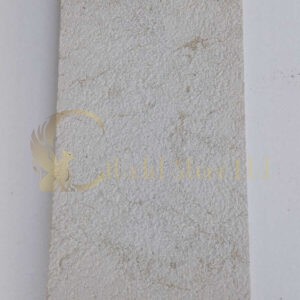
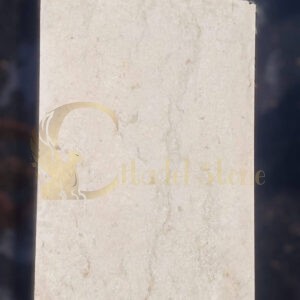
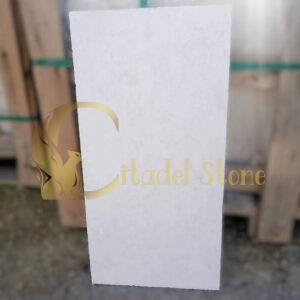
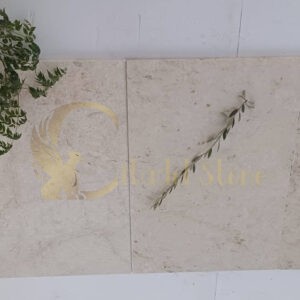
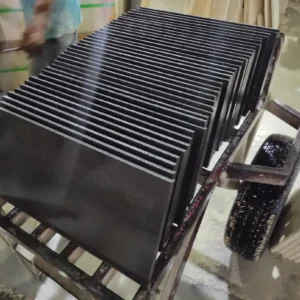
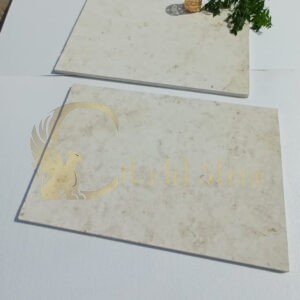
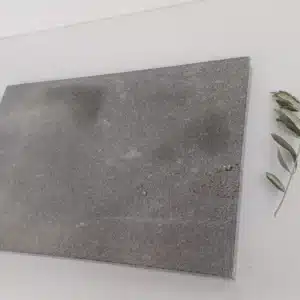
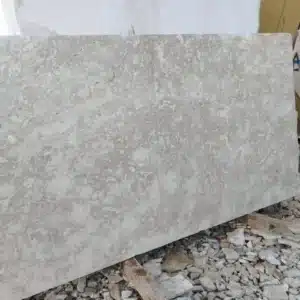
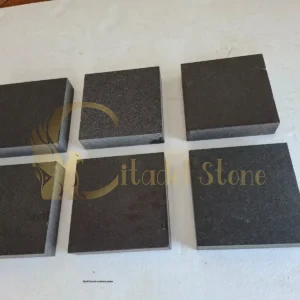
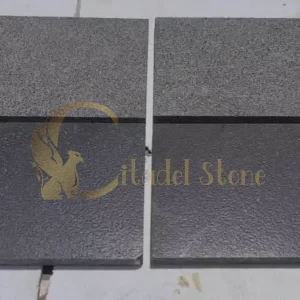
Citadel Stone stocks flagstone pavers for walkway in Arizona in multiple stone types and thickness ranges, so you can request sample tiles before committing to full-quantity orders — particularly useful when matching to an existing hardscape material already on the property.
Drainage Design Principles for Paver Flagstone Walkway in Arizona
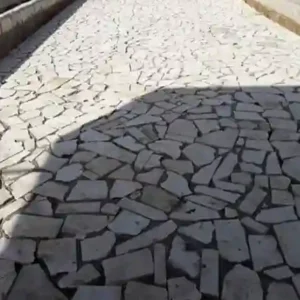
Drainage design for a paver flagstone walkway in Arizona is where terrain knowledge pays off most directly. The standard 1% cross-slope recommendation you’ll find in generic installation guidelines is a floor, not a target — in Arizona’s terrain contexts, you should be designing to 1.5–2% cross-slope on most walkway applications, and stepping up to 2.5% wherever the walkway cuts across a natural drainage swale or runs parallel to a slope contour.
Joint design is equally critical and often underspecified. For flagstone paver steps in Arizona and grade-change walkway sections, open joints filled with decomposed granite or crushed stone fines provide better long-term drainage performance than mortared joints in all but the most formal architectural applications. Mortared joints concentrate water at the joint face and direct it horizontally, which accelerates undermining if the base has any inconsistency. Open joints let water move down through the profile to where your drainage layer handles it.
In Flagstaff, where monsoon moisture combines with freeze-thaw exposure at 6,900 feet elevation, the joint fill choice determines whether your flagstone walkway stays stable through winter. Polymeric sand designed for freeze-thaw conditions outperforms standard joint sand here — it maintains flexibility through temperature cycling without heaving the stone above joint level.
Base Depth Requirements by Elevation Zone
Arizona’s elevation zones create three distinct base specification tiers for flagstone walkway pavers. Each tier has different compaction targets, aggregate specifications, and drainage layer requirements:
- Low desert (below 2,000 ft): 4-inch compacted aggregate base over native caliche or compacted fill, 1-inch setting bed of coarse sand or decomposed granite, minimum 1.5% drainage slope
- Mid-elevation (2,000–5,000 ft): 5–6-inch compacted aggregate base, geotextile fabric recommended where expansive soils are present, 2% drainage slope minimum
- High elevation (above 5,000 ft): 6–8-inch compacted aggregate base, drainage layer with positive outlet recommended, polymeric joint fill, 2–2.5% slope, freeze-thaw rated stone specification
These aren’t conservative estimates — they reflect what actually holds up over 15-plus years across these conditions. Reducing base depth to save cost at the outset typically results in reset and releveling work within 5–7 years.
Thickness Specifications for Flagstone Walkway Pavers
Thickness selection for flagstone walkway pavers in Arizona depends on three converging factors: base stability, expected traffic type, and stone format. For pedestrian-only walkways on a well-compacted base, 1.25–1.5 inch nominal thickness handles the application reliably. You’ll occasionally see 1-inch material specified to reduce cost, but it introduces brittleness risk at unsupported overhangs — particularly relevant with irregular flagstone shapes where stones cantilever over joint openings.
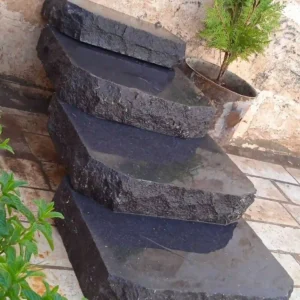
Flagstone paver steps in Arizona demand a minimum 1.75–2-inch thickness, full stop. Steps take concentrated edge loading that thinner material simply doesn’t handle over time, especially in freeze-thaw zones where the edge face is exposed to moisture and temperature cycling. For step treads wider than 18 inches, 2-inch material is the baseline recommendation regardless of elevation.
Projects in Scottsdale frequently feature wide, sweeping walkway transitions from street to entry — these applications benefit from 1.5-inch minimum thickness with a calibrated top surface for consistent joint spacing. Calibrated flagstone eliminates the setting-bed adjustment work that comes with variable-thickness irregular stone and produces cleaner sight lines for formal residential applications.
Flagstone Patio Pavers and Natural Stepping Stone Transitions
Walkways don’t always begin and end cleanly — in Arizona residential and commercial projects, you’re frequently integrating flagstone patio pavers natural stepping stone sections in Arizona into a continuous hardscape system. These transition zones require attention to three details that often get resolved late in the project: grade change management, material thickness consistency, and joint pattern continuity.
For stepping stone sections integrated within a formal walkway, the base preparation under each individual stone needs to match the compaction standard of the continuous walkway sections — not a lighter informal standard. A common field error is treating stepping stone sections as casual placements on native soil while the adjacent paved sections have engineered bases. That differential creates settlement at exactly the transition point where visual continuity matters most.
The natural stone appearance of flagstone patio pavers in these transition zones works best when you maintain a consistent color family across the patio and walkway sections. Arizona’s landscape palette leans toward warm earth tones — buff, rust, and tan sandstone flagstone reads consistently with the regional context, while cooler blue-gray slate creates a deliberate contrast that works in contemporary architecture but can feel disconnected in traditional Southwestern settings.
For projects requiring custom cuts at irregular transition boundaries, Citadel Stone’s team can advise on lead times for custom-dimensioned pieces — particularly relevant for entry walkways where the geometry involves curved or angled transitions that standard rectangular flagstone pieces won’t cover cleanly.
Slate Walkway Pavers: Performance Characteristics for Arizona Projects
Slate walkway pavers in Arizona occupy a specific performance niche that’s worth understanding before you specify them. The natural cleft surface delivers exceptional slip resistance even when wet — a genuine advantage during monsoon season when other smooth-faced stones can become hazardous. The laminar structure that creates that cleft surface also means you need to evaluate thickness uniformity across your material batch before installation begins.
Slate sourced from multicolor quarries — the Brazilian and Indian formations that dominate U.S. supply — typically delivers 1–2.5 inch thickness variation within a single pallet. Your setting bed depth needs to accommodate that range without creating surface level variation that creates trip hazards. In practice, this means your setting crew needs to be experienced in variable-thickness placement, not just standard flagstone installation.
Absorption in quality slate runs 0.4–0.8%, which makes it one of the lower-maintenance flagstone options for walkway applications — less sealing frequency compared to sandstone or limestone. In low-desert applications around Phoenix, this translates to a sealing interval of every 4–5 years rather than the 2–3 year schedule appropriate for more absorbent stones. Higher-elevation installations should still follow a 2–3 year schedule given freeze-thaw exposure, even with slate’s low inherent absorption.
Installation Field Practices for Arizona Flagstone Walkways
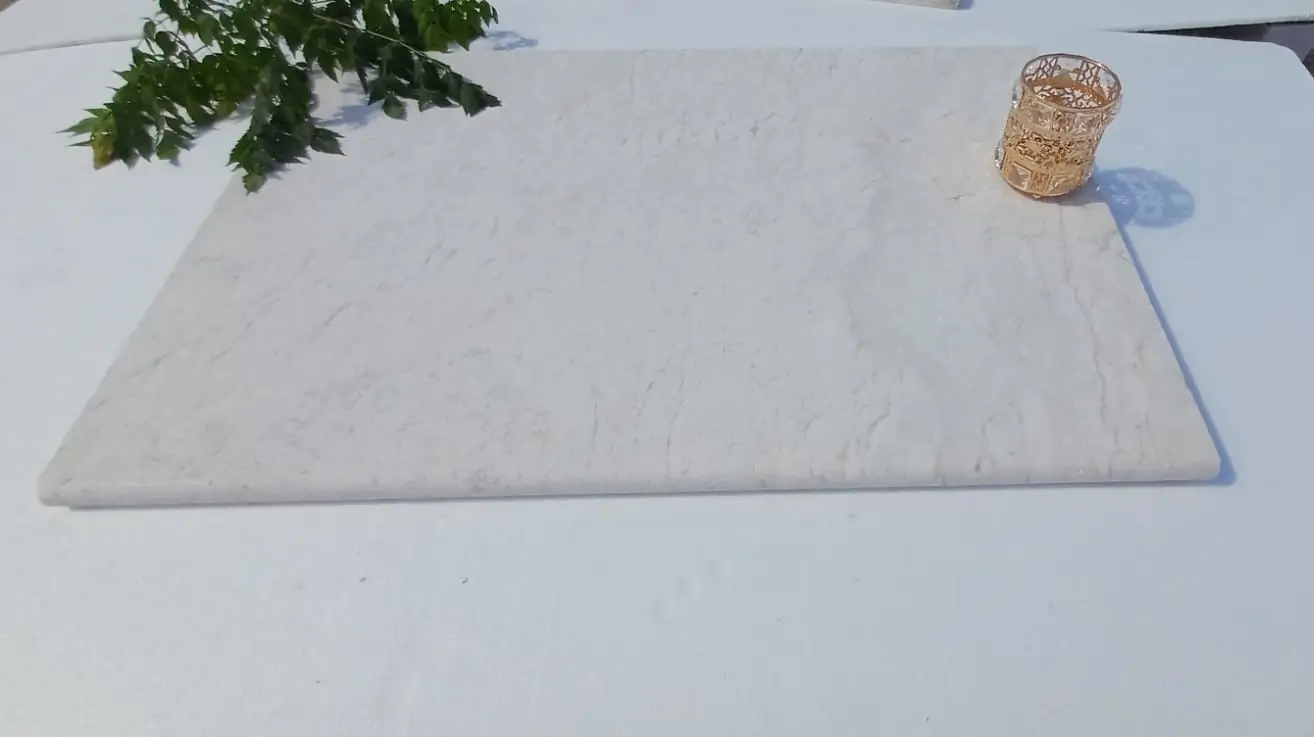
Arizona’s installation environment introduces variables that off-the-shelf installation guides don’t address adequately. Setting bed moisture management is the most critical field skill in low-desert conditions — dry-lay sand beds in direct sun at 95°F ambient temperature can lose 40–50% of their surface moisture within 20 minutes of raking. Your setting crew needs to work in sections small enough that stone placement follows raking immediately, not on a timeline suitable for moderate-climate installations.
Joint sand installation in Phoenix-area heat follows the same constraint. Polymeric joint sand activates with moisture — if the surface temperature exceeds 130°F (which happens on unshaded flagstone in midsummer), the activation chemistry doesn’t work correctly. Schedule polymeric sand installation for early morning in summer months, or use a water misting system to cool the stone surface before and during activation. This isn’t a suggestion — it’s the difference between joint sand that locks correctly and joint sand that cures with surface voids that wash out in the first monsoon event.
For projects in Mesa where caliche hardpan appears at 12–18 inches below grade, the excavation for walkway base preparation often hits a layer that feels like soft concrete. Properly prepared, that caliche layer is an asset — it provides a stable, non-compressible sub-base. Improperly penetrated without proper drainage provision, it creates a perched water table above the flagstone base that undermines compacted aggregate. Verify drainage outlet direction before finalizing base design in caliche-prevalent areas. Comparing your material and installation approach options is an important early-stage decision — for a detailed look at how flagstone performs against concrete alternatives in Arizona walkway applications, flagstone paver walkway materials Arizona covers the performance and cost trade-offs that affect long-term project economics. Getting those comparisons done before you commit to a material direction saves redesign time later in the project.
Joint Spacing and Pattern Layout for Arizona Conditions
Joint spacing for flagstone pavers in Arizona walkway applications should account for seasonal expansion in the setting bed, not just the stone itself. Flagstone has relatively low thermal expansion — quartzite runs approximately 6.5 × 10⁻⁶ per °F — but the compacted sand setting bed can shift dimensionally with moisture variation during monsoon cycles. Maintaining 3/8–5/8-inch minimum joint widths in irregular flagstone installations preserves enough tolerance to absorb that movement without forcing stone-to-stone contact.
- Irregular random flagstone: 3/8–5/8 inch joints, allows tolerance for natural size variation
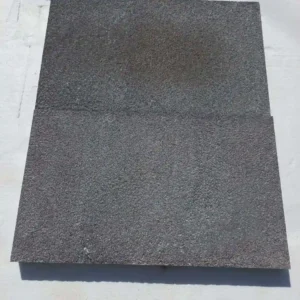
- Calibrated rectangular flagstone: 1/4–3/8 inch joints standard, consistent product dimensions support tighter joint specification
- Stepping stone applications: joints 1 inch or wider acceptable — plant material or decomposed granite fill works well visually and practically
- Formal entry walkways: 1/4 inch mortared joints permissible where architectural context demands tighter profile, but requires expansion joints every 8–10 linear feet in Arizona climates
Maintenance and Sealing Protocols for Arizona Flagstone Walkways
Sealing schedules for Arizona flagstone walkway pavers depend heavily on the stone type, elevation zone, and sun exposure of the installation. The single most common maintenance error is applying a film-forming topical sealer on flagstone installed in full sun — film sealers trap heat at the stone surface and accelerate delamination on laminar stones like slate, while creating a slippery film on sandstone that becomes hazardous when wet.
Penetrating sealers are the appropriate specification for exterior flagstone walkways across all Arizona applications. They protect against moisture intrusion and staining without altering the surface texture or creating a reflective coating that compromises slip resistance. For most Arizona low-desert applications, reapplication every 3–4 years maintains adequate protection. High-elevation installations with freeze-thaw exposure should follow a 2–3 year schedule.
Maintenance inspection should include annual checking of joint sand levels, particularly after monsoon season. Settlement and wash-out of joint fill is the primary cause of gradual surface instability in flagstone walkways — restoring joint sand to 90–95% depth annually keeps stones from developing lateral movement that eventually leads to cracking at unsupported edges. This is a 30-minute maintenance task that prevents a multi-day reset project.
Order Flagstone Walkway Pavers in Arizona — Direct Supply from Citadel Stone
Citadel Stone maintains warehouse inventory of flagstone walkway pavers in Arizona in a range of stone types, thickness specs, and finish options — including irregular natural cleft, calibrated smooth-face, and tumbled edge profiles. Standard available formats include 1.25-inch, 1.5-inch, and 2-inch nominal thickness across quartzite, sandstone, limestone, and slate material families. You can request sample tiles or thickness specifications before placing your full order, which we recommend for any project where material is being matched to existing hardscape or specified against an architectural finish board. Trade accounts and wholesale enquiries for larger project volumes are handled directly through Citadel Stone’s project team — lead times from warehouse stock typically run 1–2 weeks for standard formats across most Arizona delivery zones. Truck delivery is available across the state, including high-elevation routes to Flagstaff and Sedona and low-desert metro areas including Phoenix, Scottsdale, and Tucson. For flagstone paver steps in Arizona or projects requiring custom-cut pieces, contact the project team early to confirm lead times, as custom dimensioning adds 1–3 weeks to the standard timeline depending on material and cut complexity. Sourced from established quarry partners, each batch is inspected for consistency in thickness tolerance and surface quality before it ships from our warehouse. To explore complementary stone options for your Arizona outdoor project, Flagstone Paving Slabs in Arizona covers slab-format materials that work well alongside walkway flagstone in integrated hardscape designs. For flagstone walkway paver projects across Arizona, Citadel Stone offers knowledgeable guidance and consistent material quality to help you achieve lasting, professional results.