






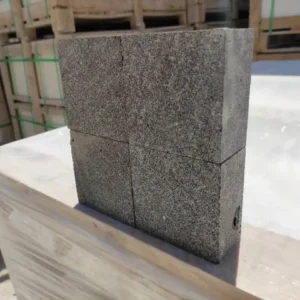
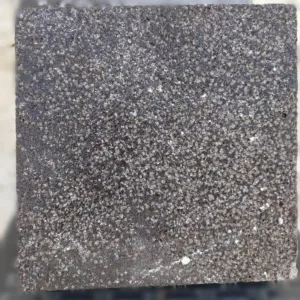

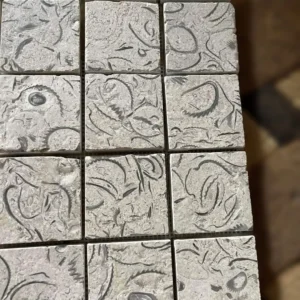
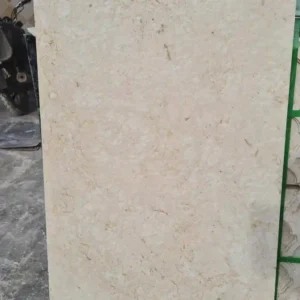
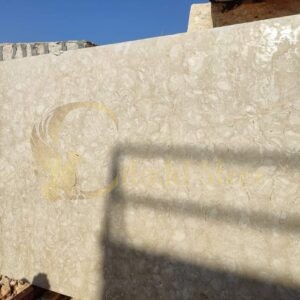
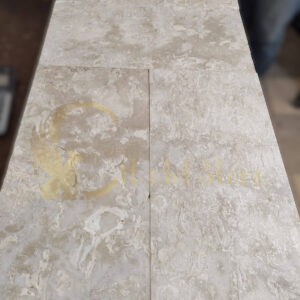
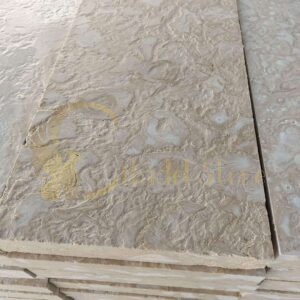
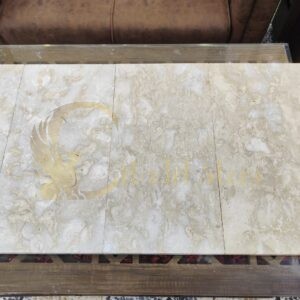



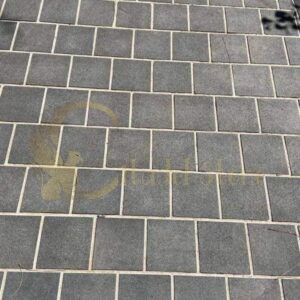

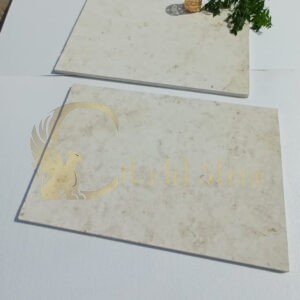
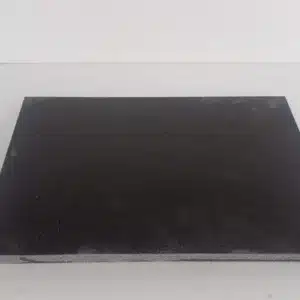
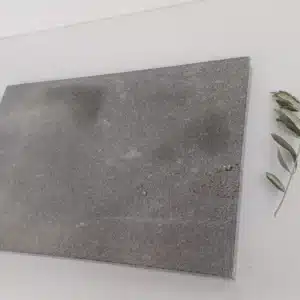




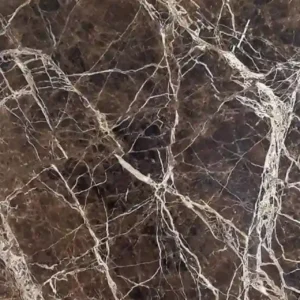
Flagstone pavers in Arizona demand a level of design precision that goes well beyond picking a stone you like the look of. The color temperature of your flagstone selection — whether you’re working with warm sandstone tones, cooler bluestone hues, or the earthy reddish-brown of Arizona sandstone — has a measurable impact on how a landscape reads against the surrounding environment. Desert architecture isn’t a neutral backdrop, and the visual weight of your stone choices will either anchor a design or fight against it. Getting that palette integration right from the specification stage determines whether your outdoor space feels intentional or assembled by accident.
Arizona Landscape Design and Flagstone Aesthetics
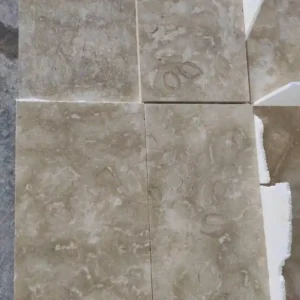
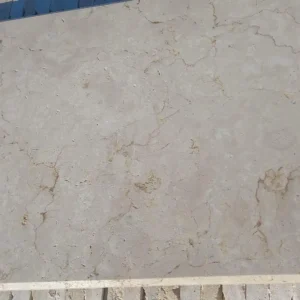
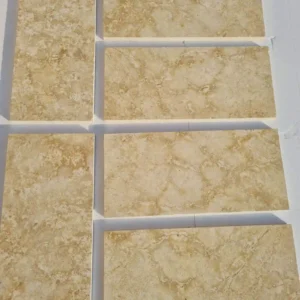
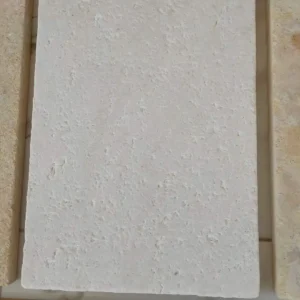
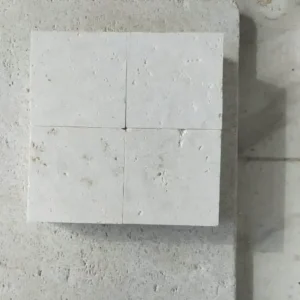
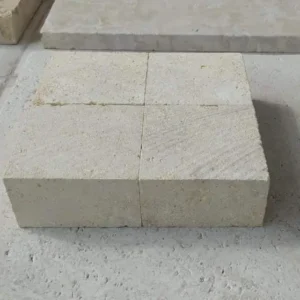
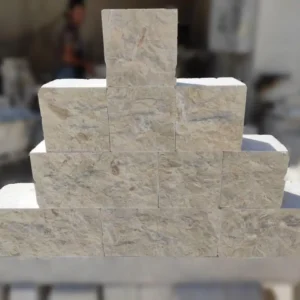
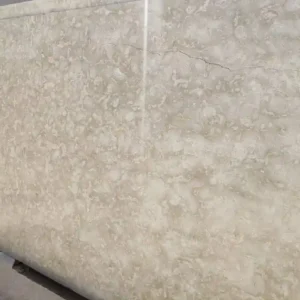
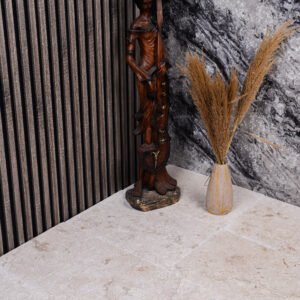
The Sonoran Desert palette that defines so much of Arizona’s residential and commercial landscape architecture runs in a specific tonal range — terracotta, dusty sage, weathered ochre, and bleached sandstone. Your flagstone selection works best when it either complements or deliberately contrasts this palette in a way that’s considered rather than coincidental. Outdoor flagstone pavers in Arizona that fall within the warm buff-to-amber spectrum blend with adobe-style and Spanish Colonial architecture in ways that cooler toned stones simply don’t achieve. That tonal harmony affects resale value, client satisfaction, and the overall cohesion of a landscape design in ways that are difficult to quantify but immediately obvious on-site.
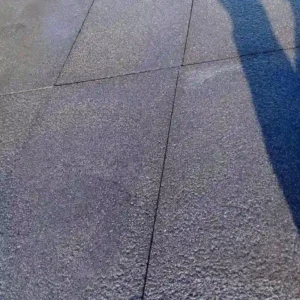
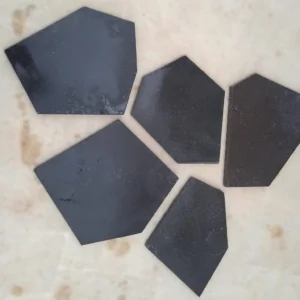
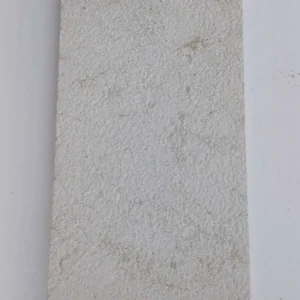
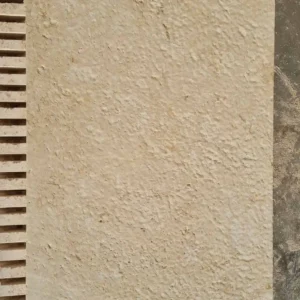
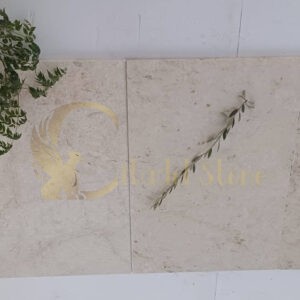
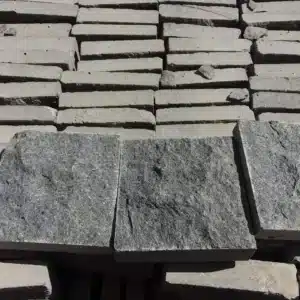
Landscape flagstone pavers in Arizona are frequently specified in irregular shapes and natural cleft finishes, and for good reason. The organic texture of a natural cleft surface complements desert plantings — saguaro, agave, ornamental grasses — far more effectively than a honed or polished slab finish, which can read as incongruously formal against arid landscape planting. The irregular formats also allow for mortar or dry-lay joints filled with decomposed granite or native gravel, which ties the hardscape back to the surrounding desert floor in a way that feels authentic rather than imposed.
Flagstone Material Types for Arizona Projects
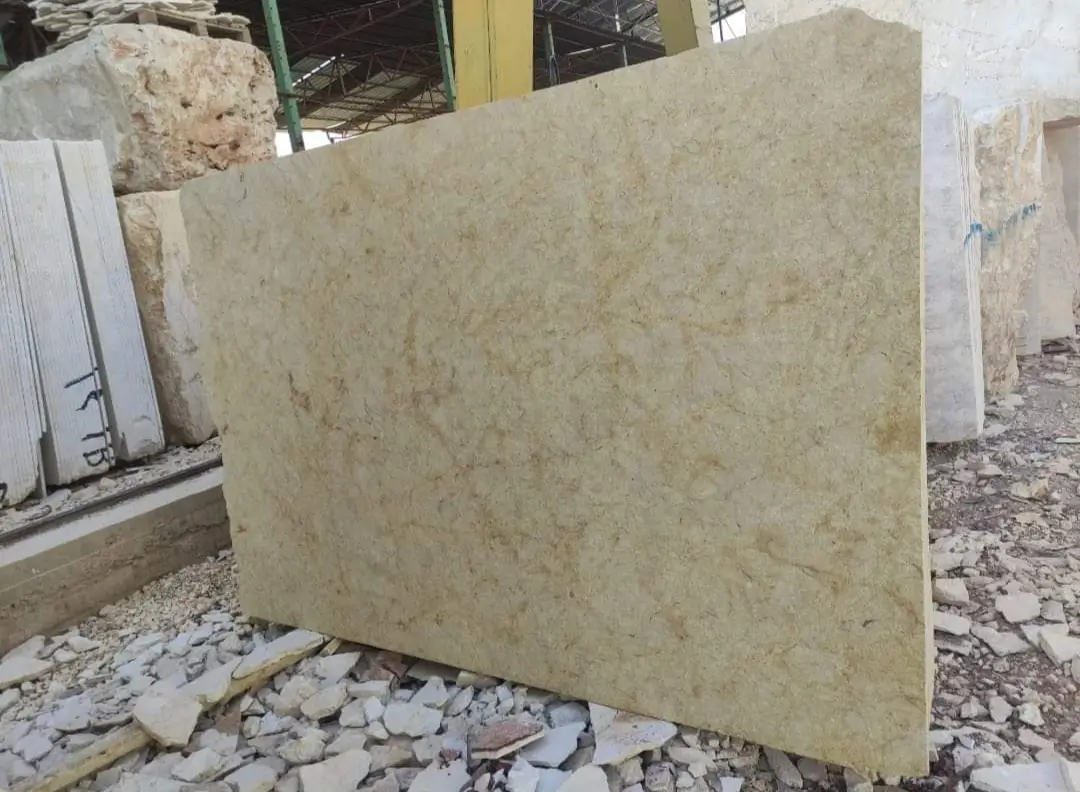
The term flagstone covers a wider range of materials than most people realize, and in Arizona’s market, you’ll encounter sandstone, quartzite, limestone, slate, and basalt all being sold under the same general category. Each of these performs differently under Arizona’s specific conditions, and the performance differences become obvious within the first two summers if you’ve made a poor selection. Sandstone is the most commonly specified option across Phoenix and Scottsdale residential projects because it’s available in local color ranges and handles foot traffic well in dry-laid applications. Quartzite offers greater hardness — typically 7 on the Mohs scale versus sandstone’s 6 to 6.5 — and works particularly well in high-traffic areas where surface abrasion becomes a factor over time.
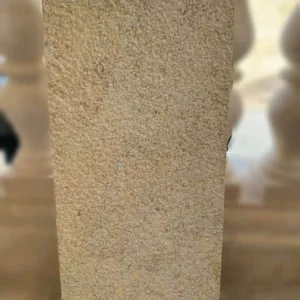
- Sandstone: warm buff, tan, and reddish tones; excellent for residential patios and walkways; absorbs heat moderately but cools faster than concrete
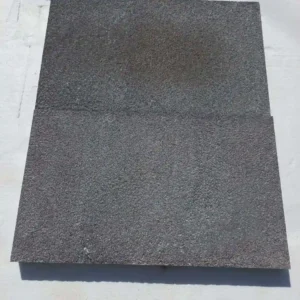
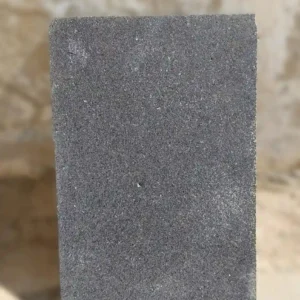
- Quartzite: hard, dense, and highly resistant to surface wear; available in grey, silver, and rust tones; works well for driveways and heavy-use areas
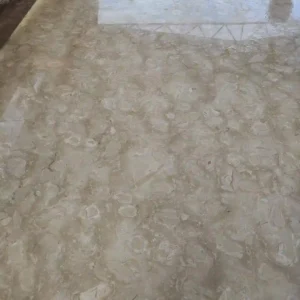
- Limestone: softer and more porous; ideal for decorative applications; requires penetrating sealer to perform reliably in outdoor Arizona conditions
- Slate: strong natural cleavage planes create excellent texture; performs well in shaded patios but can be brittle at thin gauges under thermal cycling
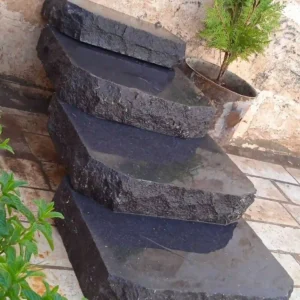
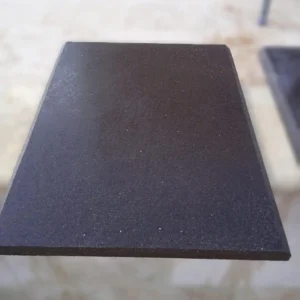
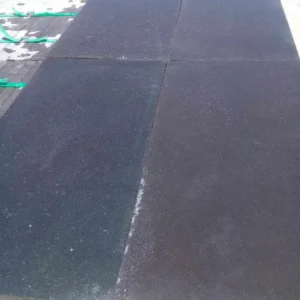
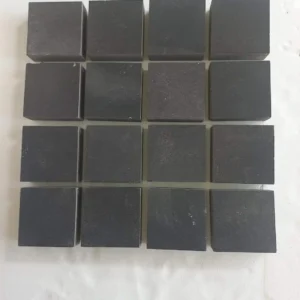
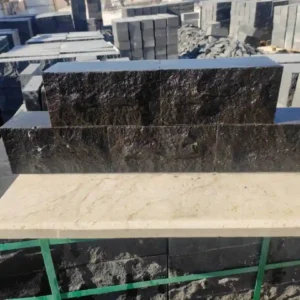
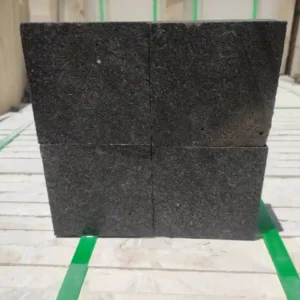
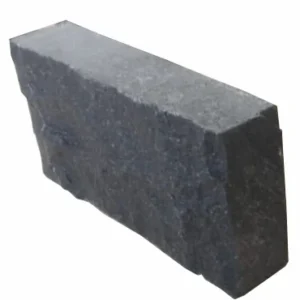
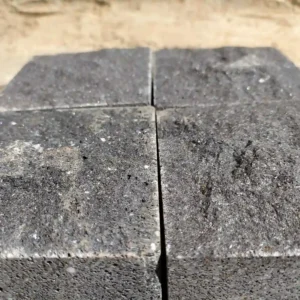
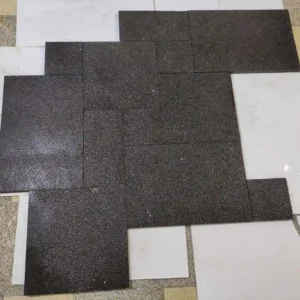
- Basalt: dense and dark-toned; holds heat longer than lighter stones; best used in shaded or partially covered applications in Arizona’s desert climates
Sourced from established quarry partners, each batch of flagstone that comes through Citadel Stone’s supply chain is inspected for color consistency, thickness tolerance, and surface defects before it reaches your project. That inspection step matters more than most buyers expect — thickness variation greater than 3/8 inch across a pallet creates leveling nightmares during installation, particularly in mortar-set applications where the setting bed depth needs to remain consistent.
Color Selection and Architectural Integration
Matching flagstone color to existing built elements — roof tile, stucco finish, concrete masonry units — requires you to look at the stone in natural light at the project site, not in a warehouse under fluorescent lighting. Colors read differently under Arizona’s high-UV, low-humidity conditions than they do in an indoor showroom environment. A buff sandstone that looks soft and warm under indoor lighting can appear washed out and pale under direct midday sun in Scottsdale, where solar intensity regularly exceeds that of most other U.S. markets. Always request sample pieces and evaluate them at the actual installation site across different times of day before committing your full order.
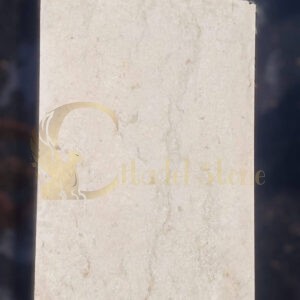
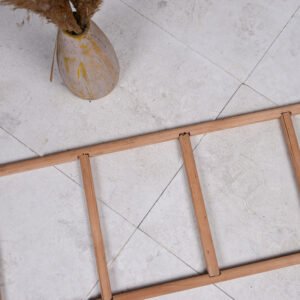
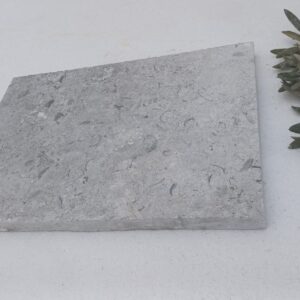
The relationship between flagstone color and landscape planting deserves more attention than it typically gets in specification documents. Dark-toned flagstone — slate, dark basalt, charcoal quartzite — creates a dramatic contrast against pale desert gravel and light-barked desert trees that can look stunning in a landscape design portfolio but becomes visually aggressive at larger scales. Flag pavers in Arizona’s residential market tend to lean toward mid-toned selections for this reason: enough contrast to define the hardscape clearly, not so much that the outdoor space feels heavy. Landscape flagstone pavers in Arizona in the buff, tan, and warm grey range offer the most flexibility across a range of planting and architectural styles.
Thickness and Format Specifications for Arizona Conditions
Flagstone thickness selection is driven by application type, base preparation method, and expected load, and in Arizona you have one additional variable to account for: thermal cycling. Surface temperatures on exposed flagstone pavers in Arizona under full sun can reach 160°F to 175°F in Phoenix during July and August, and the temperature differential between sun-exposed and shaded portions of the same slab can exceed 40°F. That differential creates differential expansion stresses across the slab face, and thinner flagstone — anything below 1.25 inches nominal — is more susceptible to cracking along natural grain lines when subjected to that degree of thermal cycling over multiple seasons.
- 1.25 to 1.5 inch nominal thickness: minimum for residential patio and walkway applications in Arizona; handles thermal cycling better than thinner gauges
- 1.5 to 2 inch nominal thickness: recommended for flagstone driveway applications and areas with occasional vehicle access
- 2 inch and above: required for primary vehicle driveways, heavy equipment access, and commercial installations
- Random flagstone formats: natural irregular shapes work well in dry-lay applications with compacted decomposed granite base
- Cut-to-size flagstone: rectangular and square formats suit formal design schemes and mortar-set applications better than random irregular pieces
You can request sample tiles and thickness specifications directly from Citadel Stone before committing to your full flagstone order. For projects where thickness consistency is critical — particularly mortar-set patio installations — confirming the acceptable tolerance range upfront prevents the kind of field adjustment that adds cost and time to an installation.
Base Preparation and Installation for Arizona Soils
Arizona soils introduce base preparation challenges that differ significantly from what installers encounter in other regions. Caliche — the calcium carbonate hardpan layer common throughout Arizona’s low desert — can appear anywhere from 6 inches to 24 inches below grade, and how you handle it determines the long-term stability of your flagstone installation. In Mesa, caliche layers at 12 to 18 inches depth are common across much of the valley, and when properly prepared — fractured, excavated where necessary, and backfilled with compacted road base — caliche actually provides a stable sub-base that performs better than imported fill in many applications.
For dry-laid flagstone installations, a minimum 4-inch compacted base of crushed aggregate (3/4 inch minus) topped with 1 inch of leveling sand gives you the drainage performance and surface stability the application needs. Arizona’s monsoon season delivers intense short-duration rainfall that overwhelms drainage in improperly prepared bases — water that can’t drain through or around a flagstone installation will saturate the setting bed, undermine compaction, and cause surface movement. Proper cross-slope of 1/8 inch per foot minimum directed away from structures is non-negotiable in an Arizona context. For mortar-set installations, a 4-inch reinforced concrete slab with control joints every 8 to 10 feet provides the rigid base that keeps paving flagstone in Arizona from cracking as soils shift seasonally.
Paving flagstone in Arizona also benefits from a specific joint material approach that most mainland U.S. specifications don’t address. Polymeric sand performs well in moderate climates but can soften and migrate in Arizona’s extreme heat during the first summer if applied before the joint sand has fully cured and set. Decomposed granite joints perform better in dry-lay applications in the low desert, while sanded epoxy grout handles mortar-set installations better than standard unsanded grout when subjected to Arizona’s thermal cycling.
Sealing and Maintenance for Outdoor Flagstone Pavers in Arizona
The sealing question for outdoor flagstone pavers in Arizona is more nuanced than a simple yes-or-no answer. Sandstone and limestone flagstone both carry enough porosity — typically 8% to 15% absorption rate — that an unsealed surface in Arizona’s dusty, UV-intense environment will stain, absorb airborne particulate, and develop uneven weathering patterns within two to three years. Penetrating silane-siloxane sealers applied to a clean, dry surface provide the best balance of protection and breathability for natural flagstone in outdoor Arizona applications. Film-forming sealers are not recommended for outdoor flagstone in Arizona because the UV intensity causes them to yellow, peel, and delaminate within 12 to 18 months regardless of product quality.
- Apply penetrating sealer to new flagstone installations within 30 days of completion and after the first full cure cycle
- Reapply every 24 to 36 months depending on sun exposure, traffic levels, and stone porosity
- Test sealer reapplication need with a water drop test: if water absorbs within 3 minutes rather than beading, the sealer needs renewal
- Avoid sealing during peak summer heat — surface temperatures above 95°F cause sealer to flash-dry before proper penetration
- Clean flagstone surfaces with pH-neutral stone cleaner before sealing; acid-based cleaners damage carbonate-bearing flagstone including sandstone and limestone
For projects requiring complementary stone element guidance across similar site conditions, Arizona flagstone paver materials covers specification details that apply to multiple flagstone types in Arizona’s climate zones. Getting the maintenance schedule right from the outset protects the aesthetic quality of your installation across its full service life.
Flagstone Paving Stones for Specific Arizona Applications
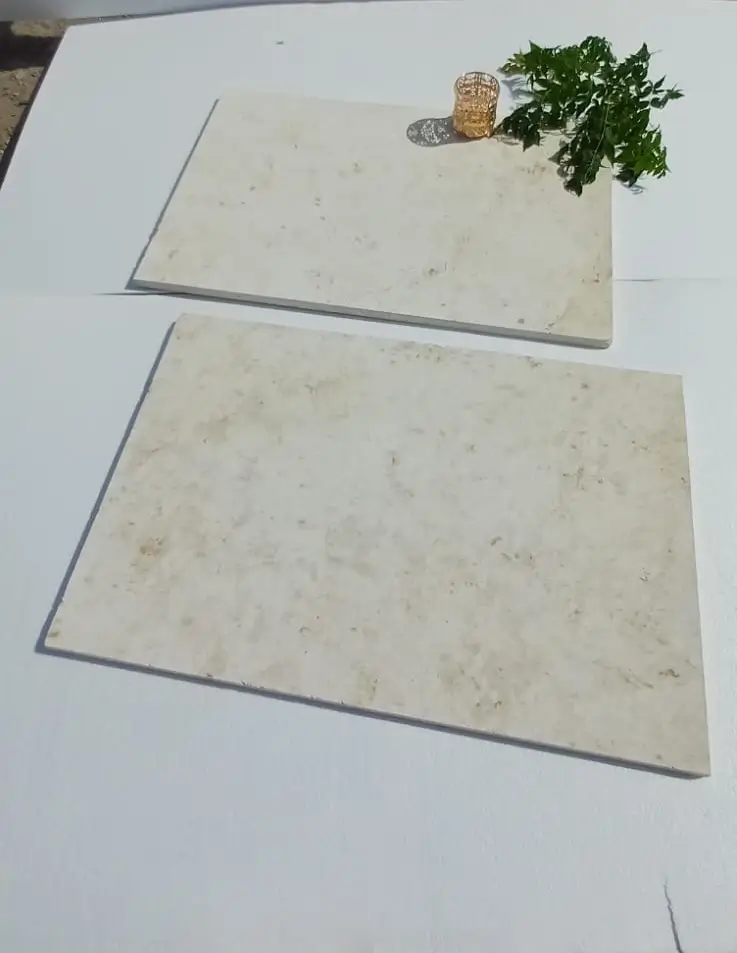
The application context shapes every flagstone specification decision, and Arizona’s built environment spans a wide range of uses where flagstone paving stones deliver different performance requirements. Residential pool decks demand a surface that stays cooler underfoot, drains quickly, and provides adequate slip resistance when wet — a cleft-finish quartzite or sandstone in lighter tones handles all three requirements better than a honed-finish stone that retains heat and reduces friction when wet. Flagstone stone pavers in Arizona’s residential pool deck market are increasingly specified in tumbled or natural cleft finishes for this reason, with light buff and warm grey color ranges dominating orders because they minimize heat absorption compared to darker alternatives.
Flagstone pavers for sale in Arizona cover a broad spectrum of applications from informal garden paths to formal commercial plazas, and the specification approach shifts considerably between those two extremes. For garden path and landscape applications, irregular flagstone set in decomposed granite provides a naturalistic aesthetic that supports a desert landscape design concept better than cut-to-size material. Commercial plaza applications, by contrast, require consistent thickness tolerance, controlled surface texture for ADA compliance, and adequate compressive strength — ASTM C170 compressive strength minimums of 3,000 PSI for sandstone and 8,000 PSI for quartzite are the relevant thresholds depending on material selection.
In Flagstaff, elevation-related freeze-thaw conditions add an additional performance requirement that doesn’t apply in Phoenix or Tucson. Flagstone specified for Flagstaff applications needs to carry an absorption rate below 3% per ASTM C97 or be protected with a penetrating sealer that’s maintained annually to prevent water intrusion and freeze-thaw spalling. Quartzite and dense basalt perform reliably in Flagstaff’s climate zone; softer sandstone varieties with higher porosity are better suited to the lower desert where freeze-thaw cycles aren’t a factor.
Buy Flagstone Pavers in Arizona Through Citadel Stone
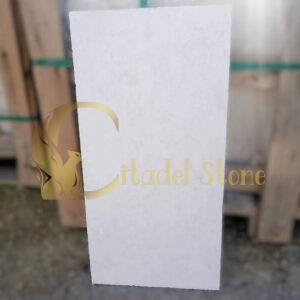
Citadel Stone stocks flagstone pavers in Arizona in a range of standard formats including random irregular pieces in 1.25-inch and 1.5-inch nominal thickness, cut-to-size rectangular formats in standard dimensions from 12 x 12 to 24 x 24 inches, and custom-sized pieces for projects requiring specific dimensional control. Available finishes include natural cleft, tumbled, and sawn-base-cleft-top configurations that suit different applications and design aesthetics across Arizona’s residential and commercial markets. Delivery is coordinated from regional warehouse inventory, which typically brings lead times down to one to two weeks for in-stock materials — considerably faster than the six to eight week cycle associated with direct import orders.
For projects requiring custom cuts, non-standard formats, or mixed-thickness pallets for irregular flagstone installations, Citadel Stone’s team can advise on lead times and minimum order quantities before you commit your project schedule. Trade accounts and wholesale inquiry processes are straightforward — you don’t need to navigate multiple supplier relationships to source quality flagstone paving stones in Arizona when Citadel Stone maintains consistent regional warehouse inventory. Your project timeline benefits from knowing that truck delivery schedules can be confirmed at the point of order rather than estimated across an uncertain import timeline.
Making Flagstone Pavers Work for Your Arizona Project
The decisions that determine a flagstone installation’s long-term performance in Arizona come down to a sequence of connected choices: material type matched to application load and aesthetic intent, thickness appropriate to the base preparation method, color selected under actual site lighting conditions, and sealing protocol calibrated to the stone’s porosity and the installation’s sun exposure. None of these decisions can be made in isolation — a beautiful color selection that’s the wrong thickness for the base method will fail regardless of how well everything else is executed. Cheap flagstone pavers in Arizona that compromise on thickness tolerance or material hardness represent poor value when the cost of a failed installation — removal, base repair, and replacement — is factored into the full project budget.
The specification sequence that delivers reliable performance starts with material type and thickness, moves through base preparation design, addresses drainage geometry before installation begins, and establishes a sealing and maintenance protocol before the project is handed over. Flag pavers in Arizona have been performing reliably for decades in residential and commercial applications across Phoenix, Tucson, Scottsdale, and beyond — the installations that hold up over 20-plus years are the ones where every step in that sequence was executed with the right product and the right technique. For your Arizona hardscape project, exploring how other natural stone materials perform alongside flagstone is also worth considering — Silver Granite Pavers in Arizona covers another dimension of Arizona stone specification that may complement your flagstone design or serve adjacent applications on the same site. For flagstone pavers that meet Arizona’s environmental demands, Citadel Stone provides a reliable selection of materials available to projects throughout the state.