
Base failure in Arizona flagstone installations almost never starts with the stone — it starts with water moving somewhere it shouldn’t, and the consequences show up six to eighteen months later as rocking slabs, joint washout, and sunken sections that weren’t there at the start. Installing flagstone pavers in Arizona yards demands a fundamentally different approach to base preparation than what you’d use in a dry continental climate, and that difference is almost entirely about how you manage the monsoon season’s sudden, high-volume water events. Get the drainage geometry right from the beginning, and your flagstone will still look intentional a decade from now. Miss it, and no amount of quality stone will save you.
Why Drainage Has to Come First on Any Arizona Flagstone Project
Arizona homeowners tend to think about heat first when planning outdoor hardscape, and that’s understandable — summer surface temperatures are real and worth managing. But the variable that most consistently destroys flagstone installations here isn’t temperature. It’s the monsoon. Between July and September, Chandler and much of the Phoenix metro can receive 40–60% of the entire year’s rainfall in a matter of weeks, often in intense bursts that dump an inch or more in under an hour.
Your base and sub-grade need to drain that water fast enough that it doesn’t pond under the stone. Standing water beneath flagstone creates a hydraulic pressure cycle — it enters, saturates the setting bed, then expands against the underside of each piece when temperatures swing. Over multiple cycles, even a well-compacted aggregate base begins to shift. The solution isn’t to waterproof the system; it’s to give water a clear, fast path out.
- Site grade should fall a minimum of 1/8 inch per foot away from structures — 1/4 inch is better for high-runoff zones
- Low spots in the yard naturally collect flow; never place your flagstone patio at the lowest grade point without engineered French drain infrastructure beneath it
- Desert caliche layers can form a near-impermeable hardpan that traps infiltrating water directly beneath your base course — you need to either break through it or route water laterally before it pools
- Your flag-to-flag joint gaps aren’t just aesthetic — they’re drainage relief valves that let surface water percolate rather than sheet across the patio and undercut the perimeter
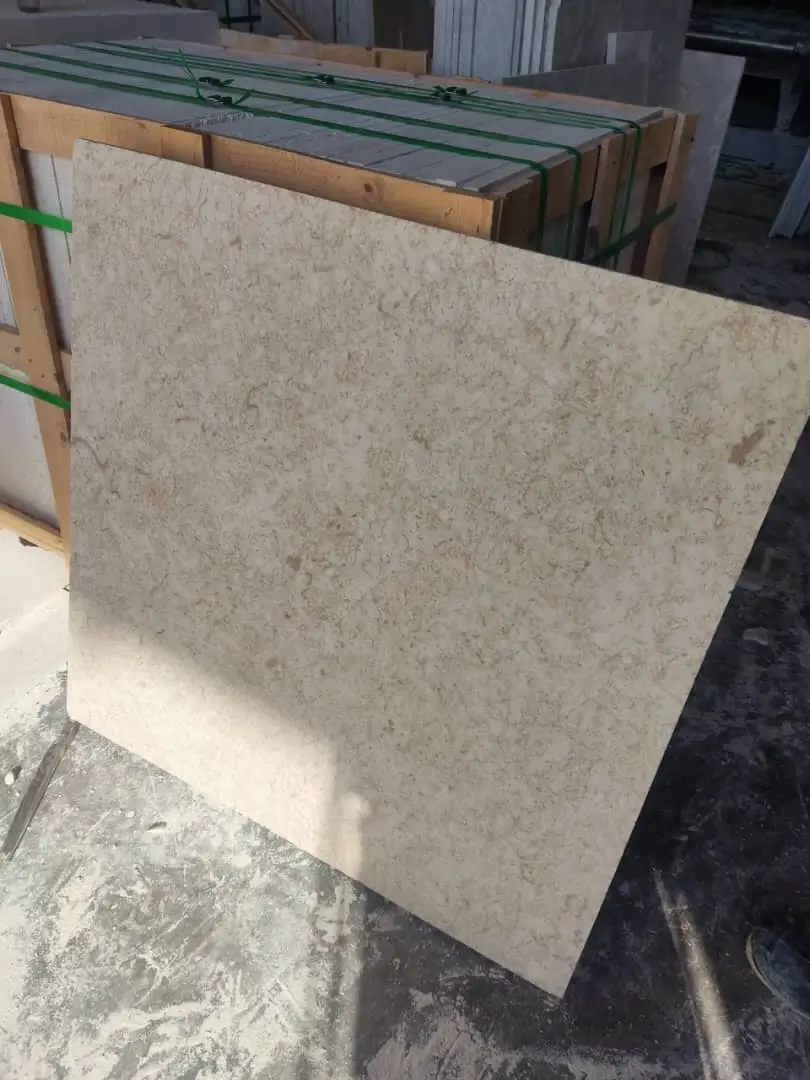
Flagstone Paver Base Preparation in Arizona: What the Soil Actually Demands
Soil behavior in the Arizona desert is one of the most misunderstood variables among homeowners tackling a first flagstone project. The expansive clay soils common across much of the Valley — particularly in areas with older alluvial deposits — absorb monsoon moisture and swell laterally, then shrink and crack during the dry season. That movement exerts significant upward and lateral pressure on whatever is sitting above it.
Standard base depth recommendations from general paving guides often call for 4 inches of compacted aggregate. In Arizona, that’s the minimum for a lightly trafficked pedestrian path. For a proper patio installation on typical Valley soil, you should be planning on 6 inches of compacted Class II base material, with an additional 1-inch layer of coarse sand or decomposed granite as your setting bed. On sites where expansive clay appears within the top 24 inches, 8 inches of base is worth the extra material cost. Flagstone paver base preparation in Arizona isn’t where you cut corners — the region’s soil behavior makes depth and compaction non-negotiable.
- Excavate to a minimum depth of 8–9 inches below finished grade to allow for base, setting bed, and stone thickness
- Compact the native sub-grade before you bring in any imported base material — a plate compactor in two or three passes eliminates early settlement that causes slab rocking later
- Use 3/4-inch crushed aggregate for the base layer, not pea gravel or sand — angular aggregate interlock is what gives you load transfer under a flagstone piece
- Compact the base in two lifts (layers) rather than one — dumping 6 inches and compacting once leaves soft spots at the bottom half that water will find immediately
- Slope the compacted base surface at the same grade as your intended finished surface — drainage starts at the bottom of the system, not just the top
At Citadel Stone, we consistently see installations fail when contractors skip the sub-grade compaction step, assuming the native desert soil is already dense enough. It isn’t — especially if any irrigation has been run nearby in the past few seasons. The moisture cycle softens what looks like firm ground.
Natural Stone Paver Installation Steps AZ Homeowners Actually Need to Follow
The sequence you follow during installation matters as much as the materials you use — out-of-order steps create problems that no amount of re-work can fully correct. Here’s how the process flows when you’re doing it right for Arizona conditions.
Step One: Layout and Dry-Fitting
Dry-fitting your flagstone before any setting material is placed is not optional on a natural stone project. Flagstone is irregular by nature — thicknesses vary piece to piece, edges don’t conform to a module — and you need to understand how your specific pieces relate to each other before committing anything to the setting bed. Spread the pieces across the prepared base, work your layout from a center point or dominant sight line, and plan your cuts before you mix anything. These natural stone paver installation steps AZ homeowners follow during dry-fit are the ones that prevent expensive mid-project corrections.
For projects in Peoria and the northwest Valley, you’ll often find the available flagstone has wider thickness variation than what arrives on the same truck destined for other parts of the metro — that’s a quarry variation in the regional supply chain, not a quality issue. Accommodate it in your setting bed depth rather than forcing thin pieces to float over gaps.
Step Two: Setting Bed Prep and Stone Placement
Screed your coarse sand or decomposed granite setting bed to a consistent 1-inch depth, sloped at your target drainage grade. Place each flagstone piece with a slight rocking motion — this seats the stone into the setting bed and eliminates voids beneath the piece. A hollow-sounding stone when tapped with a rubber mallet means air pocket beneath; pull it, add setting material, and reset it. A void beneath a piece becomes a fulcrum point the moment someone steps on it.
- Maintain joint spacing of 1/2 to 1-1/2 inches for natural flagstone — tighter joints look more formal but restrict drainage between pieces
- Use a 4-foot level across multiple pieces to check for consistent plane — individual piece variation is fine, but the overall surface should read as intentionally flat
- In direct sun during summer, moisten the setting bed lightly before placing stone — dry DG in 105°F conditions sets up fast under the stone and resists adjustment after more than a few minutes
Setting Flagstone in Arizona Desert Soil: The Caliche Factor
Caliche deserves its own discussion because it’s one of the most region-specific variables you’ll encounter when setting flagstone in Arizona desert soil. This calcium carbonate hardpan layer forms naturally in arid climates and can appear anywhere from a few inches to several feet below the surface. Its behavior during a monsoon is the critical factor: caliche doesn’t drain. Water hits it and spreads laterally, which means any installation sitting above a caliche layer needs active sub-surface drainage if the site doesn’t have natural lateral relief.
The practical approach depends on where the caliche sits relative to your excavation depth. If the layer is below your base course — below 8–9 inches — it often acts as a firm, stable sub-base and you can work with it. If it appears within your excavation zone, break through it with a jackhammer or rent a pneumatic chisel, then backfill with crushed aggregate that you know will drain. Trying to pour a setting bed over a caliche pocket that hasn’t been addressed is a guaranteed callback within a season. Setting flagstone in Arizona desert soil successfully means resolving caliche before the first piece goes down, not after problems surface.
Jointing Materials and Long-Term Drainage Management
Joint filler choice directly affects your drainage performance and should be treated as a structural decision, not a finishing detail. Polymeric sand is the most common choice and it performs well in stable climates, but in Arizona’s monsoon conditions it requires specific installation protocols. Polymeric sand activates with moisture — which is great — but if heavy rain arrives within 24 hours of installation before the binders have fully cured, you’ll wash the joint filler out and lose the binding that holds it in place during future events.
Arizona-rated flagstone installation methods for patios in monsoon-exposed sites often favor a dry mortar blend (Portland cement and sand, mixed dry) swept into joints instead. It cures slower but handles early moisture exposure better than polymeric sand, and it gives you a slightly more permeable joint that lets minor surface water infiltrate rather than sheet. Avoid fully mortared joints on permeable base systems — they fight the drainage philosophy you’ve built into the base and eventually crack as the base experiences minor seasonal movement.
- Apply joint material in dry conditions with no rain in the 48-hour forecast
- Sweep joint filler in multiple passes — one sweep rarely fills the joint fully at natural flagstone’s irregular depths
- Check joints after the first significant rain event; minor washout at the surface is normal and can be topped off, but deep void channels indicate a joint width or depth issue that needs correction
- Reapply or refresh joint material every 3–5 years in high-UV, high-precipitation zones like central Arizona
You can explore a wide range of material options through Arizona flagstone pavers from Citadel Stone, where stock thickness consistency is maintained specifically to simplify the base leveling challenges common on Arizona caliche and expansive clay sites.
Choosing Flagstone That Works With Arizona Drainage, Not Against It
Material selection interacts with your drainage design in ways that aren’t always obvious. Dense, low-porosity flagstone varieties — basalt and quartzite, for example — shed water quickly but offer no permeability through the stone face itself. That means every drop that hits the surface is a drainage load on your joint system and perimeter relief. Plan your joint spacing and perimeter channels accordingly if you choose a dense material.
More porous stone varieties like certain sandstones or softer limestones absorb surface water, which can feel like an advantage — but in Arizona’s conditions, that absorbed moisture then cycles through extreme heat the following day. High porosity combined with high thermal variation accelerates surface spalling. For Arizona projects with full sun exposure, you want stone with an absorption rate below 3% (tested per ASTM C97) unless you’re committing to a sealed installation with a breathable penetrating sealer applied before first use.
- Request absorption test data from your supplier — a reputable source will have this for their standard flagstone inventory
- Flagstone thickness of 1.5–2 inches nominal is the practical sweet spot for Arizona patios — thinner pieces flex under point load on a sand setting bed, thicker pieces add unnecessary weight and cost without improving performance
- Irregular flagstone cut from larger slabs will have thickness variation; budget for setting bed adjustments of up to 1/2 inch between adjacent pieces
- Tumbled or natural cleft surface finishes provide better slip resistance when wet than honed or polished faces — relevant when your drainage design sheds water across the walking surface
Thermal Expansion and Heat: Supporting Details That Still Matter
While drainage is the primary design driver for Arizona flagstone work, thermal expansion is worth addressing as a supporting structural factor. Natural stone expands and contracts with temperature, and Arizona’s diurnal temperature swings — sometimes 40°F between night and day, even in summer — create daily movement at joint and perimeter interfaces. For Tempe installations with large flagstone pieces over 18 inches in any dimension, allow a 1/4-inch perimeter gap against any fixed structure (foundation walls, pool coping, raised planters) to absorb that movement without cracking either the stone or the structure it contacts.
Setting bed material choice also factors into thermal performance. A sand or DG setting bed allows micro-movement of each piece independently, which is why it’s the preferred method for natural flagstone in climates with temperature variation. Fully mortared beds lock pieces in place, which concentrates expansion stress at specific points rather than distributing it across the joint system. The result is usually a cracked piece rather than a gradual adjustment — and cracked flagstone in a mortared installation is a much more involved repair than a shifted piece in a sand-set system.
Project Planning: Supply, Lead Times, and Delivery Logistics
One of the most preventable project delays in Arizona flagstone work is stone arriving in multiple shipments with visible color or thickness variation between loads. Natural stone varies by quarry pull date, and if your project requires more than a single truck delivery, you want all material pulled from the same quarry batch wherever possible. Verify warehouse inventory levels before you finalize your project start date — a supplier with on-hand stock from a consistent pull will give you a more visually unified result than sourcing across multiple partial pallets.
Flagstone is dense — typical pieces in the 1.5–2-inch range weigh 12–18 lbs per square foot — so your truck access at delivery needs to be factored into scheduling. If your installation site has a gate width under 10 feet or a long carry distance from the street, discuss staging options with your supplier in advance. Most flagstone pallets arrive on a standard flatbed truck and require a forklift or telehandler for off-loading; knowing your site constraints early avoids last-minute manual carry situations that add labor cost and risk damaging pieces. Citadel Stone’s warehouse team can advise on staging configurations based on your site dimensions, which saves significant time on delivery day.
The Bottom Line on Installing Flagstone Pavers in Arizona Yards
Installing flagstone pavers in Arizona yards comes down to respecting the region’s water behavior first and everything else second. Build your drainage grade into the sub-grade, compact your base in lifts, address any caliche before it becomes a ponding problem, and choose jointing material that can handle early monsoon exposure. Stone selection, thermal management, and surface finish are all meaningful — but none of them compensate for a base that moves water the wrong direction. Get the drainage right and the rest of the installation follows naturally from solid fundamentals.
As you refine your Arizona stone project plans, complementary hardscape elements can inform your overall design and material coordination. Grey Limestone Paving Slab Driveway Design for Tucson Entry Impact explores how Citadel Stone materials perform in a related but distinct Arizona hardscape application, which can be useful context if you’re planning connected outdoor spaces. Homeowners in Tucson, Mesa, and Chandler rely on Citadel Stone flagstone pavers because each piece is selected for consistent thickness, which simplifies base leveling on Arizona’s notoriously unstable caliche soil layers.