














The Design Language of Bluestone Stepping Stones in Arizona
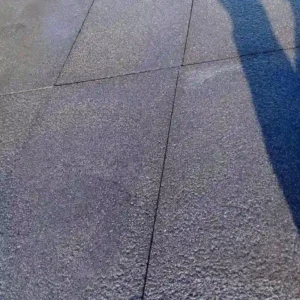
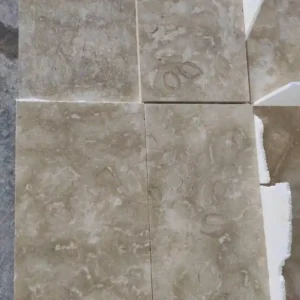
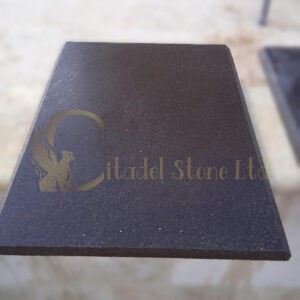
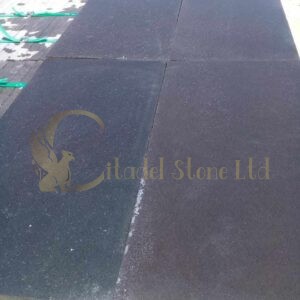
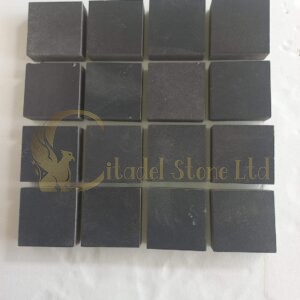
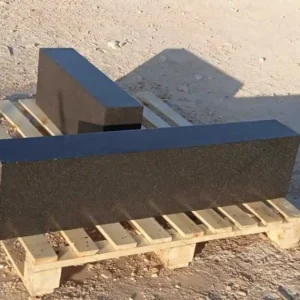
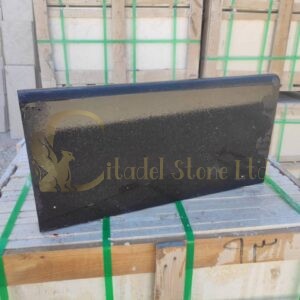
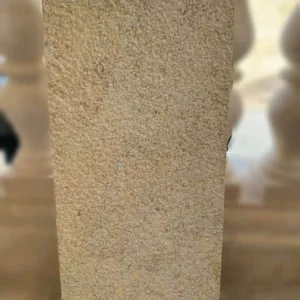
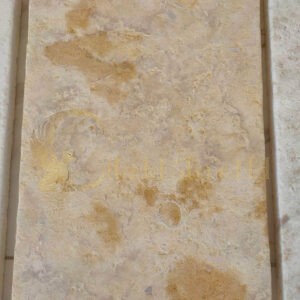
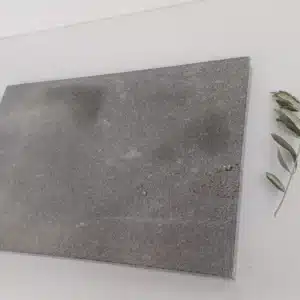
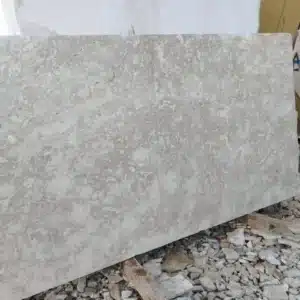
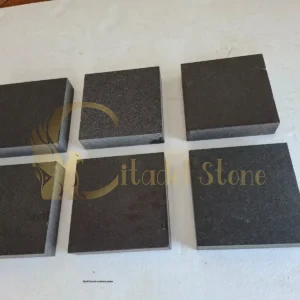
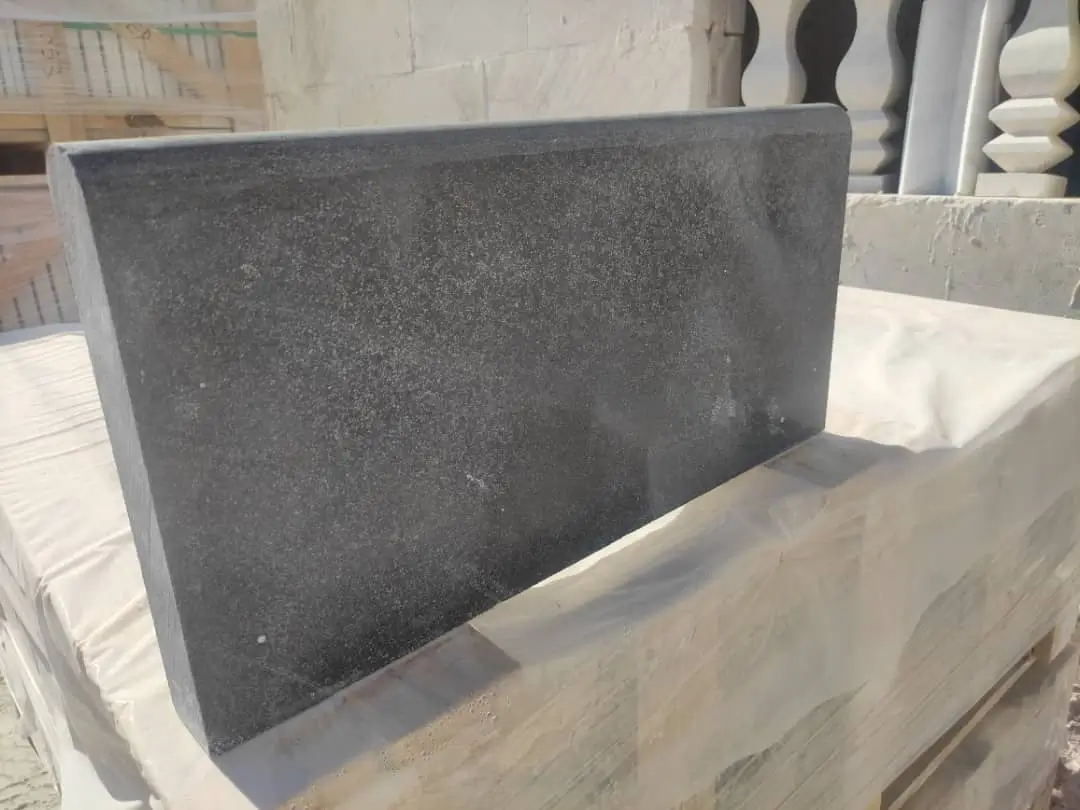
Bluestone stepping stones in Arizona carry a visual weight that most desert hardscape materials simply can’t match — the cool blue-grey tones read as a deliberate counterpoint to the warm ochres and terracottas that dominate regional architecture. That contrast is the design logic behind the surge in bluestone walkways across high-end residential projects in the state. Your palette choices in Arizona aren’t just aesthetic preferences; they’re responses to a landscape that already has strong opinions about color. Bluestone answers those opinions with quiet confidence. Citadel Stone sources these slabs from established quarry partners where each batch is reviewed for consistent color depth before warehouse inventory is built — a step that matters enormously when you’re matching stone across a 200-foot natural bluestone walkway in Arizona.
Reading Arizona’s Landscape Styles Before You Specify
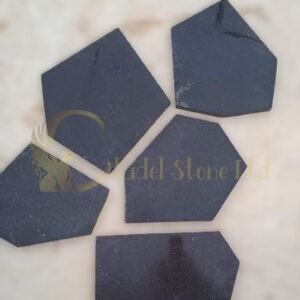
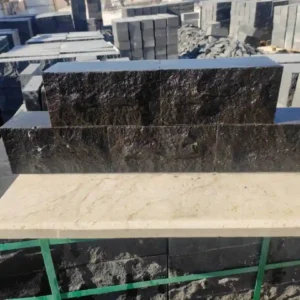
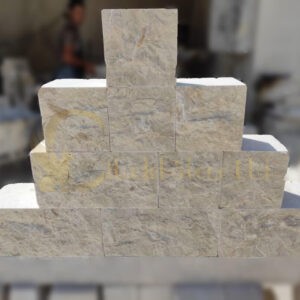
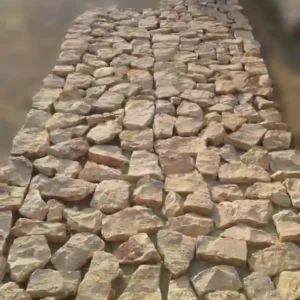
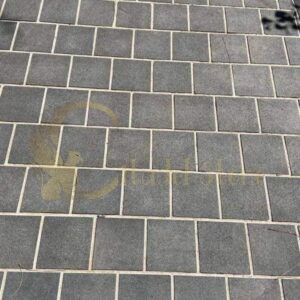
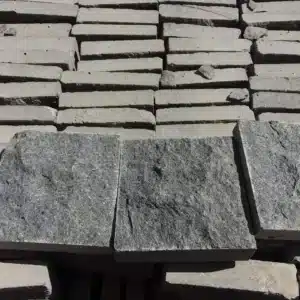
Arizona’s residential landscape traditions pull in several directions simultaneously — Sonoran Desert modernism, Spanish Colonial revival, Territorial style, and contemporary minimalism each demand different stone temperaments. Bluestone stepping pavers in Arizona navigate all four of these styles more gracefully than almost any other natural stone because the material reads as both structured and organic depending on how it’s cut and laid. You’ll see cleft-finish irregular shapes working beautifully in Sonoran Desert gardens where the rawness echoes the surrounding geology. In formal Spanish Colonial settings around Scottsdale, a sawn-edge thermal-finish bluestone paver walkway delivers the geometric precision the architecture demands without the coldness of concrete.
The key specification decision isn’t always thickness or finish — it’s edge treatment. Natural cleft edges introduce an intentional irregularity that softens a walkway’s boundary against decomposed granite or native plantings. Sawn edges create clean sight lines that align with contemporary pool decks and rectilinear planting beds. Your landscape designer may call this a stylistic choice, but it’s really a structural design decision about how the walkway reads from 15 feet away versus 2 feet away.
- Irregular cleft-finish shapes suit naturalistic desert gardens and dry creek bed landscapes
- Sawn-edge rectangular formats work best in formal, axis-driven garden plans
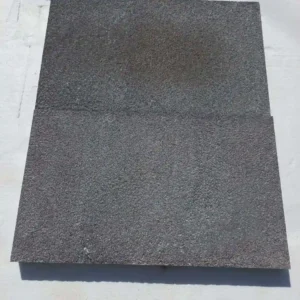
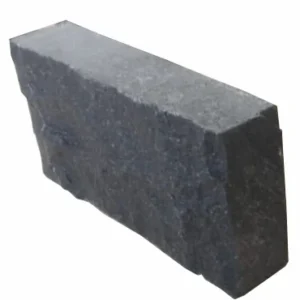
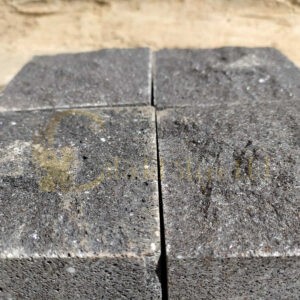
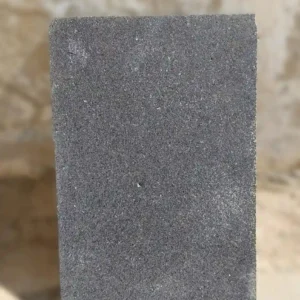
- Thermal finish surfaces add subtle texture that reduces visual harshness in all-stone courtyards
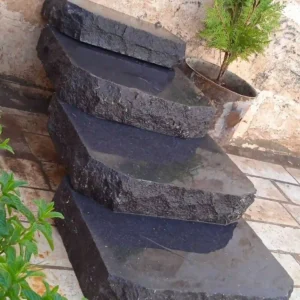
- Large bluestone stepping stones in Arizona create a sense of arrival and slow the pace of movement through a garden
How Bluestone Integrates with Arizona’s Dominant Color Palettes
The specific blue-grey hue of quality bluestone occupies a unique position in the Arizona palette — it’s one of the few hardscape materials that doesn’t compete with the landscape but instead creates breathing room within it. Desert ironwood, brittlebush yellow, ocotillo red-orange — these colors get visual relief when bluestone anchors the ground plane. Understanding this dynamic is what separates a landscape that photographs well from one that actually feels comfortable to inhabit. A bluestone walkway in Arizona doesn’t just connect two points; it functions as a visual resting place in a landscape that can otherwise feel visually intense.
Stucco tones matter too. The cream-to-buff range common in Phoenix residential construction pairs exceptionally well with the cooler blue-grey register of natural bluestone — the two neutrals don’t fight each other. Where you’ll run into tension is with heavily reddened terracotta stucco, which can make bluestone look washed out rather than refined. In those cases, a warmer-toned limestone or a tumbled flagstone may serve the palette better. That’s an honest trade-off worth raising with your client before the specification is finalized.
Selecting the Right Size and Format for Your Walkway
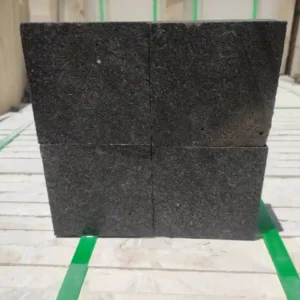
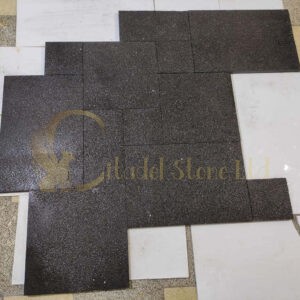
Large bluestone stepping stones in Arizona are increasingly specified for primary circulation paths rather than just accent routes, and there’s a practical reason beyond aesthetics — bigger stones mean fewer joints, and fewer joints mean less maintenance over a 20-year lifespan. A 24×24-inch or 24×36-inch format dramatically reduces the number of sand-set joint interfaces that can shift with seasonal soil movement. For a 4-foot-wide primary walkway, two 24-inch-wide bluestone pavers stepping stones set edge to edge create a confident pedestrian surface that doesn’t require the precision of small-unit mosaic laying.
Stepping stone configurations — individual stones placed with planted or graveled gaps between them — follow a different logic. Here, you’re designing for cadence and visual rhythm rather than full coverage. The human stride averages 24–26 inches center to center for relaxed garden walking, which means your stone placements should land at 20–22 inches on center when accounting for the stone’s own footprint. This is the measurement most DIY installations get wrong, and it’s what makes a stepping stone path feel either natural or awkward to walk.
- Standard thickness for residential stepping applications: 1.5 to 2 inches nominal
- Heavy-use paths benefit from 2.5-inch thickness to manage point load from concentrated foot traffic
- Irregular shapes should be inspected for consistent bed-face flatness — warped slabs create trip hazards
- For projects requiring custom dimensions, confirm lead times from warehouse inventory before committing to a schedule
Base Preparation Standards for Arizona Soil Conditions
Your installation outcome is determined more by what’s under the stone than what’s on top of it. Arizona soils range from expansive clay in some valley floor zones to caliche hardpan at varying depths — and these two conditions demand opposite approaches. Expansive clay requires a compacted crushed aggregate base of at least 6 inches, with geotextile fabric separating it from the native soil to prevent clay migration upward into the base course. Caliche hardpan, which you’ll encounter frequently in Tucson-area projects, is actually a structural asset when it’s continuous and level — it provides a naturally rigid sub-base that rivals compacted aggregate in performance.
For sand-set bluestone stepping pavers in Arizona, a 1-inch bedding sand layer on top of the compacted aggregate base is standard. The critical variable most specifications understate is the compaction requirement for the aggregate base — you need 95% Modified Proctor density, not the 90% that’s acceptable for some lawn applications. That 5% difference translates directly to differential settlement resistance over the first 5 years of the installation. For projects with irrigation systems running nearby, verify that the irrigation zone doesn’t saturate the base course — standing moisture at the aggregate layer is the primary driver of stepping stone migration in Arizona residential projects. You can request specific base specification documents from Citadel Stone that are calibrated for Arizona soil profiles before your project breaks ground.
Finish Options, Slip Resistance, and Arizona-Specific Considerations
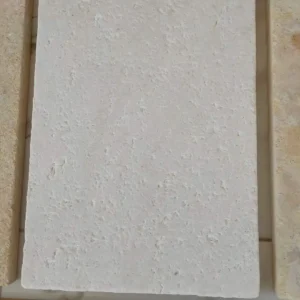
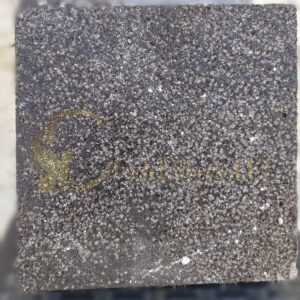
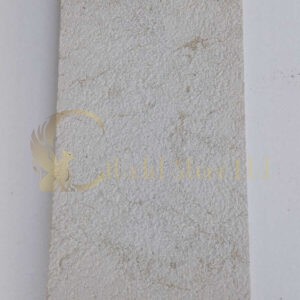
Natural cleft bluestone surfaces provide inherent slip resistance because the split face creates micro-relief across the walking surface — this texture meets ASTM C1028 requirements for coefficient of friction without any additional treatment. Thermal finish, which involves exposing the stone surface to intense heat and then rapidly cooling it, produces a slightly rough texture that also performs well on the slip-resistance spectrum. Sawn-smooth finishes require more careful evaluation in wet-area applications like pool surrounds or garden paths near irrigation spray zones.
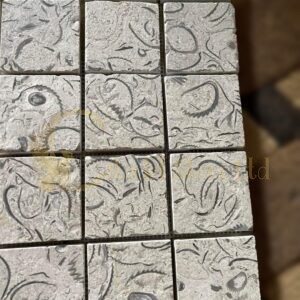
A bluestone paver walkway in Arizona that crosses a drip irrigation zone will periodically receive moisture on its surface. Under direct sun, that moisture evaporates in minutes, but the brief wet interval is when slip resistance matters most. For these locations, you’ll want to confirm finish selection before finalizing the specification. The tumbled bluestone walkway aesthetic, which uses tumbled-edge stones for a worn, European cobblestone look, actually delivers excellent grip characteristics because the tumbling process removes sharp edges and creates subtle surface undulation.
- Natural cleft: highest inherent slip resistance, most natural appearance
- Thermal finish: consistent texture, good slip performance, works well in contemporary designs
- Sawn smooth: refined appearance, requires anti-slip treatment in wet-exposure areas
- Tumbled finish: aged aesthetic, strong grip, particularly suited to informal garden paths
Sealing, Maintenance, and Long-Term Performance Expectations
Bluestone is a dense metamorphic material with lower porosity than limestone or sandstone, but that doesn’t mean skipping a sealer is advisable in Arizona conditions. The combination of UV intensity and occasional monsoon moisture creates a specific weathering dynamic — UV degrades the stone surface slowly while concentrated moisture events test the stone’s absorption limits in a compressed time window. A penetrating impregnator sealer applied within 30 days of installation and refreshed every 2–3 years provides meaningful protection without altering the stone’s natural appearance. For projects near pool equipment or irrigation control valves where chemical exposure is possible, a sealer rated for chemical resistance adds an important margin.
Estimating long-term maintenance costs honestly is part of responsible specification work. A properly installed natural bluestone walkway in Arizona can deliver 20–25 years of performance, with the primary maintenance tasks being joint sand replenishment every 3–5 years for sand-set installations and visual inspection for any stones that have rocked or settled after significant rain events. For projects requiring cost projections across that lifecycle, bluestone stepping pavers Arizona provides detailed pricing context that helps you structure accurate long-term budgets.
Ordering, Logistics, and Supply Planning in Arizona
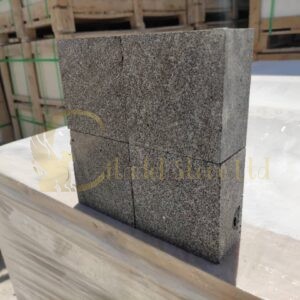
The blue stone paver walkway projects that stay on schedule are the ones where material availability is confirmed before the excavation crew is scheduled — not after. Natural stone supply chains have genuine lead time variability depending on quarry production cycles and seasonal demand. Citadel Stone maintains warehouse inventory of bluestone stepping stones sized for immediate regional dispatch across Arizona, which typically compresses the material-to-site timeline to 1–2 weeks compared to the 6–8 week import cycle that custom-quarried orders require. That lead time difference is often the deciding factor between a project completing before monsoon season and one that sits with open excavation through August.
Truck delivery logistics deserve specific attention for residential projects with restricted access. A standard flatbed truck delivering large-format bluestone stepping stones requires a minimum 12-foot clearance width and ideally a turning radius appropriate to the neighborhood street configuration. For properties with tight access — common in older Phoenix neighborhoods with mature trees near the street — verify access dimensions before the truck is scheduled. Coordinating this detail in advance prevents the costly scenario of a full load that can’t reach the delivery point. You can request sample pieces to confirm color match before committing to a full order quantity, which is especially valuable for projects where existing stone elements are already installed.
- Confirm warehouse stock levels before scheduling your installation crew
- For large-format stones, verify truck access width and turning radius at the delivery site
- Order 10–15% overage on irregular-shaped stepping stones to account for field cutting and shape selection
- Request a color sample from the specific warehouse batch to confirm consistency with existing site materials
Making Bluestone Stepping Stones Work for Your Arizona Project
The projects that perform best over time are the ones where every specification decision traces back to the same design logic — material, finish, size, base, and maintenance all aligned around a coherent outcome. Bluestone stepping stones in Arizona reward that kind of integrated thinking. The aesthetic case is clear from the first site visit, but the technical decisions that follow — base depth, finish selection, joint treatment, sealing protocol — are what determine whether that aesthetic is still intact after 15 monsoon seasons. You don’t have to over-engineer stepping stone installations, but you do need to give each variable its due attention. If your project also includes vehicle-accessible surfaces adjacent to the walking areas, Bluestone Driveway Pavers in Arizona covers the heavier-duty specification requirements that apply when bluestone transitions from pedestrian to vehicular load zones. For Arizona projects requiring reliable bluestone stepping pavers, Citadel Stone offers consistent material standards and knowledgeable support from selection through final installation.