
Bluestone stepping stones cost in Arizona varies more than most buyers expect — and the gap between a well-priced project and an overpriced one almost always comes down to three variables: slab thickness, surface finish, and whether the material was quarried to consistent density standards. A 1.5-inch irregular bluestone paver and a 2-inch gauged slab can carry a $4–$7 per square foot price difference before labor even enters the equation. Understanding that spread is what separates a budget that holds from one that blows up at delivery.
What Actually Drives Bluestone Stepping Stone Pricing
The sticker price on bluestone is only part of the story. Material cost accounts for roughly 40–55% of total installed cost on most Arizona stepping stone projects, with the remaining split between base prep, labor, and sealing. Bluestone stepping stones cost in Arizona ranges anywhere from $6 to $22 per square foot for the material alone, depending on grade, finish, and slab format — and those numbers shift considerably once you factor in regional freight from the supplier’s warehouse to your jobsite.
Here’s what most buyers don’t realize: bluestone isn’t a single product. You’re choosing between irregular flagging (natural cleft, variable thickness), dimensional cut slabs (gauged to uniform thickness), and thermal-finished pieces that have been surface-textured for slip resistance. Each format carries a different price point and a different labor multiplier. Irregular flagging is cheaper per square foot but takes more time to set — so the installed cost often ends up comparable to a thicker gauged slab that drops in cleanly.
- Irregular bluestone flagging: $6–$10 per square foot material cost, higher labor due to fitment
- Dimensional gauged bluestone (1.5 inch): $10–$14 per square foot, moderate labor
- Dimensional gauged bluestone (2 inch): $14–$18 per square foot, efficient installation
- Thermal-finish or custom-cut premium slabs: $18–$22+ per square foot
- Delivery surcharge in Arizona (remote sites): $150–$400 depending on truck access and distance
Thickness, Density, and Why They Change Your Total Budget
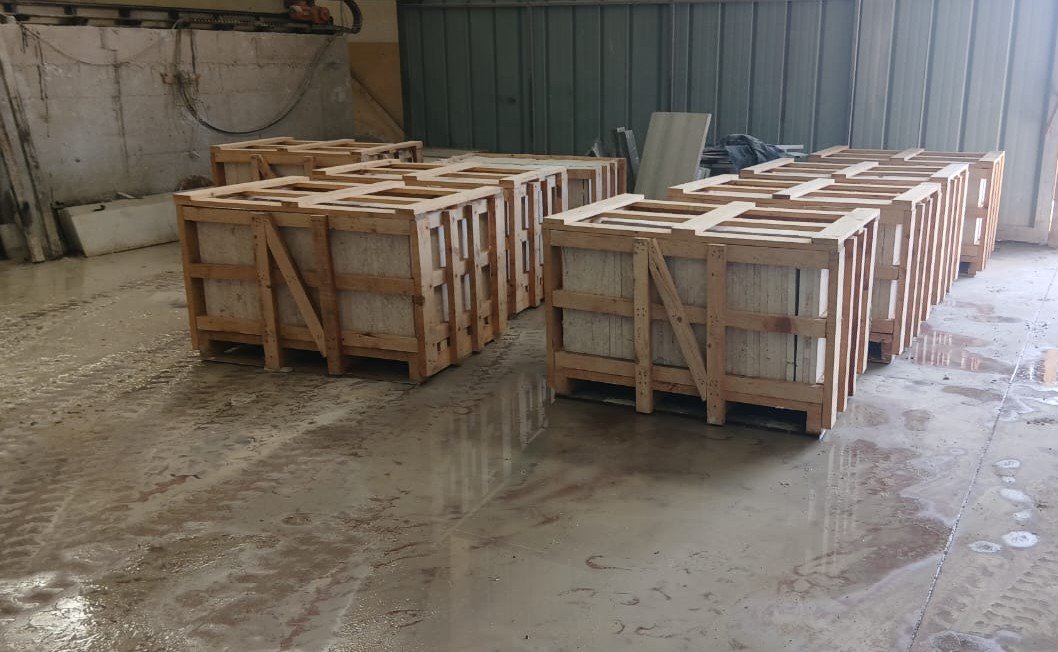
Slab density is the specification detail that gets glossed over in most material quotes — and it’s the one that determines long-term performance in Arizona’s thermal environment. Bluestone with a bulk density above 160 lb/ft³ resists the surface spalling that low-density material develops after repeated heat cycling. In a climate where surface temps can reach 140–150°F in direct summer sun, that difference matters across a 15–20 year horizon.
For pricing natural stepping stones in Arizona, thickness directly influences both material cost and base preparation requirements. A 1.5-inch slab needs a more carefully graded and compacted aggregate base than a 2-inch slab because thinner material is less forgiving of minor irregularities. You’ll typically add $2–$4 per square foot to base prep costs when stepping down from 2-inch to 1.5-inch gauged product, which compresses the material cost savings you thought you were capturing.
- Thin-set installation on concrete slab: works well for 1.5-inch gauged, reduces base cost significantly
- Dry-set on compacted aggregate: appropriate for 2-inch material, requires 4–6 inch base depth in Arizona sandy soils
- High-density slabs above 160 lb/ft³: resist thermal spalling and surface pitting in extreme heat
- Low-density material below 145 lb/ft³: cost less upfront but carry higher replacement risk within 8–12 years
- Slab density should be verified by requesting product spec sheets — not assumed from the material name alone
In Flagstaff, the pricing calculus changes because freeze-thaw cycles add a durability requirement that doesn’t exist in the low desert. You’ll want bluestone with an absorption rate below 0.75% for Flagstaff installations — that spec narrows your product options and pushes material cost toward the upper end of the range. Budget an additional $1.50–$3.00 per square foot compared to identical installations in Phoenix or Tucson.
Labor Cost Breakdown for Arizona Stepping Stone Projects
Labor rates for bluestone stepping stone installation in Arizona range from $8 to $18 per square foot depending on site complexity, spacing pattern, and base conditions. The Phoenix metro tends to run $10–$14 per square foot for straightforward stepping stone paths; Sedona and Flagstaff projects often land $13–$18 due to terrain challenges and the smaller contractor market in those areas.
Your site conditions will push labor costs in ways that aren’t always obvious upfront. Caliche hardpan — common across much of Arizona — requires mechanical excavation that adds $1.50–$3.00 per square foot to base preparation. Sloped sites need additional grading and potentially drainage management, which can add another $2–$4 per linear foot depending on grade change. Communicate site conditions clearly with your installer before accepting a per-square-foot quote that was priced for a flat, accessible lot.
- Flat accessible lot, standard spacing pattern: $8–$12 per square foot labor
- Sloped site with moderate grade change: add $2–$4 per square foot
- Caliche excavation required: add $1.50–$3.00 per square foot
- Remote or restricted truck access: add $200–$500 to total project cost for equipment mobilization
- Custom pattern layout (curves, geometric spacing): add 15–25% to labor estimate
Surface Finish Options and Their Impact on Pricing
Surface finish is one of the most direct levers on bluestone stepping stones cost in Arizona — and it’s also the decision that affects slip resistance, maintenance frequency, and visual character all at once. Natural cleft finish comes at the lowest cost and provides inherent texture, but the variable surface profile makes consistent joint spacing more difficult and slows installation. Thermal finish adds $2–$4 per square foot to the material price but creates a more uniform surface that installers can set faster.
For Arizona outdoor applications specifically, thermal finish deserves serious consideration beyond the aesthetic. The textured surface maintains a coefficient of friction above 0.6 even when wet — relevant for pool surrounds, entry paths through irrigated landscaping, and any area where sprinkler overspray occurs. Natural cleft surface texture varies across the slab, and low-textured zones can drop below 0.4 COF when wet, which is below the ADA-recommended threshold for accessible paths.
- Natural cleft finish: lowest material cost, inherent texture, variable surface profile
- Sawn finish (smooth cut): mid-range pricing, clean aesthetic, requires sealing for slip resistance
- Thermal finish: $2–$4 per square foot premium, consistent slip resistance, faster installation
- Sandblasted finish: specialty pricing, used for custom residential and commercial projects
- Honed finish: smooth, refined appearance — avoid for exterior Arizona paths without anti-slip sealer
The pricing for natural stepping stones in Arizona also reflects regional demand patterns. Thermal-finish and dimensional product moves faster in the Phoenix and Scottsdale markets where high-end residential projects drive volume. Irregular flagging remains the dominant specification in Sedona where the naturalistic aesthetic aligns with the area’s architectural character — and where irregular product’s price advantage makes budget-conscious projects viable without sacrificing visual appeal.
Realistic Total Installed Cost Estimates for Arizona Projects
Pulling together material, base prep, labor, and sealing into a realistic budget requires thinking in ranges rather than single numbers. A straightforward bluestone stepping stone path in the Phoenix metro — 150 square feet, flat grade, accessible site, dimensional gauged product — typically runs $3,200–$4,800 total installed. The same path in Sedona with irregular flagging on a sloped site with limited truck access might cost $4,500–$7,000 for the same coverage area.
For an accurate Arizona bluestone material and labor cost overview, break your project into four line items before collecting contractor quotes. Material cost, base preparation, installation labor, and sealing each have their own variables. Combining them into a single per-square-foot number too early hides the cost drivers that you can actually influence — like material grade selection or phasing the project to reduce mobilization fees.
- Small path (50–100 sq ft), standard conditions: $1,400–$2,800 total installed
- Medium path (100–200 sq ft), moderate complexity: $2,800–$5,500 total installed
- Large stepping stone area (200–400 sq ft), Arizona low desert: $5,000–$10,000 total installed
- Sealing cost (penetrating sealer, professionally applied): $0.75–$1.50 per square foot
- Re-sealing every 2–3 years adds $150–$400 per project cycle for typical residential paths
For current per-square-foot pricing on specific grades and finishes, Citadel Stone Arizona stepping stone pricing provides material cost breakdowns that reflect actual warehouse inventory and current freight rates to Arizona jobsites.
Affordable Stepping Stone Options That Don’t Sacrifice Performance
Budget pressure on stepping stone projects is real, and there are legitimate ways to reduce cost without selecting material that fails in three years. The most effective cost-control lever is slab format: switching from dimensional gauged bluestone to irregular flagging saves $4–$6 per square foot on material. Some of that savings returns through additional labor, but the net reduction is typically $2–$4 per square foot on total installed cost — a meaningful difference on larger paths.
Reducing slab size is another approach that works well for stepping stone applications specifically. Rather than 24×24 or 24×36 slabs, specifying 18×18 or mixed-size irregular pieces reduces per-piece cost and allows tighter budget management on smaller paths. The visual character changes — you get a more traditional, garden-path aesthetic — but performance characteristics are identical when base preparation is properly executed. Affordable stepping stone options across Arizona landscapes consistently come down to format selection and base specification, not cutting corners on density.
- Irregular flagging instead of dimensional gauged: saves $2–$4 per square foot net installed
- Smaller slab format (18×18 vs 24×36): reduces material cost 15–20% on comparable coverage
- Reduced path width (18 inches vs 24 inches): cuts total square footage without changing functional use
- Phased installation: complete primary path now, add secondary paths in year two — spreads budget and mobilization cost
- DIY base preparation for accessible flat sites: saves $1.50–$2.50 per square foot if you have equipment access
Ordering, Lead Times, and Delivery Logistics in Arizona
Lead times for bluestone in Arizona range from 1–2 weeks for in-warehouse stock to 6–10 weeks for imported or custom-cut material. Your project schedule needs to account for this window, particularly if you’re coordinating bluestone delivery with concrete base work or landscape contractors who have tight scheduling constraints. Ordering before base preparation is complete — rather than after — typically saves 1–2 weeks of project delay.
At Citadel Stone, we maintain active warehouse inventory of core bluestone grades and formats specifically to reduce that import-cycle delay for Arizona projects. Confirming stock availability before your installation date is confirmed prevents the scenario where your installer is ready and your material hasn’t landed yet. We recommend verifying warehouse stock at least three weeks before your target installation date, not three days.
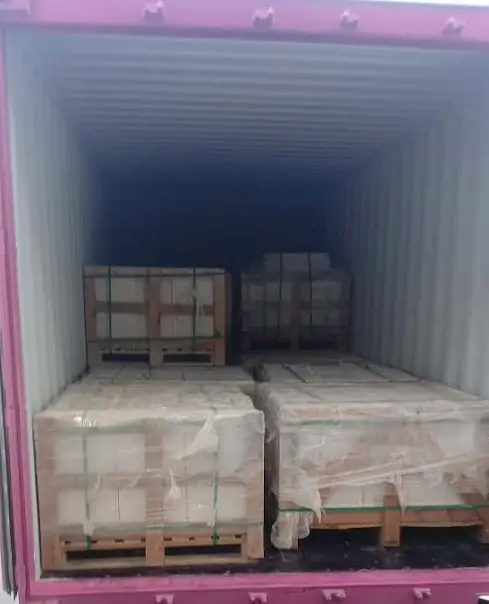
Delivery logistics in Arizona deserve specific attention for larger projects. Standard truck delivery works fine for most Phoenix metro, Tucson, and low-desert sites with accessible driveways and staging areas. In Yuma and other outlying areas, freight surcharges of $150–$350 are typical, and some rural delivery points require a smaller shuttle vehicle from a regional staging yard — which adds both cost and a day to the delivery timeline. Confirm truck access dimensions and weight limits with your delivery coordinator before scheduling, especially for gated communities or sites with low-clearance entries.
- In-stock warehouse material: 1–2 week lead time to Arizona delivery
- Special-order or imported material: 6–10 week lead time
- Freight surcharges for remote sites: $150–$400 depending on location
- Minimum order quantities for residential projects: typically 100–200 square feet per delivery
- Pallet delivery requires forklift or boom truck access — confirm site capability in advance
Sealing, Maintenance, and Long-Term Cost Planning
The maintenance side of bluestone stepping stones cost in Arizona is where most budget analyses fall short. Material and installation are one-time costs; sealing is a recurring expense that runs $150–$400 every 2–3 years for a typical residential path. Skipping resealing cycles in Arizona’s UV-intense environment accelerates surface weathering and increases the risk of moisture infiltration that causes spalling — particularly relevant for projects in higher-elevation zones with freeze-thaw exposure.
Penetrating silane-siloxane sealers perform best for Arizona bluestone applications. They don’t alter surface appearance, maintain natural cleft texture, and provide the moisture and UV protection that film-forming sealers sometimes compromise when they peel in extreme heat. Budget $0.75–$1.50 per square foot for professional application, or plan on a half-day of DIY labor for smaller paths using quality commercial-grade sealer from a stone supply or masonry distributor.
- Initial sealing after installation: $0.75–$1.50 per square foot professionally applied
- Resealing cycle: every 24–36 months in the low desert, every 18–24 months at elevation
- Penetrating silane-siloxane sealer: best performance for Arizona outdoor bluestone
- Film-forming sealers: avoid for exterior applications in extreme heat — peeling creates maintenance liability
- Joint sand maintenance: replenish polymeric joint sand every 3–5 years to prevent weed infiltration and edge erosion
Final Recommendations for Bluestone Stepping Stones in Arizona
Getting your budget right for bluestone stepping stones in Arizona starts with specifying the correct product format — not just finding the lowest per-square-foot material price. The installed cost spread between a low-density irregular slab and a high-density gauged product is real, but the performance gap over a 15-year horizon is larger. Buying on density spec and surface finish suitability for your application will cost you less over the life of the installation than optimizing purely for upfront material price.
Your complete project budget should include material, base preparation, installation labor, sealing, and a 10–15% contingency for site conditions — particularly on Arizona projects where caliche, slope, and truck access variability can add meaningful cost. Collecting at least two contractor quotes with identical scope documentation gives you a reliable cost comparison rather than comparing apples to oranges across different base depth specifications. This bluestone stone budget guide for AZ outdoor spaces becomes most useful when you treat each cost category as a separate line item rather than collapsing everything into a single per-square-foot figure. For the installation process itself, How to Install Bluestone Stepping Stones in Arizona covers the base preparation, setting, and jointing sequence in practical detail that complements the cost planning you’ve done here.
Pricing for bluestone stepping stones in Arizona will continue to reflect material grade, finish quality, and regional freight realities — understanding each variable puts you in a position to evaluate quotes accurately and make informed decisions at every stage of your project. Buyers in Flagstaff, Gilbert, and Yuma frequently consult Citadel Stone when comparing material grades because slab density and surface finish both influence installed cost per square foot for bluestone stepping stones.