
Why Arizona’s Terrain Drives Bluestone Driveway Paver Specification
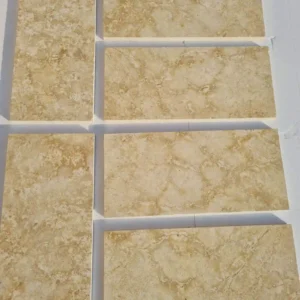
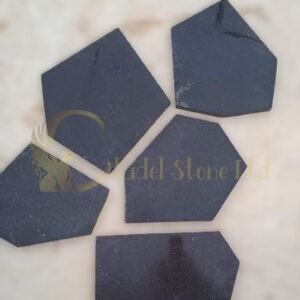
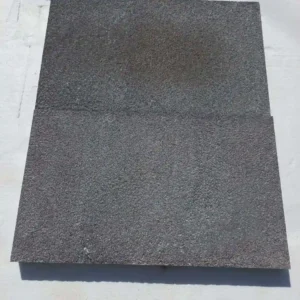
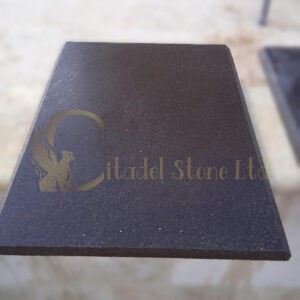
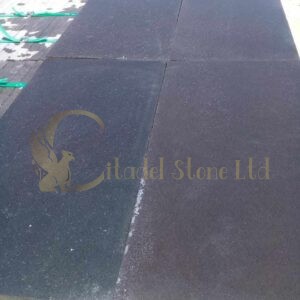
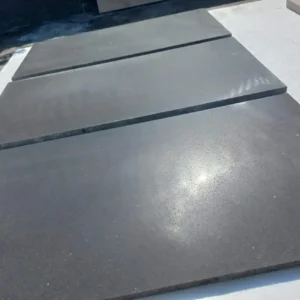
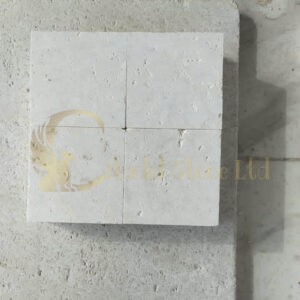
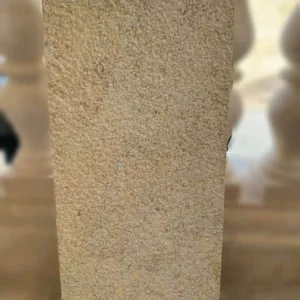
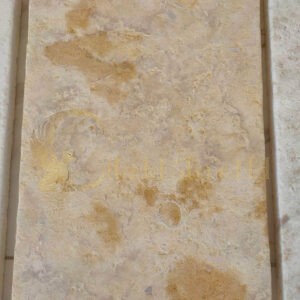
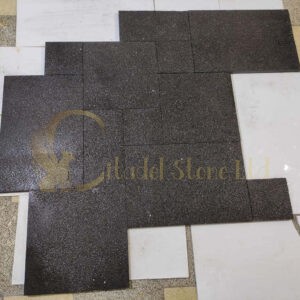
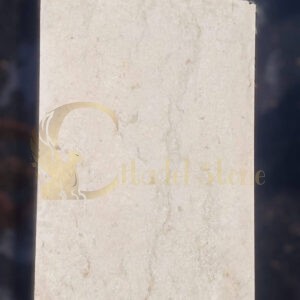
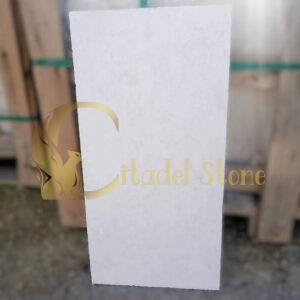
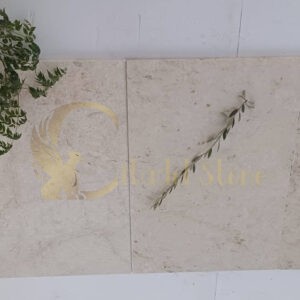
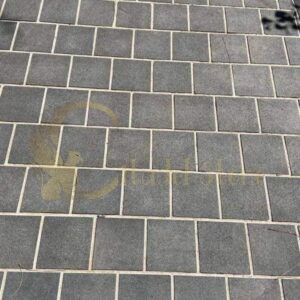
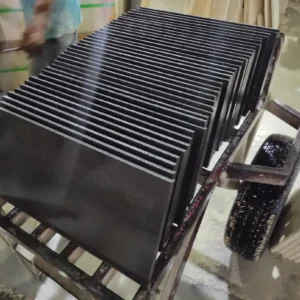
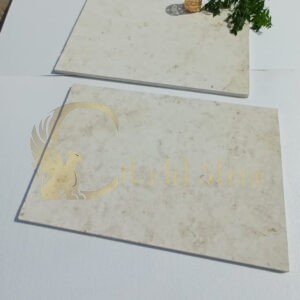
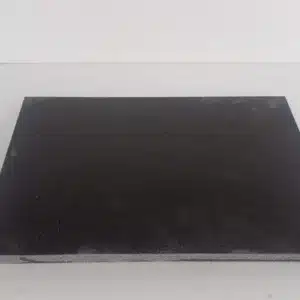
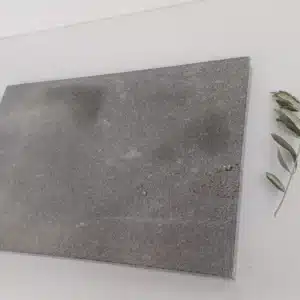
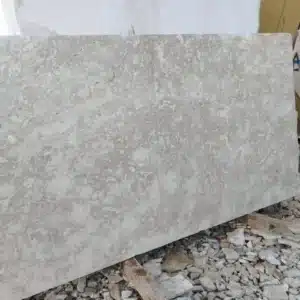
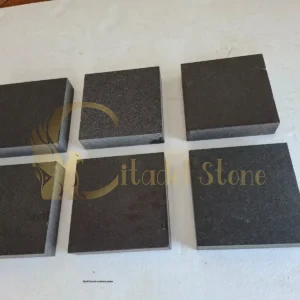
Bluestone driveway pavers in Arizona perform best when the specification starts with terrain analysis, not material aesthetics. The state’s elevation range — from roughly 70 feet above sea level near Yuma to over 7,000 feet in the White Mountains — creates fundamentally different drainage demands, base movement patterns, and load transfer conditions that no single generic spec can address. A design detail appropriate for a flat Phoenix lot becomes a failure point on a sloped Sedona approach where hydraulic pressure builds behind pavers during monsoon events. Citadel Stone stocks bluestone driveway pavers in Arizona in standard formats including 12×24, 16×16, and 24×24 nominal sizes, so you can request thickness specifications before your base design is finalized.
Elevation and Drainage Design for Bluestone Driveway Pavers
The single variable most specifiers underweight on Arizona driveway projects is hydraulic head — the pressure water exerts as it moves down-slope through and beneath a paved surface. At elevations above 4,000 feet, freeze-thaw cycling opens joint sand and compromises interlock over time. In Flagstaff, the freeze-thaw cycle count can exceed 80 per year, which means your joint material and edge restraint system need to be specified for movement, not just static load. The drainage geometry of the sub-base becomes every bit as important as the paver thickness.
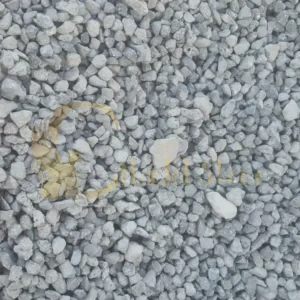
For sloped driveways — anything above a 2% grade, which is most of Arizona’s hillside residential stock — you need a permeable or semi-permeable aggregate base that channels water laterally to a collection point rather than allowing it to build up beneath the paver field. A crushed granite base at 6–8 inches compacted depth performs well in this role across most low- and mid-elevation sites. At higher elevations where frost depth reaches 12–18 inches, your base depth needs to increase proportionally, and you should specify aggregate with less than 5% fines to prevent frost heave from migrating into the base matrix.
- Slope grade above 2%: design for lateral drainage channels at 8–10 foot intervals perpendicular to the fall line
- Elevation above 4,000 ft: increase base depth to 10–12 inches and specify ASTM D2940 Class 2 aggregate
- Monsoon-zone projects: install perforated pipe collector at the base of any slope exceeding 15 feet of run
- Clay-heavy soils: add geotextile separation fabric between subgrade and aggregate base to prevent fines migration
- Caliche sub-base zones: scarify and recompact rather than removing — caliche provides excellent bearing capacity when intact
Base Preparation Standards That Determine Long-Term Performance
Base preparation sequence matters more than the paver brand you choose — that’s a field reality that shows up clearly after the first two monsoon seasons. The standard residential concrete driveway spec of 4 inches over compacted native soil doesn’t translate to natural stone pavers, where interlock and bedding layer behavior are the structural mechanism. A minimum of 6 inches of compacted aggregate base is required for pedestrian-weight driveways and 8–10 inches for anything that sees regular vehicle traffic, regardless of elevation.
Compaction to 95% Modified Proctor density is the target, and you should verify this with a plate compactor making at least three overlapping passes — not by feel or visual inspection. The bedding layer above the base should be coarse concrete sand at 1 inch uncompacted, screeded to a consistent plane. Avoid stone dust as a bedding layer in Arizona’s monsoon climate; it migrates when saturated and creates differential settlement that produces the rocking paver problem that’s almost impossible to fix without a full reset. In Scottsdale, many high-end residential projects now specify a polymeric sand joint fill specifically rated for thermal cycling above 120°F surface temperatures — a worthwhile upgrade that adds roughly $0.30 per square foot to the installation cost.
- Subgrade compaction: 95% Modified Proctor before any aggregate base is placed
- Base aggregate: 3/4-inch minus crushed stone, compacted in 3-inch lifts
- Bedding sand: coarse concrete sand, 1-inch nominal depth, not stone dust
- Joint fill: polymeric sand rated for high-UV, high-heat environments
- Edge restraint: rigid spike-down plastic or aluminum restraint at all perimeter edges
Selecting the Right Bluestone Types for Arizona Driveways
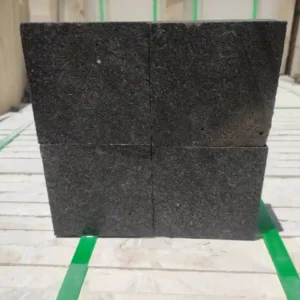
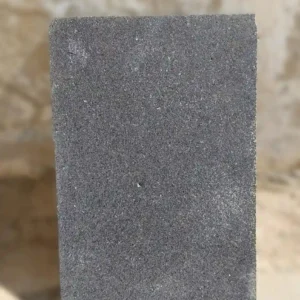
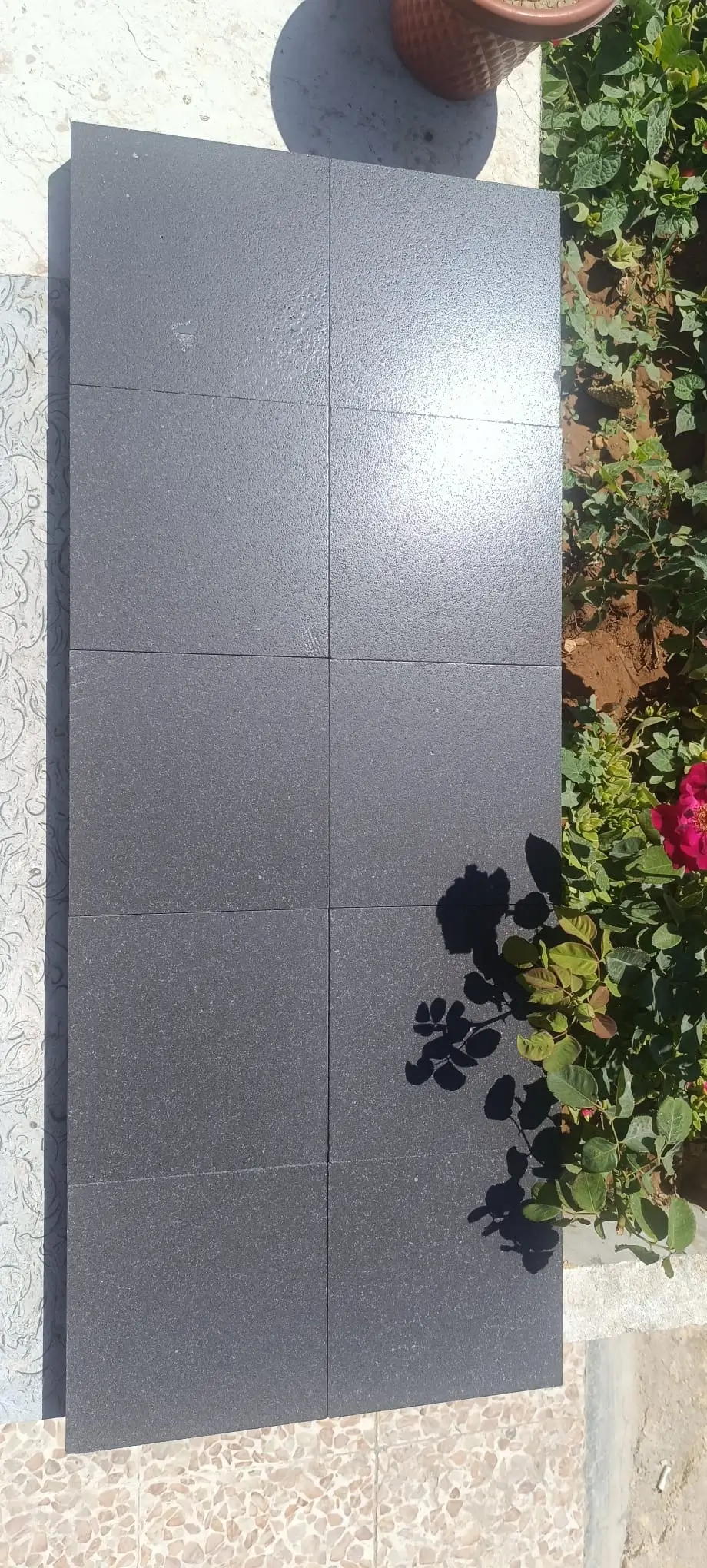
The bluestone category covers several mineralogically distinct materials, and the differences matter in an Arizona context. Pennsylvania bluestone — a dense, fine-grained sandstone — carries a compressive strength in the 14,000–18,000 PSI range and absorbs relatively little water, making it a strong performer in both the low desert and higher elevation projects. Imported basalt-type bluestone, often marketed under the same name, runs harder still but can be more brittle at thinner gauges, which becomes a concern when setting pavers over aggregate base rather than a rigid concrete substrate.
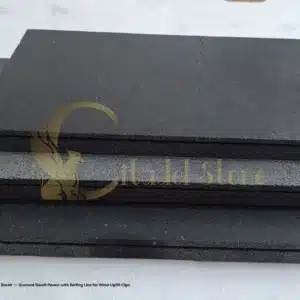
For driveway applications, a minimum nominal thickness of 1.5 inches is appropriate for foot traffic areas and 2 inches for vehicle load zones. The 2-inch spec is non-negotiable for anything that sees regular passenger car traffic — thinner pavers fracture under point-load conditions when the bedding layer has any irregularity. Each batch Citadel Stone handles goes through dimensional and hardness checks at the warehouse before truck delivery is scheduled, which matters when you’ve already committed to a base preparation timeline. Sample pieces and thickness verification are available before your order is confirmed.
- Pennsylvania bluestone: 14,000–18,000 PSI compressive strength, low absorption, suitable for all Arizona elevations
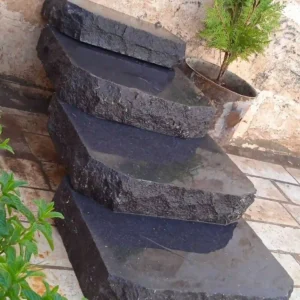
- Basalt bluestone: harder and denser, best for vehicle-load applications in thicker gauges
- Minimum thickness for foot traffic: 1.5 inches nominal
- Minimum thickness for vehicle load zones: 2 inches nominal — this is not negotiable on aggregate base
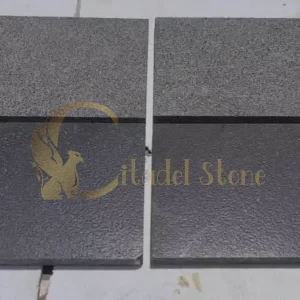
- Surface finish: thermal or sawn finish for primary driveway fields; natural cleft acceptable for accent areas only
Edging and Border Systems: What the Terrain Demands
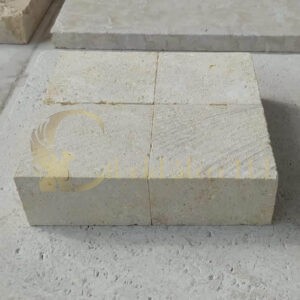
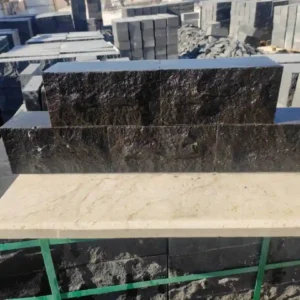
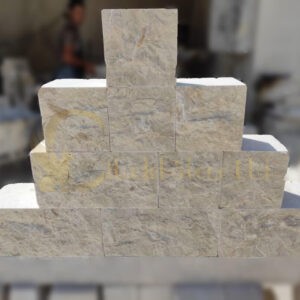
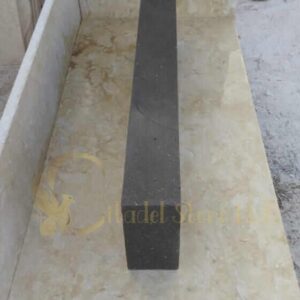
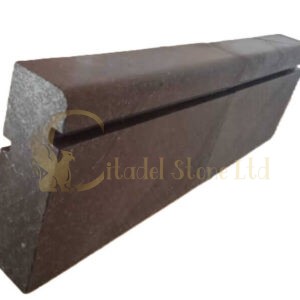
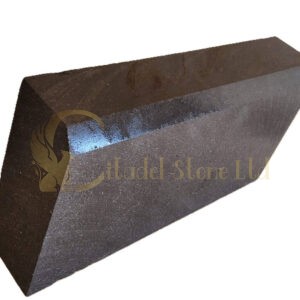
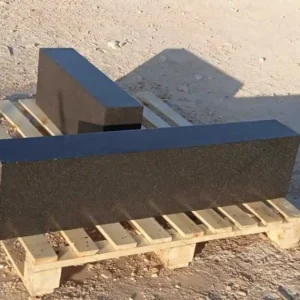
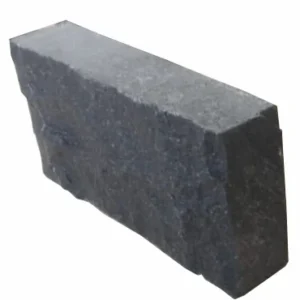
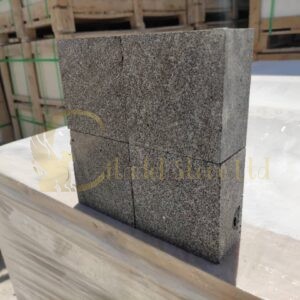
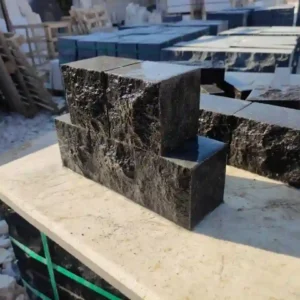
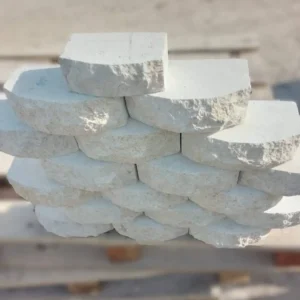
Driveway edging on sloped Arizona sites does two jobs simultaneously — it contains the paver field against lateral creep under vehicle load, and it manages sheet flow that would otherwise undercut the bedding layer at the perimeter. Most residential projects use bluestone driveway edging in Arizona as a complementary design element, but the structural role should drive the specification first. A bluestone edging block set in concrete on a sloped driveway acts as a dam — weep openings must be detailed at the low-side edge or the result is a detention pond behind your own restraint system.
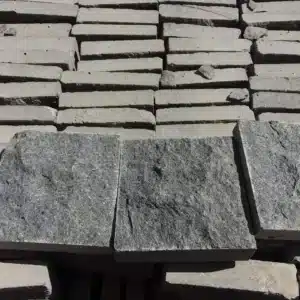
For projects that use bluestone driveway edging in Arizona as a finished border element, the typical approach is a double-course soldier course set in a concrete haunch — two pavers standing on edge with a 6-inch concrete footing beneath. This provides enough mass to resist the lateral force from vehicle turning maneuvers while still allowing the main field pavers to be reset if needed. When you’re evaluating bluestone driveway paver edging options for your project, the slope grade and drainage plan should already be drafted so you can match the edge detail to the actual hydraulic conditions on site. Bluestone edging blocks in Arizona are also commonly used as kerb-height transitions at the street connection, and here you need to verify local municipal requirements — some jurisdictions require a certified engineer’s stamp on any curb replacement or modification.
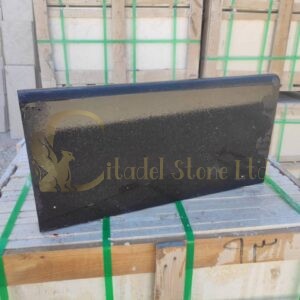
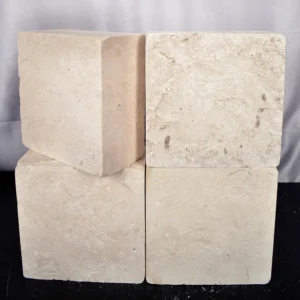
Bluestone kerb blocks in Arizona are available in standard curb profiles and custom-cut dimensions, and the choice between a flush edge and a raised kerb edge typically comes down to the driveway’s relationship to the adjacent landscaping grade. A raised kerb of 2–3 inches above finish paver grade gives the most reliable long-term containment on sites with 3% or higher slope. For projects requiring bluestone paver edging in Arizona at street-facing transitions, confirming municipal kerb height requirements early prevents costly revisions during final inspection.
Drainage Detailing for Arizona’s Monsoon Season
Arizona’s monsoon season delivers high-intensity, short-duration rainfall events that concentrate runoff faster than almost any other climate pattern in the continental US. A 15-minute rainfall event can produce more surface water than a day-long drizzle in the Pacific Northwest, and your driveway drainage geometry needs to be designed around that peak flow rate, not an average annual rainfall figure. The standard recommendation of 1.5–2% cross-slope on a paver field is a starting point, but on sites where the driveway is the primary drainage path for roof runoff or adjacent hardscape, modeling the actual hydraulic load is strongly advisable.
In Phoenix, expansive clay soils in older subdivisions present a compounding problem — the clay swells when the monsoon saturates it, then shrinks during the dry season, creating a micro-heave cycle that works joint sand out of the field over 3–5 years. The solution is a geotextile separation layer and a deeper aggregate base rather than trying to seal the pavers against moisture infiltration. Sealed pavers on a clay sub-base without proper drainage are actually worse than unsealed pavers — moisture becomes trapped and the heave cycle accelerates.
- Design cross-slope at 2–3% minimum for driveway fields receiving roof runoff
- Install trench drains at garage approach transitions to interrupt sheet flow
- On clay-dominated soils, prioritize drainage over sealing in your specification sequence
- Check monsoon-season peak flow rates for your watershed zone before finalizing drain pipe sizing
- Ensure all drain outlets have proper outfall conditions — connecting to a dry well on clay soil often fails within 5 years
Sealing and Maintenance Protocols for Arizona Conditions
Sealing bluestone driveway pavers in Arizona requires a different approach than the standard 1–2 year reapplication schedule listed on most product data sheets. The combination of UV intensity, thermal cycling, and monsoon-season saturation accelerates sealer breakdown — first signs of sealer failure typically appear at 18–24 months in low-desert conditions, compared to 3–4 years in moderate climates. The specification choice between penetrating impregnator sealers and topical film-forming sealers matters significantly here.
Penetrating impregnator sealers — silane-siloxane chemistry at 20–40% concentration — perform better in Arizona’s thermal cycling conditions because they don’t create a surface film that can delaminate under expansion stress. Film-forming sealers produce a better initial wet-look appearance but tend to peel and blister after 2–3 hot seasons, creating a maintenance problem more labor-intensive than the original application. For driveway applications specifically, specify a penetrating sealer with a water repellency rating tested to ASTM C1104 and an oil resistance rating — driveways see fluid contamination that purely hydrophobic sealers don’t address adequately. Bluestone edging blocks in Arizona benefit from the same sealer specification as the field pavers, since edge surfaces see concentrated moisture runoff from adjacent grade.
- Penetrating impregnator sealers: preferred for thermal-cycling resistance and low-maintenance performance
- Reapplication schedule: 18–24 months in low desert; 24–36 months above 4,000 ft elevation
- Application conditions: surface temperature between 50–80°F and no rain forecast for 48 hours
- Oil stain pre-treatment: apply before sealing, not after — sealer locks in untreated stains
- Test sealer bead behavior: fresh water should bead above 3mm height on a properly sealed surface
Ordering, Delivery Logistics, and Lead Times Across Arizona
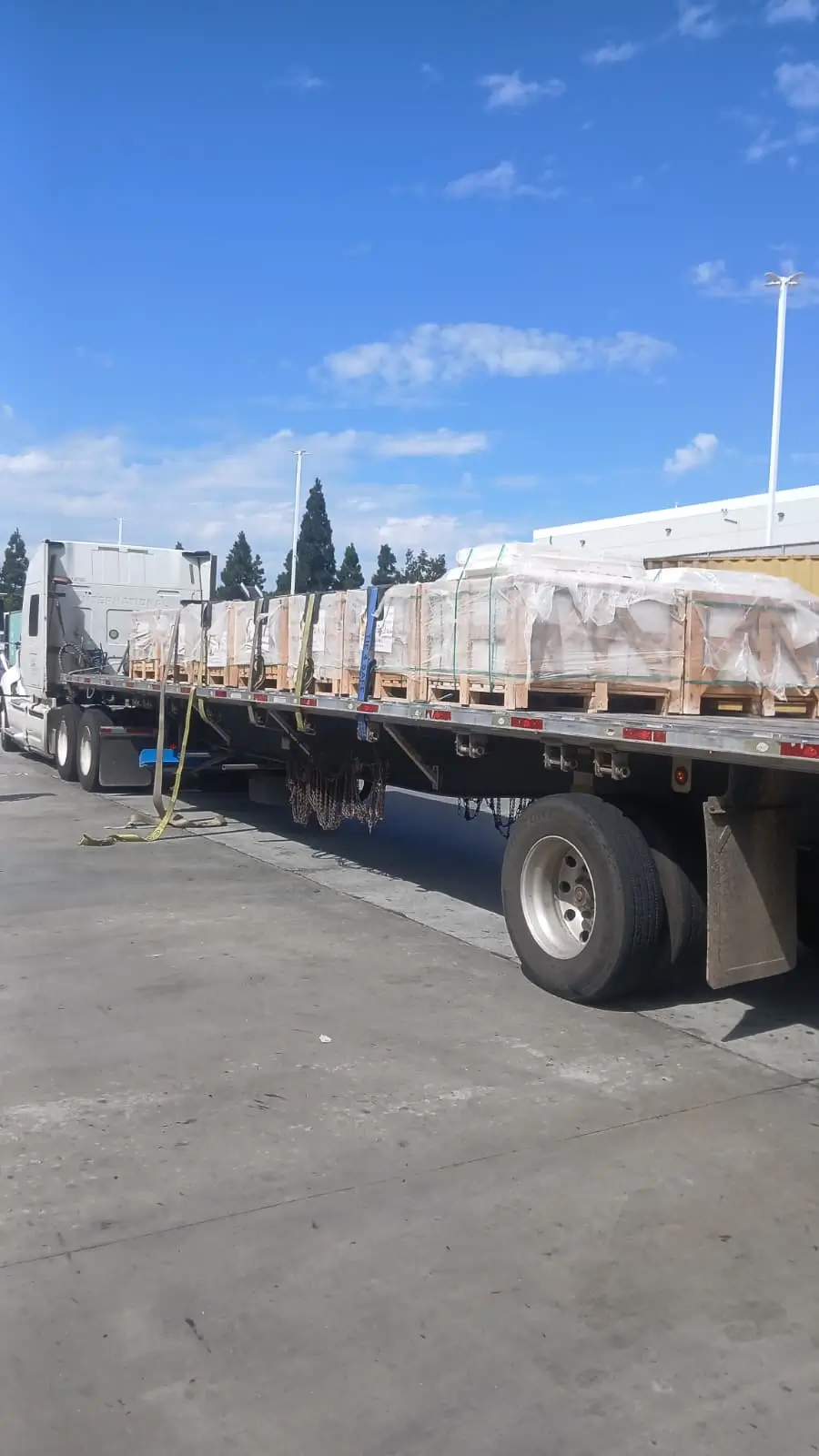
Material availability and truck delivery logistics vary significantly across Arizona’s geography, and your project timeline needs to account for that reality. For projects in metro areas — Chandler, Mesa, Tempe, Gilbert — warehouse inventory is typically accessible within 1–2 weeks for standard format orders. Remote site projects in higher-elevation areas or rural corridors can add 3–5 days to delivery scheduling, particularly during monsoon season when road access on unpaved approaches becomes a constraint for loaded stone delivery trucks.
Verify warehouse stock levels for your specified bluestone format before committing to a base preparation timeline. Mismatched scheduling — where the base is prepared and compacted but material delivery slips by a week — exposes your finished base to a monsoon event that can require partial re-compaction before paver setting begins. Citadel Stone ships bluestone driveway pavers in Arizona from regional inventory, and for projects requiring custom cuts or non-standard edge profiles, the team can advise on extended lead times so your project schedule accounts for the full material preparation window. Standard pallet quantities run approximately 80–100 square feet per pallet depending on thickness, which helps you plan truck access and staging area requirements on the job site.
- Standard format orders (metro areas): 1–2 week lead time from warehouse inventory
- Custom cut or non-standard thickness: 3–5 week lead time — confirm early in the design phase
- Pallet staging: plan for 80–100 sq ft per pallet; confirm truck access width and overhead clearance before scheduling delivery
- Quantity buffer: order 8–10% overage for cuts and breakage on irregular lot shapes
- High-elevation site access: verify road load limits and width restrictions before scheduling a loaded stone truck
Getting Bluestone Driveway Pavers Right in Arizona
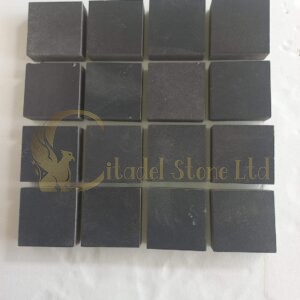
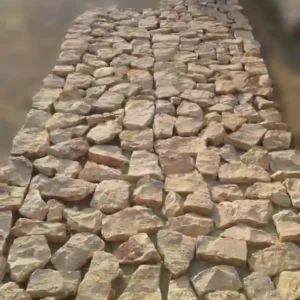
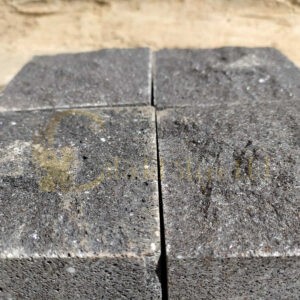
The specification decisions that determine whether bluestone driveway pavers in Arizona perform for 20+ years or require costly remediation within a decade all trace back to terrain analysis, drainage geometry, and base preparation — in that order. Material selection matters, but it’s rarely the failure point. The failure points are almost always in the sub-base depth, drainage detailing at slope transitions, and edge restraint design on sites with gradient. Treating the terrain as the primary design constraint and selecting your paver format, thickness, and bluestone kerb blocks in Arizona to answer what the site demands will set any project up for its best long-term outcome. Beyond the driveway itself, your Arizona property may benefit from related stone applications — Bluestone Cobbles in Arizona covers another dimension of bluestone specification that complements driveway projects where textural contrast or border detailing is part of the design intent, and the same terrain-first logic applies. For bluestone paver edging in Arizona, Citadel Stone provides consistent material quality and knowledgeable guidance to help projects meet both functional and aesthetic requirements.