
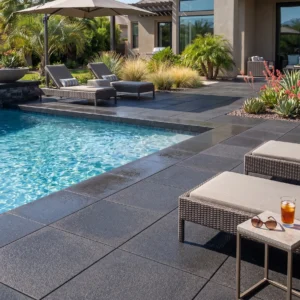
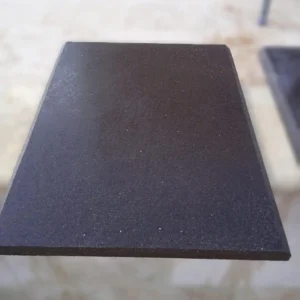
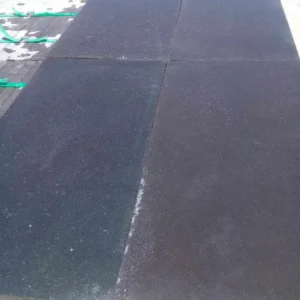
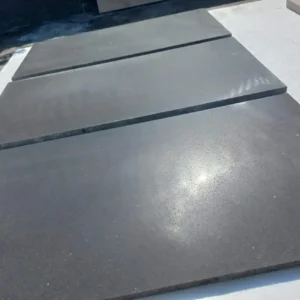



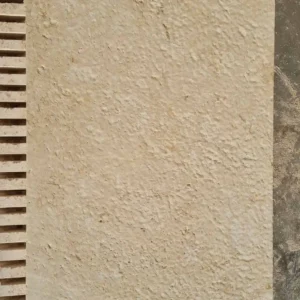
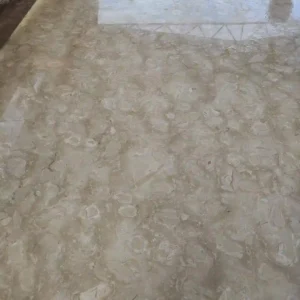
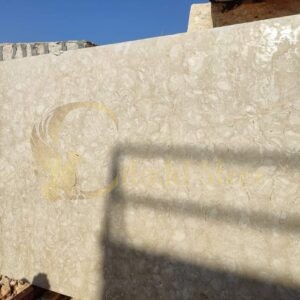
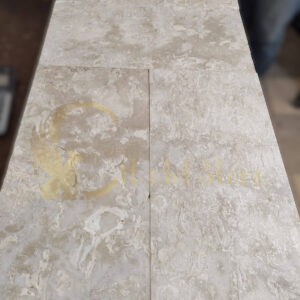
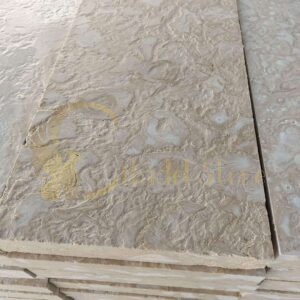
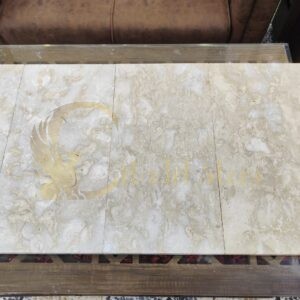

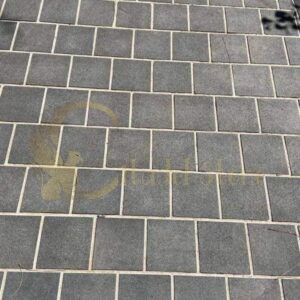

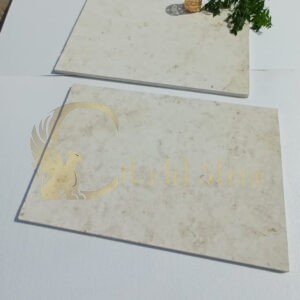
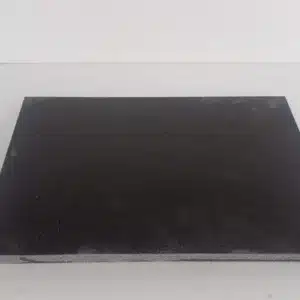
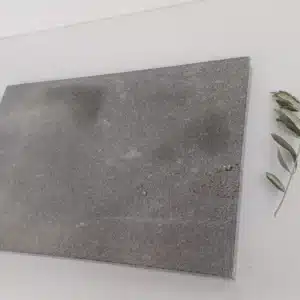
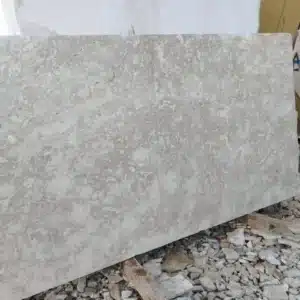

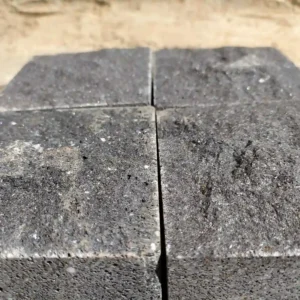
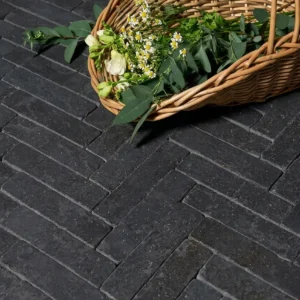
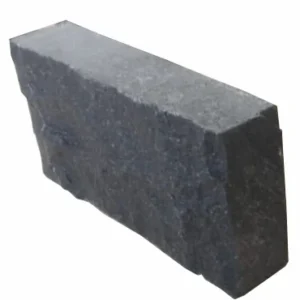
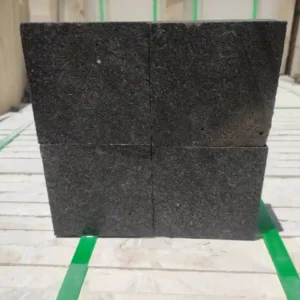
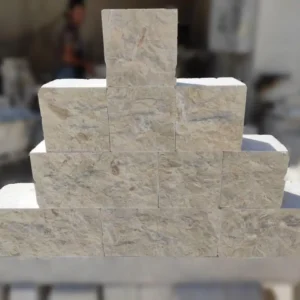
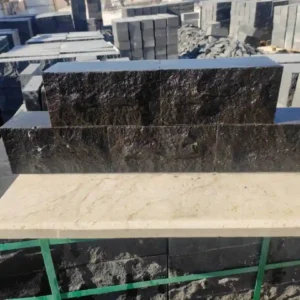
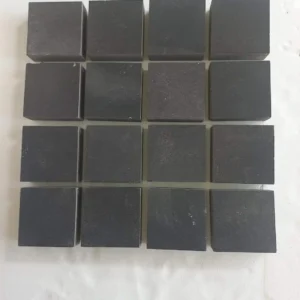
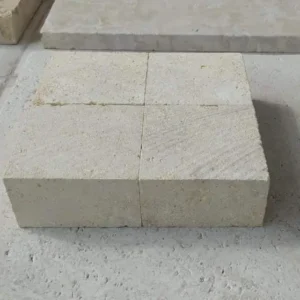
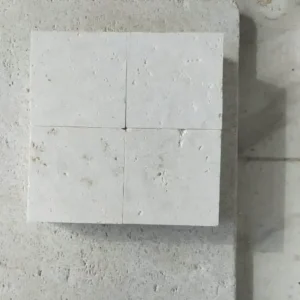
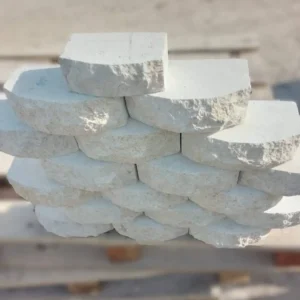
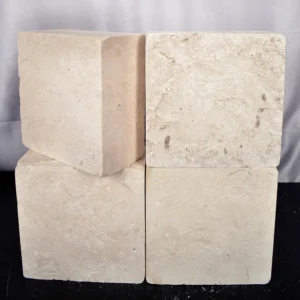
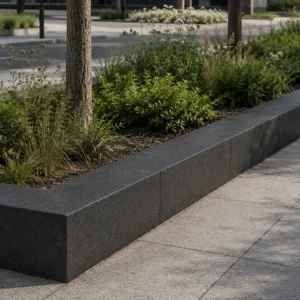
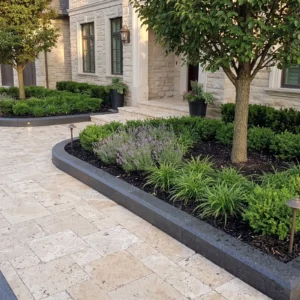
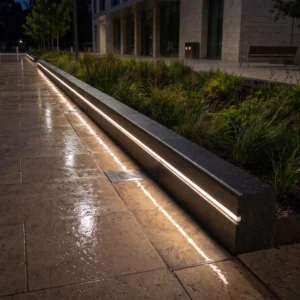
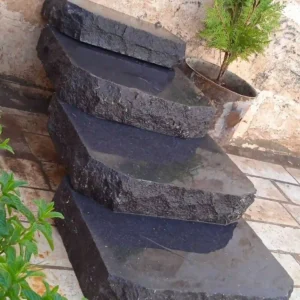

Basalt pavers in Arizona perform at their best when you treat terrain and drainage as the primary design constraints — not afterthoughts. The state’s dramatic elevation changes, from below-sea-level desert flats to 7,000-foot mountain zones, create soil behavior and hydrostatic conditions that directly determine whether your installation holds for 25 years or starts showing joint failure within five. Understanding how these forces interact with basalt’s dense, low-porosity structure is where specification decisions actually begin.
Why Arizona’s Terrain Defines Your Basalt Specification
Arizona isn’t a single climate zone — it’s a stacked series of dramatically different elevation bands, and your base preparation approach needs to reflect that. Projects sitting between 1,000 and 2,500 feet in the Sonoran Desert deal with expansive caliche soils and flash-drainage events that can undermine a compacted aggregate base if the drainage geometry isn’t designed correctly from the start. At higher elevations near Flagstaff, you’re working with different soil plasticity, freeze-thaw cycles, and runoff velocities that demand a completely different sub-base specification. Basalt stone pavers in Arizona work across all these zones, but the installation variables aren’t transferable between them — what works in the low desert will underperform above 5,000 feet without deliberate adjustments.
- Caliche hardpan in desert elevations can act as a drainage barrier, causing water to pond directly beneath the pavement layer
- Steep topographic gradients accelerate subsurface water movement, which erodes fine aggregate from improperly graded bases
- Elevation-driven soil expansion coefficients vary enough across Arizona to change your joint spacing requirements by 10–15%
- Flash precipitation events in monsoon season deliver high-velocity surface flow that unprotected basalt installations aren’t always detailed to handle
Citadel Stone sources basalt from our established selected quarries where density and void ratio testing is part of the intake inspection — this matters because denser basalt handles hydrostatic pressure at the joint interface better than lower-density alternatives when drainage conditions are stressed — request the density figures on the test report for the batch you are buying.
Basalt Setts and the Drainage Design You Can’t Skip
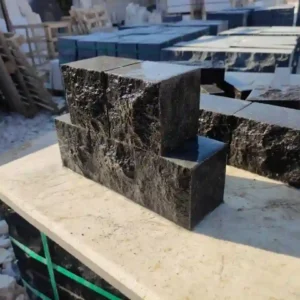
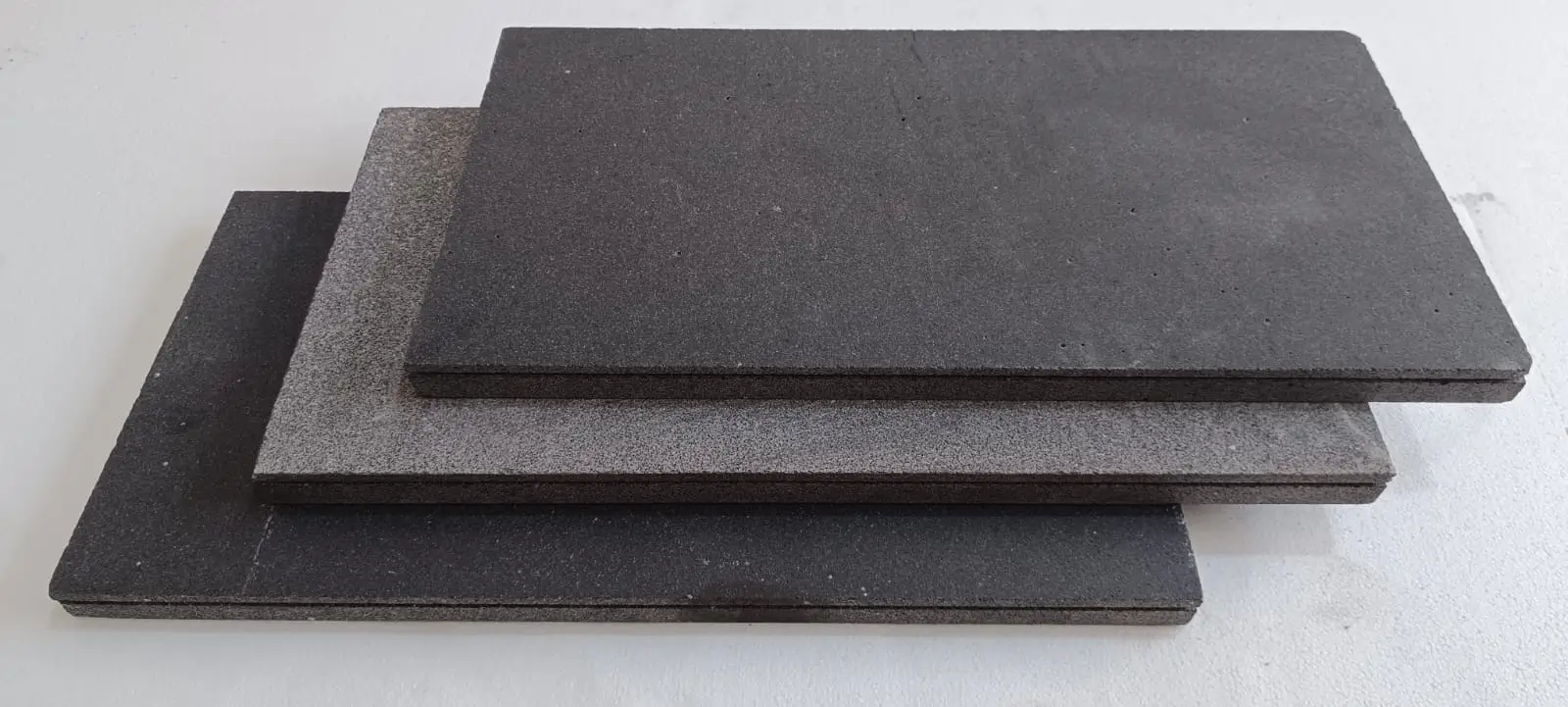
Drainage geometry is the variable most specifiers underestimate when working with basalt setts in Arizona. The material’s low water absorption — request the absorption test report for the batch you are buying — means water doesn’t penetrate the paver body — it moves entirely through the joint network. That’s actually an advantage, but only if your joint and bedding system is designed to move that water laterally and away from the sub-base. In high-gradient terrain, the joint system essentially functions as a controlled drainage network, and sizing it incorrectly turns it into a pressure-relief failure point.
For projects in Flagstaff, where monsoon events combine with freeze-thaw cycling, the joint sand specification needs to be hydraulic-set jointing compound rather than standard polymeric sand. Standard polymeric sand in freeze-thaw zones can lose elasticity and crack, allowing water infiltration that undermines bedding layer integrity within two to three seasons. Hydraulic jointing maintains flexibility through temperature cycling and resists washout from high-velocity surface drainage simultaneously. Basalt setts in Arizona installed with the correct jointing compound consistently outperform those specified with generic polymeric products across both low-desert and high-elevation sites.
- Joint width for basalt setts should run 8–12mm minimum in high-gradient zones to maintain adequate drainage throughput
- Bedding layer compaction must achieve 98% Modified Proctor density to resist hydraulic erosion under flash-drainage loading
- Perimeter edge restraints should be set 50–75mm deeper than standard specs in areas with clay-dominant soils prone to lateral migration
- Cross-fall gradient across the paved surface should be held at 1.5–2.0% minimum to prevent surface ponding at joint intersections
Flamed Basalt Pavers: Surface Texture and Slip Resistance in Variable Terrain
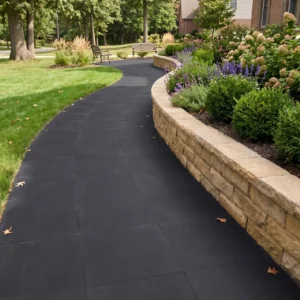
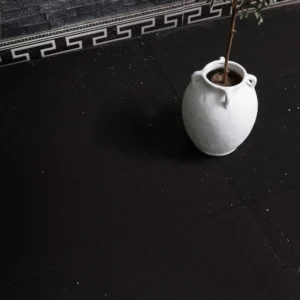
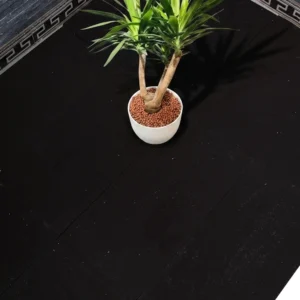
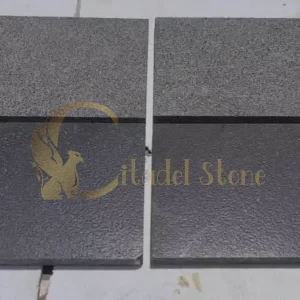
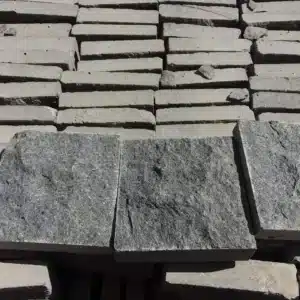
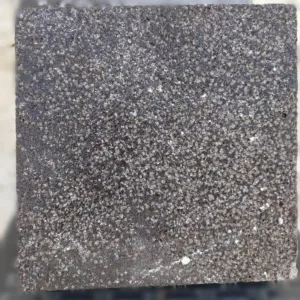
The flamed finish on basalt creates a micro-textured surface through thermal shock treatment that opens the crystal structure and produces a tactile grip profile that holds in wet conditions; for exterior pedestrian surfaces specify against the ANSI A326.3 wet DCOF threshold (0.42). Flamed basalt pavers in Arizona are particularly well-suited for sloped terrain applications precisely because this grip profile remains stable even when the surface is wet from irrigation or monsoon runoff. You won’t get that consistency from a polished or honed finish in outdoor high-gradient applications.
The flaming process also slightly reduces the thermal mass at the surface layer without compromising structural integrity, which has a practical benefit in high-sun installations. Surface temperatures on flamed basalt run cooler than comparable polished dark stone under peak solar exposure — a difference you can verify on site with an infrared thermometer. In Scottsdale, where outdoor living spaces need to remain usable during the hottest months, that surface temperature differential directly affects how long a patio or courtyard remains comfortable without shade intervention. Specifying flamed basalt pavers in Arizona high-sun environments is one of the more practical finish decisions you can make for occupant comfort.
- Flamed finish durability is exceptional — the thermal texture doesn’t wear smooth under foot traffic the way mechanically brushed surfaces can over time
- Cleaning flamed basalt in dust-heavy desert environments requires only low-pressure rinsing; the open texture doesn’t trap fine particles the way polished surfaces do
- For driveways, the flamed texture provides adequate tire grip without the surface irregularity that causes uneven wear on vehicle tires
Basalt Driveway Pavers: Base Preparation for Arizona’s Demanding Soils
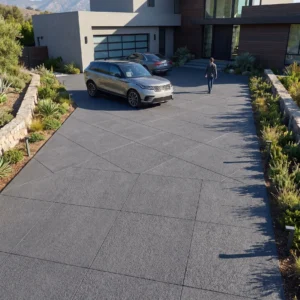
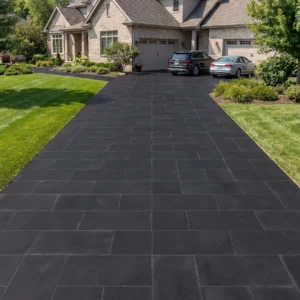
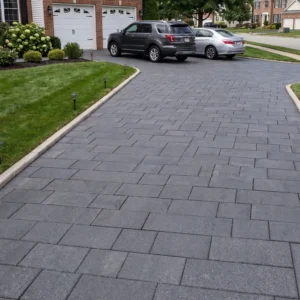
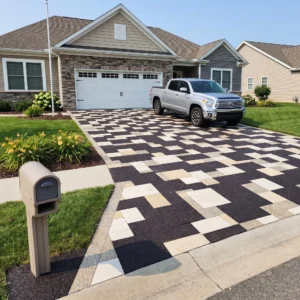
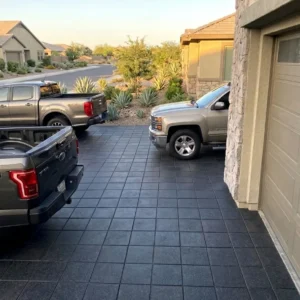
Basalt driveway pavers in Arizona demand a base preparation approach calibrated to the specific soil classification beneath your project, not a generic aggregate depth pulled from a general specification sheet. In expansive clay soils common across central Arizona, a standard 6-inch compacted base is frequently insufficient — field performance data consistently shows that 8–10 inches of well-graded aggregate over a geotextile separation fabric is the minimum to prevent differential settlement under vehicle loading. The geotextile layer is often omitted to save cost, and it’s one of the most expensive mistakes you can make in an Arizona driveway installation.
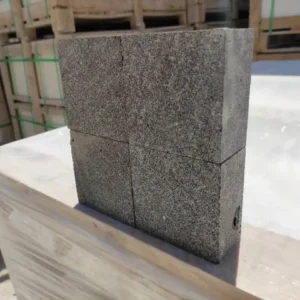
For basalt driveway pavers specifically, thickness selection matters more than most specifiers realize. A 30mm (approximately 1.25-inch) paver handles pedestrian loads comfortably, but vehicle loading requires 40mm minimum — and for areas receiving delivery trucks or heavy SUVs with regular frequency, 50mm thickness eliminates the shear stress that causes edge cracking at joint intersections over time. You can review Arizona basalt stone paver options for a more detailed breakdown of thickness specifications and load classifications that apply to similar site conditions. Citadel Stone stocks basalt driveway pavers in both 40mm and 50mm thicknesses, which covers the majority of residential and light commercial driveway applications across the state.
- Sub-base compaction should be tested with a nuclear density gauge before bedding layer placement — visual inspection alone misses subsurface voids
- Install a 100mm perforated drain pipe at the low side of all driveway installations to relieve hydrostatic pressure during monsoon events
- Edge restraint systems for driveways should be pinned at 600mm centers maximum; wider spacing allows lateral movement under vehicle turning loads
- Confirm that your truck delivery access matches the paver weight before scheduling — a full pallet of 50mm basalt typically weighs 900–1,100 kg
Basalt Crazy Paving Across Elevation Transitions
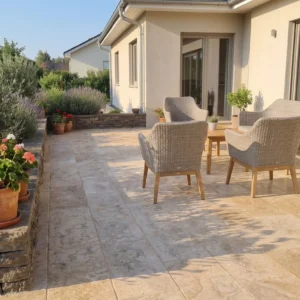
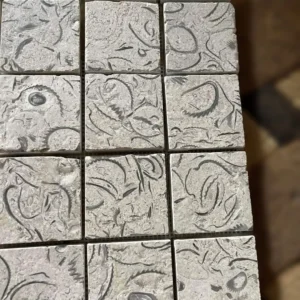
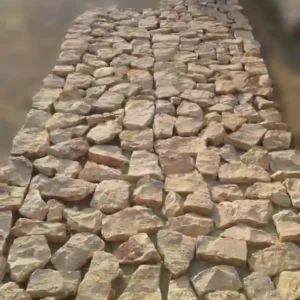
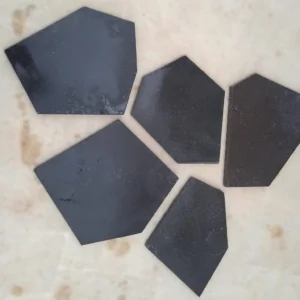
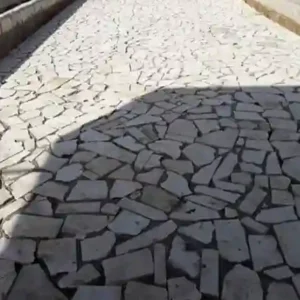
Basalt crazy paving in Arizona handles grade transitions in a way that traditional rectangular formats struggle with — the irregular geometry allows you to work with natural slope contours without creating awkward cuts or visible joint patterns that fight the topography. This makes it particularly useful on projects where the grade changes 3–5% across the paved area, which is common in hillside residential installations throughout central and northern Arizona. The key specification detail most installers miss is that crazy paving requires a mortar-set system on slopes exceeding 2%, not a sand-set system — the irregular joint geometry creates stress concentration points under lateral loading that unset pavers can’t resist.
The thickness of crazy paving pieces varies naturally due to the production process, and that variation needs to be managed in the bedding layer rather than accepted as a finished surface irregularity. Skilled installers adjust mortar bed depth piece by piece to achieve a consistent finished surface plane — plan for 20–30% longer installation time compared to rectangular format pavers when budgeting labor costs. In Sedona, where project aesthetics frequently need to complement rugged natural landscapes, the organic geometry of basalt crazy paving in Arizona achieves a visual integration with the terrain that no cut-stone format can replicate.
Basalt Coping for Pool and Terrace Edges in High-Terrain Projects
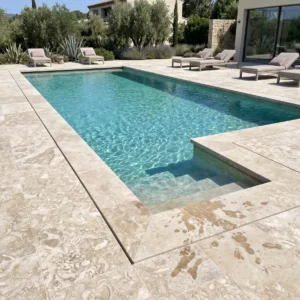
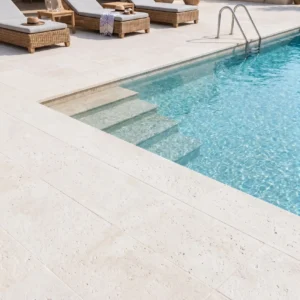
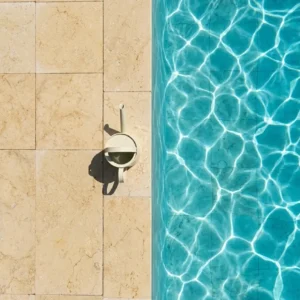
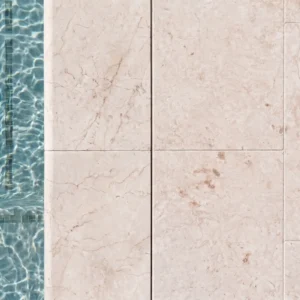
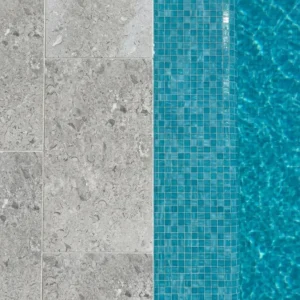
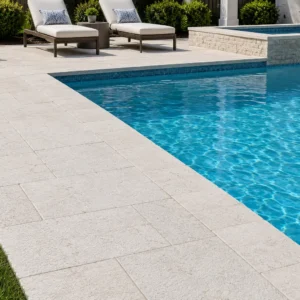
Basalt coping in Arizona pool and terrace installations faces a specific challenge that flat-terrain projects don’t encounter: differential movement between the structural edge element and the adjacent paved surface when those surfaces are on different soil conditions or slope angles. The coping unit spans the transition between water-exposed and land-side conditions, and in hillside installations, that span crosses a zone where soil behavior, drainage, and thermal cycling all behave differently within a very short horizontal distance.
Specifying coping with a bullnose or drop-edge profile at minimum 30mm overhang directs drainage water away from the structural edge and prevents the capillary draw that leads to efflorescence staining on the pool wall face below. Basalt coping in Arizona pool environments benefits from the material’s low absorption rate — it doesn’t absorb chemical-laden pool water the way more porous stones do, which means you won’t see the surface degradation patterns common with travertine coping after 8–10 years of pool chemical exposure.
- Coping units should be set in a modified polymer-cement mortar rated for water-immersion zones, not standard exterior tile adhesive
- Expansion joints in coping runs should be placed every 2.4 meters maximum in full-sun exposures — thermal movement accumulates quickly on dark stone in direct Arizona sun
- The underside of coping units needs to be back-buttered fully — any voids create trapped moisture zones that cause pop-offs during temperature swings
- For hillside pool installations, coping anchoring should include mechanical tie-backs into the bond beam at 600mm spacing to resist downslope creep forces
Ordering and Lead Times for Basalt Projects Across Arizona
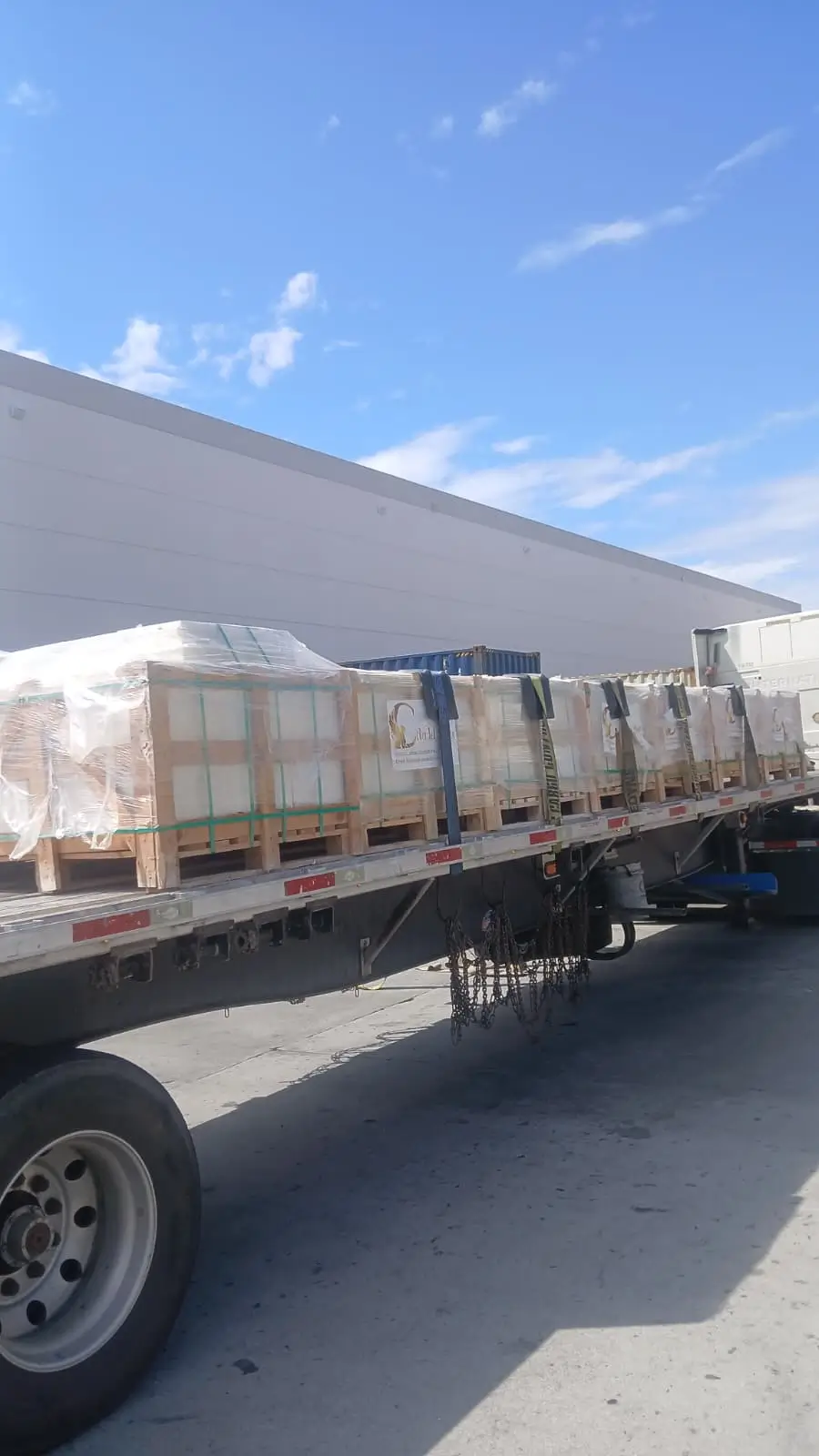
Project planning for basalt pavers in Arizona requires realistic lead time expectations built into your schedule from the start. Basalt is quarried and processed outside domestic sources, which means warehouse stock levels at regional suppliers directly determine whether your project ships on a 1–2 week cycle or waits in a 6–8 week import queue. Citadel Stone maintains warehouse inventory at regional distribution points, which consistently reduces lead times for Arizona projects — you can request current stock availability and sample tiles before committing to specification quantities, which avoids the color and texture variation surprises that happen when you order from a catalog description alone.
Waste factor calculations matter before placing your order. For rectangular basalt pavers with standard cuts, a 7–10% waste factor is typical. For crazy paving or projects with significant perimeter cuts around terrain features, that waste factor climbs to 15–18%. Getting this calculation wrong is costly because basalt is a dense material — truck delivery costs are volume-sensitive, and ordering a second truck delivery to make up a shortage adds both cost and schedule delay. For projects requiring custom-cut coping profiles or non-standard thicknesses, confirm lead times with Citadel Stone’s team early in the design phase, since custom processing adds 2–3 weeks to the standard fulfillment cycle.
- Always order a confirmed dip sample from warehouse stock before finalizing quantities — basalt color consistency varies between quarry batches
- Coordinate truck delivery access with your site conditions before scheduling; articulated delivery trucks need a minimum 3-meter clear turning radius at the drop point
- Store delivered pallets on a level, compacted surface away from the installation zone to prevent surface contamination before installation
Making Basalt Pavers Work for Your Arizona Project
The installations that perform best over time in Arizona share a common characteristic: the designer treated terrain and drainage as structural requirements from the beginning, not as site constraints to work around. In Phoenix metro projects, where large-format basalt pavers in Arizona on elevated pool decks and stepped terraces are increasingly common, the difference between a 10-year and a 25-year installation usually comes down to drainage geometry and joint compound selection — both decisions made before a single paver is placed. Getting those decisions right requires understanding the material’s behavior alongside the site’s specific elevation and soil characteristics.
Basalt delivers compressive strength exceeding 15,000 PSI, dimensional stability through temperature cycling, and a surface durability that outlasts most natural stone alternatives in outdoor exposure. Those properties are consistent and reliable when the installation foundation matches the material’s performance capability. Citadel Stone’s full material range extends across finish, color, and regional application details — Black Basalt in Arizona covers finish options and application specifics that complement the specification work outlined here. For contractors and designers sourcing basalt stone pavers in Arizona, Citadel Stone provides knowledgeable product support and dependable material supply across the region.