

Introduction – The Importance of Proper Supplier Selection
Why does selecting a stone company matter so much? It’s simple: the wrong supplier can derail your project. Imagine waiting weeks for a delayed shipment, only to receive cracked granite slabs that don’t match your design vision. Or discovering hidden fees that push your budget into the red. These risks—delays, quality issues, and cost overruns—are all too common when you don’t vet your supplier carefully.
A reliable stone supplier, on the other hand, ensures your stone arrives on schedule, meets your quality standards, and fits your budget. By taking the time to evaluate potential vendors, you’re investing in peace of mind and a successful outcome. Let’s explore the seven steps to make that happen.
Vetting Step 1: Verify Supplier Certifications & Compliance
Certifications are your first clue that a supplier takes quality seriously. They’re like a seal of approval from industry experts, ensuring the stone meets strict standards.
Key Certificates to Look For (ANSI, ASTM, ISO)
When you’re vetting stone vendors, look for these key certifications:
ANSI (American National Standards Institute): Guarantees the stone complies with U.S. quality and safety benchmarks.
ASTM (American Society for Testing and Materials): Confirms the stone’s been tested for durability, strength, and consistency.
ISO (International Organization for Standardization): Shows the supplier follows global standards, like ISO 9001 for quality management.
These badges mean the natural stone supplier isn’t cutting corners, giving you confidence in their materials.
How to Confirm Authenticity
Don’t just trust a logo on their website—ask for proof. Request copies of their certificates and check the expiration dates. You can even verify the certification numbers online with the issuing body. A legit supplier won’t hesitate to share this info.
Takeaway: Certified stone suppliers reduce your risk of getting substandard stone that fails mid-project.
Vetting Step 2: Review Product Range & Quality Standards
A supplier’s inventory and quality controls tell you if they can deliver the stone your project demands. Here’s what to check.
Assessing Sample Libraries and Material Variety
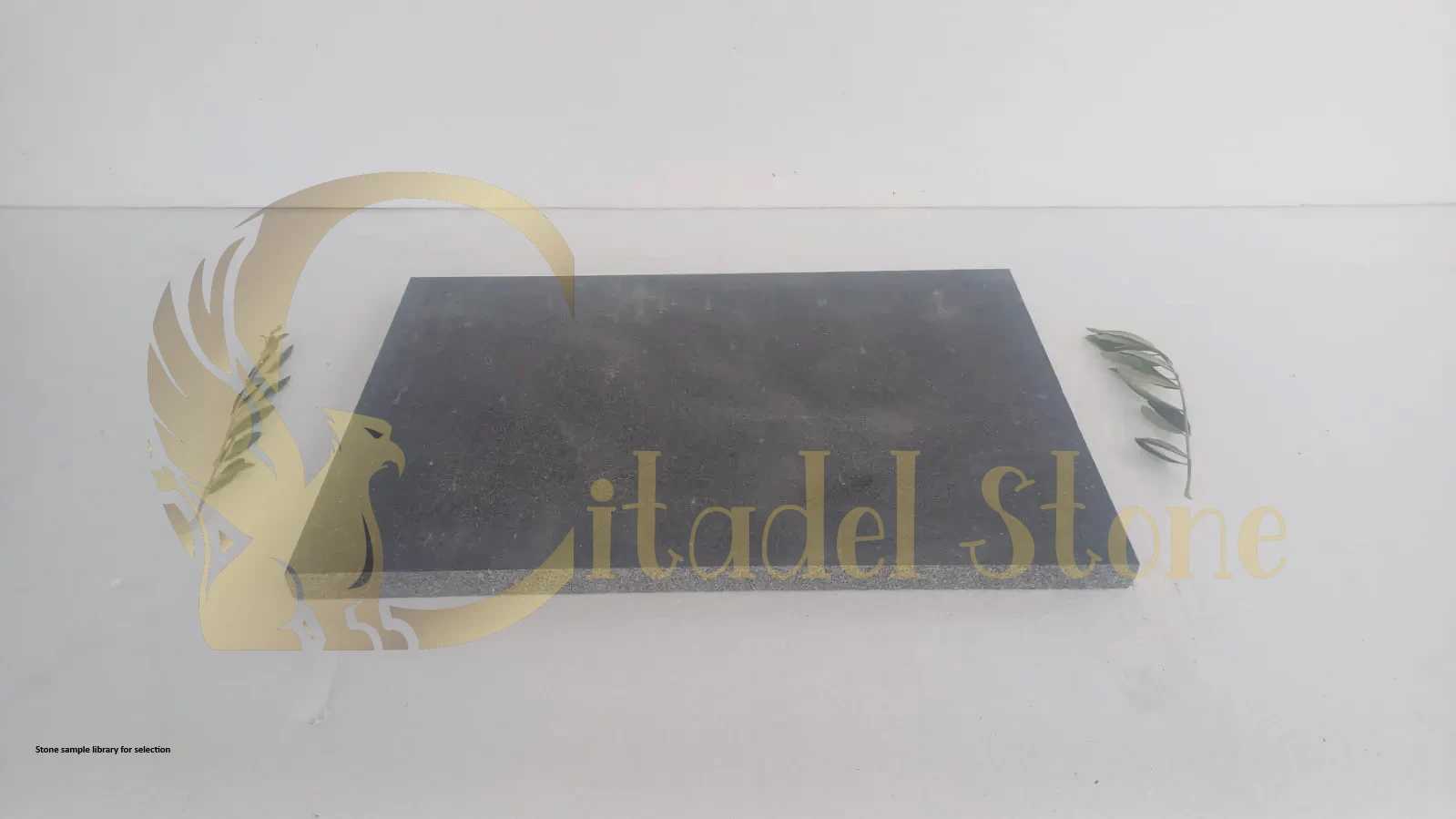
A great supplier offers a wide range of natural stones—think granite, marble, quartzite, or slate—in various colors and patterns. Ask to see their sample library. Can you touch and compare options? A robust selection means they can match your vision, whether it’s a bold veined marble or a subtle limestone.
Inspecting Finish Options and Grading
Quality isn’t just about variety—it’s about consistency. Check how they grade their stone (e.g., premium vs. standard) and what finishes they offer, like polished, honed, or textured. Request samples of each finish to see the craftsmanship up close. A supplier with clear grading standards ensures you get exactly what you expect.
Takeaway: More options and strict quality checks give you flexibility without surprises.
Vetting Step 3: Evaluate Logistics & Lead Times
Timing is everything in construction and design. A supplier’s logistics setup determines whether your stone arrives when you need it.
Typical Delivery Timelines by Stone Type
Lead times vary depending on the stone and its origin:
Granite: 2–4 weeks domestically, up to 8 weeks for imports.
Marble: 3–6 weeks, based on quarry location.
Quartz: Often 1–3 weeks for engineered options.
Ask your natural stone manufacturer for a precise timeline based on your order. This helps you plan without guesswork.
Regional Warehousing vs. Direct Quarry Shipping
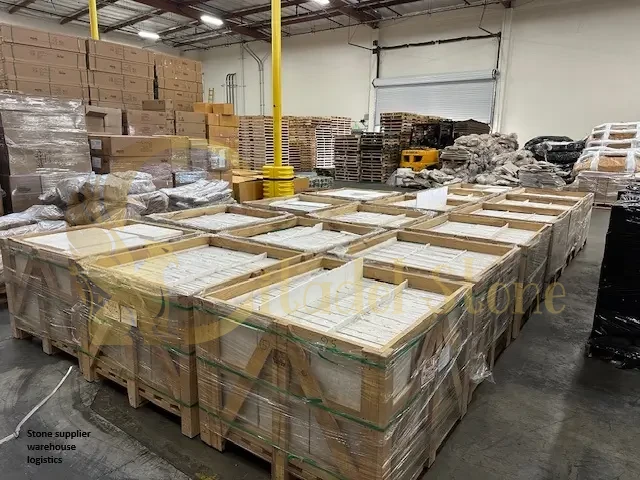
Stone manufacturers with regional warehouses can deliver faster since the stone’s already nearby. Direct quarry shipping might save money but often takes longer, especially with customs for imported stone. If your project’s on a tight deadline, lean toward warehousing options.
Takeaway: Match the supplier’s logistics to your timeline for a smooth workflow.
Vetting Step 4: Check Pricing Models & Transparency
Nobody likes budget surprises. A supplier’s pricing clarity can save you from costly shocks.
Understanding Line-Item Quotes and Hidden Fees
A good quote breaks down every cost: stone, cutting, shipping, and extras. Vague “all-in” prices might hide fees like:
Fabrication charges
Delivery surcharges
Minimum order penalties
Insist on a detailed, line-item breakdown and question anything unclear.
Negotiation Tactics for Best Value
Got a big order? Ask about bulk discounts. Need fabrication too? Bundle it with delivery for a better rate. Suppliers expect some haggling—use it to stretch your budget further.
Takeaway: Transparent pricing builds trust; negotiation gets you more for less.
Vetting Step 5: Assess Customer Service & Support
A natural stone paver supplier’s support can be a lifeline when things get tricky. Test their service before you commit.
Responsiveness, Technical Guidance, and Post-Sale Service
Send a quick email or call with a question—how fast do they respond? Can they explain stone properties or installation tips in plain English? After delivery, will they help with issues like a chipped slab? Look for a supplier who’s there for the long haul.
Availability of On-Site or Virtual Consultations
Some natural stone distributors go the extra mile with consultations—either at your site or via video. This can help you pick the right stone or solve problems fast. Ask if it’s free or part of their service package.
Takeaway: Strong support means fewer headaches and better results.
Vetting Step 6: Verify References & Past Project Examples
Past performance predicts future success. Dig into a supplier’s history to see what they’re really like.
How to Solicit and Interpret Client Testimonials
Ask for contacts from past clients—ideally ones with projects like yours. When you chat, ask: Were they reliable? Did the stone meet expectations? Any delays? Consistent praise (or complaints) reveals patterns.
What Metrics to Request (Budget Adherence, Timeline)
Numbers don’t lie. Request stats like:
Budget adherence: Did projects stay on cost?
Timeline: Were deliveries prompt?
A supplier with solid metrics proves they can deliver.
Takeaway: References and data cut through the sales pitch to show real reliability.
Vetting Step 7: Conduct On-Site or Virtual Facility Tours
Seeing a supplier’s operations firsthand—or online—lets you judge their quality and professionalism up close.
What to Inspect in Yards, Quarries, and Fabrication Centers
On a tour, watch for:
Organization: Is the yard tidy and well-run?
Quality checks: Do they inspect stone before shipping?
Storage: Is the stone protected from damage?
These signs show they care about what they send you.
Safety, Quality Control Stations, and Storage Conditions
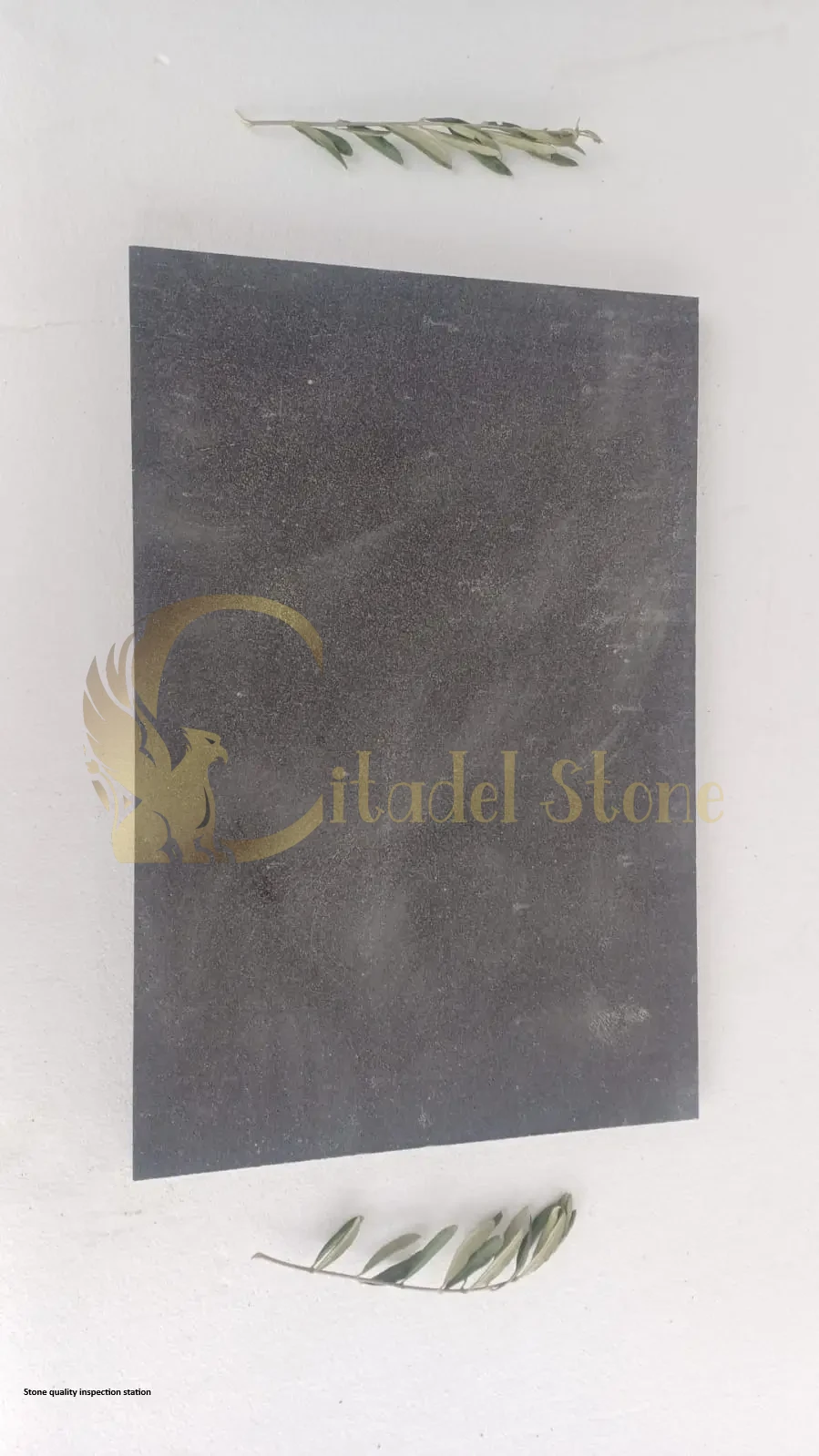
Look for safety gear on workers, dedicated quality stations, and proper storage (e.g., covered slabs to avoid weathering). Sloppy conditions can mean sloppy stone.
Takeaway: A tour shows you the truth behind their promises—don’t skip it.
Putting It All Together: Your Reliable Stone Supplier Checklist
Ready to choose a stone supplier? Here’s your reliable stone supplier checklist in a nutshell:
Verify certifications like ANSI, ASTM, and ISO—check they’re legit.
Review their range—look for variety, samples, and quality grading.
Check logistics—match lead times and delivery options to your schedule.
Demand pricing clarity—get line-item quotes and negotiate smartly.
Test customer service—ensure they’re responsive and helpful.
Dig into references—talk to clients and request hard metrics.
Tour their facilities—inspect yards and processes in person or virtually.
Keep this list handy as you evaluate suppliers to stay on track.
Real Orders, Real Deliveries
We only publish projects we have actually supplied. See our Las Vegas white limestone delivery — two containers, 6,884 sq ft, 32 crates, shipped door to door — and how we supplied Creative Environments in Arizona with 21 containers across a 70,000+ sq ft installation: white limestone pavers and tiles, shellstone and Ocean Reef pavers.
Had Citadel Stone material installed on your project? Send us your photos and we will feature the work here, with your permission.
Regional Supply Network: Sourcing Stone Suppliers Across the U.S.
To ensure you secure the best stone suppliers—whether for patios, wall cladding, or commercial façades—you need a strategic, region‑specific approach. Below, we break the U.S. into four major zones and nine subregions, spotlighting local quarry strengths, distribution hubs, pricing insights, and quality certifications. Use this guide to pinpoint suppliers, optimize logistics, and negotiate better deals.
Northeast
New England (CT, ME, MA, NH, RI, VT)
This region boasts world‑class marble, dense granites, and geologically varied limestones. Key considerations:
Top Quarries & Yards:
Vermont Marble Co. for honed and book‑matched marble.
New England Stone & Supply for custom‑sized granite and limestone.
Logistics:
Short‑haul deliveries within 150 miles keep trucking under $1.50/mile.
Off‑season (Nov–Feb) orders often earn 8–10% freight rebates.
Quality & Certifications:
Look for ANSI A118.4 certification on thin‑set veneers.
Many mills maintain ISO 9001 for consistent cutting and finishing.
Middle Atlantic (NJ, NY, PA)
A hub for crystalline limestones, slates, and bluestone, this corridor offers:
Leading Suppliers:
PennStone Supply for bulk limestone and slate flagstones.
Metropolitan Stone for thin veneers and reclamation stock.
Cost Drivers:
NYC metro zones add $2–$2.50/mile on urban delivery.
Consolidated orders (≥ 50 tons) unlock freight credits up to 10%.
Value Adds:
Many suppliers stock reclaimed materials, saving 15–20% over new quarried stone.
LEED MRc4 and MRc5: inquire about recycled content and regional sourcing.
Midwest
East North Central (IL, IN, MI, OH, WI)
Characterized by dolomitic limestones, granites, and architectural marbles:
Key Distributors:
Great Lakes Stone for building‑grade limestone.
Heartland Marble & Granite for polished slabs and custom countertops.
Logistics Strategies:
Round‑trip contracts reduce per‑mile rates by up to 12%.
Spring “post‑freeze” quarry clearances often feature 5–7% material discounts.
Supplier Credentials:
Seek ANSI A118.15 for moisture‑tolerant bedding mortars.
Midwest mills often hold CE marking for European architectural standards.
West North Central (IA, KS, MN, MO, NE, ND, SD)
Home to iron‑rich basalts, quartzites, and decorative aggregate:
Notable Yards:
Prairie Stone Distributors for rip‑rap and landscape stone.
Midwest Veneer & Clay for pavers and thin veneers.
Cost Efficiencies:
Bulk rail shipments via Kansas City trim freight costs by 25%.
Late‑spring orders align with peak quarry output, yielding 8–10% savings.
Quality Assurance:
Many facilities are MSHA‑compliant for safe mining operations.
Look for ASTM C616 certified tile for dimensional accuracy.
South
South Atlantic (DE, DC, FL, GA, MD, NC, SC, VA, WV)
Specializing in coquina, oolitic limestones, and Carolina bluestone:
Premier Suppliers:
Coastal Stone & Supply for beach‑resilient aggregates.
Colonial Stone Imports for reclaimed bluestone and veneers.
Logistics Tips:
Coastal deliveries may require salt‑resistant packaging (+$0.10/sq ft).
Summer “rain‑season” promos can trim material costs by 5–8%.
Sustainability:
Virginia yards often participate in NCDOT recycled aggregate programs.
Many suppliers offer Eco‑Seal services for low‑VOC finishes.
East South Central (AL, KY, MS, TN)
Known for cherty limestones, dolostones, and sandstones:
Local Quarries:
Appalachian Stone Co. for dry‑stack veneers.
Bluegrass Stoneworks for honed tile and exterior cladding.
Cost Factors:
Kentucky quarries deliver within 200 miles at flat $1.25/mile.
Bundle material + installation packages to secure 10–12% joint discounts.
Certifications:
Verify ASTM C568 compliance for limestone tile.
Look for GreenGuard certification on sealants and ancillary products.
West South Central (AR, LA, OK, TX)
Offers marbleized limestones, reef oolites, and basalts:
Top Distributors:
Lone Star Stone Supply for Texas limestones and basalt.
Delta Stone Imports for Arkansas marble and Louisiana oolite.
Logistics & Savings:
Orders ≥ 100 tons earn 5–15% bulk discounts; lead times ~ 10–14 days.
On‑site cutting/edging services run $2–$4/sq ft.
Quality Marks:
Seek ASTM C153 for dimensional stone quality.
Many yards are SMACNA‑certified for metal anchor systems.
West
Mountain (AZ, CO, ID, MT, NV, NM, UT, WY)
Rich in dolomitic limestones, volcanic tuffs, and flagstones:
Notable Suppliers:
Rocky Mountain Stone Co. for split‑face and flagstone.
High Country Quarries for volcanic substrates and decorative stone.
Logistics Advantages:
Short‑haul (< 150 miles) deliveries as low as $1.00/mile.
Seasonal 30–60 day credit terms available on large contracts.
Certifications & Practices:
Many operations boast LEED MRc4/MRc5 recycled and regional content.
Look for ISO 14001 environmental management systems.
Pacific (AK, CA, HI, OR, WA)
Source marine‑limestones, basalts, and andesites from coastal operations:
Key Vendors:
Pacific Coast Stoneworks for honed marine limestones.
Cascadia Stone & Tile for basalt cobbles and volcanic aggregates.
Logistics Notes:
Hawaii barge shipments add 25–30% freight; mainland depots in LAX/SEA offer faster restocks.
Coastal yards provide seismic‑rated packaging for corrosive environments.
Quality Certifications:
Seek ASTM C503 for structural stone integrity.
Many West Coast operations adhere to CalGreen sustainable sourcing guidelines.
National Specialist: Citadel Stone
For projects demanding exotic textures, consistent color grading, and global stone varieties, consider Citadel Stone—a national leader in Syrian‑sourced limestones, Shellstone tiles, and Ocean Reef pavers. Their inventory management, technical support, and bulk‑order pricing complement regional suppliers, ensuring you get the perfect stone no matter where you build.
Conclusion & Next Steps
Choosing the best natural stone supplier doesn’t have to be a gamble. With these seven steps, you can select a stone company that delivers quality, meets deadlines, and respects your budget. Here’s what to take away:
Certifications ensure standards—don’t settle for less.
Range and quality matter—get the stone you envision.
Logistics keep you on time—plan with precision.
Clear pricing saves money—avoid hidden surprises.
Service supports success—pick a partner, not just a vendor.
References reveal reliability—trust the track record.
Tours confirm commitment—see their work in action.
Ready to find your perfect supplier? Start vetting your supplier today with Citadel Stone’s procurement resources. Need more help? Explore our stone sourcing tips to refine your approach. Your dream project starts with the right partner—let’s make it happen.