














Base layer geometry is the variable that separates a 12×12 stone pavers in Arizona installation that holds its plane for twenty-five years from one that starts rocking and tilting within three monsoon seasons. Arizona’s elevation gradient — from Yuma at roughly 140 feet above sea level all the way up to Flagstaff above 6,900 feet — creates wildly different drainage velocities, soil expansion coefficients, and freeze-thaw exposure profiles that no single base specification can address. Understanding how terrain dictates your base design before you select a stone color or finish is the professional move that keeps callbacks off your calendar.
How Arizona Terrain Shapes Your 12×12 Paver Base Design
Arizona’s topography is genuinely complex, and that complexity translates directly into how you engineer the substrate beneath any 12×12 patio stones in Arizona. The desert basin zones around Phoenix and Mesa sit on alluvial soils — decomposed granite mixed with caliche — that drain aggressively in light rain but can sheet-flow and undermine loosely compacted bases during monsoon cloudbursts. Mid-elevation corridors around Scottsdale and Sedona introduce basalt bedrock and decomposed granite that behave predictably but demand mechanical compaction rather than plate-compaction alone. Up at the higher elevations near Flagstaff, freeze-thaw cycling becomes a genuine performance threat — frost penetration can reach 12–18 inches in severe winters, which means your base aggregate needs to extend below that frost line to prevent heaving that cracks joint mortar and shifts 12×12 square pavers out of alignment.
The drainage gradient calculation changes with every 1,000-foot elevation gain. In low-desert installations, you’re designing for high-velocity, short-duration runoff — a 1.5% surface slope toward a defined drainage channel handles most events. At mid-elevation, you’re managing slower infiltration through denser soils that hold water longer, so a crushed aggregate base at 6–8 inches with an open-graded sub-base beneath it becomes essential. At high elevation, you’re balancing drainage speed with frost protection depth, and that’s where most specifiers get in trouble by applying low-desert standards to a Flagstaff property.
Material Properties That Matter for 12×12 Stone Pavers in Arizona
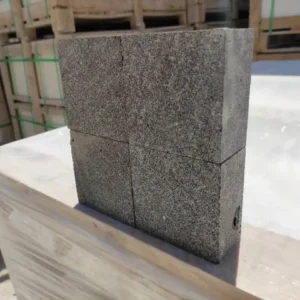
Compressive strength and water absorption rate are the two numbers you want on your desk before you finalize any 12×12 paving slabs in Arizona. For exterior applications across Arizona’s elevation range, a compressive strength minimum of 8,000 PSI keeps you safe in most residential and light commercial contexts. Water absorption below 0.75% is the threshold that prevents subsurface moisture from cycling through the stone and creating spalling or efflorescence problems over time. Natural stone options like granite and dense limestone consistently hit both benchmarks, which is why they dominate high-performance exterior specs in this region.
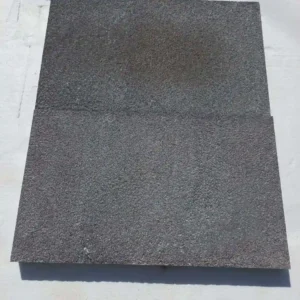
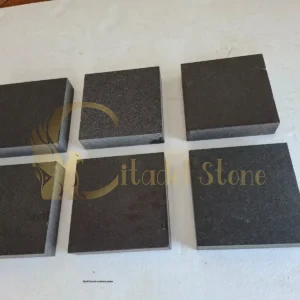
- Granite pavers deliver compressive strength above 15,000 PSI, making 12×12 granite pavers in Arizona the default choice for driveway applications where point loads from vehicle tires concentrate stress across a 144-square-inch surface
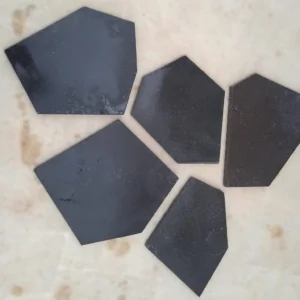
- Slate absorbs water at rates between 0.4% and 1.2% depending on quarry source — specifying 12×12 slate pavers in Arizona requires lab verification from the specific batch, not just the material family
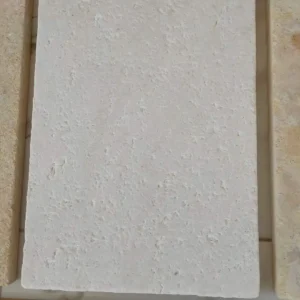
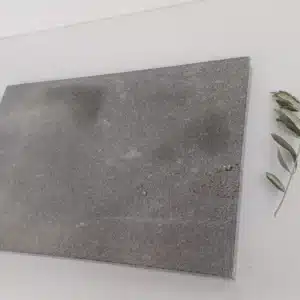
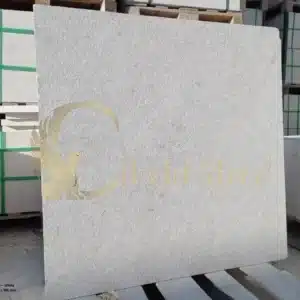
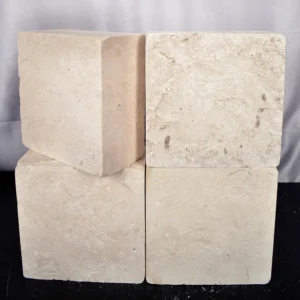
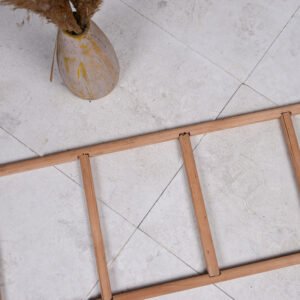
- White and light gray stones reflect a higher percentage of solar radiation, which matters more for pedestrian comfort than for thermal mass performance — 12×12 white pavers in Arizona and 12×12 gray pavers in Arizona each have distinct heat island reduction profiles worth comparing for your specific application
- Thickness selection affects structural performance: 12x12x1 pavers in Arizona suit pedestrian-only applications over well-prepared bases, while 12x12x2 pavers in Arizona handle light vehicle traffic and the heavier point loads associated with outdoor furniture on soft sub-base conditions
- Porosity determines sealing frequency — denser materials like granite require resealing every 3–5 years, while more porous options may need annual attention in high-UV Arizona conditions
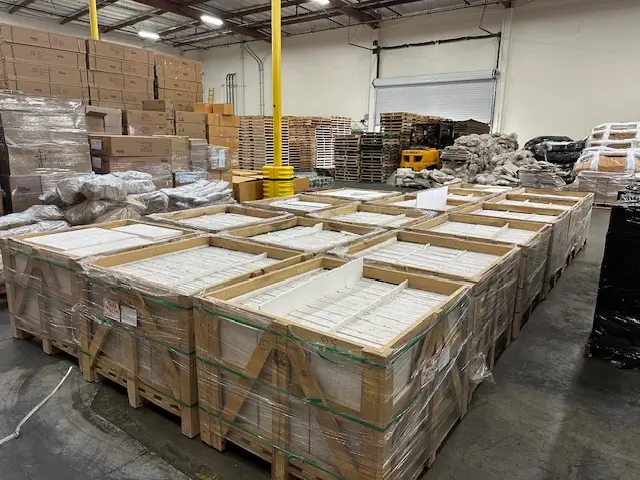
Citadel Stone sources 12×12 stone pavers in Arizona from established quarry partners with consistent batch testing, so you can request absorption and compressive strength data before your order ships from the warehouse. That documentation step takes two days and eliminates the guesswork that causes material rejections after truck delivery.
Colour and Finish Selection: Gray, White, Granite, and Slate Options
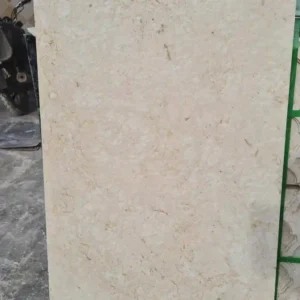
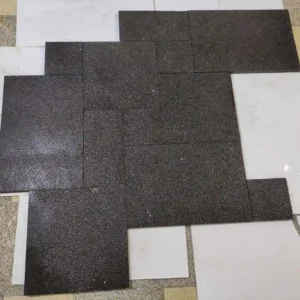
Colour choice in Arizona isn’t purely aesthetic — it’s a functional decision that affects surface temperature, slip resistance, and long-term maintenance intervals. The 12×12 grey pavers in Arizona category includes materials ranging from cool blue-gray basalt to warm charcoal granite, and each behaves differently under Arizona’s UV intensity. Lighter stones like cream limestone and 12×12 white pavers in Arizona can run 15–25°F cooler at the surface during peak afternoon exposure compared to charcoal or dark-toned options, which is meaningful data for pool decks and barefoot-traffic areas in Scottsdale and Phoenix.
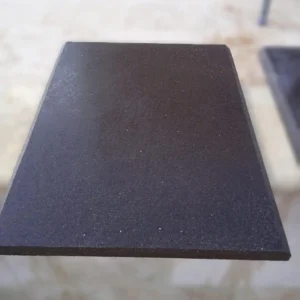
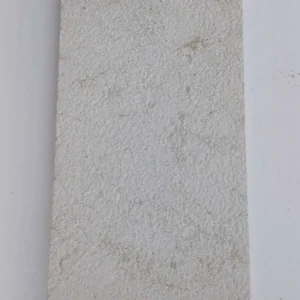
Finish texture determines slip resistance more than color does. A honed finish on 12×12 smooth patio block in Arizona reads elegant and modern but drops the DCOF (Dynamic Coefficient of Friction) below the 0.42 wet-surface threshold that ANSI A137.1 recommends for exterior applications. A brushed or sandblasted finish on the same material restores traction without significantly changing the aesthetic. For pool deck and pool coping applications — where wet-foot traffic is constant — a flamed or tumbled finish is worth specifying even if the project brief calls for a contemporary look.
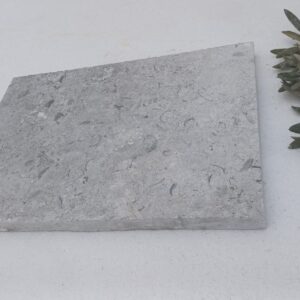
- 12×12 grey pavers in Arizona and 12×12 gray pavers in Arizona represent the same material family — the spelling variation doesn’t indicate a different product, but always confirm finish grade and quarry region with your supplier
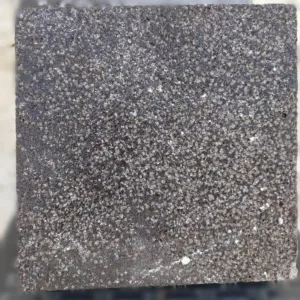
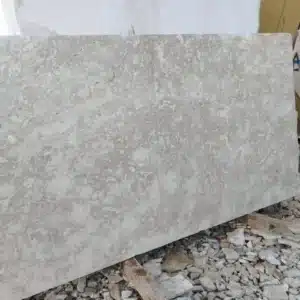
- Granite in light silver tones provides a middle ground between the heat-reflective benefits of white stone and the stain-resistance profile of darker materials
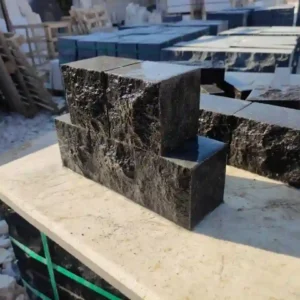
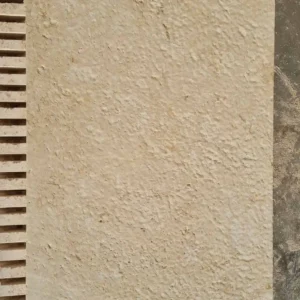
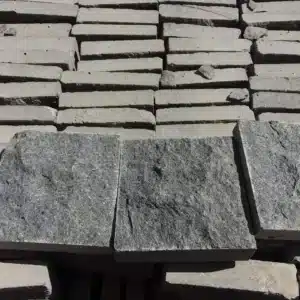
- Slate’s natural cleft surface delivers inherent texture but introduces thickness variation of ±3/16 inch across a 12-inch face, which requires a thicker mortar bed or dry-set sand layer to accommodate
- For outdoor and landscape paver applications, matte finishes outperform polished surfaces across all climate zones because they mask weathering and mineral deposit patterns that become visible on high-gloss stone
Application Contexts: Patio, Driveway, Pool, and Landscape Uses
The 12-inch square format has a specific structural logic that makes it versatile across multiple application types, and matching that format to the right application prevents the most expensive callbacks. For 12×12 patio blocks in Arizona and standard patio installations, the 144-square-inch face distributes pedestrian loads evenly and the square geometry simplifies layout planning in rectangular outdoor rooms. Your patio cost per square foot decreases when you reduce cut waste, and the 12×12 format’s even divisibility with standard patio dimensions (10×12, 12×16, 16×20 feet) keeps waste below 8% on most rectangular layouts.
Driveway applications demand a different specification conversation entirely. Vehicle axle loads create dynamic stress concentrations that a 1-inch nominal paver can’t absorb reliably over unprepared or expansive sub-base conditions. For 12×12 driveway pavers in Arizona, the minimum thickness recommendation is 2 inches, with a compacted Class II base at 8 inches minimum depth for passenger vehicles and 12 inches for service vehicles. The caliche layers common beneath Phoenix residential lots can serve as a natural sub-base when proven intact, but you need a compaction test — not a visual inspection — to confirm its load-bearing capacity before reducing aggregate depth.
Pool coping applications introduce a different set of performance requirements. The 12×12 pool coping in Arizona context requires a material that handles continuous wet-dry cycling, chlorine contact, and the UV intensity of a full-sun pool environment simultaneously. Dense granite and thermal-finished limestone hold up well in this combination. Slate is generally not recommended for coping because its natural cleft planes can admit water laterally and delaminate over time under chlorine exposure. For complementary in-pool surround areas, the same base material in a brushed finish creates a consistent design language without compromising traction. For projects that include both coping and interior pool deck surfaces, reviewing 12×12 white stone pavers alongside granite options gives you a side-by-side comparison of how each material handles the specific exposure conditions Arizona pool installations create — and how finish selection interacts with the material’s absorption and traction profile across both wet and dry surfaces.
Installation Standards: Base Prep, Joint Spacing, and Drainage Design
Your joint spacing protocol is not transferable from one elevation zone to another in Arizona, and that’s a lesson that costs money when ignored. In the low desert around Yuma and the Phoenix metro, thermal expansion cycling is significant — daytime surface temperatures can swing 60–80°F between predawn and early afternoon — but freeze-thaw is essentially nonexistent. Your joint width of 3/16 inch to 1/4 inch and a polymeric sand fill handles that expansion range on standard dry-set installations. At higher elevations where freeze-thaw cycles occur, joint widths need to open to 3/8 inch, and the infill material must be rated for freeze-thaw exposure or you’ll see joint erosion accelerate dramatically after the first hard winter.
- Compact your aggregate base in 3-inch lifts to 95% Modified Proctor density — single-lift compaction of 6 inches or more leaves void pockets that compress under traffic loading and cause differential settlement
- Install a geotextile fabric between native soil and your aggregate base in any zone with expansive clay soils — this applies to several Tucson-area and Sedona-area soil profiles where Vertisol clays are documented
- Slope your base layer at the same grade as your finished surface — a flat base with surface slope correction using sand depth variation creates uneven support and accelerates paver rocking
- Bedding sand depth should be 1 inch nominal — not 1.5 or 2 inches — because excess sand depth compresses unevenly under load and introduces the lippage that dominates callback complaints on 12×12 landscape pavers in Arizona projects
- Control joint placement at 15-foot intervals in mortared installations — the generic 20-foot recommendation from many product sheets doesn’t account for Arizona’s diurnal thermal cycling, which runs higher than most continental U.S. baselines
Drainage channel placement in terrain-driven projects deserves its own planning phase. In sloped terrain, surface water accelerates across impervious stone and concentrates at low points. Locating drainage channels at those natural collection points before laying begins — not after the installation is complete — is the step that separates a 20-year installation from one that needs corrective work at year five. Retrofit drainage is expensive and often requires full or partial removal of the installed field, making pre-installation drainage geometry the most cost-effective decision in the entire base preparation sequence.
Thickness and Format Selection: Choosing Between 1-Inch and 2-Inch Profiles
Thickness selection is the specification decision that most residential clients want to skip because it feels like a cost variable rather than a performance variable. It is both, but the performance dimension outweighs the cost dimension in Arizona’s terrain conditions. The 12x12x1 pavers in Arizona category covers standard pedestrian applications — patio surfaces, garden paths, pool surrounds — where the base preparation is sound and no vehicle traffic is expected. The 1-inch profile is lighter to handle (approximately 10–11 lbs per piece at typical natural stone densities) and reduces base aggregate depth requirements slightly, but it is genuinely more vulnerable to edge chipping during handling and installation.
The 12x12x2 patio blocks in Arizona category handles the workload that the 1-inch profile can’t — light vehicle access, heavy outdoor furniture on softer bases, and installations where base preparation has any uncertainty about compaction uniformity. The 2-inch profile adds roughly 60% more cross-sectional material for stress distribution, which translates to measurable flexural performance differences when a point load concentrates at the edge of a paver rather than its center. For outdoor pavers in Arizona that will see occasional vehicle crossings — a driveway apron, a gate approach — the 2-inch specification is not optional, it’s the minimum that protects against fracture.
Maintenance, Sealing, and Joint Repair for Arizona Stone Installations
Arizona’s UV intensity is the maintenance variable that most specification documents underweight. UV degradation of polymeric joint sand begins around 18–24 months in full-sun installations at low desert elevations, which is faster than the 3–5 year replacement cycle that works in less-exposed climates. Your maintenance schedule for 12×12 paver stones in Arizona should include an annual joint sand inspection and a biennial resealing cycle for most natural stone types. That frequency sounds aggressive compared to shaded or northern climate installations, but UV-degraded joint sand allows weed germination and moisture infiltration that compromises the base layer — the repair cost is always higher than the prevention cost.
Stone sealing chemistry matters in Arizona’s alkaline soil environment. Many properties in the Scottsdale area and throughout the Phoenix basin sit above soils with a pH between 7.8 and 8.5, which can cause efflorescence migration through porous stone if the sealer system doesn’t include a penetrating silane-siloxane layer beneath the topical coat. Applying only a topical acrylic sealer on alkaline-soil sites creates a surface film that moisture pushes salts through from beneath — the resulting white crystalline deposits are difficult to remove without abrasive methods that scratch the stone surface.
- Apply penetrating sealer 28–30 days after initial installation to allow full curing and outgassing of any moisture trapped during the installation process
- Clean stone surfaces with a pH-neutral cleaner before each sealing application — alkaline or acidic cleaners alter stone surface chemistry and reduce sealer adhesion
- Inspect joint sand in spring before monsoon season begins — replacing compromised joints before the July-August storm season prevents base saturation events that cause differential settlement
- For 12×12 inch pavers in Arizona at high elevation, use a sealer rated for freeze-thaw cycling — standard low-desert formulations can emulsify in repeated freeze-thaw conditions and become ineffective after one winter season
- Document your sealing application dates and product batch numbers — sealer manufacturer warranties typically require proof of application schedule for any performance claims
Cost, Availability, and Sourcing 12×12 Patio Pavers in Arizona
The 12×12 paver patio cost in Arizona ranges meaningfully by material type, thickness, and installation complexity. Natural stone 12×12 patio slab material — granite, limestone, slate — typically runs $4 to $12 per square foot at the material level before installation labor, base preparation, or finishing costs. The installed cost for a 12×12 patio cost in Arizona calculation needs to include base aggregate, fabric, bedding sand, joint fill, sealer, and labor, which typically brings total project costs into the $18 to $35 per square foot range depending on terrain complexity and base depth requirements. Sloped sites with drainage channel requirements add $3 to $7 per square foot to that baseline.
Availability timing affects project scheduling more than most buyers anticipate. Standard 12 by 12 pavers in Arizona in common granite and limestone finishes are typically available from regional warehouse inventory with 1–2 week lead times. Specialty colors, custom finishes, or high-volume orders for large-format projects may require 4–6 weeks if warehouse stock is depleted and a fresh quarry shipment is needed. Verifying stock levels before committing to a construction schedule is particularly important for projects in summer months when demand peaks and truck delivery logistics slow down due to heat-related scheduling constraints. Citadel Stone maintains regional warehouse inventory across Arizona specifically to reduce those lead times for in-state projects.
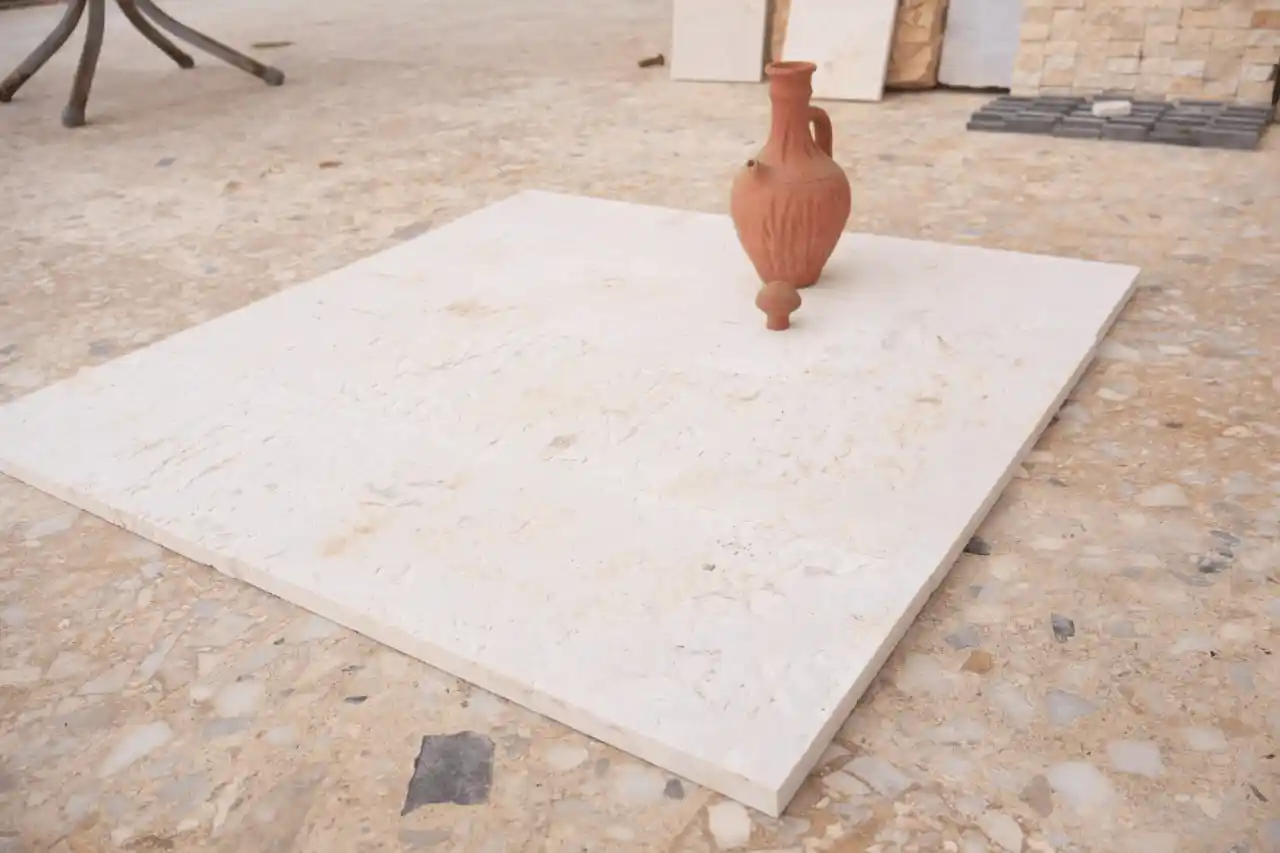
Requesting samples before finalizing your order is a step worth building into your project timeline. Color variation between production batches of natural stone is a real variable — 12 in x 12 in pavers in Arizona from two different quarry shipments of the same material designation can show enough color drift to be visible in a finished installation. Citadel Stone’s team can pull representative samples from current warehouse stock so your approval is based on the actual batch being ordered, not a catalog photograph. For wholesale or trade accounts with recurring project volume, the ordering process includes a dedicated contact for lead time coordination and specification support. 12×12 pavers for sale in Arizona through Citadel Stone include both standard and specialty finishes, giving trade buyers consistent access to material options without extended procurement cycles.
Order 12×12 Stone Pavers in Arizona — Direct Supply from Citadel Stone
Citadel Stone stocks 12×12 stone pavers in Arizona in granite, limestone, slate, and basalt options across both 1-inch and 2-inch thickness profiles. Standard finishes available from current inventory include honed, brushed, sandblasted, and natural cleft — with flamed finishes available on granite on confirmed lead times. You can request thickness specifications, water absorption test data, and compressive strength documentation before committing to an order. Sample tiles ship from warehouse stock, typically within three to five business days, so your material approval happens before the truck rolls rather than after. For trade accounts, wholesale pricing and volume discount thresholds are available through direct inquiry — the process is a single conversation, not a multi-week qualification. Lead times for standard 12in by 12in pavers in Arizona run 1–2 weeks from confirmed order to job site delivery across the state. Custom format requirements or non-standard finishes may extend that window to 4–6 weeks depending on quarry cycle. Contact Citadel Stone for current pricing, project volume estimates, and delivery coverage details for your specific project location in Arizona.
As your Arizona stone project comes together across multiple elements, thickness specification carries through every phase of the material selection process. 1 Inch Thick Pavers in Arizona covers the specific performance parameters, application limits, and installation standards that apply to the thinner profile — a useful reference point when you’re comparing 1-inch and 2-inch specifications for your final material decision. For specifications, availability, and project support, Citadel Stone serves Arizona clients seeking durable 12×12 white pavers built to perform across the state’s varied conditions.