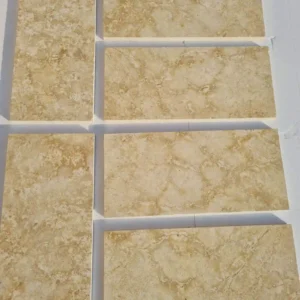
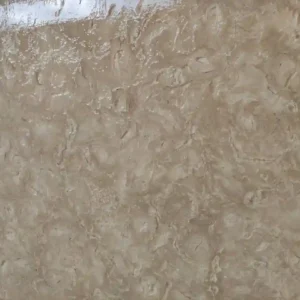
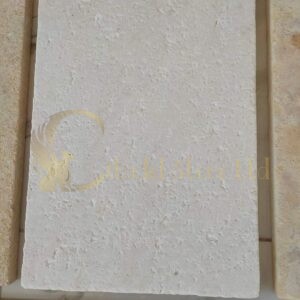
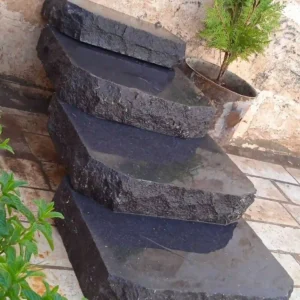
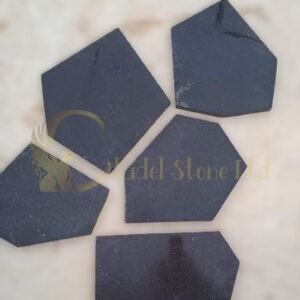
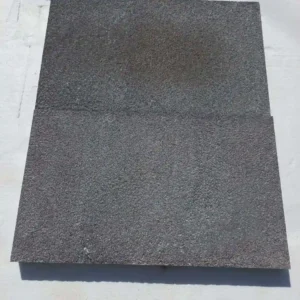
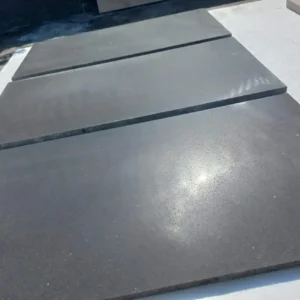
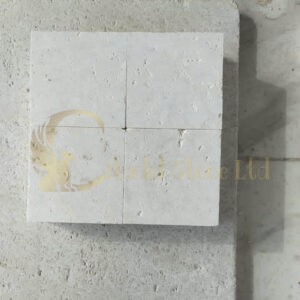
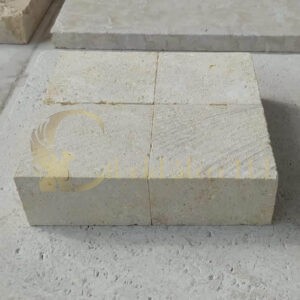
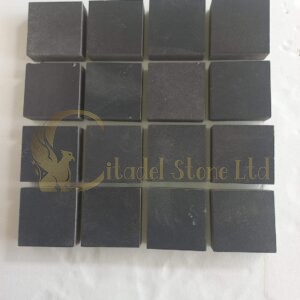
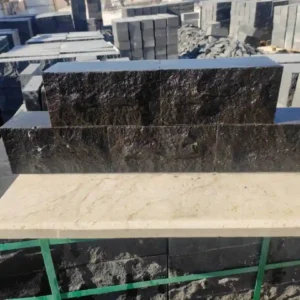
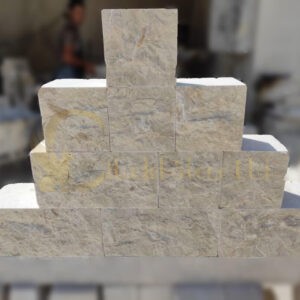
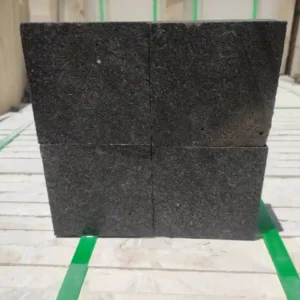
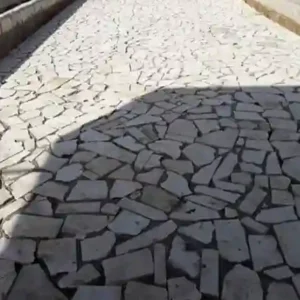
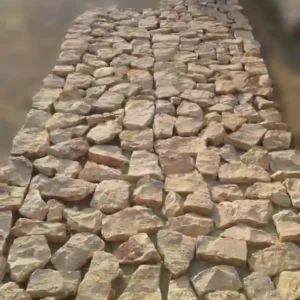
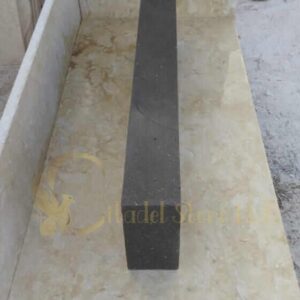
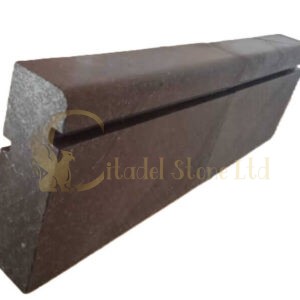
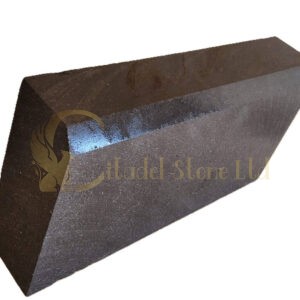
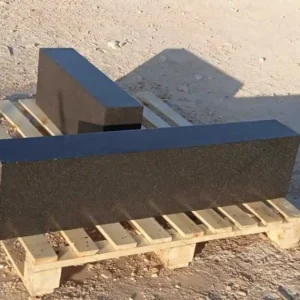
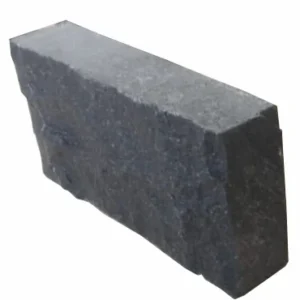
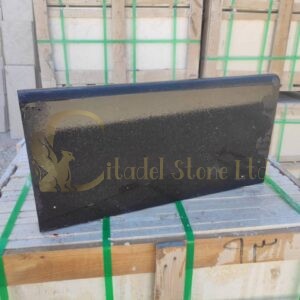
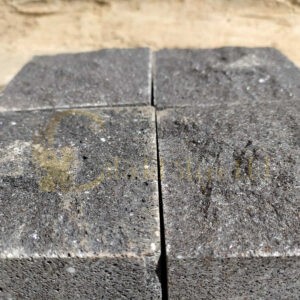
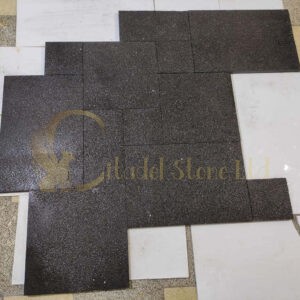
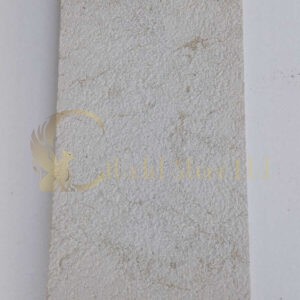
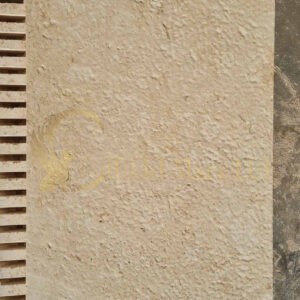
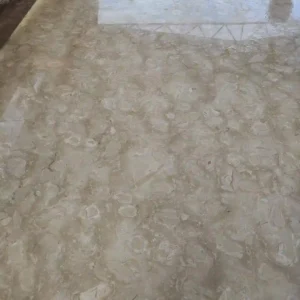
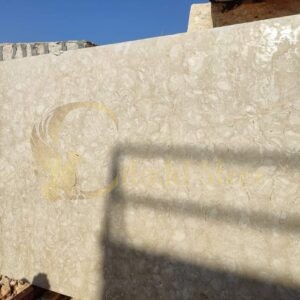
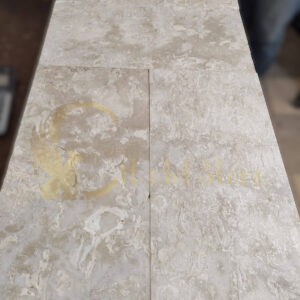
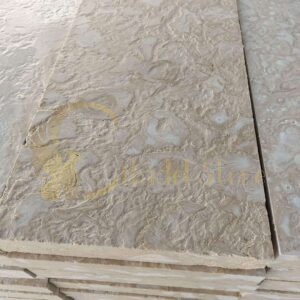
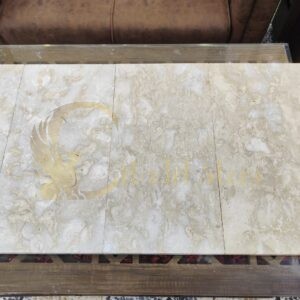
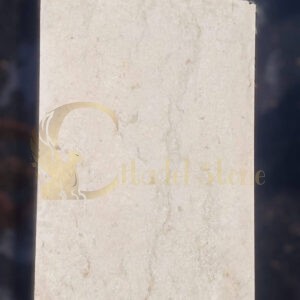
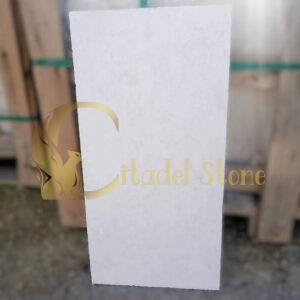
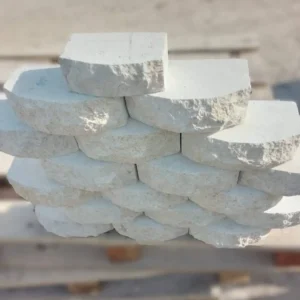
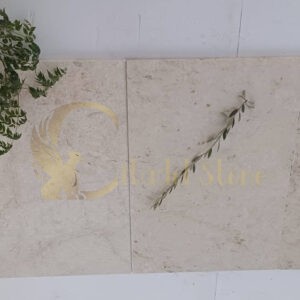
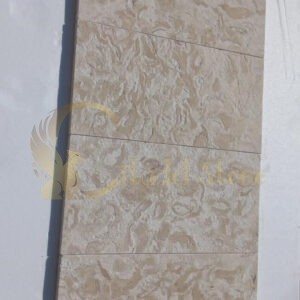
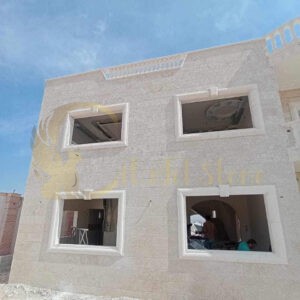
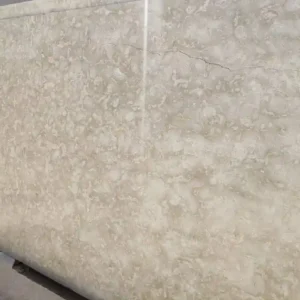
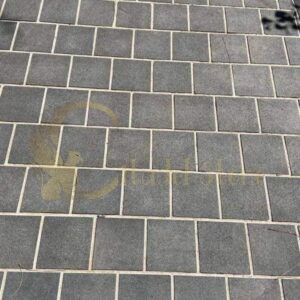
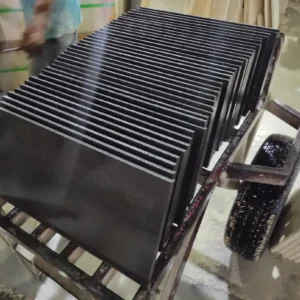
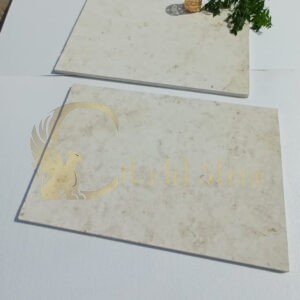
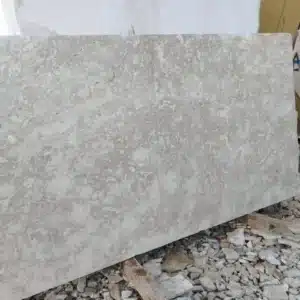
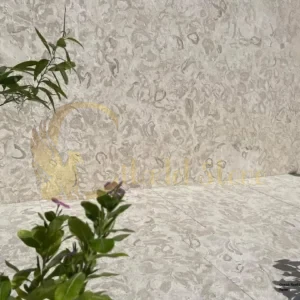
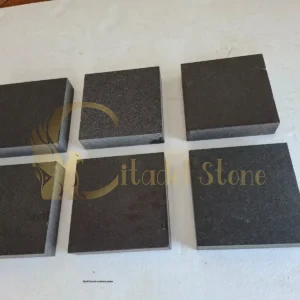
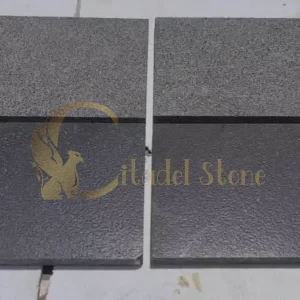
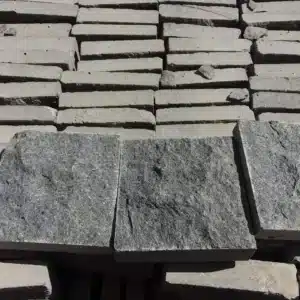
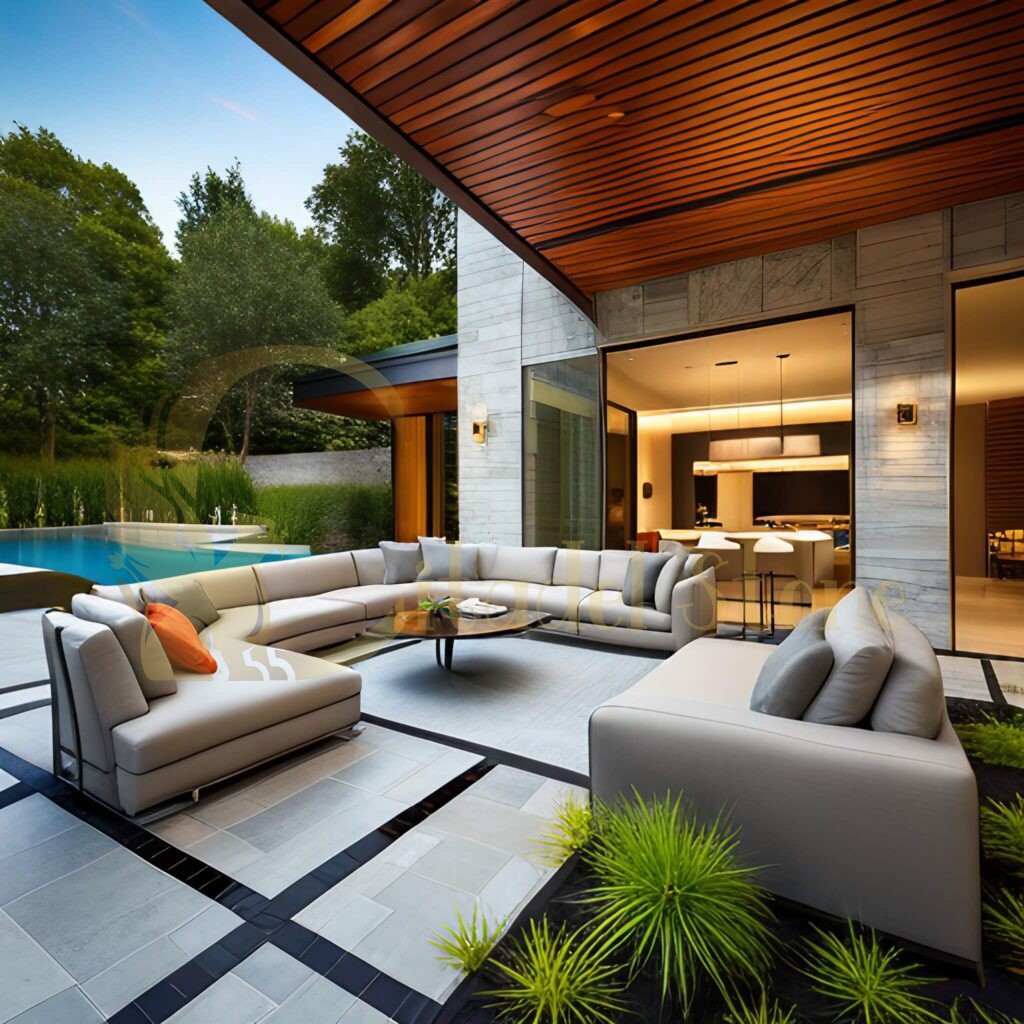
When you’re planning walls, garden borders, or outdoor structures in Arizona, you’ll need materials that handle extreme heat, intense UV exposure, and minimal rainfall without degrading. Citadel Stone’s Wall Stones & Garden Stones in Arizona deliver proven performance across desert, high-elevation, and transition zone climates. Whether you’re specifying retaining walls for a Scottsdale residence or garden edging for a Flagstaff commercial landscape, understanding material behavior in Arizona’s unique conditions determines long-term success.
The reality is that wall stone suppliers in Arizona often stock materials designed for temperate climates—products that perform poorly when thermal cycling reaches 70°F daily swings. Citadel Stone specializes in sourcing and stocking stone types that withstand Arizona’s environmental stresses while maintaining structural integrity and aesthetic appeal. You’ll find our selection includes sandstone, limestone, granite, and basalt options tested in regional applications.
Thermal Performance Requirements
Arizona’s temperature extremes create expansion and contraction cycles that stress masonry assemblies. You’re looking at summer surface temperatures exceeding 160°F on dark-colored stones in Phoenix, with overnight lows potentially 80°F cooler. Citadel Stone’s garden wall stone suppliers in Arizona inventory materials with thermal coefficients appropriate for these conditions—typically granite and dense limestone with expansion rates around 0.0000044 inches per inch per degree Fahrenheit.
Here’s what that means for your project: a 6-foot granite wall stone could expand nearly 1/4 inch across a 100°F temperature swing. You’ll need to specify mortar joints every 20-24 inches for rigid installations, or design dry-stack systems that accommodate movement naturally. Citadel Stone materials perform reliably when you account for these thermal realities in your specifications.
- Granite wall stones handle thermal cycling without spalling or surface deterioration
- Dense limestone maintains joint integrity better than porous varieties
- Sandstone requires wider joint spacing due to higher expansion coefficients
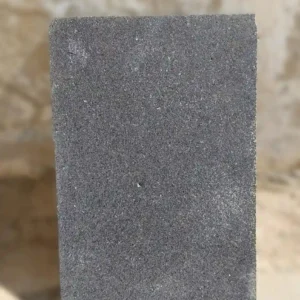
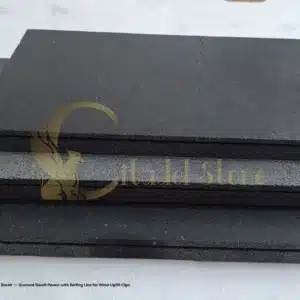
- Basalt offers superior thermal stability for precision-fitted applications
Material Selection Considerations
Your choice among Citadel Stone’s Wall Stones & Garden Stones in Arizona depends on structural requirements, aesthetic goals, and site-specific exposure. Don’t assume all natural stone performs equally—porosity, compressive strength, and absorption rates vary significantly across lithologies. Stone wall suppliers in Arizona like Citadel Stone provide materials ranging from 6,000 PSI sedimentary stones to 25,000+ PSI igneous options.
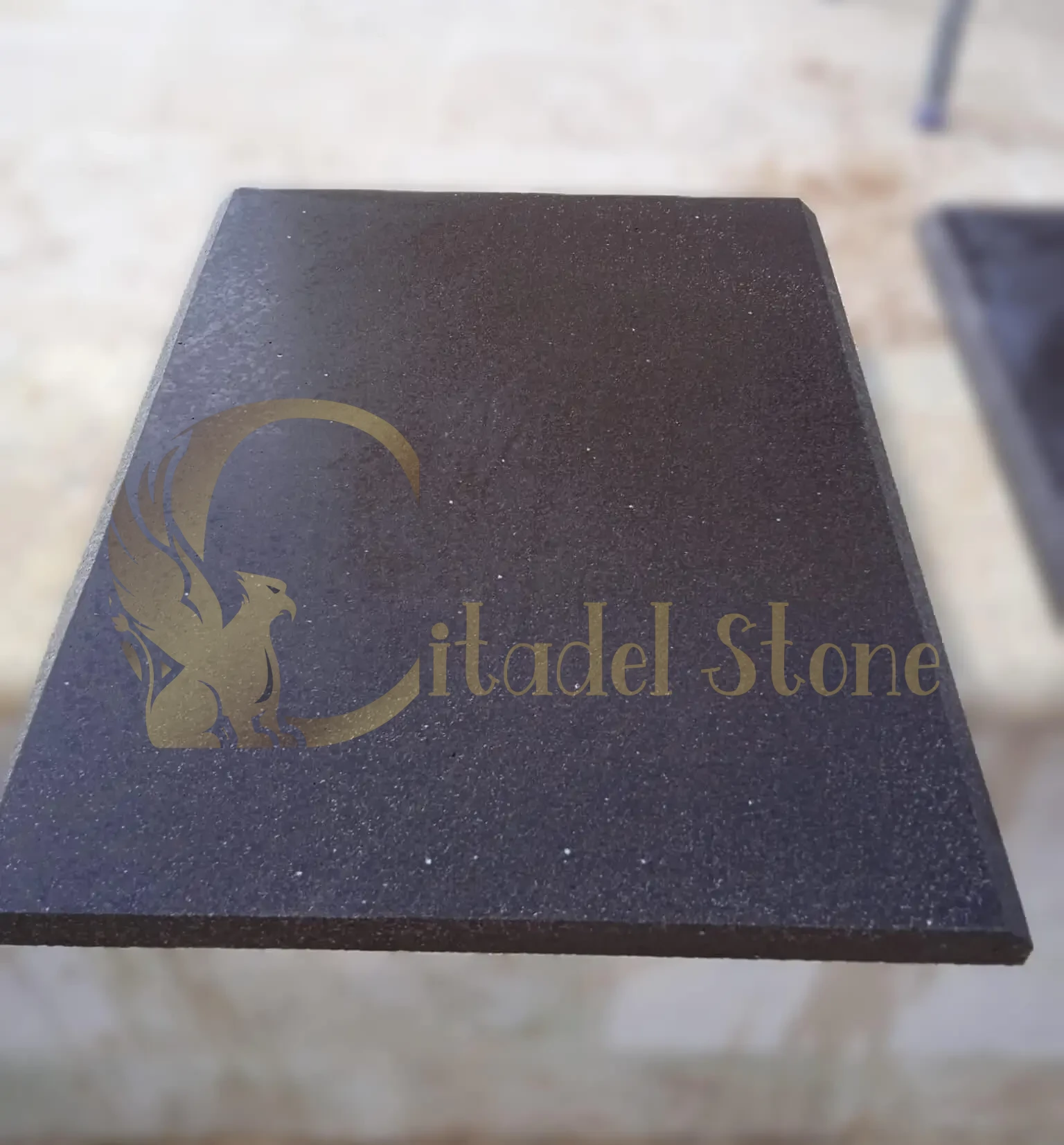
For retaining walls exceeding 4 feet in height, you’ll want compressive strengths above 8,000 PSI to handle soil loads and potential hydrostatic pressure—even in Arizona’s dry climate, occasional monsoon saturation occurs. Citadel Stone’s granite and dense limestone options meet these thresholds reliably. Garden borders and decorative applications tolerate lower strengths, allowing you to prioritize color and texture over structural capacity.
Water absorption matters more than most specifiers realize in desert climates. While annual rainfall stays low, when moisture does occur, porous stones can absorb significant water. For comprehensive guidance on matching stone characteristics to specific applications, see our garden stone materials for detailed comparison data. Materials with absorption rates below 3% minimize freeze-thaw risks in higher elevations and reduce efflorescence potential.
Granite Characteristics
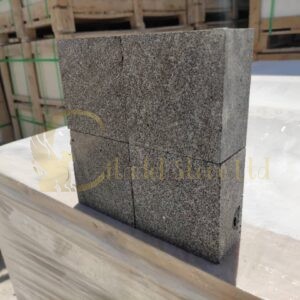
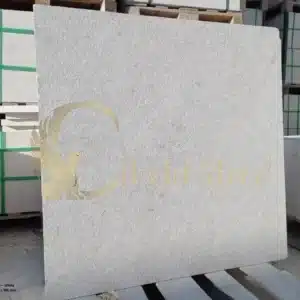
Citadel Stone’s granite wall stones deliver exceptional durability across all Arizona climate zones. You’re getting compressive strengths typically between 20,000-30,000 PSI with absorption rates under 0.5%. The material resists weathering, maintains color stability under UV exposure, and tolerates thermal cycling without surface degradation. Granite costs approximately 20-30% more than limestone alternatives, but the performance justifies the investment for high-visibility applications.
Limestone Performance
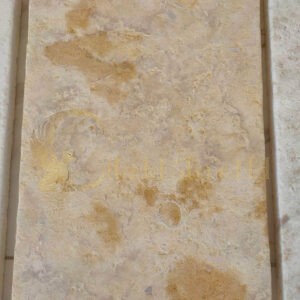
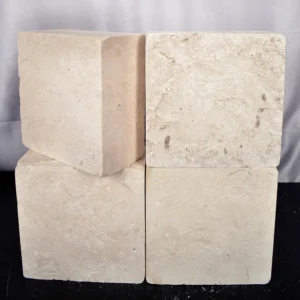
Dense limestone from Citadel Stone offers excellent value for many wall applications in Arizona. You’ll find compressive strengths around 8,000-12,000 PSI with absorption rates between 2-4%, depending on the specific formation. The material cuts and shapes easily, reducing installation labor costs. Watch for increased susceptibility to acid rain in urban areas—though Arizona’s alkaline soils and low rainfall minimize this concern compared to coastal or humid regions.
Sandstone Applications
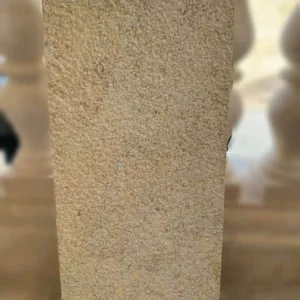
Sandstone wall stones from Citadel Stone work well for decorative garden applications where structural loads remain minimal. The material’s warm tones complement desert landscaping, and its relatively soft composition allows easier shaping for custom fits. You should expect absorption rates between 4-8%, requiring consideration for freeze-thaw exposure above 5,000 feet elevation. Compressive strengths typically range from 6,000-10,000 PSI—adequate for garden walls under 30 inches in height.
Installation Specifications
Proper base preparation determines whether your Citadel Stone wall performs for decades or fails within five years. You’ll need different approaches for freestanding garden walls versus structural retaining walls, but the fundamentals remain consistent: adequate drainage, stable substrate, and appropriate joint spacing. Most installation failures in Arizona result from inadequate base compaction or insufficient drainage provisions during monsoon season.
- Excavate to undisturbed soil or minimum 8 inches below finished grade
- Install 6-inch minimum compacted aggregate base for walls under 3 feet
- Increase base depth to 10-12 inches for retaining walls exceeding 4 feet
- Provide weep holes or drainage aggregate behind retaining walls every 4-6 feet
- Compact base material to 95% modified Proctor density
The base material you specify matters significantly. Citadel Stone recommends 3/4-inch crushed aggregate rather than decomposed granite or sand—the angular particles interlock better and resist lateral movement under wall loads. You’ll want to verify compaction with field density testing on projects where structural integrity is critical. This adds minimal cost but prevents costly failures from settlement.
Joint Spacing Calculations
Don’t make the common mistake of specifying continuous mortared walls without movement joints in Arizona’s thermal environment. Citadel Stone’s Wall Stones & Garden Stones in Arizona require expansion accommodation every 20-24 feet for mortared assemblies, with joint widths around 3/8 inch filled with flexible sealant. Dry-stack walls accommodate movement naturally through individual stone adjustment, making them ideal for regions with extreme thermal cycling.
Here’s the calculation approach: multiply your wall length in inches by the stone’s thermal expansion coefficient, then multiply by the maximum expected temperature change. For a 20-foot limestone wall (240 inches) with a coefficient of 0.0000044 and an 80°F swing, you get approximately 0.085 inches of movement. A 3/8-inch flexible joint easily accommodates this expansion without cracking adjacent stones.
Structural Retaining Wall Requirements
When you’re specifying Citadel Stone materials for retaining walls exceeding 4 feet in exposed height, you’re entering engineered territory requiring proper drainage, reinforcement, and foundation design. Arizona’s expansive clay soils in the Phoenix metro area create lateral loads that exceed simple gravity wall capacities. You’ll need geogrid reinforcement or a reinforced concrete stem wall faced with Citadel Stone veneer for walls above this height.
The typical approach for taller applications: design a reinforced concrete structural wall meeting local code requirements, then specify Citadel Stone facing materials for aesthetic finish. This provides the structural capacity you need while delivering the natural stone appearance clients want. Wall stone suppliers in Arizona like Citadel Stone can provide veneer-cut materials ranging from 2-4 inches thick specifically for these applications, reducing material costs compared to full-depth stones.
- Walls 2-4 feet: gravity design with proper base and drainage typically sufficient
- Walls 4-6 feet: require engineering evaluation and potential geogrid reinforcement
- Walls exceeding 6 feet: engineered structural wall with stone veneer recommended
- All retaining walls: verify local code requirements and permit processes
Garden Border Applications
Fencing stone suppliers in Arizona like Citadel Stone provide materials scaled appropriately for garden borders, raised beds, and decorative landscape edging. You don’t need 8,000 PSI granite for a 16-inch raised planter—sandstone or softer limestone works perfectly and costs considerably less. The key considerations shift from structural capacity to aesthetics, ease of installation, and thermal comfort for adjacent plantings.
Watch for excessive heat retention in dark-colored stones placed adjacent to sensitive plantings. A black basalt border might look striking, but surface temperatures exceeding 170°F in summer sun can stress root systems within 12 inches of the stone. Citadel Stone’s lighter limestone and sandstone options reflect more solar radiation while still providing the mass and visual weight garden borders require.
Dry-Stack Versus Mortared Construction
This decision affects long-term maintenance, initial installation cost, and structural behavior. Dry-stack walls using Citadel Stone materials accommodate thermal movement naturally, require no mortar or sealant maintenance, and typically cost 15-20% less to install due to reduced labor complexity. You sacrifice some lateral stability—dry-stack designs work best for walls under 36 inches where gravity and mass provide adequate resistance.
Mortared construction using Citadel Stone’s Wall Stones & Garden Stones in Arizona creates more rigid assemblies that resist lateral loads better but require proper joint detailing. You’ll need Type S mortar minimum for structural applications, with joint widths around 3/8-1/2 inch depending on stone irregularity. The mortar must remain slightly weaker than the stone to ensure any cracking occurs in replaceable joints rather than through stone faces.
Common Installation Mistakes
Most failures in Arizona wall stone installations result from ignoring regional environmental factors or skimping on base preparation. You’ll see premature settlement when installers place stone directly on grade without proper aggregate base, particularly in areas with monsoon-saturated soils. Citadel Stone materials perform as specified when installation follows proper protocols—the stone itself rarely causes failures.
- Inadequate base compaction leading to differential settlement within first year
- Insufficient drainage behind retaining walls causing hydrostatic pressure buildup
- Overly rigid mortared walls without movement joints cracking from thermal stress
- Undersized footings for gravity walls leading to outward rotation
- Improper mortar selection resulting in excessive hardness and stone spalling
Another common oversight: failing to account for wall batter in retaining wall design. You need approximately 1 inch of setback per foot of height for stable gravity walls—a 4-foot wall should lean back roughly 4 inches from bottom to top. This angles the wall’s center of gravity into the retained soil rather than creating an overturning moment. Citadel Stone can provide guidance on appropriate batter angles for specific applications.
Citadel Stone Wall Stones & Garden Stones Arizona Regional Specification
The following scenarios demonstrate how Citadel Stone would approach wall stone specifications across Arizona’s diverse climate zones and urban contexts. This guidance reflects typical material selection, installation considerations, and performance factors for Wall Stones & Garden Stones in Arizona projects. Each example uses conditional recommendations based on regional environmental stresses and common application requirements.
When specifying Citadel Stone materials for Arizona projects, you’re dealing with three distinct climate zones: low desert (Phoenix, Tucson, Yuma), high desert (Flagstaff), and transition zones (Sedona). Material performance, installation details, and maintenance requirements vary significantly across these regions. The approaches outlined below reflect typical Citadel Stone recommendations for wall and garden stone applications in major Arizona markets.
Phoenix Applications
For Phoenix’s extreme heat environment, you’d typically specify Citadel Stone granite or dense limestone with light color values to minimize thermal absorption. Wall stones in residential applications would commonly use dry-stack construction for garden borders and mortared gravity walls for retaining structures up to 42 inches. The intense UV exposure makes darker stones uncomfortable for adjacent entertainment spaces—surface temperatures on black basalt can exceed 170°F in July. Citadel Stone’s buff limestone and light gray granite options perform well aesthetically while maintaining more moderate surface temperatures. You’d want to verify adequate drainage provisions given the intense but brief monsoon precipitation events.
Tucson Considerations
Tucson’s slightly higher elevation and greater monsoon intensity would shift specifications toward materials with lower absorption rates. Citadel Stone’s granite wall stones would be ideal for structural retaining walls, while limestone options work well for decorative garden applications. The area’s expansive clay soils require particular attention to base preparation—you’d specify minimum 10-inch compacted aggregate bases for any retaining walls and verify proper drainage behind structural walls. Wall heights commonly stay under 4 feet to avoid engineered wall requirements, using terraced configurations for greater elevation changes. Citadel Stone materials in Tucson applications typically include additional weep hole provisions compared to Phoenix installations due to increased precipitation.
Scottsdale Specifications
High-end residential projects in Scottsdale would typically utilize Citadel Stone’s premium granite wall stones with natural cleft faces and tight dimensional tolerances. You’d see more mortared construction for refined appearances, requiring careful movement joint placement every 20 feet. The city’s desert contemporary aesthetic favors horizontal linear walls with minimal joint visibility—Citadel Stone can provide sawn bed granite in heights up to 8 inches for these applications. Garden borders commonly integrate lighting and water features, requiring coordination between stone layout and utility placement during installation.
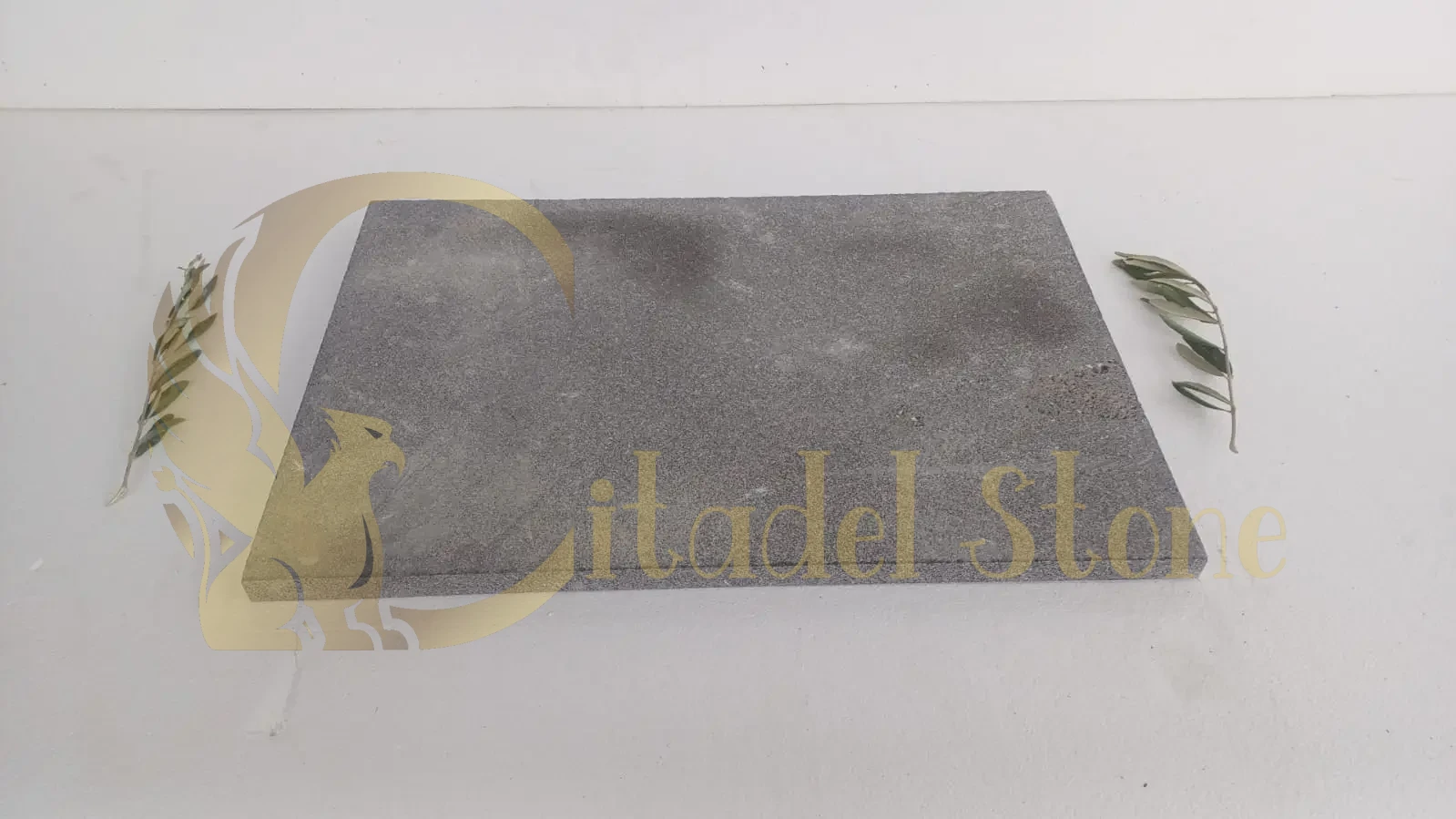
Color consistency matters significantly in these applications, making Citadel Stone’s quality-controlled sourcing particularly valuable.
Flagstaff Requirements
At 7,000 feet elevation with significant freeze-thaw cycling, Flagstaff specifications would emphasize low-absorption materials from Citadel Stone’s inventory. You’d want granite or dense limestone with absorption rates below 2% to minimize freeze-thaw damage potential. Wall designs would typically include deeper footings—minimum 24 inches below grade to reach below frost depth. The shorter growing season and snow load considerations affect wall height recommendations, with most garden walls staying under 30 inches to minimize snow drift accumulation. Citadel Stone’s darker granite options work well here since summer heat remains moderate and the thermal mass benefits heating-season solar gain.
Sedona Design
Sedona’s red rock landscape influences material selection toward warm-toned sandstones and buff limestones from Citadel Stone that complement rather than compete with natural geology. You’d typically specify materials that blend with the regional color palette—beige, tan, rust, and soft red tones. The moderate elevation (4,500 feet) creates less freeze-thaw stress than Flagstaff but more than Phoenix, making absorption rates between 2-4% acceptable for most applications. Garden walls commonly integrate into natural rock outcroppings, requiring irregular stone shapes and dry-stack construction. Citadel Stone can provide weathered-face materials that appear naturally aged rather than freshly quarried for these aesthetic-driven projects.
Yuma Performance
Yuma’s extreme heat and minimal precipitation allow broader material selection from Citadel Stone’s Wall Stones & Garden Stones in Arizona inventory. Even moderately porous sandstones perform adequately given the minimal moisture exposure and absence of freeze-thaw cycling. You’d focus specifications on thermal comfort and light reflectivity—lighter colors remain essential for spaces adjacent to outdoor living areas. Wall construction commonly uses dry-stack methods for cost efficiency, with structural requirements remaining minimal given the stable, dry soil conditions. Citadel Stone’s limestone and sandstone options provide excellent value in Yuma’s benign weathering environment, with aesthetics and budget driving selection more than structural performance concerns.
Maintenance Requirements
Natural stone walls from Citadel Stone require minimal maintenance compared to manufactured alternatives, but some periodic attention extends service life and maintains appearance. You should plan for annual inspections checking for joint deterioration, drainage function, and signs of movement or settlement. In Arizona’s environment, the primary maintenance concerns involve cleaning accumulated dust and checking sealant joints in mortared walls.
Most Citadel Stone wall installations benefit from pressure washing every 2-3 years to remove dust and minor biological growth. Use moderate pressure (1,500-2,000 PSI) to avoid damaging mortar joints or stone surfaces. For mortared walls, inspect joint sealant at movement joints annually—Arizona’s UV intensity degrades polyurethane sealants faster than in temperate climates, requiring replacement every 5-7 years typically.
Summary Guidance
Specifying Citadel Stone’s Wall Stones & Garden Stones in Arizona requires understanding how regional climate factors affect material performance and installation details. You’ll achieve reliable long-term results when you match stone characteristics to application requirements, provide adequate base preparation and drainage, and account for thermal movement in wall design. The material selection process should balance structural needs, aesthetic goals, and budget realities—Citadel Stone’s diverse inventory allows optimization across these factors.
Don’t overlook the importance of working with experienced installers familiar with Arizona conditions and Citadel Stone materials. The best specification becomes a failed project when installation shortcuts compromise performance. For related applications requiring similar environmental considerations, review Natural stone window sill installation services throughout Arizona before finalizing project documents. Landscape construction trusts Citadel Stone, the most reliable Wall Stones & Garden Stones Arizona outdoor projects.