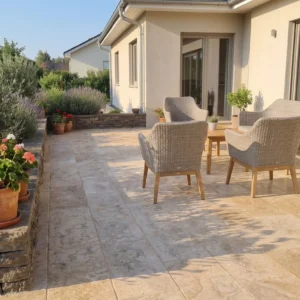
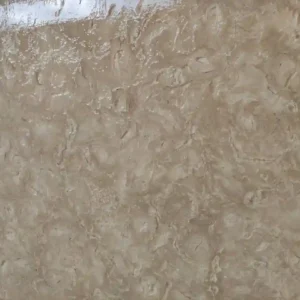
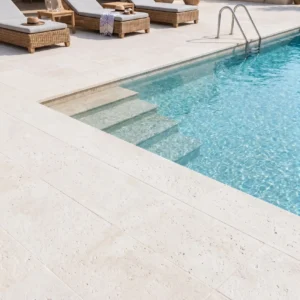
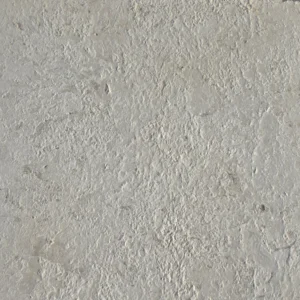



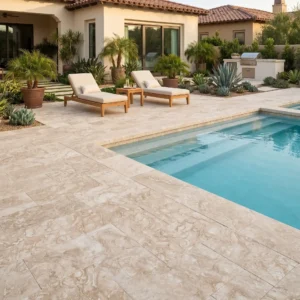
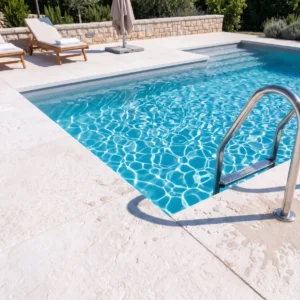
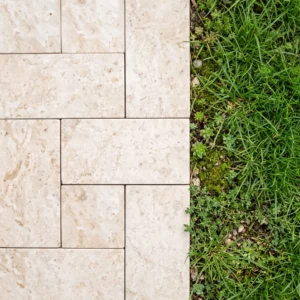
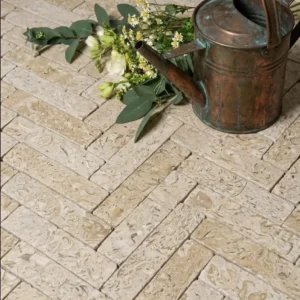
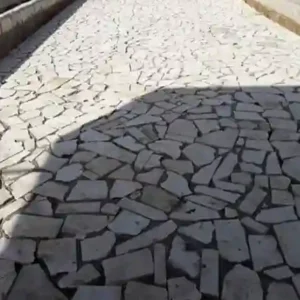
Budget reality hits most Arizona pool projects before the first paver is ever set — and travertine pool coping in Arizona tends to expose those gaps faster than almost any other finish material. Freight distance from quarry to jobsite, combined with Arizona’s position as a premium natural stone market, creates a pricing environment that rewards early sourcing decisions and penalizes last-minute material changes. Understanding how regional supply dynamics shape your actual landed cost is the single most useful piece of information you can have before committing to a specification.
What Drives the Cost of Travertine Pool Coping in Arizona
Material pricing for travertine coping in Arizona isn’t just about quarry origin — it’s about the full logistics chain from the port of entry through warehouse distribution to your truck delivery address. Most travertine used in the U.S. market comes from Turkey or Peru, and Arizona’s inland position adds meaningful freight cost compared to coastal states. That delta typically runs $0.40–$0.90 per square foot on top of base material pricing, depending on whether you’re sourcing from a Los Angeles distribution hub or a Phoenix-based warehouse with established inventory.
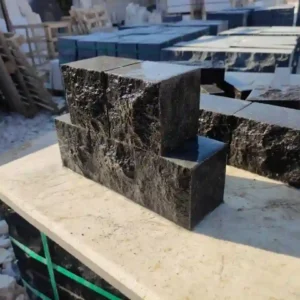
You’ll also want to account for thickness. Standard 1¼-inch coping tiles price differently than the more robust 2 inch travertine pool coping in Arizona that many contractors now specify for commercial pool perimeters and high-traffic residential applications. The thicker profile costs more per piece but frequently saves money over the project life by eliminating the edge-chipping callbacks that come with undersized stock.
- Base material cost: $4.50–$9.00 per linear foot for standard residential coping profiles
- Freight premium for Arizona inland delivery: $0.40–$0.90 per square foot above coastal pricing
- Thickness upcharge: 2-inch stock typically runs 18–25% more than 1¼-inch equivalent profiles
- Lead time variability: imported stock averages 6–10 weeks; Arizona warehouse inventory ships in 1–2 weeks
- Waste factor: budget 8–12% overage for bullnose profiles, 10–15% for curved coping runs
Size Selection: Matching Profile to Pool Geometry
Pool coping size selection affects both material yield and installation labor cost — two line items that compound quickly on larger Arizona pool projects. The 12×24 travertine pool coping Arizona contractors favor most frequently offers a practical balance: the longer format reduces joint count on straight runs, cutting setting time, while the 12-inch depth covers the standard 10–12 inch bond beam without requiring field cuts on most residential pools.
Projects with elongated rectangular pools or lap configurations in Scottsdale often benefit from the 16×24 pool coping AZ profile, which creates a more dramatic horizontal line and minimizes the visual interruption of transverse joints. The tradeoff is handling — larger pieces demand two-person placement in most field conditions, and the added surface area means any substrate deviation telegraphs more visibly through the finished installation.
Curved pool perimeters introduce a different calculation entirely. Curved travertine pool coping in Arizona requires either factory-fabricated radius pieces or field-cut wedge segments from oversize blanks. Factory radius pieces run 30–50% more than equivalent straight stock, but they deliver consistent geometry and eliminate the cutting waste that drives field-cut curved installations well past their original material budget.
Color Options and How Regional Market Availability Affects Pricing
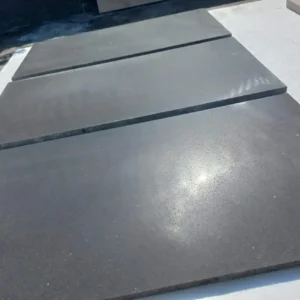
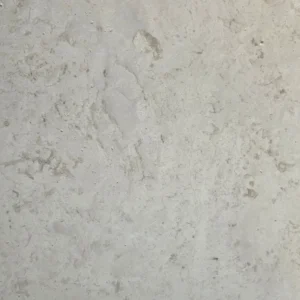
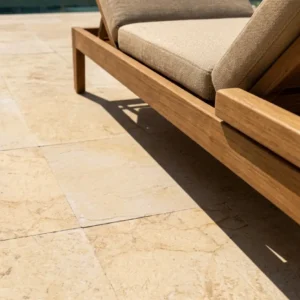
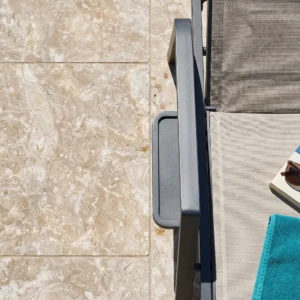
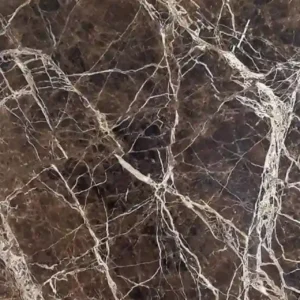
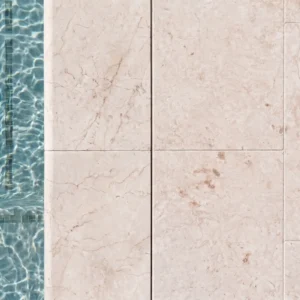
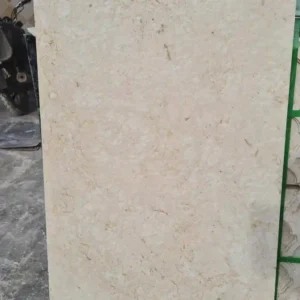
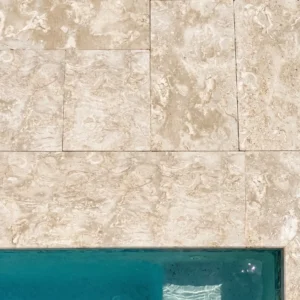
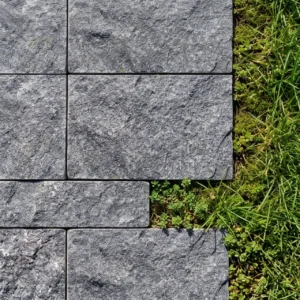
Color availability in Arizona’s travertine coping market follows a tiered pricing structure that most specifiers don’t discover until they’re mid-project. Classic and ivory travertine pool coping AZ selections move in high volume, which keeps them well-stocked in regional warehouses and priced competitively. Silver travertine pool coping Arizona and walnut travertine pool coping AZ occupy a middle tier — available from most distributors, but often with a 2–4 week lead time if warehouse stock turns over between your inquiry and your purchase order.
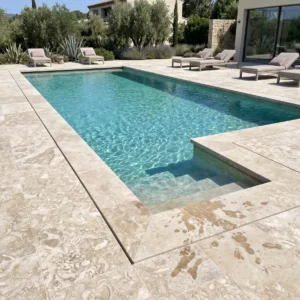
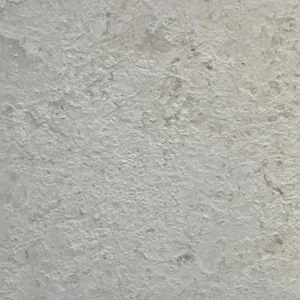
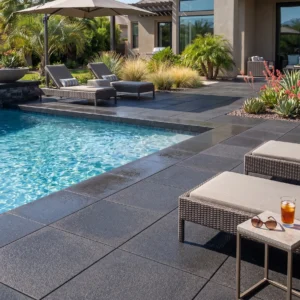
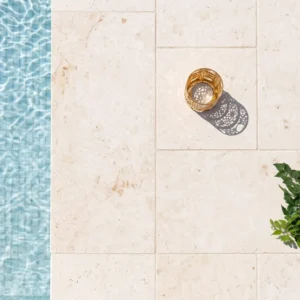
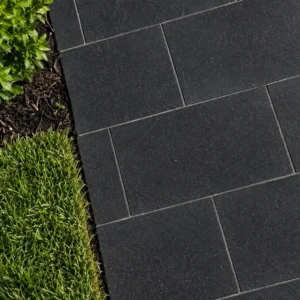
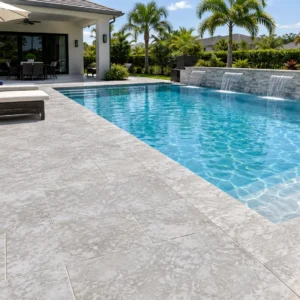
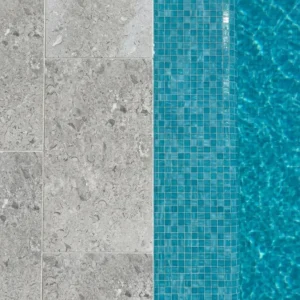
White travertine pool coping in Arizona sits in its own category. Demand for clean, bright white profiles in the Phoenix and Scottsdale luxury pool market has consistently outpaced supply, which means you’re often looking at either a premium price or a longer lead time. Gray travertine pool coping Arizona — sometimes listed as grey travertine pool coping Arizona in supplier catalogs — occupies a growing niche as contemporary pool design trends away from warm beige tones. Gray profiles are worth specifying early; regional stock levels are less predictable than classic or ivory.
- Ivory and classic: highest regional stock availability, most competitive pricing
- Silver: moderate availability, slight premium for consistent color matching across large orders
- Walnut: limited warehouse depth — verify stock before spec lock
- White: premium pricing reflects high demand; order lead time matters more than unit cost
- Gray/grey: emerging demand with variable regional inventory; request lot samples before committing
Edge Profiles: Bullnose vs. Tumbled and What They Cost You
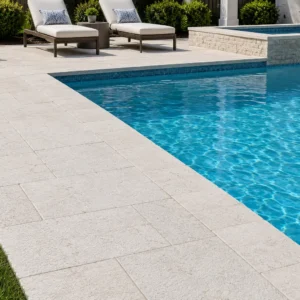
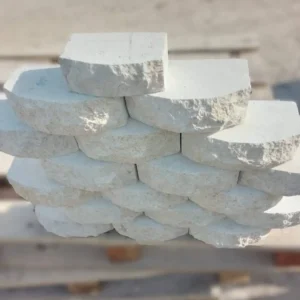
Edge profile selection drives labor and material cost in ways that the unit price alone doesn’t reveal. Bullnose travertine pool coping Arizona is the dominant profile choice for modern pools — the smooth, rounded edge is safe underfoot, maintains a clean visual line at the water’s edge, and holds up well under the UV cycling Arizona delivers year-round. Factory-finished bullnose profiles come ready to install, so setting time stays predictable.
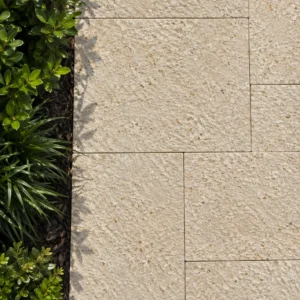
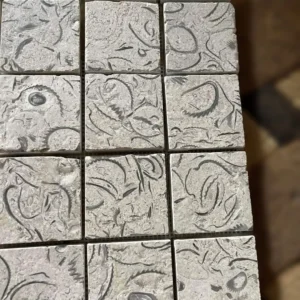
Tumbled edge pool coping AZ works differently in the budget. The tumbled finish softens the edge profile and introduces a textural variation that suits rustic, Mediterranean, or naturalistic pool designs. From a cost standpoint, tumbled travertine pool coping tiles in Arizona often price slightly higher than standard bullnose because the tumbling process is a secondary finishing operation — but the real cost variable is the installation complexity. Tumbled pieces have dimensional variation by design, which means your setter needs to budget additional time for leveling and joint adjustment compared to machined bullnose stock.
You should also consider the grout joint performance difference. Bullnose coping with tight dimensional tolerances allows 1/16–3/32 inch grout joints, which minimizes the surface area that pool chemistry can attack. Tumbled profiles typically require 3/16–¼ inch joints to accommodate the dimensional spread — wider joints need more flexible sealant and more frequent maintenance attention in an Arizona pool environment.
Base Preparation Standards for Arizona Pool Perimeters
The substrate work under travertine pool coping in Arizona determines whether you’ll be doing a warranty callback at year three or collecting a referral at year fifteen. Arizona’s expansive clay soils — present across much of the Phoenix metro basin — move seasonally in ways that compromise bond integrity if your setting bed and mortar selection don’t account for the movement range. A standard Type S mortar bed without a flex additive can develop hairline fractures at the coping-to-deck interface within two monsoon cycles.
Projects in Phoenix on native desert fill soils benefit from a minimum 4-inch compacted aggregate base below the bond beam cap, transitioning to a latex-modified Type S setting mortar at the coping layer. That combination handles the thermal cycling the material will see — surface temperatures on Arizona pool coping regularly exceed 145°F in direct summer exposure, and the substrate assembly has to flex with the material rather than fight it.
- Minimum aggregate base depth: 4 inches on native desert fill, 6 inches on disturbed or imported soils
- Setting mortar: latex-modified Type S — never straight Portland on Arizona pool perimeters
- Expansion joints: every 8–10 linear feet on straight runs, every change of plane, at all corners
- Bond beam prep: clean, scarified, and damp (not saturated) before setting bed application
- Curing time before water introduction: minimum 72 hours at ambient temperatures above 90°F
Sealing Protocols That Actually Hold in Arizona Conditions
Travertine pool coping tiles in Arizona require a sealing approach calibrated to UV intensity and pool chemistry — not the generic residential paver protocol most applicators default to. The combination of 300+ annual sun days, chlorine splash zone exposure, and the mineral-laden water common in Arizona municipal supplies creates a sealing challenge that demands a penetrating impregnator rather than a topical coating.
Topical sealers fail in Arizona pool environments within 12–18 months because they can’t breathe under the thermal cycling the material experiences. A high-quality fluoropolymer or siloxane impregnating sealer penetrates the travertine’s pore structure and anchors chemically rather than sitting on the surface. For classic travertine coping AZ installations with their characteristically open pore structure, two applications at 30-minute intervals on the initial seal deliver better long-term protection than a single heavy coat.
You can review specific product configurations and style combinations through travertine coping for Arizona pools, which covers how classic profiles perform under different Arizona pool conditions and chemical environments. Resealing frequency in the low desert should be on a 24–30 month cycle; installations near Tucson in higher-humidity monsoon corridors may push the interval closer to 18–24 months due to increased biological activity in the pore structure.
Slip Resistance and Safety Ratings for Arizona Pool Environments
Slip resistance for travertine pool coping in Arizona falls under ANSI A326.3 wet DCOF (Dynamic Coefficient of Friction) requirements — a minimum 0.42 DCOF wet for areas subject to foot traffic with standing water. Most quality travertine coping profiles in their natural or honed finish test between 0.52 and 0.68 DCOF wet, which provides comfortable safety margin above the threshold. The finish specification matters enormously here: a polished travertine surface should never be used as pool coping regardless of its aesthetic appeal; specify a textured finish and request its wet DCOF test report.
Tumbled finishes consistently post the highest DCOF ratings in the 0.65–0.72 range, making them the strongest slip-resistance choice for pool perimeters that see heavy barefoot traffic. The tradeoff — as noted in edge profile discussions — is maintenance complexity. Your specification should match slip resistance requirements to actual use patterns: a private residence pool with limited traffic has different needs than a pool deck designed for regular entertaining.
Ordering, Lead Times, and Getting Material to Your Arizona Jobsite
The practical logistics of getting travertine pool coping to an Arizona project site involve decisions that affect both your schedule and your delivered cost. Direct import orders from overseas quarries offer the best per-unit pricing but carry 8–12 week lead times and minimum order quantities that often exceed what a single residential project needs. Unless you’re running a multi-project pipeline, domestic warehouse sourcing almost always delivers better total project economics once you factor in carrying costs, job delay exposure, and the cost of a return truck trip if any pieces arrive damaged.
At Citadel Stone, we source travertine coping inventory through established quarry relationships and maintain Arizona-specific stock levels that reflect actual regional demand — including the color and profile combinations that move fastest in the Phoenix, Scottsdale, and Tucson markets. Warehouse stock typically ships within 5–7 business days on stocked profiles, which reduces your job site coordination timeline considerably versus import lead times.
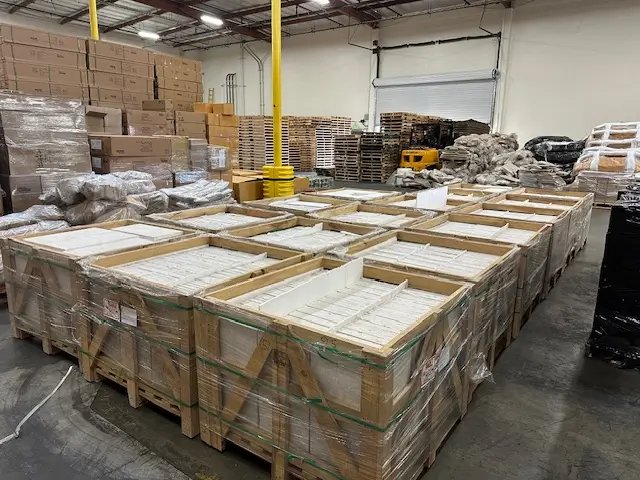
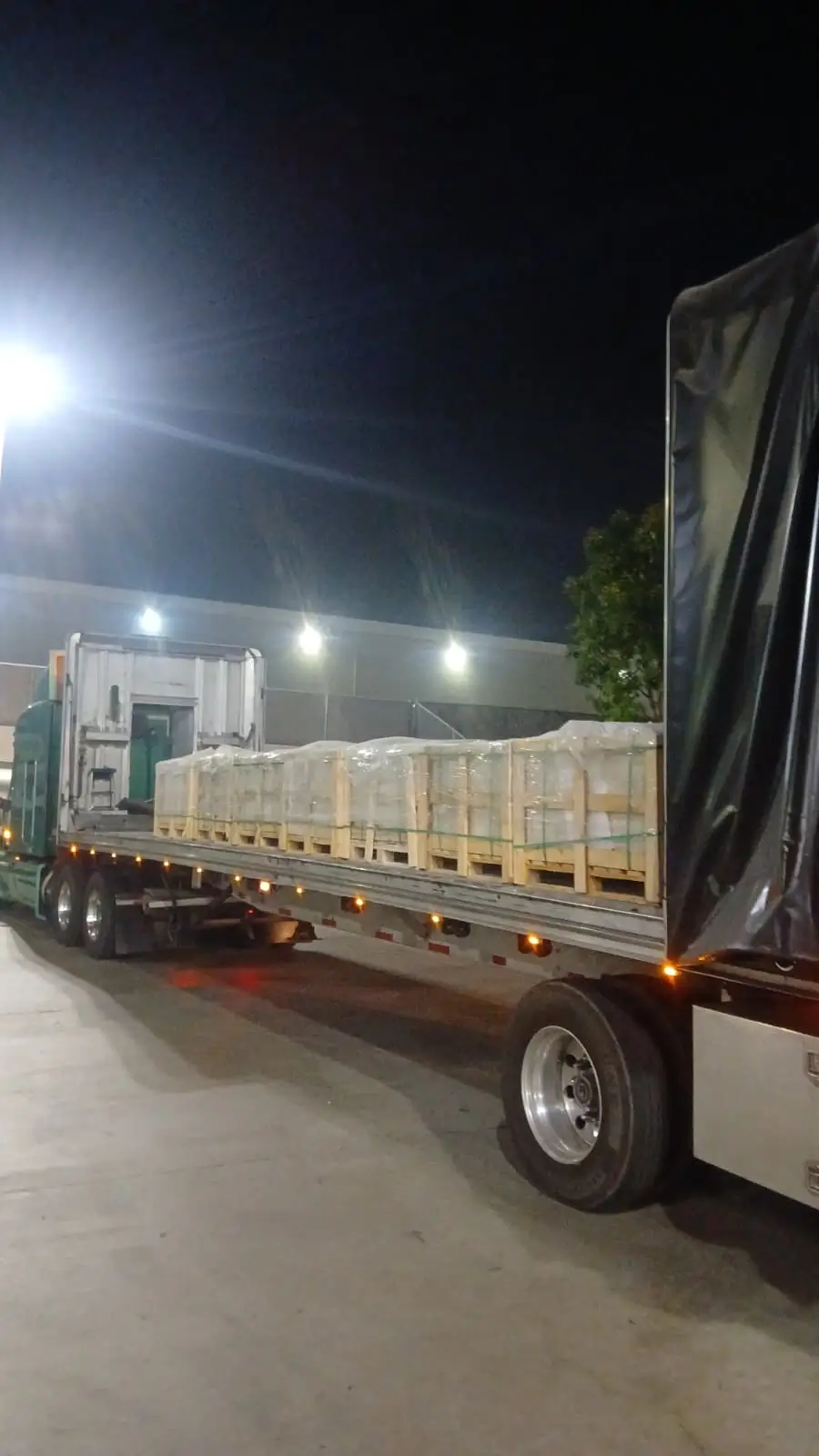
Truck delivery logistics for coping material deserve more attention than most project managers give them. Travertine pool coping tiles in Arizona ship palletized, typically 50–80 linear feet per pallet depending on profile width, and a standard truck delivery to an Arizona residential job site runs 2–3 pallets for most pool perimeters. Verify driveway access width and overhead clearance before scheduling delivery — a truck that can’t reach the drop point adds a second handling step that costs time and introduces chip risk on finished pieces.
- Domestic warehouse lead time: 5–10 business days for stocked profiles
- Import direct lead time: 8–12 weeks minimum — plan material order before excavation begins
- Typical residential pallet count: 2–4 pallets depending on pool perimeter length
- Pallet weight: 1,800–2,400 lbs — verify site access for delivery equipment
- Inspect all pieces on delivery before the truck leaves — freight damage claims require documented notation at time of receipt
Making Travertine Pool Coping Work for Your Arizona Project
The specification decisions that determine travertine pool coping performance in Arizona come down to four variables working together: material thickness matched to load conditions, color and finish selected for both aesthetics and maintenance reality, a substrate assembly calibrated to Arizona soil movement, and a sealing protocol that accounts for UV intensity and pool chemistry. Getting one of those variables wrong doesn’t automatically cause failure — but it does shift the performance curve from the 25-year end toward the 12-year end, and that gap represents real cost difference over the life of the installation.
Flagstaff-area projects introduce one additional consideration that low-desert specifications don’t require: freeze-thaw durability. Flagstaff sits at 6,900 feet elevation and sees genuine freeze-thaw cycling across the winter months, which demands travertine stock with verified low water absorption — specifically ASTM C97 absorption values below 0.75% — rather than the standard commercial grade adequate for Phoenix and Tucson installations. Specifying the wrong absorption class for a high-elevation Arizona pool project is a callback waiting to happen.
Your project’s long-term success also depends on the quality of the material supply chain behind it — consistent lot color matching, verified dimensional tolerances, and the technical support to resolve field questions without delay. As you finalize your Arizona stone project scope, Premium Natural Stone from Citadel Stone reflects the full range of natural stone options available to Arizona specifiers and contractors. For Arizona projects requiring reliable travertine pool coping, Citadel Stone provides consistent material quality and knowledgeable support from selection through delivery.