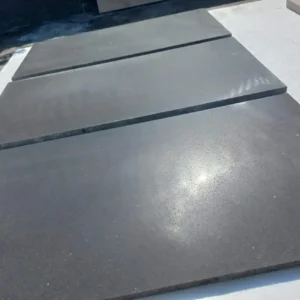
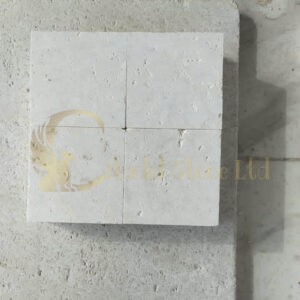
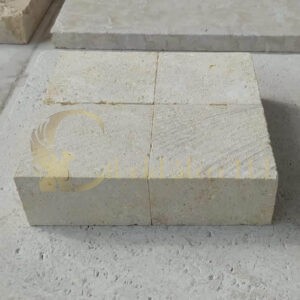
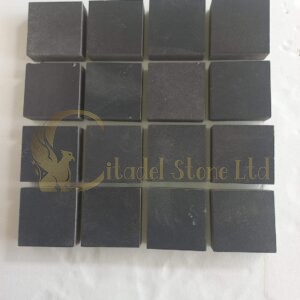
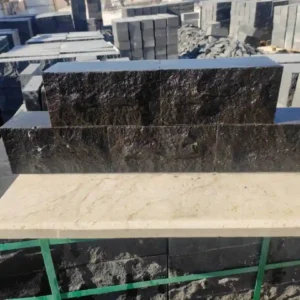
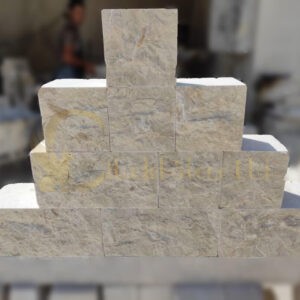
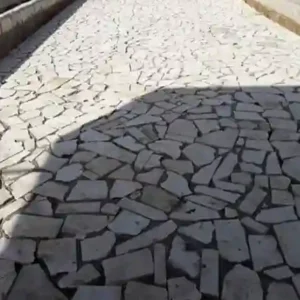
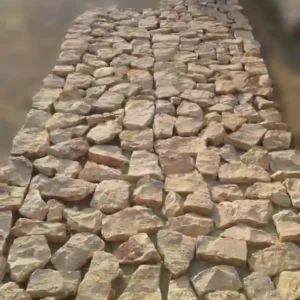
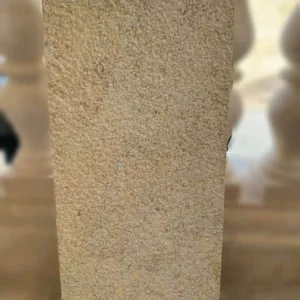
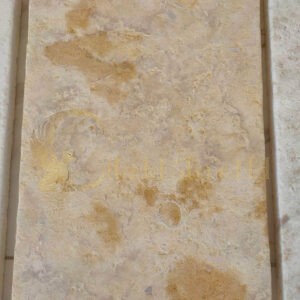
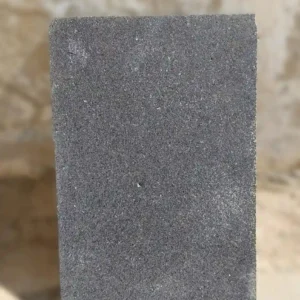
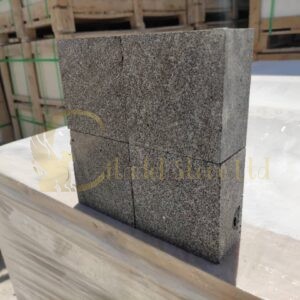
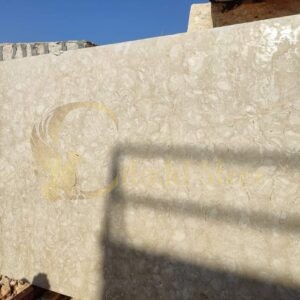
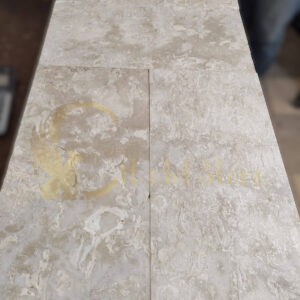
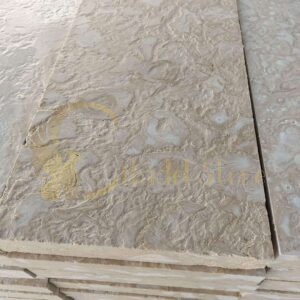
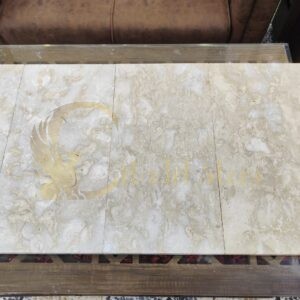
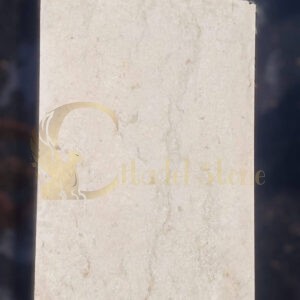
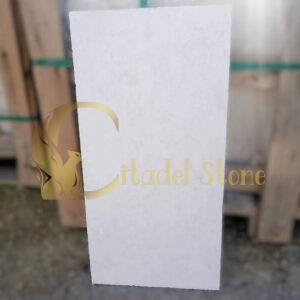
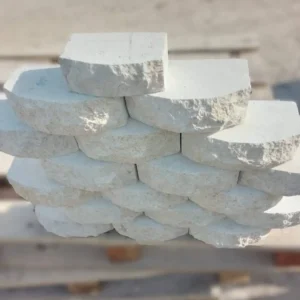
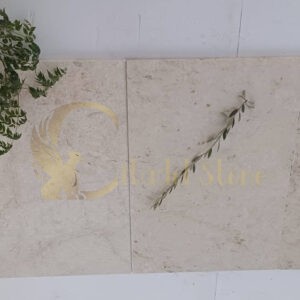
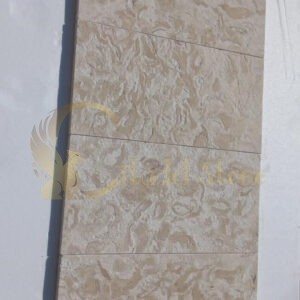
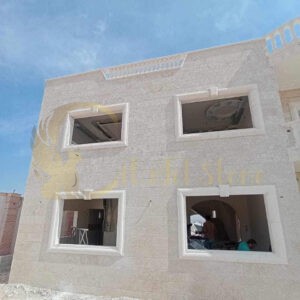
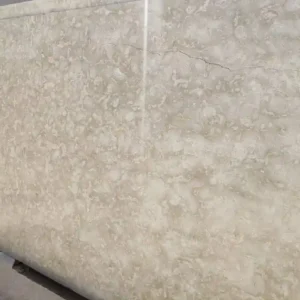
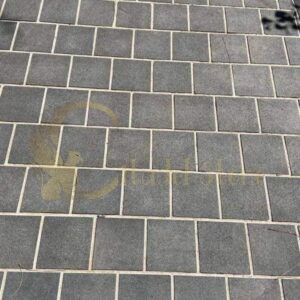
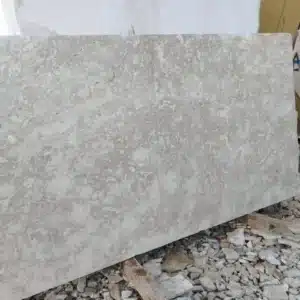
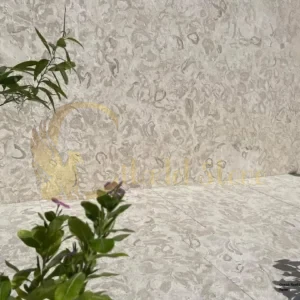
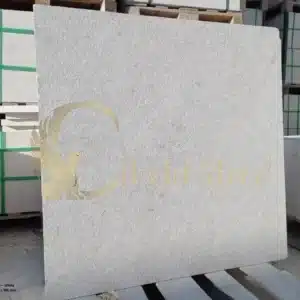
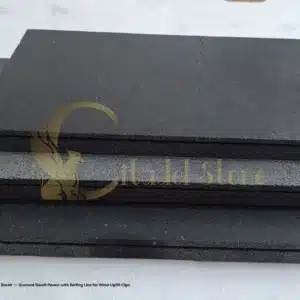
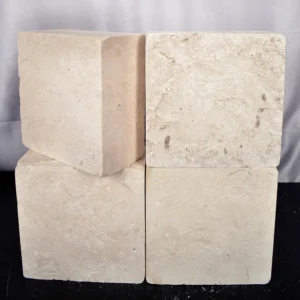
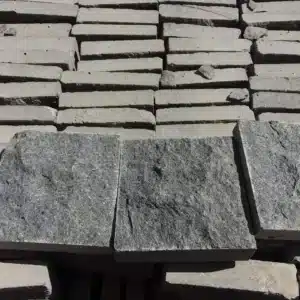
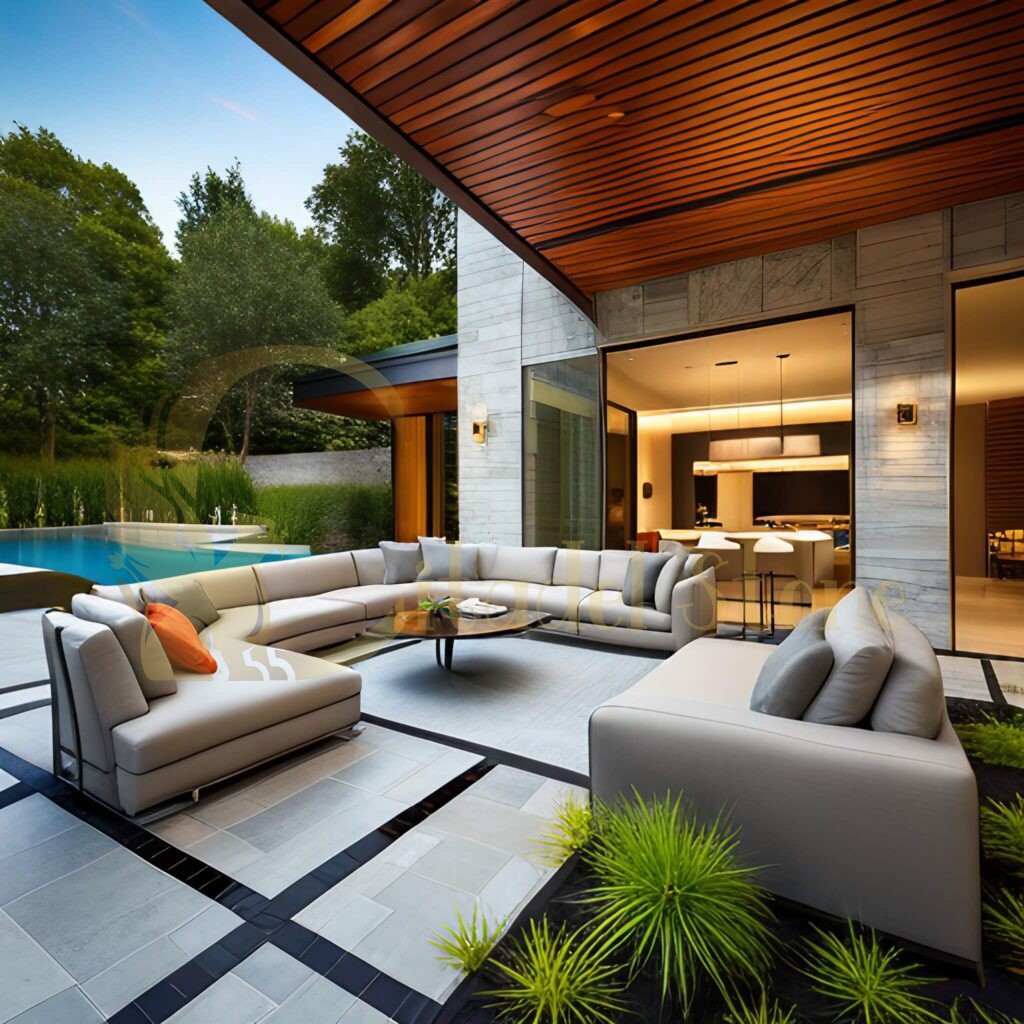
Travertine pavers in Arizona perform at a fundamentally different level than most stone options available in this market — but only when you understand the thermal and porosity variables that drive long-term performance. The material’s interconnected pore structure, combined with a thermal expansion coefficient around 4.7 × 10⁻⁶ per °F, makes it genuinely suited to Arizona’s extreme diurnal temperature swings. What separates a 25-year travertine installation from one that starts failing at year eight comes down to decisions made before the first paver is ever set.
Why Travertine Outperforms in Arizona Heat
The thermal mass characteristics of natural travertine stone pavers in Arizona work in a counterintuitive way. Unlike dense concrete, travertine’s calcium carbonate matrix doesn’t store and re-radiate heat at the same rate. Surface temperature readings across outdoor travertine pavers in AZ have consistently measured 20–28°F cooler than adjacent concrete under identical full-sun exposure — a difference you’ll feel within seconds of stepping barefoot onto the surface.
Arizona’s solar intensity runs at 5.5 to 6.5 peak sun hours daily through summer months, and that sustained UV load would degrade lesser materials rapidly. Travertine’s mineralogical stability means the stone itself doesn’t break down under UV — the risk factors are moisture infiltration into the pore structure and inadequate joint sand retention. Natural stone travertine pavers in Arizona have been documented performing past 30 years when base conditions and drainage geometry are correctly specified from day one.
Here’s what most specifiers miss about travertine for outdoor patio AZ installations: the stone’s pore structure is actually an asset in heat management, but it becomes a liability if you seal the surface before moisture in the base has fully cured. That trapped moisture expands and contracts with temperature cycling, causing spalling at the face of individual pavers — a failure mode that looks like poor material quality but traces directly to premature sealing.
Selecting the Right Travertine Grade and Finish
Exterior travertine pavers AZ projects demand a classification decision that indoor tile selections simply don’t require. You’re choosing between tumbled, brushed, chiseled edge, and honed finishes — and each has a different performance profile under Arizona conditions.
- Tumbled finish provides the highest natural slip resistance (COF above 0.60 wet), making it the standard choice for pool deck applications where ANSI A137.1 compliance matters
- Brushed finish opens the surface texture slightly, improving drainage and reducing the standing water retention that accelerates algae growth in humid monsoon months
- Honed finish delivers a cleaner aesthetic for covered patio and pergola areas, but you’ll need to apply a penetrating sealer with an anti-slip additive when used in wet zones
- Chiseled edge profiles add visual weight appropriate for large travertine pavers Arizona installations where formality of design is a priority
- Filled travertine pavers Arizona specifications eliminate the natural voids in the stone face, providing a smoother surface that’s easier to maintain but requires more frequent resealing in high-traffic zones
Thickness is the other grade decision that directly affects structural performance. Thin travertine pavers AZ projects — typically ¾-inch nominal for overlay applications — work well over existing concrete when the substrate is sound and level within ¼ inch per 10 linear feet. For ground-up installations with aggregate base, 1¼-inch and 2-inch nominal thicknesses handle the point loads typical of standard residential and commercial foot traffic. Projects in Scottsdale that incorporate motor court or driveway travertine should specify 2-inch minimum — the point load from vehicle tire contact patches demands it.
Travertine Color Selection for Arizona Environments
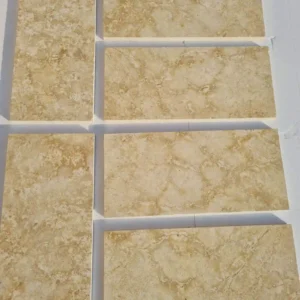
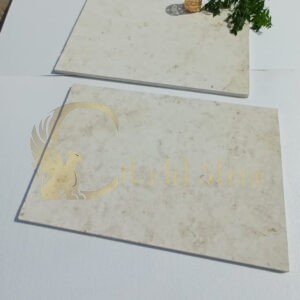
Light travertine pavers Arizona projects benefit from the material’s natural solar reflectance, with lighter ivory and walnut tones reflecting 55–65% of incident solar radiation. Classic travertine pavers in Arizona lean toward the warm ivory and beige palette that also complements the regional architecture — desert modern, Spanish colonial, and Southwestern vernacular all work naturally with travertine’s tonal range.
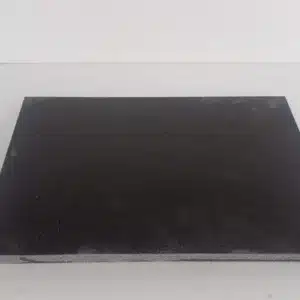
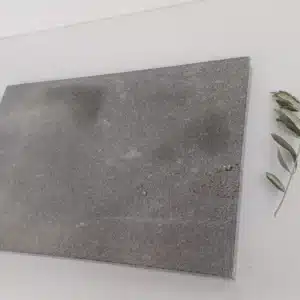
Travertine classic pavers in AZ in the silver and noce (walnut-brown) families absorb more solar energy, which translates to higher surface temperatures in peak summer. For uncovered areas receiving more than four hours of direct sun daily, your color specification should favor the lighter ranges. The aesthetic gain from darker tones comes with a real-world trade-off — surface temperatures on noce travertine can exceed 140°F in July, which limits barefoot usability during peak afternoon hours.
Travertine marble pavers in AZ — a term often used loosely in the market to describe highly polished travertine — are technically sedimentary limestone, not true marble. That distinction matters for exterior applications because the crystalline structure of true marble reacts differently to freeze-thaw and acidic rainfall. Natural travertine pavers in AZ carry better long-term exterior performance credentials than polished calcite marbles in most Arizona climate zones. Stoneworks travertine pavers Arizona projects that have substituted polished marble for travertine in exposed outdoor zones have consistently reported accelerated surface degradation within three to five years.
Base Preparation for Outdoor Travertine Installations
The base system underneath outdoor travertine in AZ is where installations succeed or fail, full stop. Arizona’s expansive clay soils in the Valley floor and caliche hardpan at varying depths across the region create sub-base conditions that differ dramatically from what standard residential paving guidelines assume. Projects in Tucson frequently encounter silty loam and expansive montmorillonite clays that require a deeper compacted aggregate base — 8 inches minimum where 6 inches is typical elsewhere.
- Verify sub-base soil classification before finalizing base depth — a simple probe rod test identifies caliche or soft clay zones before excavation
- Compact native soil to 95% Standard Proctor density before placing any aggregate
- Use Class II road base (crushed aggregate, ¾-inch minus) at minimum 6-inch depth for pedestrian applications, 8–10 inches for vehicular
- Place a 1-inch bedding sand layer — coarse concrete sand, not fine mason sand — directly under the pavers
- Maintain consistent bedding sand depth across the entire field; high spots cause rocking and eventual cracking at corners
- Set travertine outdoor paving slabs in Arizona with 1/8 to 3/16-inch joints — tight enough to resist sand erosion but wide enough to accommodate thermal movement
Expansion joints deserve more attention than most residential specifications give them. For backyard travertine pavers in Arizona applications, you should install full-depth expansion joints every 12–15 linear feet — not the 20-foot spacing common in cooler climates. Arizona’s temperature differential between a January night and an August afternoon can exceed 100°F, and the cumulative thermal movement across a large travertine backyard patio AZ installation is significant enough to crack field pavers or displace edge restraints without properly placed relief joints.
Travertine Paver Sizing and Layout Options
Large outdoor travertine pavers in AZ have gained significant market share over the past decade, and the reasons are practical as well as aesthetic. A 24×24 or 600×400 format reduces the number of joints in a given area, which directly lowers joint sand maintenance frequency and the visual interruption that busy patterns create in expansive Arizona outdoor living spaces.
Travertine pavers 600 x 400 in AZ — the metric sizing equivalent to roughly 24×16 inches — work particularly well in running bond and ashlar pattern configurations. The 3:2 aspect ratio gives designers flexibility that square formats don’t provide. For travertine landscape pavers in Arizona applications like garden paths and stepping stone sequences, the 600×400 format handles the stride length of most adult users without requiring filler pieces at transitions.
- Travertine pavers stepping stones in AZ work best at 18-inch minimum width with 4–6-inch gap spacing filled with decomposed granite or low-profile groundcover
- Large format pavers require perfectly consistent bedding sand depth — tolerance tightens from ±¼ inch on small formats to ±⅛ inch on 24-inch and larger slabs
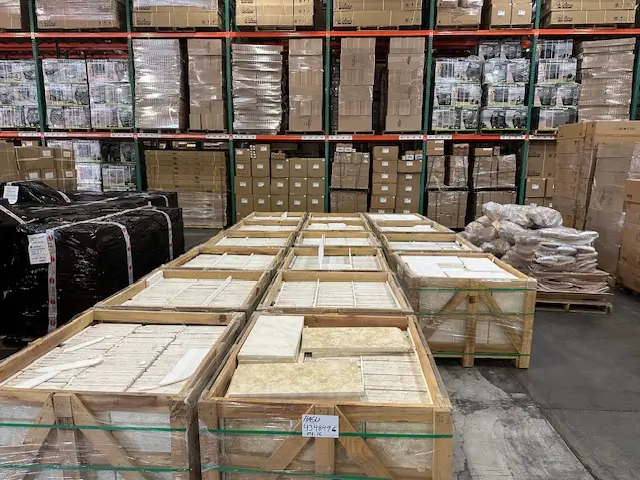
- Verify warehouse stock on large format sizes before finalizing your layout design — 600×400 and 24×24 formats move quickly in the Arizona market and warehouse availability can shift between project specification and material procurement
- Natural stone us travertine & paver in Arizona projects combining multiple sizes should maintain a consistent module — all dimensions divisible by a common unit — to minimize cut waste at borders and transitions
Travertine tiles and pavers in Arizona are often confused in specification documents, and the distinction matters structurally. Tiles are typically ⅜–½ inch nominal thickness, appropriate for interior floors or exterior overlays over concrete. Pavers are 1¼–2 inch nominal, designed for sand-set systems. Specifying travertine tiles pavers AZ as interchangeable in your bid documents will get you field substitution problems and potential structural failures when a subcontractor installs tile-thickness material in a sand-set base system. Sourcing travertine pavers for sale in AZ from suppliers who clearly differentiate tile and paver product lines eliminates this specification risk before it reaches the field.
Sealing Protocols for Arizona Travertine
Sealing protocols for travertine paver suppliers Arizona projects differ from standard concrete maintenance because the open pore structure of travertine requires a penetrating impregnator rather than a topical film sealer. Film sealers trap moisture and fail under Arizona’s UV intensity, typically delaminating within 18–24 months in full-sun exposures.
Penetrating silane-siloxane sealers at 20–30% solids concentration provide the right balance of moisture repellency and vapor permeability. You’ll want to allow full initial cure — minimum 28 days after installation — before applying the first sealer coat. The application timing matters more than most installation guides acknowledge: sealing during the 90–110°F summer window causes the sealer to flash off too quickly before it penetrates, leaving surface residue instead of a proper impregnated barrier.
- Apply sealers at ambient temperatures between 50–85°F — early morning applications in spring and fall hit this window reliably in the Phoenix metro
- Apply in two thin coats rather than one heavy coat — thin coats penetrate fully; heavy single coats pool on the surface and dry as a tacky film
- Resealing frequency for outdoor travertine pavers in AZ should be every 2–3 years in high-UV exposures, every 3–4 years in covered patio applications
- Pool deck applications using premium travertine pavers Arizona should receive a sealer with an additional algae-inhibiting additive to address the biological growth that Arizona’s monsoon humidity accelerates
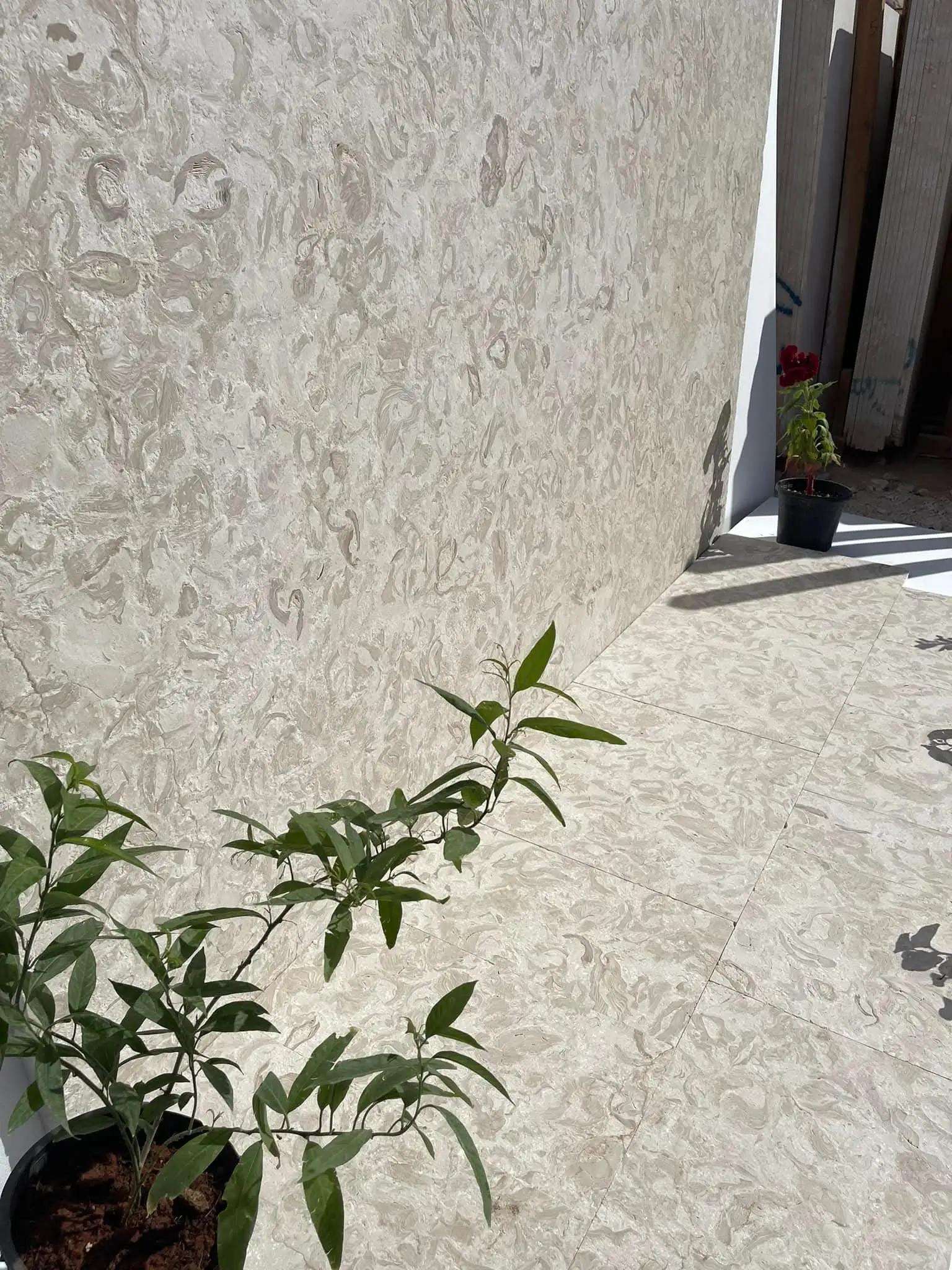
- Shellstone travertine pavers AZ — a specific variant from Turkish quarries with higher fossil shell content — requires a sealer with higher solids content (25–30%) due to its more open pore structure compared to standard travertino pavers Arizona varieties
Sourcing and Logistics for Arizona Projects
The sourcing landscape for travertine pavers for sale AZ has changed considerably. Direct quarry access and consolidated domestic warehouse distribution have compressed lead times significantly compared to the project-by-project import model that dominated the market a decade ago. For most travertine pavers suppliers Arizona projects, you can realistically plan around 1–3 week lead times from warehouse stock versus the 8–12 week import cycle that custom or non-stocked dimensions still require.
Quantity planning for outdoor travertine pavers in AZ projects should account for a 10–12% overage on standard installations and 15% on projects with diagonal layouts or complex cut patterns. Ordering short on natural stone creates real problems — dye lot and quarry bed variations mean replacement material ordered months later may not match the installed field closely enough for occupied spaces. Locking in your full quantity from a single warehouse pull eliminates that risk entirely.
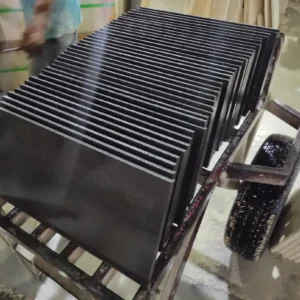
Pavers and travertine AZ sourcing decisions also intersect with truck logistics. Standard full truck loads run 20–22 tons on 48-foot flatbeds, which is relevant if your project has weight-restricted access, low clearance, or narrow site access. Large travertine pavers Arizona projects that require crane-unload or site staging areas should confirm these logistics at the time of order — the warehouse can often palletize differently to accommodate specific truck configurations. Projects in Flagstaff at higher elevation face additional truck routing constraints that can add transit time, worth accounting for in your schedule.
At Citadel Stone, we recommend confirming both warehouse stock levels and truck delivery access during the project bidding phase, not after contract award. Last-minute logistics surprises on a 15-ton travertine delivery are genuinely difficult to resolve quickly. Explore our travertine pavers in Arizona inventory and lead time details early in your project planning to avoid schedule compression later.
Travertine Applications Beyond the Patio
Travertine backyard in AZ design programs have expanded well beyond the basic rectangular patio. Natural stone travertine pavers in Arizona now appear in pool surround configurations, outdoor kitchen flooring, fire pit surrounds, and connecting path systems that unify larger backyard landscapes. Each application zone has distinct performance requirements that your specification should address individually. Travertina pavers Arizona installations in particular benefit from this zone-by-zone approach, since finish selection and sealer type can vary significantly across a single project.
Pool deck travertine outdoor paving slabs in Arizona carry the most specific performance requirements. The combination of chemical exposure from pool water, constant wet-dry cycling, and barefoot traffic demands the highest COF finish available — tumbled or brushed — and a sealer rated for chlorine-adjacent environments. Travertine paving slabs Arizona pool applications should also include a coping profile detail at the bond beam that provides a positive drainage slope of 1.5–2% away from the water.
- Outdoor travertine pavers in AZ used for fire pit surrounds should maintain a minimum 18-inch clearance from the heat source — radiant heat at close proximity can cause thermal spalling in filled travertine varieties
- Travertine for outside patio Arizona applications under pergolas or covered structures don’t receive the natural rain-wash that open patios do, requiring more frequent sweeping and an occasional low-pressure rinse to prevent dust and pollen accumulation in the pore structure
- Travertine pavers backyard AZ perimeter path systems benefit from edge restraints on both sides — the narrow width of a path (typically 36–48 inches) creates proportionally more edge exposure where lateral movement initiates
- Pavers travertine and more in AZ multi-material designs should maintain consistent base depth and compaction across material transitions to prevent differential settlement at borders
Long-Term Maintenance and Performance Expectations
Travertine natural stone paver AZ installations that receive proper maintenance consistently outperform their specified 20–25 year service life. The maintenance program isn’t complex, but it needs to be consistent — neglecting joint sand replenishment is the most common cause of progressive failure in otherwise well-installed outdoor travertine pavers in AZ systems.
Joint sand serves as both the interlock mechanism and the moisture management layer between pavers. Polymeric joint sand rated for exterior use provides better erosion resistance than standard silica sand, particularly during Arizona’s intense monsoon storm events where sheet flow across paved surfaces can displace conventional joint fill rapidly. You should plan for an annual inspection of joint sand levels and top-dress wherever the fill has dropped below the midpoint of the paver thickness.
- Annual power washing at 1,200–1,500 PSI keeps the surface clean without dislodging joint sand — higher pressures erode both the sand and the stone surface texture
- Stain treatment for travertine outdoor paving slabs in Arizona varies by stain type — organic stains (rust, tannin from leaves) respond to poultice treatments; oil-based stains require solvent-based poultice materials
- Travertine pavement Arizona installations showing rocking or hollow-sounding pavers should be addressed promptly — the void beneath indicates base movement, and delayed repair accelerates corner and edge cracking
- Classic travertine pavers in Arizona that have lost their sealer protection will show increased surface staining and biological growth — the window between sealer failure and visible damage is typically 6–12 months in full-sun exposures
- Travertine backyard patio AZ installations with in-ground irrigation adjacent to the paved area should be monitored for sub-surface saturation — chronic moisture in the base from overspray or leaking drip lines is the leading cause of unexpected paver settlement in the Phoenix metro
Final Recommendations
Specifying travertino pavers Arizona correctly comes down to matching the material’s genuine performance characteristics to your site conditions — not defaulting to the most popular finish or the lowest available price point. The performance range between a properly specified and installed travertine stone pavers in Arizona project versus a poorly detailed one spans decades of service life and thousands of dollars in corrective maintenance.
Your specification document should address base depth, expansion joint spacing, finish selection, sealer type, and thickness as interconnected decisions rather than independent line items. The interaction between these variables determines whether your travertine landscape pavers in Arizona installation reaches its full performance potential. For high-traffic or pool-adjacent applications, specifying premium travertine pavers Arizona with a 2-inch nominal thickness and tumbled finish gives you the structural and slip-resistance margins that protect the owner’s investment long-term.
Natural stone travertine pavers in AZ remain one of the most thermally and aesthetically appropriate hardscape materials available for Arizona’s demanding environment. The combination of solar reflectance, thermal stability, and genuine longevity makes travertine pavers in Arizona a specification that holds up under scrutiny — technical, budgetary, and aesthetic. For a broader view of how natural stone performs across Arizona’s climate zones, Natural stone pavers ideal for Arizona’s hot climate conditions offers additional context worth reviewing as you finalize your project approach. Whether you’re a homeowner, contractor, or landscape designer sourcing travertine pavers in Arizona, Citadel Stone offers direct-from-quarry wholesale pricing, custom dimensions, and hassle-free USA delivery — backed by 50 years of manufacturing expertise.