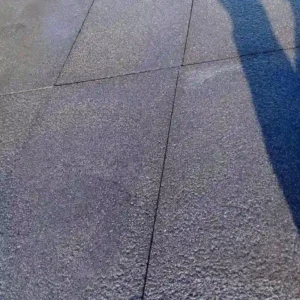
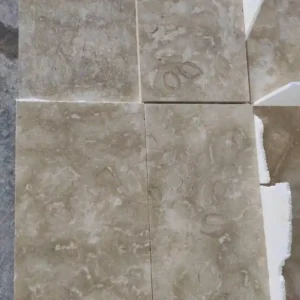

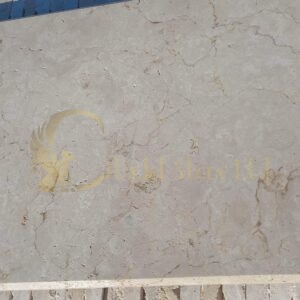
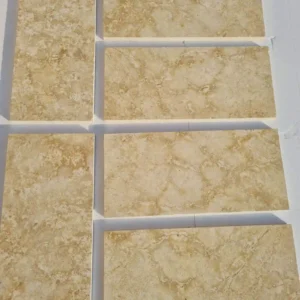

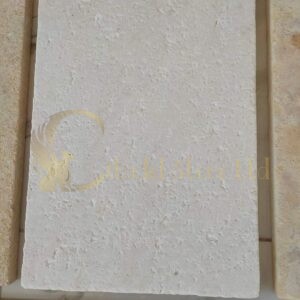

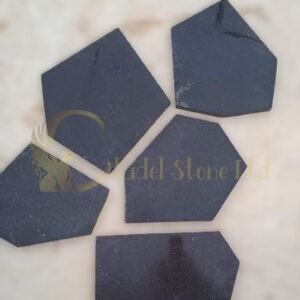
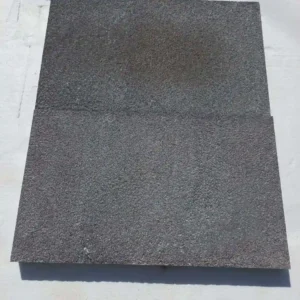
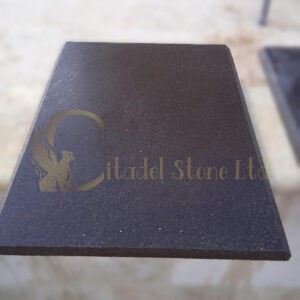
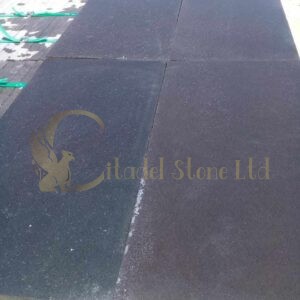

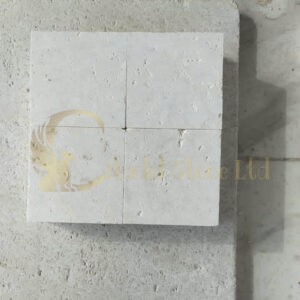
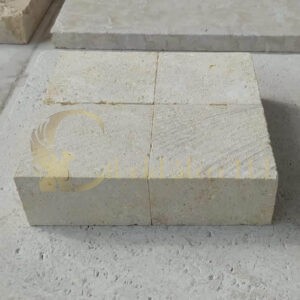
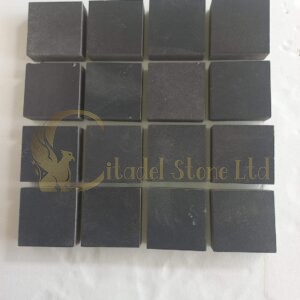
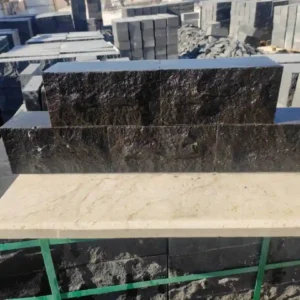
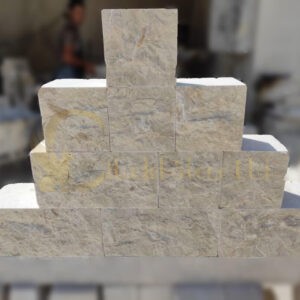
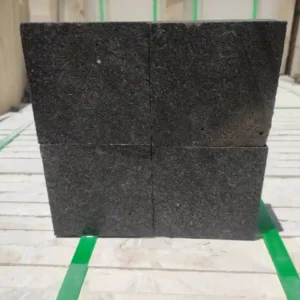


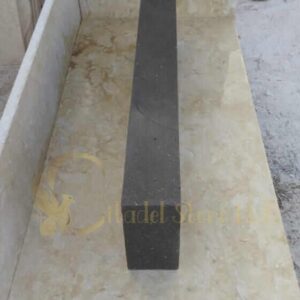
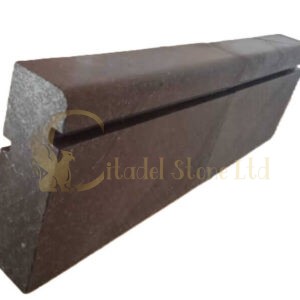
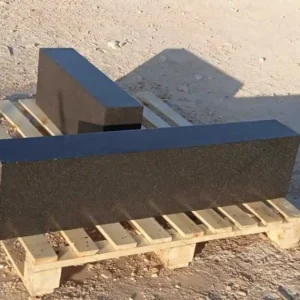


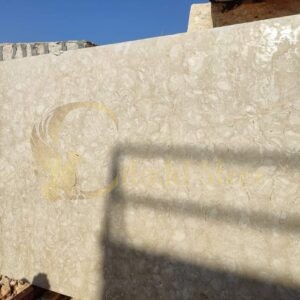
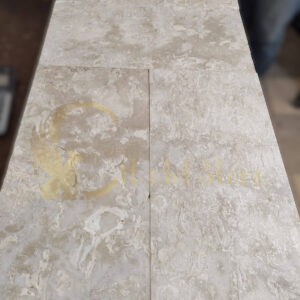
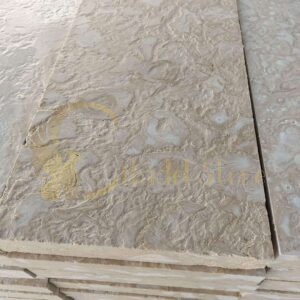
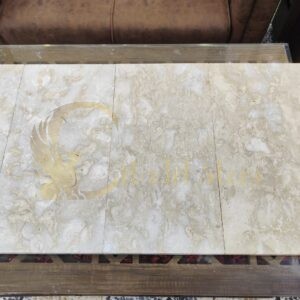
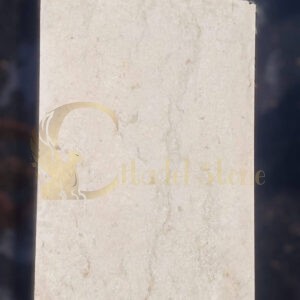
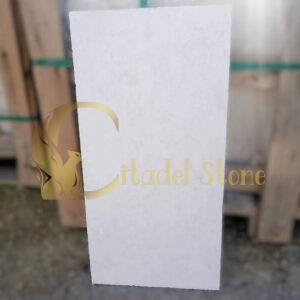

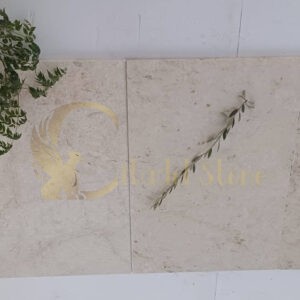


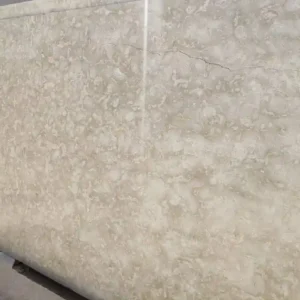

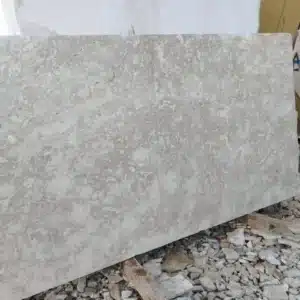

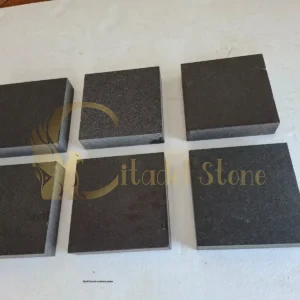

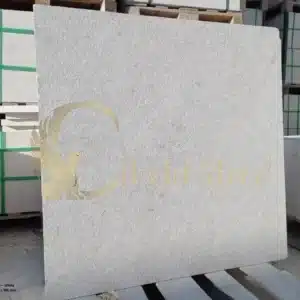


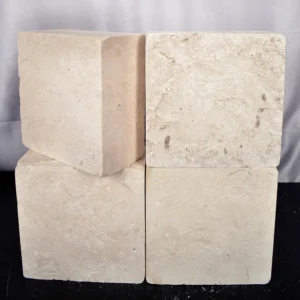
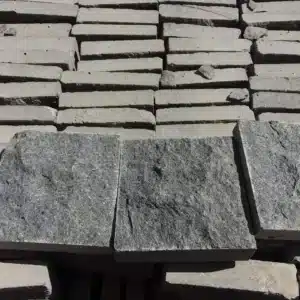
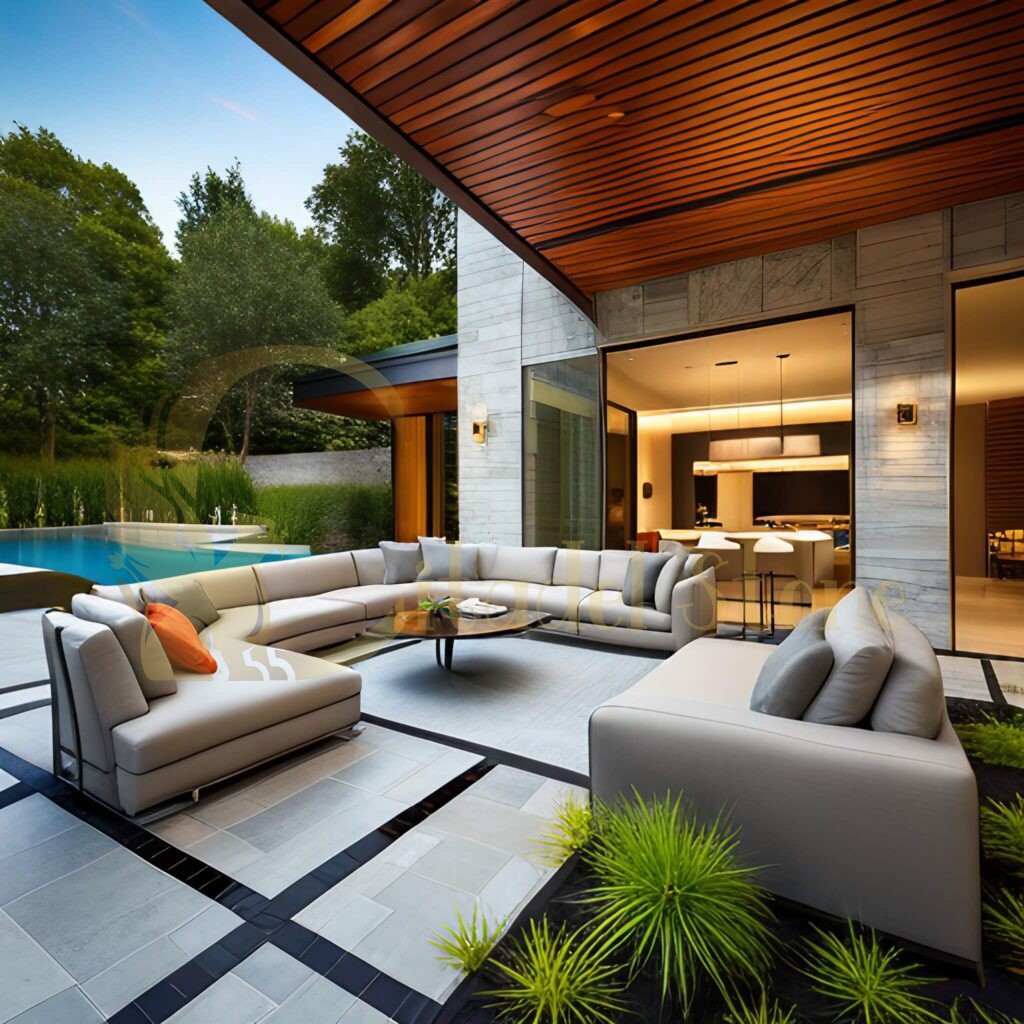
When you’re specifying flooring for Arizona projects, you’ll quickly discover that travertine floor tile in Arizona delivers unmatched performance in the Southwest’s extreme climate. Citadel Stone’s travertine collections combine natural elegance with the thermal stability your projects demand. You’re looking at a material that won’t just survive Arizona’s punishing heat—it’ll actually stay cooler underfoot than most alternatives, making it the smart choice for both residential and commercial applications across the state.
The reality is that Arizona’s climate creates unique challenges most flooring materials can’t handle. Daily temperature swings of 40°F or more, intense UV exposure exceeding 7,500 hours annually, and relentless dryness all take their toll. Citadel Stone travertine floor tile in Arizona addresses these factors through its cellular structure and mineral composition, which we’ll explore in detail throughout this guide.
Thermal Performance in Arizona Conditions
You’ll find that Citadel Stone travertine floor tile in Arizona outperforms ceramic, porcelain, and granite in thermal management. The material’s natural porosity—typically ranging from 2% to 5% by volume—creates microscopic air pockets that act as thermal buffers. This cellular structure means your interior floors stay approximately 8-12°F cooler than dense stone alternatives when exposed to direct sunlight through windows.
Here’s what that actually means for your project: when ambient temperatures hit 110°F in Phoenix or Yuma, polished travertine floor tile in Arizona maintains surface temperatures around 85-90°F in shaded interior spaces. Compare that to ceramic tile, which can reach 95-98°F under identical conditions. The difference becomes critical in spaces with significant glazing or west-facing exposures.
- Thermal conductivity of honed travertine floor tile in Arizona: approximately 1.3-1.8 W/mK, compared to 2.5-3.5 W/mK for granite
- Coefficient of thermal expansion: roughly 0.0000044 inches per inch per °F, requiring expansion joints every 20-25 feet in large installations
- Solar reflectance index (SRI) for light travertine floor tiles in Arizona: typically 65-75 for honed finishes, 80-90 for polished surfaces
- Heat retention after sunset: travertine releases stored thermal energy 30-40% faster than dense igneous stones
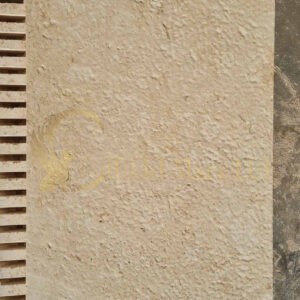
One critical factor that often surprises specifiers: the finish you choose dramatically affects thermal performance. Tumbled travertine floor tiles in Arizona provide superior cooling due to increased surface area from their textured profile. Polished travertine floor tile in Arizona, while more reflective, can create localized heat concentration from reflected sunlight—something to consider for spaces with floor-to-ceiling glass.
Material Specifications and Sourcing
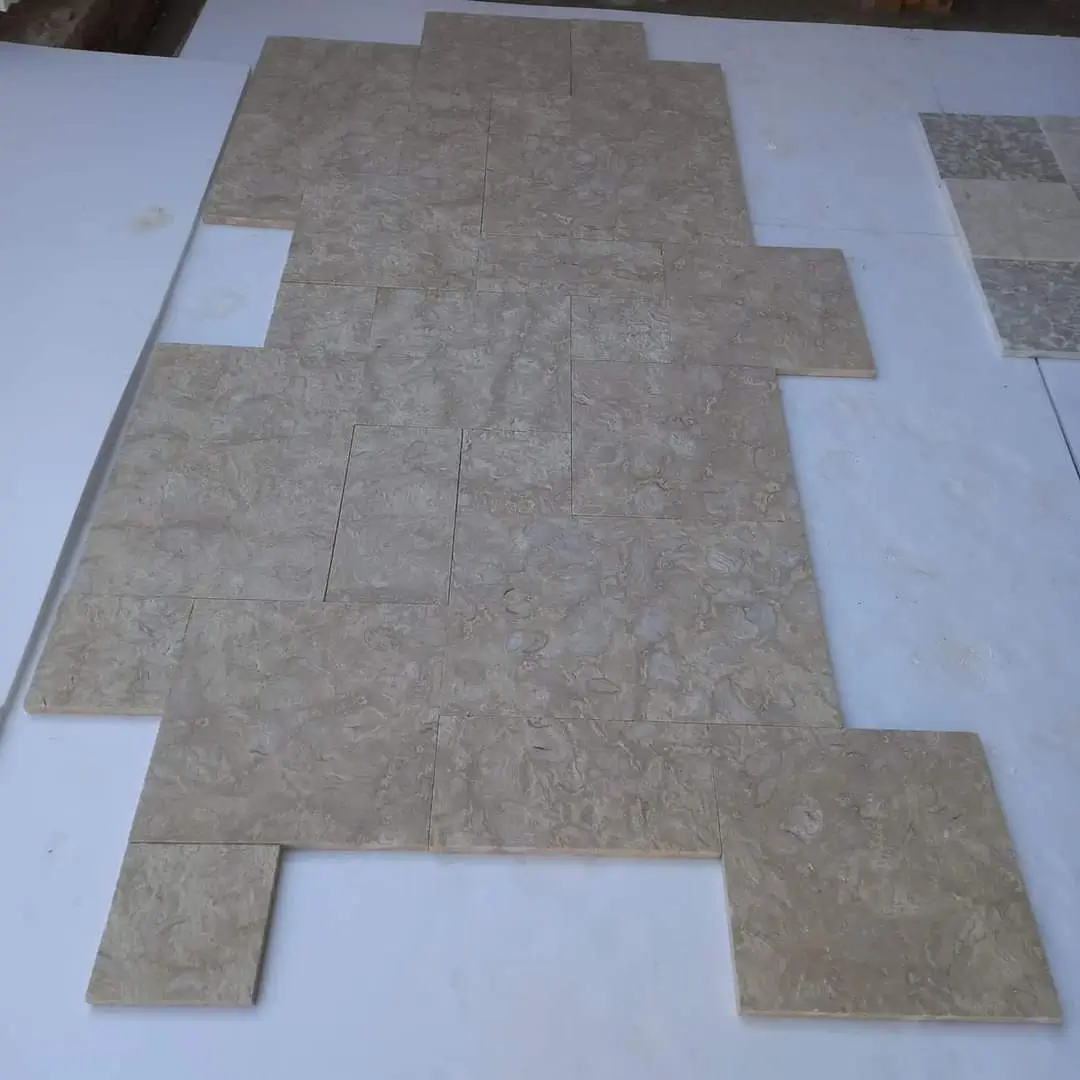
Citadel Stone sources travertine floor tile in Arizona from quarries that produce material specifically suited to extreme desert climates. You’re getting stone with lower inherent moisture content—typically 0.8-1.2% by weight compared to 1.5-2.5% for European travertines—which translates to better dimensional stability in Arizona’s single-digit humidity conditions.
The density matters more than most specifiers realize. Citadel’s travertine floor tile for sale in Arizona averages 140-155 pounds per cubic foot, providing adequate structural integrity without the thermal mass problems of denser materials. This density range ensures you’ll meet compressive strength requirements—typically 5,000-8,000 PSI—while maintaining the porosity that makes travertine flooring in Arizona so effective.
- Standard tile thicknesses available: 3/8 inch for residential applications, 1/2 inch for commercial installations, 5/8 inch for high-traffic zones
- Dimensional tolerances: +/- 1/16 inch on length and width, +/- 1/32 inch on thickness for premium grades
- Water absorption rates: ASTM C97 testing shows 2-5% by weight, qualifying as moderately porous
- Modulus of rupture: 800-1,200 PSI for honed filled travertine floor tiles in Arizona, meeting commercial flooring standards
Pay particular attention to the fill material used in travertine floor tiles in Arizona. Citadel Stone uses resin-based fills that remain stable in temperatures exceeding 130°F, unlike cement-based fills that can crack or discolor when exposed to Arizona’s thermal cycling. You’ll want to verify fill integrity during acceptance testing—look for seamless integration with the stone matrix and color consistency across the tile surface.
Finish Selection and Functional Impact
The finish you specify for Citadel Stone travertine floor tile in Arizona directly impacts slip resistance, maintenance requirements, and long-term appearance. Here’s the reality: honed travertine floor tile in Arizona provides the best balance of safety and aesthetics for most applications, achieving DCOF (Dynamic Coefficient of Friction) values between 0.50 and 0.60 when dry.
Tumbled travertine floor tiles in Arizona excel in wet areas and exterior transitions, with DCOF ratings typically exceeding 0.65 due to their textured surface. However, you’re trading ease of maintenance for that added safety—the irregular surface profile traps dirt and requires more aggressive cleaning protocols. For interior applications in Scottsdale or Paradise Valley homes, this trade-off often doesn’t make sense unless you’re dealing with pool deck transitions or outdoor living spaces.
- Polished travertine floor tile in Arizona: DCOF around 0.35-0.42 when dry, unsuitable for wet areas or elderly-accessible spaces
- Honed and filled travertine tiles in Arizona: DCOF 0.50-0.60, meeting ADA requirements for interior floors
- Brushed travertine floor tiles in Arizona: DCOF 0.55-0.65, providing subtle texture without deep voids
- Tumbled finishes: DCOF 0.65-0.75, maximum slip resistance but higher maintenance demands
Don’t overlook the maintenance implications of your finish choice. Polished surfaces show water spots and footprints immediately in Arizona’s hard water conditions—you’ll be fielding complaints within the first week of occupancy. Citadel’s honed filled travertine floor tiles in Arizona hide minor surface wear and water residue far more effectively, keeping your clients satisfied years after installation. For commercial projects considering Citadel Stone honed travertine floors Arizona, this durability advantage translates directly to reduced maintenance costs and longer replacement cycles.
Color Selection and Regional Considerations
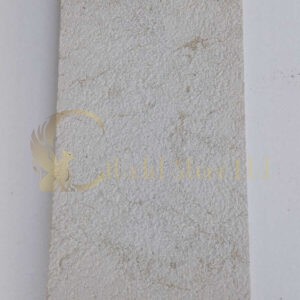
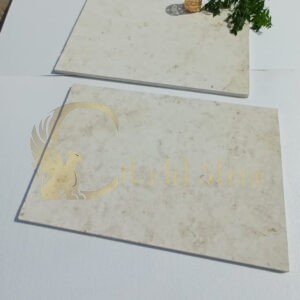
When you’re selecting travertine floor tile colors for Arizona projects, you’ll need to account for the state’s intense UV exposure and dust conditions. Light travertine floor tiles in Arizona—particularly ivory travertine floor tiles in Arizona and cream travertine floor tiles in Arizona—maintain their appearance better than darker alternatives because they don’t show the fine dust that’s omnipresent in desert environments.
Here’s what experience shows: white travertine floor tile in Arizona and beige travertine floor tiles in Arizona remain the most popular choices across the state, and there’s solid reasoning behind this preference. These lighter tones reflect more solar radiation when used in covered outdoor spaces, they hide the calcium deposits from Arizona’s hard water supply, and they create visual continuity with the natural desert palette that’s become synonymous with Southwest architecture.
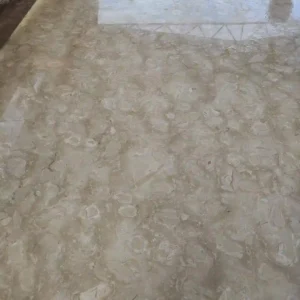
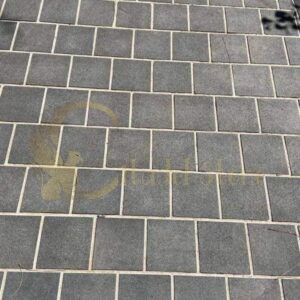
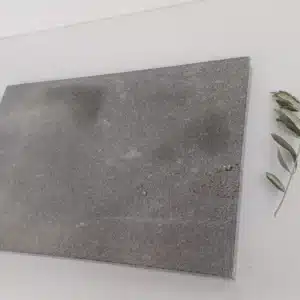
That said, darker options have their place. Silver travertine floor tile in Arizona and grey travertine floor tiles in Arizona work exceptionally well in commercial applications where you need to mask heavy foot traffic wear patterns. Citadel Stone’s silver grey travertine floor tiles in Arizona demonstrate superior long-term appearance retention in office lobbies and retail spaces throughout Phoenix, Tempe, and Mesa.
- Brown travertine floor tile in Arizona: excellent for rustic applications but shows dust accumulation in high-traffic areas
- Gray travertine floor tile in Arizona: ideal for modern commercial interiors, hides wear effectively
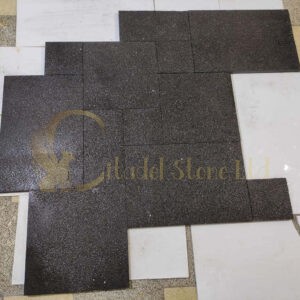
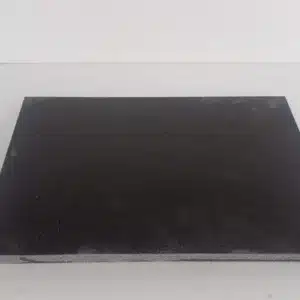
- Black travertine floor tile in Arizona: rare but striking in low-traffic residential applications, requires frequent cleaning
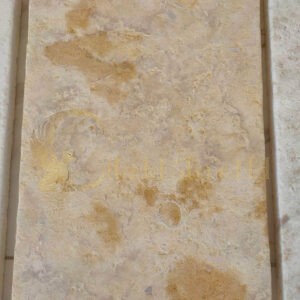
- Natural travertine floor tiles in Arizona: unfilled, showcasing authentic voids and color variation, best for casual spaces
You’ll find that color consistency varies significantly between production runs. Citadel Stone warehouses stock from single quarry lots whenever possible, but you should still specify that all material for a single project ships from matched production batches. This becomes critical with rustic travertine floor tiles in Arizona, where natural variation can shift dramatically between quarry benches.
Sizing and Layout Considerations
The tile dimensions you choose for Citadel Stone travertine floor tile in Arizona directly affect installation labor costs and long-term performance. Travertine floor tile 18×18 in Arizona represents the sweet spot for most residential applications—large enough to minimize grout lines but manageable for a single installer to handle and adjust during placement.
Here’s the reality of sizing decisions: larger format tiles reduce grout joint quantity, which matters tremendously in Arizona’s dusty environment. Fewer joints mean less maintenance and reduced points of moisture intrusion during monsoon season. However, you’ll need to increase substrate flatness requirements as tile size grows. For 18×18 formats, you’re looking at a maximum 1/8 inch variation over 10 feet. Jump to 24×24, and that tolerance tightens to 1/16 inch.
- 12×12 travertine tiles: 144 square inches of surface area, approximately 15% more grout joints than 18×18 formats
- 18×18 tiles: optimal balance of coverage rate (approximately 90-110 square feet per installer per day) and manageable weight (8-10 pounds per tile at 3/8 inch thickness)
- 24×24 tiles: reduce installation time by 20-25% but require near-perfect substrate preparation and specialty setting materials
- Hexagon travertine floor tile in Arizona: striking visual impact but 40-50% slower installation rates and increased cutting waste
One critical factor most specifiers miss: Arizona’s temperature extremes create significant thermal movement in large-format installations. You’ll need expansion joints every 20-25 feet in both directions for Citadel’s travertine stone floor tiles in Arizona, and these joints must align with structural control joints in the concrete substrate. Skip this step, and you’re looking at tenting failures within the first summer.
Pay attention to the directional veining in travertine flooring in Arizona. The stone’s sedimentary formation creates subtle linear patterns that should run perpendicular to primary traffic flow. This orientation maximizes the material’s compressive strength and reduces the risk of surface fracturing in high-traffic commercial applications.
Substrate Preparation Requirements
You can’t cut corners on substrate preparation for travertine floor tile in Arizona—the climate won’t forgive it. Citadel Stone material requires a concrete substrate with minimum compressive strength of 3,000 PSI, properly cured for at least 28 days, and finished to a steel-trowel smoothness. That’s your baseline. Most failures trace directly back to inadequate substrate preparation, not material defects.
The reality in Arizona is that many existing slabs weren’t poured with stone flooring in mind. You’ll frequently encounter surfaces that are too smooth (mechanical grinding needed), too rough (self-leveling compound required), or contaminated with curing compounds that prevent proper thin-set adhesion. Testing for contamination should be standard procedure—perform a water absorption test by placing a quarter-sized water droplet on the slab. If it doesn’t absorb within 30 seconds, you’ve got a bonding problem that needs addressing.
- Flatness tolerance for travertine flooring in Arizona: maximum 1/8 inch over 10 feet for standard installations
- Moisture vapor emission rates: below 3 pounds per 1,000 square feet per 24 hours using calcium chloride testing, or less than 75% relative humidity using in-situ probes
- Substrate deflection limits: L/360 under live loads for residential, L/480 for commercial installations
- Crack isolation membrane requirements: mandatory over any substrate with a history of movement or cracking
Here’s what experience teaches: Arizona’s desert environment creates unique substrate challenges. Slabs poured during summer months often cure too rapidly, creating surface checking that telegraphs through the travertine installation within months. You’ll want to specify fog-curtain curing methods for any substrate poured between May and September, and consider requiring crack isolation membranes even on new construction.
Don’t make the common mistake of skipping moisture testing just because Arizona is dry. Irrigation systems, plumbing leaks, and monsoon season moisture migration through slabs-on-grade create plenty of vapor drive. Citadel Stone travertine marble floor tiles in Arizona bond with polymer-modified thin-sets that can tolerate up to 5 pounds of vapor emission, but you’re asking for trouble if you exceed that threshold without a moisture mitigation system.
Installation Methodology and Best Practices
When you’re installing Citadel Stone travertine floor tile in Arizona, you’ll need thin-set mortars specifically formulated for low-absorption natural stone in high-temperature environments. Standard ceramic tile mortars don’t provide adequate open time when ambient temperatures exceed 95°F—which describes half the year across most of Arizona. You’re looking for polymer-modified mortars with extended open time ratings of at least 30 minutes.
The trowel size matters more than most installers realize. For travertine floor tiles in Arizona with normal backs (minimal warpage), use a 3/8 x 3/8 inch square-notch trowel and back-butter each tile to achieve 95% coverage minimum. That’s not a suggestion—it’s the requirement for preventing hollow spots that turn into fracture points when someone drops a heavy object on the floor. In commercial applications, consider upgrading to medium-bed mortars and larger trowels (1/2 x 1/2 inch) to accommodate substrate irregularities and provide a thicker cushion layer.
- Thin-set coverage rates: approximately 60-80 square feet per 50-pound bag for 18×18 tiles with proper troweling technique
- Setting time in Arizona heat: adjust working areas to 50-75 square feet maximum to prevent thin-set skinning over before tile placement
- Joint width specifications: minimum 1/8 inch for honed and filled travertine tiles in Arizona, 3/16 inch recommended for rectified edges
- Lippage control: use leveling systems for any tile larger than 12×12 to maintain maximum 1/32 inch height variation between adjacent tiles
Here’s a critical installation reality: Arizona’s low humidity causes thin-set to dry faster than cure. You’ll see installations that look perfect at substantial completion but fail within six months because the mortar never achieved proper hydration. The solution is fog-misting the substrate before thin-set application and maintaining indoor relative humidity above 40% during the cure period. For Citadel Stone travertine stone flooring in Arizona, this moisture management during installation prevents more callbacks than any other single factor.
Pay particular attention to the transition details between indoor travertine flooring in Arizona and other materials. The coefficient of thermal expansion differences between travertine and adjacent materials—wood, tile, concrete—create stress points that need soft joints with compressible backing rod and high-performance sealants rated for at least 50% movement capability.
Grout Selection and Joint Treatment
The grout you specify for Citadel Stone travertine floor tile in Arizona needs to address the state’s unique environmental factors. Standard cement grouts won’t cut it—you’re dealing with hard water that leaves calcium deposits, fine dust that penetrates everything, and thermal cycling that tests joint integrity. Polymer-modified sanded grouts provide the minimum acceptable performance level, but you’ll get far better results with epoxy or urethane-based grouts in high-traffic commercial applications.
Here’s what you need to understand about grout color selection: light grout with light travertine floors in Arizona creates a seamless appearance that hides the inevitable dust accumulation. Contrasting grout colors—particularly dark grey with ivory travertine flooring in Arizona—create dramatic visual impact initially but show every speck of dirt and require constant maintenance. You’ll be fielding client complaints within weeks in high-traffic areas.
- Sanded grout for joints 1/8 inch to 3/8 inch: provides mechanical interlock but remains slightly permeable
- Epoxy grout: completely stain-resistant and waterproof, ideal for commercial interior travertine flooring in Arizona but requires skilled installation
- Urethane grouts: flexible formulas that accommodate thermal movement better than rigid cement-based options
- Joint width impact on performance: narrower joints (1/8 inch) show less discoloration but offer reduced tolerance for tile size variation
One critical factor that’s often overlooked: travertine’s natural porosity means the tile edges absorb moisture from wet grout during installation, pulling pigments from the grout into the stone. You’ll end up with darker halos around each tile that never disappear. The solution is pre-sealing the tile edges before grouting—a step that adds time and cost but prevents permanent discoloration on cream travertine floor tiles in Arizona and other light-colored options.
Don’t make the common mistake of skipping expansion joints in large installations. Citadel Stone travertine floors need soft joints every 20-25 feet in both directions, aligned with substrate control joints. These joints should be filled with color-matched silicone or urethane sealants rated for continuous immersion and movement capability of at least +/- 50%. You’re not just preventing tile fractures—you’re accommodating the inevitable seasonal movement that occurs as Arizona slabs heat and cool.
Sealing and Protection Strategies
Sealer selection for travertine floor tile in Arizona determines whether your installation looks great for years or shows every spill and stain within months. The material’s natural porosity—those microscopic voids that provide thermal benefits—also creates pathways for liquids to penetrate deep into the stone. Citadel Stone’s honed filled travertine floor tiles in Arizona need penetrating sealers that chemically bond within the stone matrix without creating surface films that trap moisture.
You’ll find two primary sealer categories worth considering: penetrating sealers (impregnators) and topical sealers (coatings). For most Arizona applications, penetrating sealers provide the right balance of protection and natural appearance. These products—typically fluoropolymer or silicone-based formulations—fill the stone’s pores without altering surface texture or creating the glossy appearance that looks artificial in Southwest residential settings.
- Penetrating sealer coverage rates: approximately 500-800 square feet per gallon for honed travertine, 800-1200 square feet per gallon for polished surfaces
- Re-application intervals in Arizona conditions: every 18-24 months for residential flooring, annually for commercial installations
- Drying time before foot traffic: 4-6 hours for most penetrating sealers, 24 hours before allowing water contact
- Water-based versus solvent-based formulas: water-based products meet VOC requirements but provide slightly less stain resistance than solvent-based alternatives
Here’s the reality of sealer performance in Arizona: the state’s intense UV exposure and temperature extremes break down sealer molecules faster than in moderate climates. What might last three years in Connecticut needs reapplication every 18-24 months in Phoenix or Tucson. You should specify initial sealing immediately after grout cure (minimum 72 hours), followed by a second application 30 days later, then establish a maintenance schedule based on actual traffic patterns and exposure conditions.
One critical factor most specifiers miss: cheap travertine floor tiles in Arizona—whether from discount importers or substandard quarries—often lack the consistent density that allows proper sealer penetration. Citadel Stone material undergoes density testing to verify uniform porosity, ensuring sealer performance matches expectations. You can’t achieve reliable protection on material that varies from 2% to 8% absorption across a single tile.
Maintenance Protocols and Lifecycle Management
The maintenance program you establish for Citadel Stone travertine floor tile in Arizona directly determines long-term appearance and client satisfaction. Daily maintenance should consist of dust-mopping or vacuuming to remove the abrasive desert dust that acts like 400-grit sandpaper on the stone surface. Weekly damp mopping with pH-neutral stone cleaners removes the calcium deposits from Arizona’s hard water before they etch the surface.
Here’s what experience shows about cleaning product selection: alkaline cleaners (pH above 10) and acidic cleaners (pH below 4) both damage travertine over time. The calcium carbonate composition of travertine limestone floor tiles in Arizona reacts chemically with these extreme pH levels, causing surface etching that appears as dull spots or loss of finish. You’ll want to specify pH-neutral cleaners (pH 7-9) and educate facility managers or homeowners about avoiding common household products like vinegar, bleach, and ammonia-based solutions.
- Daily maintenance for travertine flooring in Arizona: dry dust-mopping or vacuuming without beater bars
- Weekly maintenance: damp mopping with pH-neutral stone cleaner diluted per manufacturer specifications
- Monthly maintenance: spot treatment of stains, inspection of grout joints for deterioration
- Annual maintenance: professional deep cleaning, sealer reapplication as needed, grout restoration in high-traffic areas
Pay particular attention to the first 60 days after installation. Modern travertine flooring in Arizona generates construction dust and thin-set residue that requires more frequent cleaning during this period. However, aggressive scrubbing or harsh cleaners during this break-in phase can damage fresh sealer applications and grout joints that haven’t fully cured. The balance here is gentle but frequent cleaning—daily dust-mopping and twice-weekly damp mopping with properly diluted neutral cleaners.
Don’t overlook the impact of Arizona’s monsoon season on interior travertine floor maintenance. The sudden humidity spikes and tracked-in moisture create perfect conditions for efflorescence—those white powdery deposits that emerge as mineral salts migrate through the stone. Quick removal with dry brushing prevents permanent staining, but repeated efflorescence indicates substrate moisture issues that need investigation beyond surface-level maintenance.
Common Specification Mistakes
You’ll want to avoid several critical errors that surface repeatedly in Arizona travertine installations. The most damaging mistake is specifying honed and filled travertine tiles in Arizona without confirming the fill material’s thermal stability. Citadel Stone uses resin-based fills rated for continuous exposure to 140°F, but cheaper alternatives use cement fills that crack, discolor, or pop out when exposed to Arizona’s extreme surface temperatures in south-facing conservatories or sunrooms.
Another frequent oversight: failing to coordinate travertine floor tile cost in Arizona with substrate preparation budgets. You can’t install premium natural stone over substandard substrates and expect satisfactory performance. Too many projects allocate adequate funds for the stone itself but skimp on the concrete grinding, crack repair, and moisture mitigation that determine long-term success. The substrate preparation often represents 30-40% of total installed cost, and cutting corners here guarantees callbacks.
- Underspecifying thin-set quality to save $50 per thousand square feet—then dealing with $5,000 in repairs after hollow spots cause fractures
- Specifying polished travertine floor tile in Arizona for wet areas or ADA-accessible paths, creating liability exposure from inadequate slip resistance
- Omitting expansion joints in installations exceeding 400 square feet, leading to tenting failures during first summer
- Failing to mock up sample installations before committing to layout patterns, resulting in visual problems that become obvious only after installation
Here’s a specification error that costs dearly: not accounting for Arizona’s truck delivery constraints when ordering from Citadel Stone’s warehouse. Large-format tiles ship on pallets that weigh 2,000-3,000 pounds, requiring truck access with liftgate equipment or forklift availability at the job site. Projects in gated communities with narrow streets, or renovations in established neighborhoods with overhead clearance restrictions, need advance logistics planning. Failure to coordinate delivery requirements leads to expensive rehandling, broken tiles, and schedule delays.
One more critical mistake: specifying travertine vinyl floor tiles in Arizona as a budget alternative for the authentic stone appearance. These synthetic products might capture the visual aesthetic initially, but they lack the thermal performance, durability, and tactile quality that justify travertine’s specification. Worse, they’re difficult to repair and impossible to refinish when damaged. You’re better off reducing the square footage of real travertine stone floor tiles in Arizona than compromising on material authenticity.
Cost Analysis and Value Engineering
When you’re evaluating travertine flooring cost in Arizona, you need to look beyond the per-square-foot material price. Citadel Stone’s travertine floor tile for sale in Arizona typically ranges from $8-18 per square foot for material only, depending on color, finish, and size. Add professional installation at $6-12 per square foot, substrate preparation at $2-5 per square foot, and ancillary materials (thin-set, grout, sealers) at $1.50-3 per square foot. You’re looking at all-in costs of $18-38 per square foot for turnkey installations.
Here’s the reality of value engineering in Arizona projects: the cheapest travertine floor tiles in Arizona almost always come from quarries that don’t control density, don’t properly cure material before cutting, or use inferior fill materials. You’ll save $3-5 per square foot on material costs, then spend twice that on callbacks within the first year. Citadel Stone material costs more initially because you’re getting consistent density, thermally stable fills, and dimensional accuracy that reduces installation labor and waste.
The lifecycle cost analysis strongly favors quality material. Over a 20-year service life, maintenance and replacement costs for inferior travertine can exceed 200% of the original installation cost. Citadel’s premium ivory travertine tiles honed and filled in Arizona might cost 25% more initially but deliver 40-50% longer service life and require half the maintenance intervention. That’s the calculation you need to present when clients push back on material costs.
- Material cost comparison: standard grade $8-12 per square foot, premium grade $13-18 per square foot, exotic varieties $20-35 per square foot
- Installation labor in Arizona: $6-8 per square foot for straightforward layouts, $10-15 per square foot for diagonal or pattern installations
- Substrate preparation costs: simple cleaning and leveling $2-3 per square foot, extensive repair and crack isolation $5-8 per square foot
- Long-term maintenance costs: approximately $0.30-0.50 per square foot annually for professional cleaning and sealing programs
Don’t overlook the impact of tile size on total project costs. While silver travertine floor in Arizona at 24×24 format costs more per tile than 12×12, the labor savings from faster installation and reduced grout joint quantity often produces lower all-in costs. You’re looking at 20-25% faster installation rates with large-format tiles, which directly reduces labor costs and shortens project timelines—critical factors in commercial projects where every day closed represents lost revenue.
Citadel Stone — Premium Travertine Floor Tile for Sale Across Arizona
Citadel Stone’s expertise in travertine floor tile in Arizona stems from years of working with architects, builders, and designers across the Southwest. We understand how the state’s extreme climate affects material selection, and we stock travertine collections specifically chosen for Arizona performance requirements. You’re working with professionals who know the difference between specifying for Flagstaff’s 7,000-foot elevation and Yuma’s below-sea-level desert conditions.
Our warehouse inventory includes the complete range of finishes, colors, and sizes detailed throughout this guide. From ivory travertine floor in Arizona for luxury residential projects to silver honed travertine tiles in Arizona for commercial applications, you’ll find material that meets your performance requirements and aesthetic vision. Citadel Stone’s quality control processes ensure consistent density, proper fill application, and dimensional accuracy that reduces installation challenges and callbacks.
Here’s how Citadel Stone would approach travertine flooring projects across Arizona’s diverse cities. These recommendations reflect typical conditions and material selections for each region.
Phoenix Heat Considerations
For Phoenix metro applications, you’d want Citadel Stone’s light-colored honed travertine floor tile in Arizona to manage the extreme summer heat. The urban heat island effect in Phoenix creates surface temperatures 15-20°F above ambient, making thermal management critical for covered patios and sunroom flooring. Citadel’s cream travertine floor tiles in Arizona with their high solar reflectance would provide the cooling performance your clients expect. You’d specify expansion joints every 20 feet in both directions to accommodate the dramatic daily temperature swings—sometimes 40°F between pre-dawn and mid-afternoon in spring and fall months.
Tucson Design Integration
Tucson’s architectural heritage favors earth-tone palettes, making Citadel Stone’s natural travertine floor tiles in Arizona an ideal specification. You’d recommend rustic travertine floor tiles in Arizona for homes in the Catalina Foothills, where the textured finishes complement territorial-style architecture and withstand grit tracked in from desert landscaping. The city’s slightly higher humidity during monsoon season—relative to Phoenix—means you’d specify annual rather than biennial sealing schedules. Citadel Stone would deliver material in matched production runs to ensure color consistency across the 2,500-3,500 square foot installations common in Tucson’s luxury residential market.
Scottsdale Luxury Standards
Scottsdale projects demand the highest aesthetic standards, where Citadel’s polished travertine floor tile in Arizona creates the refined appearance luxury homeowners expect. You’d pair these mirror-finish surfaces with radiant floor heating systems to address the material’s naturally cool feel during winter months—when desert temperatures drop to the 40s overnight. For Scottsdale’s resort-style homes with indoor-outdoor living integration, you’d specify matching travertine for interior floors and covered exterior spaces, using honed finishes outdoors and polished indoors to maintain visual continuity while addressing slip resistance requirements. Citadel Stone’s white travertine floor tile in Arizona would be the typical specification for these high-end applications.
Flagstaff Climate Adaptation
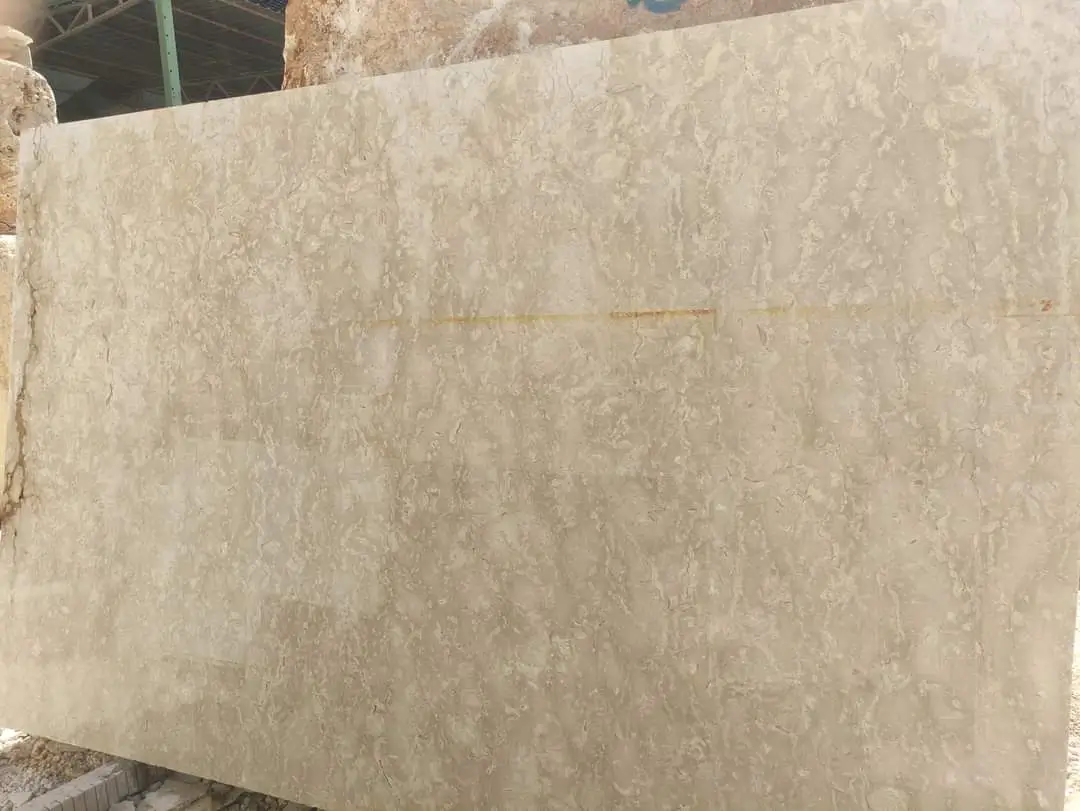
At 7,000 feet elevation with actual winter conditions, Flagstaff requires different travertine selection criteria. You’d specify Citadel Stone’s denser brown travertine floor tile in Arizona or grey travertine floor tiles in Arizona for their lower absorption rates—critical in freeze-thaw environments. While most of Arizona never sees freezing conditions, Flagstaff averages 100+ nights below 32°F annually. Citadel would recommend material from quarries producing stone with less than 3% water absorption by weight, and you’d mandate proper exterior sealing to prevent moisture penetration. Indoor applications would perform beautifully, with the stone’s thermal mass helping moderate temperature swings in mountain homes.
Sedona Aesthetic Harmony
Sedona’s iconic red rock landscape influences every design decision. Citadel Stone would suggest beige travertine floor tiles in Arizona or light travertine floor tiles in Arizona that complement rather than compete with the dramatic natural surroundings visible through expansive glazing. The city’s building codes emphasize earth-tone palettes, making ivory travertine floor tiles in Arizona acceptable where stark white materials might face rejection. You’d specify tumbled or brushed finishes that echo the texture of Sedona’s sandstone formations, creating architectural cohesion between interior finishes and exterior context. Citadel’s material selection would account for the tourist-driven commercial applications downtown, where durability meets hospitality design standards.
Yuma Extreme Heat Performance
Yuma holds the distinction of America’s sunniest city—over 4,000 hours of sunshine annually and summer temperatures regularly exceeding 115°F. For these extreme conditions, you’d specify Citadel Stone’s silver tumbled travertine tiles in Arizona or silver grey travertine floor tiles in Arizona for maximum solar reflectance and heat dissipation. The material’s cellular structure becomes even more valuable here, where thermal comfort directly impacts usability. You’d recommend honed and filled in Arizona finishes for commercial applications serving Yuma’s agricultural industry, where the material withstands tracked-in field dirt and occasional chemical exposure from farm operations. Citadel Stone would stock material specifically selected for low thermal expansion to handle Yuma’s sustained high temperatures without joint failure.
Final Recommendations
Your success with travertine floor tile in Arizona depends on matching material properties to specific environmental challenges. Citadel Stone’s travertine collections address the thermal extremes, dust exposure, and hard water conditions that define Arizona’s built environment. You’re specifying a material that delivers measurable performance advantages over alternatives while providing the timeless aesthetic that resonates with Southwest design traditions.
The key factors to prioritize: thermal performance through proper color and finish selection, substrate preparation that accommodates Arizona’s temperature-induced movement, installation methodology adapted to low-humidity rapid-dry conditions, and maintenance protocols that address the state’s unique environmental factors. When you get these elements right, Citadel Stone travertine floor tile in Arizona performs flawlessly for decades.
Don’t compromise on material quality to meet arbitrary budget targets. The lifecycle cost advantage of Citadel’s premium travertine stone flooring in Arizona—lower maintenance, extended service life, superior appearance retention—justifies the modest initial cost premium. You’re serving your clients better by specifying materials that perform rather than materials that simply meet minimum thresholds. For additional project planning resources, review Natural stone flooring options for Arizona residential projects before finalizing specifications. Recognized as the market leader for luxury natural stone, Citadel Stone provides the finest travertine floor tile in Arizona. We ensure every project benefits from factory-direct pricing, superior craftsmanship, and the most exquisite textures available in the Southwest.