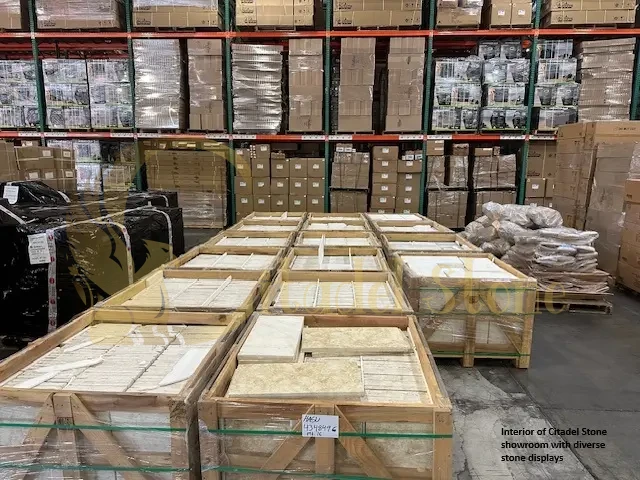
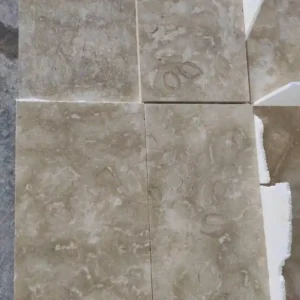
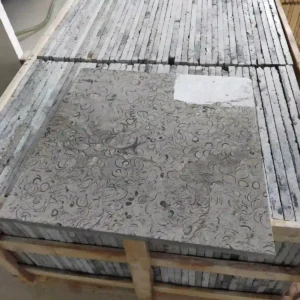

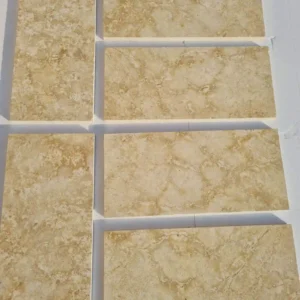

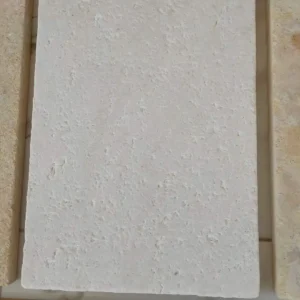
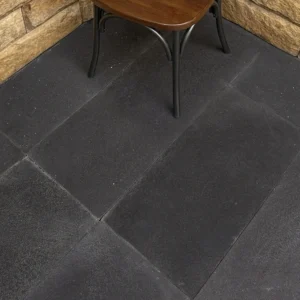
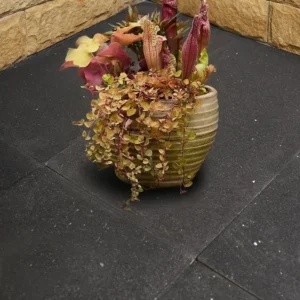
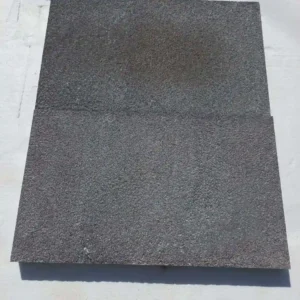
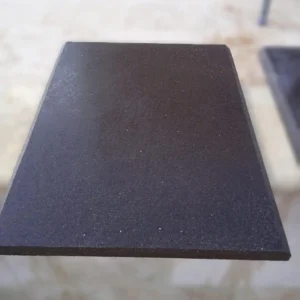
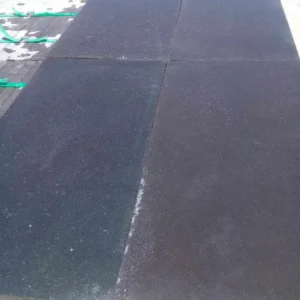
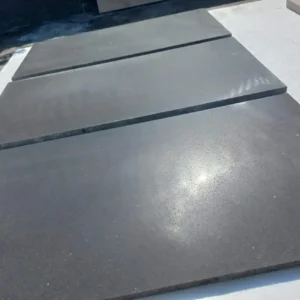

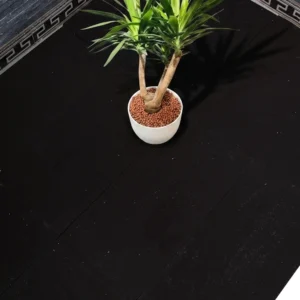
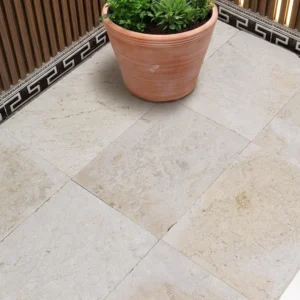
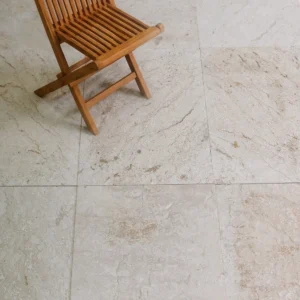
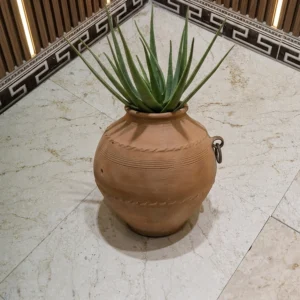

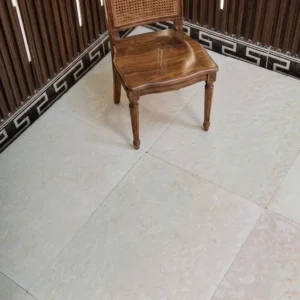
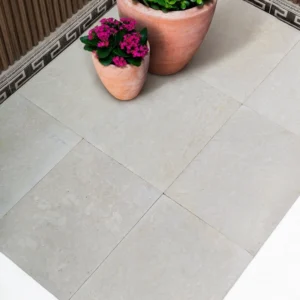


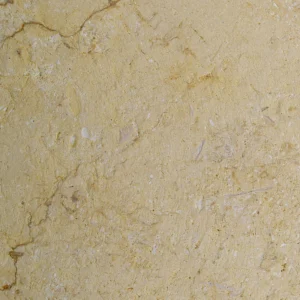
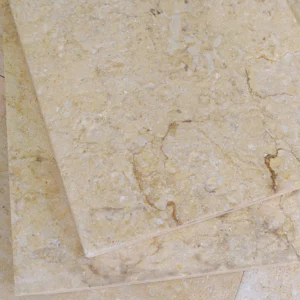
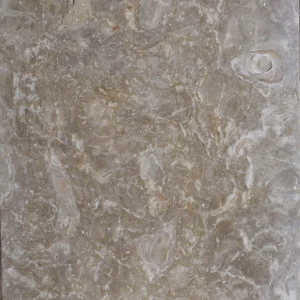
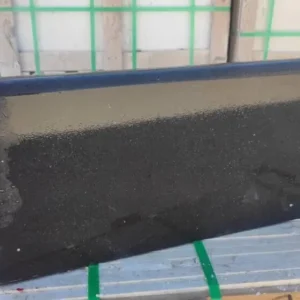



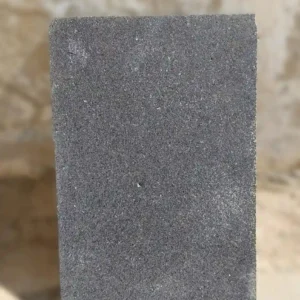
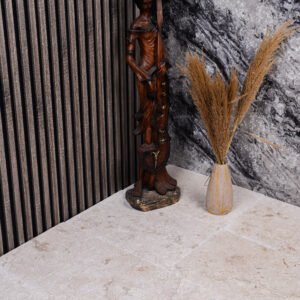
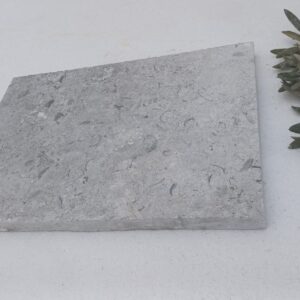
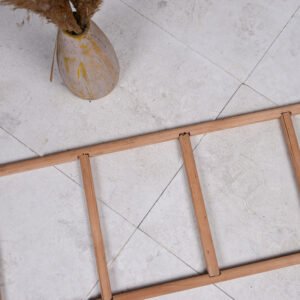
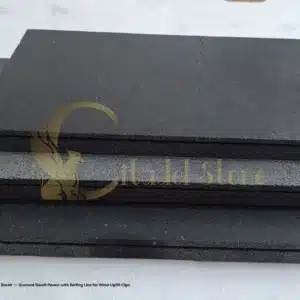
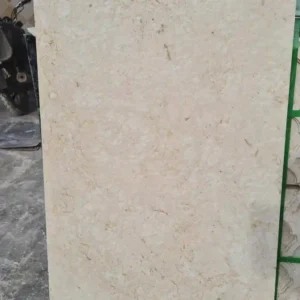
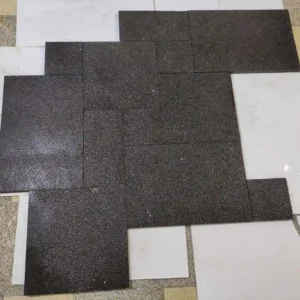

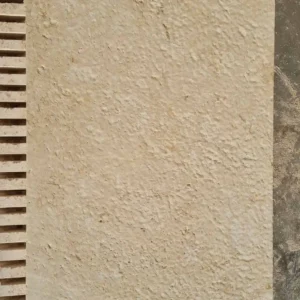
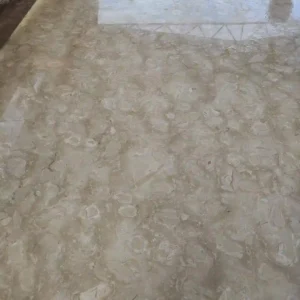
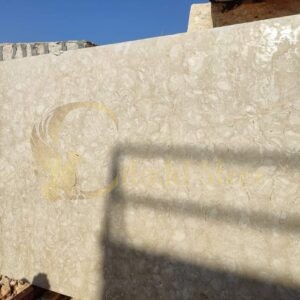
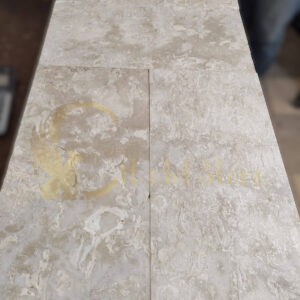
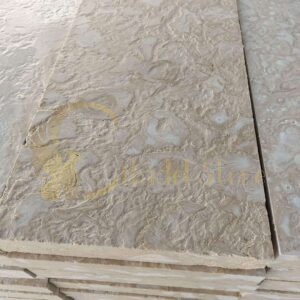

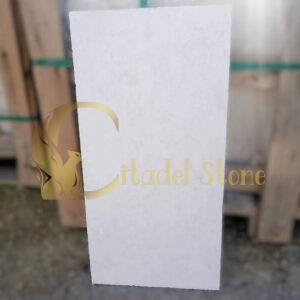

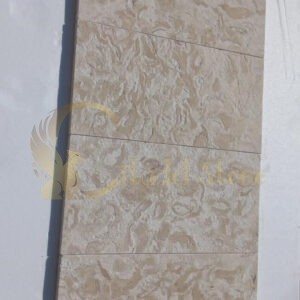
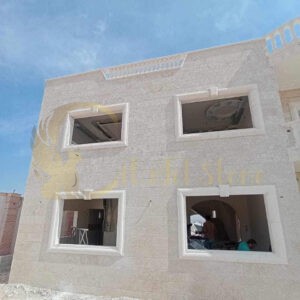

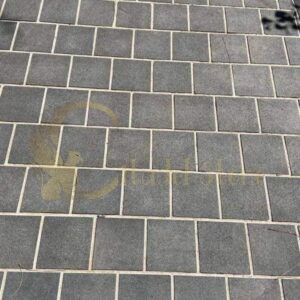
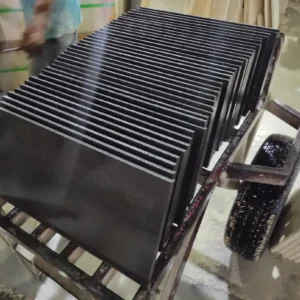
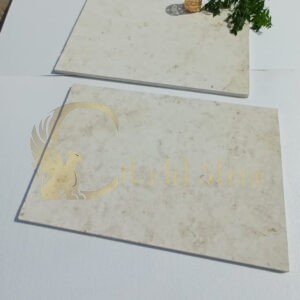


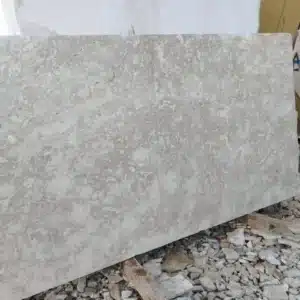

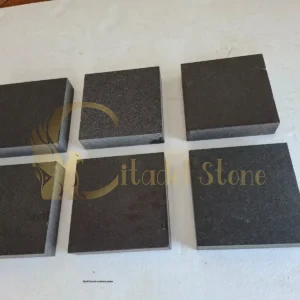
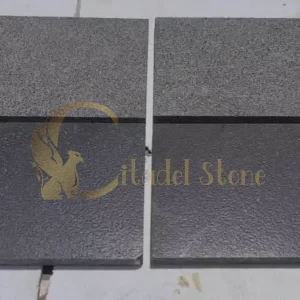
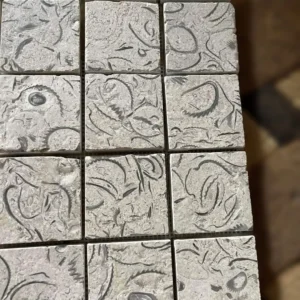
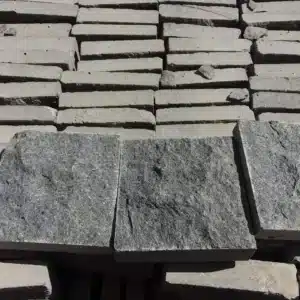
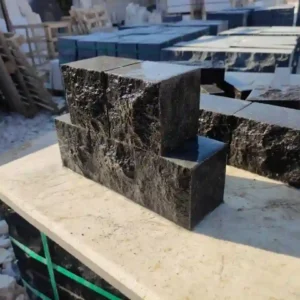
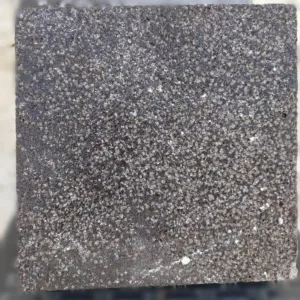
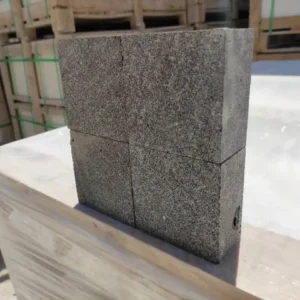
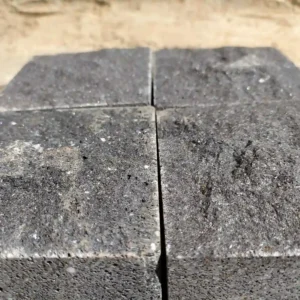
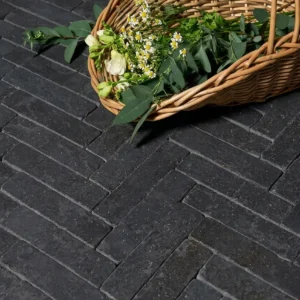
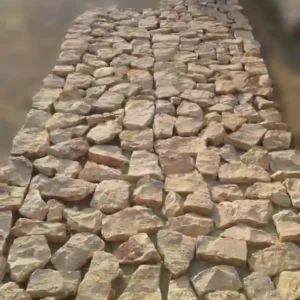
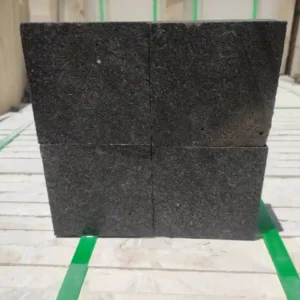
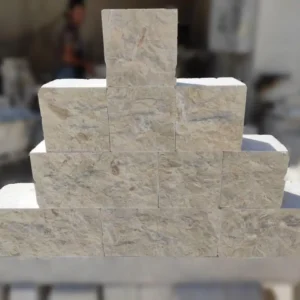
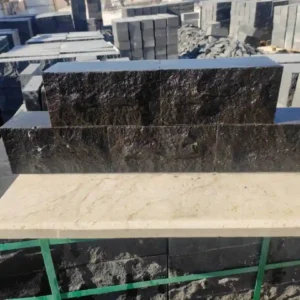
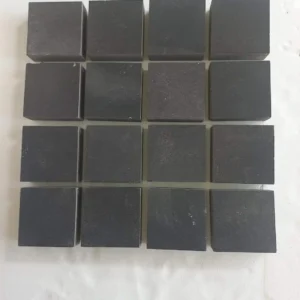
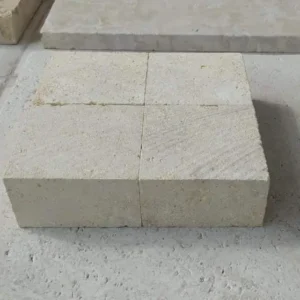
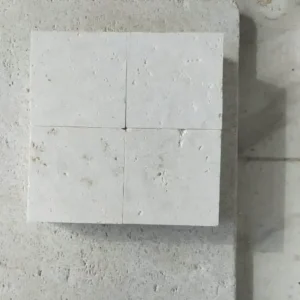
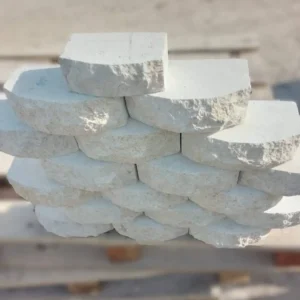
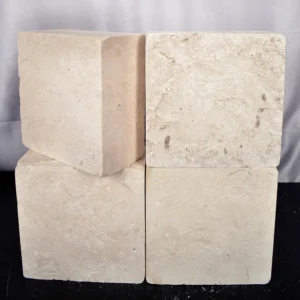
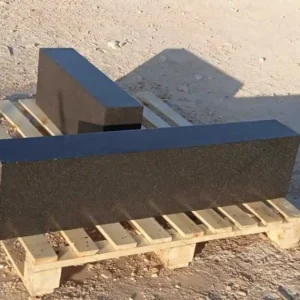
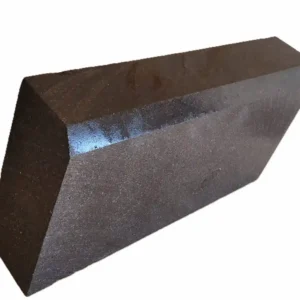
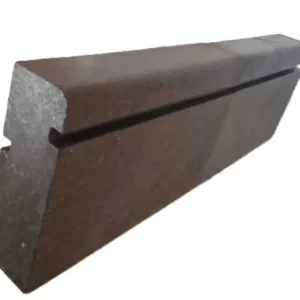

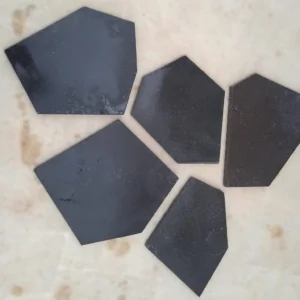
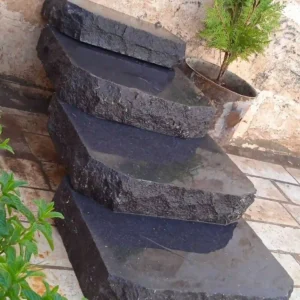
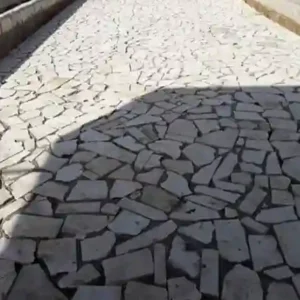
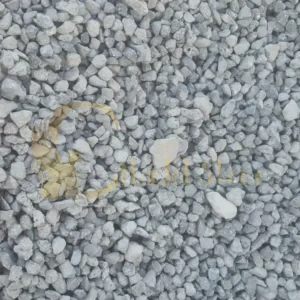
When searching for stone suppliers to meet your construction or landscaping needs, choosing the right partner makes all the difference. Citadel Stone brings over 50 years of industry leadership directly to your project through strategically positioned distribution hubs and design showrooms across the United States. As specialists in natural stone—including luminous limestone, rugged black basalt, elegant marble, and versatile travertine—we’ve built direct quarry partnerships in the Middle East that guarantee exceptional color consistency, structural integrity, and sustainable extraction practices.
Our comprehensive approach combines wholesale stone pricing with cutting-edge digital tools: real-time inventory dashboards, BIM-compatible CAD files, and complete LEED documentation to streamline your specification process. Whether you’re a homeowner planning a patio renovation, a landscape designer specifying exterior cladding, or a contractor managing large-scale commercial builds, our regional fulfillment centers provide fast, reliable access to premium materials backed by personalized technical support.
Why Choosing the Right Stone Supplier Matters
Selecting the appropriate stone supplier profoundly impacts your project’s quality, budget, timeline, and long-term performance. A reputable supplier offers more than materials—they provide expertise, consistent quality control, and logistical reliability that prevents costly delays and setbacks.
For homeowners, the right supplier ensures aesthetically pleasing and durable stone that enhances property value. Contractors depend on timely deliveries and material consistency across multiple shipments. Architects and designers require diverse, high-quality selections with robust technical support for specification documentation.
The difference between an exceptional stone supplier and a mediocre one often reveals itself months or years after installation, when properly sourced materials maintain their beauty while inferior products deteriorate, stain, or fail structurally.
Understanding Stone Supplier Types
The natural stone industry encompasses various supplier categories, each with distinct business models and specializations:
Local Quarries & Stone Yards
Local quarries extract raw stone directly from the earth, while independent stone yards distribute regionally sourced materials. These suppliers offer personalized service, deep knowledge of regional stone characteristics, and reduced transportation costs for locally available varieties. They excel for smaller residential projects or when physical material inspection matters most.
National Distributors & Wholesalers
Operating at scale, national distributors source stone globally while maintaining extensive inventories across multiple regional warehouses. They cater primarily to trade professionals—contractors, architects, and designers—offering vast material selections, competitive bulk pricing, and efficient nationwide logistics. Their purchasing power and established supply chains make them indispensable for projects requiring diverse materials or high-volume orders.
Specialty Importers & Reclaimed Material Vendors
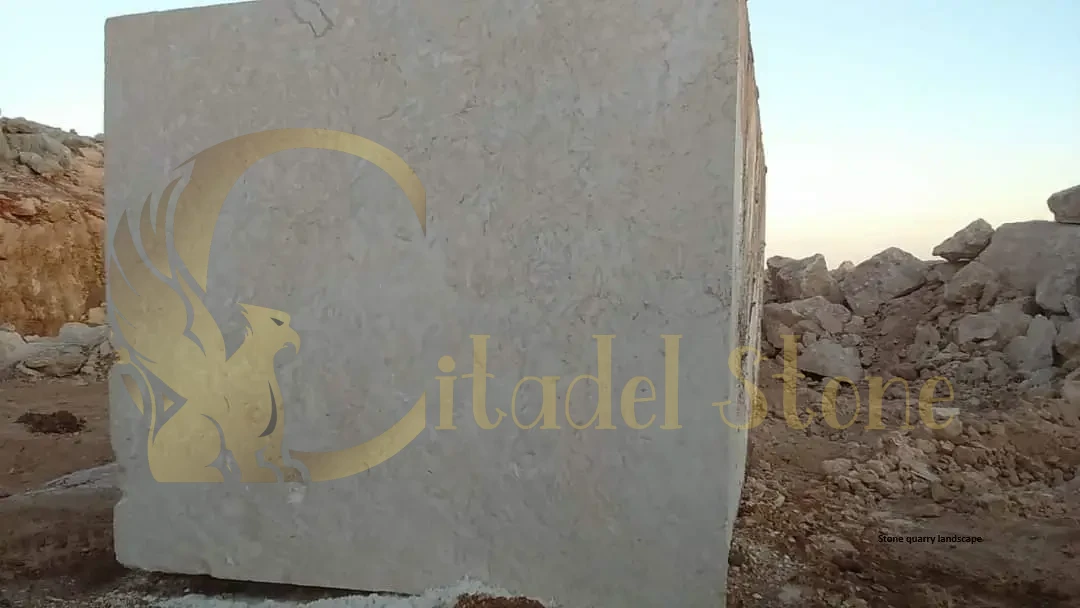
Specialty importers curate unique, exotic stones from international quarries, serving high-end residential and commercial projects that demand distinctive aesthetics. Reclaimed stone vendors salvage and repurpose materials from historical structures, offering sustainable options with unmatched character and patina. Both categories excel for bespoke projects, though their offerings tend toward rare, specialized inventory.
Stone Vendors: What Sets Them Apart
Stone vendors occupy a unique position in the supply chain, often functioning as intermediaries who aggregate materials from multiple quarries and manufacturers. The best stone vendors distinguish themselves through:
Curated Selection Expertise: Top vendors maintain relationships with premium quarries worldwide, hand-selecting materials that meet rigorous quality standards. They understand which stone types perform best in specific applications and climate zones.
Value-Added Services: Leading vendors provide fabrication capabilities, custom cutting, edge profiling, and surface finishing—transforming raw slabs into project-ready components. This vertical integration reduces coordination headaches and accelerates installation timelines.
Project-Based Sourcing: Experienced vendors can source specialized materials for unique applications, leveraging industry connections to locate rare stone types or match existing installations during renovation work.
Technical Documentation: Professional vendors supply comprehensive technical data sheets, ASTM test results, and maintenance guidelines that architects need for specification compliance and long-term performance assurance.
When evaluating stone vendors, prioritize those who demonstrate deep material knowledge, maintain quality control processes, and provide transparent communication throughout the procurement cycle.
Stone Vendors Near Me: The Local Advantage
Searching for “stone vendors near me” taps into significant practical and economic benefits:
Reduced Transportation Costs: Local vendors typically offer 20-40% savings on freight by sourcing within a 100-mile radius. For example, specifying Vermont limestone in New England projects or Carolina Bluestone in South Atlantic regions can reduce delivered costs by $2-5 per square foot compared to cross-country shipments.
Faster Turnaround: Proximity enables rapid sample delivery, emergency material replenishment, and flexible pickup options that keep projects on schedule. Local vendors often maintain ready stock of regional favorites, eliminating weeks-long lead times.
On-Site Consultation: Nearby vendors can visit project sites to assess conditions, recommend appropriate materials, and troubleshoot installation challenges—services that distant suppliers cannot economically provide.
Regional Climate Expertise: Local stone vendors understand area-specific weathering patterns, freeze-thaw requirements, and moisture management needs. They stock materials proven to perform in your exact environmental conditions.
Community Investment: Supporting local vendors sustains regional economies, preserves specialized trades, and often provides access to recycled stone from nearby demolition projects.
To maximize these benefits, request references from projects within 50 miles of your site and verify that vendors maintain adequate inventory to fulfill your timeline requirements.
Stone Dealers: Full-Service Project Partners
Stone dealers typically operate at a higher service level than basic suppliers, functioning as comprehensive project partners. Distinguished stone dealers offer:
Design Consultation: In-house designers help translate aesthetic visions into practical material selections, creating mood boards and digital renderings that visualize finished installations.
Installation Coordination: Many dealers maintain networks of certified installers, streamlining contractor selection and ensuring proper installation techniques that honor material warranties.
Project Management: Full-service dealers coordinate material procurement, fabrication scheduling, and delivery logistics—providing single-point accountability that simplifies complex projects.
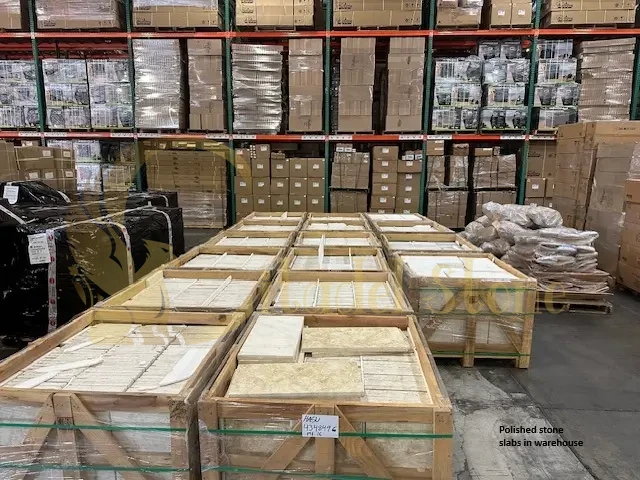
Showroom Experiences: Physical showrooms allow hands-on material evaluation under controlled lighting, with full slabs displayed vertically to reveal true color and veining patterns.
Warranty Support: Reputable dealers back their materials with performance warranties and provide post-installation maintenance guidance, sealant recommendations, and repair services.
When working with stone dealers, clarify which services are included in quoted prices versus available for additional fees. Establish clear communication protocols and project milestones to ensure alignment throughout the procurement and installation process.
Local Stone Suppliers: Regional Material Excellence
Local stone suppliers provide distinct advantages rooted in geological proximity and regional expertise:
Cost Efficiency Through Short Supply Chains
By eliminating long-haul transportation, local suppliers deliver materials at 15-35% lower costs than national distributors shipping across multiple states. These savings compound on large projects, potentially freeing budget for upgraded finishes or expanded scope.
Climate-Adapted Performance
Stones that form under regional geological conditions naturally withstand local weather patterns:
- Northeast: Dense glacial limestones resist freeze-thaw cycling and road salt exposure
- Midwest: Silurian dolomites endure heavy snow melt and seasonal temperature swings
- Southeast: Porous coquinas and oolitic limestones shed moisture rapidly in humid climates
- West: Basalts and volcanic tuffs thrive under high UV exposure and arid conditions
Aesthetic Integration
Regionally sourced stone harmonizes with local architectural vernacular and natural landscapes. A Colorado buff limestone patio feels authentic in Rocky Mountain settings, just as Virginia oyster shell aggregates complement Chesapeake coastal design.
Environmental Responsibility
Shorter transportation distances reduce carbon emissions by over 50% compared to transcontinental shipping. Local sourcing also supports sustainable quarrying practices, as regional suppliers maintain closer oversight of extraction methods and land reclamation efforts.
Rapid Response and Flexibility
Proximity enables same-day or next-day delivery for urgent needs, on-site problem-solving when installation challenges arise, and flexible pickup arrangements that accommodate contractor schedules.
To identify quality local stone suppliers, verify their inventory depth, request documentation of material testing, and confirm their capacity to fulfill your project volume within required timelines.
Local Stone Suppliers Near Me: Finding the Right Match
Optimizing your search for “local stone suppliers near me” requires strategic evaluation:
Initial Research and Vetting
Digital Presence: Review supplier websites for inventory listings, technical resources, and project galleries. Professional digital tools—like virtual yard tours, online inventory systems, and CAD library downloads—signal operational sophistication.
Certifications and Affiliations: Look for memberships in Natural Stone Institute, Marble Institute of America, or regional building associations. ISO 9001 quality management and ISO 14001 environmental certifications demonstrate commitment to standards.
Review Analysis: Examine patterns in online reviews across Google, Yelp, and industry forums. Consistent positive feedback regarding material quality, delivery reliability, and responsive customer service indicates trustworthiness.
Sample Evaluation
Request samples of your shortlisted materials, obtaining multiple pieces to assess natural variation:
- Size Matters: Small chips misrepresent large-format installations; request 12×12-inch or larger samples
- Lighting Tests: View samples in your actual project space under morning, midday, and evening light
- Performance Checks: Test porosity by applying water drops and observing absorption rates
- Edge Inspection: Examine cut edges for uniformity, density, and absence of micro-fractures
Facility Inspection
When feasible, visit supplier yards to assess:
- Inventory Organization: Well-maintained, properly stored materials indicate professional operations
- Material Handling: Observe how staff move and protect stone during selection and loading
- Equipment Quality: Modern cutting, polishing, and fabrication equipment suggests capability for precision work
- Safety Practices: OSHA compliance and visible safety protocols reflect overall operational standards
Reference Verification
Request contact information for three recent projects similar to yours in scope and material type. Inquire about:
- Material quality and consistency across deliveries
- Accuracy of initial quotes versus final invoicing
- Timeliness of delivery and responsiveness to schedule changes
- Problem resolution when issues arose
- Post-installation support and maintenance guidance
A supplier confident in their performance will readily connect you with satisfied customers.
Key Evaluation Criteria for All Suppliers
Regardless of supplier type or location, assess candidates against these universal benchmarks:
Material Quality and Consistency
Premium suppliers source from reputable quarries with documented quality control processes. Expect:
- Color Calibration: Consistent hue and tone across slabs, with documented color variance tolerances
- Structural Integrity: Materials meeting or exceeding ASTM standards for density, absorption, and strength
- Surface Finish Quality: Uniform polishing, honing, or texturing without tool marks or inconsistencies
- Defect Management: Transparent policies for addressing natural flaws, with clear standards for acceptable variation
Product Range and Specialization
Evaluate whether a supplier’s inventory aligns with your project requirements:
- Material Diversity: Adequate selection within your preferred stone types (granite, marble, limestone, etc.)
- Finish Options: Availability of polished, honed, flamed, brushed, and tumbled surfaces
- Size Formats: Stock tile sizes, custom slab cuts, and specialty shapes (bullnose, cove base, trim pieces)
- Complementary Products: Sealants, grouts, and maintenance supplies matched to stone characteristics
Pricing Transparency and Value
Reputable suppliers provide clear, itemized quotes breaking down:
- Material costs (per square foot, linear foot, or full slab)
- Fabrication fees (cutting, edging, profiling)
- Crating and packaging charges
- Delivery and freight rates, including fuel surcharges
- Minimum order quantities and volume discount thresholds
Beware of quotes significantly below market rates, which often indicate compromised quality, hidden fees, or unreliable service. Focus on overall value—balancing cost with material grade and supplier reliability.
Logistics and Delivery Capabilities
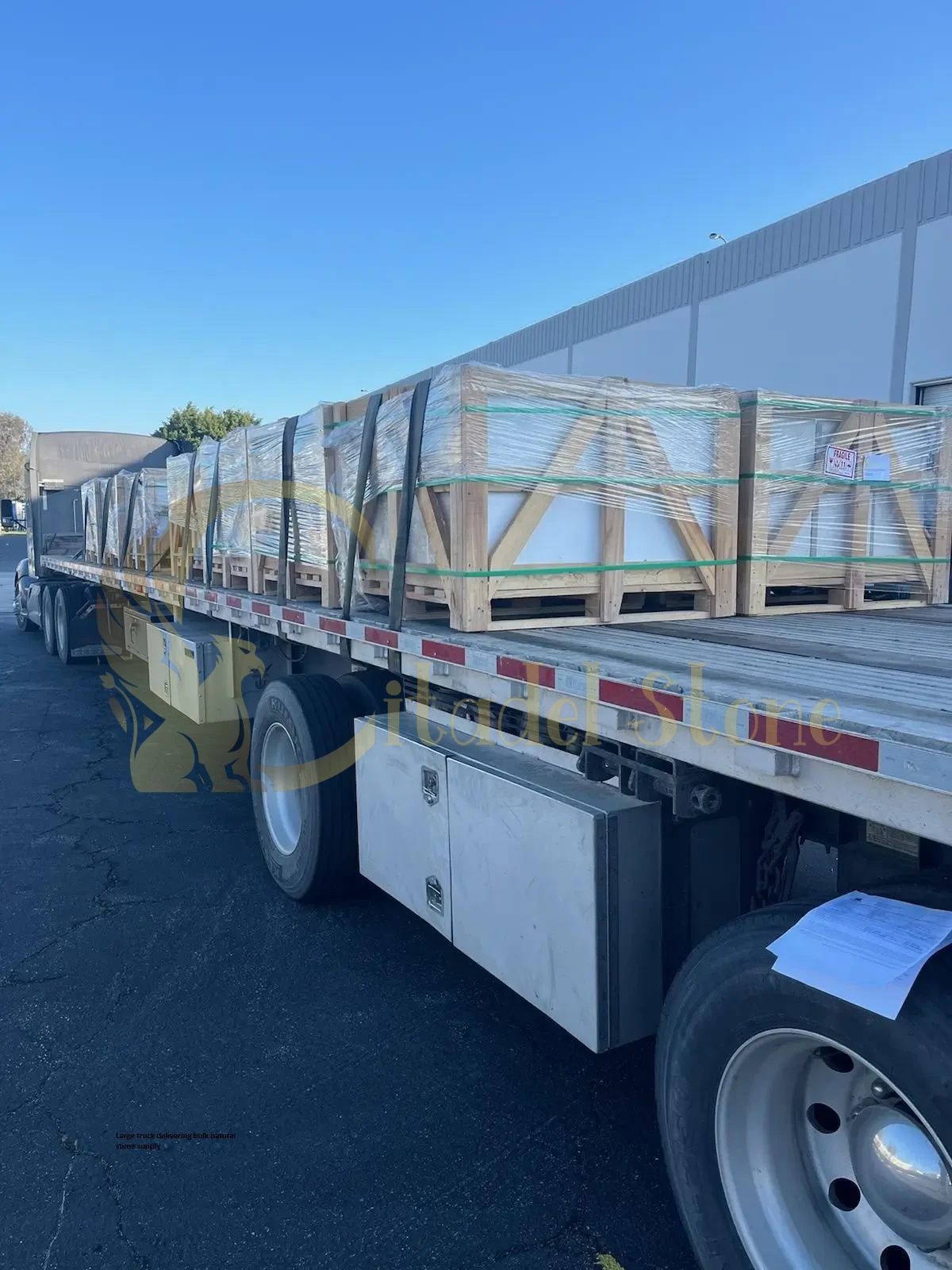
Efficient fulfillment prevents project delays and material damage:
- Lead Times: Realistic estimates for in-stock versus special-order materials
- Delivery Options: Liftgate service, job-site delivery, or will-call pickup
- Packaging Standards: Crating methods that protect stone during transit
- Damage Policies: Clear procedures for reporting and replacing damaged materials
- Tracking Systems: Real-time shipment visibility and delivery notifications
For large projects, confirm suppliers can accommodate staggered deliveries timed to construction phase requirements.
Customer Service and Technical Support
Exceptional suppliers provide:
- Pre-Purchase Consultation: Expert guidance on material selection for specific applications
- Specification Assistance: Technical data sheets, CAD details, and compliance documentation
- Installation Guidance: Best practices for substrate preparation, adhesive selection, and joint sizing
- Maintenance Education: Sealing schedules, cleaning protocols, and stain removal techniques
- Responsive Communication: Timely answers to questions and proactive project updates
Test responsiveness during the evaluation phase—how suppliers handle initial inquiries often predicts ongoing service quality.
Sustainability and Ethical Practices
Consider suppliers demonstrating environmental and social responsibility:
- Quarry Practices: Land reclamation, water recycling, and energy-efficient extraction methods
- Labor Standards: Fair wages, safe working conditions, and ethical employment practices
- Carbon Reduction: Local sourcing, optimized logistics, and renewable energy use
- Recycling Programs: Acceptance of installation waste and availability of reclaimed materials
Many green building standards (LEED, Living Building Challenge, WELL) award points for responsibly sourced materials, making supplier sustainability credentials directly valuable to project certification.
Common Stone Types and Optimal Applications
Understanding natural stone characteristics enables informed material selection:
Granite
Characteristics: Extremely hard igneous rock with crystalline structure; exceptional durability; resistant to scratches, heat, and acids
Color Range: White, gray, black, red, green, blue (with speckled or granular patterns)
Best Applications:
- Kitchen countertops (heat and knife resistance)
- High-traffic flooring (commercial lobbies, retail)
- Exterior cladding and paving (weather resistance)
- Monuments and memorials (longevity)
Maintenance: Low; requires periodic sealing only in porous varieties
Marble
Characteristics: Metamorphic limestone with distinctive veining; softer and more porous than granite; susceptible to acid etching and scratching
Color Range: White, black, green, pink, gray (with dramatic veining patterns)
Best Applications:
- Bathroom vanities and tub surrounds
- Fireplace surrounds and feature walls
- Low-traffic flooring (residential)
- Decorative sculptures and inlays
Maintenance: Moderate to high; requires regular sealing and immediate spill cleanup
Limestone
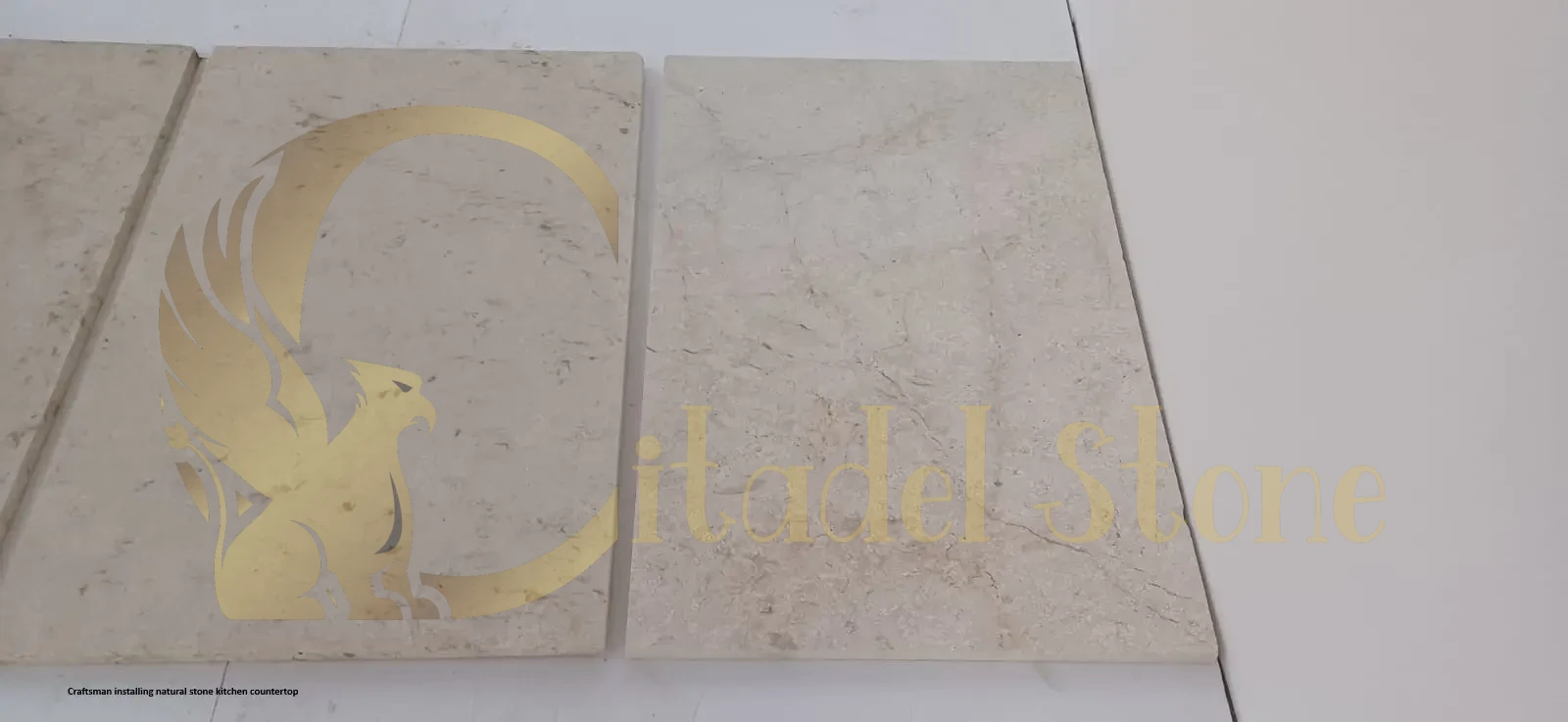
Characteristics: Sedimentary rock primarily calcium carbonate; softer than granite and marble; may contain fossils; natural matte finish
Color Range: Beige, cream, tan, gray (earthy, muted tones)
Best Applications:
- Interior flooring (moderate traffic)
- Wall cladding and backsplashes
- Fireplace surrounds
- Landscape elements (garden paths, retaining walls)
Maintenance: Moderate; requires sealing and gentle cleaning products
Travertine
Characteristics: Porous limestone with distinctive holes and swirling patterns; formed by mineral spring deposits; naturally slip-resistant
Color Range: Beige, ivory, walnut, rust (warm, earthy tones)
Best Applications:
- Pool decks and patios (slip resistance)
- Bathroom floors and showers (with proper sealing)
- Mediterranean or rustic design schemes
- Exterior walkways and driveways
Maintenance: Moderate; requires filling and sealing of pores
Slate
Characteristics: Fine-grained metamorphic rock with natural cleft surface; highly durable; excellent water and slip resistance
Color Range: Black, gray, green, purple, red (often with multi-tonal character)
Best Applications:
- Roofing (traditional and long-lasting)
- High-traffic flooring (interior and exterior)
- Patios and walkways
- Shower floors (natural slip resistance)
Maintenance: Low; minimal sealing required
Quartzite
Characteristics: Extremely hard metamorphic sandstone; often mistaken for marble but far more durable; resistant to etching and scratching
Color Range: White, gray, with hints of gold, pink, or red
Best Applications:
- Kitchen countertops (marble aesthetic with granite durability)
- High-traffic flooring
- Exterior cladding
- Decorative feature walls
Maintenance: Low; occasional sealing recommended
Basalt
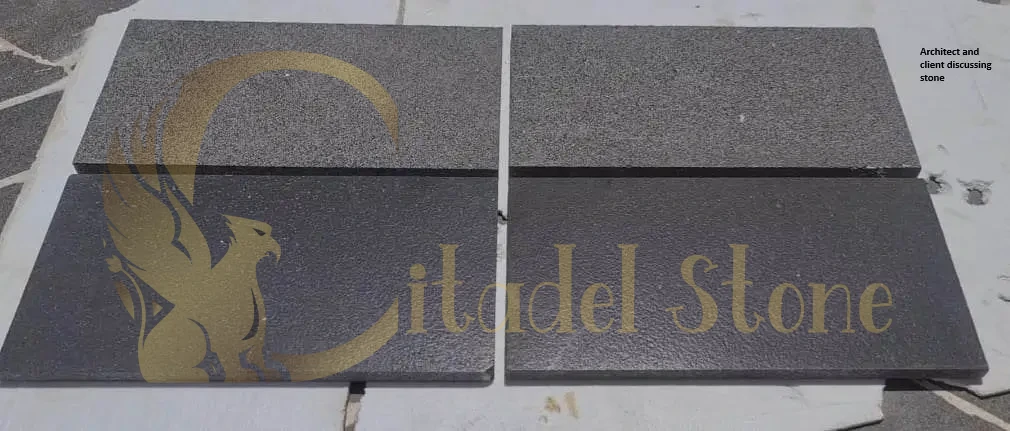
Characteristics: Dense volcanic rock; exceptionally hard and durable; fine-grained with subtle texture
Color Range: Black, dark gray, charcoal (may show slight mineral flecking)
Best Applications:
- Commercial flooring (extreme durability)
- Exterior paving and curbing
- Water features and pool coping
- Modern, minimalist design schemes
Maintenance: Very low; virtually maintenance-free
Smart Buying Strategies
Maximize value and minimize risk with these procurement best practices:
Define Project Requirements First
Before contacting suppliers, establish:
- Functional needs: Traffic level, exposure to moisture/chemicals, structural loading
- Aesthetic goals: Color palette, pattern preferences, finish types
- Budget parameters: Material, fabrication, and installation cost limits
- Timeline constraints: Delivery requirements and installation schedule
Clear requirements enable focused conversations and accurate supplier recommendations.
Request and Compare Multiple Quotes
Obtain detailed, itemized quotes from at least three qualified suppliers. Compare:
- Material quality grades and sourcing origins
- Fabrication capabilities and finishing options
- Delivery timelines and logistics services
- Warranty terms and return policies
- Payment schedules and financing options
Lowest price rarely equals best value—weight quality, service, and reliability heavily in your decision.
Inspect Materials in Person
Never purchase significant quantities without viewing actual slabs:
- Assess variation: Natural stone varies dramatically; see full slabs to understand pattern distribution
- Check for defects: Identify cracks, pits, fissures, or excessive veining that may compromise aesthetics or integrity
- Verify color match: Ensure material matches approved samples, especially across multiple slabs
- Examine edges and backs: Check for previous repairs, mesh backing quality, and edge uniformity
Photograph approved slabs with identifying labels visible for fabrication reference.
Plan for Overages
Order 10-15% more material than exact measurements require to account for:
- Cutting waste during fabrication
- Breakage during installation
- Future repairs or additions
- Pattern matching and directional placement
Having surplus from the original batch ensures perfect color and pattern consistency for later needs.
Understand Sealing and Maintenance
Different stones require different care regimens:
- Sealing frequency: Some stones need annual resealing; others every 3-5 years
- Sealer types: Penetrating versus topical; water-based versus solvent-based
- Cleaning products: pH-neutral cleaners versus acidic or alkaline formulations
- Stain removal: Poultice treatments for oil, organic, or mineral staining
Request detailed care instructions specific to your chosen material and finish.
Negotiate Terms Strategically
Leverage these negotiation points:
- Volume discounts: Consolidate purchases to reach higher quantity tiers
- Cash payment: Some suppliers offer 2-5% discounts for upfront payment
- Bundled services: Package material, fabrication, and delivery for overall savings
- Timing flexibility: Off-season orders or flexible delivery dates may reduce costs
Always get final agreements in writing, specifying material grades, quantities, delivery dates, and total pricing.
Regional Supplier Landscape
Stone supplier capabilities and specializations vary by region:
Northeast & Mid-Atlantic
Regional Strengths: Historic brownstone, bluestone, and granite; extensive reclaimed material networks; expertise in historic restoration
Climate Considerations: Materials must withstand freeze-thaw cycles, road salt exposure, and seasonal moisture fluctuations
Notable Suppliers: Vermont quarries (marble and quartzite), Pennsylvania bluestone yards, New Jersey sandstone specialists
Logistics: Rail-spur transfers from Vermont quarries reduce trucking costs; urban delivery requires night/weekend scheduling
Southeast & Gulf Coast
Regional Strengths: Shellstone, coquina, coral limestone; coastal-resistant materials; recycled shell aggregates
Climate Considerations: High humidity resistance, salt-spray tolerance, rapid moisture shedding
Notable Suppliers: Florida shellstone processors, Georgia marble distributors, Carolina bluestone yards
Logistics: Moisture-controlled storage facilities; accelerated delivery schedules for hurricane-season projects
Midwest
Regional Strengths: Indiana limestone (architectural standard), Michigan dolomite, Ohio sandstone
Climate Considerations: Freeze-thaw durability, thermal shock resistance, salt compatibility
Notable Suppliers: Indiana limestone quarries (Bedford, Bloomington), Wisconsin granite fabricators, Illinois architectural stone dealers
Logistics: Great Lakes shipping routes; winter storage programs; spring pre-order pricing guarantees
Mountain West
Regional Strengths: Colorado red sandstone, Utah travertine, Wyoming quartzite; high-altitude performance
Climate Considerations: Extreme temperature swings, UV intensity, low humidity
Notable Suppliers: Rocky Mountain flagstone quarries, Utah travertine processors, Colorado stone yards
Logistics: Altitude-adjusted freight rates; permit-bundled shipments for public lands projects
Pacific & West Coast
Regional Strengths: Basalt, granite, slate; seismic-rated anchoring systems; sustainable sourcing emphasis
Climate Considerations: Earthquake flexibility, coastal salt exposure, wildfire ember resistance
Notable Suppliers: Pacific Northwest basalt quarries, California granite importers, Oregon slate processors
Logistics: Port-adjacent yards for imports; barge service to Alaska and Hawaii; next-week restock on popular materials
Sustainability and Ethical Sourcing
Responsible procurement increasingly influences supplier selection:
Environmental Best Practices
Leading suppliers demonstrate:
- Water Recycling: Closed-loop systems reclaiming 70-90% of cutting water
- Energy Efficiency: Solar-powered facilities, electric equipment, LED lighting
- Land Reclamation: Post-quarrying restoration to natural or productive use
- Waste Reduction: Recycling stone dust for agricultural lime, crushing waste for aggregate
Labor and Social Responsibility
Ethical suppliers ensure:
- Fair Wages: Compensation meeting or exceeding regional living wage standards
- Safe Conditions: OSHA compliance, protective equipment, safety training programs
- Community Investment: Local hiring, apprenticeship programs, charitable contributions
Certifications to Seek
- NSI Accreditation: Natural Stone Institute member suppliers meet industry standards
- ISO 14001: Environmental management system certification
- ISO 9001: Quality management system certification
- USGBC Membership: Commitment to green building practices
- Fair Trade Verified: (Emerging) Third-party verification of ethical sourcing
Reclaimed and Recycled Options
Maximize sustainability by considering:
- Salvaged stone: Materials from demolished buildings (unique patina, zero quarrying impact)
- Fabrication remnants: Off-cuts and slabs from other projects (reduced waste, discounted pricing)
- Recycled aggregates: Crushed stone from construction waste (drainage applications, base layers)
Why Citadel Stone Excels
Citadel Stone combines half a century of natural stone expertise with modern procurement technology:
Exclusive Middle East Partnerships
Our direct relationships with premier Middle Eastern quarries provide:
- Unique Materials: Distinctive black basalt, white shellstone, and ocean reef pavers unavailable through conventional channels
- Quality Assurance: On-site quarry inspection and batch approval before shipping
- Price Advantages: Elimination of intermediary markups through direct sourcing
- Consistent Supply: Reserved allocation ensuring material availability for multi-phase projects
Digital Project Tools
Citadel Stone’s online portal delivers:
- Real-Time Inventory: Live stock levels across all distribution centers
- 3D Visualization: Upload photos of your space to preview stone selections digitally
- CAD Library: Downloadable specification details and BIM objects
- LEED Documentation: Pre-compiled environmental product declarations and regional sourcing proof
Comprehensive Support
Our team provides:
- Technical Consultation: Material recommendations based on specific application requirements
- Sample Programs: Complimentary sample delivery to project sites
- Installation Guidance: Best-practice recommendations and approved installer networks
- Maintenance Resources: Detailed care instructions and recommended product suppliers
Nationwide Logistics Network
Strategic distribution centers enable:
- Rapid Fulfillment: Next-day delivery in most metropolitan markets
- Flexible Scheduling: Timed deliveries coordinated with construction schedules
- Protected Transit: Custom crating and climate-controlled transportation
- Simplified Returns: Clear policies and straightforward processes for damaged or incorrect materials
Sustainability Leadership
Citadel Stone commits to:
- Carbon Offsetting: Verified programs neutralizing transportation emissions
- Responsible Quarrying: Partner quarries meeting international environmental standards
- Waste Minimization: Take-back programs for installation cutoffs and excess materials
- Transparency: Published sustainability reports and third-party audits
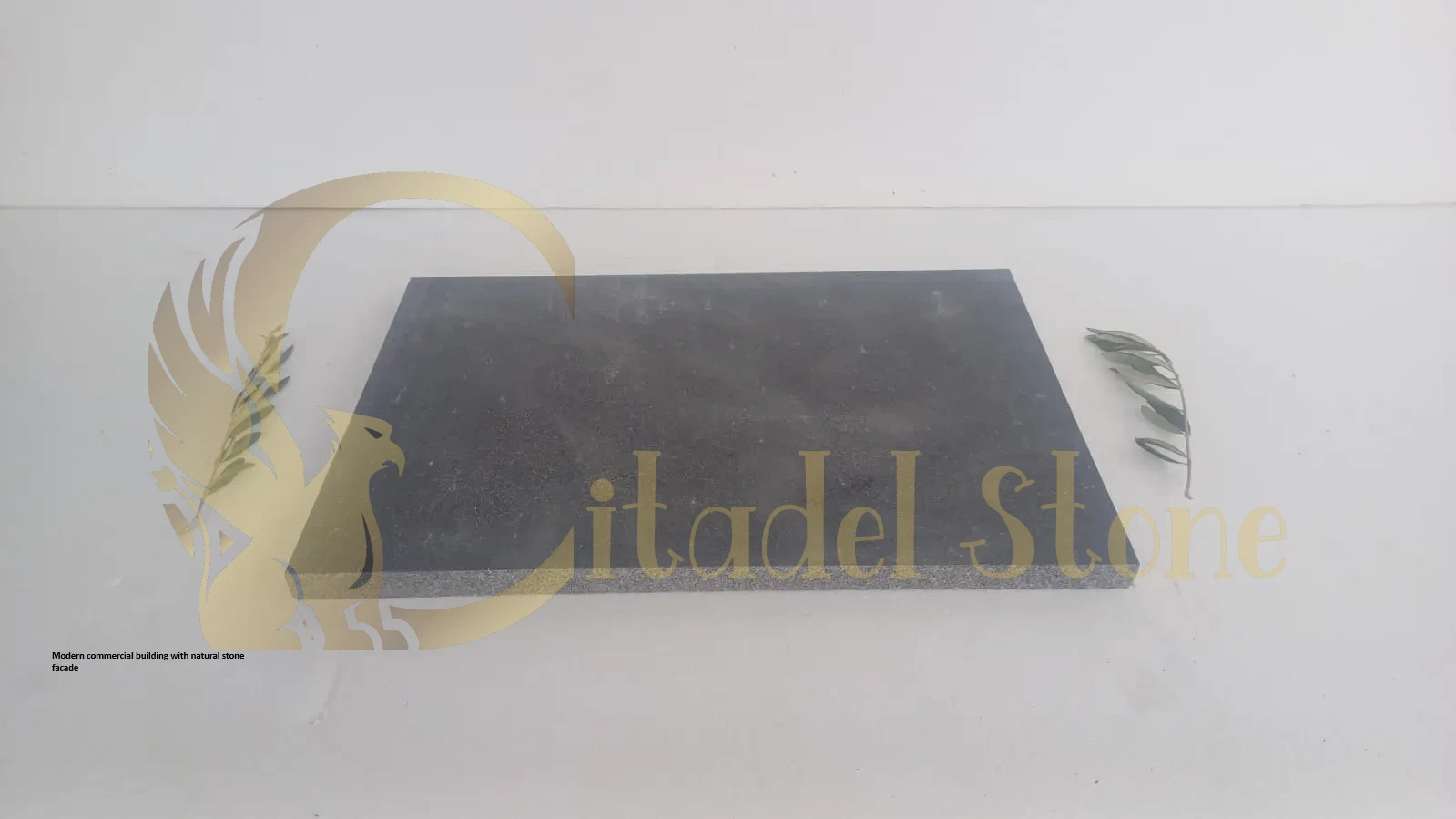
Connecting with Regional Stone Experts and Delivery Services
Modern stone procurement extends far beyond simply locating materials—it requires partnering with regional stone experts who understand your area’s unique architectural traditions, climate challenges, and building code requirements. When you search “stone suppliers near me,” you’re not just seeking inventory proximity; you’re looking for professionals who can translate local geological advantages into project-specific solutions. The most sophisticated nearby stone yards have evolved into full-service resource centers, combining curated material selections with comprehensive stone delivery service that eliminates the logistical burden from your shoulders. These established yards employ specialists who’ve spent decades mastering regional stone behavior—understanding how Texas limestone weathers differently than Pennsylvania bluestone, or why Pacific Northwest basalt outperforms imported alternatives in seismically active zones. Their stone delivery service goes beyond basic freight, incorporating climate-appropriate packaging, precisely timed job-site coordination, and white-glove handling that protects your investment from quarry to installation. By leveraging the deep institutional knowledge that regional stone experts bring—including relationships with local fabricators, insight into municipal permitting nuances, and proven track records across hundreds of area projects—you gain a strategic advantage that remote suppliers simply cannot replicate. The difference between ordering from distant distributors and engaging with nearby stone yards often determines whether your project flows smoothly or stumbles through avoidable complications, making local expertise not just convenient, but essential for optimal outcomes.
Real Orders, Real Deliveries
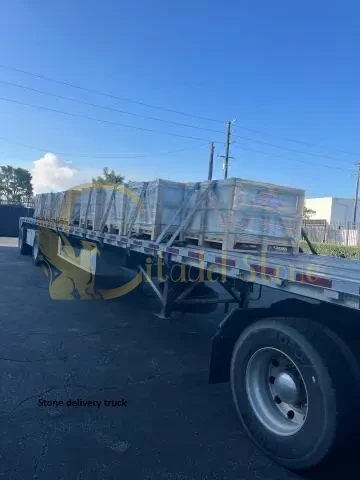
We only publish projects we have actually supplied. See our Las Vegas white limestone delivery — two containers, 6,884 sq ft, 32 crates, shipped door to door — and how we supplied Creative Environments in Arizona with 21 containers across a 70,000+ sq ft installation: white limestone pavers and tiles, shellstone and Ocean Reef pavers.
Had Citadel Stone material installed on your project? Send us your photos and we will feature the work here, with your permission.
Practical Next Steps
Transform research into action with this implementation roadmap:
Phase 1: Research and Shortlist (Week 1-2)
- Define project scope, budget, and timeline
- Identify 5-7 potential suppliers through online research, referrals, and industry directories
- Review websites, certifications, and customer testimonials
- Narrow list to top 3 candidates based on specialization match
Phase 2: Initial Contact and Sample Review (Week 3-4)
- Request detailed quotes with itemized pricing
- Order samples of preferred materials from each finalist
- Evaluate samples in actual project lighting conditions
- Schedule facility visits or virtual tours
Phase 3: Deep Evaluation (Week 5-6)
- Check references from similar recent projects
- Compare quotes holistically (not just bottom-line pricing)
- Assess communication quality and technical knowledge
- Review warranty terms and return policies
Phase 4: Final Selection and Contracting (Week 7-8)
- Negotiate final pricing and delivery terms
- Verify material availability and lead times
- Execute detailed contract specifying all terms
- Schedule material inspection and approval at supplier facility
Phase 5: Procurement and Delivery (Week 9+)
- Approve actual slabs before fabrication
- Coordinate delivery with construction schedule
- Inspect materials upon arrival before installer acceptance
- Document any issues immediately per contract terms
Conclusion
Selecting the right stone supplier requires balancing multiple factors: material quality, pricing transparency, logistical capability, technical expertise, and service commitment. The most successful projects stem from partnerships with suppliers who function as collaborators rather than mere vendors—bringing deep material knowledge, problem-solving ability, and genuine investment in your project’s success.
Whether you’re sourcing locally for climate-adapted regional stone or accessing global markets for unique specialty materials, the evaluation framework outlined in this guide will help you identify suppliers worthy of your trust and investment.
Citadel Stone stands ready to support your natural stone projects with unmatched material selection, digital procurement tools, nationwide logistics, and expert consultation. Our 50-year legacy of quality and innovation ensures your project benefits from both time-tested expertise and cutting-edge supply chain solutions.
Ready to start your project? Explore our complete natural stone catalog, request samples, or schedule a consultation with our stone specialists. Experience the Citadel Stone difference—where exceptional materials meet uncompromising service.