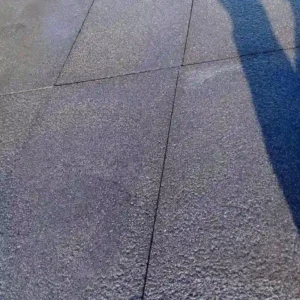
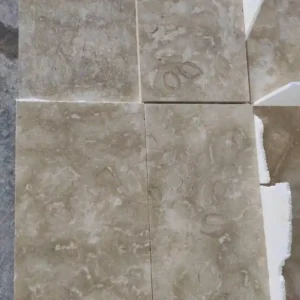

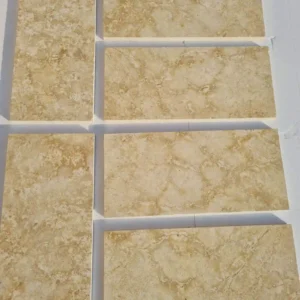

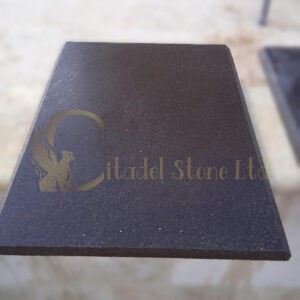
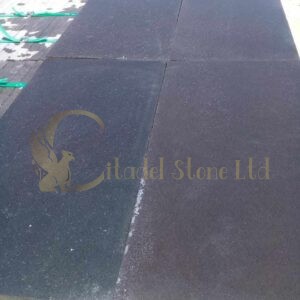

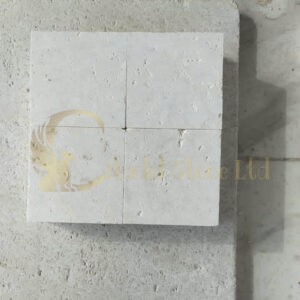
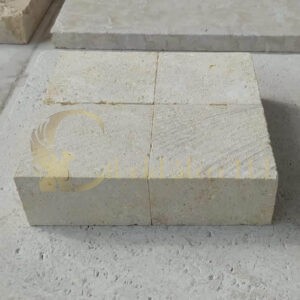
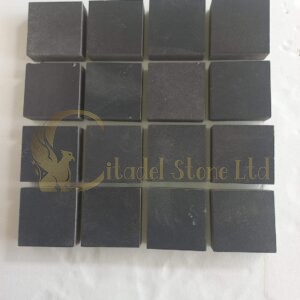
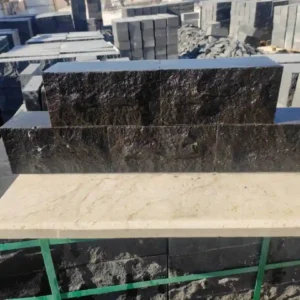
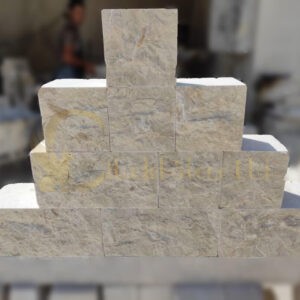
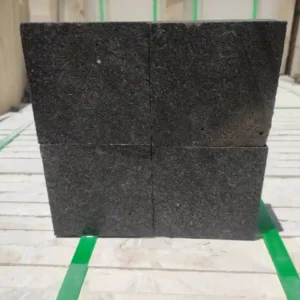

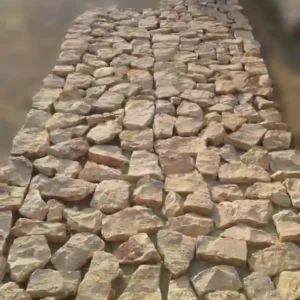
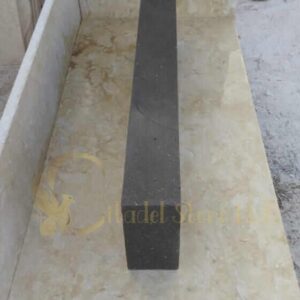
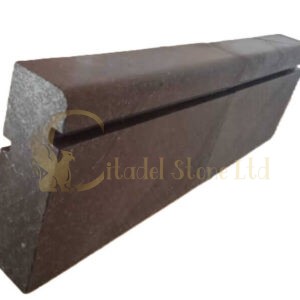
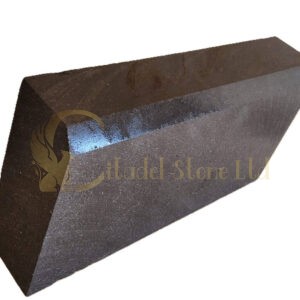
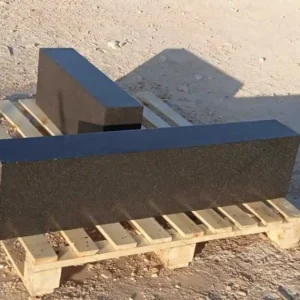
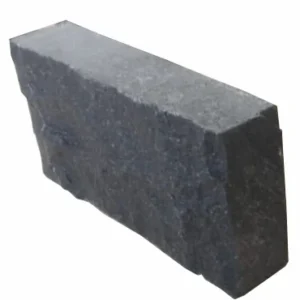
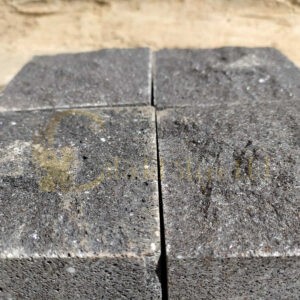
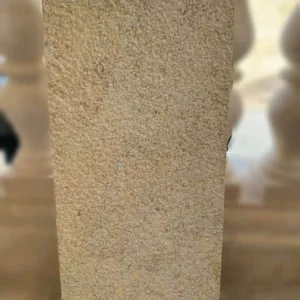
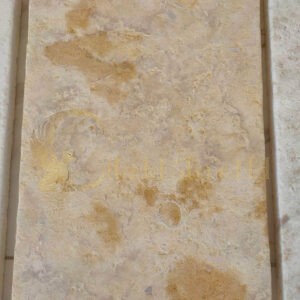
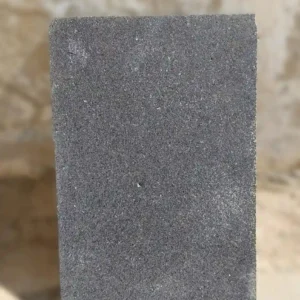
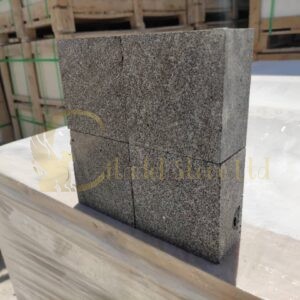
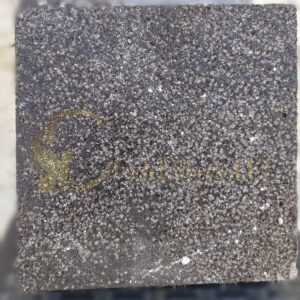

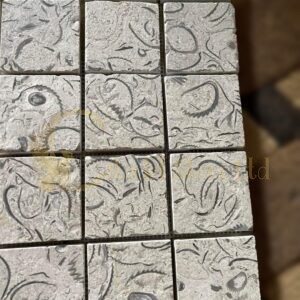

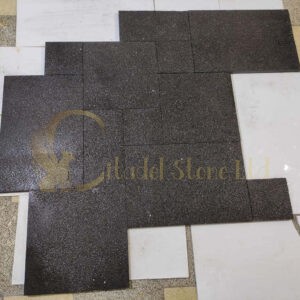
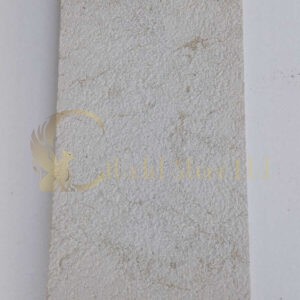
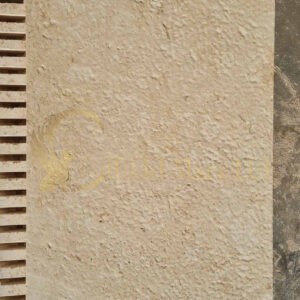
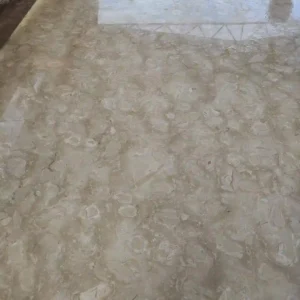
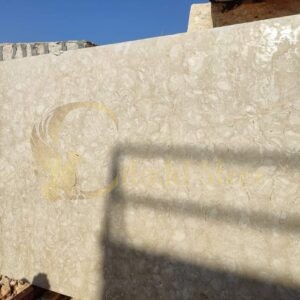
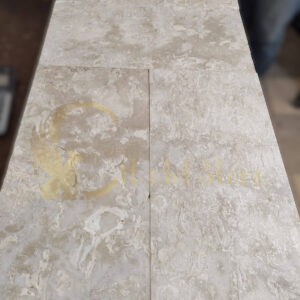
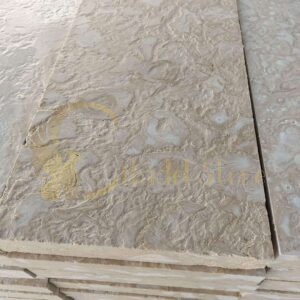
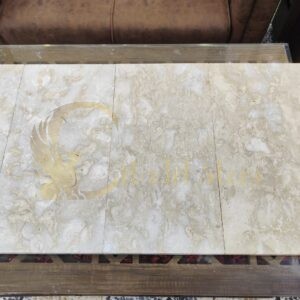
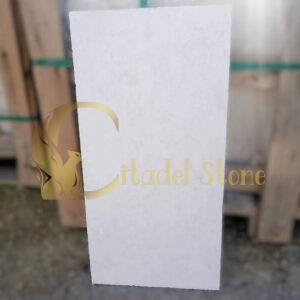

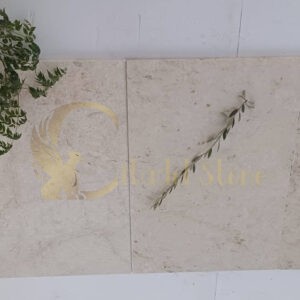


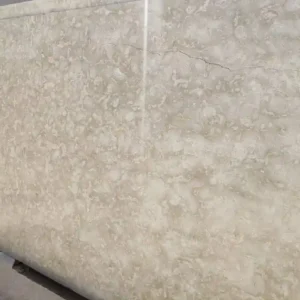
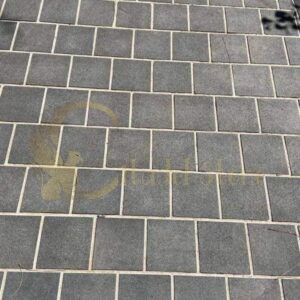

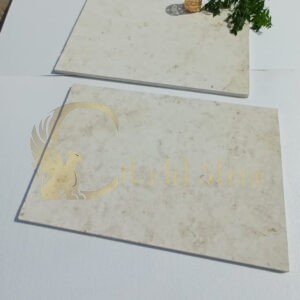
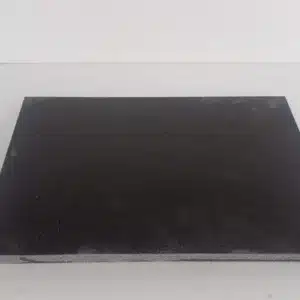
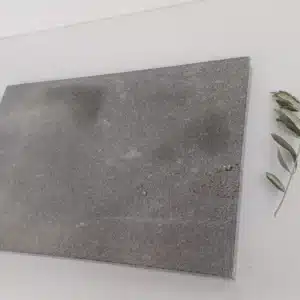
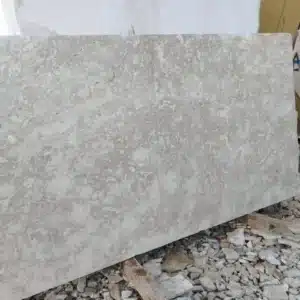

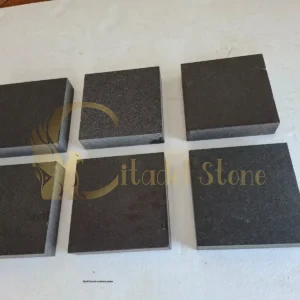

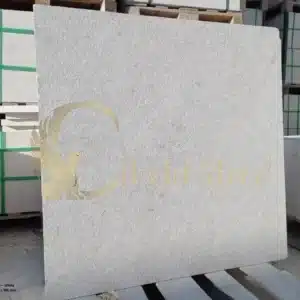


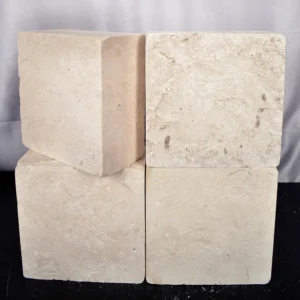
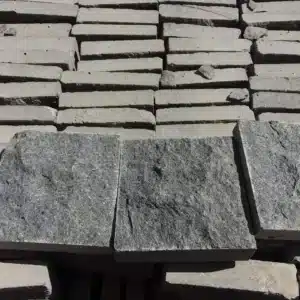
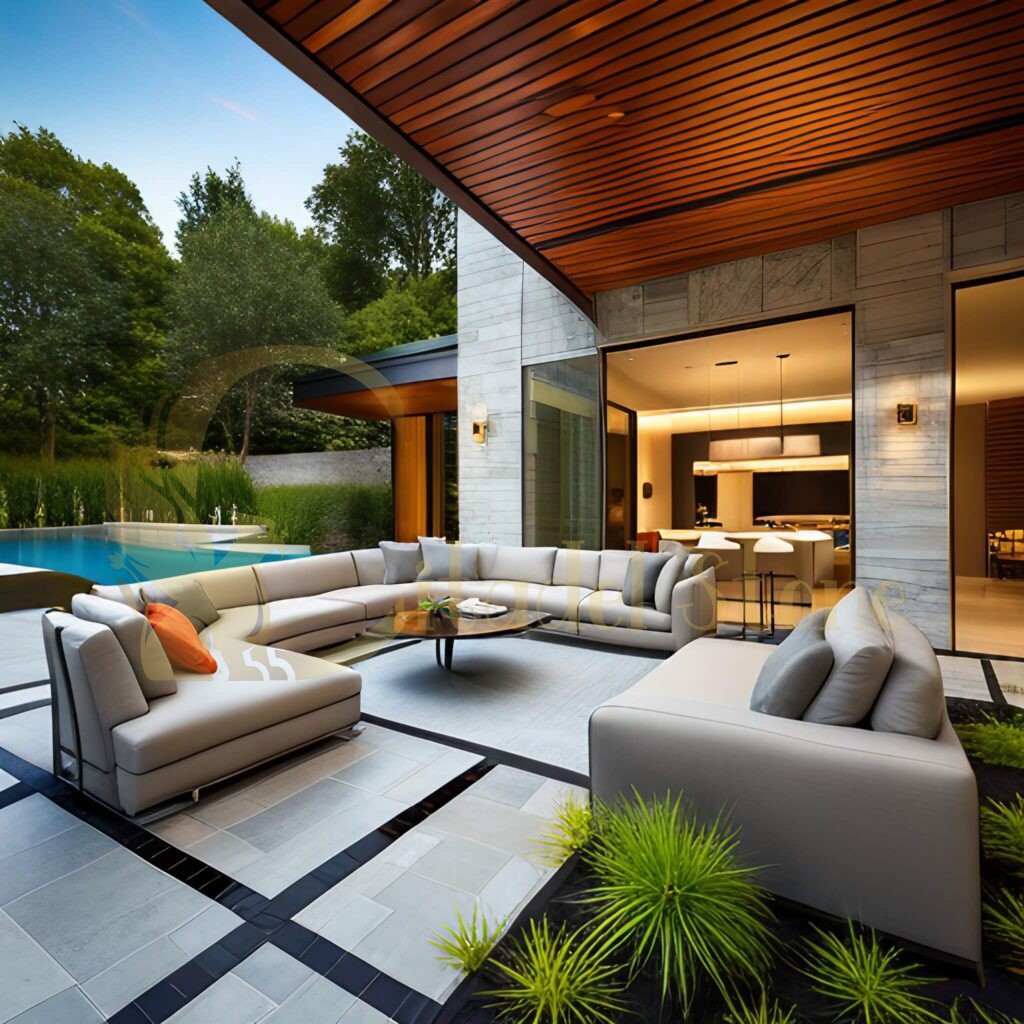
When you’re sourcing stone slabs for sale in Arizona, you’re dealing with one of the most demanding environments in North America. The desert climate imposes unique performance requirements that determine whether your Citadel Stone selection delivers decades of reliable service or develops premature wear patterns within the first few years. You’ll need to balance thermal stability, surface durability, and aesthetic preferences while navigating supply chain realities that affect both project timelines and material costs.
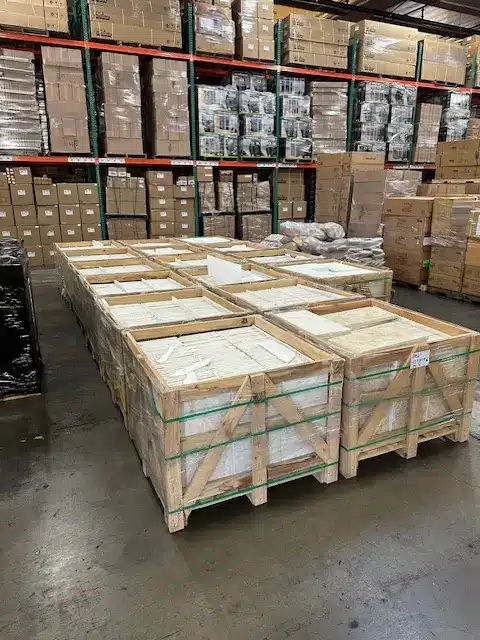
Citadel Stone maintains warehouse inventory specifically selected for Arizona’s climate extremes. The selection process accounts for thermal expansion coefficients, water absorption rates, and UV resistance characteristics that differentiate materials suited for this region from those appropriate for temperate zones. You’re not just choosing stone slabs—you’re specifying materials that must perform reliably through temperature swings exceeding 70°F between summer days and winter nights.
Thermal Performance Requirements
Arizona’s extreme temperature variations create thermal stress patterns that affect stone slab performance throughout the year. Surface temperatures on dark-colored stone slabs can exceed 160°F during peak summer months, while winter nights occasionally drop below freezing at higher elevations. This thermal cycling generates expansion and contraction forces that stress both the material itself and the installation system supporting it.
Citadel Stone granite slabs typically exhibit thermal expansion coefficients ranging from 0.0000045 to 0.0000055 inches per inch per degree Fahrenheit. For a 10-foot slab experiencing a 120°F temperature swing, you’re looking at potential expansion of approximately 0.06 to 0.08 inches. That doesn’t sound like much, but without proper joint spacing, these forces can cause edge spalling or substrate failure.
- Joint spacing should be calculated at 15-20 feet maximum for most Citadel Stone products when installed in full sun exposure
- Lighter-colored materials reflect 40-50% more solar radiation than darker options, reducing peak surface temperatures by 25-35°F
- Thermal shock resistance becomes critical for areas receiving afternoon shade after morning sun exposure
- Substrate preparation must accommodate differential expansion rates between stone and base materials
You’ll find that limestone and sandstone varieties offered by Citadel Stone generally handle thermal stress more gracefully than some imported granites, primarily due to their more uniform crystalline structure. The porosity characteristics that make these materials slightly more maintenance-intensive also provide internal stress relief during thermal cycling.
Material Selection Criteria
Selecting the right stone slabs for yard applications in Arizona requires evaluating multiple performance factors simultaneously. Compressive strength, water absorption rates, and surface finish all interact to determine long-term durability under regional conditions. Citadel Stone’s technical specifications provide the foundation for these decisions, but you’ll need to interpret them within the context of your specific application.
Water absorption rates become particularly relevant during Arizona’s monsoon season, when intense rainfall can saturate porous materials within minutes. Citadel Stone granite slabs typically absorb less than 0.4% of their weight in water, making them highly resistant to freeze-thaw damage at higher elevations. Sandstone varieties may absorb 3-8% by weight, which isn’t problematic in most Arizona locations but requires consideration for installations above 5,000 feet elevation.
- Compressive strength requirements vary from 8,000 PSI minimum for pedestrian applications to 15,000+ PSI for vehicular loading
- Surface finish selection affects both slip resistance and heat retention characteristics
- Edge profiles should be specified based on expected loading conditions and desired aesthetic
- Thickness requirements range from 1.25 inches for standard paving to 3+ inches for structural applications
The reality is that slab supplier choices in Arizona often come down to balancing performance specifications against budget constraints and availability timelines. Citadel Stone provides clear technical data sheets that allow you to compare options objectively rather than relying on subjective assessments or incomplete manufacturer information.
Surface Finish Considerations
Surface finish selection directly impacts both functional performance and long-term maintenance requirements for stone slabs for sale Arizona projects. The finish you specify determines slip resistance ratings, heat retention characteristics, and susceptibility to surface wear patterns. Citadel Stone offers multiple finish options, each optimized for specific applications and performance priorities.
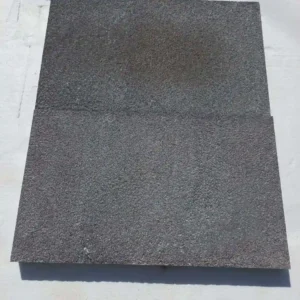
Thermal finish (flamed or thermal) treatments create rough surface textures that provide excellent slip resistance, typically achieving DCOF (Dynamic Coefficient of Friction) values above 0.60 when wet. This finish works particularly well for pool decks and other wet-area applications. However, the rough surface retains more heat than smoother finishes and can feel uncomfortably hot underfoot during summer afternoons. You’re trading maximum safety for increased surface temperature.
- Honed finishes provide moderate slip resistance (DCOF 0.45-0.55) while maintaining cooler surface temperatures
- Polished finishes look stunning but rarely meet exterior slip resistance requirements (DCOF typically 0.35-0.42)
- Bush-hammered textures offer aggressive slip resistance while allowing some heat dissipation
- Natural cleft surfaces on flagstone products provide variable texture with authentic appearance
When working with wholesale stone slabs from Citadel, you’ll notice that finish selection significantly affects lead times and pricing. Standard honed and thermal finishes typically ship from warehouse inventory within days, while custom polish specifications may require 3-4 weeks for processing. Budget approximately 15-25% additional cost for premium finish options compared to standard honed surfaces.
Installation Substrate Requirements
Your substrate preparation determines whether Citadel Stone slabs perform as specified or develop premature failure patterns. Most installation problems trace back to inadequate base preparation rather than material defects. Arizona’s desert soils—ranging from caliche-heavy clay to loose decomposed granite—require different preparation approaches depending on native conditions and intended loading.
Standard pedestrian applications require a minimum 6-inch compacted aggregate base consisting of crushed stone graded from 3/4-inch down to fines. You’ll need to compact this in 2-inch lifts to achieve 95% density, verified with a plate compactor or nuclear density gauge. Vehicular applications demand 8-10 inches of aggregate base, and you should increase this to 12 inches in areas with expansive clay soils common around Phoenix and Tucson.
- Setting bed thickness typically ranges from 1 to 1.5 inches of coarse sand or fine aggregate
- Drainage considerations become critical during monsoon season when 2-3 inches of rain can fall within an hour
- Geotextile fabric placement between native soil and aggregate base prevents contamination in loose soil conditions
- Edge restraint systems must resist lateral movement forces from thermal expansion and traffic loading
Don’t make the common mistake of assuming Arizona’s dry climate eliminates drainage concerns. For comprehensive guidance on related installation techniques, see Citadel Stone slabs for yard for detailed specifications and regional best practices. Monsoon events generate intense runoff that can undermine poorly drained installations within a single storm event.
Joint Spacing Calculations
Joint spacing directly affects long-term performance of stone slab installations in Arizona’s thermal environment. You’re accommodating thermal expansion while maintaining structural integrity and aesthetic continuity. Citadel Stone materials require different spacing parameters based on slab dimensions, color selection, and sun exposure patterns.
As a baseline, you’ll want expansion joints every 15-20 feet for standard Citadel Stone granite installations in full sun exposure. Dark-colored materials should be toward the conservative end of this range (15 feet), while lighter colors can extend to 20 feet. Individual slab joints typically range from 1/8 inch to 3/8 inch depending on slab size and expected thermal movement.
- Calculate total expansion potential using the formula: expansion = length × coefficient × temperature change
- Add 25% safety factor to calculated values to account for installation variations and unexpected conditions
- Control joints should align with architectural features and natural sight lines when possible
- Joint filler materials must remain flexible across Arizona’s temperature range while resisting UV degradation
One critical factor that often surprises specifiers: joint spacing requirements increase significantly for covered areas that transition between shaded and sun-exposed sections. The differential thermal loading at these transitions creates concentrated stress points that require additional accommodation through wider joints or supplementary control joints.
Color Selection Impact
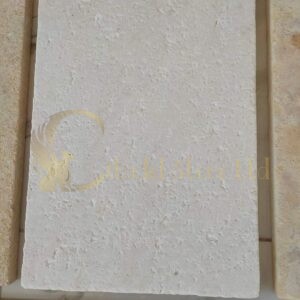
Color selection affects far more than aesthetics when you’re specifying stone slabs for yard installations in Arizona. Surface color directly determines thermal loading, which influences both material performance and user comfort. Citadel Stone’s color range spans from nearly white limestone to charcoal granite, with each offering distinct thermal and durability characteristics.
Light-colored stone slabs—whites, creams, and light grays—reflect 60-70% of incident solar radiation, maintaining surface temperatures 25-40°F cooler than dark alternatives during peak summer conditions. This temperature reduction translates directly to improved user comfort and reduced thermal stress on both the material and installation system. However, lighter colors show dirt and staining more readily, requiring more frequent maintenance in high-traffic areas.
- Medium-tone materials (beiges, tans, medium grays) offer balanced performance between heat management and maintenance requirements
- Dark colors provide dramatic aesthetics but can reach surface temperatures approaching 180°F in direct summer sun
- Color variation within a material lot affects perceived uniformity and may require field blending during installation
- UV exposure causes gradual color shift in some materials, particularly certain limestone varieties
When sourcing from slabs suppliers in Arizona like Citadel Stone, you should request samples for field testing under actual sun exposure conditions. What looks perfect in the warehouse often performs differently under intense desert sunlight. Test samples for at least two weeks during summer months to assess both color appearance and thermal characteristics before committing to full quantities.
Thickness Specifications
Thickness selection for Citadel Stone slabs affects structural capacity, installation complexity, and project costs. You’re balancing adequate strength for the application against budget constraints and handling logistics. Standard residential paving applications typically specify 1.25-inch thick material, but Arizona’s climate and soil conditions sometimes warrant upgrading to heavier gauges.
Standard 1.25-inch thickness provides adequate strength for pedestrian traffic when properly supported by a well-prepared base. You’ll find this gauge handles typical residential patios, walkways, and pool decks without issues. However, areas with expansive clay soils or locations expecting occasional vehicular crossings should upgrade to 2-inch material. The additional thickness provides greater spanning capability and increased resistance to substrate movement.
- Vehicular applications require 3-inch minimum thickness for car traffic, 4+ inches for truck access
- Cantilever conditions (pool coping, step treads) typically require 2-inch minimum to prevent fracture
- Thickness consistency within a material lot affects installation time and finished appearance
- Thicker materials provide greater thermal mass, which can moderate temperature swings in some applications
Keep in mind that thickness affects more than just structural performance. Material costs increase roughly proportionally with thickness, and thicker slabs require more substantial handling equipment during installation. A truck equipped for 1.25-inch material may struggle with 2-inch slabs, potentially requiring rental of specialized equipment that affects your project budget and timeline.
Edge Detail Options
Edge profiles on stone slabs for sale Arizona installations affect both aesthetics and performance. Citadel Stone offers multiple edge treatments, each providing different visual characteristics and durability patterns. You’ll need to specify edge details that complement the design intent while accounting for expected wear patterns and safety requirements.
Standard sawn edges provide clean, contemporary lines with minimal cost premium. The sharp 90-degree corner works well for modern designs but can chip under impact loading. Eased edges (slight 1/8-inch radius) maintain the clean aesthetic while significantly improving edge durability. This minor modification reduces chip-out by approximately 60-70% based on field observations in high-traffic installations.
- Bullnose edges (full radius) provide maximum safety for pool coping and step applications
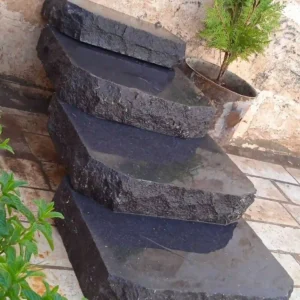
- Rockface or natural edges preserve the stone’s authentic appearance but require careful handling during installation
- Chamfered edges offer a transitional aesthetic between contemporary and traditional design languages
- Custom edge profiles significantly extend lead times, typically adding 3-4 weeks to delivery schedules
Pay particular attention to edge details at transitions between materials or elevation changes. These locations concentrate both visual focus and physical wear patterns. Citadel Stone’s technical team advises upgrading to more durable edge treatments at these critical areas even when using standard edges throughout the field of the installation.
Maintenance Requirements
Long-term performance of Citadel Stone slabs depends significantly on appropriate maintenance protocols. Arizona’s climate creates specific maintenance challenges, from monsoon-driven efflorescence to wind-blown dust accumulation. You’ll need to establish realistic maintenance expectations with clients during the specification phase to prevent dissatisfaction after installation.
Sealing requirements vary dramatically based on material selection. Dense granite from Citadel’s warehouse inventory typically requires sealing every 3-5 years to maintain stain resistance and facilitate cleaning. More porous sandstone and limestone varieties may need annual sealing applications, particularly in areas exposed to organic staining from desert vegetation or water features.
- Pressure washing removes surface dirt effectively but can damage softer materials if excessive pressure is applied
- Efflorescence from substrate salts migrating through the stone requires acid-based cleaning products applied carefully
- Joint material deteriorates from UV exposure and requires periodic replacement to maintain installation integrity
- Seasonal inspection after monsoon periods allows early detection of settlement or drainage issues
The reality is that most clients underestimate maintenance requirements during the selection phase. Set realistic expectations early: even the most durable stone slab supplier materials require periodic attention to maintain optimal appearance and performance. Citadel Stone provides detailed maintenance guidelines specific to each material variety to support long-term success.
Supply Chain Considerations
Material availability and lead times significantly impact project scheduling when you’re sourcing stone slabs for yard projects in Arizona. Citadel Stone maintains substantial warehouse inventory of regionally appropriate materials, but specific colors, sizes, or custom specifications often require extended procurement periods. You’ll need to integrate supply chain realities into project planning from the earliest stages.
Standard materials stocked in Citadel’s Arizona warehouse typically ship within 3-5 business days of order confirmation. This includes popular granite colors, standard sandstone varieties, and commonly specified limestone options in standard thicknesses and honed finishes. Custom specifications—non-standard sizes, special finishes, or imported exotics—require 4-8 weeks minimum, and international supply chain disruptions can extend this significantly.
- Order quantities affect pricing, with full-crate purchases typically providing 15-20% cost savings versus broken-crate pricing
- Material matching between shipments becomes challenging for natural stone due to inherent geological variation
- Seasonal demand peaks during fall and spring construction seasons can stress inventory of popular varieties
- Transportation costs from the warehouse to job sites vary significantly based on access conditions and distance
Plan material procurement to allow at least two weeks of buffer time beyond quoted lead times. Supply chains remain vulnerable to disruptions, and having material on site early prevents costly project delays. Coordinate delivery timing with site preparation schedules to minimize on-site storage requirements while ensuring material availability when installation crews are ready.
Cost Analysis Framework
Evaluating the true cost of stone slabs requires looking beyond the per-square-foot material price. You’re analyzing total installed cost, which includes material, freight, installation labor, substrate preparation, and long-term maintenance expenses. Citadel Stone provides transparent pricing that allows accurate project budgeting when you account for all relevant factors.
Material costs for stone slab suppliers in Arizona typically range from $8-15 per square foot for standard granite and sandstone varieties, $12-20 for premium domestic materials, and $20-40+ for imported exotics. But these figures represent only 30-40% of total installed cost. Installation labor adds $6-12 per square foot depending on complexity, and substrate preparation contributes another $4-8 per square foot for proper aggregate base and setting bed.
- Project size affects per-unit pricing, with installations under 500 square feet typically carrying 20-30% premium
- Site access conditions influence installation costs more than many specifiers anticipate
- Custom details like borders, patterns, or radius work can double installation labor costs
- Long-term maintenance expenses should be evaluated over a 15-20 year life cycle for meaningful comparison
When comparing options, don’t focus exclusively on initial material cost. A premium Citadel Stone product with superior durability and minimal maintenance requirements often delivers better value over the installation’s service life than a lower-cost alternative requiring frequent maintenance and earlier replacement. Run the numbers across the full life cycle to make informed decisions.
Common Specification Errors
Most installation failures trace back to specification oversights rather than material defects. You’ll avoid the majority of problems by addressing these common errors during the design phase rather than discovering them after installation begins. Citadel Stone’s technical support team regularly encounters these issues and can provide guidance before they become costly field problems.
Inadequate substrate specification tops the list of common mistakes. Many specifiers default to minimal base depths without accounting for Arizona’s soil conditions or intended loading. That 4-inch base might work fine in other regions but fails quickly in expansive desert clay or loose decomposed granite. You need site-specific geotechnical analysis for any project exceeding 1,000 square feet or supporting vehicular loading.
- Underspecified edge restraint systems allow lateral slab migration that creates joint widening and surface irregularities
- Insufficient joint spacing fails to accommodate thermal expansion, causing edge spalling and substrate failure
- Drainage provisions frequently receive inadequate attention until monsoon flooding demonstrates the oversight
- Sealing specifications often omit reapplication schedules, leaving maintenance undefined
Another frequent error: specifying materials without verifying actual truck access to the installation area. Citadel Stone slabs arrive on substantial freight trucks that require adequate turning radius and stable ground conditions. Inaccessible sites require material transfer to smaller vehicles, adding significant cost and potential damage risk during handling.
Citadel Stone – Premium Stone Slabs for Sale in Arizona — Regional Specification Guidance
When specifying stone slabs for sale Arizona projects, you’re working with materials that Citadel Stone has proven throughout the state’s diverse climate zones and soil conditions. This guidance provides hypothetical specification approaches for installations across Arizona’s major markets, demonstrating how Citadel Stone’s expertise would address region-specific challenges. These scenarios represent typical approaches rather than completed projects, offering professional insights you can apply to your specifications.
Citadel Stone’s extensive inventory includes materials specifically selected for Arizona’s demanding environmental conditions. From the extreme desert heat of low-elevation cities to the freeze-thaw cycles at higher elevations, our product line addresses the full range of performance requirements you’ll encounter across the state.
Phoenix Heat Considerations
For Phoenix installations, you’d prioritize thermal performance above all other factors. Summer surface temperatures exceeding 160°F demand light-colored materials from Citadel Stone’s granite and limestone selections. A typical specification would include 1.25-inch thick honed beige granite with expansion joints at 15-foot intervals. The substrate would require 6-inch compacted aggregate base with geotextile separation from native caliche soils. Edge restraint using galvanized steel or concrete curbing would prevent lateral movement during thermal cycling. You’d specify penetrating sealers applied immediately after installation and reapplied annually for the first three years, then every two years subsequently.
Tucson Desert Performance
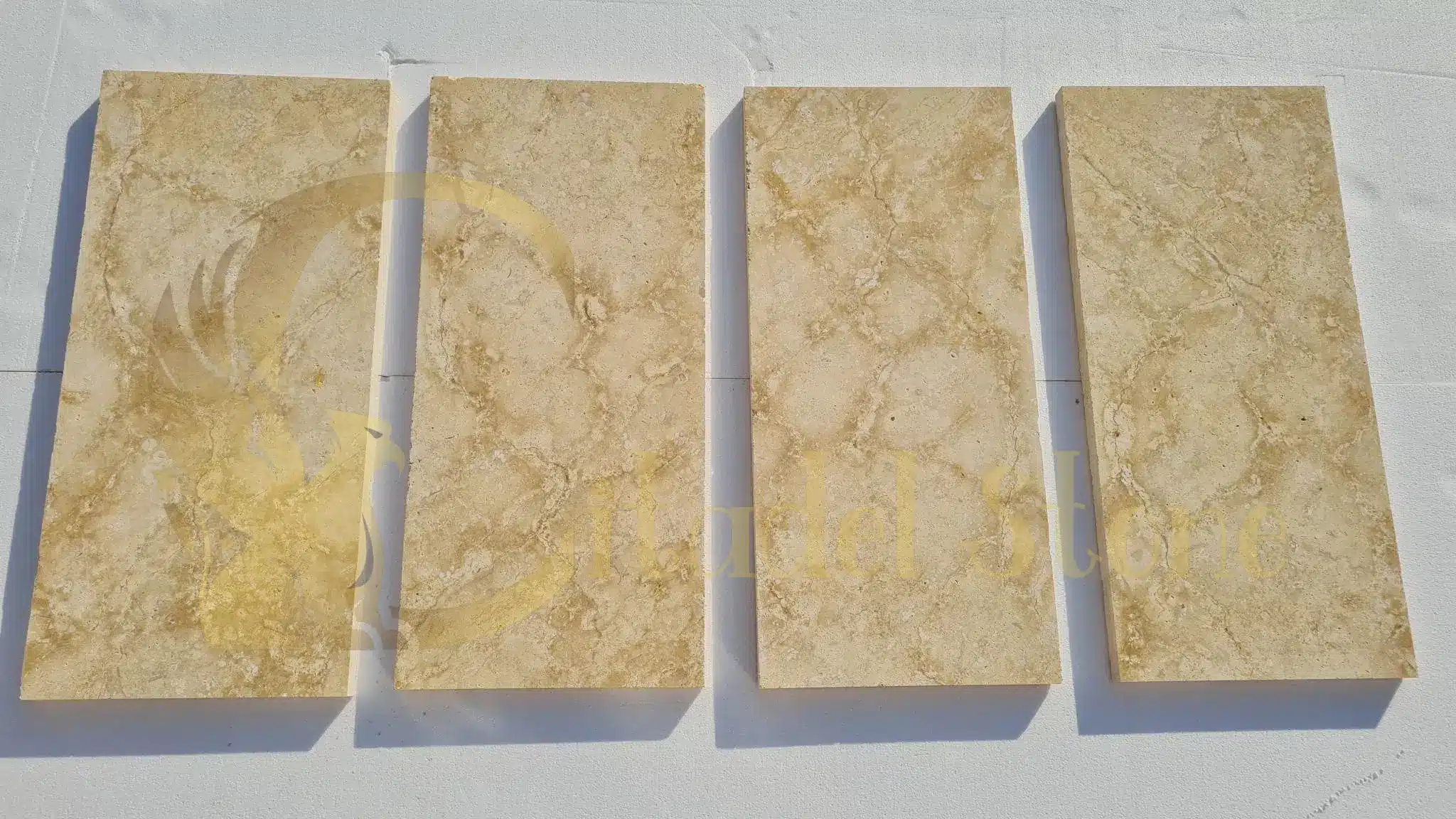
Tucson’s slightly higher elevation and intense UV exposure would guide selection toward Citadel Stone materials with proven color stability. Cream-colored limestone or light gray granite would provide optimal heat management while maintaining appearance over time. Joint spacing would follow Phoenix parameters at 15-foot maximum intervals. The specification would address monsoon drainage explicitly, requiring 2% minimum surface slope and subsurface drainage provisions to handle intense storm events. Tucson’s decomposed granite soils compact well but require moisture conditioning during base preparation. You’d specify dust control measures during installation and enhanced edge treatment at transitions to prevent undercutting during storm events.
Scottsdale Aesthetic Requirements
For Scottsdale’s design-focused market, you’d balance performance with premium aesthetics using Citadel Stone’s higher-end materials. A typical approach might specify imported Italian limestone in a light travertine color, accepting the increased maintenance requirements this material demands. Thickness would upgrade to 1.5 inches to support the material’s lower compressive strength compared to granite. The specification would include immediate sealing with premium penetrating sealer followed by quarterly maintenance inspections. Edge details would receive particular attention, with eased or bullnose profiles throughout to maintain the refined appearance. You’d coordinate closely with landscape architects to ensure the stone selection complements surrounding hardscape and architectural elements.
Flagstaff Freeze Protection
Flagstaff’s 7,000-foot elevation creates freeze-thaw conditions requiring different material selection from lower-elevation Arizona cities. You’d specify dense, low-absorption granite from Citadel Stone with water absorption below 0.4% by weight. Thermal finish would provide slip resistance for winter ice conditions while maintaining durability. Substrate depth would increase to 8 inches minimum with drain rock incorporation to prevent frost heaving. Joint spacing would tighten to 12-15 feet maximum to accommodate greater thermal range. The specification would require winter installation restrictions, prohibiting work when ambient temperatures drop below 40°F or when substrate moisture content exceeds optimum. Sealing would use breathable penetrating sealers that don’t trap subsurface moisture.
Sedona Color Integration
Sedona installations demand color coordination with the surrounding red rock landscape. Citadel Stone’s sandstone varieties in warm tan and reddish-brown tones would provide authentic regional character. You’d specify natural cleft surfaces to echo the area’s geological features while providing adequate slip resistance. Edge details would use rockface or natural profiles to maintain the organic aesthetic. Substrate preparation would address Sedona’s variable soil conditions, requiring site-specific analysis to determine appropriate base depth. The specification would emphasize low-impact installation techniques to preserve surrounding vegetation and natural drainage patterns. Sealing requirements would balance stain protection against maintaining the stone’s natural appearance, potentially using color-enhancing sealers to deepen natural tones.
Yuma Extreme Climate
Yuma’s position as one of the hottest and driest locations in North America would drive specification toward maximum heat management. You’d select the lightest-colored materials available from Citadel Stone, prioritizing white or cream granite with honed finish for optimal solar reflectivity. Joint spacing would remain conservative at 15-foot maximum intervals despite the minimal freeze-thaw risk. The primary challenge involves managing extreme surface temperatures that make darker materials essentially unusable for barefoot traffic areas. Substrate specifications would address wind erosion of setting bed materials, potentially requiring stabilized sand or bonded aggregate setting beds. Irrigation overspray from surrounding landscape areas would necessitate enhanced drainage provisions and sealer selection resistant to mineral deposits.
Regional Expertise
Successful stone slab specifications in Arizona require understanding how regional conditions affect material performance over time. What works perfectly in temperate climates often fails prematurely under Arizona’s environmental stresses. Citadel Stone’s experience across the state’s diverse climate zones provides the technical foundation for specifications that deliver long-term success.
You’ll notice significant performance variations between installations at different elevations and exposure conditions. Materials that excel in Flagstaff’s moderate summers and snowy winters require different properties than those specified for Yuma’s extreme heat and minimal precipitation. Citadel Stone maintains diverse inventory specifically to address these regional variations, allowing you to match materials precisely to site conditions.
- UV exposure intensity increases approximately 7% per 1,000 feet of elevation gain, affecting color stability
- Monsoon intensity varies regionally, with eastern Arizona receiving significantly more precipitation than western areas
- Soil conditions range from stable granitic decomposition to highly expansive clay requiring dramatically different substrate approaches
- Temperature extremes vary by 40-50°F between low desert and high elevation locations
For comprehensive information about Materials and installation techniques for landscape stepping stones, regional adaptation of standard details becomes essential to long-term performance. When looking for premium stone slabs for sale Arizona designers choose us for our unique imports.