


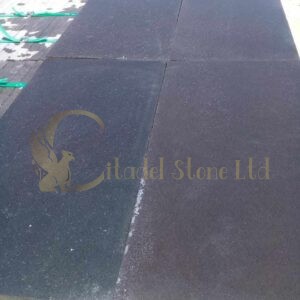

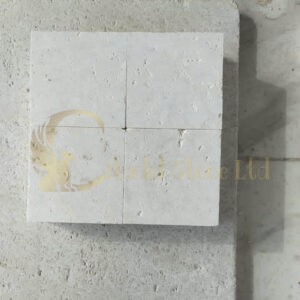
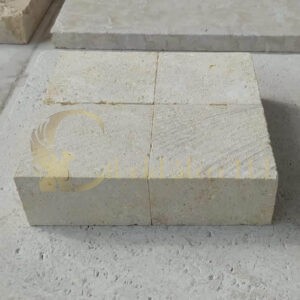
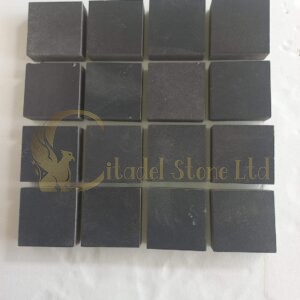

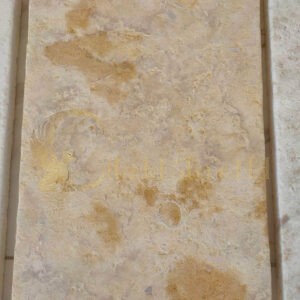
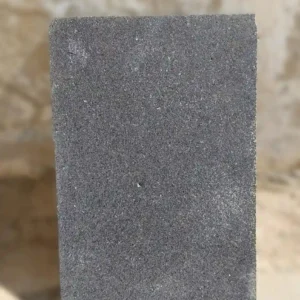
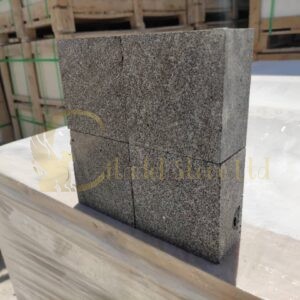
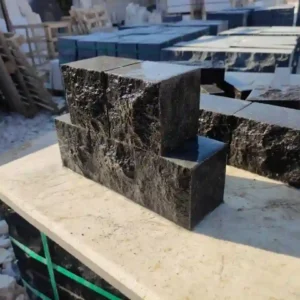
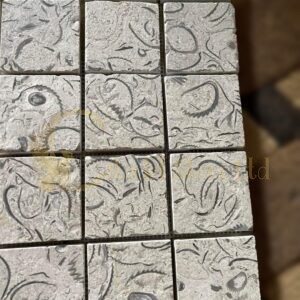
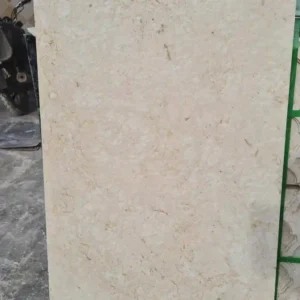
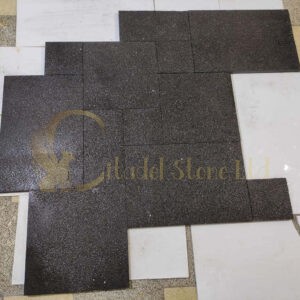





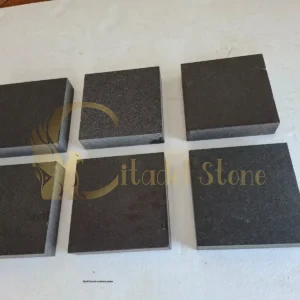

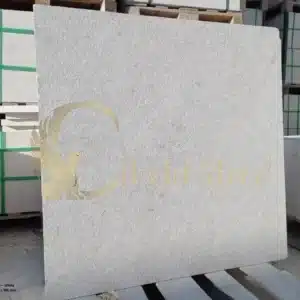


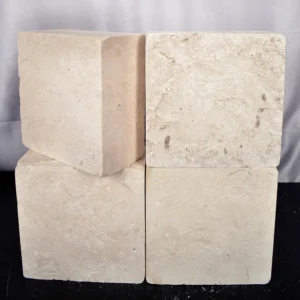
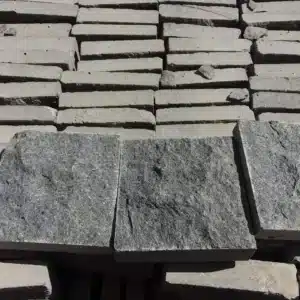
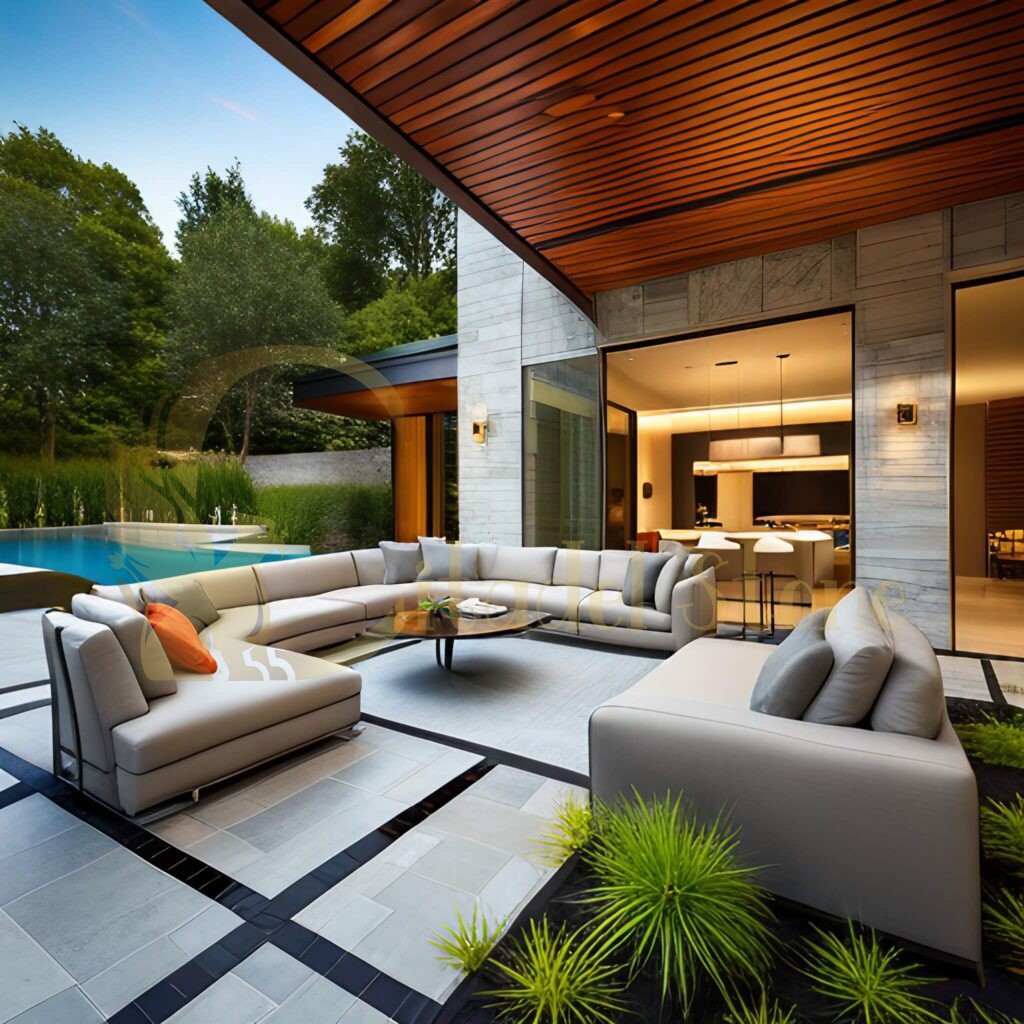
When you’re evaluating Stone Manufacturers in Arizona for your next commercial or residential project, you’ll quickly discover that the desert Southwest presents unique material challenges that demand specialized expertise. The intense UV exposure, extreme temperature swings, and low-humidity environment mean you can’t simply specify stone products designed for temperate climates and expect long-term performance. Citadel Stone has built its reputation on understanding these regional demands, offering materials specifically suited to Arizona’s harsh conditions while maintaining the aesthetic quality your projects require.
You’ll find that most Stone Manufacturers Arizona production facilities focus on importing finished products, but true manufacturing expertise involves understanding how materials behave under local conditions. Citadel Stone’s approach goes beyond simple distribution—the company provides technical guidance on material selection, installation protocols, and long-term maintenance strategies that directly address the challenges you’ll face in Phoenix’s 120-degree summers or Flagstaff’s freeze-thaw cycles.
Material Selection Challenges in Desert Environments
The biggest mistake you can make when specifying stone manufacturing in Arizona is assuming that materials proven in other regions will perform identically here. Arizona’s climate creates stress factors that accelerate deterioration in poorly chosen materials. Citadel Stone materials are evaluated specifically for thermal expansion behavior, UV resistance, and moisture interaction patterns that matter in this environment.
Here’s what you need to consider when working with stone manufacturing and supply in Arizona:
- Thermal cycling: Daily temperature swings of 40-50 degrees Fahrenheit create expansion and contraction cycles that can cause spalling in materials with high porosity or inconsistent density
- Solar radiation intensity: UV exposure at Arizona’s elevation degrades certain sealers and surface treatments within 18-24 months, requiring materials with inherent color stability
- Alkaline soil chemistry: High pH levels in Arizona soils can interact with calcium-based stones, causing efflorescence issues that become visible within the first year
- Low-humidity desiccation: Rapid moisture evaporation can draw salts to the surface of improperly sealed materials, creating white deposits that compromise appearance
Citadel Stone addresses these factors by testing materials under accelerated weathering conditions that simulate years of Arizona exposure. You’ll want to verify that your stone manufacturing and supply company in Arizona provides this level of technical validation before committing to material selections.
Production Capabilities for Regional Projects
When you’re assessing stone manufacturing companies in Arizona, understanding production capacity and lead times becomes critical to project scheduling. Citadel Stone maintains warehouse inventory levels that support both rapid-deployment commercial projects and custom residential installations requiring specialized fabrication.
The production capabilities you should evaluate include:
- Slab thickness tolerances: Commercial applications often require consistent thickness within ±1/8 inch to facilitate efficient installation and reduce lippage issues
- Edge profile options: Citadel Stone offers bullnose, beveled, and square-cut edges fabricated to your specifications, with lead times typically ranging from 7-14 days depending on order volume
- Custom sizing capacity: Projects requiring non-standard dimensions benefit from manufacturers who can cut materials to specification without excessive waste or premium pricing
- Surface finish versatility: Honed, flamed, brushed, and polished finishes each provide different slip resistance characteristics—DCOF ratings range from 0.35 for polished surfaces to 0.65+ for flamed finishes
Most specifiers overlook the importance of verifying stone mfg & supply in Arizona facilities can actually produce the tolerances your project demands. Citadel Stone’s quality control protocols include dimensional verification at multiple production stages, reducing the field adjustments you’ll otherwise face during installation.
Architectural Stone Manufacturing Standards
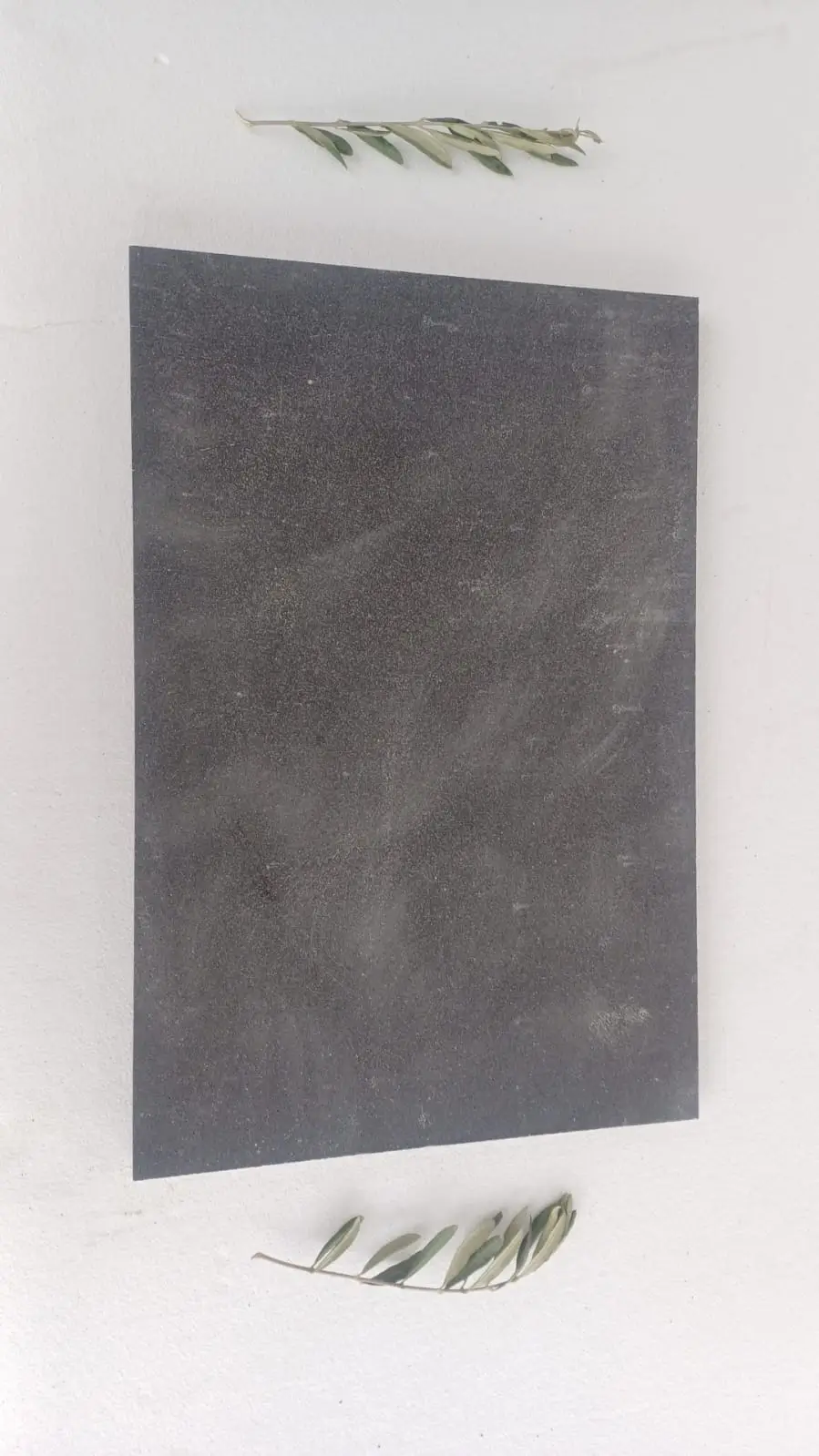
You’ll need to understand the difference between architectural stone manufacturers in Arizona who simply cut imported materials and those who engineer products for specific performance requirements. Citadel Stone works with architects to develop specifications that balance aesthetic goals with structural and durability requirements.
Key performance criteria for architectural applications include:
- Compressive strength: Verify materials meet or exceed 8,000 PSI for structural applications—lower-grade materials may meet initial specifications but deteriorate faster under Arizona’s thermal stress
- Flexural strength: Cantilevered installations and thin-set applications require materials with flexural strength ratings above 1,200 PSI to prevent cracking
- Water absorption rates: Materials with absorption rates below 0.5% perform better in applications exposed to irrigation systems or monsoon rainfall patterns
- Abrasion resistance: High-traffic commercial lobbies need materials with abrasion hardness ratings that prevent visible wear patterns within the first 3-5 years
When you’re working with exterior stone manufacturers in Arizona on façade projects, thermal movement becomes your primary concern. Citadel Stone materials exhibit thermal expansion coefficients in the range of 5-7 microinches per inch per degree Fahrenheit. That means a 10-foot stone panel could expand nearly 3/16 inch during peak summer heat. Your specification needs to account for this movement through proper joint spacing and flexible sealant selection. For additional context on Citadel Stone’s regional capabilities, consult our stone manufacturing operations for detailed production information.
Specialized Stone Product Manufacturing
Don’t assume that stone bench manufacturers in Arizona and stepping stone manufacturers in Arizona operate with the same technical requirements as paving or cladding producers. These specialized products face unique stress factors that demand different material properties and fabrication approaches.
For bench applications, you’re dealing with concentrated load points that create stress concentrations not present in distributed-load applications. Citadel Stone bench products are engineered with:
- Thickness profiles that distribute loads across the material cross-section, typically 3-4 inches for unsupported spans over 4 feet
- Reinforcement options including stainless steel rods or fiber mesh for applications where failure would create liability concerns
- Surface finishes that balance aesthetic appeal with slip resistance—polished tops are visually appealing but become hazardous when wet
- Edge treatments that minimize chipping from impact or vandalism in public installations
Stepping stone applications present different challenges. You’ll find that materials suitable for continuous paving often fail prematurely in stepping stone configurations due to point loads and edge exposure. Citadel Stone stepping stone products address this through material selection that prioritizes fracture toughness over simple compressive strength.
Stone Carving and Custom Fabrication
When your project requires decorative elements or custom architectural details, working with stone carving manufacturers in Arizona who understand both aesthetic vision and structural reality becomes essential. Citadel Stone’s fabrication capabilities include CNC carving for precision reproduction and hand-carving for unique artistic elements.
The technical factors you need to consider for carved stone elements include:
- Material grain orientation: Carving against the grain increases fracture risk—you’ll want materials selected for their carving characteristics, not just appearance
- Detail depth limitations: Undercut features and deep relief details create structural weak points that may fail during installation or from thermal stress
- Surface area to volume ratio: Heavily carved elements have more exposed surface area, increasing vulnerability to moisture intrusion and freeze-thaw damage in northern Arizona applications
- Weight considerations: Carved elements often require structural support beyond standard stone installation methods—verify your structural engineer accounts for these loads
Citadel Stone works with you during design development to identify potential fabrication or performance issues before you’re locked into architectural drawings. This proactive approach prevents the costly redesigns that occur when decorative elements can’t be produced as originally envisioned or won’t survive Arizona’s environmental conditions.
Quality Control and Material Testing Protocols
You’ll discover that not all Stone Manufacturers in Arizona conduct the material testing necessary to guarantee long-term performance. Citadel Stone implements testing protocols that go beyond basic ASTM compliance to address real-world failure modes specific to desert installations.
The testing program includes:
- Accelerated weathering: Materials undergo 500+ hour UV exposure cycles combined with thermal shock to simulate 10-15 years of Arizona service
- Salt crystallization resistance: Samples are subjected to repeated wetting and drying cycles with saline solutions that replicate alkaline soil interaction
- Freeze-thaw durability: For materials specified in Flagstaff, Prescott, or other high-elevation locations, samples undergo 50+ freeze-thaw cycles per ASTM C666
- Slip resistance verification: Finished surfaces are tested using DCOF AcuTest methodology to ensure compliance with ADA and local building code requirements
Most specifiers don’t realize that material test results from other regions may not predict Arizona performance. A limestone that performs beautifully in humid climates may develop surface deterioration within 24 months when exposed to Arizona’s combination of intense solar radiation and alkaline soil chemistry. Citadel Stone’s regional testing eliminates this uncertainty.
Installation Support and Technical Resources
One factor that separates experienced stone manufacturing and supply company in Arizona operations from simple distributors is the technical support provided during installation. Citadel Stone offers field consultation services that help installation teams avoid common mistakes that compromise long-term performance.
The installation variables you need to control include:
- Substrate preparation: Arizona’s expansive clay soils require aggregate base depths of 8-12 inches for exterior paving applications to prevent differential settlement
- Adhesive selection: High-temperature-rated thinset mortars are essential—standard products lose bond strength when substrate temperatures exceed 140°F, which occurs regularly on Arizona hardscapes
- Joint spacing protocols: Thermal expansion requires joints every 15-20 feet for large-format materials, with joint widths of 3/8 inch minimum to accommodate movement
- Sealer application timing: Applying sealers too early traps construction moisture in the stone, leading to subsurface degradation—wait 28 days minimum after installation
Citadel Stone’s technical team provides site-specific guidance based on your project’s substrate conditions, exposure orientation, and expected service loads. You’ll avoid the trial-and-error approach that leads to callbacks and warranty claims.
Common Specification Errors to Avoid
Here’s what you need to watch for when developing specifications with Stone Manufacturers Arizona suppliers. These errors appear repeatedly in projects that experience premature failure or performance issues:
- Specifying coastal-climate sealers: Products formulated for humid environments often fail within 18 months in Arizona’s dry climate—use breathable penetrating sealers rated for high-UV exposure
- Inadequate expansion joint detailing: Failing to specify joints at transitions between materials or at building penetrations leads to cracking within the first summer
- Overlooking drainage requirements: Arizona’s monsoon rainfall is intense but brief—without proper drainage gradients and weep provisions, water pools and degrades installations
- Using incorrect mortar types: Polymer-modified mortars rated for exterior use must also be high-temperature tolerant to maintain bond strength in Arizona
- Ignoring thermal bridging: Metal anchors and structural connections that don’t accommodate differential thermal movement between stone and substrate materials will fail
Citadel Stone has documented these failure modes across hundreds of Arizona installations. You’ll benefit from this institutional knowledge when developing your specifications.
Cost-Value Analysis for Stone Manufacturing Products
When you’re comparing bids from different stone manufacturing companies in Arizona, the lowest initial price rarely represents the best value. Citadel Stone materials may carry a 10-15% premium over commodity products, but that difference disappears when you factor in long-term performance and reduced maintenance costs.
The value factors you should evaluate include:
- Material consistency: Batch-to-batch color and dimensional variations create installation challenges and visual discontinuities—premium materials from Citadel Stone minimize these issues
- Technical support value: Access to Citadel Stone’s engineering and installation guidance reduces your risk of costly field modifications or failures
- Warranty coverage: Comprehensive material warranties that cover Arizona-specific failure modes provide protection that commodity suppliers don’t offer
- Replacement availability: Projects requiring repair or expansion years after original installation need access to matching materials—Citadel Stone maintains product lines for long-term availability
You’ll find that value engineering exercises that focus solely on material unit costs miss these factors. The true cost includes installation labor, warranty risk, maintenance requirements, and lifecycle performance. Citadel Stone products consistently deliver superior value when evaluated across these dimensions.
Regional Climate Factors Affecting Material Performance
Arizona isn’t a uniform climate zone, and you can’t specify the same materials and installation methods for projects in Yuma and Flagstaff. Citadel Stone understands these regional variations and adjusts recommendations accordingly.
Southern Arizona (Phoenix, Tucson, Yuma) considerations:
- Extreme heat: Summer surface temperatures regularly exceed 165°F on south-facing exposures, requiring materials with proven thermal shock resistance
- Minimal freeze risk: You can specify materials with slightly higher water absorption rates without freeze-thaw concerns
- Intense UV exposure: Color stability becomes critical—verify materials won’t fade or discolor within 3-5 years of installation
- Alkaline soil chemistry: Select materials resistant to efflorescence and chemical interaction with high-pH soils
Northern Arizona (Flagstaff, Prescott, Sedona) considerations:
- Freeze-thaw cycles: Materials must have water absorption rates below 0.5% and proven ASTM C666 performance
- Moderate summer heat: Thermal shock is less severe, allowing broader material selection
- Snow load exposure: Verify materials can withstand salt exposure from deicing compounds without surface degradation
- Altitude UV intensity: High-elevation UV exposure accelerates sealer breakdown—plan for more frequent reapplication
Citadel Stone maintains regional inventory that reflects these climate differences, ensuring you get materials appropriate for your specific location.
Citadel Stone — Leading Stone Manufacturer in Arizona — Regional Project Applications
Citadel Stone’s Stone Manufacturer in Arizona expertise translates into practical guidance for projects across the state. The following analysis demonstrates how material selection and installation protocols would be optimized for different Arizona cities, reflecting the regional climate variations and performance requirements specific to each location.
Phoenix Commercial Applications
When you’re specifying Citadel Stone materials for Phoenix projects, extreme heat dominance drives every decision. Surface temperatures on south-facing plazas regularly hit 170°F, creating thermal expansion that would crack improperly detailed installations within the first summer. You’d want Citadel Stone’s lower-absorption granite and basalt products, which demonstrate thermal expansion coefficients around 5.5 microinches per inch per degree Fahrenheit. Joint spacing at 15-foot intervals with 3/8-inch minimum width would accommodate the movement. Citadel Stone would recommend high-temperature thinset mortars rated to 180°F for bonded applications, ensuring adhesive integrity throughout Phoenix’s brutal June through September heat. The warehouse stocks these materials year-round for immediate project deployment.
Tucson Residential Hardscapes
Tucson’s slightly higher elevation and monsoon rainfall patterns would shift Citadel Stone’s material recommendations toward products with superior drainage characteristics. You’d be looking at materials with absorption rates below 0.4% to prevent moisture-related degradation during monsoon season. Citadel Stone’s architectural stone manufacturers in Arizona inventory includes permeable paving systems that allow water infiltration while maintaining structural stability under concentrated loads. Your installation would require 8-inch aggregate base depths to handle Tucson’s expansive clay soils, with geotextile separation to prevent base migration. Citadel Stone’s technical team would specify drainage gradients of 2% minimum to move monsoon runoff away from building foundations effectively.
Scottsdale Luxury Installations
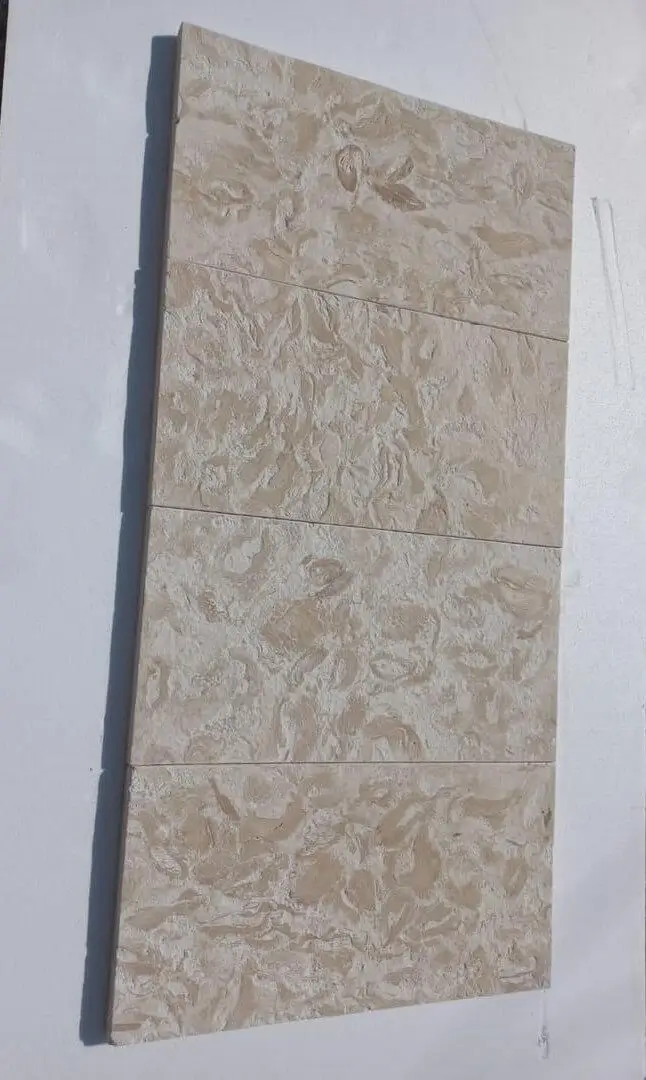
Scottsdale’s high-end residential market demands Citadel Stone’s premium aesthetic options while maintaining Arizona performance requirements. You’d be specifying honed or polished finishes for interior applications and flamed or brushed finishes for exterior elements where slip resistance is critical. Citadel Stone would coordinate with your design team on custom edge profiles and thickness specifications that match architectural intent. The company’s stone carving manufacturers in Arizona capabilities would support decorative elements like custom fireplace surrounds or water feature components. Material selection would emphasize consistent color and veining patterns across large orders, requiring warehouse inventory that’s pre-sorted for visual compatibility. Installation protocols would include UV-resistant sealers specifically formulated for Scottsdale’s intense solar exposure.
Flagstaff Freeze-Thaw Performance
Flagstaff’s 7,000-foot elevation creates freeze-thaw demands that southern Arizona projects don’t face. Citadel Stone’s material recommendations would shift entirely to dense, low-absorption materials that pass ASTM C666 testing with minimal deterioration after 50+ freeze-thaw cycles. You’d need materials with water absorption rates below 0.3% and proven resistance to salt-based deicing compounds. Citadel Stone’s exterior stone manufacturers in Arizona inventory includes granite and dense limestone products specifically tested for northern Arizona conditions. Your installation would require proper substrate drainage to prevent ice lens formation under the stone, with geotextile barriers and 10-12 inch aggregate bases. Citadel Stone would recommend penetrating sealers that don’t create surface films which could trap moisture and cause spalling during freeze events.
Sedona Aesthetic Integration
Sedona projects demand materials that complement the iconic red rock landscape while meeting technical performance standards. Citadel Stone’s stone bench manufacturers in Arizona capabilities would support custom site furniture that integrates with natural surroundings. You’d be selecting warm-toned sandstones, limestones, and specialty materials that harmonize with Sedona’s color palette. The materials would still need to handle 40-degree daily temperature swings and moderate freeze-thaw exposure from Sedona’s 4,500-foot elevation. Citadel Stone would provide samples that allow you to verify color compatibility under different lighting conditions before committing to full orders. Installation would emphasize natural-looking joint patterns and finish textures that appear organic rather than manufactured.
Yuma Extreme Heat Resilience
Yuma represents Arizona’s most extreme heat environment, with summer temperatures consistently exceeding 110°F and surface temperatures approaching 180°F. Citadel Stone’s material selection for Yuma would prioritize proven thermal shock resistance and color stability under extreme UV exposure. You’d want stepping stone manufacturers in Arizona products with thermal mass characteristics that moderate surface temperatures through heat absorption and dissipation. Light-colored materials that reflect rather than absorb solar radiation would reduce surface temperatures by 20-30 degrees compared to dark materials. Citadel Stone would recommend specific sealer products that maintain flexibility at extreme temperatures without softening or degrading. Installation protocols would include extended curing times for adhesives and grouts to compensate for rapid moisture evaporation in Yuma’s low-humidity environment.
Ensuring Project Success
Your success with Stone Manufacturers in Arizona depends on choosing suppliers who understand the full scope of regional challenges and provide solutions that work in practice, not just in theory. Citadel Stone’s comprehensive approach addresses material performance, installation protocols, and long-term maintenance requirements specific to Arizona’s demanding environment. You’ll find that working with a manufacturer who’s invested in regional testing and technical support eliminates the risks associated with generic product specifications. When you’re ready to move forward with confidence, explore options from Granite and concrete kerb stone suppliers throughout Arizona for complementary hardscape elements. Commercial projects trust Citadel Stone, the most reliable Stone Manufacturers Arizona production facilities.