




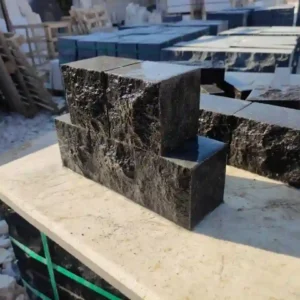
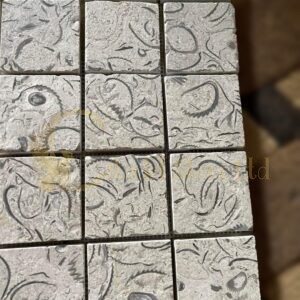
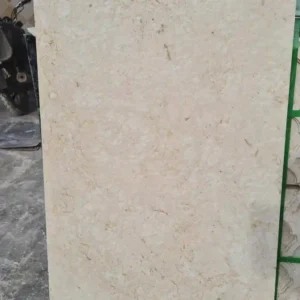
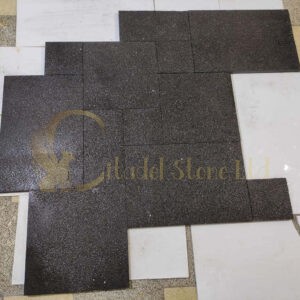






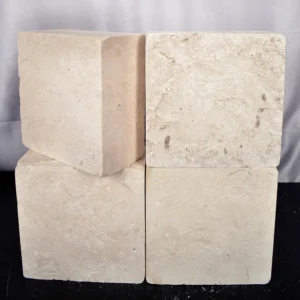
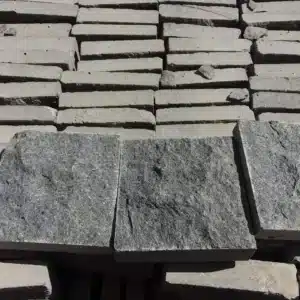
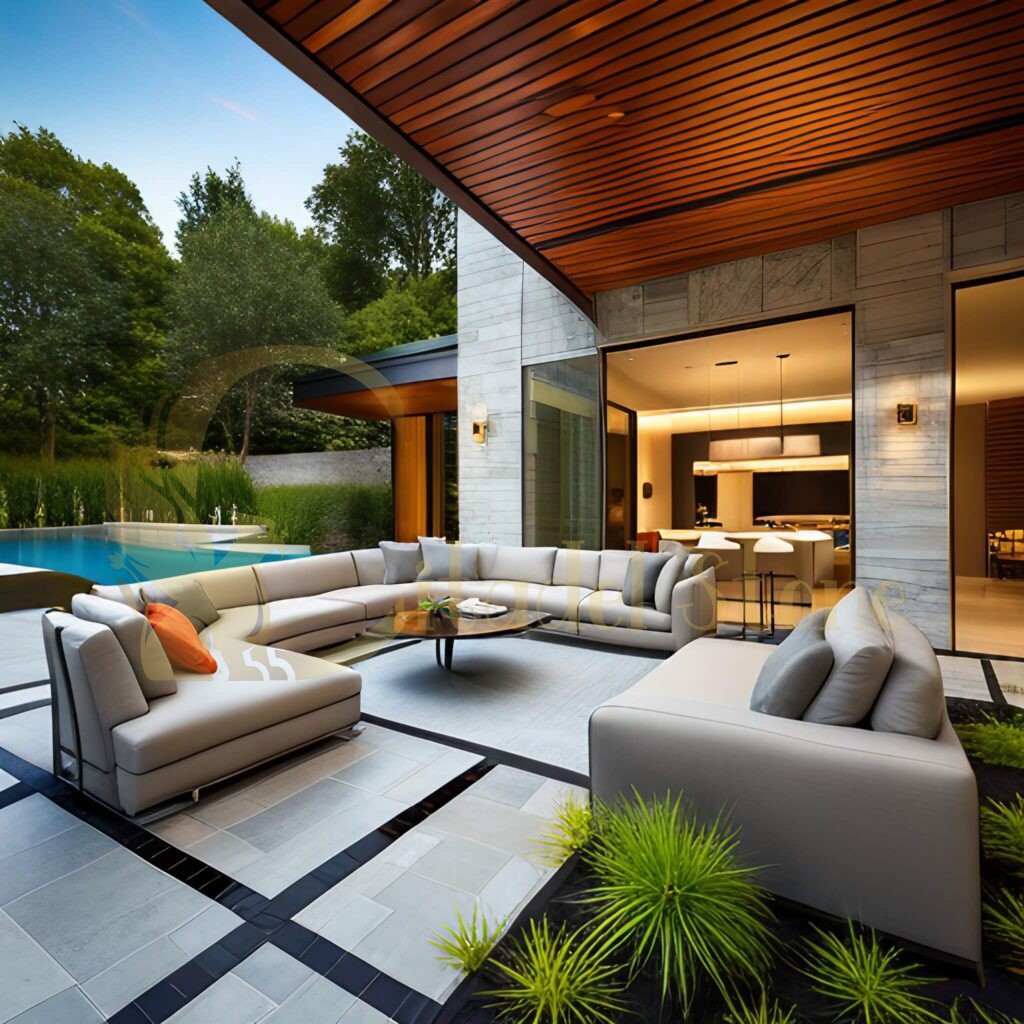
When you’re sourcing natural stone in Arizona, you’ll quickly discover that the landscape of stone brands offers far more complexity than most specifiers initially expect. The performance of stone brands in Arizona depends heavily on understanding regional climate demands, warehouse inventory capabilities, and how different suppliers approach the unique challenges of desert installations. You need suppliers who stock materials engineered for extreme temperature swings and intense UV exposure, not just distributors moving generic inventory.
Citadel Stone has built its reputation on providing materials specifically suited to Arizona’s demanding conditions. You’ll find that the right stone brand selection affects everything from initial installation success to maintenance requirements five years down the line. Most specifiers overlook the connection between supplier expertise and long-term material performance, but that relationship determines whether your project exceeds expectations or requires premature replacement.
Material Selection for Arizona Climate
Arizona’s extreme temperature variations create unique challenges for stone brands in Arizona that you won’t encounter in more temperate regions. Daily temperature swings of 40-50°F aren’t uncommon, and summer surface temperatures on stone can exceed 160°F in direct sunlight. You’ll need to account for thermal expansion coefficients when specifying any natural stone product from Citadel Stone or competing suppliers.
The thermal behavior of different stone types varies significantly. Limestone and travertine expand approximately 0.0000044 inches per inch per degree Fahrenheit, while granite and quartzite exhibit slightly higher coefficients around 0.0000046. That might sound insignificant, but for a 10-foot slab experiencing a 100°F temperature increase, you’re looking at nearly 1/8 inch of expansion. Your joint spacing needs to accommodate this movement, or you’ll see cracking and spalling within the first year.
- Desert heat intensity requires stones with proven UV stability and color retention over extended exposure periods
- Porosity becomes critical when selecting stone brands in Arizona, as high-porosity materials absorb more heat and release it slowly at night
- Thermal shock resistance matters during monsoon season when sudden rainfall cools superheated surfaces by 80-100°F in minutes
- Surface finish selection directly affects heat absorption, with polished surfaces reaching 15-20°F higher than flamed or thermal finishes
Citadel Stone materials undergo rigorous testing for thermal performance before reaching Arizona warehouse inventory. You should verify the specific thermal expansion data for any stone you’re specifying, particularly for large-format installations where movement becomes more pronounced. The reality is that many tile stone brands in Arizona don’t provide this technical data readily, leaving you to make educated guesses about performance.
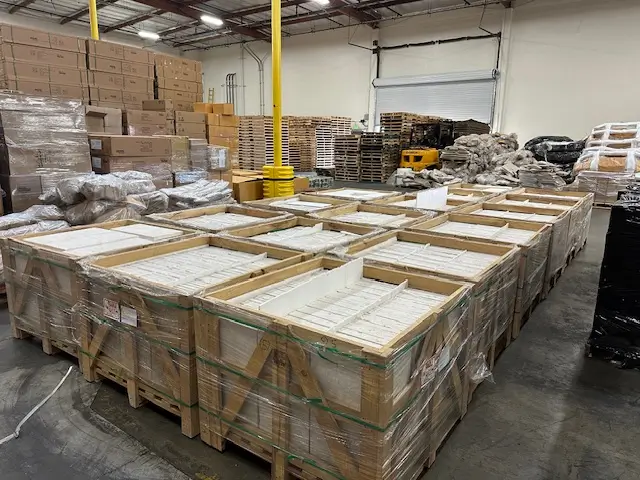
Major Suppliers and Inventory Depth
The Arizona market includes several established distributors, each with different strengths in product range and regional expertise. Arizona Tile slab yard locations provide extensive inventory of porcelain and ceramic alongside natural stone, making them a one-stop option for projects requiring multiple material types. Their warehouse footprint across the state means shorter lead times for most standard specifications.
Bedrosian operates with a focus on designer tile collections, though their natural stone selection tends toward higher-end exotic materials rather than workhorse stones for commercial applications. You’ll find unique aesthetic options there, but expect premium pricing and potentially longer lead times for volume orders. Daltile slab yard facilities emphasize manufactured stone products and porcelain, with natural stone as a secondary offering. Their strength lies in consistency and availability for large production runs.
MSI slab yard operations in Arizona carry substantial natural stone inventory, particularly in granite and marble. They’ve built their business model around volume and competitive pricing, though you’ll want to inspect actual material carefully as quality control can vary between shipments. Walker Zanger slab yard locations cater to the luxury market with curated collections and exceptional customer service, but their pricing reflects that positioning.
Citadel Stone differentiates itself through specialized knowledge of stone brands in Arizona applications and performance requirements. When you’re comparing suppliers, consider not just what they stock today, but their ability to source specialty materials and provide technical guidance specific to desert installations. For projects requiring marble with specific veining characteristics, our marble slab facility maintains inventory that addresses both aesthetic preferences and performance requirements for Arizona conditions.
Performance Factors for Desert Installations
Water absorption rates matter more in Arizona than you might initially think, even though rainfall is limited. When monsoon storms hit, they’re intense and brief, creating temporary surface water conditions that test stone permeability. Citadel Stone recommends materials with absorption rates below 0.5% for exterior applications to prevent moisture-related deterioration during seasonal weather events.
You’ll also need to consider how different stones respond to Arizona’s alkaline soil conditions. Efflorescence becomes a significant concern when soluble salts migrate through porous stone and crystallize on the surface. This white powdery deposit doesn’t just look bad—it indicates ongoing moisture movement that can eventually cause structural damage. Your specification should include proper drainage design and vapor barriers, regardless of which stone brands in Arizona you ultimately select.
- Compressive strength requirements for Arizona applications typically range from 8,000 to 12,000 PSI depending on expected loading conditions and substrate preparation quality
- Slip resistance ratings must account for rare but critical wet conditions, with DCOF values above 0.50 recommended for exterior horizontal surfaces
- Chemical resistance becomes important in pool deck applications where chlorine exposure and acid washing create harsh conditions for certain stone types
- Abrasion resistance should meet or exceed ASTM C241 requirements for commercial traffic patterns, particularly in high-profile entries and lobbies
The mistake most specifiers make is treating Arizona installations like they would projects in moderate climates. You can’t simply reference standard details and expect optimal performance. Citadel Stone provides performance data specific to southwestern conditions, helping you make informed decisions rather than relying on generic manufacturer specifications that may not reflect real-world Arizona performance.
Installation Considerations and Common Failures
Base preparation makes or breaks stone installations in Arizona, yet it’s consistently under-specified in project documents. You need a minimum 6-inch compacted aggregate base for pedestrian applications and 8-10 inches for areas expecting vehicular traffic. The native caliche soil common across Arizona doesn’t provide adequate drainage or structural support without proper base preparation. Skimp here, and you’re looking at premature settling and cracking regardless of which tile stone brands in Arizona you’ve specified.
Joint spacing and sealant selection require special attention in desert climates. Traditional mortar joints often crack under extreme thermal cycling, making flexible polyurethane sealants a better choice for exterior applications. You’ll want joints every 15-20 feet to accommodate thermal expansion, sized at 3/8 to 1/2 inch depending on slab dimensions and expected temperature ranges.
The timing of installations affects outcomes more than many realize. Summer installations in Arizona mean working with materials that have been sitting in truck beds or warehouse yards reaching 140°F or higher. That affects adhesive curing, grout workability, and even the stone itself. Schedule exterior installations for cooler months when possible, or plan for early morning work sessions when specifying Citadel Stone products during Arizona’s brutal summer heat.
- Substrate moisture testing becomes critical despite low humidity, as irrigation systems and improperly graded sites can trap water beneath stone installations
- Thin-set mortar selection must account for Arizona’s low humidity and high evaporation rates, requiring extended working times and careful curing procedures
- Edge details and terminations need careful waterproofing even in desert climates, as monsoon rains can drive water horizontally during severe storms
- Truck access to installation sites should be confirmed during planning, as many Arizona properties have narrow access roads or gates that complicate material delivery
Watch for installers who try to rush the process or skip steps like proper substrate preparation and moisture testing. The consequences of poor installation practices become evident within 6-12 months, long after the installer has moved to the next job. Citadel Stone can connect you with experienced installation teams familiar with Arizona-specific requirements when your project demands proven expertise.
Comparing Natural Stone to Manufactured Alternatives
You’ll face the natural stone versus porcelain debate on nearly every Arizona project. Porcelain offers dimensional consistency and lower water absorption, making it attractive for certain applications. However, it lacks the thermal mass and authentic aesthetic that natural stone provides. The decision often comes down to project priorities and budget constraints rather than a clear performance winner.
Citadel Stone materials deliver superior thermal performance in many applications. Natural stone’s heat capacity helps moderate temperature swings in outdoor living spaces, while porcelain tends to heat and cool more rapidly. That difference matters for pool decks and patios where surface comfort affects usability during Arizona’s extended warm season. You’ll also find that natural stone develops a weathered patina over time that many designers prefer, while porcelain maintains its original appearance indefinitely—which could be viewed as either an advantage or limitation depending on design intent.
The cost comparison isn’t straightforward. While porcelain often comes in at lower material costs, the installed price gap narrows when you factor in skilled labor for natural stone versus specialized equipment and techniques for large-format porcelain. Citadel’s warehouse pricing for natural stone brands in Arizona remains competitive with premium porcelain options, particularly when specifying domestically quarried materials rather than exotic imports.
- Repairability favors natural stone, as damaged sections can be replaced or refinished to blend with surrounding material
- Porcelain chips tend to expose white substrate that contrasts visibly with surface coloration, while stone damage often blends more naturally
- Environmental considerations increasingly favor natural stone as a low-embodied-energy material compared to high-temperature manufactured ceramics
- Long-term value retention generally favors natural stone in residential applications, though this varies by market segment and specific material selection
Don’t let anyone tell you there’s a universal best choice. Your project requirements, budget parameters, and aesthetic goals determine which direction makes sense. What matters is understanding the real performance differences rather than relying on supplier marketing claims. Citadel Stone provides honest guidance on when porcelain might actually serve your needs better than natural stone—that transparency builds trust and ensures optimal project outcomes.
Sourcing Specialty Materials and Lead Times
Standard inventory items from major suppliers typically ship within days, but specialty stones can require 8-12 weeks or longer depending on quarry availability and shipping logistics. You need to factor these lead times into project schedules, particularly for materials sourced from international quarries. The Arizona Tile slab yard and similar facilities maintain substantial stock of popular materials, but custom specifications often mean extended waits.
Citadel Stone’s approach emphasizes proactive communication about realistic lead times. When you’re specifying an unusual stone type or large volume, early coordination with warehouse inventory managers prevents schedule surprises. Some stone brands in Arizona maintain extensive stock, while others operate on a just-in-time model that offers variety but requires careful planning.
The reality of stone sourcing involves navigating quarry production schedules, shipping container availability, and customs clearance for imported materials. A single delay in this chain can push your delivery date by weeks. You’ll want backup options specified in project documents, or at minimum, approval authority to substitute comparable materials if primary selections become unavailable. This isn’t pessimism—it’s realistic project planning based on how stone supply chains actually function.
- Container shipping for imported stone typically adds 6-8 weeks to delivery schedules, plus customs clearance time and domestic transportation
- Quarry production schedules may limit availability of specific blocks, particularly for rare veining patterns or color variations in marble and granite
- Seasonal weather affects quarry operations in some regions, creating predictable periods of limited availability
- Inspection of actual material before finalizing orders helps prevent color or veining mismatches that don’t match sample boards
Working with Citadel Stone means you’re tapping into established relationships with domestic and international quarries. That network provides better visibility into potential supply issues and often enables faster problem-solving when unexpected challenges arise. The value of supplier relationships becomes most apparent when projects face tight deadlines or unusual material requirements.
Maintenance Requirements and Lifecycle Costs
Initial material costs represent just one component of total ownership expenses. You need to evaluate sealing requirements, cleaning protocols, and expected refinishing needs when comparing stone brands in Arizona. Some materials require annual sealing to maintain water resistance and prevent staining, while others can go 3-5 years between treatments. That difference adds up significantly over a 20-year service life.
Citadel Stone provides realistic maintenance guidance that accounts for Arizona’s unique conditions. The intense UV exposure and temperature extremes affect sealant performance differently than moderate climates. You’ll find that some sealers degrade rapidly under desert conditions, requiring more frequent reapplication than manufacturer specifications suggest. Your specification should reference products proven in Arizona installations rather than generic recommendations.
Cleaning requirements vary dramatically by stone type and finish. Polished surfaces show dirt and water spots more readily but clean easily with pH-neutral solutions. Flamed or brushed finishes hide minor soiling but trap dirt in surface texture that requires more aggressive cleaning methods. The traffic patterns and use intensity of your specific application determine which trade-off works better for your project.
- Budget for professional deep cleaning every 2-3 years on exterior installations to remove embedded dirt and refresh appearance
- Plan for sealant reapplication annually on high-traffic areas and every 2-3 years on protected exterior locations
- Expect periodic releveling or grouting repairs as thermal movement and substrate settlement create minor gaps over time
- Factor in potential refinishing costs for polished surfaces in high-wear areas after 10-15 years of heavy use
The lowest first-cost option often carries higher lifecycle expenses. A stone requiring annual professional maintenance and sealing may cost more over 20 years than a premium material with minimal upkeep requirements. Your analysis should compare total cost of ownership, not just initial procurement and installation expenses. Citadel Stone helps clients understand these long-term cost implications during material selection.
Quality Control and Material Inspection
Never assume that stone arriving from any supplier will match your expectations without verification. Color variation, veining patterns, and surface finish quality can differ significantly from samples you approved months earlier. Natural stone is inherently variable, and even material from the same quarry block shows differences. You need inspection protocols in project documents and allocated time for this critical step.
When stone delivers to the site or warehouse, you should inspect a representative sample before installation begins. Check for color consistency, surface finish quality, edge condition, and dimensional accuracy. Don’t wait until installers are ready to set material—discovering issues mid-installation creates expensive delays and difficult conversations with clients. Citadel Stone encourages pre-installation inspection as standard practice, not an optional extra.
The inspection process should verify that material meets ASTM standards relevant to your application. For natural stone paving, that typically includes ASTM C170 for compressive strength, ASTM C97 for absorption and density, and ASTM C880 for flexural strength. While reputable suppliers provide test data, confirming compliance protects your interests and ensures the material performs as specified.
- Establish acceptable color variation ranges in specifications using industry-standard tolerance definitions rather than subjective terms like “similar” or “matching”
- Document the inspection process with photographs showing representative material samples for future reference if disputes arise
- Reject material that doesn’t meet specifications immediately rather than trying to work around quality issues during installation
- Coordinate inspection timing so rejected material can be replaced without delaying the project schedule
Some stone brands in Arizona maintain stricter quality control than others. That consistency comes at a price premium, but it reduces risk and project complications. Citadel Stone’s quality standards reflect our understanding that your reputation depends on delivering projects that meet client expectations. We’d rather delay a shipment than deliver substandard material that creates problems during installation.
Environmental Considerations and Sustainability
Natural stone carries environmental implications that increasingly affect material selection decisions. Transportation distances matter—stone quarried domestically and shipped via truck generates less carbon impact than imported materials requiring container ships and multiple handling stages. When you’re specifying stone brands in Arizona, consider whether comparable domestic options exist before defaulting to imported varieties.
Citadel Stone stocks both domestic and imported materials, allowing you to balance performance requirements with sustainability goals. Domestic limestone and sandstone often serve Arizona applications admirably while minimizing transportation impacts. Exotic marbles and granites offer unique aesthetics but come with higher embodied energy from international shipping. Your project priorities determine the appropriate balance.
The extraction and processing methods used by different quarries affect environmental impact significantly. Some operations employ water recycling, land reclamation, and worker safety protocols that exceed industry minimums, while others take a less responsible approach. Unfortunately, this information isn’t readily available for most stone products, making it difficult to make truly informed decisions about environmental responsibility beyond transportation considerations.
- LEED projects can earn points for regional materials sourced within 500 miles of the site, favoring domestic stone options
- Recycled stone from demolition projects occasionally offers sustainable alternatives, though availability remains limited and quality varies
- Stone’s longevity and minimal maintenance requirements provide environmental benefits over materials requiring frequent replacement
- End-of-life disposal for natural stone typically involves simple crushing and reuse as aggregate, unlike synthetic materials requiring landfill space
Don’t get trapped into thinking that natural stone is automatically the sustainable choice. Context matters—a locally quarried sandstone with minimal processing likely has lower environmental impact than imported marble, but a domestically produced porcelain might compete favorably on embodied energy. Citadel Stone provides available information about material origins and can help you navigate sustainability considerations when project requirements include environmental performance criteria.
Budget Considerations and Value Engineering
Stone selection often comes down to budget realities. When project costs exceed initial estimates, stone specifications face scrutiny during value engineering. You’ll need strategies for maintaining quality while reducing expenses, which isn’t as simple as selecting cheaper materials. Sometimes the lowest-cost stone carries higher installation expenses that offset material savings.
Citadel Stone approaches value engineering as a problem-solving process rather than just cutting costs. You might reduce expenses by changing from exotic to domestic stone, adjusting slab thickness, or modifying installation patterns. Sometimes reducing the stone area and using complementary materials for lower-priority zones preserves design impact while meeting budget constraints. The key is understanding which elements matter most to project success.
Be cautious about suppliers offering substantially lower pricing than competitors. Sometimes that reflects genuine operational efficiency, but it can also signal quality compromises or hidden costs. Verify that quotes include the same scope—delivered pricing, edge finishing, and installation support services vary significantly between stone brands in Arizona. What appears cheaper initially may cost more once you account for all project requirements.
- Negotiate pricing for volume orders, as suppliers often provide discounts for commitments exceeding several thousand square feet
- Consider mixed material strategies using premium stone in focal areas and more economical options in secondary zones
- Evaluate total installed cost rather than material price alone, as some expensive stones install faster due to dimensional consistency
- Review alternate materials that provide similar aesthetics at lower cost—many clients can’t distinguish between high-end and mid-range options once installed
Your relationship with the stone supplier affects value engineering success. Suppliers invested in project outcomes rather than just moving product will work collaboratively to find solutions. Citadel Stone’s warehouse team has helped numerous projects meet budget targets without compromising quality through creative material substitutions and phasing strategies. That requires trust and open communication about constraints and priorities.
Technical Support and Specification Assistance
The best stone brands in Arizona provide more than just material—they offer technical expertise that helps prevent problems before they occur. You need suppliers who can review your installation details, recommend appropriate setting materials, and identify potential issues with substrate conditions or environmental exposures. This consultation adds value that justifies working with knowledgeable suppliers rather than chasing the lowest commodity pricing.
Citadel Stone’s technical team includes professionals with decades of Arizona installation experience. We’ve seen what works and what fails in desert conditions, and that knowledge prevents expensive mistakes. When you’re specifying unusual applications or dealing with challenging site conditions, access to experienced advisors can save significantly more than any material cost savings from less knowledgeable suppliers.
Specification assistance should include helping you understand relevant building codes and industry standards. Arizona building officials interpret requirements differently across jurisdictions, and knowing local expectations prevents change orders and inspection failures. Your stone supplier should be familiar with these variations and able to guide specification language that satisfies both engineering requirements and local enforcement practices.
- Request technical data sheets for specified materials, including ASTM test results and performance characteristics
- Involve suppliers in design review meetings when stone applications push beyond typical installations
- Leverage supplier relationships with installation contractors to identify qualified teams for your project
- Confirm that warranty coverage matches project requirements and understand what conditions void manufacturer protections
The Daltile slab yard, MSI slab yard, and other major distributors provide varying levels of technical support. Some maintain dedicated specification departments, while others expect you to rely on manufacturer resources. Citadel Stone believes that our responsibility extends beyond delivering material—we’re partners in your project success, which means providing the information and support you need for optimal outcomes. That philosophy has built long-term relationships with Arizona’s most demanding architects and builders.
Citadel Stone Guidance for Arizona Projects
Selecting from the numerous stone brands in Arizona requires understanding how different materials respond to the state’s unique climate challenges. While actual project outcomes depend on countless variables, this guidance demonstrates how Citadel Stone would approach material specification and supplier selection across diverse Arizona markets. The following city-specific scenarios illustrate our methodology for addressing regional conditions and project requirements.
Arizona’s climate zones range from low desert to high-altitude mountain regions, creating dramatically different requirements for stone performance. Citadel Stone’s expertise in stone yard Arizona applications means understanding these variations and recommending materials proven in similar conditions. The hypothetical scenarios below show how we’d think through material selection, installation considerations, and performance expectations for projects in different Arizona cities.
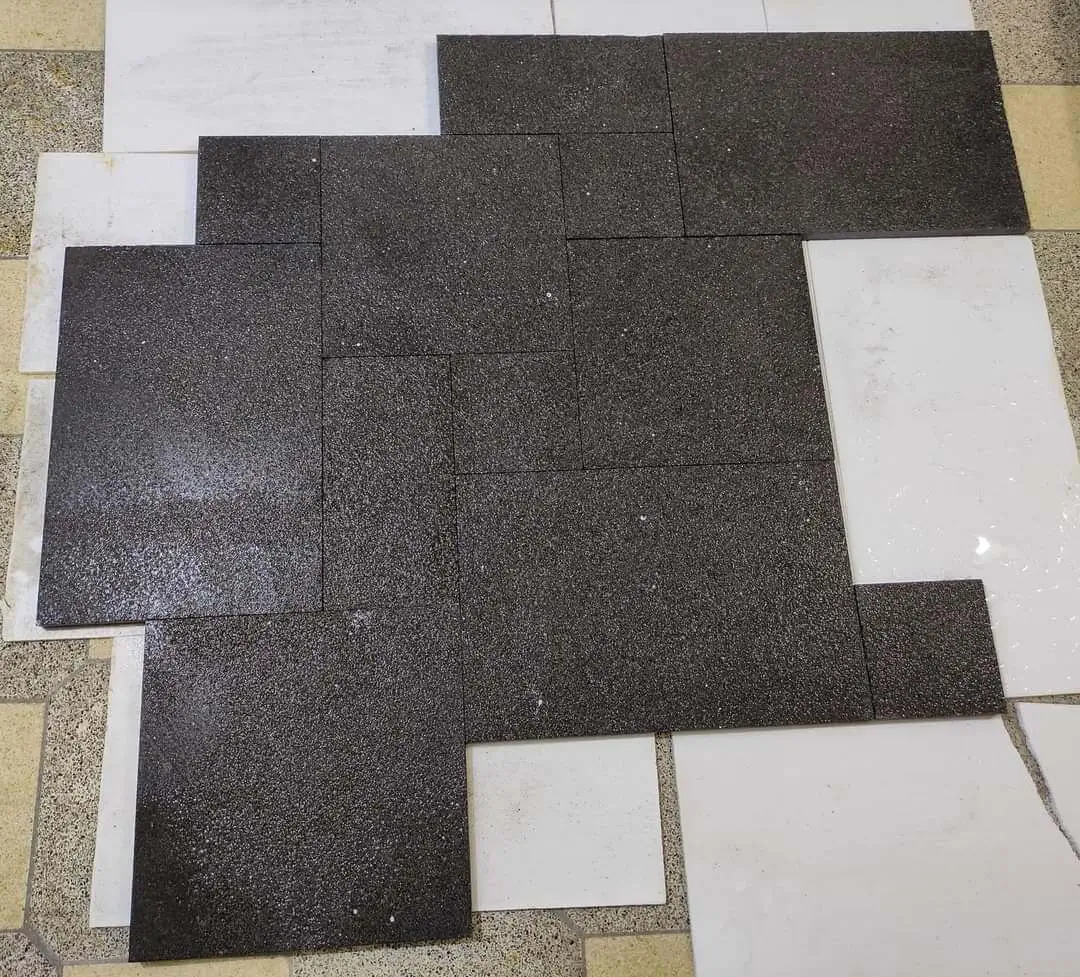
Phoenix Specifications
For a hypothetical commercial plaza in Phoenix, you’d need stone that handles extreme heat and intense UV exposure throughout Arizona’s longest summer season. Citadel Stone would likely recommend light-colored limestone or travertine to minimize surface temperatures, potentially specifying material with thermal-finish surfaces to improve slip resistance while reducing heat absorption. Joint spacing would need to accommodate significant thermal expansion, with flexible sealants rated for 180°F sustained temperatures. The project would benefit from Citadel’s warehouse proximity to Phoenix, enabling quick material replacement if damage occurred during installation.
Tucson Heat Solutions
A Tucson residential courtyard project would present similar heat challenges to Phoenix but with slightly more monsoon activity requiring superior drainage design. Citadel Stone might suggest permeable paver systems using granite or quartzite, materials offering exceptional durability and abrasion resistance for high-traffic areas. Your specification would need to address the alkaline soils common in the Tucson basin, requiring vapor barriers and proper base preparation to prevent efflorescence. The thermal mass of natural stone helps moderate temperature swings in outdoor living spaces, improving comfort during Tucson’s warm evenings.
Scottsdale Luxury Applications
Luxury residential projects in Scottsdale often demand exotic stone varieties with unique aesthetics. Citadel Stone’s inventory includes imported marbles and rare granites appropriate for high-end applications where visual impact justifies premium pricing. Your material selection would balance aesthetic goals with performance requirements, potentially specifying polished marble for interior floors while recommending more durable granite or quartzite for exterior applications. Truck delivery logistics in Scottsdale’s gated communities require coordination, and Citadel’s experience with these access constraints helps prevent installation delays.
Flagstaff Cold Climate
Flagstaff’s high-altitude climate creates freeze-thaw conditions rare elsewhere in Arizona. Stone brands in Arizona suitable for Flagstaff applications require low water absorption rates and proven frost resistance. Citadel Stone would recommend dense granite or quartzite with absorption below 0.3%, materials that prevent water infiltration and ice formation damage. Your installation details would need to address snow load considerations and de-icing salt exposure, factors that don’t affect most Arizona projects. The colder climate also affects setting material curing rates and installation scheduling, requiring winter-specific adhesives and extended curing periods.
Sedona Aesthetic Integration
Sedona projects often emphasize integration with the area’s distinctive red rock landscape. Citadel Stone’s approach would focus on selecting materials that complement rather than compete with natural surroundings. You might specify warm-toned sandstone or earthy limestone varieties, materials that echo the region’s geological character while providing necessary performance characteristics. The tourism-driven economy means many projects serve commercial purposes requiring durability under heavy foot traffic, influencing material selection toward harder stone types despite aesthetic preferences favoring softer sandstones.
Mesa Value Engineering
Mesa’s large-scale residential development projects often emphasize cost-effective solutions without sacrificing quality. Citadel Stone would recommend domestically sourced materials to minimize transportation costs while meeting performance requirements. A hypothetical subdivision amenity center might use regional limestone or sandstone, materials offering good durability at moderate pricing. Your specification would focus on standard slab sizes and simple installation patterns to control labor costs, while still delivering attractive results. Citadel’s warehouse stocking strategies ensure adequate inventory for large projects, preventing costly delays when developers need materials for multiple homes simultaneously.
Final Recommendations
Selecting stone brands in Arizona requires balancing aesthetic goals, performance requirements, budget constraints, and supplier capabilities. You can’t optimize for just one variable—successful projects emerge from understanding trade-offs and making informed decisions. The suppliers you choose matter as much as the materials themselves, as their technical expertise and inventory depth affect project outcomes significantly.
Citadel Stone’s approach emphasizes transparent communication about material limitations, realistic performance expectations, and honest guidance about when alternative solutions might better serve your needs. We’ve built our reputation on delivering materials that perform as promised and supporting clients throughout the specification and installation process. That commitment to partnership rather than just sales transactions has earned long-term relationships with Arizona’s most demanding design professionals.
Your next project deserves materials proven in Arizona’s challenging climate and suppliers invested in your success. Whether you’re specifying for a small residential courtyard or a large commercial development, the stone selection process should start with understanding requirements and constraints rather than browsing sample displays. For comprehensive guidance on natural stone applications and performance considerations, review Natural stone pavers and decorative rock for landscaping before finalizing your material selections. Citadel Stone’s marble slab yard in Arizona showcases Italian imports alongside domestic varieties for every design aesthetic.