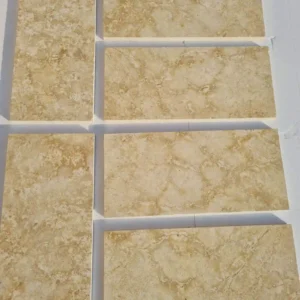
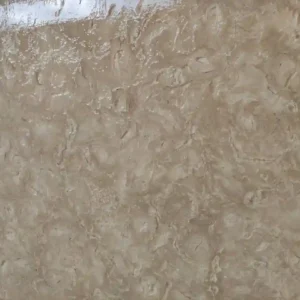
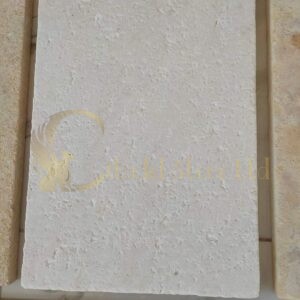
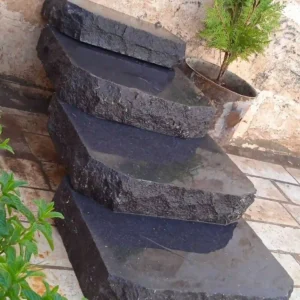
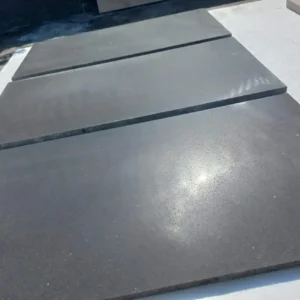
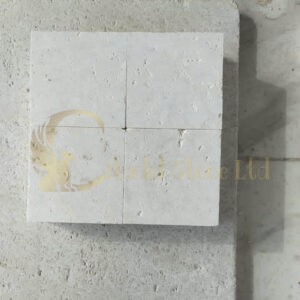
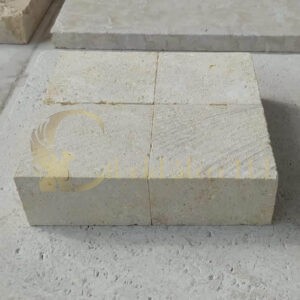
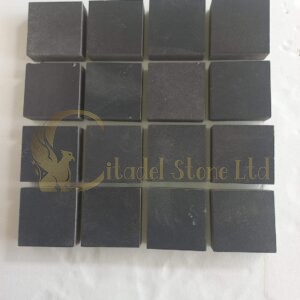
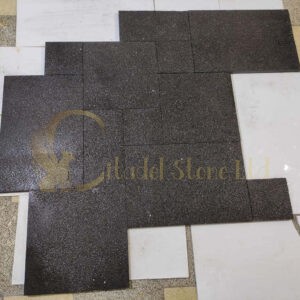
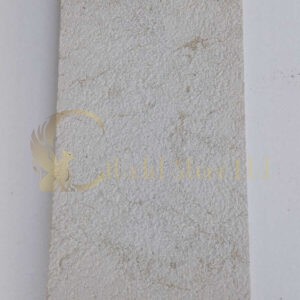
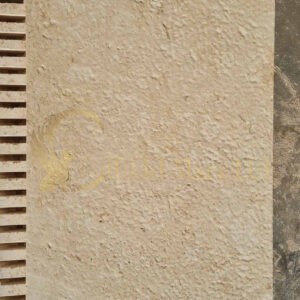
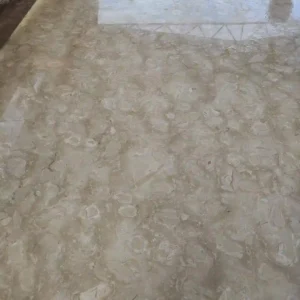
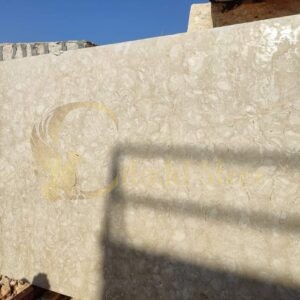
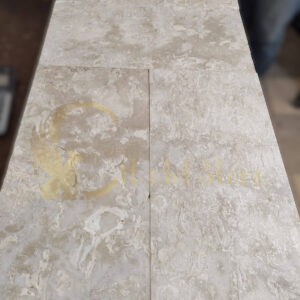
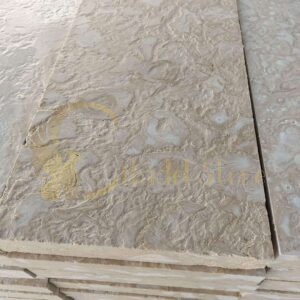
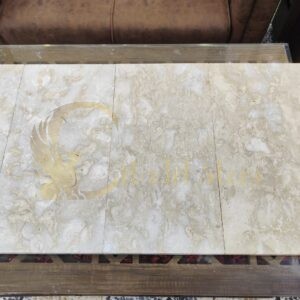
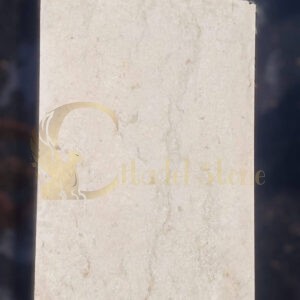
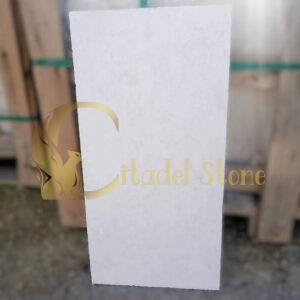
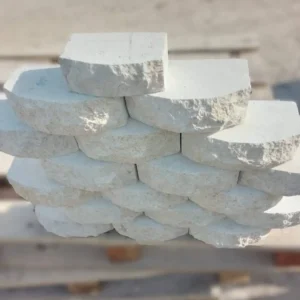
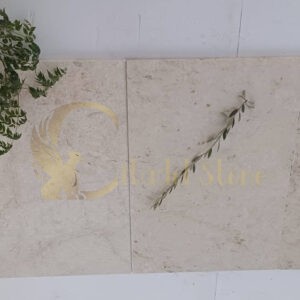
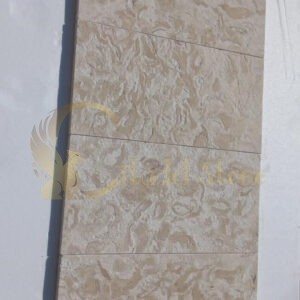
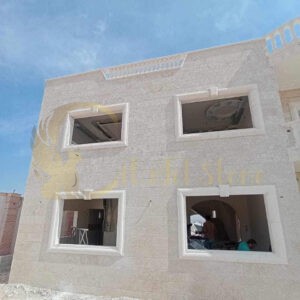
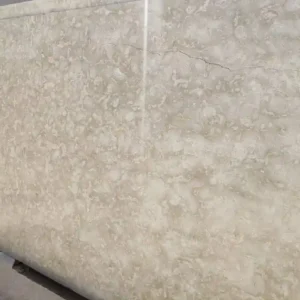
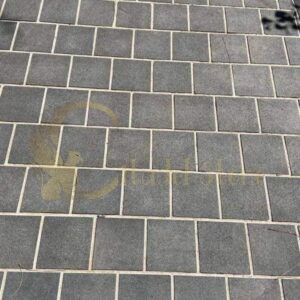
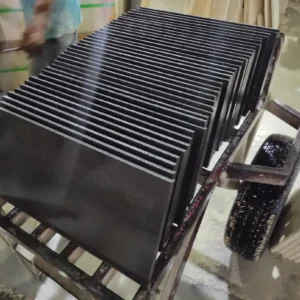
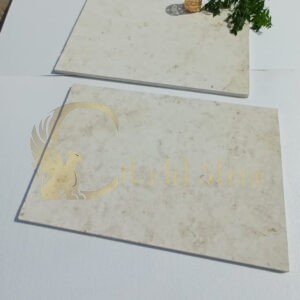
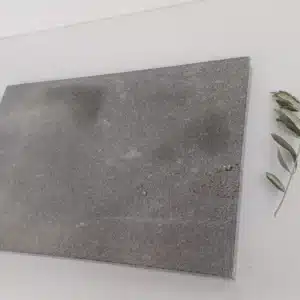
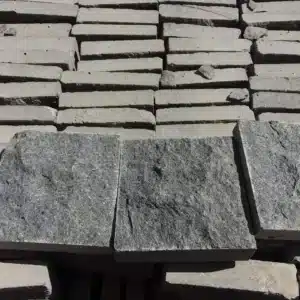
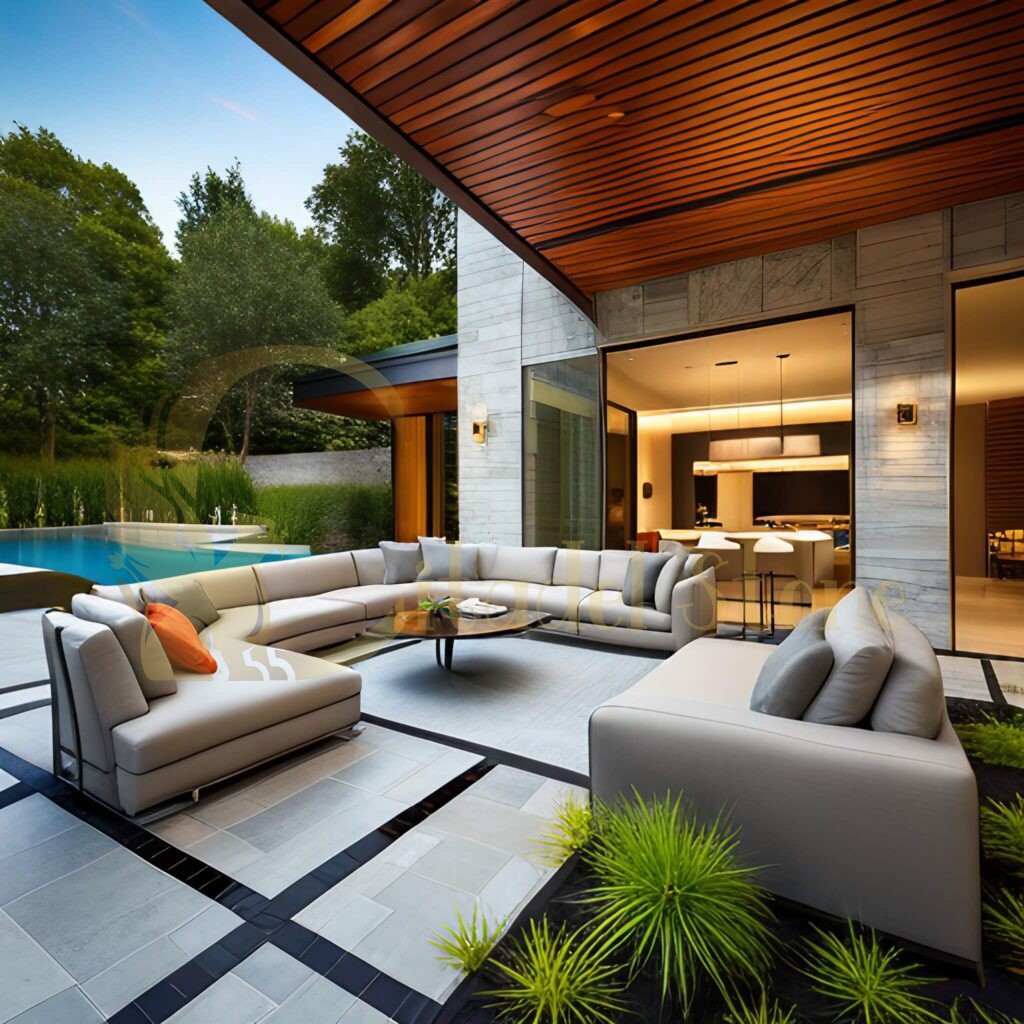
When you’re specifying Small Travertine Tiles in Arizona, you’ll quickly discover that size matters more than most architects initially realize. The intense desert heat and dramatic temperature swings create unique challenges that 4×4, 6×6, and 1×1 travertine tile formats address differently. Citadel Stone’s extensive experience with Arizona installations reveals patterns that separate successful projects from problematic ones within the first year.
Arizona’s climate demands strategic material selection. You’re working with summer surface temperatures exceeding 160°F in Phoenix and Tucson, combined with winter lows that can drop below freezing in Flagstaff. Small Travertine Tiles in Arizona perform differently than larger formats because thermal mass and expansion behavior scale with tile dimensions. That 2×2 travertine tile in Arizona will exhibit roughly one-quarter the expansion of an 8×8 format under identical temperature changes.
Thermal Behavior in Small Formats
The physics behind small-format travertine behavior becomes critical when you’re specifying for Arizona conditions. Citadel Stone’s 4×4 travertine tile in Arizona typically expands approximately 0.0000044 inches per inch per degree Fahrenheit. That sounds insignificant until you calculate cumulative movement across a 20-foot installation.
Here’s what you need to understand about thermal performance:
- 4 inch travertine tile formats distribute expansion forces across more grout joints, reducing stress concentration at any single point
- 6×6 travertine tile in Arizona installations require joint spacing every 12-15 feet for residential applications, increasing to every 10 feet for commercial high-traffic areas
- 1×1 travertine tile configurations create a flexible surface matrix that accommodates substrate movement better than large-format installations
- 8×8 travertine tile in Arizona builds more thermal mass per unit, creating localized hot spots that affect adjacent materials differently
You’ll want to account for substrate thermal expansion coefficients when specifying Citadel Stone products. Concrete substrates expand at roughly 0.0000055 inches per inch per degree, slightly more than travertine itself. This differential movement explains why you see edge lifting in improperly detailed installations after the first summer.
Citadel Stone Size Specifications
Citadel Stone stocks Small Travertine Tiles in Arizona across eight standard dimensions, each serving distinct performance requirements. The 4×4 honed travertine tile in Arizona represents our most requested format for interior applications, while 6×6 tumbled travertine tile in Arizona dominates exterior residential specifications.
Size selection affects more than aesthetics. When you specify travertine small tiles in Arizona, you’re choosing a performance profile:
- 2 x 2 travertine tile in Arizona: Optimal for curved surfaces and intricate patterns, requires skilled installation labor but delivers superior flexibility for substrate irregularities
- 4 travertine tile in Arizona: Balanced installation speed with thermal performance, grout joint density provides adequate expansion accommodation without excessive maintenance
- 6 inch travertine tile: Faster installation than smaller formats while maintaining thermal stress distribution advantages over 12×12 or larger tiles
- Travertine 10×10 formats: Approaches the upper threshold for Arizona exterior applications, requiring rigorous substrate preparation and expansion joint planning
Citadel’s warehouse inventory includes thickness variations that matter significantly for specific applications. Standard 3/8-inch thickness works for most residential floors and walls, but you’ll need 1/2-inch or 5/8-inch material for commercial traffic loads or outdoor vehicular applications.
Honed Versus Tumbled Finishes
Surface finish selection interacts directly with Arizona’s dust and solar exposure conditions. The 4×4 tumbled travertine tile in Arizona that Citadel Stone provides delivers different practical performance than honed equivalents, despite identical dimensional specifications.
Tumbled finishes create a textured surface that hides dust accumulation and minor scratches effectively. You’ll find this matters considerably for exterior applications around Scottsdale and Paradise Valley where windblown dust is constant from March through June. The surface irregularities also increase slip resistance, typically achieving DCOF ratings around 0.55-0.65 when dry, maintaining approximately 0.45-0.50 when wet.
Honed finishes present a smoother profile that reads as more formal. Citadel Stone’s 4×4 honed travertine tile in Arizona installations show dust more readily but clean easier with standard maintenance protocols. The smoother surface reduces DCOF values to approximately 0.38-0.45 dry, dropping to 0.28-0.35 wet—often insufficient for exterior applications or wet areas without additional surface treatment.
Don’t overlook the thermal absorption differences. Tumbled surfaces scatter light more effectively than honed finishes, reducing peak surface temperatures by 8-12°F under identical solar exposure. That temperature differential directly affects adjacent material performance and occupant comfort in outdoor living spaces.
Grout Joint Considerations
Grout joint specifications become exponentially more critical as tile dimensions decrease. When you’re working with travertine tiles 10cm x 10cm in Arizona (approximately 4×4 inches), you’re creating roughly 180 linear feet of grout joints per 100 square feet of installed area. Compare that to 90 linear feet for 8×8 formats.
Joint width requirements for Citadel Stone Small Travertine Tiles in Arizona depend on dimensional tolerance and installation location. You’ll need minimum 1/8-inch joints for precision-cut materials in climate-controlled interiors, increasing to 3/16-inch for exterior applications where thermal movement and substrate settling demand additional accommodation.
Here’s where most specifications go wrong:
- Specifying uniform joint width without accounting for diagonal expansion patterns—corner-to-corner movement in a square tile exceeds edge-to-edge movement by approximately 41%
- Failing to increase joint width at perimeter transitions where tile meets dissimilar materials with different expansion coefficients
- Using sanded grout in joints narrower than 1/8 inch, creating weak bonds that fail within 18-24 months under Arizona thermal cycling
- Overlooking grout color’s impact on surface temperature—dark grout in full sun can reach 180°F while surrounding travertine maintains 145°F
Citadel Stone recommends epoxy grout for wet applications and high-traffic commercial installations of 6×6 travertine tile in Arizona. The material cost runs approximately 3-4 times higher than cementitious grout, but you’re eliminating the most common long-term maintenance issue in small-format installations.
Substrate Preparation Requirements
Small-format travertine amplifies substrate imperfections rather than bridging them like larger tiles. That 1×1 travertine tile in Arizona you’re specifying will telegraph every high spot and low point in the substrate, creating an installation that looks unprofessional despite perfect tile quality.
You need substrate flatness within 1/8 inch over 10 feet for 4×4 and larger formats, tightening to 1/16 inch over 10 feet for 2×2 and smaller tiles. Citadel Stone has seen countless reinstallation projects where specifiers assumed standard concrete slab tolerances would suffice—they don’t. You’ll need to specify grinding or self-leveling underlayment for most existing concrete substrates.
Moisture content matters more than many architects realize. Concrete substrates must test below 3 pounds per 1,000 square feet per 24 hours using calcium chloride testing, or below 75% relative humidity using in-situ probe testing. Arizona’s low humidity creates false confidence here—interior concrete can retain construction moisture for 6-9 months even in Phoenix’s dry climate.
For outdoor applications of 6×6 tumbled travertine in Arizona, you’re looking at different substrate requirements entirely. You’ll need minimum 4-inch compacted aggregate base for pedestrian areas, increasing to 6-8 inches for vehicular applications. The base must be separated from native soil with geotextile fabric to prevent fines migration that causes settling. Setting bed thickness should be 1-1.5 inches of mortar or sand, depending on your chosen installation method.
Installation Methodology Comparison
Installation method selection dramatically affects long-term performance of Small Travertine Tiles in Arizona. You’ve got three primary approaches, each with distinct cost and performance profiles that Citadel Stone has documented across hundreds of installations.
Thin-set mortar installation represents the standard for interior applications and protected exterior areas. You’re achieving full tile coverage with modified thin-set rated for the specific substrate type. Labor costs for 4×4 travertine tile in Arizona run approximately $8-12 per square foot for skilled installation, increasing to $12-18 per square foot for intricate patterns using travertine small tiles in Arizona. The installation creates a monolithic bond that transfers loads directly to the substrate—which means substrate quality becomes absolutely critical.
Sand-set installation provides superior drainage and easier future access for exterior applications. You’ll see this method specified for pool decks, patios, and pathways using 4×4 tumbled travertine tile in Arizona or larger formats. The tiles rest on a 1-inch sand bed over compacted aggregate, with polymeric sand swept into joints. Labor costs drop to approximately $6-9 per square foot, but you’re accepting reduced stability and increased long-term maintenance.
Pedestal systems offer the premium solution for rooftop terraces and areas requiring concealed drainage or utility access. When you’re specifying travertine 6×6 formats on pedestals, you’re looking at installed costs around $25-35 per square foot including pedestal hardware. The system isolates tiles from substrate movement entirely and provides unmatched drainage performance.
Common Specification Mistakes
You’ll avoid most installation failures by understanding the recurring errors Citadel Stone encounters in Arizona projects. These aren’t theoretical issues—they’re problems that generate callbacks and warranty claims within the first 12-24 months.
The single most common mistake involves specifying 2×2 travertine in Arizona or other small formats without adequate attention to lippage control. Standard installation tolerances allowing 1/32-inch vertical displacement between adjacent tiles create an unacceptable visual and tactile result when you’re working with 2-inch tiles. You need to specify lippage control systems that limit vertical offset to 1/64 inch maximum—and you need to budget for the additional installation time this requires.
Another frequent problem: failing to address efflorescence potential in your specifications. Arizona’s hard water contains dissolved minerals that migrate through travertine’s natural porosity, depositing white crystalline residue on the surface. This affects tumbled finishes less visibly than honed surfaces, but you should specify penetrating sealers and require installers to use clean mixing water with less than 500 ppm total dissolved solids.
Thermal bridging represents a hidden issue that surfaces in conditioned spaces. When you specify travertine tiles 100×100 in Arizona or any format for interior floors over unconditioned spaces, you’re creating a thermal mass that conducts heat dramatically better than carpet or wood alternatives. You’ll need continuous insulation below the tile assembly to meet energy code requirements in most jurisdictions—something that adds 3-4 inches to floor assembly thickness and affects door clearances, cabinet toekicks, and stair risers.
Color Stability Considerations
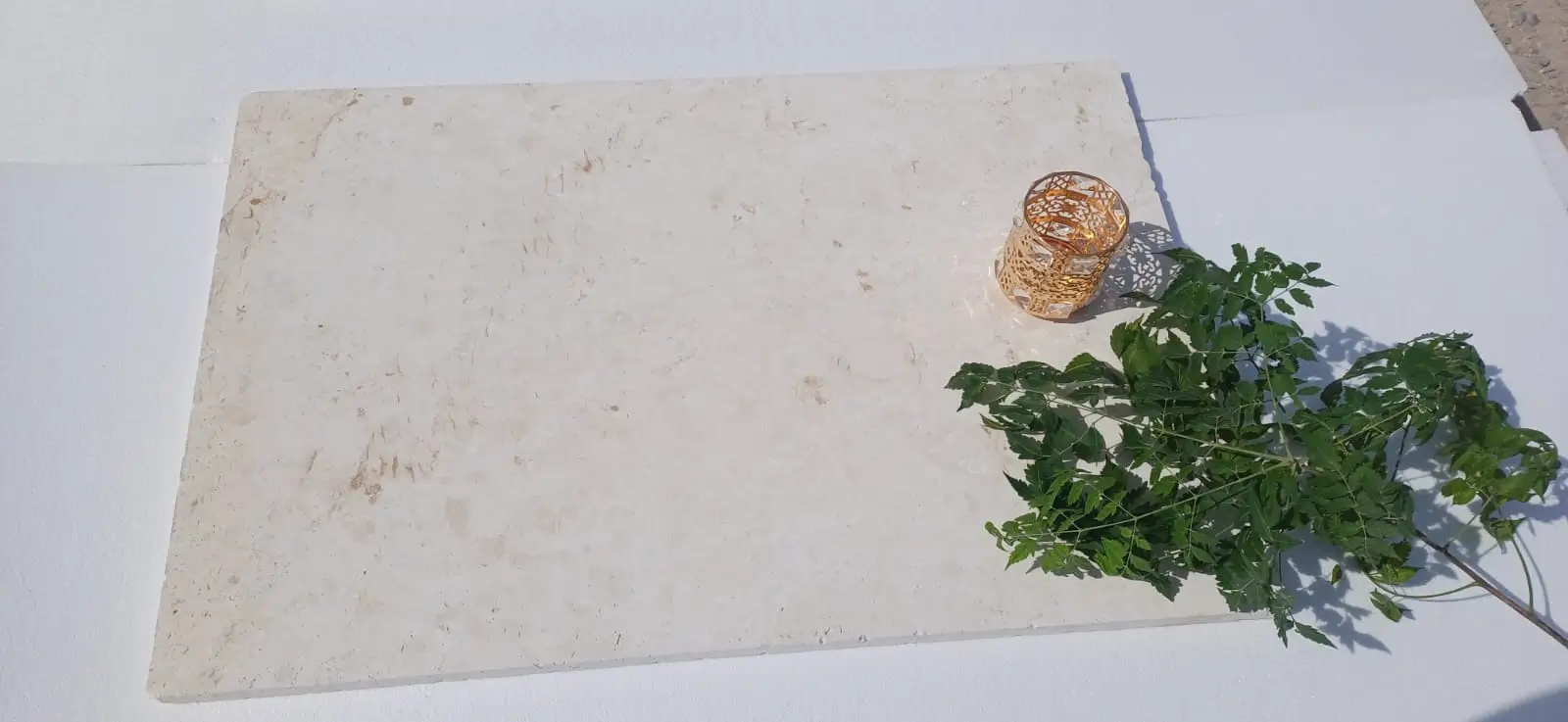
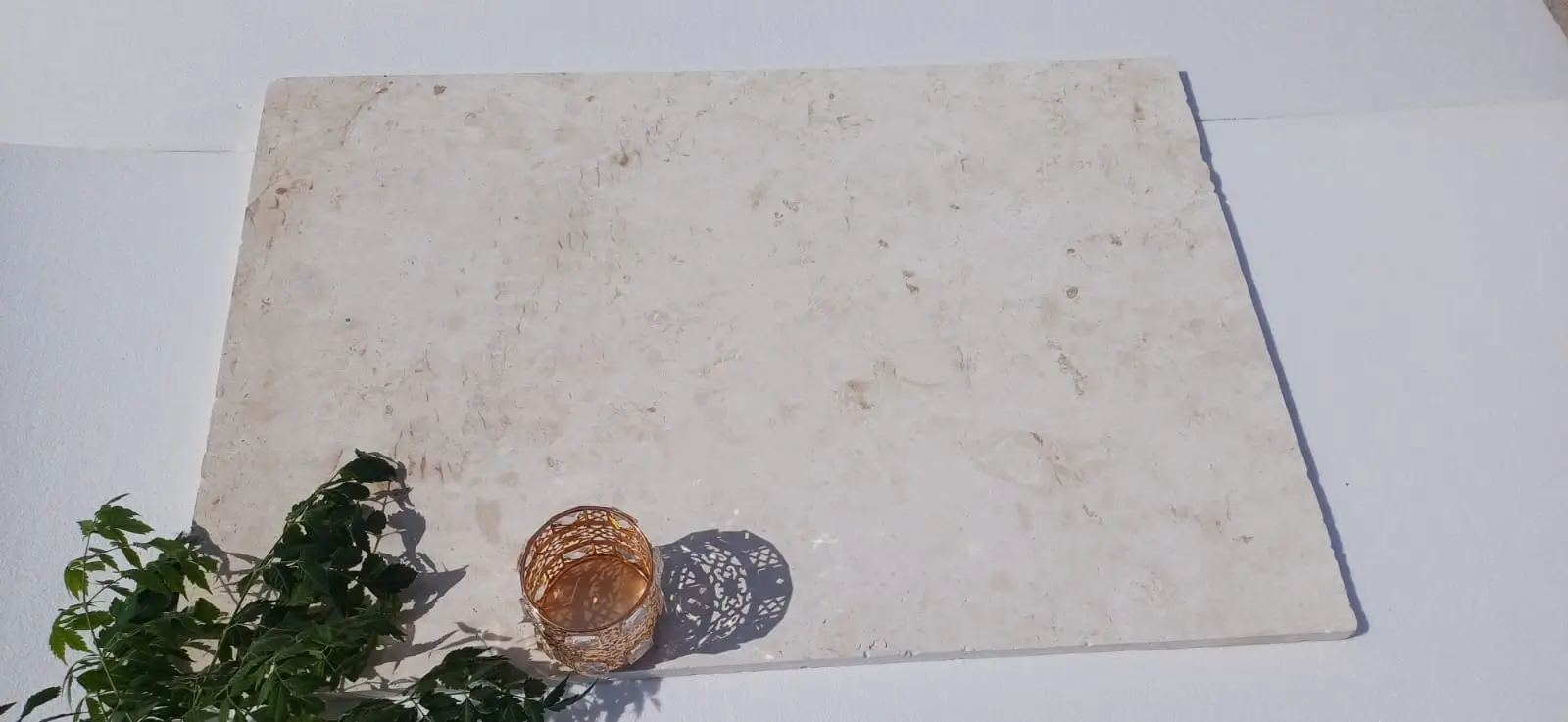
Travertine’s natural color variation creates both aesthetic appeal and specification complexity. Citadel Stone’s Small Travertine Tiles in Arizona inventory includes materials ranging from ivory and beige through walnut and noce tones, each exhibiting different UV stability characteristics.
Lighter colors demonstrate superior long-term stability under Arizona’s intense UV exposure. The ivory and beige selections in our our 1×1 travertine tile collection maintain consistent appearance for 8-12 years in full sun exposure before showing detectable fading. Medium and darker tones begin showing color shift within 3-5 years, though many designers consider the weathered appearance desirable.
You should understand that filled versus unfilled material behaves differently under UV exposure. Factory-filled travertine uses resin fillers in the natural voids that can yellow or darken with prolonged sun exposure, creating color contrast between filled areas and natural stone. Unfilled material maintains more consistent coloration but requires field filling during installation—a process that introduces quality control variables.
The interaction between stone color and surface temperature deserves consideration for Arizona applications. Citadel’s testing shows that walnut-toned 6×6 travertine tile in Arizona can reach surface temperatures 25-30°F higher than ivory equivalents under identical solar exposure. That temperature differential affects everything from occupant comfort to adjacent wood material performance to furniture plastic component degradation.
Maintenance Protocol Development
Long-term performance of 4 travertine tile in Arizona installations depends heavily on maintenance protocols you establish during project closeout. The small format creates unique cleaning challenges compared to larger tiles due to increased grout joint area requiring attention.
You’ll want to specify initial sealer application after installation and grout curing—typically 72 hours minimum for cementitious grouts, 24 hours for epoxy formulations. Citadel Stone recommends penetrating sealers rather than topical coatings for most applications. Penetrating products maintain the natural surface texture while providing stain resistance and reducing moisture absorption. You’re looking at reapplication every 2-3 years for exterior applications, extending to 4-5 years for protected interiors.
Daily maintenance protocols for commercial installations should specify dust mopping or dry microfiber cleaning to remove abrasive particles before they get ground into the surface. Weekly damp mopping with pH-neutral cleaners maintains appearance without degrading grout or sealer. The grout joint density in 4×4 honed travertine tile in Arizona installations means you’re cleaning roughly twice the linear footage compared to equivalent square footage in 8×8 or larger formats.
Don’t overlook the seasonal maintenance requirements specific to Arizona. Monsoon season introduces organic debris and moisture that creates temporary staining issues requiring prompt attention. Winter freeze-thaw cycles in Flagstaff and higher elevations demand different protocols than year-round dry heat in Yuma or Phoenix.
Cost Analysis Framework
Material and installation costs for Small Travertine Tiles in Arizona vary substantially based on size, finish, and quality grade. Citadel Stone’s pricing reflects real market conditions across Arizona’s major metropolitan areas, factoring in warehouse inventory management and truck delivery logistics.
Baseline material costs for standard-grade 4×4 travertine tile in Arizona run approximately $8-12 per square foot at the Citadel warehouse, increasing to $12-18 per square foot for premium select grades with minimal variation. The 6×6 travertine in Arizona formats typically cost 15-20% less per square foot than 4×4 equivalents because manufacturing efficiency improves as tile dimensions increase. Conversely, travertine tiles 10×10 in Arizona and similar small formats command 20-30% premium pricing due to cutting complexity and higher waste factors.
Installation labor represents the larger cost variable. You’re looking at:
- Standard 6 inch travertine tile installation: $6-9 per square foot for straightforward layouts
- 4×4 tumbled travertine tile in Arizona with standard patterns: $8-12 per square foot
- 2 x 2 travertine tile in Arizona in complex patterns: $14-22 per square foot due to increased layout complexity and slower installation pace
- Specialty patterns using mixed sizes of travertine small tiles in Arizona: $18-28 per square foot for skilled artisan work
Total installed costs including substrate preparation, materials, labor, and sealing typically range from $18-25 per square foot for straightforward 6×6 tumbled travertine tile in Arizona installations, escalating to $35-50 per square foot for complex patterns using premium materials.
Citadel Stone’s Arizona Expertise for 4 travertine tile in Arizona Projects
Citadel Stone’s extensive work with Small Travertine Tiles in Arizona has built institutional knowledge about how different formats perform across the state’s diverse climate zones. This case study framework illustrates how we would approach specification and support for 4 travertine tile in Arizona projects in six representative cities, demonstrating our regional understanding and material expertise.
Arizona’s climate variations demand location-specific recommendations. Citadel Stone’s approach considers elevation, humidity patterns, temperature extremes, and local construction practices when guiding material selection for Small Travertine Tiles in Arizona installations.
Phoenix Heat Intensity
For Phoenix applications, Citadel Stone would emphasize thermal performance in 4×4 travertine tile in Arizona specifications. Summer surface temperatures regularly exceed 160°F on south and west exposures. We’d recommend lighter color selections to minimize heat absorption, specify increased joint widths of 3/16 inch minimum for exterior applications, and require UV-stable sealers rated for sustained temperatures above 150°F. Pool deck installations would benefit from tumbled finishes for superior slip resistance when wet. Citadel’s warehouse stock in the Phoenix metro ensures material availability within 48-72 hours for most project timelines.
Tucson Monsoon Considerations
Tucson’s monsoon patterns would influence our drainage recommendations for 4 travertine tile in Arizona projects. We’d specify pedestal systems or sand-set installation with enhanced drainage provisions for exterior applications. The area’s slightly higher humidity compared to Phoenix creates marginally increased efflorescence risk, so Citadel Stone would recommend calcium chloride substrate testing and breathable sealers that allow moisture vapor transmission. Interior applications could utilize 4×4 honed travertine tile in Arizona with confidence given the climate-controlled environments typical of Tucson commercial and residential construction.
Scottsdale Premium Applications
Scottsdale’s luxury residential market would see Citadel Stone recommending premium-grade 6×6 tumbled travertine in Arizona for exterior living spaces, pool surrounds, and covered patios. We’d emphasize aesthetic consistency within material lots and suggest ordering 15-20% overage for future repairs given the difficulty matching travertine batches years later. The city’s design-focused community appreciates intricate patterns, so we’d support specifications using mixed sizes of Small Travertine Tiles in Arizona including 2×2, 4×4, and 6×6 formats in coordinated layouts. Citadel’s material selection process would prioritize minimal variation for these applications.
Flagstaff Freeze Protection
Flagstaff’s elevation creates Arizona’s only significant freeze-thaw environment. Citadel Stone would specify 4×4 travertine tile in Arizona with verified water absorption rates below 3% for exterior applications, ensuring adequate frost resistance. We’d recommend against sand-set installation entirely, instead specifying thin-set over concrete substrates with integral waterproofing membranes. Joint spacing would increase to 1/4 inch minimum to accommodate freeze-expansion forces. Interior applications face fewer restrictions, allowing confidence in standard 4×4 honed travertine tile in Arizona specifications. Citadel’s technical team would provide cold-weather installation protocols for projects scheduled during winter months.
Sedona Aesthetic Integration
Sedona’s red rock landscape influences color selection for Citadel Stone’s 6×6 travertine in Arizona recommendations. We’d suggest warmer beige and noce tones that complement rather than compete with the surrounding geology. The tourism-focused economy creates significant commercial applications where 4 travertine tile in Arizona provides durability for restaurant patios and retail entries. Citadel would emphasize tumbled finishes for commercial installations to hide the heavy foot traffic wear that smooth surfaces would show within months. Our material delivery logistics account for Sedona’s distance from major distribution centers, typically requiring 5-7 business days for truck delivery.
Yuma Extreme Conditions
Yuma’s status as one of America’s hottest and driest locations would drive Citadel Stone’s most conservative thermal expansion recommendations. We’d specify 8×8 travertine tile in Arizona as the maximum advisable size for exterior applications, with preference toward 6 inch travertine tile or smaller formats. Joint widths would increase to 1/4 inch minimum for any exterior installation. The minimal rainfall reduces efflorescence concerns but creates dust accumulation issues that favor tumbled over honed finishes. Citadel would recommend quarterly sealer reapplication for exterior installations given the intense UV degradation rates in Yuma’s climate. Our material specifications would emphasize light colors exclusively for exterior applications to manage surface temperatures.
Setting Realistic Performance Expectations
When you specify Citadel Stone’s Small Travertine Tiles in Arizona, you should establish clear performance expectations with clients and contractors. Travertine is a natural sedimentary stone that will exhibit variation, patina development, and gradual weathering—characteristics that some clients appreciate and others find problematic.
Natural variation within and between tiles represents normal material behavior, not a defect. Citadel Stone’s select grades minimize this variation but can’t eliminate it entirely. You’ll see color differences, fossil inclusions, vein patterns, and surface texture variations that make each tile unique. This becomes more visually prominent in small formats like 2 x 2 travertine tile in Arizona because individual tile variation becomes more noticeable compared to the overall field.
Surface wear patterns develop differently based on traffic and exposure. Interior 4×4 honed travertine tile in Arizona installations in residential settings might show minimal change over 10-15 years, while commercial entries using the same material can develop traffic patterns within 2-3 years. Tumbled finishes hide this wear more effectively, which explains their popularity for commercial applications.
The natural porosity of travertine means staining will occur without proper sealing and maintenance. Coffee, wine, oils, and acidic substances can penetrate the surface and create permanent discoloration if not cleaned promptly. You need to educate clients that travertine requires more attentive maintenance than porcelain or ceramic alternatives—it’s a natural stone with inherent vulnerabilities that come alongside its aesthetic appeal.
Final Guidance
Specifying Small Travertine Tiles in Arizona successfully requires balancing aesthetic goals with practical performance requirements. Citadel Stone’s experience across Arizona’s climate zones demonstrates that format selection, finish type, installation methodology, and maintenance protocols all contribute equally to long-term satisfaction. You’ll find that 4×4 and 6×6 formats offer the best compromise between installation efficiency and thermal performance for most applications, while smaller formats like 2×2 and 1×1 serve specialized design needs where pattern complexity justifies increased installation complexity.
The key to successful projects lies in comprehensive specification documents that address substrate preparation, joint spacing, sealer requirements, and maintenance expectations explicitly. Don’t assume contractors will apply best practices without clear direction—you need to specify exactly what you expect. Citadel Stone provides technical support throughout the specification process, helping you avoid the common mistakes that lead to callbacks and warranty issues. For additional sizing considerations and complementary tile formats, review Premium travertine tile sizes and installation options in Arizona before finalizing project documents. Mosaic backsplashes showcase Citadel Stone’s intricate 1×1 travertine tile for artistic patterns.