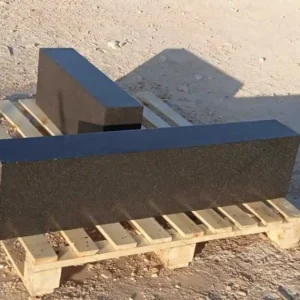
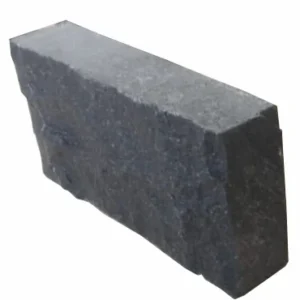
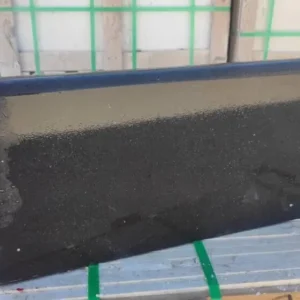
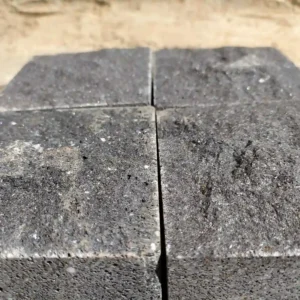


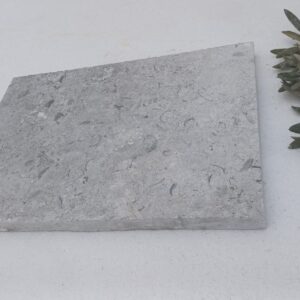
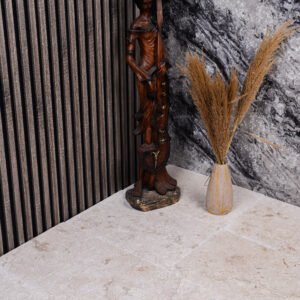
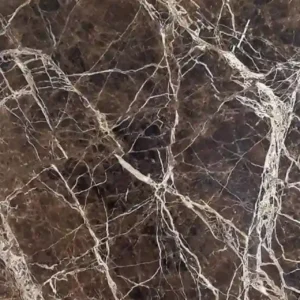
Base geometry is the variable that separates long-lasting natural stone paving slabs in Arizona from installations that shift, crack, and pool water within three seasons. Most specifiers focus on material hardness or finish — both matter — but the real performance driver in Arizona is how elevation changes interact with drainage geometry across your slab field. The state’s terrain ranges from 70 feet above sea level in Yuma to over 6,900 feet in Flagstaff, and that vertical spread changes every assumption about sub-base depth, aggregate selection, and joint spacing. Getting these decisions right from the start determines whether your outdoor patio slabs perform for two decades or require costly remediation inside ten years.
How Arizona’s Terrain Shapes Drainage Design for Stone Paving
Elevation and slope gradient in Arizona aren’t just scenic features — they’re structural design inputs. In the high desert zones above 4,000 feet, seasonal precipitation arrives as both rainfall and snowmelt, which generates rapid surface runoff that a flat slab field simply cannot manage without deliberate drainage geometry. Your slab layout needs a minimum 1.5% cross-slope, but in terrain-heavy locations, 2% is the defensible specification. Less than that and you’re relying on joint gaps to carry water volume they weren’t designed to handle.
The interaction between compacted aggregate base and Arizona’s varied soil types amplifies this challenge. Rocky, decomposed granite soils in Sedona and the central highlands drain quickly but can shift unpredictably under thermal cycling. Caliche-heavy soils common in lower elevations like Phoenix create an almost impermeable hardpan that forces all subsurface water laterally — directly beneath your slab field if your perimeter drainage isn’t positioned correctly. Paving stone in Arizona performs best when the drainage plan accounts for the soil’s drainage coefficient, not just the surface slope.
Citadel Stone works with contractors and designers across the state to review site-specific conditions before material is dispatched from the warehouse, which helps identify drainage conflicts before installation begins. Catching a caliche layer or a high-water-table pocket at the planning stage saves significant remediation cost compared to addressing it after slabs are set.
Material Performance: What Arizona’s Elevation Zones Actually Demand
Natural stone paving slabs in Arizona face a performance matrix that changes significantly with altitude. At lower elevations — Mesa, Chandler, and the Phoenix metro corridor — the dominant stressor is thermal mass accumulation and UV degradation of sealers. At mid-elevations like Prescott or Sedona, you’re balancing drainage capacity with occasional freeze-thaw exposure. At elevations above 6,000 feet, freeze-thaw cycling becomes a primary concern that directly affects which stone type you specify and how you seal it.
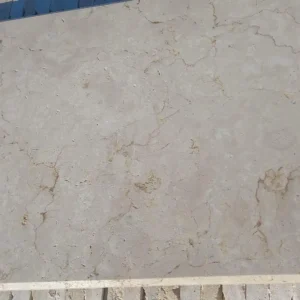
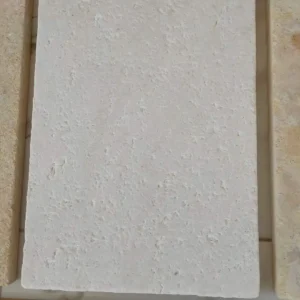
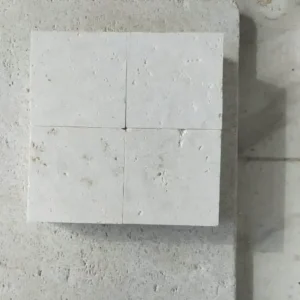
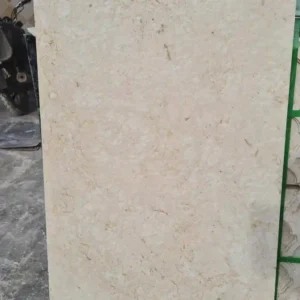
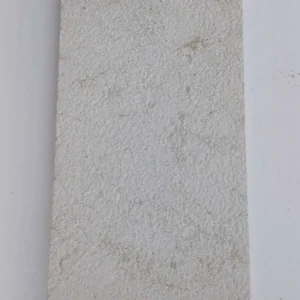
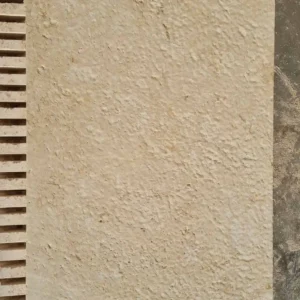
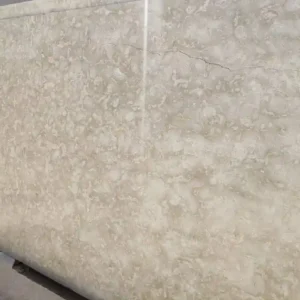
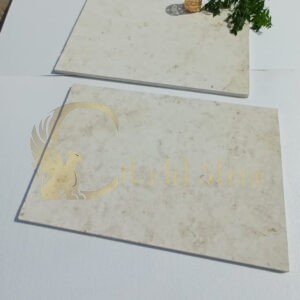
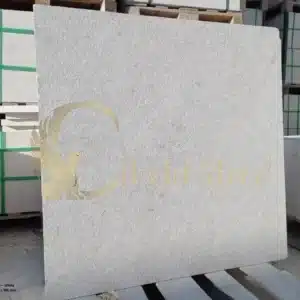
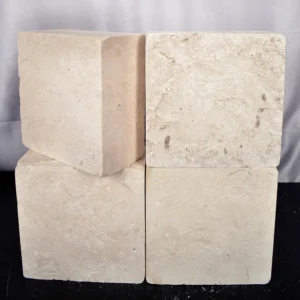
Limestone is one of the most consistent performers across Arizona’s elevation spectrum when properly finished and sealed. Its thermal expansion coefficient sits around 4.4 × 10⁻⁶ per °F, which allows you to maintain standard joint spacing without the cracking risk that affects denser, less forgiving materials under rapid temperature changes. For outdoor patio stone in Arizona’s mid-elevation zones, a honed or brushed limestone finish provides the slip resistance you need without the aggressive texture that traps debris and accelerates surface wear.
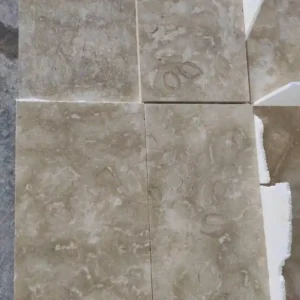
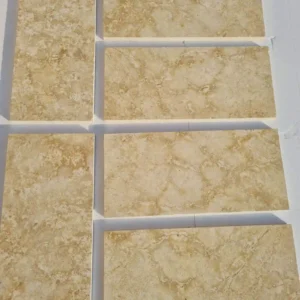
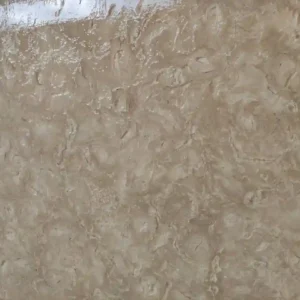
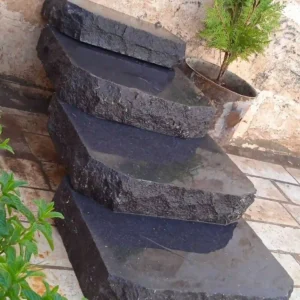
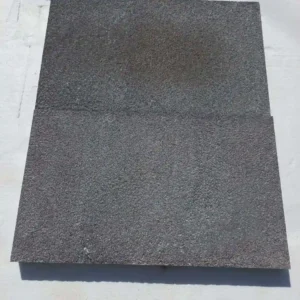
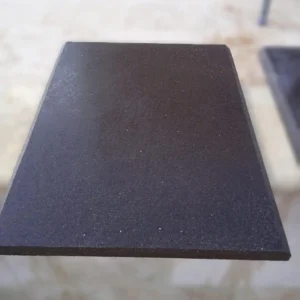
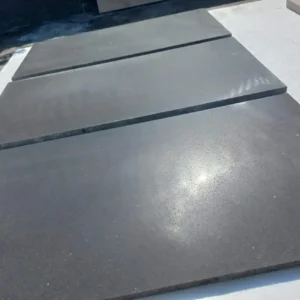
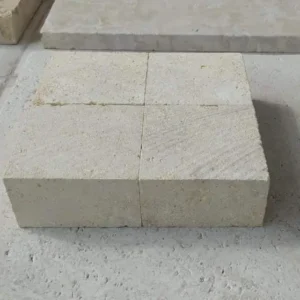
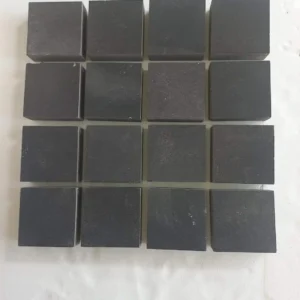
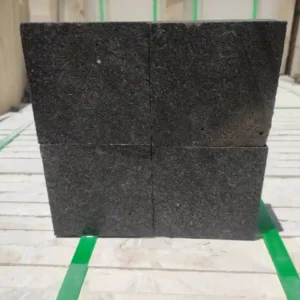
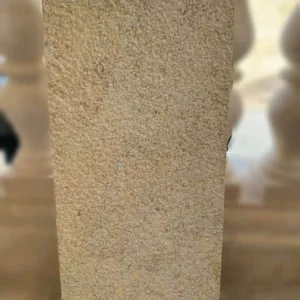
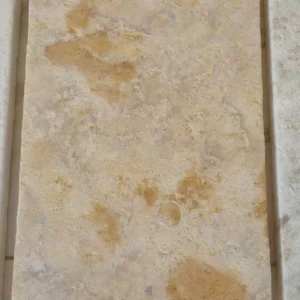
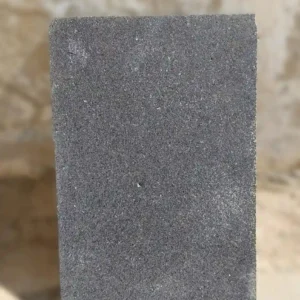
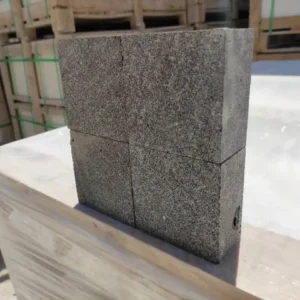
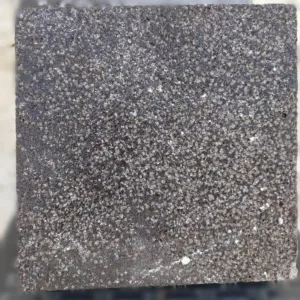
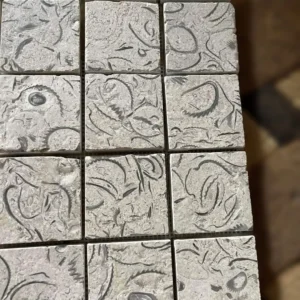
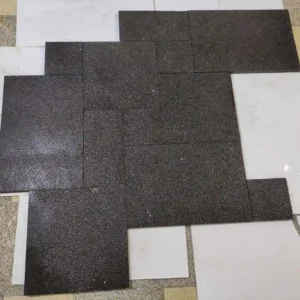
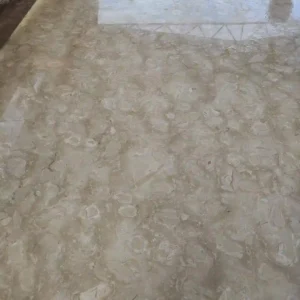
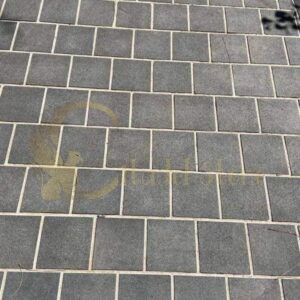
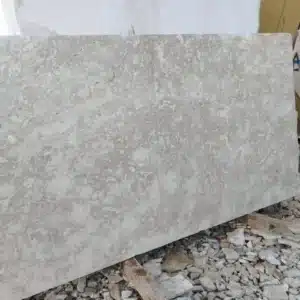
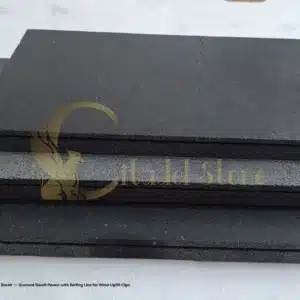
Travertine remains a strong choice for lower-elevation patio stone tiles in Arizona, particularly for covered or partially shaded applications. Its open pore structure provides natural drainage from the surface, reducing the slip hazard in monsoon rainfall — but that same porosity demands a penetrating sealer rated for ASTM C97 absorption rates below 0.75% to prevent freeze damage at higher elevations. Basalt and dense sandstone are worth serious consideration for high-traffic patio stone pavers in Arizona because their lower porosity reduces maintenance frequency and provides compressive strength typically above 15,000 PSI.
Base Preparation Standards by Elevation Zone
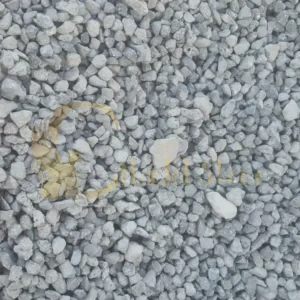
The specification that changes most dramatically with Arizona elevation is aggregate base depth. At sea-level-adjacent elevations in Yuma, a 4-inch compacted Class II base over stabilized native soil is generally sufficient for residential patio stone slabs in Arizona. Move up to 3,500 feet and you need to increase that to 6 inches, with attention to angular aggregate that locks under lateral load rather than the rounded river gravel that’s common in local supply yards but performs poorly under dynamic loads.
Above 5,000 feet, the standard shifts to 8 inches of compacted aggregate with a geotextile separation fabric between native soil and base material. This isn’t over-engineering — it’s the minimum specification that resists the frost-heave forces generated during freeze-thaw cycling. A 2-inch lift of compacted Type I concrete sand on top of the aggregate base gives your outdoor slabs for patio installations the bedding stability required to hold grade across seasonal movement. Skipping the geotextile to save cost at high elevations is the most common specification error that causes premature slab displacement.
- Elevations below 2,500 feet: 4-inch compacted aggregate base, 1-inch sand bedding, standard joint width 3/8 inch
- Elevations 2,500–5,000 feet: 6-inch compacted angular aggregate, geotextile optional but recommended, joint width 3/8–1/2 inch
- Elevations above 5,000 feet: 8-inch compacted aggregate with mandatory geotextile, 1.5-inch sand bedding, joint width 1/2 inch minimum
- All zones: minimum 1.5% cross-slope, 2% preferred in terrain-heavy sites
- Caliche hardpan zones: break up top 4–6 inches before placing geotextile and aggregate
For projects requiring technical guidance on material quantities or aggregate specification by zone, Natural Stone Paving Slabs from Citadel Stone covers sourcing and specification details that align with Arizona’s regional terrain requirements. Coordinating material delivery timing with base preparation milestones also prevents the common problem of truck access conflicts once aggregate is placed — something worth scheduling explicitly when your site has grade changes or limited vehicle clearance.
Format and Size Selection for Arizona Patio Applications
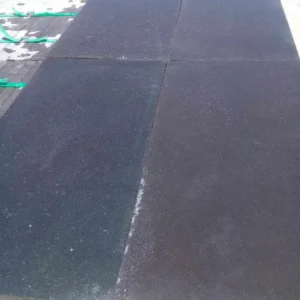
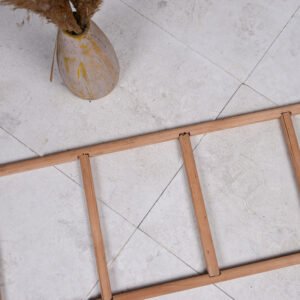
Slab format selection is where terrain-driven drainage design and aesthetics intersect. Larger format outdoor patio stone tiles — 24×24 inches and above — create a cleaner visual field and fewer joints, which some clients prefer. The trade-off is that fewer joints means less distributed drainage capacity across the slab surface, so your cross-slope and perimeter drainage channels need to do more work. In terrain with any meaningful grade, larger formats actually perform better structurally because they bridge minor sub-base voids more effectively than smaller pavers.
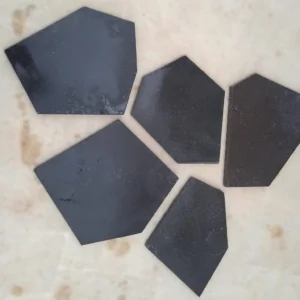
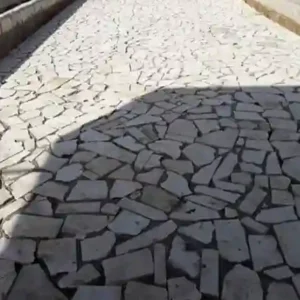
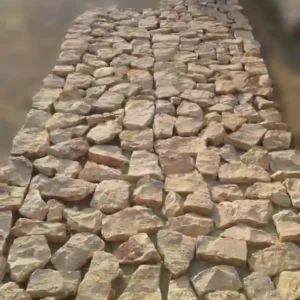
For irregular or sloping sites, a random-flagstone layout using outdoor patio stone in Arizona in mixed sizes between 16 and 36 inches provides the visual character clients want while giving you the installation flexibility to manage grade changes without cutting. The key is maintaining consistent bedding depth — varying more than 3/8 inch across the field causes lippage that becomes a serious trip hazard after the first monsoon season settles the base unevenly.
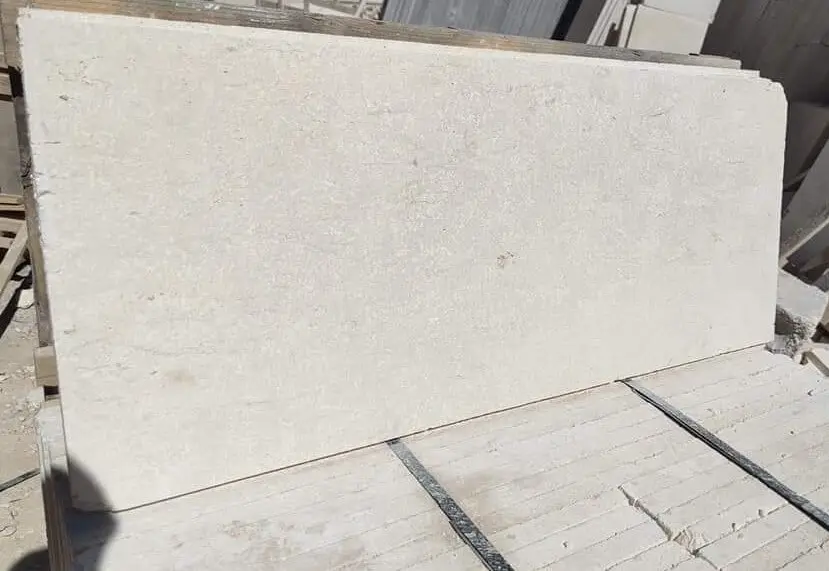
- 12×24-inch formats: optimal for rectangular patios with defined slope direction, easiest to align with drainage cross-fall
- 24×24-inch formats: best for flat or near-flat sites where visual scale matters and drainage is managed externally
- Random flagstone: ideal for naturalistic designs and terrain-following layouts, requires more skilled installation to maintain consistent bedding
- Thickness selection: 1.25 inches for pedestrian-only outdoor slabs in Arizona; 2 inches for mixed pedestrian and vehicle access; 3 inches for full vehicular applications
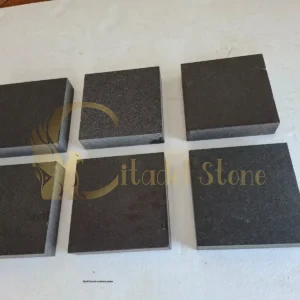
Citadel Stone stocks patio slabs in Arizona in standard formats including 12×24, 16×16, 18×18, 24×24, and random flagstone, with thicknesses from 1.25 to 3 inches depending on the material type. Sample tiles and thickness specifications are available on request before committing to a full order — particularly useful when matching existing stone on renovation projects where color consistency across batches matters.
Jointing Systems and Sealing Protocols for Terrain-Affected Installations
Arizona’s outdoor stone installations fail at the joints far more often than at the stone surface itself. The mechanism is straightforward: fine sediment washes into open joints during monsoon events, compresses over time, and creates hydrostatic pressure that lifts slab edges. Polymeric sand addresses this in lower-elevation applications, but above 5,500 feet it needs to be a freeze-thaw-rated formulation — standard polymeric sand becomes brittle and loses its binding capacity after repeated frost cycles, which defeats the purpose entirely.
For patio stone slabs in Arizona projects at Flagstaff‘s elevation, the sealing schedule shifts meaningfully from low-desert practice. You’re looking at annual inspection and reapplication every 18–24 months rather than the 3-year cycle that works in the Phoenix metro. Use a silane-siloxane penetrating sealer for porous limestone and travertine — it doesn’t alter the surface appearance and allows vapor transmission, which is critical at elevations where ground moisture migration is higher. Film-forming sealers look great initially but trap moisture beneath the surface in high-elevation installations and cause spalling within two seasons.
- Low elevation (below 2,500 feet): polymeric sand joints, penetrating silane-siloxane sealer, reseal every 2–3 years
- Mid elevation (2,500–5,000 feet): freeze-thaw-rated polymeric sand, penetrating sealer, reseal every 18–24 months, inspect joints annually
- High elevation (above 5,000 feet): flexible joint mortar or premium freeze-thaw polymeric sand, vapor-permeable penetrating sealer, annual inspection mandatory
- All zones: clean surface before sealing; wet stone will reject sealer penetration regardless of product quality
Bulk Ordering and Project Planning for Arizona Stone Projects
Ordering patio stone pavers in Arizona in bulk requires more planning than a straightforward material quantity calculation. Terrain-driven projects involve more cuts, more waste, and more material staging complexity than flat residential installs. A standard 10% overage works for rectangular layouts on flat ground; for terrain-following irregular layouts, budget 15–18% overage, especially if you’re working with a single stone lot to maintain color consistency. Mixing lots mid-project on natural stone almost always produces a visible color variation that no amount of sealing corrects.
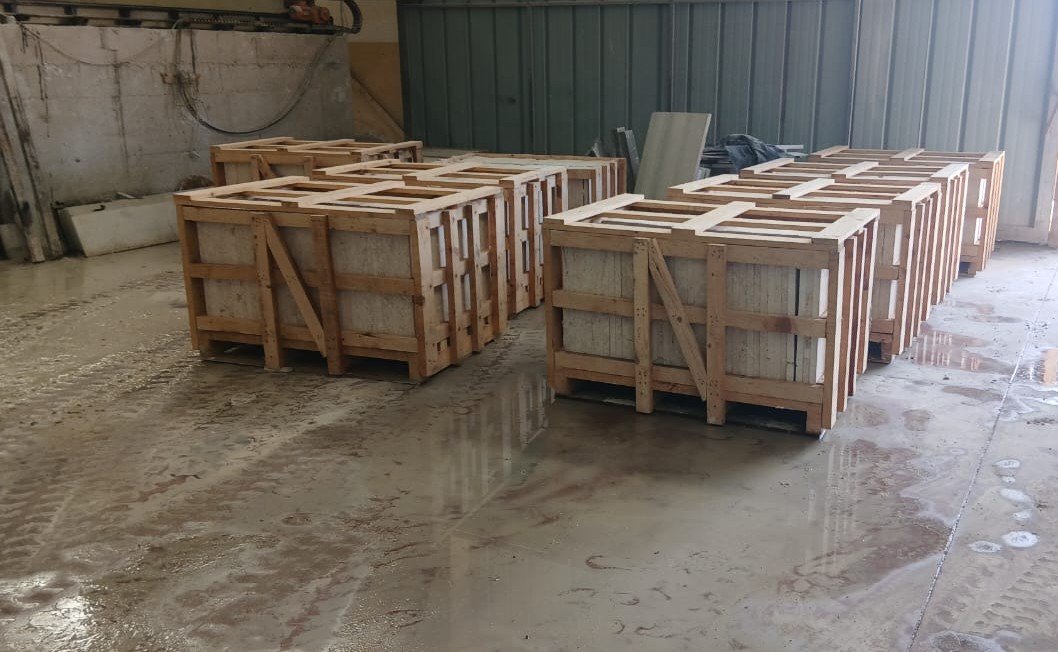
Verify warehouse stock levels before finalizing your project timeline. Arizona’s high-season installation period from October through April generates high demand for outdoor patio stone tiles in Arizona, and popular formats in limestone and travertine can have 3–4 week lead times from the warehouse during peak periods. Scheduling truck deliveries to align with base preparation milestones — rather than ordering everything at project start — also reduces on-site storage damage from UV exposure and equipment traffic over unprotected stone faces.
- Calculate square footage, then add 10% for rectangular layouts or 15–18% for irregular and terrain-following designs
- Order from a single batch or quarry lot to maintain color consistency across the full installation
- Confirm warehouse availability 4–6 weeks before your installation start date during peak season
- Schedule truck delivery to arrive 48–72 hours before installation begins — not weeks before — to minimize site storage damage
- For bulk buy paving slabs in Arizona on commercial projects, request a material reservation once design drawings are finalized, even before final quantities are confirmed
At Citadel Stone, we recommend trade and wholesale clients contact us early in the design phase rather than at the point of order — it gives us the opportunity to flag stock availability, confirm batch consistency, and schedule truck delivery to match your project sequence. Sourced from established quarry partners, each batch of natural paving stone goes through dimensional and color consistency checks before it leaves the warehouse, which reduces the rejection rate on site considerably.
Order Natural Stone Paving Slabs in Arizona from Citadel Stone
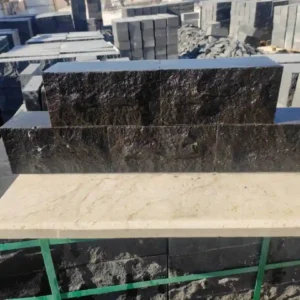
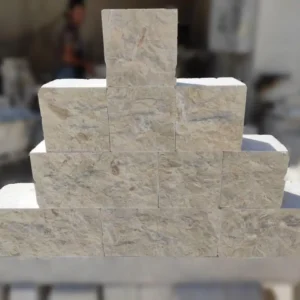
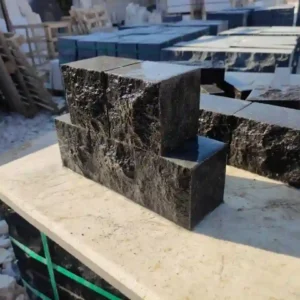
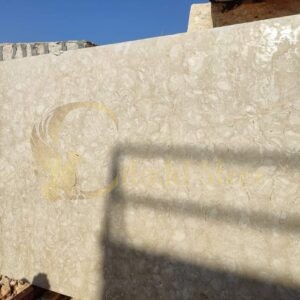
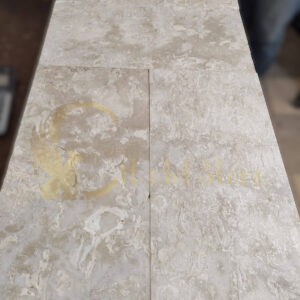
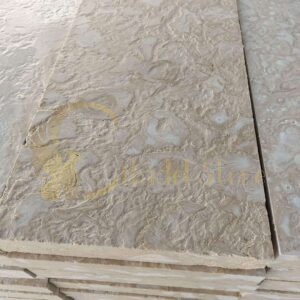
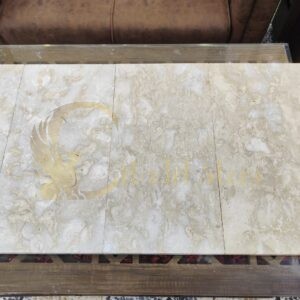
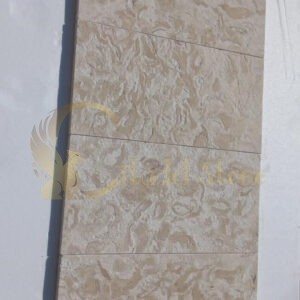
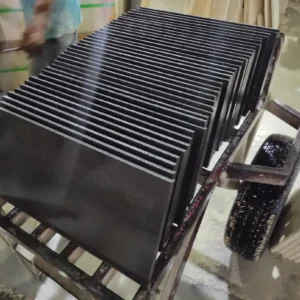
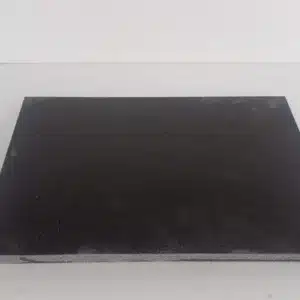
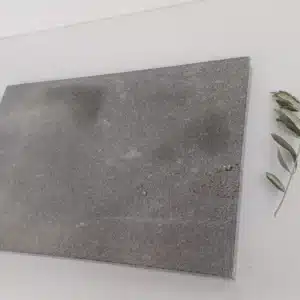
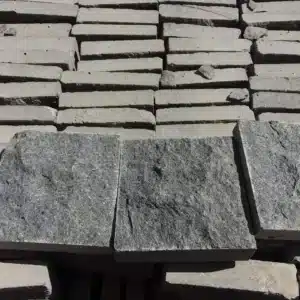
Citadel Stone supplies natural stone paving slabs in Arizona in a full range of formats, thicknesses, and finishes suited to the state’s varied elevation zones and terrain conditions. Available materials include limestone, travertine, basalt, and sandstone in honed, brushed, and natural cleft finishes — each matched to specific application contexts from low-desert residential patios to high-elevation commercial outdoor spaces. Standard formats run from 12×12 to 24×24 and random flagstone, with thicknesses from 1.25 to 3 inches depending on load requirements.
Sample tiles and full material specifications are available through the Citadel Stone product pages or by contacting the technical team directly for project-specific guidance. Trade and wholesale enquiries receive dedicated support including material scheduling, delivery coordination across Arizona, and quantity verification before orders are confirmed. Lead times from regional warehouse inventory typically run 1–2 weeks for standard formats and 3–5 weeks for specialty sizes or high-demand periods.
For commercial projects requiring custom cuts, oversized formats, or phased delivery across multiple construction stages, the Citadel Stone team can advise on lead times and staging schedules that keep your installation on track without over-ordering early. Delivery coverage spans the full state — from Scottsdale and Chandler in the valley to Sedona, Flagstaff, and the high-country markets where terrain and elevation logistics require more careful scheduling. Your project scope and site-access details inform our delivery planning, ensuring materials arrive ready for installation rather than requiring rehandling on site. For complementary stone applications on Arizona projects, 12×24 Stone Pavers in Arizona provides additional format-specific guidance relevant to residential and commercial specifications across the state. Homeowners in Flagstaff, Sedona, and Yuma source Natural Stone Paving Slabs through Citadel Stone for Arizona residential and commercial installations.