Why Acid Is Limestone’s Worst Enemy
The natural limestone cleaning guide most homeowners never get is the one that explains the chemistry before the checklist. Limestone is calcium carbonate — and calcium carbonate reacts with acid. That means citrus-based cleaners, vinegar, standard bathroom tile sprays, and even many “stone-safe” multi-surface products will chemically attack the surface, producing the dull, pitted finish that no amount of polishing fully reverses. Understanding this one fact shapes every cleaning decision you’ll make.
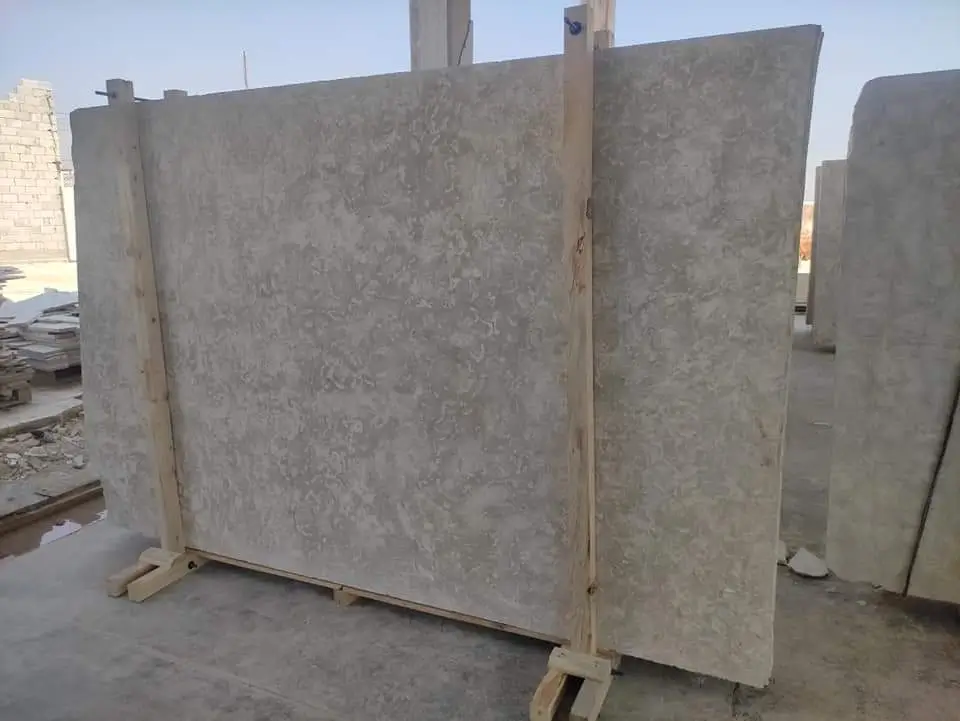
The damage isn’t always dramatic. What you’ll often see first is a subtle loss of reflectivity in honed or polished surfaces — a faint haziness that appears in patches where cleaners pooled or dripped. On textured or tumbled limestone, acid etching shows up as micro-pitting that traps soil and makes routine cleaning harder over time. Catching this pattern early is the difference between a light reseal and a full re-hone.
Choosing the Right Natural Limestone Cleaner
Your natural limestone cleaner selection comes down to two non-negotiable criteria: pH-neutral formulation and no chelating acids. A pH range of 7–8 is the safe zone. Cleaners below pH 6 etch; cleaners above pH 10 can degrade sealers and soften grout over repeated use. Dedicated stone cleaners from manufacturers who publish their pH values are worth the premium — guesswork here is expensive.
- Look for products labeled specifically for natural stone, not ceramic or porcelain tile
- Avoid any cleaner containing hydrochloric acid, phosphoric acid, acetic acid (vinegar), or citric acid
- Check for sodium hypochlorite (bleach) — it won’t etch limestone but can discolor certain natural limestone colors over time
- pH-neutral dish soap diluted in water is a reliable fallback for routine cleaning, but avoid formulas with added citrus or degreaser concentrates
- Enzymatic cleaners work well for organic stains like algae or food residue without requiring acid activation
According to Natural Stone Institute limestone care and maintenance specifications, pH-neutral cleaning products are the industry-standard recommendation for calcium carbonate stones in both interior and exterior applications. That guidance aligns with what field experience consistently shows — the cleaners that promise the deepest clean are usually the ones doing the most damage.
The Correct Routine Cleaning Method
Your routine cleaning sequence matters as much as your product choice. Start by rinsing the surface with plain water to float loose grit — skipping this step is how fine particulates get ground into the surface during mopping or scrubbing, producing hairline scratches that mimic acid etching under certain lighting. Use a soft-bristle brush or a microfibre mop; avoid abrasive scrubbing pads entirely.
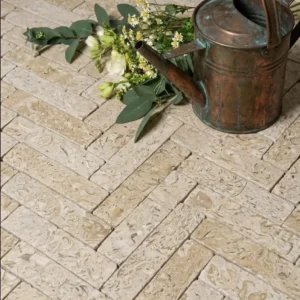
Apply your pH-neutral natural limestone cleaner in sections rather than across the entire surface at once. Let it dwell for 30–60 seconds — long enough to lift soil without letting it dry on the surface, which can leave residue in the pore structure. Work with overlapping strokes and rinse thoroughly before the solution evaporates. On exterior limestone paving, a low-pressure rinse (under 800 PSI) is usually sufficient; high-pressure washing risks opening surface fissures in softer limestone varieties.
- Rinse with plain water before applying any cleaner — float the grit first
- Use a soft mop or natural-bristle brush — synthetic abrasive pads scratch honed finishes
- Work in sections of 4–6 square feet to keep dwell time consistent
- Rinse completely after each section — don’t let cleaner dry on the surface
- For exterior limestone paving, keep pressure washing below 800 PSI and keep the wand moving
Tackling Stains Without Causing Damage
Different stains require different approaches, and the instinct to reach for the strongest cleaner is the instinct that causes the most damage on limestone. Oil-based stains — cooking grease, motor oil, sunscreen residue — respond well to a poultice made from powdered whiting chalk and acetone. The poultice draws the oil out of the pore structure over 24–48 hours rather than driving it deeper with scrubbing.
Organic stains (algae, mildew, leaf tannins, food) are best addressed with a diluted hydrogen peroxide solution — 12% concentration is effective and limestone-safe. Apply it to the stained area, cover with plastic sheeting to slow evaporation, and allow 6–12 hours of contact time. Rust stains are the genuinely difficult category: most rust removers rely on oxalic or phosphoric acid, which will etch your limestone. A professional-grade iron stain remover formulated specifically for calcium carbonate stone is the only safe option, and even then, test in an inconspicuous area first.
The USGS limestone composition reference confirms that calcium carbonate’s reactivity to acid is an intrinsic mineralogical property — not a quality defect. That means no sealer or surface treatment eliminates the etching risk from acid contact; it only buys you a short window before the acid reaches the stone.
How Natural Limestone Colors Affect Cleaning Visibility
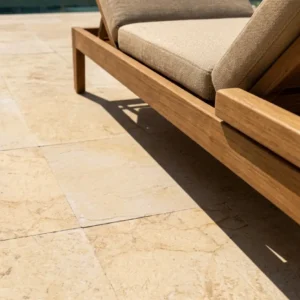
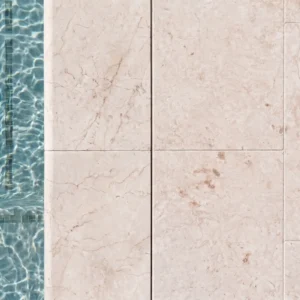
Natural limestone colors span a wide range — creamy beige, warm buff, cool grey, and near-white — and each tonal range reveals cleaning issues differently. Lighter natural limestone colors show residue, water spotting, and efflorescence more readily, which can make them feel high-maintenance even when the cleaning routine is sound. Darker or more variegated tones tend to hide day-to-day soil but can reveal haze from sealer buildup more dramatically under raking light.
- Light-toned limestone (cream, ivory, white) requires more frequent rinsing to prevent water spot accumulation from mineral-rich tap water
- Grey and charcoal tones show white efflorescence deposits clearly — treat with a dedicated efflorescence cleaner formulated for stone, never with acid
- Warmer buff and gold tones can develop an orange tint if iron-bearing groundwater is present — this is a moisture management issue, not a cleaning failure
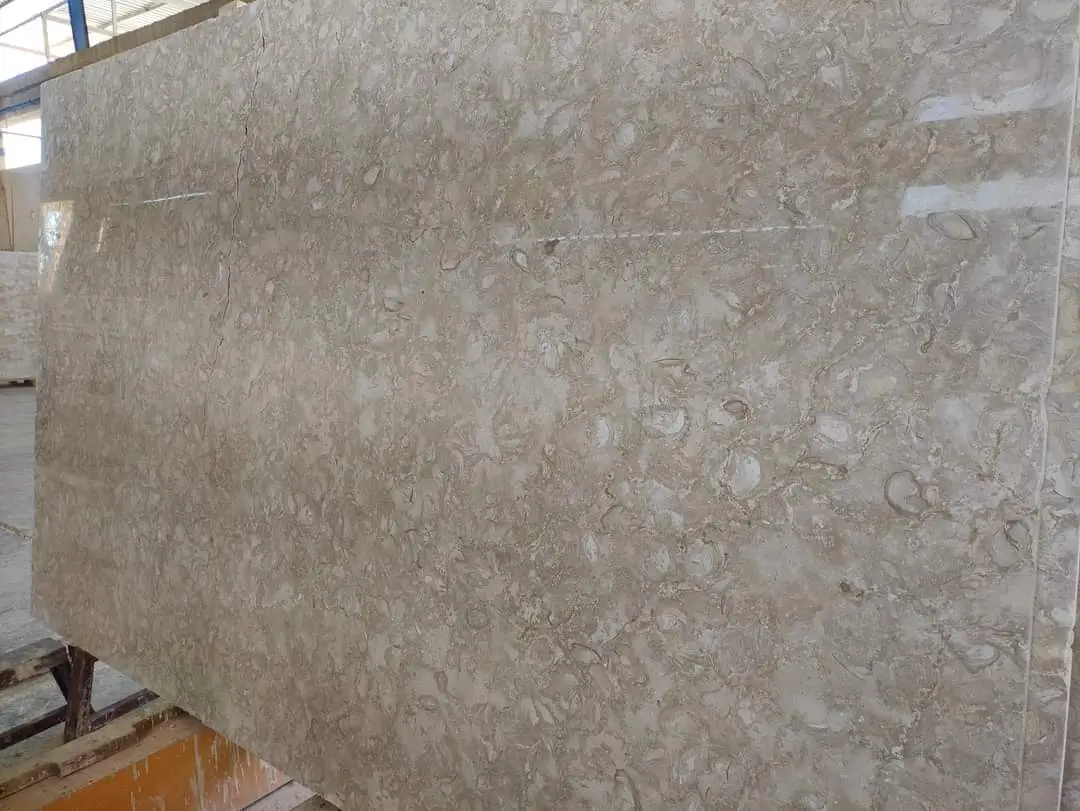
- Fossiliferous limestone with visible shell inclusions may have micro-pockets that trap cleaners — rinse these varieties especially thoroughly
Understanding how your specific stone’s color and finish interact with cleaning chemistry helps you catch problems early. For detailed finish-specific guidance, our limestone maintenance guidance covers honed, polished, and textured surface protocols in practical terms.
Sealing: Your First Line of Defence Against Staining
Sealing doesn’t make limestone stain-proof — it makes it stain-resistant and gives you a response window. An impregnating sealer penetrates the pore structure and deposits a hydrophobic barrier that causes liquids to bead rather than absorb instantly. That 5–15 minute window is the difference between wiping up a spill and poulticing a stain. The sealer doesn’t change how acid reacts with the stone’s surface — etching still occurs on contact — but it significantly slows liquid penetration for non-acid spills.
Resealing frequency depends on traffic, finish, and exposure. Interior honed limestone in moderate-traffic areas typically needs resealing every 18–24 months. Exterior limestone paving in environments with freeze-thaw cycling may need annual attention. The water-bead test is your diagnostic: pour a tablespoon of water on the surface. If it absorbs within 2–3 minutes rather than beading, it’s time to reseal. According to Britannica’s limestone geological reference, the interconnected pore structure common in sedimentary calcium carbonate formations is precisely what makes impregnating sealers effective — they physically occupy the capillary pathways that moisture uses.
Caring for Limestone Thin Veneer Installations
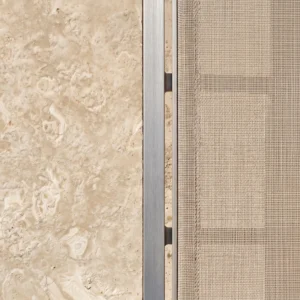
Limestone thin veneer on exterior facades and feature walls presents cleaning challenges that flat paving doesn’t. The vertical orientation means cleaners run quickly and contact time is difficult to control. You’ll also be working with mortar joints that may react differently than the stone face — many Portland cement-based mortars are slightly alkaline, and if your cleaning product is even mildly acidic, you can erode the joint faster than the face stone.
- Use a pump sprayer to apply cleaner to thin veneer — it gives you controlled dwell time without flooding the surface
- Work from bottom to top when cleaning, then rinse from top to bottom — this prevents dirty runoff from re-staining cleaned sections
- Check mortar joint condition before cleaning — damaged joints allow water infiltration behind the veneer, which accelerates moisture-related issues
- Avoid high-pressure washing on limestone thin veneer entirely — the force can dislodge sections and drive water behind the membrane
- Biological growth (moss, lichen) on shaded veneer panels should be treated with a diluted biocide specifically rated for natural stone before physical removal
Seasonal Timing and Scheduling Your Cleaning Programme
Scheduling your cleaning and resealing work around seasonal conditions has a real impact on outcomes. Applying sealers in temperatures below 50°F significantly slows cure times and can prevent the impregnating compound from fully penetrating — you’ll get surface residue rather than a proper barrier. The practical window is between 55°F and 85°F surface temperature, and you want at least 48 hours of those conditions after application before any rain or foot traffic.
Deep cleaning of exterior limestone paving is best scheduled for late spring or early autumn, when temperatures are moderate and surfaces aren’t receiving intense direct sun. Cleaning product applied to a hot surface in direct afternoon sun can evaporate before it dwells long enough to work — early morning is consistently more effective for exterior work. If you’re planning a major resealing project, coordinate your warehouse order early: Citadel Stone typically maintains stock for national delivery within 1–2 weeks, which aligns well with a spring scheduling window before peak installation season tightens lead times.
Mistakes That Accelerate Etching and Dullness
The natural limestone cleaning guide that field experience produces is largely a list of what not to do. The most common and damaging mistake is using a general-purpose household cleaner — many contain citric acid as a preservative or brightening agent that isn’t prominently disclosed on the label. A product that’s fine on your kitchen countertop may be actively etching your limestone floor every week.
- Using undiluted cleaning products — always follow dilution ratios; concentrated solutions increase pH or acid exposure significantly
- Scrubbing dry — always wet the surface first, which prevents grit from acting as sandpaper under your mop or brush
- Ignoring grout haze after installation — grout haze contains alkaline compounds that, if not removed within the cure window, can bond to the limestone face and require abrasive removal later
- Steam cleaning without checking manufacturer guidance — very high-temperature steam can force moisture into the pore structure and may affect sealers in thin veneer applications
- Applying multiple cleaning products in sequence without thorough rinsing between — product interaction can produce unexpected pH levels on the surface
Decision Points
The choices that define your limestone cleaning programme come down to product chemistry, timing, and matching your approach to your specific surface finish and exposure. Lighter natural limestone colors need more frequent attention to water spotting; exterior limestone paving needs seasonal scheduling around temperature windows; and limestone thin veneer requires lower-pressure, more controlled application methods than flat surfaces. None of these are complex once you understand the material’s chemistry — calcium carbonate reacts with acid, and everything else follows from that fact.
At Citadel Stone, we’ve seen the full range of cleaning outcomes across the natural limestone cleaning projects we support — from perfectly maintained installations to surfaces that needed professional re-honing because of repeated acid cleaner exposure. The pattern is consistent: the installations that hold up over time are the ones where the cleaning routine was established correctly from the start. As you plan your stone specification and care programme, it’s worth exploring related material decisions too — how limestone compares to slate slabs covers another dimension of natural stone selection that may inform your overall project choices. For routine upkeep, Citadel Stone advises rinsing limestone paving with plain water before applying any cleaner to avoid grinding dry grit into the surface.
Related reading: limestone exterior applications · is limestone a natural stone · natural limestone colors guide.