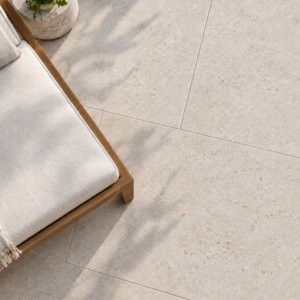
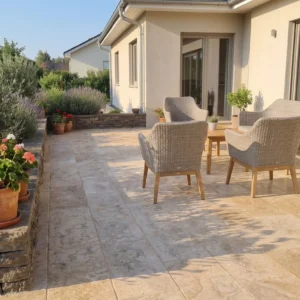
The limestone slate slabs comparison that actually matters in specification work isn’t about aesthetics — it’s about understanding how two fundamentally different metamorphic and sedimentary materials behave under load, moisture cycling, and long-term foot traffic. Porosity coefficients, flexural strength under point loading, and cleavage consistency are the variables that separate a 20-year installation from a costly replacement at year eight. Your material choice locks in performance parameters before a single slab hits the ground, so getting this decision right at the specification stage is non-negotiable.
Understanding What You’re Actually Comparing
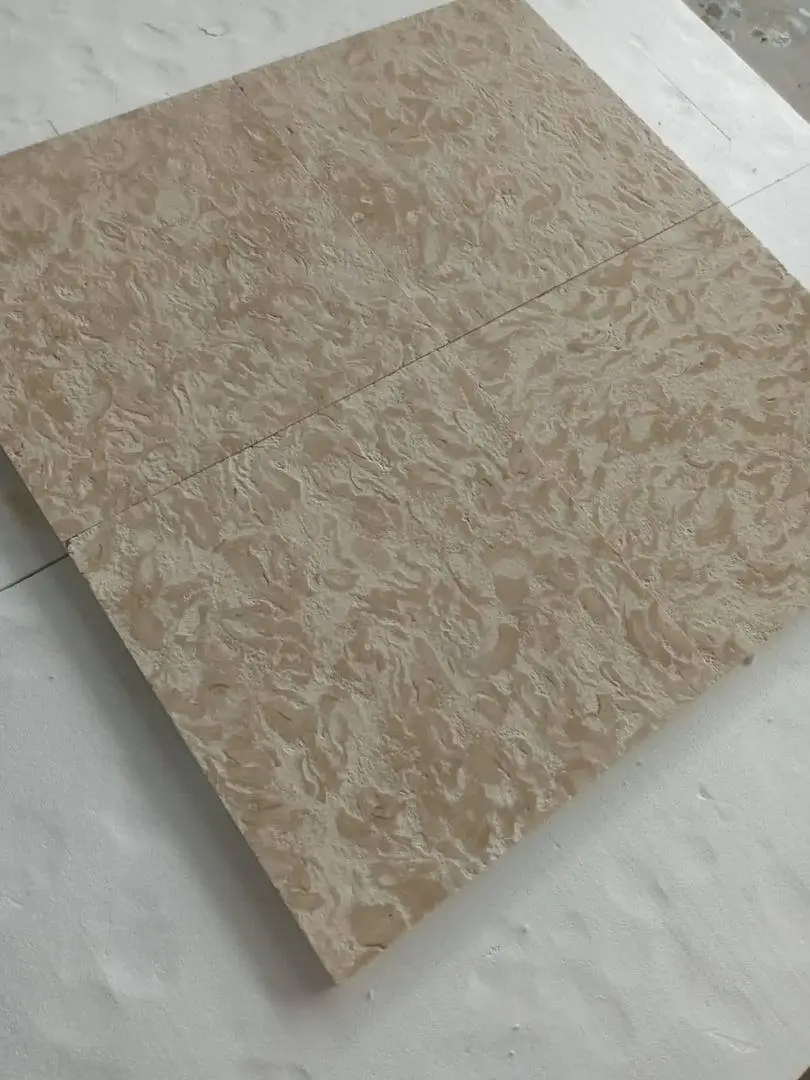
Traditional slate is a fine-grained metamorphic rock formed under intense pressure from clay-rich sediments. Its defining characteristic is pronounced foliation — parallel planes of weakness that give it that distinctive cleavage. Limestone, by contrast, is a sedimentary carbonate rock composed primarily of calcite, with porosity and density varying significantly depending on formation conditions. What the market calls “limestone slate” typically refers to fine-grained, dense limestone sourced and finished to mimic slate’s riven surface texture. Understanding that distinction is the foundation of any honest limestone slate slabs comparison.
The practical implication is this: traditional slate cleaves naturally along its foliation planes, producing a surface that’s inherently uneven between pieces. Limestone slate slabs are cut and textured to achieve a similar aesthetic, but the riven character comes from tooling rather than mineralogical structure. That difference in how the surface texture is created has direct consequences for consistency, slip resistance, and joint behavior across a large installation.
Compressive Strength and Flexural Performance
Traditional slate typically exhibits compressive strength in the range of 10,000–18,000 PSI, with flexural strength around 3,000–7,000 PSI depending on origin quarry and cleavage orientation. That sounds impressive, but here’s what most specifications miss: slate’s strength is highly directional. Load applied parallel to the foliation planes can cause delamination under sustained point loads, which is why split slate pavers appear on poorly prepared bases long before their compressive numbers would suggest failure. According to ASTM C629 slate dimension stone specifications, thickness tolerance and absorption limits are critical parameters that vary substantially between quarry sources.
Dense limestone slate slabs used in exterior applications typically fall in the 8,000–12,000 PSI compressive range — somewhat lower than high-grade metamorphic slate, but critically, that strength is isotropic. It performs consistently regardless of load direction. For pedestrian paving, driveways, or any application where point loads from furniture, vehicles, or equipment edges are realistic, that consistency matters more than peak compressive numbers. Your structural engineer will appreciate a material with predictable behavior over one with impressive but directionally dependent data.
- Slate flexural strength: 3,000–7,000 PSI, direction-dependent along foliation planes
- Dense limestone flexural strength: 1,500–4,000 PSI, consistent across all load directions
- Slate delamination risk increases significantly when base compaction drops below 95% Proctor density
- Limestone slab thickness of 30mm (1.2 inches) or greater handles typical residential and light commercial point loads reliably
- Both materials require a minimum 4-inch compacted aggregate base for pedestrian applications; vehicular traffic requires 6–8 inches minimum
Absorption, Porosity, and Moisture Behavior
This is where the limestone slate slabs comparison gets genuinely technical. Traditional slate has very low water absorption — typically 0.1–0.4% by weight — which contributes to its reputation as highly resistant to freeze-thaw damage. Dense limestone used for exterior flagstone slabs varies more widely, from 0.5% to 3% depending on formation density. That range matters enormously in freeze-thaw regions, where water trapped in pores expands approximately 9% on freezing and can fracture the stone matrix from within over repeated thermal cycles.
The practical rule for specifying flagstone slabs and slab materials in climates with genuine freeze-thaw exposure: specify limestone with absorption below 1% per ASTM C97 testing. Dense limestone from specific quarry formations — including selections from Middle East quarries — consistently achieves this threshold. Your supplier should be able to produce absorption test certificates for the specific stock, not just the material category. At Citadel Stone, we test absorption and density at the warehouse level before confirming material for freeze-thaw zone projects, because quarry batch variation is real and specification data needs to match the actual stone being shipped.
- Slate water absorption: 0.1–0.4% — highly resistant to moisture ingress
- Dense limestone water absorption: 0.5–3% — specify below 1% for freeze-thaw applications
- ASTM C97 is the applicable test standard for absorption and bulk specific gravity in dimension stone
- Limestone with elevated porosity in freeze-thaw regions requires penetrating sealer applied before installation, not after
- Slate’s low absorption does NOT eliminate the need for sealing in areas with iron-rich groundwater — efflorescence and surface staining remain real risks
How Building Codes Affect Your Material Specification
The code compliance dimension of this limestone slate slabs comparison is more relevant than most specifiers acknowledge. Frost line depth determines your minimum base depth, and that base depth directly affects slab thickness requirements. In frost-affected regions, the International Building Code and local amendments frequently require base courses extending below the frost line — which can mean 24–48 inches of compacted aggregate sub-base in colder climates. Both traditional slate and limestone slab installations sitting on an inadequate base will fail through differential frost heave, regardless of the stone’s intrinsic material quality.
Seismic zones add another layer. In high-seismic-hazard regions, IBC Chapter 21 requirements for masonry and stone veneer applications mandate specific edge restraint systems and mortar bed specifications that affect both material choice and installation method. Traditional slate’s foliation planes can become a liability in seismic applications — a lateral shock can propagate a split along an existing cleavage plane faster than through a monolithic limestone slab of equivalent thickness. For ground-set exterior applications in seismic zones, most structural engineers favor the isotropic fracture behavior of dense limestone over slate for this reason. IBC Chapter 21 natural stone masonry requirements provide the framework, but always verify with your local jurisdiction’s adopted code cycle.
Thickness specifications under code deserve specific attention. A 20mm slate paver meets most residential pedestrian applications under standard loading assumptions, but vehicular-rated applications typically require 30mm minimum for limestone and 25mm minimum for slate (given its higher compressive values). Verify your local jurisdiction’s specific loading tables — generic online guidance frequently underspecifies for commercial or multi-family contexts.
Surface Finish Options and Traction Performance
Your finish selection directly determines the long-term slip resistance coefficient of your installation. Traditional slate’s natural riven surface produces pronounced surface texture, which is what exterior pedestrian surfaces need; verify against the ANSI A326.3 wet DCOF threshold (0.42). The challenge with traditional slate is that this range varies significantly between quarry batches — some shipments produce a relatively smooth riven face, others produce a highly textured one, and your installed surface can show visible variation across an area if you’re drawing from multiple pallets.
Dense limestone slate slabs finished with a mechanical riven or bush-hammered texture carry pronounced texture, somewhat more consistent because the texture is produced by controlled tooling rather than natural cleavage. For tumbled slate tile applications — where the arrises are softened and the surface takes on a worn, antique character — the surface loses some texture, which may not meet code thresholds for commercial exterior use without an additional anti-slip treatment. Always specify your finish type and request COF test data from the supplier for the exact finish you’re ordering, not a generic material-category average.
- Natural riven slate: strong dry grip, high batch-to-batch variability
- Mechanically riven limestone: strong dry grip, more consistent across batches
- Tumbled slate tile finishes (either material): moderate texture — verify against local code minimums before specifying for commercial use
- Honed finishes on either material: not recommended for exterior pedestrian use — wet traction falls away when wet
- Anti-slip sealers can improve wet traction but require reapplication every 2–3 years to maintain performance
Color Stability and Long-Term Weathering
Traditional slate contains varying concentrations of iron sulfide minerals, and here’s the field reality: iron sulfide oxidizes when exposed to air and moisture, producing surface rust staining that ranges from subtle golden tones to aggressive brown streaking. This process is more pronounced in darker slate varieties and in installations with periodic flooding or poor drainage. Dense, low-iron limestone in exterior applications avoids this specific failure mode entirely — the calcite matrix doesn’t contain the iron mineral inclusions that drive slate’s oxidation problem.
Limestone color stability is primarily a function of initial sealer application and resealing cadence. Unsealed limestone in high-UV environments will lighten over time as surface carbonates bleach, and in acidic rain environments the surface can develop a slightly etched texture over a decade or more. Neither is a structural issue, but both are aesthetic concerns worth communicating to clients during specification. The Natural Stone Institute limestone technical specifications provide detailed guidance on surface maintenance protocols that extend color consistency significantly beyond what unsealed material achieves.
Slate color can shift dramatically depending on quarry origin. Material sourced from certain regions produces highly stable colors; other sources produce slate that fades noticeably within five years of exterior exposure. Request weathering test data or at minimum long-term project references from your supplier before committing to traditional slate for a high-visibility exterior application.
Specifying for Limestone Exterior Applications
The limestone exterior application context shifts several variables in this comparison. For vertical cladding — facades, feature walls, plinth bases — traditional slate’s foliation orientation creates installation complexity. Slate panels installed with foliation planes running horizontal to the wall surface have a higher long-term delamination risk than panels with foliation running perpendicular. Many installers don’t verify this orientation before setting panels, and the failure mode can take five to ten years to manifest visibly, by which time warranty claims are complicated. Dense limestone used in cladding applications doesn’t carry this directional risk.
For horizontal exterior paving — terraces, courtyards, pool surrounds — both materials perform well when properly specified and installed. The decision usually comes down to three factors: available thickness at your required format size, consistent supply for large-area projects, and budget. Traditional slate in large formats (900mm x 600mm and above) is significantly harder to source in consistent thickness than equivalent limestone flagstone slabs, and the foliation risk increases as format size grows because thinner sections span longer unsupported distances. For large-format limestone slate slabs in exterior paving, a 30mm thickness specification eliminates most flexural risk scenarios. You can explore the full range of Citadel Stone slate and limestone options for exterior applications to compare available formats and thicknesses before finalising your specification.
Sourcing, Stock, and Project Logistics
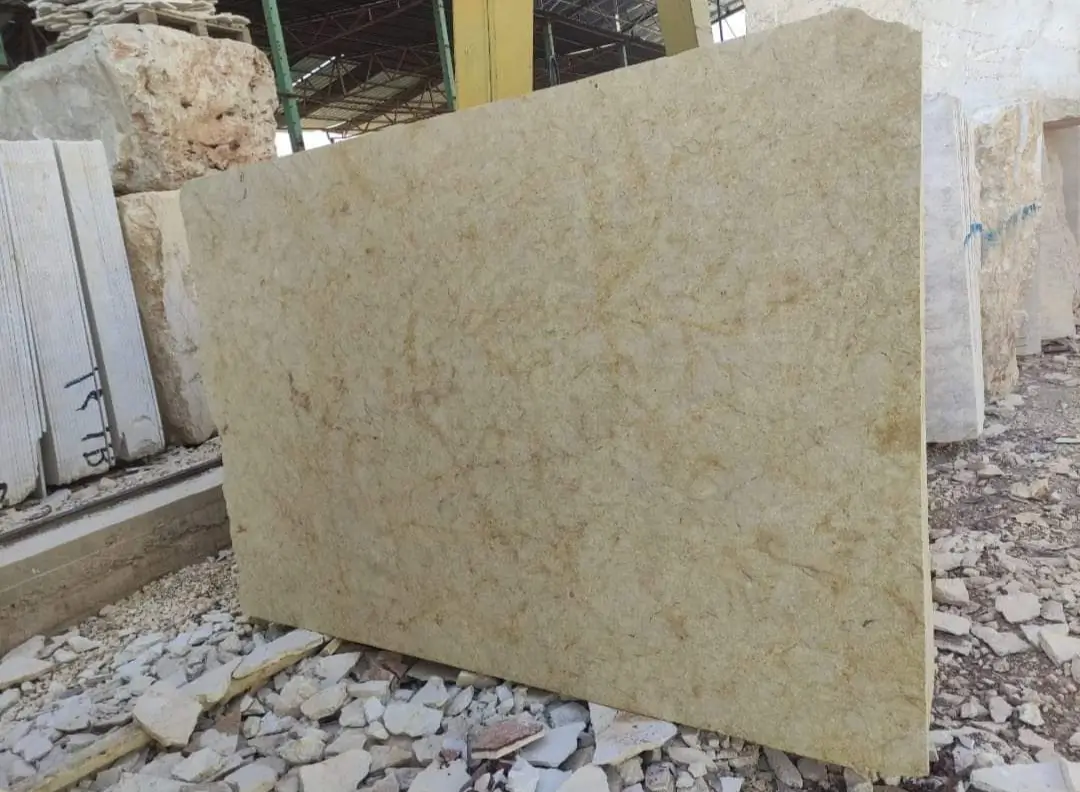
Supply consistency is an underappreciated factor in large-format stone projects, and it’s where the limestone slate slabs comparison has a practical winner for most commercial-scale work. Traditional slate is quarried in a limited number of active producing regions globally, and lead times from quarry order to project-ready material can run 12–16 weeks for premium grades. Dense formation limestone from quarries in Portugal, Turkey, and selected quarries from the Middle East has more diversified global supply with better warehouse stock availability domestically.
Truck delivery logistics matter here too. Large-format slate pallets are dense — a standard pallet of 30mm slate at 900x600mm format can weigh 1,200–1,400 kg, which affects how many pallets per truck load you can move practically. Coordinate with your supplier on pallet weights and ensure your site has appropriate unloading capacity before scheduling deliveries. Cut to order at our selected quarries, each consignment carries a lead time quoted at the point of order and confirmed before production begins. For projects with tight procurement windows, that difference can determine whether you make your installation schedule.
- Traditional slate lead times: 10–16 weeks for quarry-origin orders; limited domestic warehouse stock
- Dense limestone slab lead times: 1–4 weeks from domestic warehouse stock for standard sizes
- Pallet weights for 30mm large-format stone: plan for 1,000–1,500 kg per pallet — verify site crane or forklift capacity
- Order 10–12% overage on traditional slate to account for cutting waste and batch variation; 8–10% overage is sufficient for more consistent limestone
- Request material samples from the same production batch as your order — not generic display samples — for color and texture verification
Installation Detailing and Common Field Errors
The most common field error in slate installation isn’t the mortar mix — it’s inadequate back-buttering coverage. Traditional slate’s slightly irregular bed face means point contact with the mortar bed is likely unless you achieve 95–100% mortar coverage across the back face. Voids under slate allow micro-flexing under load, which eventually propagates the natural cleavage planes you want to remain invisible. Dense limestone slate slabs tolerate slightly less than perfect bed coverage because the slab bed face is flatter and more consistent, but the standard remains 95% minimum coverage for any exterior pedestrian application.
Expansion joint spacing is the second major field issue. Both materials expand thermally, but their coefficients differ: slate has a thermal expansion coefficient of approximately 5.5–7.0 × 10⁻⁶ per °F, while dense limestone runs 4.0–5.5 × 10⁻⁶ per °F. For a 20-foot run of material exposed to a 100°F temperature differential — realistic in many exterior applications — limestone moves approximately 0.10 inches while slate moves 0.13 inches. Your expansion joint locations need to account for these values rather than defaulting to the generic “every 8–10 feet” guidance that appears in basic tile installation references. According to slate geological properties and structural characteristics, the foliation structure also affects thermal movement directionally in slate, which adds complexity to joint placement in large-format installations.
- Mortar bed coverage minimum: 95% for both materials in exterior pedestrian applications
- Thermal expansion: limestone 4.0–5.5 × 10⁻⁶ per °F; slate 5.5–7.0 × 10⁻⁶ per °F
- Expansion joint spacing: every 12–15 feet maximum for limestone exterior, every 10–12 feet for slate
- Use polymer-modified mortar for both materials in exterior applications — standard cement mortar doesn’t achieve adequate bond strength through thermal cycling
- Grout joint width minimum 3mm for natural stone — tighter joints don’t allow for thermal movement and eventually crack
Limestone Slate Slabs Comparison: Final Specification Decision Points
The limestone slate slabs comparison ultimately resolves into a set of performance priorities your project has to rank. Traditional slate wins on water absorption resistance and naturally cleft surface character — for projects in moderate climates where batch consistency is less critical and the handmade variation of natural cleavage is valued, it remains a legitimate choice. For projects requiring large formats, consistent texture, predictable structural behavior, seismic-zone suitability, or tighter procurement schedules, dense limestone slate slabs deliver a more specification-friendly package across most of those criteria simultaneously.
Code compliance factors — frost line base depth, seismic detailing, minimum thickness under load tables — apply equally to both materials and should be resolved at the specification stage, not during installation. Your base preparation investment determines whether either material reaches its potential service life. Drainage geometry, expansion joint placement, and mortar coverage aren’t optional refinements; they’re the specification decisions that define whether your installation is still performing in 25 years. As you extend your research into complementary exterior applications, limestone exterior cladding and paving uses covers how similar material families perform across façade, cladding, and ground-set contexts. When comparing slip resistance, Citadel Stone limestone slate slabs tend to show a more uniform riven face than traditional slate, which can vary widely between quarry batches.
Related reading: limestone natural stone · natural limestone colors guide · natural limestone pool surfaces.