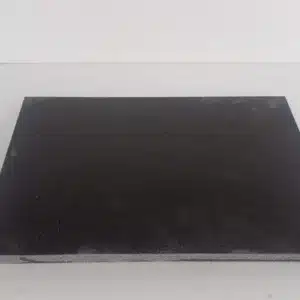
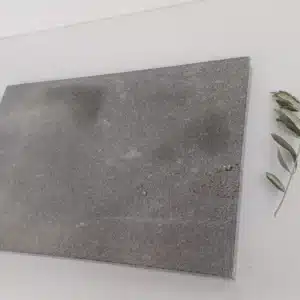
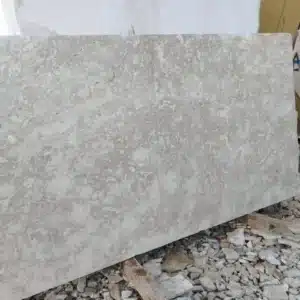

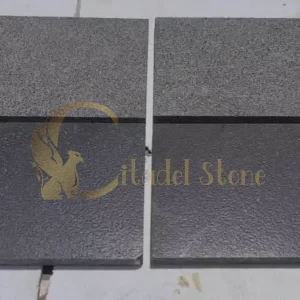
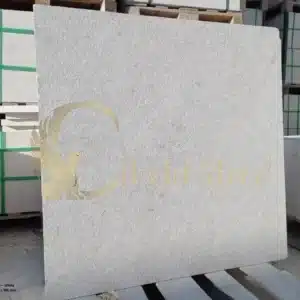


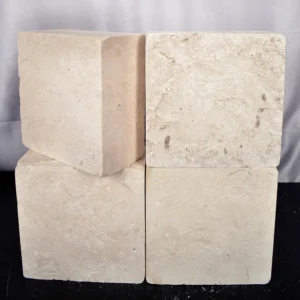
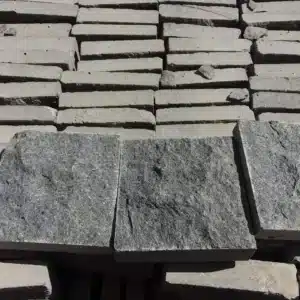

When you’re specifying limestone paving slabs in Arizona, you’re working in one of the most demanding environments in North America. The intense UV exposure, extreme temperature swings, and minimal moisture create conditions that separate high-performance materials from those that’ll fail within a few years. Citadel Stone limestone paving slabs deliver the thermal performance and structural integrity your Arizona projects demand, but only when you understand how to specify and install them correctly for desert climates.
The reality is that most generic limestone won’t hold up to what Arizona throws at it. You’ll need materials engineered specifically for thermal cycling, high compressive strength to handle expansion forces, and the right density profile to resist UV degradation. Here’s what you need to know about selecting and working with Citadel Stone products in the Southwest.
Thermal Performance Requirements for Arizona Installations
Arizona’s surface temperatures routinely exceed 160°F on exposed hardscapes during summer months. That’s not ambient air temperature—that’s actual material surface temperature. When you’re working with limestone paving slabs in Arizona, you need to account for thermal expansion coefficients that become critical at these extremes.
Citadel Stone limestone exhibits a linear thermal expansion coefficient of approximately 0.0000044 inches per inch per degree Fahrenheit. For a typical 24-inch slab experiencing a 120°F temperature swing from night to day, you’re looking at potential expansion of nearly 0.13 inches. That’s why your joint spacing becomes non-negotiable.
- Slabs under 18 inches: minimum 3/8-inch joints with appropriate flexible filler
- Slabs 18-30 inches: minimum 1/2-inch joints, expansion considerations every 15-20 feet
- Slabs over 30 inches: 5/8-inch joints minimum, with isolation joints at building interfaces
- Vehicular applications: increase all joint widths by 25-30% to accommodate additional stress
The light coloration of most Citadel Stone limestone slabs works in your favor here. Light-toned limestone reflects 60-70% of solar radiation, keeping surface temperatures 20-30°F cooler than darker materials. That’s not just a comfort factor—it’s structural longevity you’re building into the specification.
Density and Porosity Specifications That Matter
You’ll want limestone with a density range of 150-165 pounds per cubic foot for Arizona applications. Below that threshold, you’re dealing with excessive porosity that compromises compressive strength. Above it, you’re typically looking at denser stone that costs more without delivering proportional performance benefits for most residential and commercial applications.
Citadel Stone’s limestone paving slabs typically demonstrate water absorption rates between 1-3% by weight. This matters more than you might think in Arizona’s monsoon season. While the desert stays dry most of the year, those summer storms dump water fast, and your material needs to handle rapid wetting and drying cycles without spalling or surface deterioration.
The interconnected pore structure in quality limestone allows moisture to migrate through the material rather than pooling at the surface. When you specify Citadel Stone products, you’re getting materials that’ll dry out completely between rain events, preventing the moisture accumulation that leads to efflorescence and biological growth in joints.
Compressive Strength Thresholds for Long-Term Performance
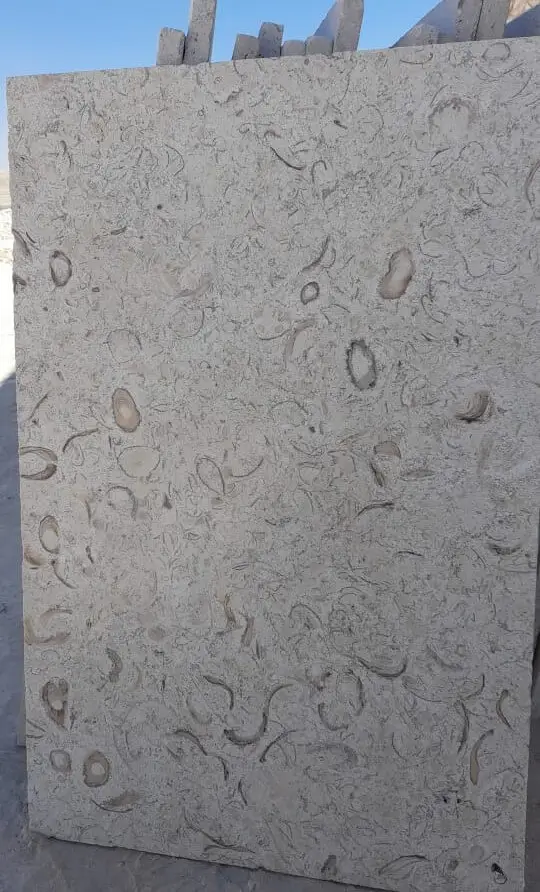
Don’t settle for limestone with compressive strength below 8,000 PSI for Arizona installations. The thermal stress cycles you’re dealing with require materials that can handle expansion forces without micro-cracking. Citadel Stone limestone paving slabs consistently test above 9,000 PSI, providing the structural margin your projects need.
Here’s what that means in practical terms: lower-strength limestone develops hairline fractures after repeated thermal cycling. Those cracks propagate over time, eventually leading to corner spalling and edge deterioration. You’ll start seeing this within 18-24 months on inferior materials. With properly specified Citadel Stone products, you’re looking at decades of service life even in Phoenix’s most exposed installations.
- Residential pedestrian areas: 8,000 PSI minimum acceptable, 9,000+ PSI preferred
- Commercial pedestrian plazas: 10,000 PSI minimum for high-traffic zones
- Light vehicular (driveways, service access): 12,000 PSI minimum with increased thickness
- Heavy vehicular or industrial: typically requires alternative materials or specialized limestone grades
The compressive strength specification ties directly to your thickness requirements. For standard pedestrian applications with Citadel Stone limestone slabs, you’ll need minimum 1.25-inch thickness. That increases to 2 inches for vehicular access and 2.5-3 inches for areas with truck traffic or heavy equipment access.
Surface Finish Selection and Slip Resistance
The surface finish you specify dramatically affects both performance and longevity in Arizona conditions. A honed finish on limestone paving slabs might look sophisticated in the showroom, but it’ll become a maintenance headache within months of Arizona exposure. You need texture that provides slip resistance while minimizing surface area for dust and debris accumulation.
Citadel Stone offers several finish options appropriate for desert climates. The thermal finish (flamed) provides excellent slip resistance with a DCOF rating typically above 0.55, making it suitable for pool decks and areas that’ll see water exposure during monsoon season. The natural cleft finish delivers similar performance while maintaining a more traditional appearance that many architects prefer.
What you want to avoid: polished finishes drop slip resistance to DCOF values around 0.30-0.35, which won’t meet building code requirements for most exterior applications in Arizona. Beyond the safety concern, polished surfaces show every scratch and scuff mark from windblown sand, which is constant in desert environments. If your client insists on a smoother appearance, consider a fine honed finish as a compromise, though you’ll need to set maintenance expectations clearly.
Base Preparation Requirements That Prevent Failures
Most limestone paving slab failures in Arizona trace back to inadequate base preparation, not material deficiencies. The expansive clay soils common in Phoenix, Tucson, and surrounding areas create subsurface movement that’ll telegraph through any paving system if you haven’t built proper structural layers beneath the stone.
Your typical specification should call for excavation to a minimum 12 inches below finished grade, though 14-16 inches provides better insurance against settlement. Here’s the layer sequence that works for Citadel Stone limestone installations across Arizona: remove all organic material and unstable soil, place geotextile fabric over prepared subgrade, install 6 inches of compacted crushed aggregate base (3/4-inch minus), add 2 inches of leveling sand or stone dust, then set your limestone paving slabs with appropriate joint spacing.
Compaction matters more than most installers realize. Each aggregate layer needs compaction to 95% Standard Proctor Density. Under-compacted bases will settle differentially, creating lippage between slabs that becomes both a trip hazard and an aesthetic problem. For projects requiring delivery coordination, verify Citadel Stone warehouse stock levels before committing to installation schedules—lead times for specialized thickness or finish options can extend your timeline if materials aren’t readily available.
Edge Restraint Systems for Thermal Stability
You can’t just terminate limestone paving at an arbitrary edge and expect it to stay in place through Arizona’s thermal cycles. The expansion and contraction forces will push slabs outward over time without proper edge restraint. You need permanent restraint systems that accommodate movement while preventing migration.
For most Citadel Stone limestone paving slabs Arizona installations, your edge restraint options include concrete curbs (preferred for high-end work), aluminum or steel edging systems (acceptable for residential applications), or mortared soldier course installation using the same limestone material. Whatever system you choose, it needs mechanical anchoring into the base—adhesive alone won’t hold under thermal stress.
- Concrete curbs: pour minimum 6 inches wide by 8 inches deep, with #3 rebar continuous
- Metal edging: commercial-grade aluminum or steel, minimum 1/4-inch thickness, staked every 12 inches
- Soldier course: full-depth mortared units with mechanical ties to substrate every 18 inches
- Drainage consideration: all edge systems must allow water egress, not create dams that trap moisture
Don’t overlook the interface between your limestone paving and adjacent structures. You need isolation joints at building foundations, pool coping, and other fixed elements. These joints should be 1/2 to 3/4 inch wide, filled with closed-cell foam backer rod and topped with UV-stable polyurethane or silicone sealant rated for the thermal cycling you’ll see in Arizona.
Joint Materials Selection for Desert Climates
The material you specify for joints between limestone slabs affects long-term performance almost as much as the stone itself. Traditional mason sand joints work fine in temperate climates but become problematic in Arizona. Wind constantly removes loose joint material, creating voids that allow slab movement and edge chipping.
Citadel Stone recommends polymeric sand for most limestone paving slabs for sale in Arizona. This material contains polymer binders that activate with water, creating a semi-rigid joint fill that resists erosion while still allowing minimal movement. You’ll want to apply it when ambient temperatures are between 40-90°F and no rain is forecast for 24 hours—challenging during Arizona summers but critical for proper curing.
For higher-end installations or areas with strict performance requirements, consider full mortar joints. Mix a 3:1 sand-to-Portland cement ratio with latex additive for flexibility. Tool joints to a slightly concave profile that sheds water away from the joint face. This approach costs 2-3 times more than polymeric sand but eliminates virtually all joint maintenance for the life of the installation.
UV Stability Considerations You Can’t Ignore
Arizona delivers some of the highest UV radiation levels in the continental United States. You’re looking at UV index readings regularly hitting 10-11+ during summer months, with cumulative annual UV exposure that ages materials faster than almost anywhere else. This affects both the limestone itself and any sealers or protective treatments you might specify.
Quality limestone like Citadel Stone’s wholesale limestone in Arizona offerings demonstrates excellent natural UV stability. The calcium carbonate mineral composition doesn’t degrade under UV exposure the way some sedimentary stones do. What you will see is gradual surface weathering that creates a natural patina over 3-5 years. Most clients find this aesthetically pleasing, but if your project demands color consistency, you need to set expectations during the specification phase.
If you’re considering sealers, understand that most penetrating sealers break down under intense UV within 18-24 months in Arizona. You’ll be recommending reapplication on that cycle, which adds long-term maintenance costs. For many applications, properly specified and installed limestone paving slabs from Citadel Stone perform better unsealed, allowing the material to weather naturally while maintaining structural integrity.
Moisture Management Strategies for Monsoon Season
While Arizona is predominantly arid, monsoon season brings intense rainfall that tests your drainage design. July through September can deliver 2-4 inches of rain in a single storm event, and your limestone paving system needs to handle that water without ponding or sheet flow erosion of joint materials.
Slope is non-negotiable. You need minimum 2% grade (1/4 inch per foot) for effective drainage, preferably 2.5-3% for large paved areas. The slope direction matters—pitch away from structures and toward designated drainage collection points or permeable landscape areas. For projects around Scottsdale or Paradise Valley where lot topography constrains drainage options, consider our limestone paver supplier services that include site-specific drainage planning as part of the material specification process.
Your base layers provide secondary drainage capacity. That 6-inch crushed aggregate base acts as a subsurface drainage reservoir, allowing water to percolate through the limestone joints and migrate laterally to daylight at the paving edges. This is why proper base preparation matters—a well-constructed base prevents water from accumulating at the limestone-to-base interface where it could cause efflorescence or freeze-thaw damage during rare winter cold snaps.
Installation Timing and Temperature Constraints
You can’t install limestone paving slabs in Arizona year-round without adjusting techniques for temperature extremes. Summer installations when ambient air exceeds 105°F create problems with setting materials and worker safety. Winter installations below 40°F affect mortar curing and polymeric sand activation.
The optimal installation windows run March through May and October through November. During these periods, you’ll see daytime temperatures in the 70-90°F range—perfect for material handling and installation. Mortar and grout cure properly, polymeric sand activates reliably, and workers can maintain productivity without heat stress.
- Summer installations (June-September): start work at first light, complete setting by 11 AM, protect fresh joints from direct sun, increase water in mortar mixes slightly to compensate for rapid evaporation
- Winter installations (December-February): avoid mortar work when overnight lows drop below 35°F, use accelerated-cure admixtures if necessary, protect fresh work from frost
- Monsoon season (July-September): monitor forecasts closely, don’t place polymeric sand or grout within 24 hours of predicted rain
Material temperature matters as much as ambient temperature. Limestone slabs stored in direct Arizona sun can reach 140°F+, making them difficult to handle and causing rapid moisture evaporation from setting beds. If you’re working with materials from a Citadel warehouse in the Phoenix area, arrange for deliveries in early morning or store materials under shade structures until installation.
Common Specification Mistakes to Avoid
Most limestone paving failures in Arizona result from specification oversights rather than material deficiencies. Here’s what goes wrong and how to prevent it when working with Citadel Stone limestone slabs in Arizona: specifying insufficient thickness for the application leads to cracking within the first year—don’t try to save money by going thinner than recommended minimums. Inadequate joint spacing causes edge spalling as slabs bind during thermal expansion—follow the spacing guidelines religiously, even if tighter joints look better aesthetically.
Another frequent mistake: failing to specify proper base compaction testing. You need field density tests confirming 95% Standard Proctor, not just the installer’s assurance that they “tamped it well.” Third-party verification costs a few hundred dollars and prevents tens of thousands in future repairs. Similarly, omitting edge restraint details from your specification documents leaves the installation method to installer discretion, which often means inadequate restraint that fails within 2-3 years.
Don’t forget to specify protection requirements during construction. Other trades rolling equipment across freshly installed limestone or using it as a staging area causes chipping and staining that becomes your problem. Your specification should explicitly prohibit traffic until joints have fully cured and require protective covering if limestone must remain exposed during subsequent construction phases.
Citadel Stone – Expert Limestone Paver Supplier in Arizona Guidance
When you’re navigating the complexities of limestone paving specifications for Arizona’s demanding desert environment, working with an experienced supplier who understands regional conditions makes the difference between a successful installation and one that requires premature replacement. Citadel Stone’s expertise in Arizona’s unique climate challenges would inform every aspect of project planning, from initial material selection through installation support.
For projects across Arizona’s diverse climate zones—from the low desert heat of Yuma to the high-altitude conditions in Flagstaff—Citadel Stone would provide material recommendations tailored to specific environmental stresses. The company’s understanding of how limestone paving slabs for sale in Arizona perform under actual field conditions, not just laboratory testing, guides specifications toward proven solutions rather than theoretical approaches that might fail under real-world thermal cycling and UV exposure.
Phoenix Desert Installations
For Phoenix-area projects, you’d be working with surface temperatures that regularly exceed 160°F during summer months. Citadel Stone would recommend their light-toned limestone paving slabs Arizona specifiers trust for thermal performance, with emphasis on proper joint spacing to accommodate the extreme expansion cycles this region experiences. The typical residential installation in Phoenix neighborhoods would call for 1.5-inch thickness minimum, with 1/2-inch joints and polymeric sand fill to resist the constant wind that characterizes the Salt River Valley. Commercial projects in downtown Phoenix or along the Sky Harbor corridor would require increased thickness specifications and comprehensive edge restraint systems to handle both thermal stress and vibration from heavy vehicle traffic. Proper base preparation becomes critical in Phoenix’s expansive clay soils—you’d want that full 6-inch aggregate base with verified compaction to prevent differential settlement that shows up as lippage between slabs after the first monsoon season.
Tucson Heat Considerations
Tucson projects face similar thermal challenges to Phoenix but with slightly higher monsoon precipitation and different soil conditions. When specifying wholesale limestone pavers in Arizona for Tucson installations, Citadel Stone would emphasize drainage design to handle the intense but brief rainfall events common from July through September. The caliche layers prevalent in Tucson’s subsurface often require more aggressive excavation than Phoenix projects—you might need to go 16-18 inches deep to reach stable subgrade. Tucson’s somewhat higher elevation (2,400 feet versus Phoenix’s 1,100 feet) means slightly lower peak temperatures but greater day-to-night temperature swings, which actually increases thermal stress on limestone paving. You’d want to maintain those generous joint spacings and consider full mortar joints for high-visibility installations where long-term joint material retention matters.
Scottsdale Luxury Applications
Scottsdale’s high-end residential market demands aesthetic excellence alongside performance, making material selection and finish specification particularly important. Citadel Stone’s limestone paving slabs would suit the resort-style outdoor living spaces characteristic of North Scottsdale and Desert Ridge developments, where clients expect materials that look sophisticated while handling pool deck applications and outdoor kitchen surrounds. The thermal finish provides necessary slip resistance for wet areas without compromising the clean, contemporary aesthetic Scottsdale designers favor. For these premium installations, you’d specify full mortar joints with careful attention to joint tooling and color matching—the additional investment in joint quality matches the overall project caliber and eliminates the maintenance concerns that would detract from these high-value properties.
Mesa Residential Projects
Mesa’s extensive residential development includes both established neighborhoods and new construction where limestone paving provides cost-effective durability for patios, walkways, and courtyard spaces. When working with buy limestone slabs in Arizona for Mesa projects, Citadel Stone would help you balance performance requirements against budget constraints typical of mid-market residential work. The standard 1.25-inch thickness works well for pedestrian areas, with polymeric sand joints providing adequate performance at reasonable installed cost. Mesa’s position east of Phoenix means similar thermal conditions but often higher wind speeds, so joint material selection becomes particularly important to prevent erosion. You’d want to coordinate delivery timing with installation schedules, as the distance from Citadel’s warehouse locations affects logistics planning for larger residential projects that might require multiple truck loads of material staged over several weeks of construction.
Flagstaff Climate Variables
Flagstaff’s 7,000-foot elevation creates completely different performance requirements than lower desert cities. Winter conditions here include regular freeze-thaw cycling that doesn’t occur in Phoenix or Tucson, making porosity and water absorption rates critical selection factors. Citadel Stone limestone paver supplier in Arizona expertise would guide you toward their denser limestone grades with lower absorption rates—you’d want materials testing below 2% absorption to ensure freeze-thaw durability through Flagstaff’s winter months. The reduced UV intensity and cooler summer temperatures mean thermal expansion issues are less severe, but you’d still maintain proper joint spacing as insurance against the occasional 90°F summer day. Snow removal considerations affect surface finish selection—you’d want texture adequate for traction but not so rough that snowplow blades catch and chip edges.
Sedona Aesthetic Integration
Sedona’s red rock landscape and strict design guidelines require careful attention to how limestone paving integrates with the natural environment. While Citadel Stone’s light-toned cheap limestone paving slabs in Arizona offer excellent thermal performance, you’d need to consider color compatibility with Sedona’s warm earth tones. The natural weathering that occurs over 3-5 years helps limestone blend with Sedona’s palette, but initial installations create visual contrast that some clients and design review boards find problematic. For Sedona projects, you might specify limestone with warmer beige or tan tones rather than pure white or gray options. The tourism-driven economy means many installations serve commercial hospitality applications where both durability and appearance matter equally—resort properties and restaurant patios need materials that look appropriate to Sedona’s character while handling constant foot traffic from visitors experiencing the area’s attractions.
Long-Term Performance Value
When you evaluate limestone paving slabs Arizona projects from a lifecycle cost perspective rather than just initial material expense, the value proposition becomes clear. Citadel Stone limestone properly specified and installed delivers 30-40 years of service life in Arizona’s desert conditions—compare that to concrete pavers that might last 15-20 years before surface degradation becomes aesthetically unacceptable, or decorative concrete that often needs resurfacing within 10-12 years as UV exposure breaks down surface treatments.
The maintenance requirements for quality limestone remain minimal throughout its service life. You’re looking at occasional cleaning with water and mild detergent, reapplication of sealer every 2-3 years if you’ve chosen to seal, and periodic joint material maintenance if you’ve used polymeric sand rather than mortared joints. Contrast this with alternative materials that require regular refinishing, chemical treatments, or complete replacement—the total cost of ownership strongly favors Citadel Stone limestone for most commercial and high-end residential applications.
Limestone tile suppliers in Arizona often focus purely on initial square-foot pricing, but that approach ignores the performance variables that affect long-term value. You’re not just buying square footage of material—you’re specifying a complete paving system that needs to perform reliably for decades under some of North America’s most challenging environmental conditions. That’s where Citadel Stone’s combination of quality materials and regional expertise delivers returns that justify the investment. For comprehensive guidance on related materials and installation approaches, review Crushed stone and gravel options for residential driveways before finalizing your project specifications for optimal performance integration across all hardscape elements. We are proud to offer the most durable limesto,ne paving slabs Arizona has available designed to withstand the intense desert heat.