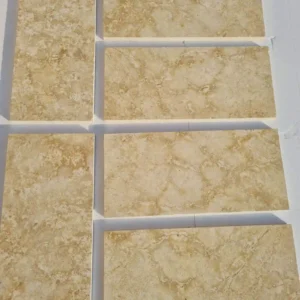
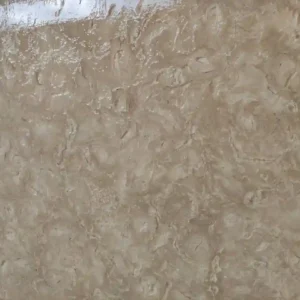
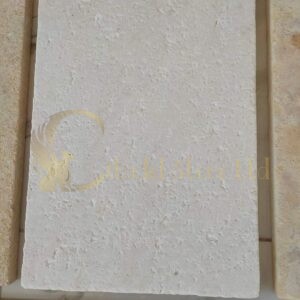
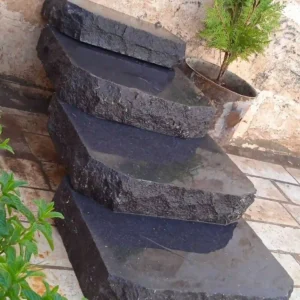
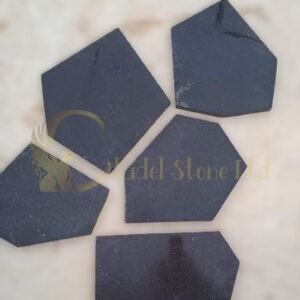
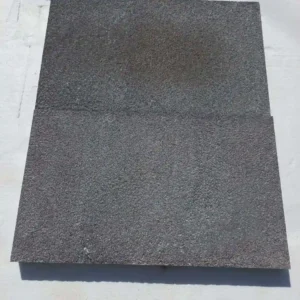
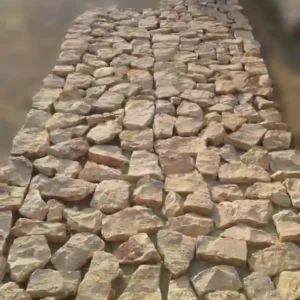
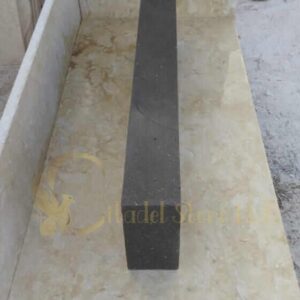
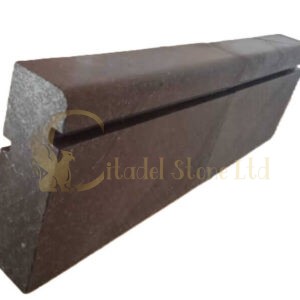
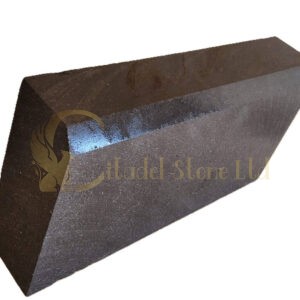
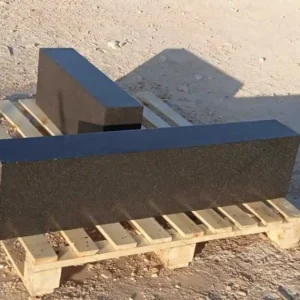
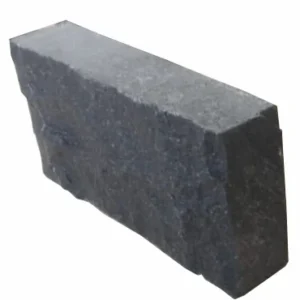
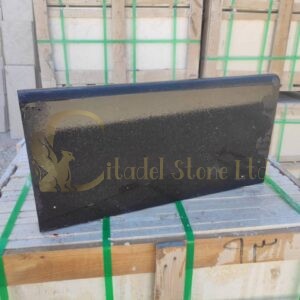
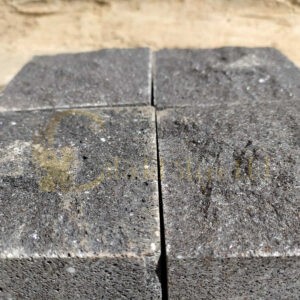
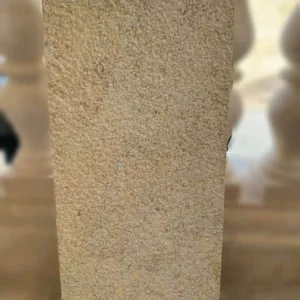
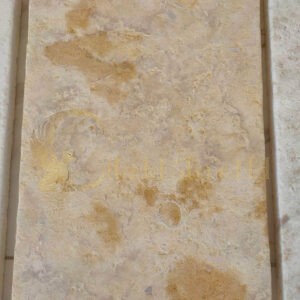
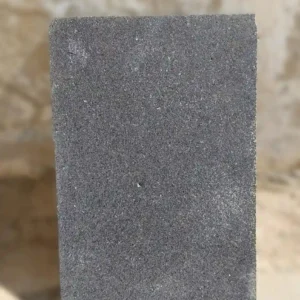
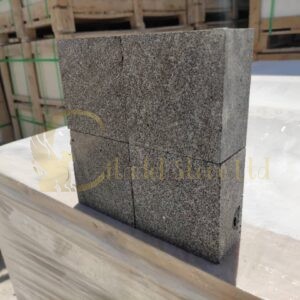
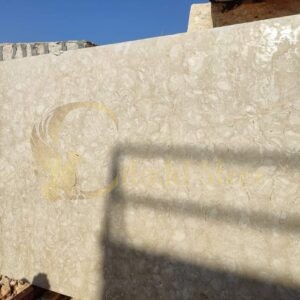
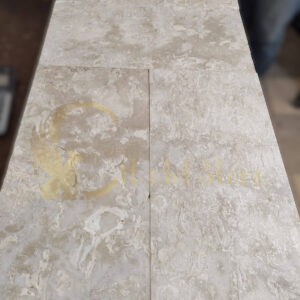
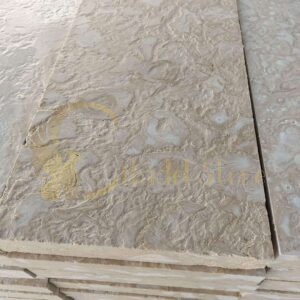
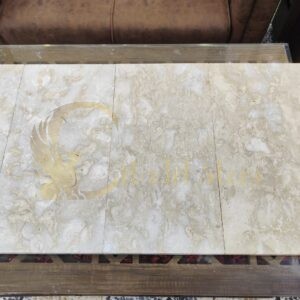
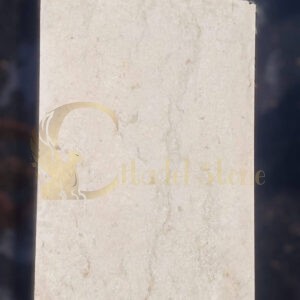
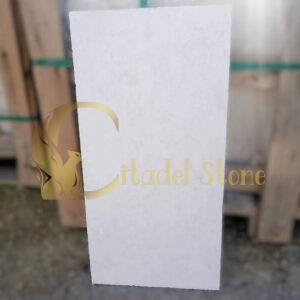
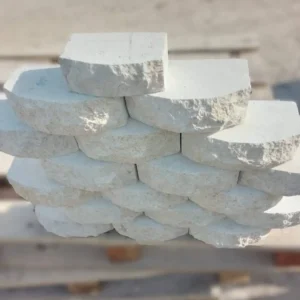
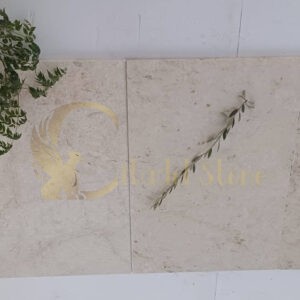
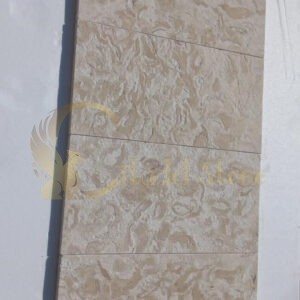
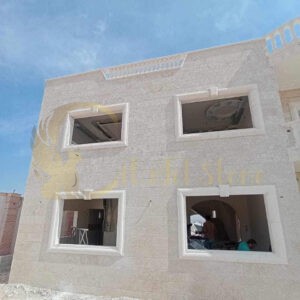
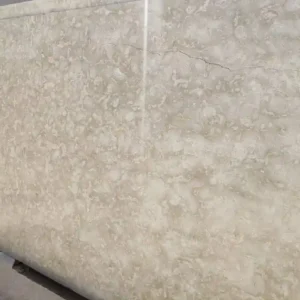
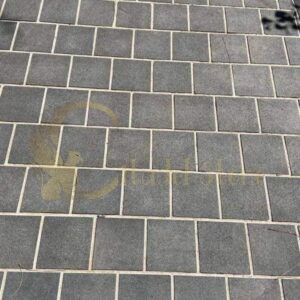
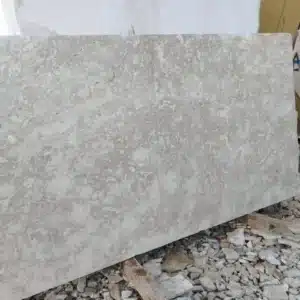
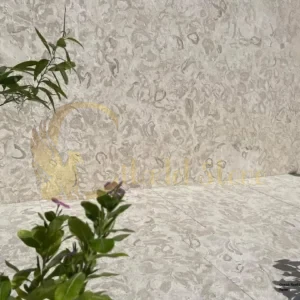
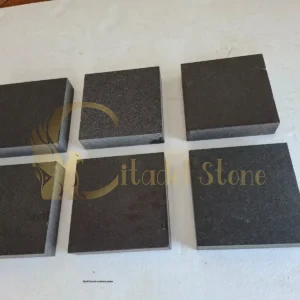
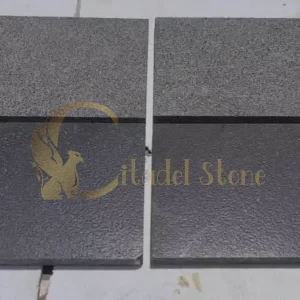
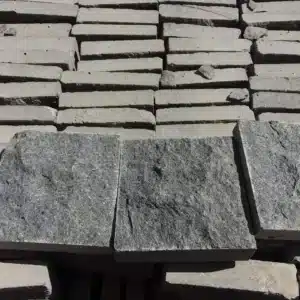
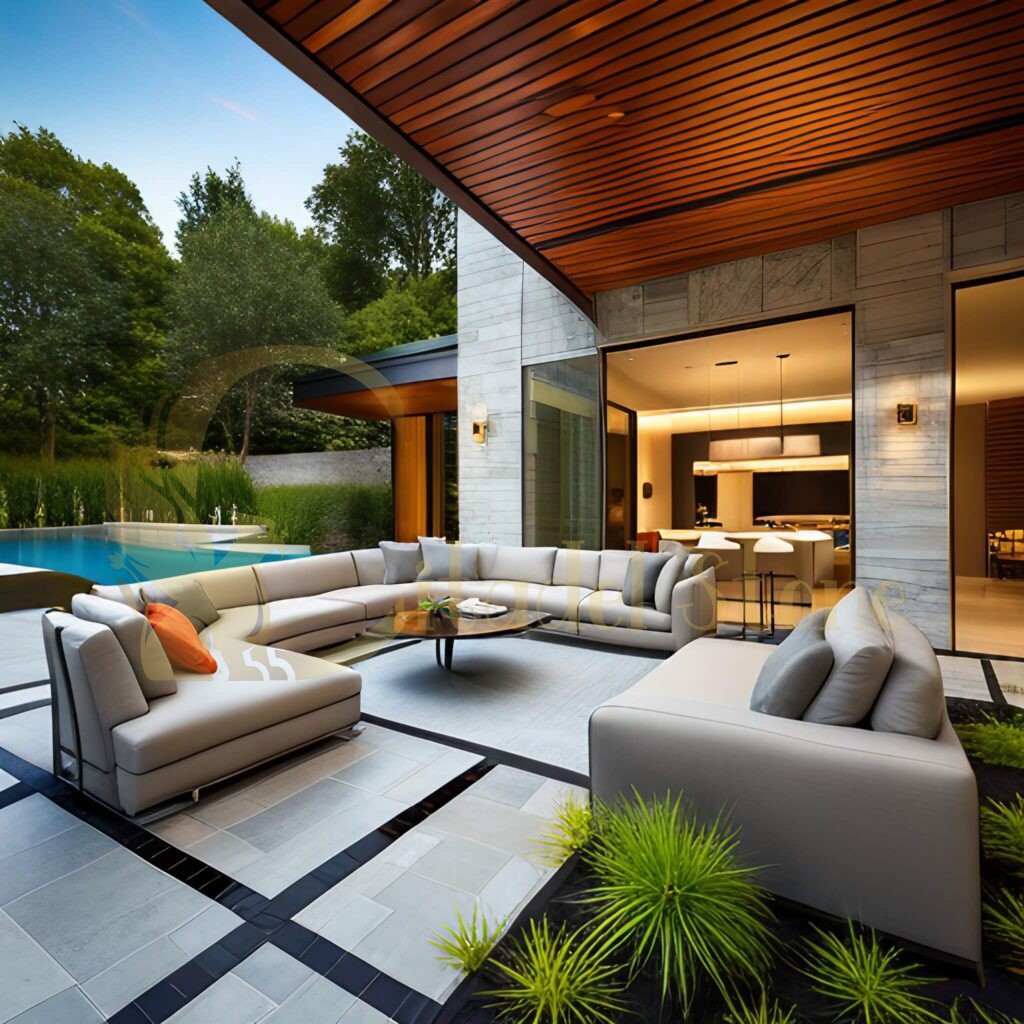
When you’re designing outdoor spaces in Arizona’s demanding climate, your choice of edging materials determines whether your hardscape maintains its definition or slowly degrades under relentless sun and temperature swings. Citadel Stone Limestone Edging Pavers in Arizona deliver the performance you need in desert conditions while creating visual boundaries that enhance your project’s overall design. These specialized edging solutions handle thermal expansion, resist UV degradation, and provide structural integrity that keeps pavement sections properly contained.
You’ll find that Arizona’s extreme temperature fluctuations—often 40-50°F daily swings—place unusual stress on edging materials. Citadel Stone has developed limestone edging specifications that accommodate these conditions through proper thickness tolerances, thermal movement allowances, and installation methodologies that prevent premature failure. The reality is that generic edging products often crack or shift within 18-24 months in Arizona installations, while properly specified Citadel Stone materials maintain their position and appearance for decades.
Material Composition and Thermal Performance
Citadel Stone’s limestone paving edging in Arizona relies on dense carbonate composition that exhibits lower thermal expansion coefficients than many alternative materials. You’re looking at approximately 0.0000044 inches per inch per degree Fahrenheit for quality limestone, compared to 0.0000055 for granite or 0.0000090 for concrete. That difference becomes critical when your edging experiences surface temperatures exceeding 160°F during summer afternoons.
The calcium carbonate matrix in Citadel Stone limestone provides several advantages you won’t find in synthetic edging products:
- Natural porosity allows minor moisture movement without creating internal pressure that leads to spalling
- Consistent color throughout the material depth means chips or surface wear don’t reveal contrasting substrate colors
- Compressive strength typically exceeding 8,000 PSI supports vehicular loads at pavement transitions
- Thermal mass moderates temperature extremes, reducing expansion stress on adjacent materials
What matters most for your Arizona projects is how these materials respond to repeated thermal cycling. Standard testing shows Citadel Stone limestone maintains structural integrity through 300+ freeze-thaw cycles, though Arizona’s minimal freezing exposure means thermal shock from sudden monsoon cooling represents your primary concern. You’ll want to verify that your limestone source demonstrates less than 2% water absorption by weight—Citadel’s materials typically fall in the 1.2-1.8% range.
Edge Profile Options and Applications
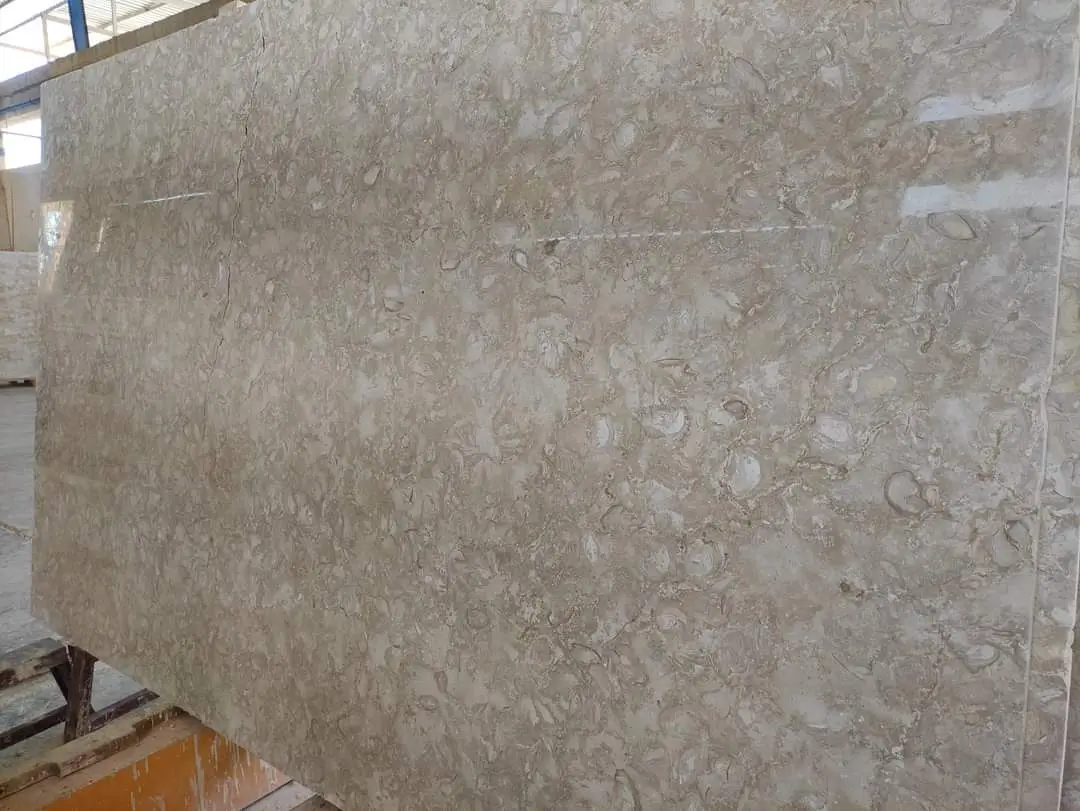
Your specification decisions for Citadel Stone edging should account for the relationship between edge profile and installation stress. Bullnose profiles distribute impact forces across a curved surface, making them ideal for high-traffic transitions where carts, wheelchairs, or maintenance equipment cross the boundary. You’ll find that limestone bullnose steps in Arizona installations provide a gentler transition than square-edge profiles while maintaining the material’s structural advantages.
Common profile configurations for Citadel Stone Limestone Edging Pavers in Arizona include:
- Full bullnose radius (typically 1.5-2 inch radius) for pool coping and heavily trafficked perimeters
- Half-bullnose with one rounded edge for pathway borders and planter edges
- Beveled edges (45-degree chamfer) for contemporary designs requiring crisp lines
- Saw-cut square edges for formal applications where precise geometry is critical
Don’t overlook the relationship between edge profile and water management. Full bullnose profiles shed water effectively, reducing the moisture infiltration that can undermine base materials. If you’re working on projects with inadequate slope or drainage concerns, specify profiles that direct water away from the joint between edging and adjacent pavement. Citadel Stone’s technical team can provide specific profile recommendations based on your site’s drainage characteristics and exposure conditions.
Dimensional Specifications and Tolerances
You need to understand that limestone edging dimensions directly affect installation labor costs and long-term performance. Citadel Stone maintains tighter dimensional tolerances than industry minimums, typically holding thickness variations within ±1/8 inch compared to the ±3/16 inch standard. That precision matters when you’re setting consistent reveals or creating flush transitions between materials.
Standard dimensions for Citadel Stone limestone edging include:
- Thickness: 1.25 inches for pedestrian applications, 2 inches for vehicular edges
- Width: 4-6 inches for pathway edging, 8-12 inches for driveway transitions
- Length: 12-24 inches for curved applications, 36-48 inches for straight runs
- Depth: Minimum 6 inches below finish grade for stability
The reality is that thinner edging materials (under 1.25 inches) show significantly higher failure rates in Arizona installations. You’re dealing with thermal stress, occasional impact loads, and the mechanical stress of maintaining position against expanding pavement sections. For guidance on related applications, see our limestone paving edging collection for detailed dimensional specifications. Citadel Stone’s inventory includes custom-cut lengths for projects requiring specific modular coordination or radius requirements.
Base Preparation and Setting Requirements
Here’s where most edging failures originate: inadequate base preparation. You’ll need a minimum 6-inch compacted aggregate base (3/4-inch minus crushed stone) for pedestrian edging applications, increasing to 8-10 inches for vehicular applications. The base should extend at least 6 inches beyond the edging footprint on both sides to prevent undermining from adjacent soil movement.
Your setting bed requirements for Citadel Stone Limestone Edging Pavers in Arizona depend on the application intensity:
- Pedestrian areas: 1-inch sand setting bed (concrete sand, not masonry sand) provides adequate support
- Vehicular transitions: Full mortar bed over concrete footing eliminates movement risk
- Pool coping: Modified thinset over waterproof membrane prevents efflorescence and delamination
- Planter edges: Standard sand setting with geotextile separation from organic soil
Don’t make the common mistake of setting edging at the same time as field pavers. You want your edging firmly established and backfilled before installing adjacent pavement, providing a solid edge restraint that prevents lateral creep. For projects in expansive clay soils common throughout the Phoenix basin, consider placing edging on a concrete footing to isolate it from seasonal soil movement that can displace sand-set installations.
Joint Spacing and Movement Accommodation
Temperature-driven expansion in Arizona installations requires careful joint planning. You’ll want expansion joints every 15-20 feet in continuous edging runs, using compressible foam backer rod and polyurethane sealant rated for ±50% movement capability. Standard mortar joints (1/4-3/8 inch) between individual edging units should remain unsealable to allow minor differential movement without transferring stress to the stone.
Key movement accommodation strategies for Citadel Stone installations include:
- Isolation joints at building foundations prevent structural movement from affecting edging
- Control joints at directional changes reduce stress concentration at corners
- Slip joints between edging and rigid pavement allow independent thermal movement
- Flexible sealants at critical joints maintain weather-tightness while permitting movement
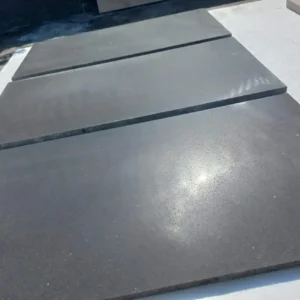
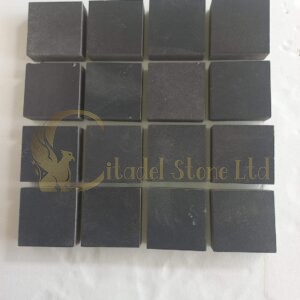
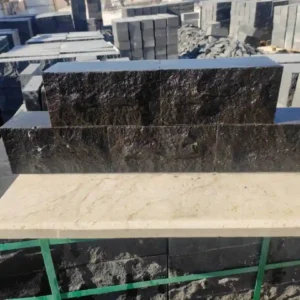
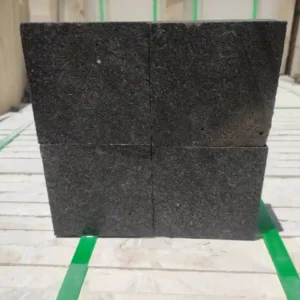
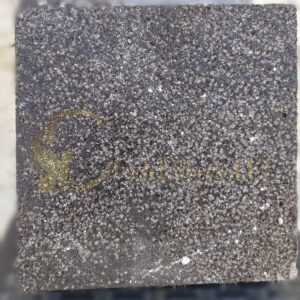
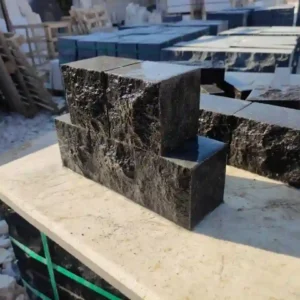
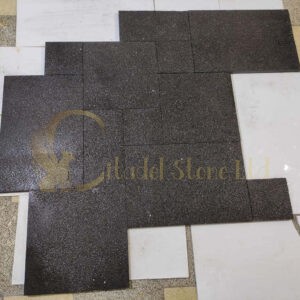
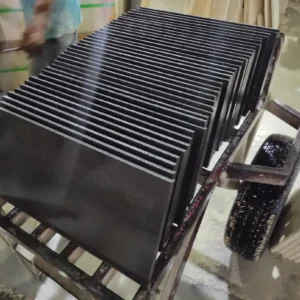
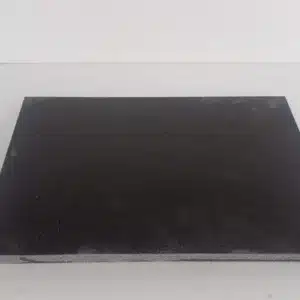
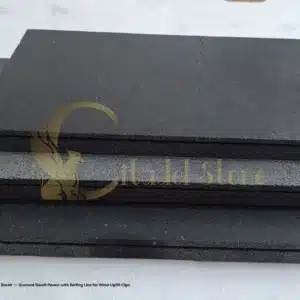
Watch for situations where your edging meets other materials with different expansion characteristics. Black limestone edging in Arizona installations absorbs more solar radiation than lighter colors, reaching surface temperatures 15-20°F higher and expanding proportionally more. When you’re transitioning from dark limestone edging to light-colored field pavers, that differential expansion requires a wider joint (minimum 1/2 inch) to prevent stress cracking.
Color Selection and Heat Reflection
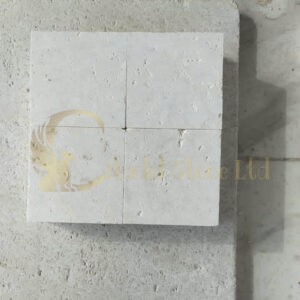
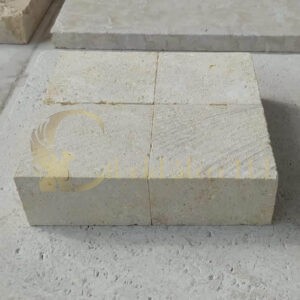
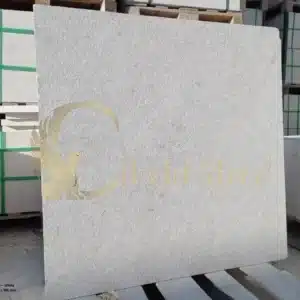
You’re probably aware that material color affects surface temperature, but the magnitude of this effect in Arizona deserves emphasis. Light-colored Citadel Stone limestone (cream, buff, light gray tones) typically reaches peak temperatures 25-35°F lower than black limestone stepping stones in Arizona installations. That temperature difference directly affects thermal expansion, long-term color stability, and user comfort in barefoot applications like pool decks.
Solar reflectance values for common Citadel Stone limestone colors:
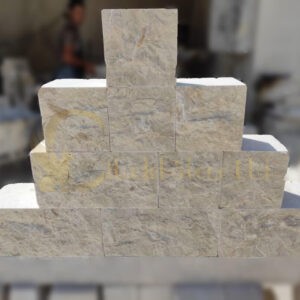
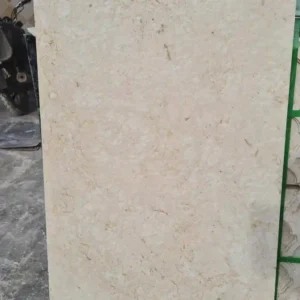
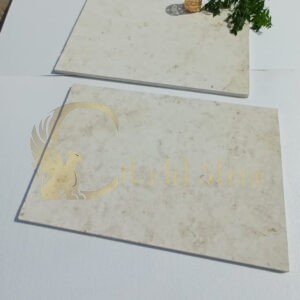
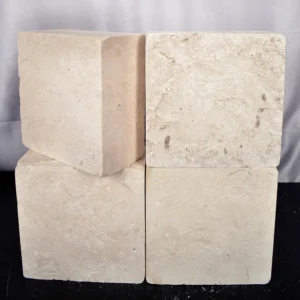
- Cream/ivory limestone: 65-75% reflectance, peak surface temperatures around 145°F
- Buff/tan limestone: 45-55% reflectance, peak temperatures around 155°F
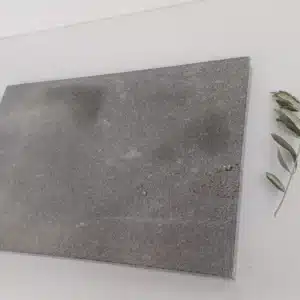
- Gray limestone: 35-45% reflectance, peak temperatures around 165°F
- Charcoal/black limestone: 15-25% reflectance, peak temperatures exceeding 175°F
The thing is, darker materials provide dramatic visual contrast that many designers prefer, and they often show less staining from irrigation water or organic debris. If you’re specifying dark edging for aesthetic reasons, consider increasing material thickness by 25% to provide additional thermal mass that moderates expansion. Citadel Stone maintains consistent pigmentation throughout the material depth, so surface wear from thermal stress won’t reveal lighter substrate colors that compromise your design intent.
Slip Resistance and Finish Options
Surface finish selection affects both aesthetics and safety performance for Citadel Stone Limestone Edging Pavers in Arizona. You’ll find that heavily trafficked edging requires minimum DCOF (Dynamic Coefficient of Friction) values of 0.60 for wet conditions, which rules out polished or honed finishes in most applications. Citadel Stone offers several finish options that balance appearance with functional requirements.
Available finishes for limestone edging applications:
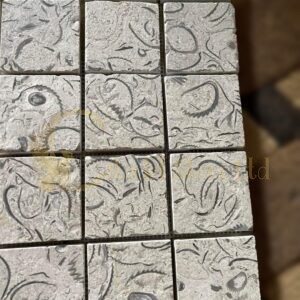
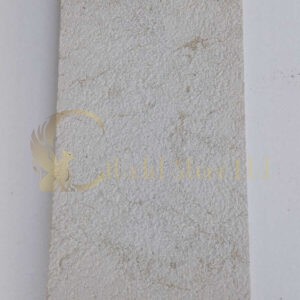
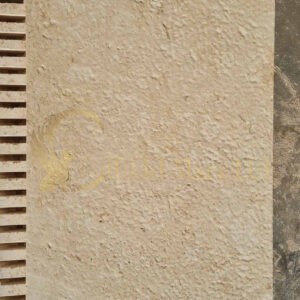
- Natural cleft: Maintains quarry texture with DCOF values typically 0.65-0.75, ideal for rustic designs
- Thermal finish: Heat-treated surface provides 0.60-0.70 DCOF with more uniform appearance than natural cleft
- Brushed finish: Mechanically textured surface achieves 0.55-0.65 DCOF with contemporary aesthetic
- Sandblasted: Creates even texture with 0.60-0.70 DCOF, excellent for consistent appearance across large installations
What you need to understand is that finish selection affects installation cost and long-term maintenance requirements. Heavily textured finishes trap organic debris and require pressure washing to maintain appearance, while smoother finishes show staining more readily but clean more easily. For limestone decking in Arizona pool environments, specify sandblasted or thermal finishes that provide adequate slip resistance without creating texture that’s uncomfortable for bare feet.
Installation Sequencing and Best Practices
Your installation sequence significantly affects long-term edging performance. Experienced installers establish edging first, using it as a guide and restraint for field pavers. You’ll want edging set to final grade and fully backfilled at least 24 hours before beginning adjacent pavement installation. That allows base materials to consolidate under the edging and reveals any settling issues while corrections remain simple.
Critical installation steps for Citadel Stone limestone edging:
- Excavate to design depth plus base thickness and setting bed allowance
- Compact base materials in 2-inch lifts to 95% Standard Proctor density
- Install edge restraint (concrete footing or mechanical edging) before setting limestone
- Set limestone edging to string lines, checking alignment every 4-6 feet
- Backfill behind edging immediately to prevent displacement during field paver installation
- Compact backfill material carefully to avoid shifting edging position
Don’t overlook the importance of proper backfill material behind edging units. You need free-draining material (3/8-inch crushed stone or concrete sand) rather than native soil, which can retain moisture and create hydrostatic pressure against the edging. For projects on slopes exceeding 5%, consider incorporating subsurface drainage behind the edging to intercept water that might undermine the installation.
Common Specification Errors
Most edging failures in Arizona installations stem from predictable specification oversights. You’ll avoid these problems by understanding the conditions that cause premature deterioration and incorporating appropriate preventive measures in your project documents.
Frequent mistakes with Citadel Stone Limestone Edging Pavers in Arizona installations:
- Specifying inadequate thickness for the application intensity leads to cracking under stress
- Failing to require expansion joints in long runs causes random stress cracking at weak points
- Omitting waterproofing details at pool coping allows water infiltration and efflorescence
- Using incompatible sealants creates adhesion failures that allow moisture penetration
- Neglecting to specify backfill material requirements results in settlement and displacement
- Setting edging flush with adjacent pavement eliminates drainage paths and causes ponding
One critical factor that often surprises designers is the need for positive drainage away from edging in apparently flat installations. Even a 1% slope away from your edging line prevents the moisture accumulation that accelerates efflorescence, organic staining, and base material degradation. Citadel Stone recommends minimum 1/8-inch reveal height above adjacent pavement to ensure water doesn’t pond against the edging face.
Maintenance and Longevity Considerations
You should set realistic expectations about maintenance requirements for limestone edging in Arizona’s climate. While Citadel Stone materials resist weathering better than many alternatives, no natural stone installation remains maintenance-free indefinitely. Annual inspection and cleaning extend service life significantly while maintaining the appearance that justified the material selection.
Recommended maintenance protocols for Citadel Stone limestone edging:
- Annual pressure washing removes organic debris and prevents biological staining
- Resealing every 3-5 years maintains moisture resistance and enhances color depth
- Joint inspection identifies sealant failures before water infiltration causes damage
- Efflorescence removal using appropriate pH-neutral cleaners preserves surface integrity
- Resetting displaced units prevents progressive failure of adjacent edging sections
The reality is that lighter limestone colors show less degradation from UV exposure than darker materials, which can fade noticeably after 8-10 years in direct Arizona sun. If color consistency matters for your project, consider specifying UV-resistant penetrating sealers that slow photochemical degradation. Citadel Stone’s technical team provides specific maintenance protocols based on your installation’s exposure conditions and expected service requirements.
Cost and Value Analysis
When you’re evaluating Citadel Stone Limestone Edging Pavers in Arizona against alternative materials, consider total installed cost rather than material cost alone. Premium limestone edging typically runs $18-28 per linear foot installed for standard profiles, compared to $8-15 for concrete edging or $12-22 for brick. That premium narrows considerably when you factor in the longer service life and lower maintenance requirements of quality limestone.
Cost factors affecting limestone edging installations:
- Material thickness directly affects cost—2-inch edging runs approximately 35% more than 1.25-inch material
- Custom profiles and colors increase lead times and typically add 15-25% to base pricing
- Complex radius work requires shorter units and increases labor costs by 30-40%
- Remote site locations in Arizona add trucking surcharges for deliveries beyond Phoenix metro
- Small quantities (under 100 linear feet) often carry minimum order charges
Here’s what you need to know about value: properly installed Citadel Stone limestone edging maintains its appearance and function for 25-35 years in Arizona climates, while concrete edging often requires replacement after 12-18 years due to cracking and spalling. The 60-80% higher initial cost translates to lower lifecycle costs when you account for replacement labor and material expenses. Citadel Stone warehouse inventory typically includes standard profiles for immediate availability, eliminating the premium pricing associated with rush orders.
Citadel Stone Delivers Limestone Edging Pavers Arizona—Regional Specifications for Desert Cities
Arizona’s diverse microclimates require adapted approaches to limestone edging specifications. From low-desert heat to high-elevation freeze-thaw exposure, Citadel Stone provides expertise in matching materials and installation methods to regional conditions. The following guidance represents how we’d approach typical projects across Arizona’s major markets, emphasizing the conditional specifications that ensure long-term performance.
You’ll find that Citadel Stone’s Limestone Edging Pavers in Arizona inventory includes materials specifically selected for desert durability. Our experience with regional projects informs these recommendations, though each installation should be evaluated for its specific exposure conditions and performance requirements. These hypothetical scenarios illustrate best-practice approaches for various Arizona cities.
Phoenix Installations
For low-desert projects facing extreme heat and minimal rainfall, you’d want limestone with lower absorption rates and lighter colors to manage thermal stress. Citadel Stone would typically recommend cream or buff tones with sandblasted finish for pool decks and outdoor living spaces where barefoot traffic occurs. Base preparation would emphasize drainage to handle monsoon events efficiently, preventing the moisture accumulation that accelerates deterioration in otherwise dry conditions. Standard installations would use 1.25-inch thickness for pedestrian edging with expansion joints every 18 feet.
Tucson Considerations
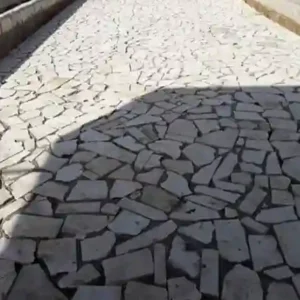
Similar thermal conditions to Phoenix but with slightly higher monsoon intensity would influence Citadel Stone’s material selection for Tucson projects. You’d see recommendations for slightly deeper base preparation (add 1-2 inches of aggregate) to accommodate the heavier rainfall events common in this region. For commercial installations with vehicular crossings, our team would specify 2-inch thick edging with full mortar setting over concrete footings. The limestone paving edging in Arizona applications here benefits from the region’s lower hardness in municipal water, reducing the efflorescence concerns common in Phoenix metro.
Scottsdale Design Standards
High-end residential and resort projects in Scottsdale typically demand premium aesthetics alongside performance. Citadel Stone’s approach would emphasize custom edge profiles and precise dimensional tolerances that meet the exacting standards common in this market. You’d find recommendations for full bullnose edging around pool perimeters and water features, using materials selected for consistent coloration and minimal natural variation. Black limestone edging in Arizona resort applications creates dramatic contrast but requires careful client education about thermal characteristics and long-term UV exposure effects on surface appearance.
Flagstaff Freeze Protection
Higher elevation brings genuine freeze-thaw concerns that demand different specifications from low-desert installations. Citadel Stone would recommend limestone with verified freeze-thaw durability (300+ cycles per ASTM C1026) and water absorption under 1.5% by weight. Installation details would include deeper base preparation (minimum 8 inches) extending below the frost line, with particular attention to subsurface drainage that prevents ice lens formation beneath edging units. You’d also see specifications for sealers with proven performance in freeze-thaw conditions, reapplied every 2-3 years rather than the 3-5 year interval adequate for desert locations.
Sedona Aesthetic Integration
Projects in Sedona’s visually sensitive environment require material selections that complement the distinctive red rock surroundings. Citadel Stone’s recommendations would emphasize warmer limestone tones—buff, tan, and light rust colors that harmonize with natural rock formations while providing the performance benefits of quality limestone. You’d find suggestions for natural cleft finishes that echo the texture of surrounding geology, combined with installation methods that minimize visual impact. Black limestone stepping stones in Arizona high-country applications like Sedona work well for accent elements but would be used judiciously to avoid competing with the natural landscape.
Yuma Extreme Heat
The most extreme summer temperatures in Arizona occur in Yuma, where surface temperatures on dark materials can approach 180°F. Citadel Stone would strongly recommend light-colored limestone exclusively for this market, with particular emphasis on cream and ivory tones that maintain lower surface temperatures. Installation specifications would include expansion joints every 15 feet instead of the 18-20 foot spacing adequate elsewhere, accommodating the greater thermal expansion these materials experience. For commercial hardscape or municipal projects, our team would specify increased material thickness (1.5 inches minimum) to provide thermal mass that moderates temperature extremes and reduces expansion stress. The limestone decking in Arizona installations around Yuma benefits from Citadel Stone’s inventory of heat-resistant sealers specifically formulated for extreme desert exposure.
Project Success Factors
Your limestone edging installations succeed when you address the intersection of material properties, installation craftsmanship, and environmental conditions. Citadel Stone’s experience across hundreds of Arizona projects demonstrates that attention to specification details during design prevents the field issues that compromise performance and appearance. You’ll find that investing additional time in material selection and installation methodology documentation pays dividends through reduced callbacks and extended service life.
The key factors determining long-term success include matching material properties to exposure conditions, ensuring adequate base preparation and drainage, incorporating appropriate movement accommodation, and establishing realistic maintenance expectations with clients. When you’re specifying Citadel Stone Limestone Edging Pavers in Arizona, you’re accessing not just premium materials but also the technical expertise that ensures those materials perform as intended across the state’s challenging climate variations.
Final project success depends on collaboration between designers, installers, and material suppliers who understand regional conditions. Citadel Stone provides the technical support that bridges these disciplines, offering guidance on material selection, installation details, and long-term maintenance protocols. For comprehensive information on complementary applications, review premium natural stone paving solutions for Arizona desert climates before finalizing your specifications. Professional contractors build their businesses on Citadel Stone’s Limestone Edging Pavers Arizona consistent excellence and reliability.