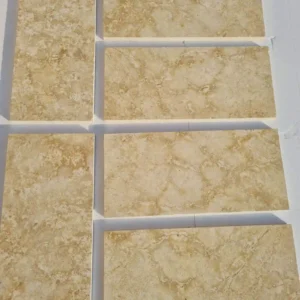
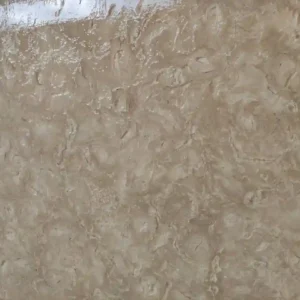
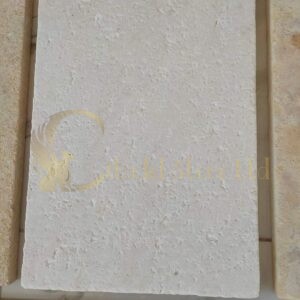
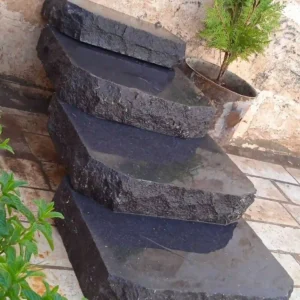
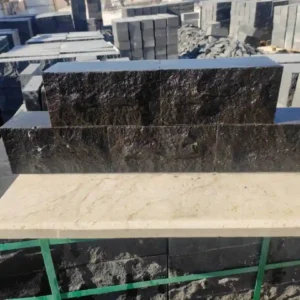
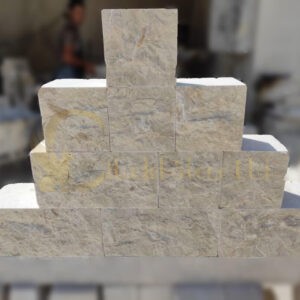
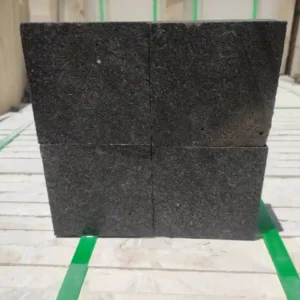
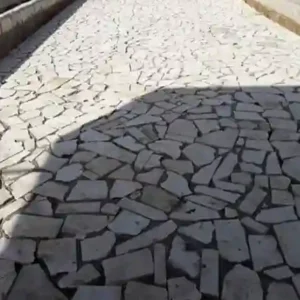
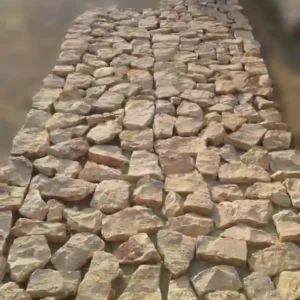
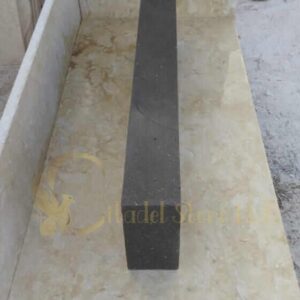
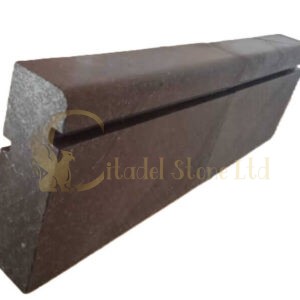
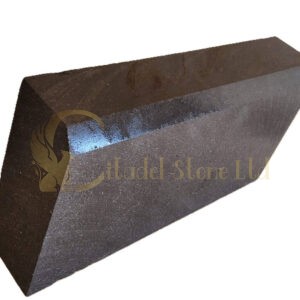
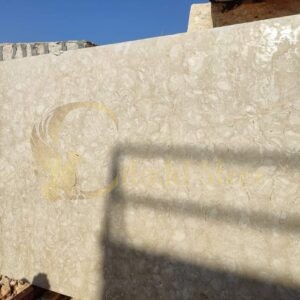
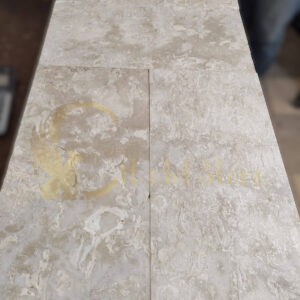
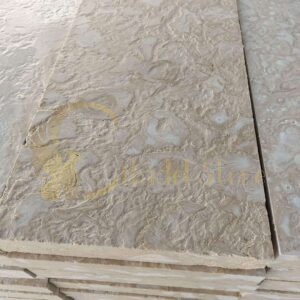
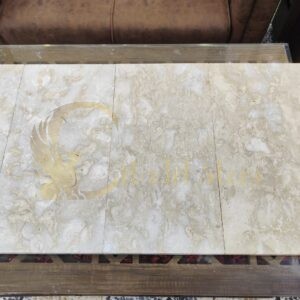
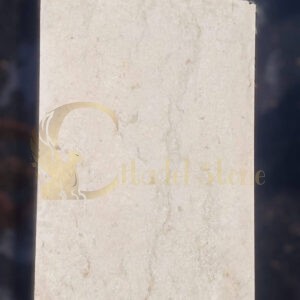
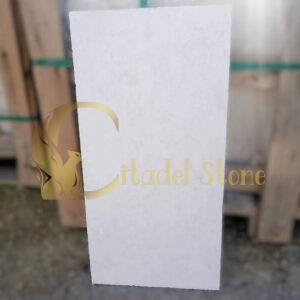
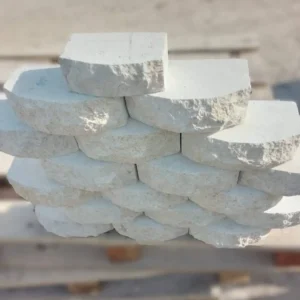
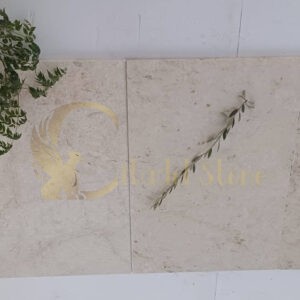
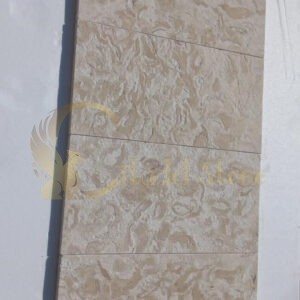
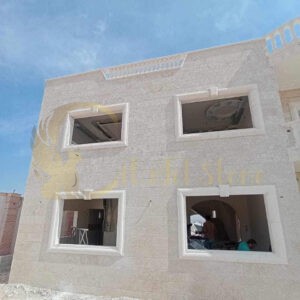
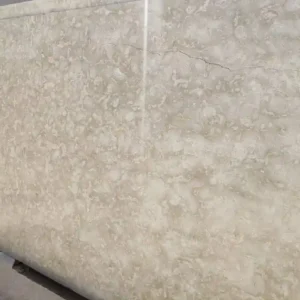
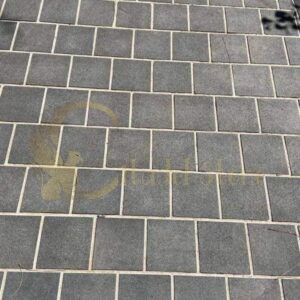
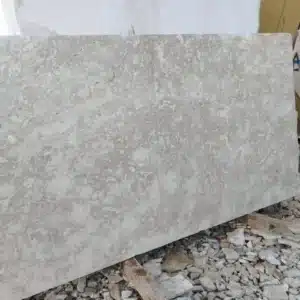
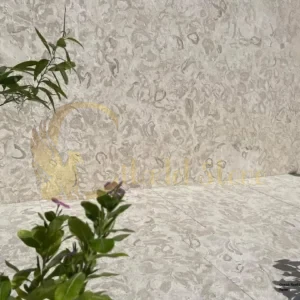
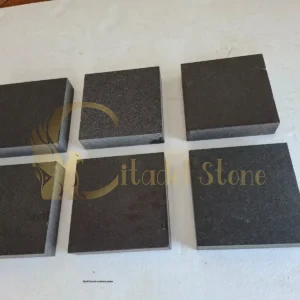
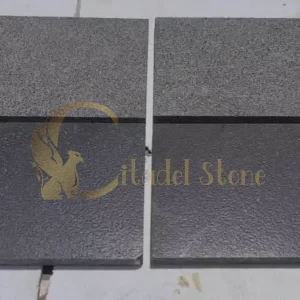
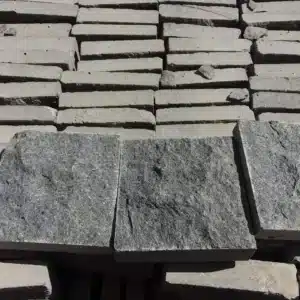
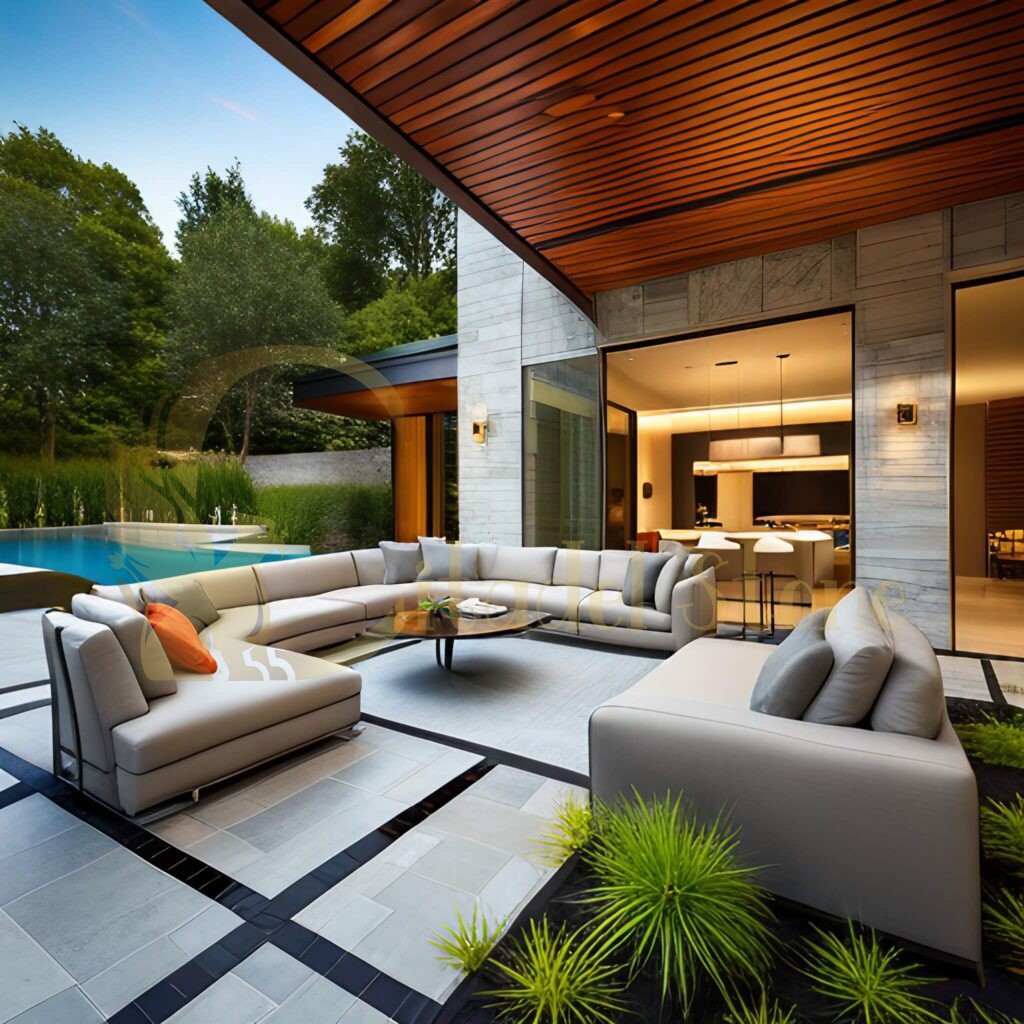
When you’re sourcing natural stone for Arizona landscapes, you’ll quickly discover that material selection determines whether your project thrives or deteriorates under extreme desert conditions. Citadel Stone operates as one of the most comprehensive landscape stone suppliers in Arizona, providing materials engineered to withstand thermal extremes, UV exposure, and seasonal monsoon cycles that challenge inferior products. You need suppliers who understand the performance requirements specific to Southwestern climates, not distributors simply moving generic inventory.
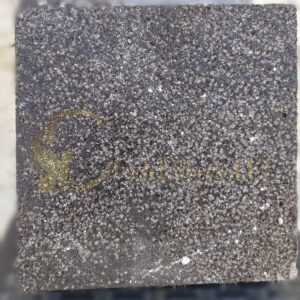
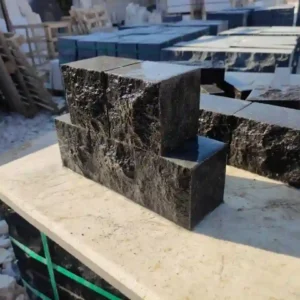
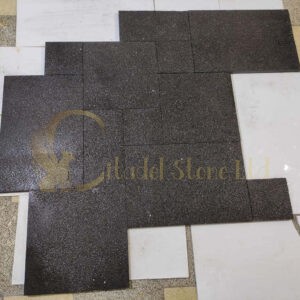
The reality is that many landscape stone suppliers Arizona contractors contact don’t stock adequate depth in heat-resistant varieties or maintain consistent quality across their product lines. You’ll find that Citadel Stone’s warehouse inventory includes proven performers like flamed basalt, thermal limestone, and desert-appropriate sandstone selected specifically for Arizona’s environmental demands. Your project success depends on accessing suppliers who’ve field-tested materials in regional conditions rather than relying on theoretical performance data.
Material Performance in Desert Climates
Arizona’s temperature swings create thermal stress that exposes weaknesses in substandard stone products. You’re looking at surface temperatures exceeding 160°F on summer afternoons, dropping to 50°F on winter nights in northern regions. Citadel Stone materials undergo selection processes that verify thermal expansion coefficients compatible with these cycles, typically ranging from 0.0000044 to 0.0000062 inches per inch per degree Fahrenheit depending on stone type.
Here’s what you need to verify with any landscaping stone suppliers in Arizona before committing to large orders:
- Water absorption rates below 3% for freeze-thaw resistance in Flagstaff and Sedona elevations
- Compressive strength exceeding 6,000 PSI for structural applications and vehicular traffic areas
- UV stability testing that demonstrates less than 5% color shift after 2,000 hours of accelerated exposure
- Thermal shock resistance verified through ASTM C1026 rapid temperature change protocols
- Surface texture that maintains slip resistance above DCOF 0.50 even when wet from monsoon rains
The challenge most specifiers face is that generic landscape stone suppliers in Arizona often can’t provide documentation for these performance characteristics. Citadel Stone maintains test data for thermal cycling, abrasion resistance per ASTM C241, and long-term weathering exposure that lets you specify with confidence rather than hope.
Stone Types for Arizona Applications
You’ll want to match stone characteristics to your specific microclimate and functional requirements. Citadel Stone’s inventory spans multiple geological sources, each offering distinct advantages for different landscape elements. Don’t make the mistake of selecting purely for aesthetics without considering how the material performs under sustained thermal load and UV bombardment.
Basalt and Volcanic Stone
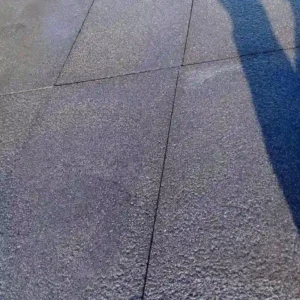
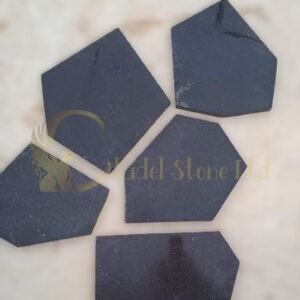
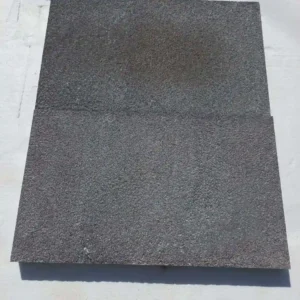
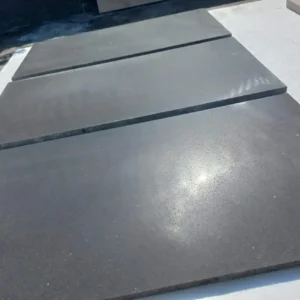
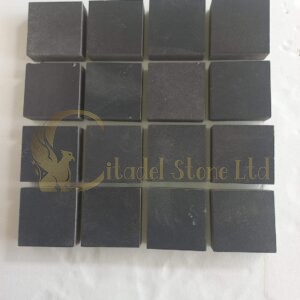
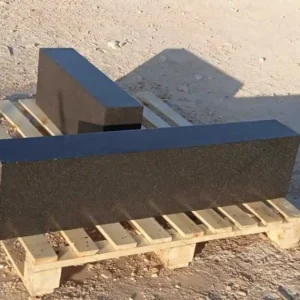
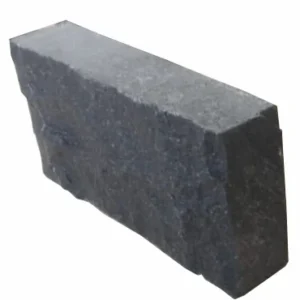
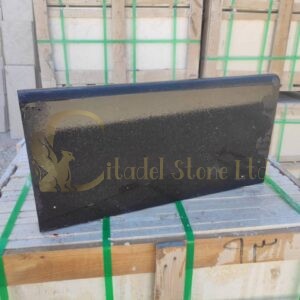
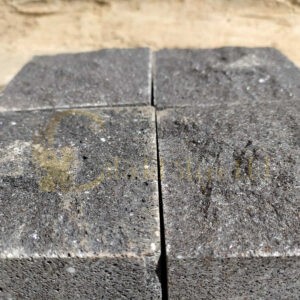
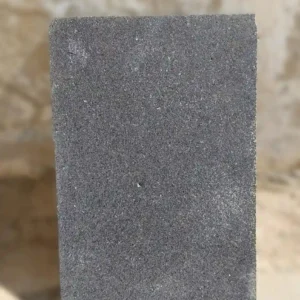
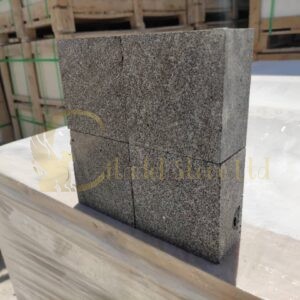
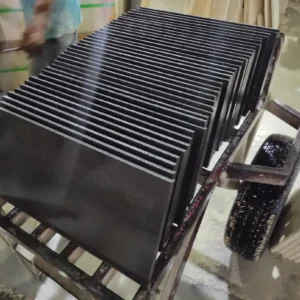
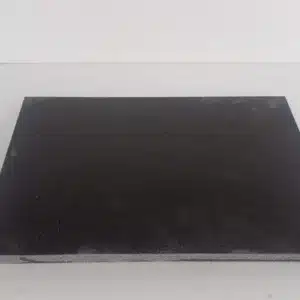
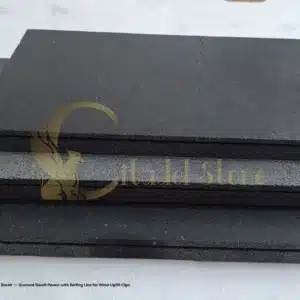
Basalt delivers exceptional durability in full-sun exposures that would degrade lighter-colored sedimentary options. You’re getting compressive strength typically ranging from 18,000 to 30,000 PSI with water absorption frequently below 1%. The dense crystalline structure resists spalling and surface degradation even after decades of Arizona sun exposure. Citadel Stone’s flamed basalt finishes provide slip resistance that doesn’t compromise over time, maintaining DCOF values above 0.60 throughout their service life.
The thermal mass of basalt works both for and against you depending on application. For retaining walls and vertical elements, the heat absorption capacity stabilizes temperature fluctuations. For paving in high-traffic pedestrian areas, you’ll need to account for surface temperatures that can reach 180°F on July afternoons, potentially creating discomfort issues. Your specification should include shade structures or vegetation buffers for basalt pavers in heavily-used zones.
Limestone for Desert Environments
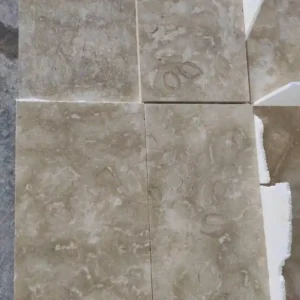
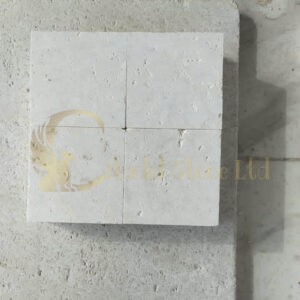
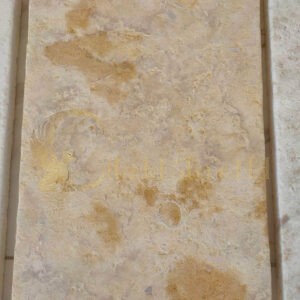
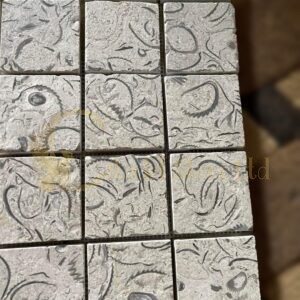
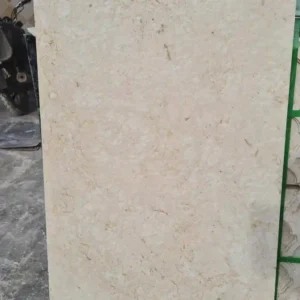
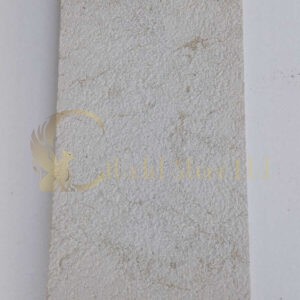
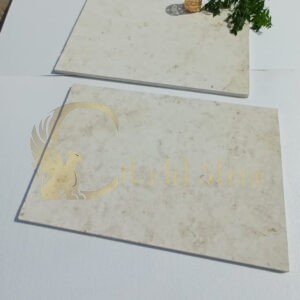
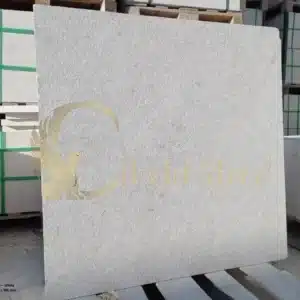
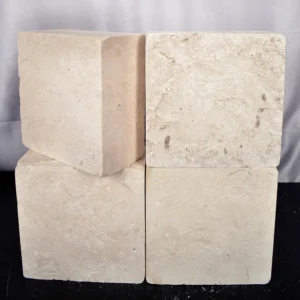
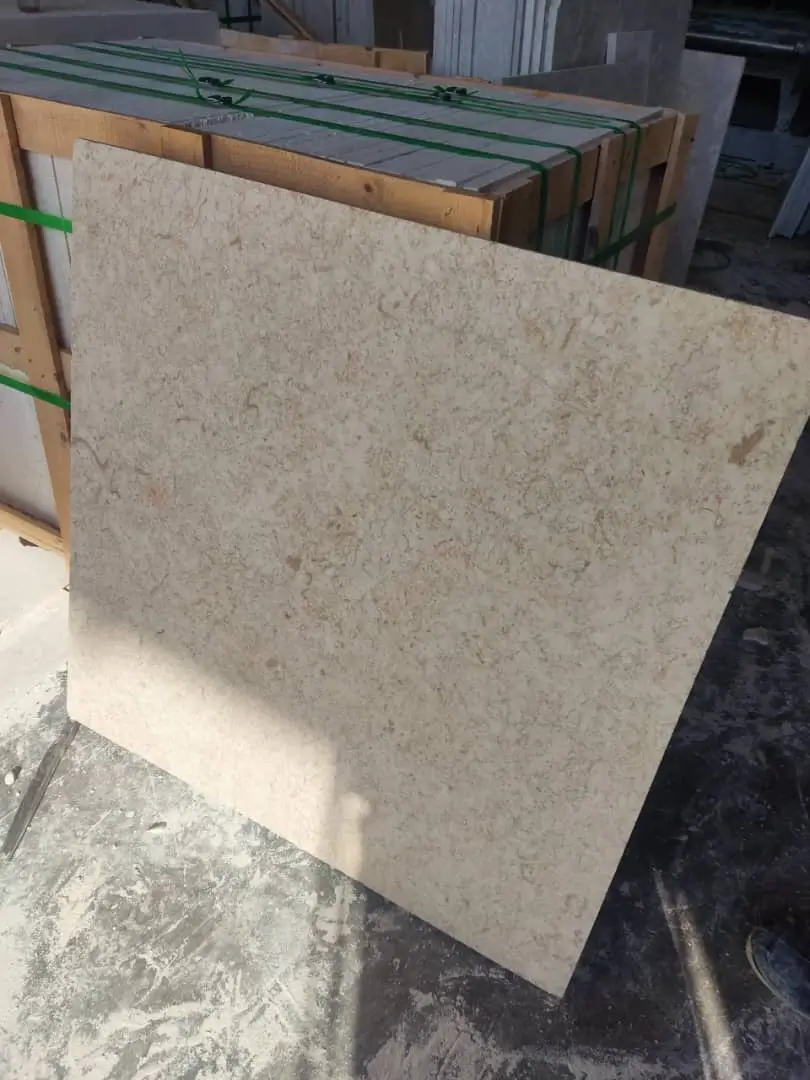
Citadel Stone’s limestone selection focuses on dense, low-porosity varieties that resist the alkaline soil conditions prevalent throughout Arizona. You’ll typically see water absorption rates between 1.5% and 3.5% in the appropriate grades, with compressive strengths from 8,000 to 14,000 PSI. The lighter color palette reflects solar radiation rather than absorbing it, keeping surface temperatures 20-30°F cooler than darker stone options.
One critical factor that often surprises specifiers is limestone’s vulnerability to acid rain in industrial areas and efflorescence in poor drainage conditions. While Arizona’s low humidity generally minimizes these concerns, you need proper base preparation with drainage layers that prevent groundwater migration through the stone. Citadel’s technical team advises minimum 6-inch compacted aggregate bases with geotextile separation fabric for limestone installations in residential landscapes.
Sandstone Regional Aesthetics
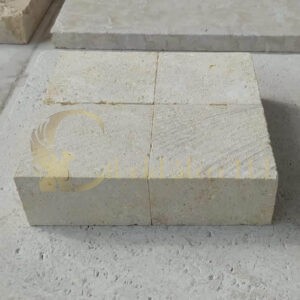
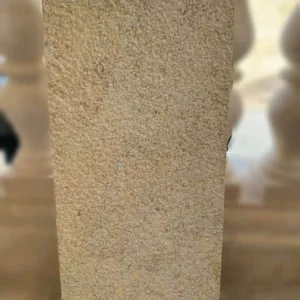
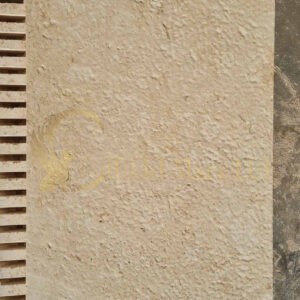
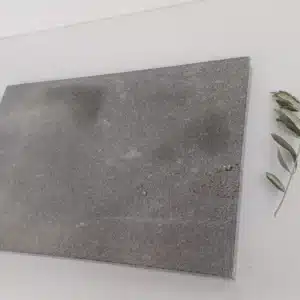
Arizona sandstone from Citadel Stone offers the warm earth tones that complement desert landscapes while providing moderate durability for most residential applications. You’re working with compressive strengths typically between 5,000 and 10,000 PSI, which handles pedestrian traffic and landscape accent features without issue. The porosity ranges from 5% to 12% depending on source quarry, requiring sealer application in high-moisture exposure areas.
The reality with sandstone is that you’re trading some performance for aesthetic authenticity. For xeriscaping features, pathway borders, and decorative elements where structural demands remain modest, Citadel Stone sandstone provides cost-effective solutions that age gracefully in Arizona conditions. Don’t specify sandstone for vehicular applications, pool coping with chlorinated water exposure, or areas with heavy freeze-thaw cycling at elevation.
Sourcing and Logistics Considerations
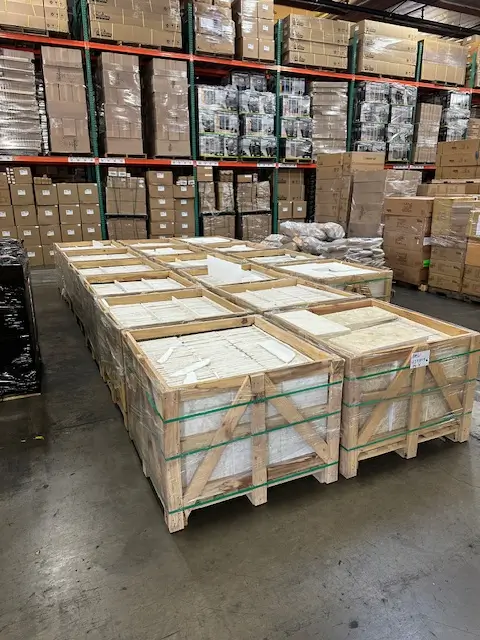
Your project timeline depends on understanding the supply chain realities that separate reliable landscape stone dealers in Arizona from marginal operators. Citadel Stone maintains warehouse stock levels that support immediate availability for standard products, while quarry-direct materials require lead times you’ll need to factor into construction schedules. You can’t assume that beautiful showroom samples translate to adequate inventory for large-scale projects.
Here’s what drives successful procurement from local landscape stone suppliers in Arizona:
- Verify current warehouse quantities before finalizing specifications, not catalog availability
- Request production run schedules for quarry materials with minimum 8-12 week lead times
- Confirm truck access to your site for materials requiring specialized delivery equipment
- Plan for seasonal demand spikes in spring and fall that can extend standard delivery windows
- Establish quality control protocols that include inspection before materials leave the warehouse
- Account for approximately 8-12% waste factor in your quantity calculations for natural stone
The difference between experienced hardscape stone suppliers in Arizona and commodity distributors becomes apparent during procurement. Citadel Stone’s team works through the technical specifications, confirms that proposed materials match actual site conditions, and flags potential issues before you’re committed to purchase orders. That front-end investment prevents costly change orders when you discover mid-project that materials don’t perform as expected.
Installation Requirements and Specifications
You’ll find that proper installation matters more than material selection for long-term performance in Arizona landscapes. Citadel Stone provides installation guidelines specific to regional soil conditions, but you need contractors who actually follow those protocols rather than defaulting to techniques that work in temperate climates. The expansive clay soils common in Phoenix and Tucson demand base preparation that exceeds minimum standards.
Pay particular attention to these installation factors when working with landscape stone manufacturers in Arizona materials:
- Base compaction to minimum 95% standard Proctor density verified through field testing
- Drainage provisions that handle monsoon events delivering 1-2 inches of rainfall per hour
- Joint spacing accommodating thermal expansion, typically 3/8 to 1/2 inch for large-format pavers
- Edge restraint systems capable of resisting lateral movement from thermal cycling and soil pressure
- Bedding layer gradation matching stone type, from coarse sand for permeable systems to mortar for rigid installations
- Sealer application within 30-60 days of installation for porous stone varieties
Most installation failures you’ll encounter trace back to inadequate base preparation or improper drainage design. For broader context on Arizona-appropriate installation practices, review Citadel Stone landscape stone dealers for comparative analysis. You can’t shortcut foundation work and expect materials to compensate through superior performance characteristics.
Cost Factors and Value Analysis
When you’re comparing pricing from landscaping stone suppliers in Arizona, you’ll need to look beyond per-square-foot material costs to understand total installed value. Citadel Stone’s premium materials typically command 15-25% higher initial costs than builder-grade alternatives, but that premium pays back through extended service life and reduced maintenance requirements. Your value analysis should project performance over 15-20 year horizons, not just initial construction budgets.
The reality is that cheap stone becomes expensive when you’re addressing premature deterioration, spalling surfaces, and color fading within the first 3-5 years. You’ll spend more on remediation than the original material savings. Citadel Stone’s approach emphasizes total cost of ownership, factoring in sealing frequency, replacement cycles, and maintenance labor that add up over time.
Here’s how to evaluate true costs when sourcing from landscape stone dealers in Arizona:
- Calculate delivered cost including freight charges that vary significantly based on project location and order size
- Factor waste percentages that range from 8% for simple installations to 15% for complex patterns
- Include sealer costs for initial application and recommended reapplication every 3-5 years for porous stone
- Account for specialized installation labor rates that increase 20-30% for premium materials requiring experienced crews
- Project maintenance costs including cleaning, resealing, and occasional unit replacement over 20-year service life
- Consider warranty terms and supplier longevity when evaluating risk of product discontinuation
Don’t overlook the value of working with local landscape stone suppliers in Arizona who maintain consistent inventory. When you need replacement units five years into a project, you’ll discover that many suppliers no longer stock the exact material or that quarry runs have shifted in color and texture. Citadel Stone’s warehouse approach provides access to matching materials for repairs and expansions that maintain aesthetic continuity.
Quality Verification and Inspection Protocols
You can’t rely on supplier representations alone when specifying Citadel Stone materials for commercial or high-end residential projects. Your quality assurance process should include independent verification of critical performance characteristics before accepting large shipments. The cost of testing representative samples runs $500-1,500 but prevents problems that could cost tens of thousands to remediate.
Here’s your quality control framework when working with landscape stone suppliers Arizona projects demand:
- Request certified test data for compressive strength per ASTM C170 from independent laboratories, not supplier in-house testing
- Verify water absorption rates through ASTM C97 testing on samples pulled from your specific order, not catalog data
- Inspect for consistent color and texture across multiple pallets before accepting delivery to the job site
- Confirm dimensional tolerances meet project specifications, particularly for calibrated products requiring precise thickness
- Test slip resistance on actual material finishes using ASTM E303 protocols for wet and dry conditions
- Examine edges and corners for damage that occurred during quarrying, fabrication, or shipping
The inspection process reveals whether you’re getting premium materials or premium pricing on mediocre products. Citadel Stone’s quality systems include batch testing and documentation that provide baseline comparisons for your verification testing. When results don’t align, you’ll know immediately whether issues stem from material variability or testing methodology differences.
Regional Climate Adaptations
Arizona spans multiple climate zones that create distinct performance requirements for Citadel Stone landscape materials. You can’t specify the same solutions for Phoenix’s low desert environment that you’d use in Flagstaff’s high-elevation conditions. Temperature ranges, precipitation patterns, freeze-thaw cycling, and UV intensity all vary significantly across the state, demanding location-specific material selection from knowledgeable hardscape stone suppliers in Arizona.
Phoenix and lower elevation projects face extreme heat without significant freeze-thaw concerns. You’ll prioritize thermal stability, UV resistance, and heat reflectivity when selecting materials. Citadel Stone’s lighter-colored limestone and flamed-finish basalt perform well in these conditions, maintaining surface integrity through countless heating and cooling cycles. Your specifications should address thermal expansion with adequate joint spacing—typically 3/8 inch minimum for pavers exceeding 24 inches in any dimension.
Northern Arizona locations including Flagstaff and Sedona deal with freeze-thaw cycling that destroys porous stone products within 2-3 winter seasons. You need materials with water absorption below 2% and verified resistance to ASTM C666 freeze-thaw testing. Citadel Stone’s dense basalt and low-porosity granite options provide the durability these environments demand, though at premium costs compared to sedimentary alternatives suitable only for protected desert locations.
Sustainable Sourcing and Environmental Considerations
You’ll increasingly face requirements for sustainable material sourcing documentation in commercial projects and LEED-targeted developments. Citadel Stone addresses these specifications through quarry partnerships that implement responsible extraction practices, though you need to understand what “sustainable natural stone” actually means versus marketing claims. Stone extraction inherently involves environmental impact—the question becomes whether suppliers minimize and mitigate those effects.
When evaluating landscape stone manufacturers in Arizona for environmental responsibility, you should verify:
- Quarry reclamation plans that restore sites to productive use after extraction completion
- Local sourcing strategies that reduce transportation distances and associated carbon footprint
- Water management systems that minimize groundwater impacts during cutting and fabrication
- Waste stone recycling programs that repurpose cutting remnants for aggregate and smaller products
- Energy-efficient fabrication equipment that reduces power consumption per square foot produced
- Documentation supporting LEED Material and Resources credits for regional materials and recycled content where applicable
The reality is that natural stone represents one of the most durable landscape materials available, with service lives measured in decades rather than years. That longevity provides inherent sustainability advantages over manufactured products requiring replacement every 10-15 years. Citadel Stone’s approach emphasizes material durability and proper installation that maximizes this advantage, reducing lifecycle environmental impact through extended performance.
Common Specification Mistakes to Avoid
You’ll prevent costly problems by learning from specification errors that plague Arizona landscape projects. Most issues trace back to inadequate understanding of material limitations, unrealistic performance expectations, or failure to account for regional conditions that affect Citadel Stone products differently than in moderate climates.
Here are the mistakes you need to avoid when working with local landscape stone suppliers in Arizona:
- Specifying polished finishes for exterior paving where slip resistance becomes a safety liability in wet conditions
- Selecting high-porosity sandstone for pool decks or water features where saturation leads to rapid deterioration
- Failing to require sealer application for limestone and sandstone in high-traffic or staining-risk areas
- Under-sizing joint spacing for thermal expansion, leading to edge spalling and surface buckling
- Omitting drainage provisions adequate for monsoon intensity rainfall that overwhelms undersized systems
- Choosing dark stone colors for high-traffic pedestrian areas where surface temperatures create usability problems
- Not accounting for color variation inherent in natural stone, then rejecting acceptable material as defective
- Specifying materials based on small samples without reviewing full-size units showing actual variation range
The difference between experienced specifications and amateur efforts becomes obvious during construction when problems emerge. You’ll save time, money, and professional reputation by front-loading the specification development process with input from Citadel Stone’s technical team who’ve seen these issues repeatedly across hundreds of Arizona installations.
Maintenance Requirements and Long-Term Planning
Your maintenance obligations begin the moment Citadel Stone materials get installed, not years later when problems become visible. You need realistic expectations about what natural stone requires for sustained performance, particularly in Arizona’s aggressive environment. The notion of “maintenance-free” stone is marketing fiction—all materials need periodic attention to maintain appearance and structural integrity.
Here’s what you should plan for when specifying materials from landscape stone suppliers in Arizona:
- Annual cleaning with pH-neutral cleaners that remove accumulated dust, organic debris, and efflorescence without damaging stone surfaces
- Sealer reapplication every 3-5 years for limestone and sandstone, with frequency depending on traffic levels and exposure conditions
- Joint sand replenishment for permeable installations after monsoon seasons when heavy rains wash out bedding materials
- Stain removal protocols addressing specific contaminants from rust, oil, organic materials, and hard water that each require different treatment approaches
- Periodic inspection for loose units, edge deterioration, and drainage problems that worsen rapidly if not addressed promptly
- Professional assessment every 5-7 years to evaluate overall condition and identify developing issues before they require extensive remediation
The maintenance investment remains modest compared to replacement costs when you let problems accumulate. Citadel Stone provides maintenance guidelines specific to each material type, but you’re responsible for implementing those protocols consistently. Your long-term cost projections should include maintenance labor and materials to present realistic ownership costs to clients or facility managers.
Citadel Stone — Premier Landscape Stone Supplier in Arizona Regional Applications
This section provides hypothetical guidance for how Citadel Stone would approach landscape stone specifications across Arizona’s diverse climate zones. As comprehensive landscape stone suppliers Arizona professionals rely on, Citadel Stone maintains expertise in matching materials to regional performance requirements, ensuring durability and aesthetic success in challenging desert conditions.
Arizona’s geographic diversity demands location-specific material selection strategies. You’ll encounter dramatically different thermal profiles, precipitation patterns, freeze-thaw risks, and elevation factors that affect stone performance across the state. Citadel Stone’s warehouse inventory includes varieties proven effective in each microclimate zone, from low desert heat to high-elevation seasonal extremes. The following city-specific recommendations demonstrate how experienced landscape stone dealers in Arizona would specify materials for optimal long-term results.
Phoenix Heat Performance
For Phoenix projects, you’d typically specify Citadel Stone’s lighter-colored limestone or flamed basalt to manage surface temperatures that routinely exceed 160°F on summer afternoons. The key challenge involves balancing heat reflectivity with durability under sustained UV exposure and minimal freeze-thaw risk. Recommended base preparation would include 6-inch compacted aggregate depths with proper drainage to handle monsoon intensity without material displacement. You should plan for thermal expansion joints every 15-20 feet to accommodate the extreme daily temperature swings characteristic of low desert environments.
Tucson Desert Applications
Tucson specifications from Citadel Stone would emphasize materials resistant to alkaline soil conditions prevalent throughout the basin. You’d focus on dense granite or low-porosity limestone with water absorption below 2.5% to prevent efflorescence development from groundwater migration. Sealer application becomes critical within 60 days of installation to protect against the mineral-rich soils and occasional heavy precipitation. Base preparation would require geotextile separation fabric to prevent soil contamination of drainage layers during monsoon events delivering concentrated rainfall.
Scottsdale Luxury Residential
High-end Scottsdale landscape projects would leverage Citadel Stone’s premium material selection emphasizing aesthetic refinement alongside performance. You’d typically specify custom-cut flagstone, sawn-face pavers, or honed-finish slabs that provide architectural sophistication while maintaining slip resistance and thermal performance. Color consistency across large installations becomes more critical in luxury applications, requiring careful lot selection and approval processes. Delivery logistics would need coordination given Scottsdale’s established neighborhoods with limited truck access and strict construction hours.
Flagstaff Freeze-Thaw
At Flagstaff elevations, you’d select Citadel Stone materials specifically for freeze-thaw resistance verified through ASTM C666 testing. Dense basalt with water absorption below 1.5% would be your primary specification for pavers and retaining walls subject to seasonal ice formation. Base preparation depths would increase to 8-10 inches minimum to handle frost heave potential, with proper subsurface drainage preventing ice lens formation. Sealer selection would emphasize breathable penetrating types rather than film-forming products that trap moisture and accelerate spalling during freeze-thaw cycles.
Sedona Red Rock Integration
Sedona projects from Citadel Stone would focus on warm earth tones that complement the iconic red rock landscape while providing elevation-appropriate durability. You’d specify sandstone and limestone varieties in rust, tan, and buff color ranges that harmonize with natural surroundings. The moderate freeze-thaw risk at Sedona elevations requires materials with 2-3% water absorption maximums rather than the lower thresholds mandatory for Flagstaff. Installation specifications would address the rocky, well-drained soils typical of Sedona building sites that actually simplify base preparation compared to valley clay conditions.
Yuma Extreme Heat
For Yuma’s extreme desert conditions with minimal annual rainfall and intense solar exposure, you’d recommend Citadel Stone’s most heat-stable materials including flamed granite and thermal limestone. Surface temperature management becomes the dominant concern given Yuma’s status as one of the hottest cities nationally. Light color palettes would be essential for pedestrian paving areas, potentially incorporating shade structures in specifications to maintain usability during peak summer months. Base preparation would address the sandy soils common in the region, potentially requiring deeper aggregate depths and edge restraint systems that prevent lateral material migration over time.
Specification Development Resources
You need comprehensive technical documentation when preparing specifications for Citadel Stone materials in Arizona landscape projects. Generic CSI MasterFormat sections rarely address the regional considerations that determine long-term performance in desert conditions. Your specification development should incorporate manufacturer technical data, regional installation standards, and project-specific performance requirements into cohesive documents that contractors can actually implement.
Start with Citadel Stone’s product data sheets that provide baseline physical characteristics, recommended applications, and installation guidelines. These documents include compressive strength values, water absorption rates, dimensional tolerances, and finish options for each material. You’ll then overlay project requirements including expected traffic loads, exposure conditions, aesthetic objectives, and maintenance capabilities to narrow material selection to appropriate candidates.
Your detailed specifications should address substrate preparation requirements specific to Arizona soil conditions, drainage provisions adequate for monsoon intensity, joint spacing accommodating thermal expansion, and sealer application protocols when applicable. Include quality control testing requirements, acceptance criteria for color and texture variation, and warranty terms that align with realistic performance expectations. For comprehensive material options and additional technical guidance, consider Natural stone materials for commercial and residential construction projects when finalizing project documents.
Working with Citadel Stone
Your project success depends on establishing effective working relationships with landscape stone suppliers Arizona building professionals trust for consistent quality and reliable service. Citadel Stone operates with technical expertise that extends beyond simply moving products from quarry to job site, providing specification assistance, installation guidance, and problem-solving support throughout project lifecycles. You’ll find that this consultative approach prevents the common issues that plague projects when suppliers treat stone as commodity materials rather than engineered building components.
The process begins with understanding your project requirements beyond basic square footage calculations. You need to communicate exposure conditions, traffic expectations, substrate characteristics, aesthetic objectives, budget parameters, and timeline constraints. Citadel Stone’s team uses this information to recommend appropriate materials, flag potential concerns, and develop procurement strategies that align with construction schedules. This front-end investment prevents mid-project surprises that derail timelines and budgets.
You should expect warehouse stock verification for standard products and realistic lead time estimates for quarry materials requiring production runs. Citadel Stone maintains inventory depth that supports immediate availability for common landscape stone varieties, while specialty products and custom fabrication work require advance planning. Truck delivery coordination, job site access requirements, and material handling capabilities all factor into successful logistics that get materials to your location in usable condition without damage or delays. Professional landscapers depend on Citadel Stone, the most comprehensive landscape stone suppliers Arizona outdoor projects require.