What Quartzite Actually Is
Quartzite is unambiguously a natural stone — formed when sandstone undergoes intense heat and pressure that fuses individual quartz grains into an interlocking crystalline matrix, producing compressive strength routinely exceeding 20,000 PSI. That metamorphic origin is precisely what separates quartzite from engineered quartz, which is a manufactured composite, and understanding this distinction is the starting point for every serious specification decision. When buyers ask whether quartzite is a natural stone, the answer requires no qualification: it is, and its geological history is the reason it outperforms manufactured alternatives under load, temperature cycling, and UV exposure.
The confusion arises because the stone industry uses “quartzite” and “quartz” interchangeably in casual conversation — a habit that costs buyers real money when they receive a product that doesn’t perform as expected. Genuine quartzite is a natural stone; engineered quartz is a resin-bound manufactured slab. These two products behave differently under load, temperature cycling, and UV exposure, and your specification depends on knowing which one you’re actually sourcing.
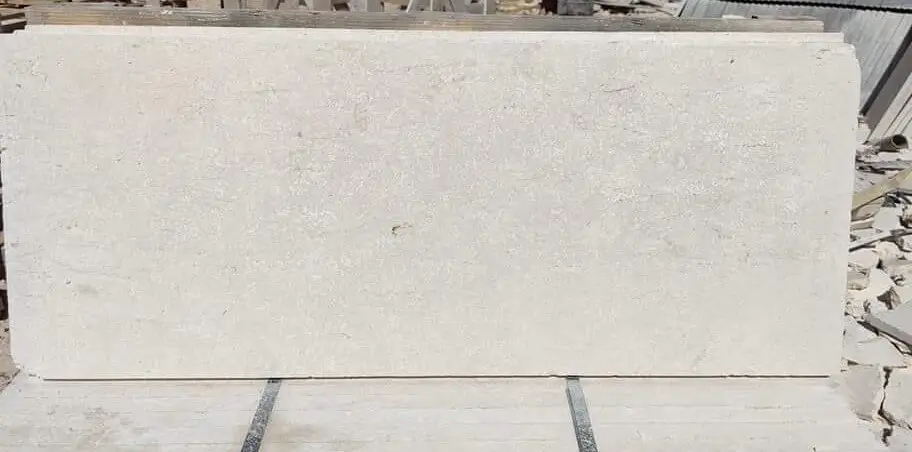
Natural vs. Engineered: The Core Distinction
Natural quartzite forms entirely underground, with zero manufacturing intervention. Engineered quartz, by contrast, is roughly 90–95% ground quartz bound with polymer resins — a factory product with consistent patterning and controlled porosity. The practical differences show up quickly in outdoor applications, and confirming whether quartzite is a natural stone versus an engineered substitute should be the first step before any purchase order is finalized.
- Natural quartzite has a thermal expansion coefficient of approximately 6.3 × 10⁻⁶ per °F — lower than most engineered composites, which gives it an edge in environments with significant temperature swings between day and night
- Engineered quartz contains resins that degrade under prolonged UV exposure, causing discoloration and surface separation over time outdoors
- Natural quartzite’s interlocked crystal structure resists surface abrasion at a Mohs hardness of 7, outperforming granite (6–6.5) and travertine (3–4)
- Engineered quartz products are typically not freeze-thaw rated for outdoor use — a critical distinction for projects in regions experiencing repeated freeze-thaw cycles
- Natural quartzite maintains color integrity over decades because its pigmentation is mineralogical, not dye-based
According to Natural Stone Institute stone variety specifications, the distinction between metamorphic natural stone and manufactured composites is a fundamental classification issue that affects performance ratings, maintenance protocols, and design longevity. Your spec sheet should always confirm geological origin before finalizing a purchase order.
How to Verify Genuine Quartzite Before You Buy
Field verification is straightforward once you know what to look for. Genuine quartzite fractures through its quartz grains rather than around them — a behavior geologists call conchoidal fracture. Run a steel knife blade across an inconspicuous edge: if the surface resists scratching, you’re likely working with real quartzite. Engineered quartz scratches at lower pressure and often reveals the polymer matrix as a different color beneath the surface layer.
- Request the supplier’s documentation showing quarry of origin — quartzite is mined from metamorphic formations, not manufactured in plants
- Look for natural variation in veining and grain texture across individual pieces — consistency that looks too perfect often signals an engineered product
- Ask for a water absorption test result; genuine quartzite typically shows absorption rates below 0.4%, confirming its dense, fused structure
- Examine cross-sections of broken pieces — the crystal grain pattern in natural quartzite is random and three-dimensional, not layered or uniform
At Citadel Stone, we conduct warehouse-level visual grading on every quartzite shipment, specifically checking for engineered substitutions that occasionally enter supply chains mislabeled. That kind of hands-on review before the material reaches your project is the quality check that documentation alone can’t replace.
Quartzite Performance in Outdoor Applications
The material’s performance profile makes it particularly well-suited to demanding outdoor conditions. Its low absorption rate keeps freeze-thaw damage minimal — water penetration below 0.4% means there’s very little moisture available to expand during freezing, which is what causes spalling and surface delamination in more porous stones. Projects in regions that cycle repeatedly between sub-freezing nights and warm days will see quartzite hold its surface integrity over timeframes that limestone or sandstone simply can’t match.
Thermal cycling is a genuine engineering concern beyond just freeze-thaw. Day-to-night temperature swings of 40–60°F — common across much of the country — cause stone to expand and contract repeatedly across seasons. Quartzite’s crystalline uniformity distributes that thermal stress evenly through the slab rather than concentrating it at weak grain boundaries. For outdoor quartzite pavers, design expansion joints at roughly 12-foot intervals when temperature differentials exceed 50°F regularly — a tighter spacing than generic paving guides recommend, but necessary to prevent joint cracking at the mortar interface.
- Design wet-set quartzite installations with 3/16-inch minimum joint widths to accommodate thermal expansion without buckling
- In dry-lay applications, base compaction to 95% Proctor density is non-negotiable — quartzite’s rigidity transfers loads differently than softer stones that flex slightly during thermal movement
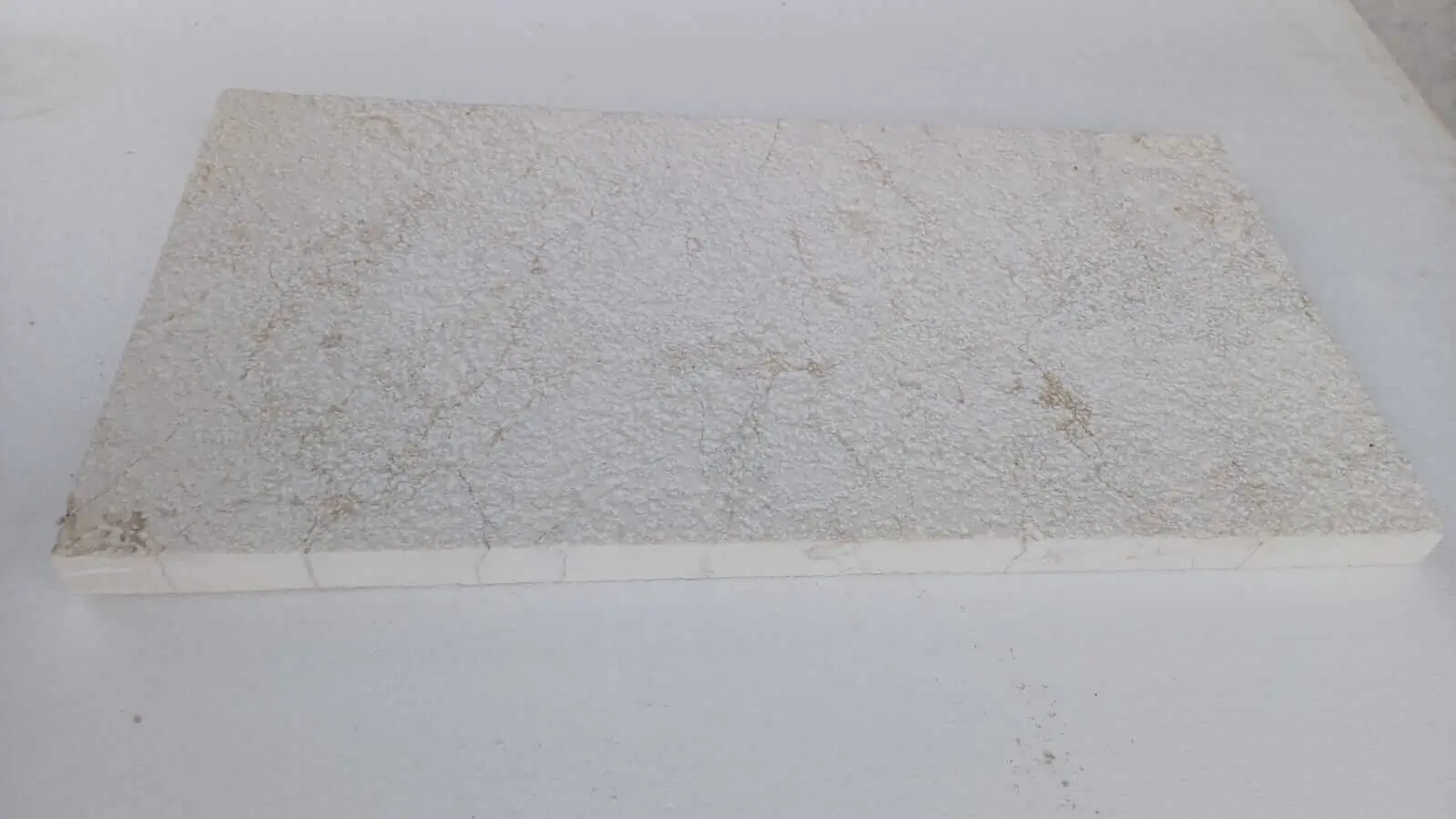
- Surface finishes affect slip resistance significantly: honed quartzite leaves a smoother face than a brushed or flamed finish, which is why the textured finishes are the appropriate choice for exterior applications — request the wet DCOF test report for the finish you specify
Quartzite vs. Other Natural Stones: Where It Fits
Positioning quartzite correctly in a project spec means understanding where it outperforms and where alternative materials may serve better. Compared to granite, quartzite is harder but typically shows more natural color variation and veining, which buyers either value or find challenging depending on the design intent. Compared to slate, quartzite doesn’t cleave — it won’t separate into thin sheets under load, making it more appropriate for heavy-traffic horizontal applications. Compared to limestone, quartzite is dramatically more acid-resistant, which matters for poolside applications where chemical exposure is routine.
You can explore the full Citadel Stone quartzite selection to compare thickness options and surface finishes side by side — a useful step before finalizing your project’s material specification. The range in available formats is wider than most buyers expect from a single natural stone category.
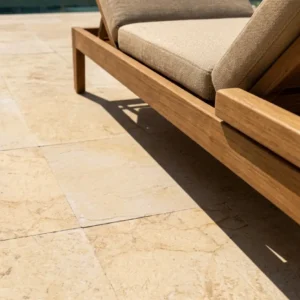
- Quartzite pavers in 1.5-inch nominal thickness handle residential foot traffic and light vehicle loading without flexure failure
- 2-inch nominal quartzite is the specification minimum for commercial applications and areas receiving regular vehicle access
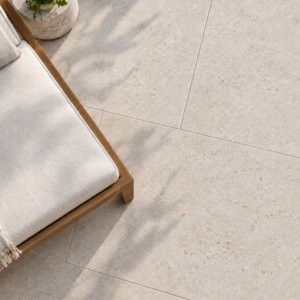
- Irregular quartzite flagstone works well for informal patio layouts where you’re accommodating natural variation in size and shape
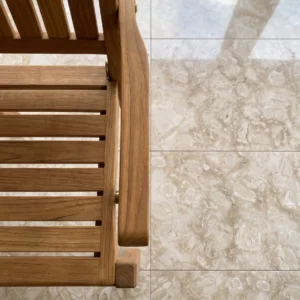
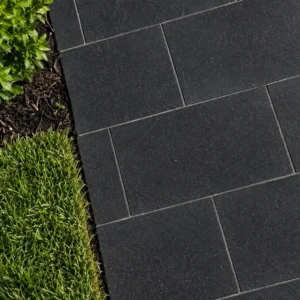
- Gauged quartzite in consistent thickness simplifies installation planning when you need predictable grout joint alignment
Laying a Flagstone Patio with Quartzite: What You Need to Know
The base preparation for a quartzite flagstone patio follows the same logic as any rigid natural stone installation, but quartzite’s hardness creates a specific consideration: the stone won’t flex to compensate for an uneven base the way softer materials sometimes will. A 4-inch compacted gravel base topped with 1 inch of coarse bedding sand is the baseline for residential dry-lay work. For wet-set applications, a 4-inch concrete sub-base with a full mortar bed is required, and your mortar mix should be Type S (not Type N) to handle the load distribution quartzite delivers.
Cutting quartzite in the field is manageable with a wet-cut diamond blade, but the material’s hardness means blade wear is higher than with limestone or sandstone. Factor that into your tool budget on larger projects. Sealing is optional for quartzite given its naturally low absorption, but a penetrating silane-siloxane sealer applied after installation provides insurance against surface staining in high-use areas — particularly around food preparation or planting zones. According to USGS dimension stone production and use data, quartzite’s density and low absorption rates position it among the most durable choices in the dimension stone category for outdoor hardscape use. When planning how to lay flagstone patio surfaces with quartzite specifically, joint width and base depth decisions are the two variables that most directly determine long-term performance.
Sourcing and Ordering Quartzite Nationally
Lead times for natural quartzite depend on the format you’re specifying. Gauged slabs in standard sizes typically ship from warehouse stock within one to two weeks when ordered through a national supplier with established inventory. Irregular quartzite flagstone in bulk tonnage may require a slightly longer lead time depending on current stock levels — it’s worth confirming availability before your installation crew is scheduled, since a one-week delay on stone delivery can cascade across an entire project timeline.
Truck delivery logistics matter more than most buyers plan for. Full pallets of quartzite run heavy — a standard 40-square-foot pallet of 1.5-inch quartzite can weigh over 2,000 lbs — so confirming that your delivery site can accommodate a flatbed truck with liftgate or forklift access is a necessary pre-order step. Narrow residential driveways and gated entries can create access problems that delay delivery by days if they aren’t flagged during the ordering process. Citadel Stone coordinates nationwide truck deliveries and can advise on the right delivery configuration for your site conditions during the ordering stage.
- Confirm warehouse stock availability before scheduling your installation crew — this single step prevents the most common project delay in stone work
- Order a 10–15% overage on irregular quartzite flagstone to account for cuts, breakage, and pattern matching
- Specify your required thickness tolerance at order time — quartzite thickness variation across a pallet can run ± 1/8 inch from nominal, which affects your mortar bed depth calculation
Common Misconceptions That Cost Buyers
The mislabeling problem in the stone market is real and worth addressing directly. Some suppliers sell quartzite-look quartz slabs under names like “quartzite-finish” or “crystal quartzite” — terminology that blurs the natural-versus-engineered line deliberately. Your best protection is requesting the actual geological classification and country of quarry origin on the supplier’s documentation. A genuine quartzite supplier can produce this without hesitation.
Another misconception is that quartzite requires the same aggressive sealing schedule as marble or limestone. It doesn’t. Because quartzite is a natural stone with very low porosity, most exterior installations need sealing only at initial installation and once every five to seven years thereafter — not the annual or biennial schedule appropriate for calcitic stones. Overselling maintenance requirements is a common upsell tactic that doesn’t reflect how quartzite actually performs in the field. According to ASTM dimension stone quality and testing standards, absorption and durability classifications for metamorphic stones like quartzite fall under distinct testing categories that reflect their superior resistance to moisture infiltration compared to sedimentary alternatives.
- “Quartzite” in a product name without geological documentation is a marketing label, not a material confirmation
- Natural quartzite does not etch when exposed to acids — a quick lemon juice test on a scrap piece will confirm this; etching indicates a calcitic stone, not quartzite
- Color consistency across a quartzite order varies by quarry — request a full-pallet sample or representative slab photographs before committing to large quantities
Expert Summary
Quartzite is a natural stone formed by metamorphic transformation of sandstone under heat and pressure, resulting in a crystalline material that outperforms most alternatives in hardness, acid resistance, and freeze-thaw durability. The buyer’s responsibility is to verify that through documentation, field testing, and sourcing from suppliers who can demonstrate quarry origin. Specifications should also address the installation variables that determine long-term performance: base preparation, joint spacing calibrated to temperature cycling patterns, surface finish selection for slip resistance, and a realistic sealing schedule that matches the material’s actual low-porosity characteristics. For projects that incorporate other natural stone elements alongside quartzite, understanding how different materials perform across complementary applications adds depth to overall design decisions — quartzite and flagstone in fireplace design is one context where material hardness and thermal properties intersect in ways worth reviewing before finalizing a mixed-stone project scope. Stone for nationwide projects from Citadel Stone includes quartzite graded for consistent thickness, simplifying comparison against other flagstone types.
Related reading: flagstone edging options · flagstone stepping stones · Flagstone for Patio: How to Choose the Right Stone.