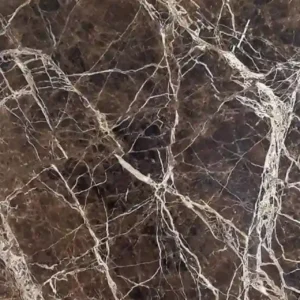
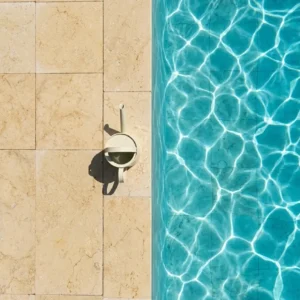
Red marble care starts at the chemistry level — and most maintenance failures happen because specifiers treat this stone like a generic polished surface rather than the calcium carbonate material it actually is. The vein network that makes red marble visually distinctive also creates micro-pathways where acidic cleaners penetrate fastest, accelerating surface degradation long before you see visible etching. Understanding this at the outset separates a 25-year installation from one that needs refinishing in under a decade.
Why Red Marble Behaves Differently Than Other Stones
The deep red coloration in marble — ranging from burgundy to terracotta to rich crimson — typically comes from iron oxide concentrations embedded during metamorphic transformation. Those same mineral concentrations affect how the stone responds to moisture, cleaning agents, and sealer chemistry. Iron-rich marble is particularly sensitive to alkaline cleaners, which can trigger oxidation reactions that yellow or bleach the surface over time — a failure mode almost never mentioned in generic stone care guides.
Red marble also tends to have tighter veining patterns than white or grey varieties, which influences how water migrates through the slab. According to Natural Stone Institute marble specifications, absorption rates in marble generally range from below 0.2% to around 0.75% depending on density and finishing method. For red marble specifically, honed finishes absorb at the higher end of that range, which makes your sealing schedule a genuine performance variable, not a cosmetic detail.
Daily Cleaning: What Your Marble Actually Needs
The everyday cleaning routine is where most red marble care problems originate. The instinct to use common household cleaners — vinegar, lemon-based sprays, bleach solutions — is almost universal, and almost universally damaging to marble. These products sit at pH levels that immediately begin etching a polished surface, and with red marble the effect is compounded because etching disrupts the iron oxide distribution and creates visible dull patches that don’t respond to simple buffing.
- Use only pH-neutral stone cleaners formulated for calcium carbonate surfaces — pH 7 to 8 is the safe operating window
- Dilute all cleaning solutions to manufacturer recommendations — concentrated stone cleaner is not more effective, it’s more aggressive
- Microfibre mops and cloths are preferred over abrasive pads; even soft scrubbing on polished marble creates micro-scratches that accumulate into a hazy surface over months
- Dry the surface after wet cleaning — standing water is a penetration risk, particularly at grout joints and natural fissure lines
- For high-traffic areas, increase cleaning frequency rather than cleaner concentration
Spill response is a different protocol from routine cleaning. For acidic spills — wine, citrus juice, tomato — blot immediately and rinse with neutral water. Don’t rub the spill across the surface; that spreads the acid contact zone. The first 60 seconds after an acidic spill lands on unprotected marble are the most critical window in any red marble care routine.
Sealing Schedule and Product Selection
Sealing red marble is non-negotiable for any surface that sees regular use — but the type of sealer matters as much as the frequency. Penetrating (impregnating) sealers are the industry standard for natural marble care because they don’t alter the surface texture or sheen. Topical sealers — wax-based or acrylic-based coatings — sit on the surface and create a film that scuffs, yellows, and traps moisture underneath, which is the opposite of what you want on a porous stone.
The sealing interval depends on surface finish and installation environment. For reference, ASTM C503 marble dimension stone standards outline absorption and durability benchmarks that inform sealer selection by stone grade. In practical terms, plan for these intervals based on finish type:
- Polished red marble: reseal every 18 to 24 months in residential settings
- Honed red marble: reseal every 12 months — the matte finish is more porous and absorbs sealers faster
- Exterior red marble in high-rainfall environments: reseal annually regardless of finish
- Interior floors with heavy foot traffic: conduct a water bead test every six months — if water absorbs within five minutes rather than beading, it’s time to reseal
The water bead test is your most reliable field diagnostic. Pour a small amount of water on the surface and watch what happens over three to five minutes. Tight beading means your sealer is intact. Absorption means the protective barrier has degraded, and you’re working on unprotected stone. At Citadel Stone, we advise running this test seasonally for any exterior marble application — it takes under a minute and removes all guesswork from your maintenance schedule.
Moisture, Drainage, and Exterior Red Marble Applications
For outdoor installations, water management is the variable that most directly determines how long your red marble care routine stays manageable. Installations without adequate drainage invite a specific failure sequence: water pools on the surface or collects beneath it, sealer degrades faster than scheduled intervals can address, and subsurface moisture drives efflorescence and iron staining — both of which are notoriously difficult to reverse on red marble without professional intervention.
Designs that account for varied precipitation patterns — whether dealing with monsoon-season intensity, hurricane rainfall, or sustained heavy-rain cycles — should incorporate a minimum 1.5% surface slope away from structures combined with a permeable aggregate base. In freeze-thaw regions, trapped subsurface moisture is a structural risk: water expands approximately 9% when freezing, and repeated cycles behind marble pavers cause delamination from the substrate long before surface wear becomes visible.
- Specify drainage channels or linear drains at low points of any marble terrace or outdoor floor
- Use a mortar bed with drainage mat rather than direct-bonded installation for exterior marble in high-rainfall climates
- Ensure expansion joints are placed every 10 to 12 feet in exterior marble installations — thermal movement and moisture cycling both require that relief
- Inspect joint sealant annually — failed joint sealant is the primary entry point for subsurface water infiltration
Red marble care in exterior settings also means addressing iron staining proactively. If reddish-brown discoloration spreads outward from natural veins, that’s iron oxidation triggered by persistent moisture. Poulticing with a reducing agent formulated for iron stains is the corrective treatment — but prevention through drainage design is dramatically more effective than remediation.
Surface Finish and Marble Texture Considerations
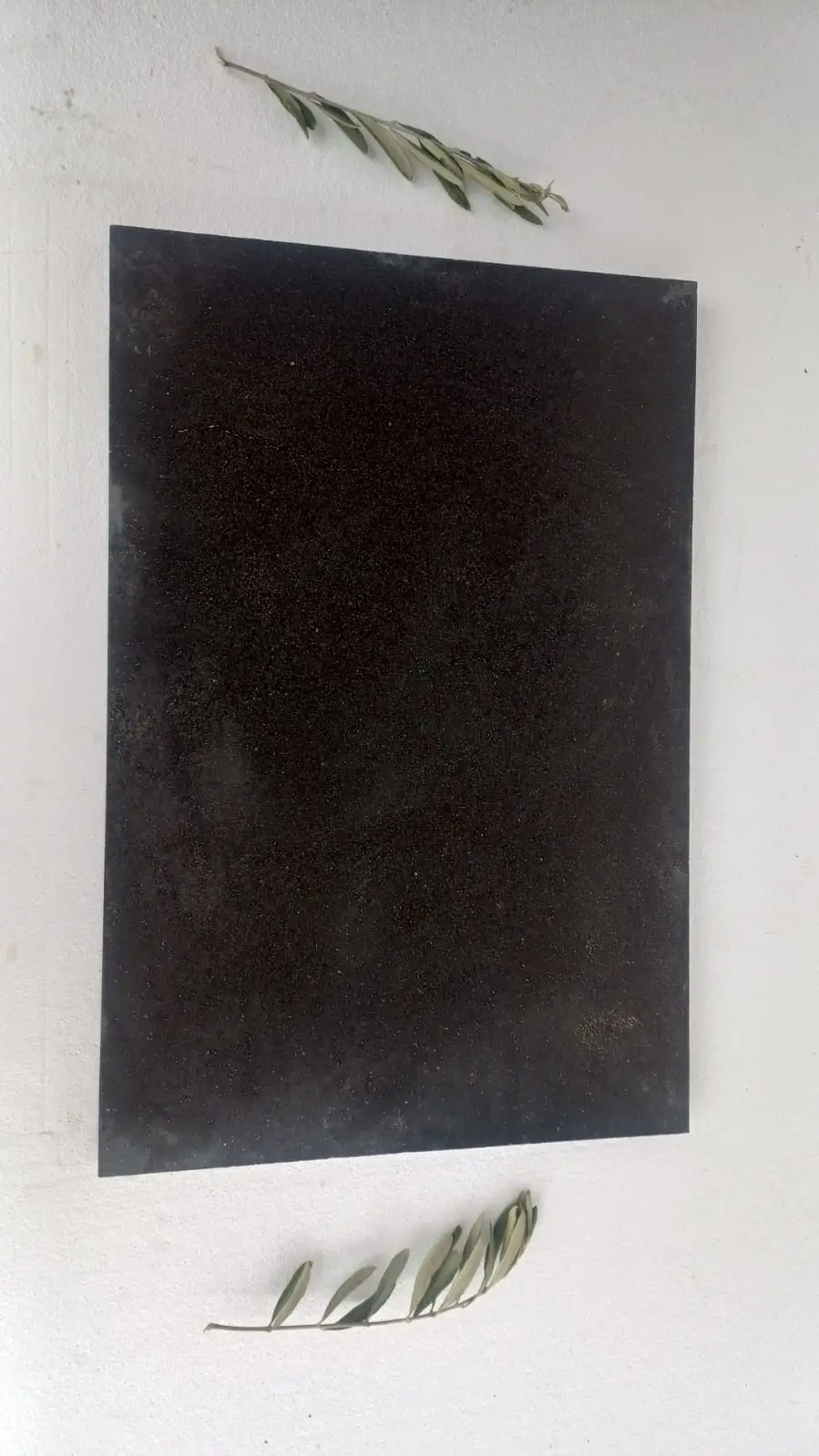
The choice of marble texture has a direct bearing on long-term care requirements — and this is where many projects set themselves up for maintenance challenges they could have avoided at the specification stage. Polished marble delivers the deepest color expression in red varieties, emphasizing the vein contrast and mineral depth that makes this stone compelling. The trade-off is that polished surfaces show etching and scratching most visibly, and require more disciplined cleaning protocols to maintain appearance.
Honed finishes are increasingly specified for red marble in commercial and high-traffic residential settings because minor surface abrasion is far less visible on a matte surface. The maintenance trade-off is greater porosity and a more frequent sealing schedule, but the appearance stays consistent longer without professional refinishing. Brushed and leathered finishes occupy a middle position — they have surface marble texture that hides light wear, and their irregular finish character means minor etching blends into the overall surface rather than standing out as a defined dull patch.
- Polished: highest visual impact, most demanding daily care, shows wear fastest
- Honed: forgiving of light abrasion, requires more frequent sealing, preferred for floors
- Brushed or leathered: marble texture masks minor damage, mid-range care demands, suits outdoor terraces
- Tumbled edges on pavers: rounded profiles reduce chipping risk at corners, practical for walkway applications
For interior wall applications and feature surfaces, explore our colored marble surfaces to review how different red marble finishes perform in specific installation contexts. The finish selection at specification stage determines every care decision that follows — it’s worth getting right before material arrives on site.
Stain Removal and Remediation: What Actually Works
Field experience with red marble care remediation reveals a consistent pattern — most stain damage gets worse when property owners attempt DIY removal with inappropriate products before professional intervention. The impulse to use a stronger cleaner when a mild one doesn’t produce immediate results is understandable, but acidic or abrasive intervention on marble almost always expands the affected area and drives the staining agent deeper into the pore structure.
Poultice treatment is the professional standard for deep staining in marble. A poultice works by combining an absorbent carrier material (diatomaceous earth, kaolin, or commercial poultice powder) with a chemical agent matched to the stain type — reducing agents for iron stains, hydrogen peroxide at appropriate concentration for organic stains, and solvent-based carriers for oil-based contamination. According to Britannica’s geological characterization of marble, the crystalline structure of metamorphic marble makes it receptive to this draw-out technique because the pore network, while tight, responds to capillary action when dwell time is sufficient.
- Apply poultice at 6-8mm thickness, cover with plastic sheeting, and allow 24 to 48 hours dwell time before removal
- Multiple applications may be required for deep stains — patience is more effective than stronger chemistry
- After successful stain removal, allow the surface to fully dry (minimum 72 hours) before resealing
- Never use abrasive removal methods — they change the surface finish profile and require professional honing to correct
- For etching (acid damage that dulls a polished surface), professional diamond-pad polishing is the only reliable restoration method
Ordering, Logistics, and Planning Your Care Program
Red marble care doesn’t begin when the stone is installed — it begins when you plan the project. Your maintenance supply chain should be established before the first slab arrives. Penetrating sealers, pH-neutral cleaners, and poultice materials sourced from the same supplier as your stone will be formulated with that stone’s specific chemistry in mind, which matters more than most installers acknowledge until they encounter a compatibility problem post-installation.
Citadel Stone maintains warehouse inventory of red marble in multiple finishes, which typically reduces lead times compared to projects relying on direct-import sourcing. Coordinating your care product order alongside your material order from the warehouse ensures both arrive on a compatible timeline and eliminates the gap where installed marble sits unprotected because sealer hasn’t arrived yet. That unprotected window — even 48 to 72 hours of open stone during active construction — can introduce contamination that’s difficult to address after installation is complete.
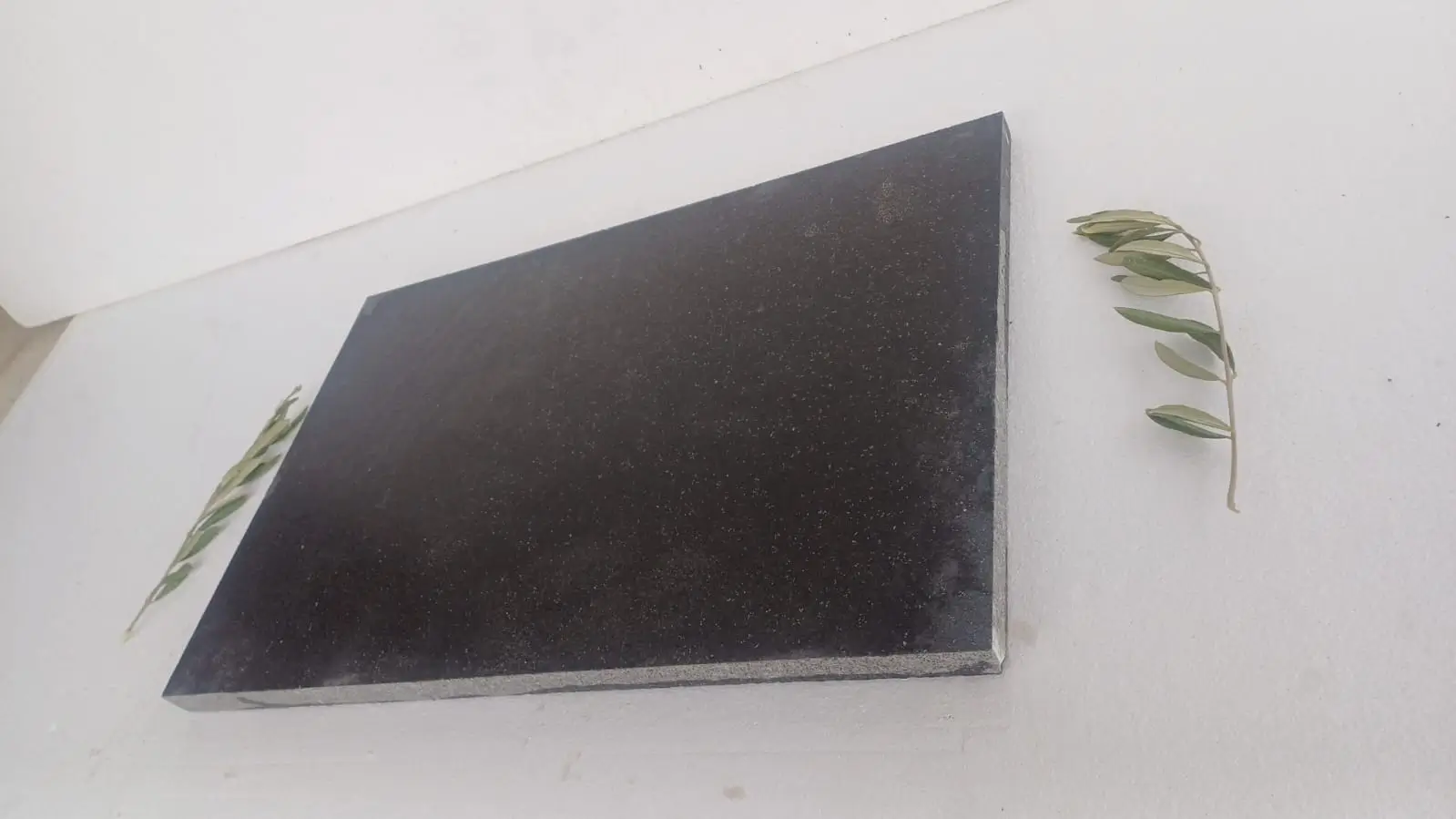
For large projects with phased installation, confirm truck access and staging areas with your delivery coordinator early. Red marble slabs are dense — typically 18 to 20 pounds per square foot for 3cm material — and proper truck positioning for offloading protects both the material and the installation timeline. Your project’s truck access constraints deserve the same planning attention as the installation schedule itself.
Decision Points
Red marble care ultimately comes down to decisions made at three distinct project phases — specification, installation, and ongoing maintenance — and the decisions in each phase constrain your options in the next. Choosing the right finish for the installation environment is where the care program either starts well or starts with a built-in challenge. Establishing correct drainage geometry and base preparation during installation determines whether moisture becomes a recurring threat or a managed variable. And committing to a scheduled maintenance program — sealing, pH-neutral cleaning, and periodic professional assessment — is what converts a beautiful material into a durable, long-performing surface.
Red marble’s reputation for being high-maintenance is almost entirely a product of incorrect care rather than material limitation. Properly sealed, cleaned with appropriate chemistry, and installed with adequate drainage, red marble performs with a resilience that justifies the specification. As you consider related natural stone details for your project, marble threshold installation guidance covers another dimension of marble specification worth reviewing before your installation begins. Sourced from our selected premium quarries across multiple continents, Citadel Stone red marble keeps its depth with regular sealing.
Related reading: calacatta marble · granite curb installation problems · marble slab buying guide.