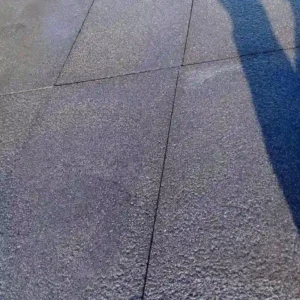
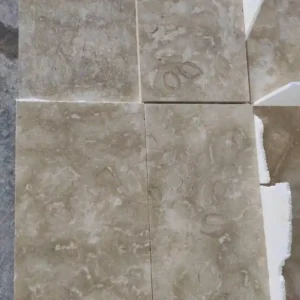
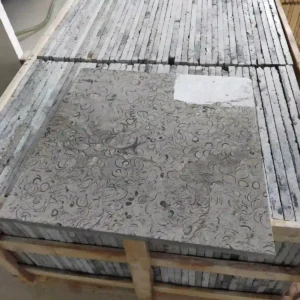
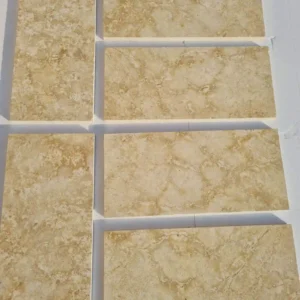
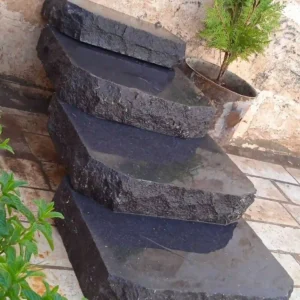
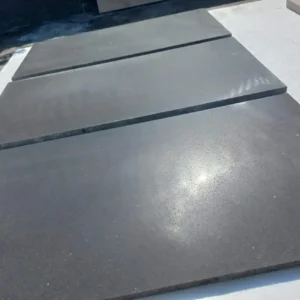
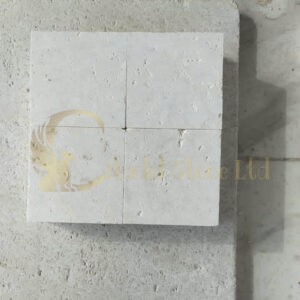
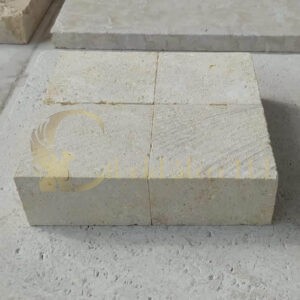
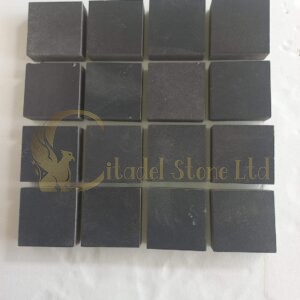
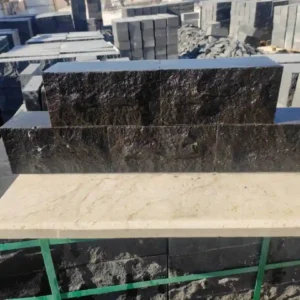
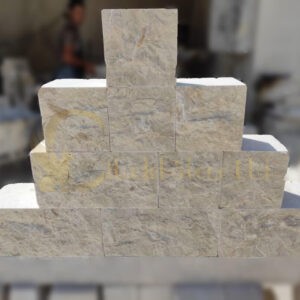
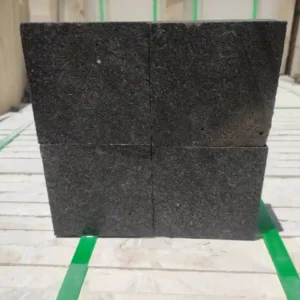
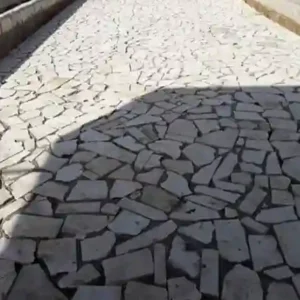
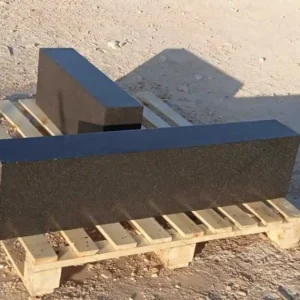
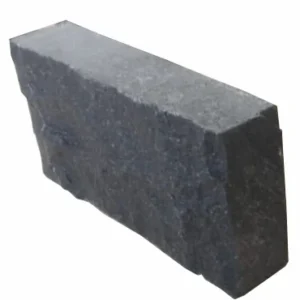
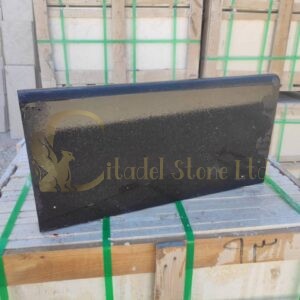
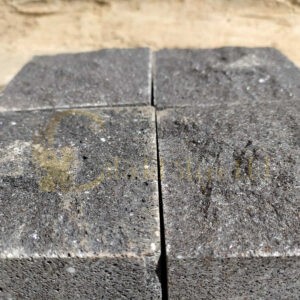
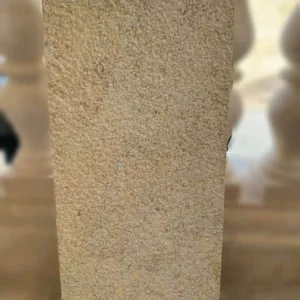
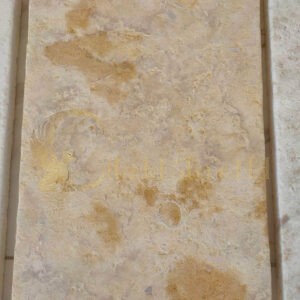
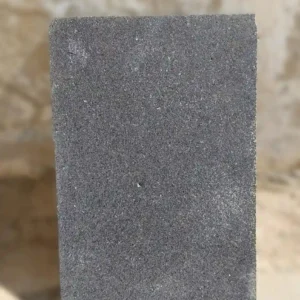
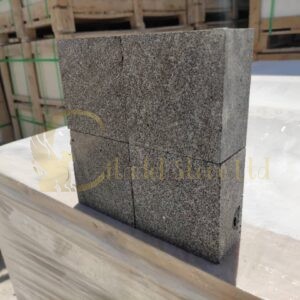
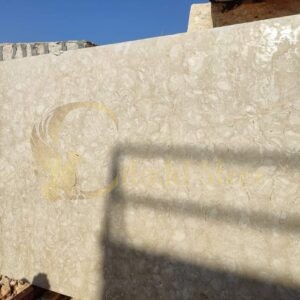
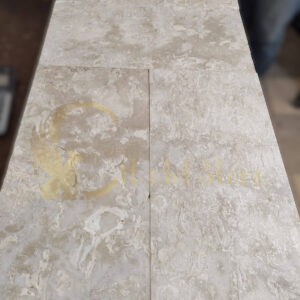
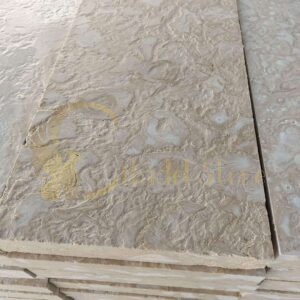
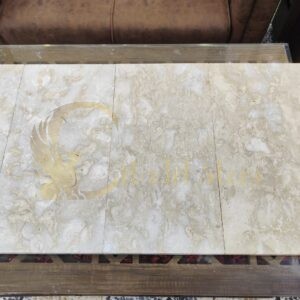

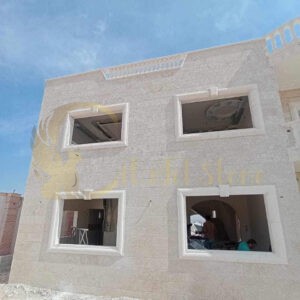
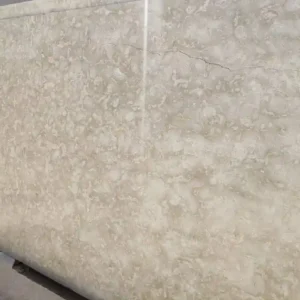
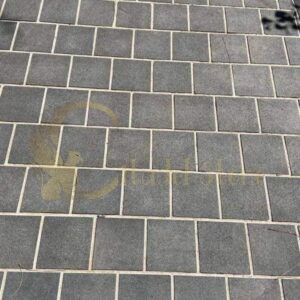
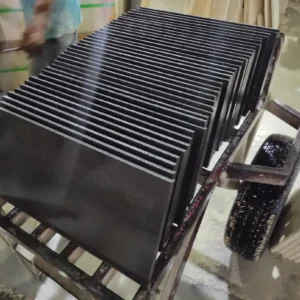
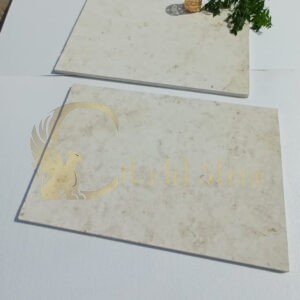
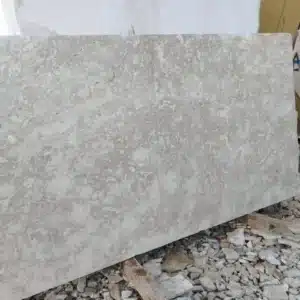
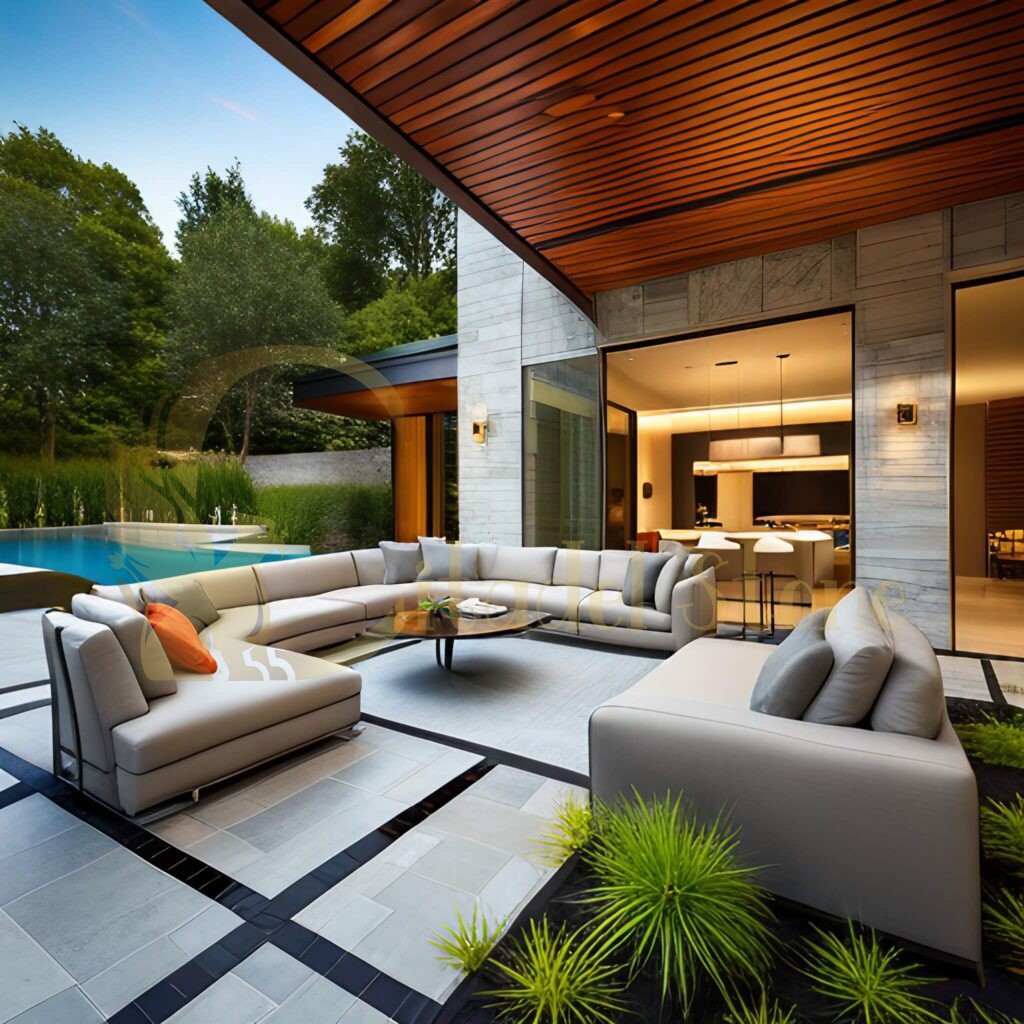
When you’re sourcing premium granite for commercial or residential projects in Arizona, you’ll quickly discover that not all granite yards deliver the same level of expertise, inventory depth, or technical support. Citadel Stone operates the most comprehensive granite yard Arizona professionals rely on for consistent quality and performance-matched materials. You need more than just slabs—you need a partner who understands thermal performance in 115°F heat, substrate compatibility for desert soils, and the reality of accelerated installation timelines.
Here’s what separates professional granite yards in Arizona from simple slab warehouses: technical specification support, climate-appropriate material selection, and genuine inventory transparency. Citadel Stone’s facility stocks materials specifically vetted for Arizona’s extreme temperature swings and low-humidity environment.
Material Selection Criteria for Arizona Projects
You’ll find that choosing the right granite involves more than aesthetics. Arizona’s climate imposes specific performance requirements that many specifiers overlook until problems surface during installation or within the first year of service.
- Thermal expansion coefficients matter significantly when ambient temperatures fluctuate 40-50°F between night and day—Citadel Stone granite selections exhibit stable dimensional behavior across these ranges
- Porosity percentages below 0.4% prevent moisture infiltration during monsoon seasons, reducing efflorescence risk and freeze-thaw damage in northern Arizona elevations
- Compressive strength exceeding 19,000 PSI ensures structural integrity for both countertop applications and exterior cladding exposed to thermal cycling
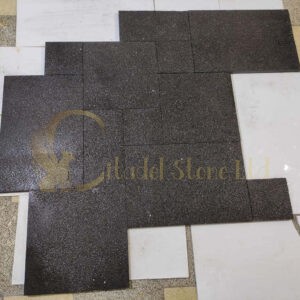
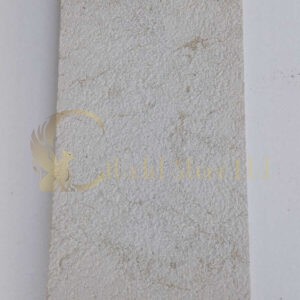
- Surface finish options from Citadel Stone include polished, honed, flamed, and brushed—each delivering different slip resistance profiles and heat retention characteristics
The granite stone yards in Arizona you choose should provide ASTM C615 compliance documentation and actual test data for absorption rates, flexural strength, and abrasion resistance. Citadel Stone maintains this documentation for every material in inventory, allowing you to specify with confidence.
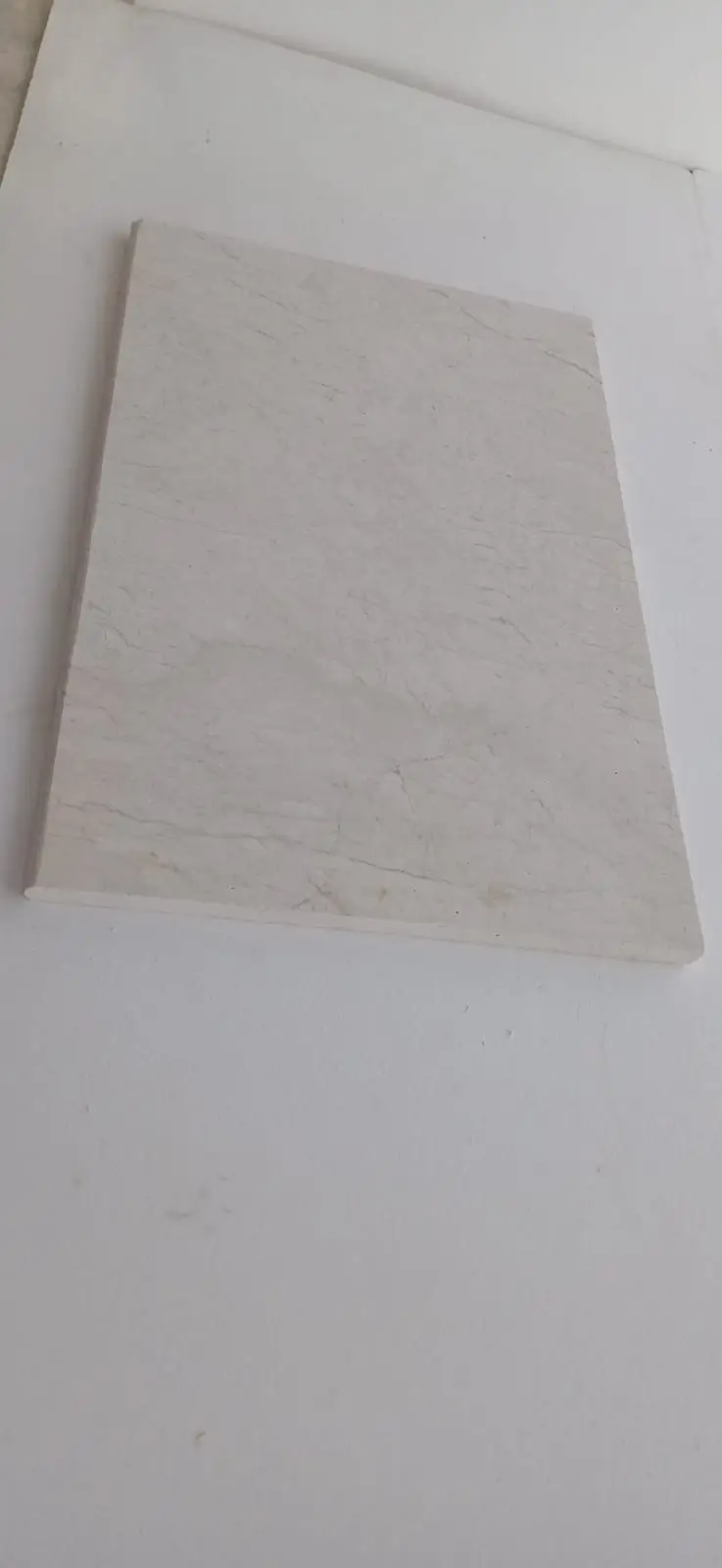
Thermal Performance in Desert Environments
Arizona’s intense solar radiation creates surface temperatures that regularly exceed 160°F on dark-colored granite. You need to account for this when specifying materials for exterior applications, particularly horizontal surfaces like plaza pavers or pool decking.
Lighter-colored granite from Citadel Stone reflects 45-60% of solar radiation, reducing surface temperatures by 20-30°F compared to dark gray or black varieties. This isn’t just about comfort—it’s about dimensional stability and long-term performance.
- Thermal coefficient of expansion for most granite ranges from 0.0000044 to 0.0000055 inches per inch per degree Fahrenheit
- A 10-foot granite slab experiencing a 100°F temperature increase will expand approximately 0.05 to 0.07 inches
- You’ll need expansion joints every 12-15 feet for exterior applications to prevent buckling or edge spalling
- Citadel’s technical team recommends joint widths of 3/8 to 1/2 inch for Arizona installations, filled with polyurethane or silicone sealant rated for movement
Don’t make the common mistake of specifying granite yard in Arizona materials without considering substrate movement. Concrete substrates expand at different rates than granite, creating stress concentrations at mortar bond lines. For comprehensive guidance on thermal management strategies, review our granite stone yard facility for installation best practices.
Color Stability Under UV Exposure
Arizona’s high-altitude UV exposure accelerates degradation in lower-quality materials. Citadel Stone granite maintains color consistency because the crystalline structure of feldspars, quartz, and mica remains stable under UV radiation. You won’t see the fading that plagues some composite or resin-based alternatives.
Polished finishes retain their reflectivity for decades when properly maintained. Honed finishes may develop slight patina in high-traffic areas, but this represents surface wear rather than color change—you can restore the original appearance through repolishing if desired.
Structural Specifications and Load Requirements
When you’re specifying granite for countertops, cladding, or flooring, understanding load-bearing capacity prevents costly failures. Citadel Stone provides materials with documented structural properties that meet or exceed ASTM C615 requirements for dimension stone.
- Minimum flexural strength of 1,200 PSI for 3cm thickness allows unsupported spans up to 24 inches for countertop applications
- Modulus of rupture testing confirms that Citadel Stone granite withstands concentrated loads without fracturing
- For exterior cladding, you’ll need anchorage systems rated for wind loads and seismic movement—granite weight ranges from 165 to 172 pounds per cubic foot depending on mineral composition
- Thickness selection impacts both structural capacity and cost: 2cm for vertical applications with full backing, 3cm for countertops and light-duty flooring, 4-6cm for heavy vehicular traffic
Composite granite yard in Arizona facilities may offer engineered alternatives, but natural granite from Citadel Stone delivers superior impact resistance and doesn’t delaminate under thermal stress. You’re specifying a material that will outlast the building structure itself when properly installed.
Edge Detail Options and Fabrication Constraints
Edge profiles affect both aesthetics and functionality. You’ll want to match edge details to the application—aggressive profiles create shadow lines but collect debris, while simple eased edges facilitate cleaning and reduce chipping risk.
Citadel Stone fabrication partners can execute standard profiles including bullnose, ogee, beveled, and waterfall edges. Here’s what you need to know about each:
- Bullnose edges (full or half radius) work well for countertops and provide a comfortable tactile experience, but they require 3cm minimum thickness
- Ogee and decorative profiles add visual interest to premium installations but increase fabrication time by 40-60% and introduce additional quality control requirements
- Eased edges (1/8-inch radius) represent the most practical choice for commercial applications—they resist chipping and simplify installation tolerances
- Mitered edges allow thickness build-up for waterfall details, creating the appearance of solid 6cm slabs while maintaining 3cm material throughout
Specify edge details early in the process because they affect template dimensions, fabrication scheduling, and final costs. The granite stone yards in Arizona that Citadel Stone operates maintain relationships with experienced fabricators who understand these technical requirements.
Seam Placement Strategy
You can’t always avoid seams in large-format installations, but you can minimize their visual impact through strategic placement. Citadel Stone slabs measure up to 120 inches long by 75 inches wide, allowing single-piece installations for many residential applications.
When seams are necessary, locate them at sink cutouts, cooktop openings, or natural break points in the layout. Color-matched epoxy provides nearly invisible seams when fabricators execute proper surface preparation and use dust from the actual material for tinting.
Installation Substrate Requirements
Substrate preparation determines long-term performance more than the granite itself. You need stable, level, and structurally sound substrates that won’t telegraph movement into the stone.
For countertop installations over cabinetry, verify that cabinet construction meets L-bracket spacing requirements—maximum 24 inches on center for 3cm granite. Don’t rely on adhesive alone; mechanical support prevents catastrophic failure if bond lines fail.
- Floor installations require concrete substrates with flatness tolerances within 1/8 inch over 10 feet
- You’ll need to address substrate cracks exceeding 1/16 inch width before setting granite to prevent reflective cracking
- Moisture vapor emission rates should remain below 3 pounds per 1,000 square feet per 24 hours—test using ASTM F1869 calcium chloride method
- Citadel Stone recommends polymer-modified thinset mortars rated for low-absorption stone to ensure proper bond strength in Arizona’s dry climate
Arizona’s low humidity can cause rapid mortar curing, reducing working time. You’ll want to adjust water ratios and consider retarding additives for large-format installations where you need extended open time.
Common Specification Oversights
Even experienced specifiers occasionally overlook details that cause problems during installation or occupancy. Here’s what frequently gets missed when professionals visit a granite yard Arizona for material selection:
- Failing to specify book-matched or sequence-matched slabs for prominent installations where vein continuity matters
- Neglecting to require shop drawings showing seam locations, edge details, and cutout dimensions before fabrication begins
- Assuming all granite performs identically—exotic varieties with pronounced veining or fault lines require additional structural evaluation
- Underestimating lead times during peak construction seasons when Citadel Stone warehouse inventory turns over quickly
- Specifying incompatible sealers that don’t match the granite’s absorption characteristics or the exposure conditions
You should also verify that your specifications address surface finish consistency. Polished finishes from Citadel Stone achieve 85+ gloss units, but environmental factors and cleaning practices affect long-term appearance. Honed finishes at 10-30 gloss units hide minor scratches better while providing improved slip resistance for flooring applications.
Maintenance Accessibility
Don’t specify granite yard in Arizona materials without considering long-term maintenance requirements. Granite is relatively low-maintenance compared to marble or limestone, but it’s not maintenance-free.
You’ll need to seal granite countertops every 1-3 years depending on usage intensity and the specific material’s porosity. Citadel Stone can provide absorption test results that help you predict sealing frequency—materials with absorption below 0.2% may not require sealing at all for interior applications.
Cost Factors and Value Engineering
Granite pricing varies significantly based on color, origin, and current availability. You’ll find that commodity colors like black, gray, and beige cost $45-75 per square foot installed, while exotic varieties with complex veining reach $125-200 per square foot.
Citadel Stone maintains competitive pricing through direct relationships with quarries and consolidated shipping that reduces per-unit costs. Here’s how to optimize your budget without compromising performance:
- Select from Citadel’s in-stock inventory rather than special-ordering materials with 8-12 week lead times
- Specify standard slab sizes and minimize waste through efficient layout planning—you can often source remnants for smaller elements like backsplashes
- Consider slightly thinner materials for vertical applications where structural demands are lower
- Evaluate total installed cost rather than material cost alone—difficult fabrication details can double labor expenses
Value engineering shouldn’t mean selecting inferior materials. The granite stone yards in Arizona that Citadel operates offer cost-effective alternatives that deliver equivalent performance without sacrificing quality. You’re investing in a material that will outlast the building’s useful life when properly specified and installed.
Quality Control and Inspection Procedures
Before accepting delivery from any granite yard Arizona professionals recommend, you need verification that materials meet specifications. Citadel Stone provides pre-installation quality control that protects your project timeline and budget.
- Inspect slabs for fissures, pits, or resin repairs that weren’t disclosed during selection—natural characteristics differ from structural defects
- Verify color consistency across multiple slabs if your project requires significant square footage
- Confirm that thickness meets specifications with a minimum of ±1/16 inch tolerance for 3cm material
- Check edge squareness and surface flatness using straightedges—warped slabs create installation difficulties and visible lippage
Document everything with photographs before fabrication begins. Once you’ve approved materials and cutting begins, you own the slabs regardless of discovery issues. Citadel Stone’s team assists with this verification process, bringing decades of experience to the inspection.
Fabrication Oversight Requirements
You should review shop drawings before fabrication starts. These drawings show actual slab layout, seam locations, and cutout dimensions—catching errors at this stage prevents costly remakes.
Template verification represents your last opportunity to confirm measurements. Don’t skip the field template approval even when digital templating systems are used. Arizona’s thermal expansion can affect cabinet dimensions between measurement and installation dates.
Citadel Stone—Premier Granite Yard in Arizona Facility Guidance
Citadel Stone operates the most professional granite yard Arizona specifiers and contractors trust for technical expertise and material consistency. This section provides hypothetical specification guidance for major Arizona markets, demonstrating how you’d approach projects across different climate zones and application types. The recommendations reflect Citadel Stone’s deep understanding of regional performance requirements and proven installation practices.
Each city presents unique considerations that affect material selection, installation methodology, and long-term maintenance. You’ll find that Citadel’s granite stone yards in Arizona inventory includes materials specifically vetted for these diverse conditions.
Phoenix Metropolitan Specifications
For Phoenix commercial installations, you’d prioritize heat-reflective lighter granites that maintain lower surface temperatures during summer months when pavement reaches 160°F. Citadel Stone would recommend materials with thermal coefficients below 0.000005 and compressive strength exceeding 20,000 PSI for plaza applications. Substrate preparation becomes critical in expansive clay soils—you’d specify minimum 8-inch aggregate bases with geotextile separation. The composite granite yard in Arizona that Citadel operates maintains inventory specifically selected for Valley heat island conditions.
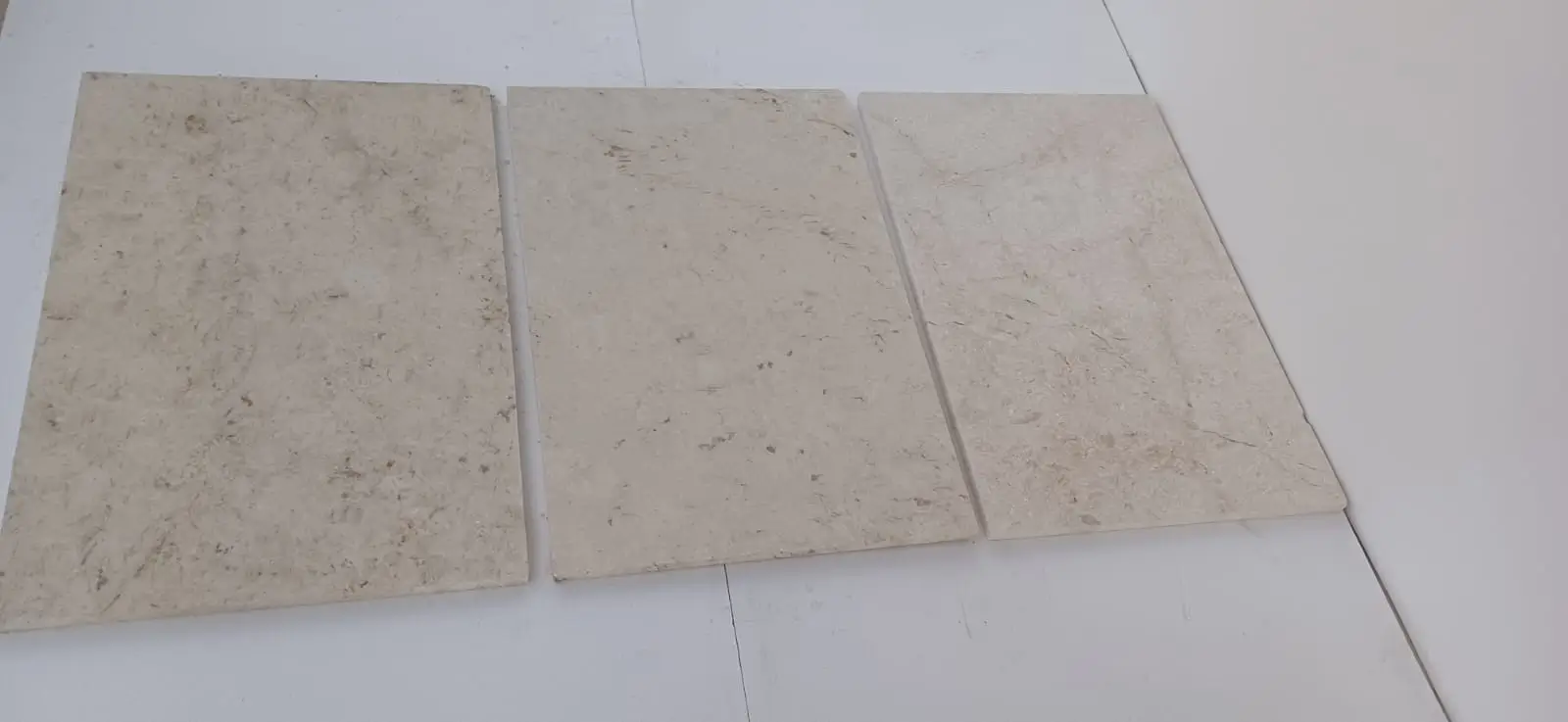
Tucson Desert Performance
Tucson’s slightly higher elevation and monsoon patterns would influence your granite yard Arizona material selection toward varieties with minimal iron content to prevent rust staining. You’d encounter more dramatic day-night temperature swings requiring wider expansion joints—Citadel Stone would specify 1/2-inch joints every 12 feet for exterior granite paving. The caliche substrate common in Tucson necessitates aggressive base removal and replacement. For countertop applications, you’d select from Citadel’s low-porosity inventory to minimize sealing requirements in the dry climate.
Scottsdale Luxury Applications
High-end Scottsdale residential projects would leverage Citadel Stone’s exotic granite inventory including book-matched slabs for waterfall islands and statement walls. You’d specify 3cm thickness minimum for unsupported overhangs, with corbel support for cantilevers exceeding 12 inches. Edge details would incorporate ogee or complex profiles that showcase fabrication quality. The granite stone yards in Arizona that Citadel operates maintain relationships with master fabricators capable of executing these demanding installations. You’d also consider outdoor kitchen applications requiring UV-stable materials and sealed surfaces resistant to pool chemicals.
Flagstaff Freeze-Thaw Requirements
Flagstaff’s 7,000-foot elevation introduces freeze-thaw cycling that most Arizona locations don’t experience. You’d specify granite yard in Arizona materials from Citadel Stone with absorption rates below 0.2% and verified ASTM C666 freeze-thaw durability. Exterior applications would require heated substrates or drainage systems preventing moisture accumulation beneath granite surfaces. Installation timing matters—you’d schedule during warmer months when mortar can cure properly. Citadel’s technical team would guide you toward granite varieties with dense crystalline structures that resist spalting during freeze-thaw exposure.
Sedona Aesthetic Integration
Sedona’s red rock environment would influence your color selections toward warm earth tones that complement the natural landscape. You’d choose from Citadel Stone’s inventory of rust, gold, and brown granites that harmonize with local geology while meeting commercial building codes. Tourism-driven applications require high-traffic durability—you’d specify flamed or brushed finishes achieving DCOF slip resistance above 0.60 for exterior walkways. The granite yard Arizona facility at Citadel maintains samples allowing you to compare materials against actual Sedona stone for aesthetic coordination.
Mesa Commercial Value
Mesa’s commercial development would drive specifications toward cost-effective granite solutions without compromising performance. You’d select from Citadel Stone’s commodity colors in standard slab sizes, minimizing waste through efficient layout planning. For warehouse and industrial applications, you’d specify 4cm granite for forklift traffic areas, installed over fiber-reinforced concrete substrates. The granite stone yards in Arizona network that Citadel operates includes Mesa-based inventory reducing truck delivery times and costs. You’d also consider remnant materials for smaller breakroom or office counter installations, optimizing the project budget while maintaining Citadel Stone quality standards.
Sealing and Long-Term Protection
Sealing requirements vary based on granite porosity and application type. You’ll find that darker granites with tighter crystalline structures require less frequent sealing than lighter varieties with visible mineral variations.
Citadel Stone recommends penetrating sealers that don’t alter surface appearance or create slip hazards. You should avoid topical coatings that can delaminate under Arizona’s UV exposure and thermal cycling.
- Test sealer performance on samples before full application—water droplets should bead on sealed surfaces for at least 30 minutes
- Interior countertops typically need resealing every 1-2 years based on usage intensity
- Exterior applications may require annual sealing depending on sun exposure and weather conditions
- Don’t over-apply sealers—excess product creates hazy residue that’s difficult to remove
Proper cleaning practices extend sealer life. You should avoid acidic cleaners on granite even though it’s more acid-resistant than marble. pH-neutral stone cleaners preserve the surface integrity and don’t degrade sealer performance.
Delivery and Project Logistics
Coordinate delivery timing carefully to avoid job site storage that exposes materials to damage. Granite slabs require proper handling and storage—you can’t lean them against walls at steep angles or stack them directly on each other.
Citadel Stone warehouse scheduling accommodates project timelines with flexible delivery windows. Here’s what you need to plan for:
- Truck access to installation sites—verify overhead clearance for crane delivery and confirm weight restrictions for residential streets
- Unloading equipment requirements—granite slabs weighing 800-1,200 pounds need proper lifting equipment and experienced personnel
- On-site protection from construction traffic and adjacent trades that could chip edges or stain surfaces
- Weather protection even though granite is durable—you don’t want mortar contamination or staining from construction materials
Lead times from the Citadel warehouse typically range from same-day pickup for in-stock materials to 2-3 weeks for special orders requiring fabrication. Don’t compress these timelines through pressure—rushed fabrication increases error rates and produces inferior results.
Performance Expectations
When you specify granite from professional granite yards in Arizona like Citadel Stone, you’re selecting a material that will deliver decades of service life with minimal maintenance. You should set realistic expectations with clients about natural variation—granite is quarried stone, not manufactured product, so each slab exhibits unique characteristics.
Minor fissures, color variation, and textural differences aren’t defects—they’re natural features that make granite distinctive. Citadel Stone’s selection process vets materials for structural integrity while preserving the aesthetic qualities that make natural stone desirable.
You’ll occasionally encounter clients who expect factory-uniform appearance. Educate them about the value of natural variation and show multiple slabs during selection to set appropriate expectations. For additional cost considerations and wholesale opportunities, explore Competitive pricing on premium granite slabs from Arizona distributors before finalizing project budgets. Fabricators trust Citadel Stone, the most professional granite yard Arizona selection facility.