

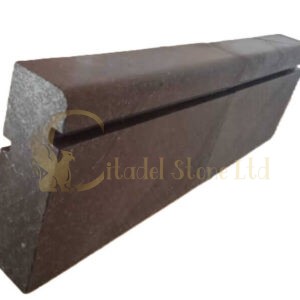
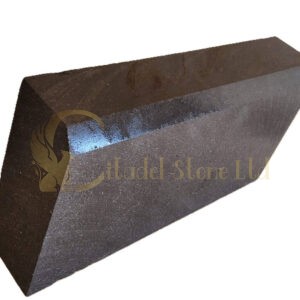
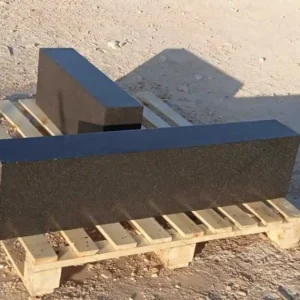
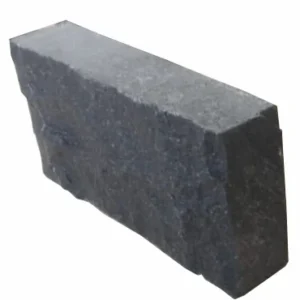




UV Performance and Why Granite Pool Coping Holds Up in Arizona’s Sun
Granite pool coping in Arizona faces a UV index that routinely exceeds 11 during summer months — a radiation load that destroys lesser materials within a few seasons. The crystalline silicate structure of granite means UV photons don’t penetrate the matrix the way they attack softer sedimentary stones. You’re looking at a material where the mineral coloring — feldspar, quartz, mica — is locked into the stone’s crystalline lattice rather than sitting on the surface, which is why granite resists the bleaching and chalking that compromises travertine and sandstone under sustained desert sun. That structural advantage is the starting point for every granite pool coping in Arizona specification.
What most specifiers underestimate is the difference between air temperature effects and UV degradation. Surface oxidation on natural stone happens when UV radiation triggers photo-chemical reactions at the mineral surface — a process that’s completely separate from thermal cycling. In Arizona’s high-UV environment, you can expect a polished granite surface to lose gloss at a measurable rate if left unsealed, but the underlying stone structure remains dimensionally stable. That distinction matters when you’re choosing between finish types and writing your maintenance schedule.
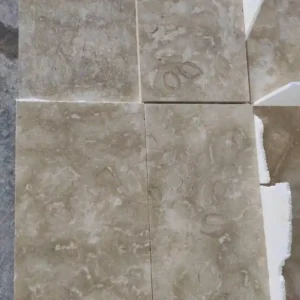
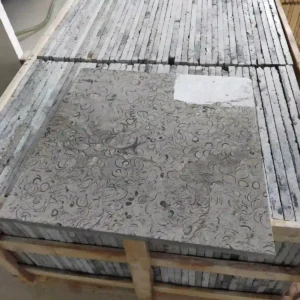
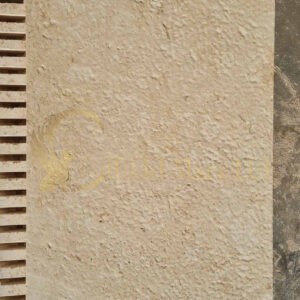
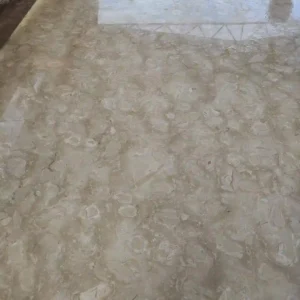
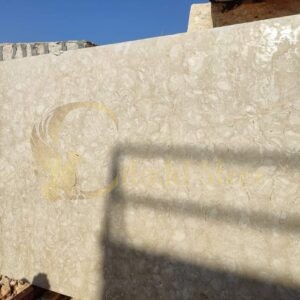
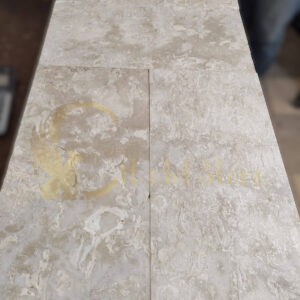
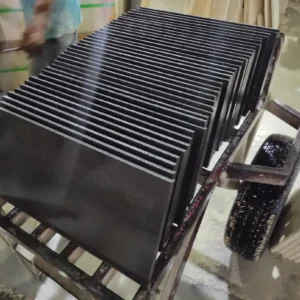
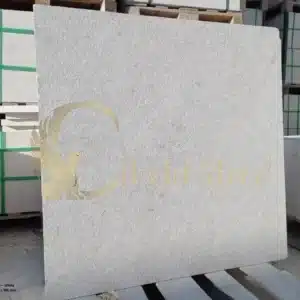
Citadel Stone sources granite coping stock from established quarry partners and performs visual consistency checks on each delivery batch before it reaches our warehouse — because color variation between loads becomes immediately visible at the pool edge, and that’s a problem you want to catch before installation, not after.
Selecting the Right Finish for Arizona’s UV Conditions
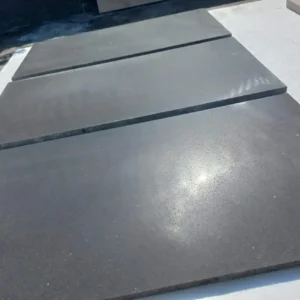
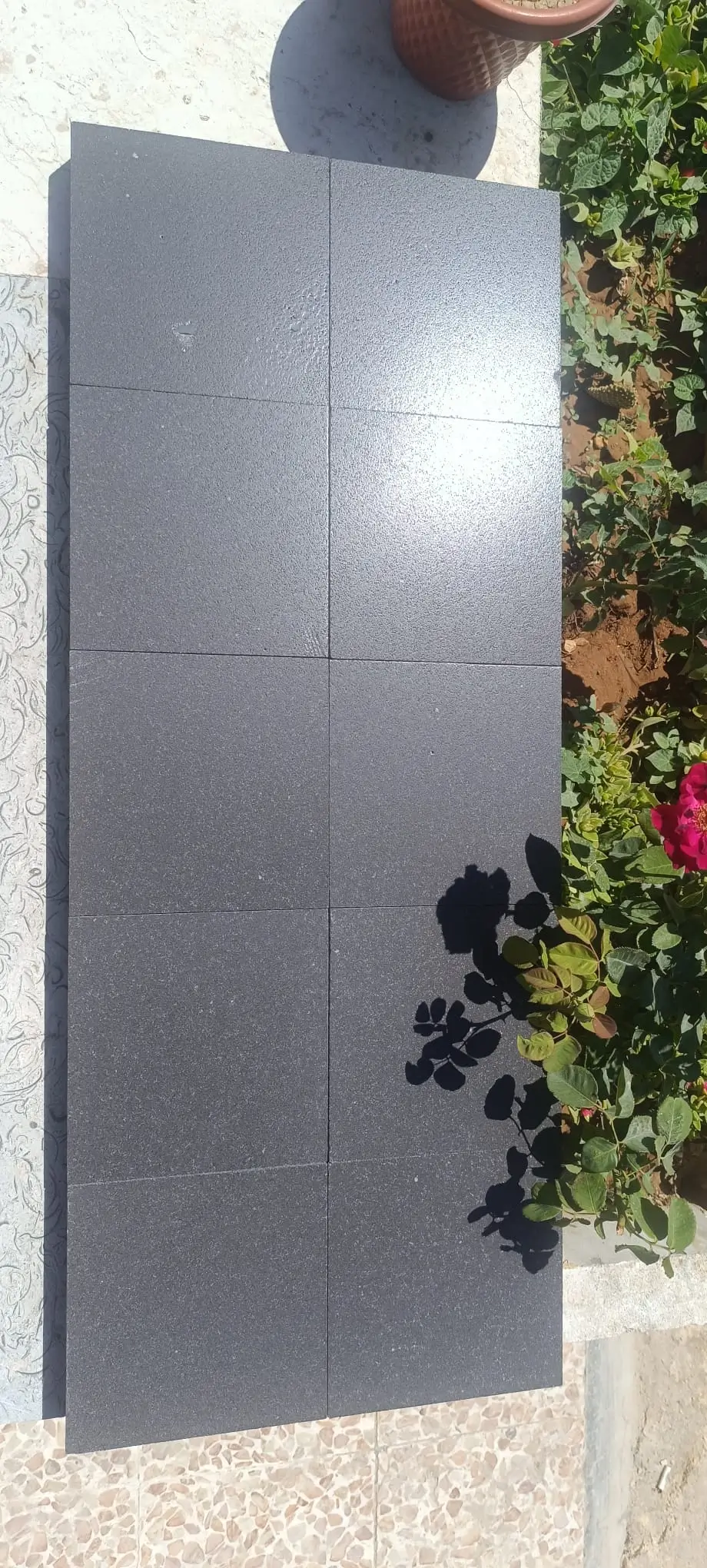
Your finish choice determines how the stone responds to long-term UV exposure, and this is where many Arizona projects get it wrong. A high-polish finish on granite looks spectacular in a showroom but creates two problems under desert sun: glare intensity that makes the coping edge uncomfortable for swimmers, and a polished surface that shows UV-related micro-etching within two to three seasons unless resealed annually.
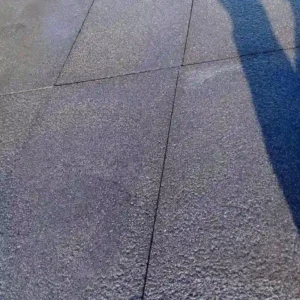
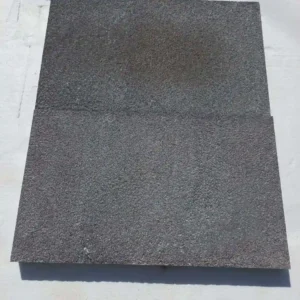
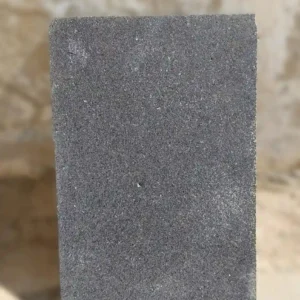
- Flamed finish creates a textured, matte surface that diffuses UV reflectance and provides excellent slip resistance — the standard recommendation for pool coping in full-sun Arizona installations
- Honed finish offers a middle ground — smooth enough for comfort underfoot, matte enough to handle UV exposure without visible degradation, and more forgiving on resealing intervals
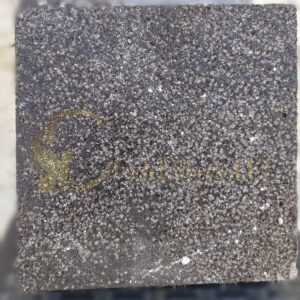
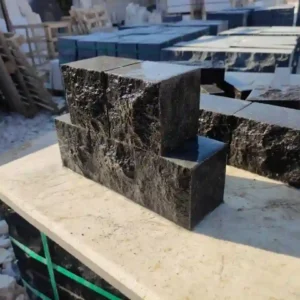
- Bush-hammered finish provides maximum texture and the lowest UV reflectance, ideal for projects in Yuma where UV index levels are among the highest recorded in the continental United States
- Polished finish should be reserved for vertical applications like raised bond beam faces — not the horizontal walking surface where UV and foot traffic combine to accelerate surface wear
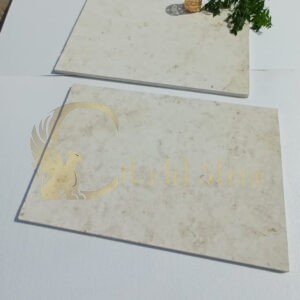
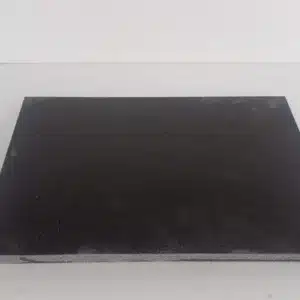
The thermal mass behavior of granite also plays into finish selection. Darker granite colors absorb more solar radiation across all UV wavelengths, meaning a charcoal or black granite coping in Scottsdale can reach surface temperatures 25 to 35°F higher than a light grey or white equivalent under identical exposure. You’ll want to factor barefoot comfort into your color specification — it’s a detail that pool owners appreciate every single day of the swim season.
Thickness Specifications for Granite Pool Coping Tiles in Arizona
Granite pool coping tiles in Arizona should be specified at a minimum of 1.25 inches nominal thickness for residential applications and 1.5 inches for commercial pools. That extra thickness margin isn’t about structural load capacity — granite at any reasonable thickness handles pool deck point loads without issue. It’s about thermal mass management and long-term UV resistance at the exposed edge.
Thicker sections at the nose profile absorb and redistribute solar radiation more evenly, which reduces the micro-fracturing that can develop at the coping drip edge after years of intense UV exposure combined with thermal cycling. The drip edge is the most exposed point on the entire installation — it receives direct sun, reflected UV from the pool water surface, and repeated wet-dry cycling from splashing. Specifying the 1.5-inch thickness at this location is a straightforward way to extend service life by a meaningful margin.
- 1.25-inch nominal: appropriate for residential pools with partial shade coverage or east-facing exposures
- 1.5-inch nominal: recommended for full-sun residential and all commercial applications across Arizona’s low desert regions
- 2-inch nominal: warranted for large-format pieces exceeding 24 inches in length, where the additional mass prevents deflection under foot traffic loading
- Edge profile radius should be a minimum of 0.75 inches on the nose — tight square edges concentrate UV degradation and are more susceptible to chipping on heavily used pools
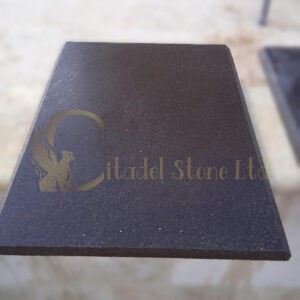
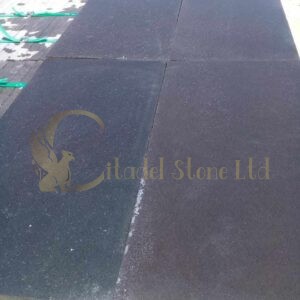
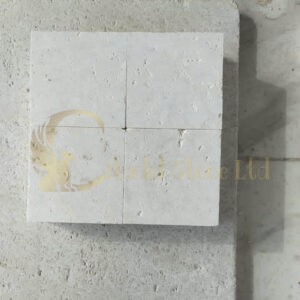
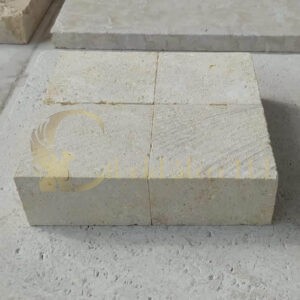
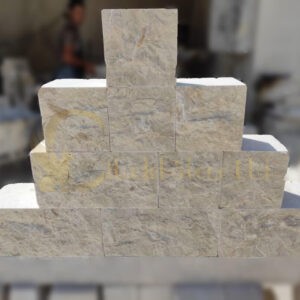
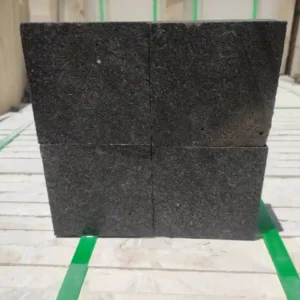
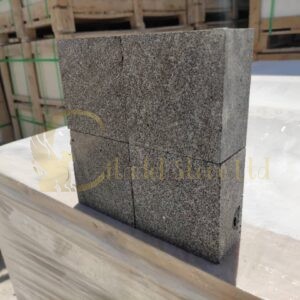
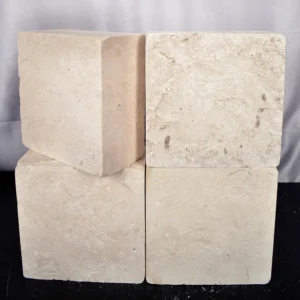
Citadel Stone stocks granite coping tiles in Arizona in standard formats including 12×12, 12×24, and 16×24 inch dimensions, with 1.25-inch and 1.5-inch thickness available from regional warehouse inventory. You can request sample tiles and thickness specifications before committing to a full project order — a step worth taking when color consistency across a large pool perimeter matters.
Bullnose Profile Options for Granite Coping in Arizona Pools
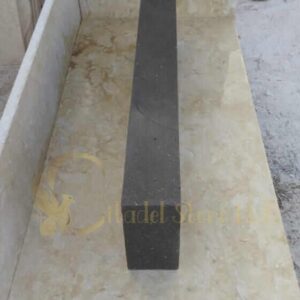
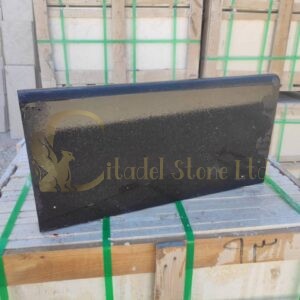
The bullnose profile is the defining functional element of pool coping, and granite pool coping bullnose in Arizona installations requires specific attention to how the radius interacts with UV exposure patterns. A full bullnose — rounded on both the top and bottom edges of the nose — sheds water more completely than a half bullnose, which matters because standing water at the coping nose accelerates UV-driven surface oxidation and biological staining in Arizona’s outdoor pool environment. Installation details for getting the profile alignment right on curved pool perimeters are covered in depth at granite bullnose coping Arizona, which is worth reviewing before finalizing your installation methodology on non-rectangular pools. The profile provides the clean line that high-end residential pools require while the finish handles the UV exposure load.
- Full bullnose: best UV performance at the nose edge, best water-shedding, recommended for all new Arizona pool coping installations
- Half bullnose: acceptable for retrofit installations where the existing bond beam profile constrains the overhang dimension
- Square edge with eased corners: not recommended for horizontal pool coping in full-sun Arizona applications — UV degradation at the sharp corner concentrates faster than on rounded profiles
Base Preparation and Soil Conditions That Affect Coping Performance
Your coping installation starts well below the surface. Arizona’s expansive soils — predominantly clay-based caliche and silty desert soils — exhibit movement that translates directly to coping joint failure when the substrate isn’t properly stabilized. In Phoenix, soil expansion coefficients in untreated clay zones can reach 4 to 6 percent volumetric change between wet and dry seasons, which is more than enough to pop mortar joints if you haven’t addressed the subgrade correctly.
The bond beam itself must be structurally sound before any granite coping goes down — look for cracks wider than 1/8 inch and address them with appropriate crack filler and reinforcement before setting. A bond beam that moves will transfer that movement directly to the coping, and no amount of quality granite compensates for substrate instability.
- Confirm bond beam cure time: minimum 28 days on new concrete before setting coping
- Check for hollow sections by tapping the existing bond beam surface — delaminated areas must be removed and patched solid
- Use a polymer-modified thinset mortar rated for exterior and wet-area applications — standard gray thinset is insufficient for Arizona’s thermal cycling range
- Expansion joints at pool corners and every 8 to 10 linear feet of straight run prevent cumulative thermal movement from cracking grout joints mid-span
- Back-butter each granite coping piece to achieve minimum 95 percent coverage — voids underneath the stone become water traps that accelerate UV and thermal cycling damage at the stone underside
Sealing Strategy for UV Protection on Granite Pool Coping
Sealing granite coping in Arizona isn’t optional — it’s a UV and moisture management strategy that directly determines how long the stone looks and performs at its best. The right sealer choice for granite pool coping differs from interior or covered applications because you’re managing three simultaneous challenges: UV radiation, pool chemical splash, and standing water absorption at the drip edge.
Penetrating silane-siloxane sealers outperform topical coatings in this environment because they work within the stone matrix rather than forming a film on top. A surface film sealer will UV-yellow and peel within one to two seasons in full Arizona sun — you’ll spend more time stripping and reapplying than on a penetrating product that simply needs a light maintenance application every 18 to 24 months. For granite coping tiles in Arizona with a flamed or honed finish, a penetrating sealer rated for UV-exposed exterior hardscape is the correct specification.
- Apply sealer to clean, dry granite — surface moisture above 4 percent moisture content by weight inhibits penetration depth
- Two-coat application with a 20-minute absorption window between coats achieves noticeably better UV protection than a single heavy application
- Resealing interval in full-sun Arizona installations: 18 months for polished finish, 24 months for honed, 30 months for flamed or bush-hammered
- Pool chemical compatibility matters — confirm your sealer is rated for chlorine and salt water exposure before specifying on saline pool systems
Coordinating Granite Pool Pavers with Coping on Arizona Decks
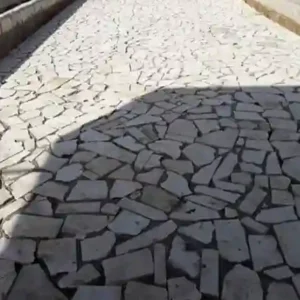
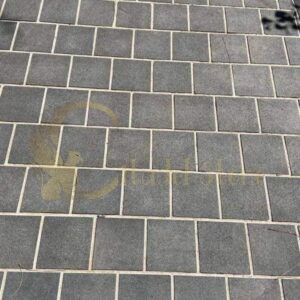
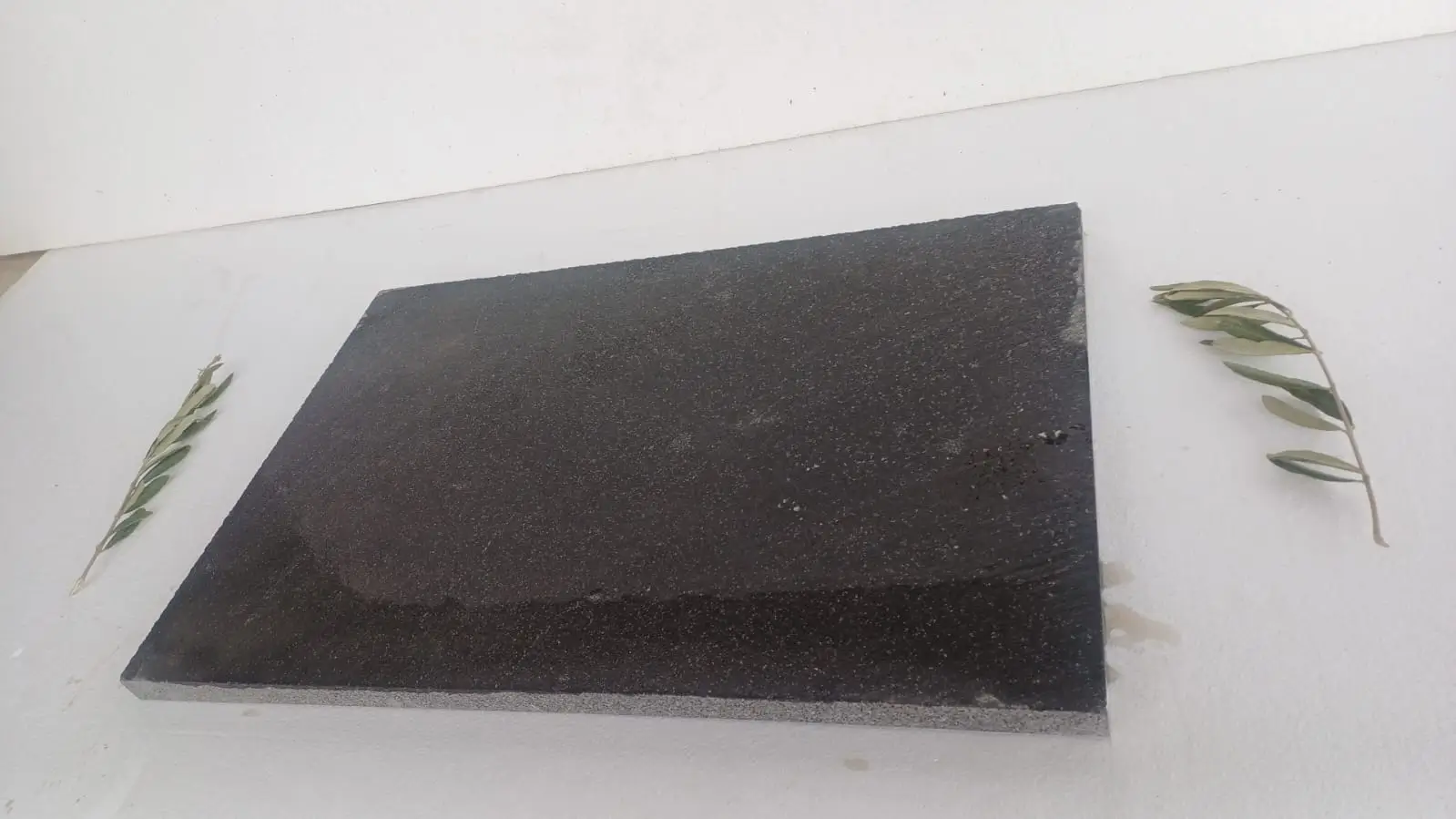
The visual transition between the coping edge and the surrounding deck surface is one of those details that separates a polished installation from a mediocre one. Granite pool pavers in Arizona running the deck field look best when they share the same finish and color family as the coping — but specifying them from the same quarry batch is more important than most designers realize. Granite color variation between quarry runs can be significant, and a mismatched pool deck is immediately obvious once the water fills and provides a neutral color reference point.
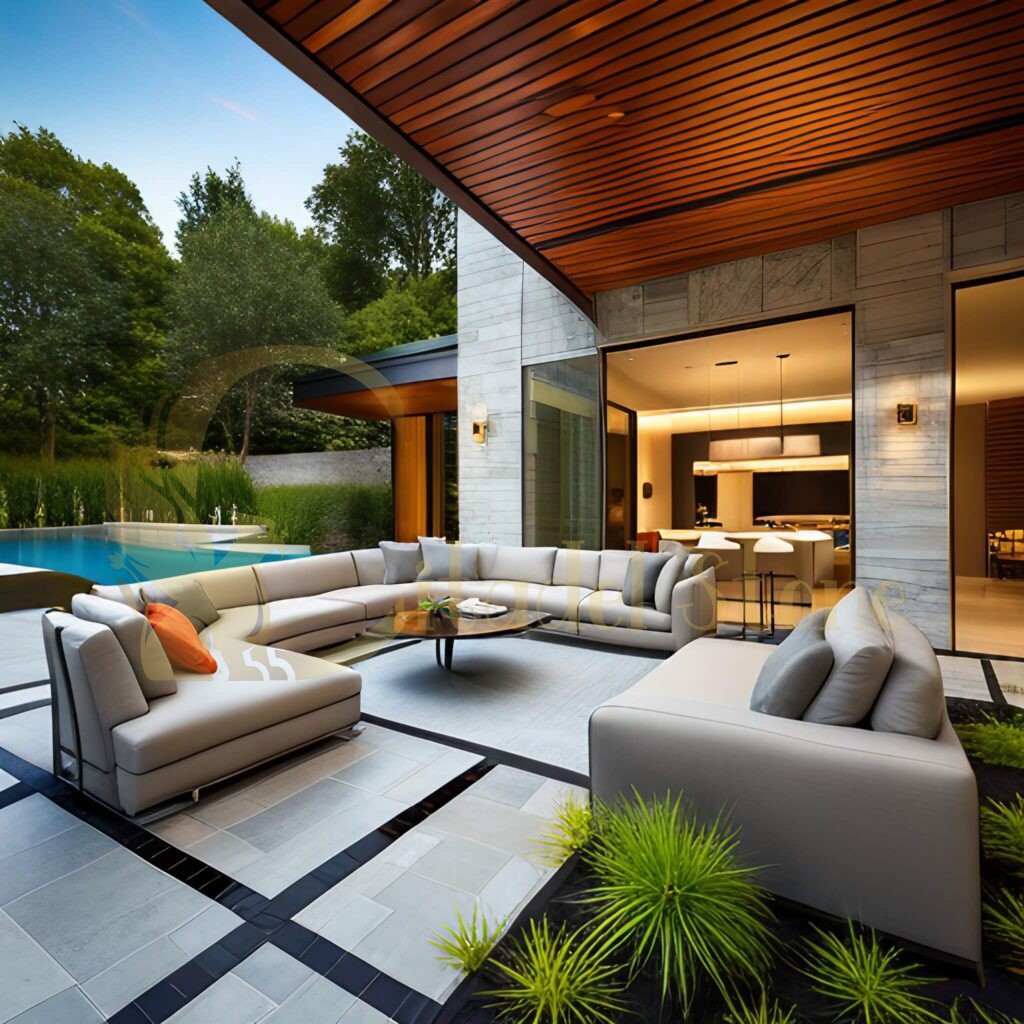
From a UV performance standpoint, granite pool pavers in Arizona benefit from the same finish logic as the coping: flamed or honed surfaces handle sustained UV exposure better than polished, and lighter color ranges reflect solar radiation rather than converting it to surface heat. The practical benefit for pool users is a deck surface that’s comfortable to walk on rather than a radiant heat source at noon in July. Coordinating your granite pool pavers selection with the coping specification at the material sourcing stage — rather than treating them as separate line items — is how you achieve visual coherence and consistent UV performance across the entire pool surround.
Granite pool tiles in Arizona perform best when the full pool envelope — coping, deck pavers, and any raised wall cladding — comes from coordinated stock. At Citadel Stone, we can pull warehouse inventory from the same production batch for large projects, which eliminates the color drift that happens when coping and deck pavers arrive from separate orders placed weeks apart.
UV Exposure at Elevation: What Changes at Higher Altitudes
Arizona isn’t a single climate zone, and the UV exposure profile at elevation changes the specification calculus significantly. Flagstaff at 6,900 feet elevation receives UV radiation approximately 25 percent more intense than Phoenix at 1,100 feet — thinner atmosphere means less UV filtration. That elevation premium means granite pool coping in Arizona’s northern high country faces an even more aggressive UV environment than the Sonoran Desert, combined with the freeze-thaw cycling that doesn’t exist in the low desert.
The freeze-thaw factor introduces a granite pool tiles specification consideration that’s irrelevant in Phoenix but critical in Flagstaff: absorption rate. Granite is low-porosity by nature, but specifying material with a water absorption rate below 0.4 percent per ASTM C97 is the right call for any installation where freezing temperatures are possible. Water in stone pores that freezes expands at approximately 9 percent volume, and at Flagstaff’s UV levels, surface micro-fractures from freeze-thaw cycling can become UV entry points that accelerate surface weathering faster than either factor alone would produce.
- Specify granite with ASTM C97 absorption below 0.4 percent for any Arizona installation above 5,000 feet elevation
- Use a penetrating sealer with winter-rated freeze-thaw resistance for high-elevation pool projects
- Expansion joint spacing at elevation should be tightened to every 6 to 8 linear feet to accommodate both thermal cycling and freeze-thaw movement
- Pool winterization procedures at elevation need to account for coping exposure — standing water at unsealed coping joints is a significant risk factor through winter months
Getting Granite Pool Coping Right in Arizona
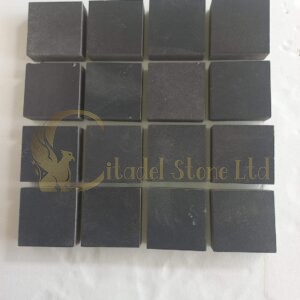
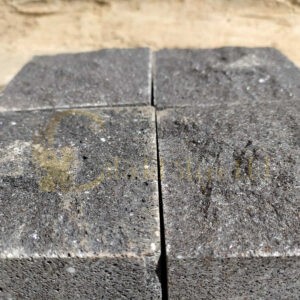
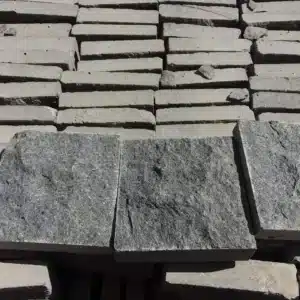
The specification decisions that produce a 25-year granite pool coping installation versus a 12-year replacement cycle come down to a handful of choices made before the first piece is set: finish selection matched to UV exposure level, thickness appropriate for the edge profile and pool use intensity, sealer chemistry suited for outdoor wet-area exposure, and base preparation that accounts for Arizona’s soil movement characteristics. None of these are complicated once you understand the logic behind them — and all of them are easier to get right at the specification stage than to correct after installation. Citadel Stone ships granite pool coping across Arizona from regional warehouse inventory, with typical lead times of one to two weeks for standard formats. For custom sizes or non-standard edge profiles, our team can advise on current production lead times from quarry partners. Beyond pool coping, your Arizona hardscape may extend to other stone applications — Granite Cobblestone Pavers in Arizona covers how granite performs in a different but equally demanding outdoor application that some pool surround projects incorporate into the broader landscape design. For durable, professionally sourced granite pool coping bullnose in Arizona, Citadel Stone provides materials and guidance trusted by contractors and homeowners throughout the state.