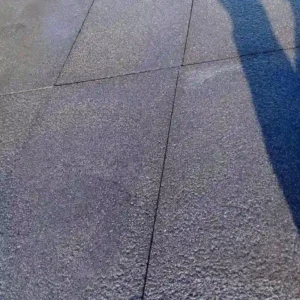
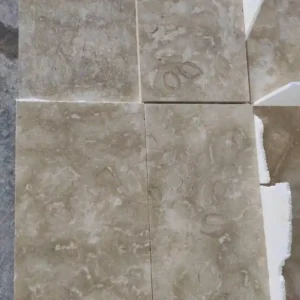
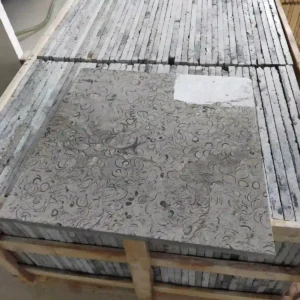
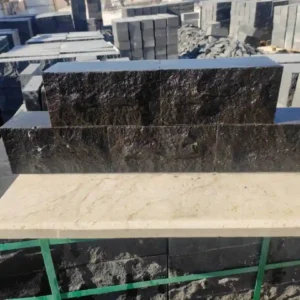
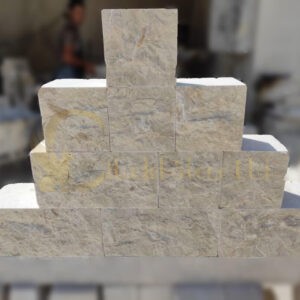
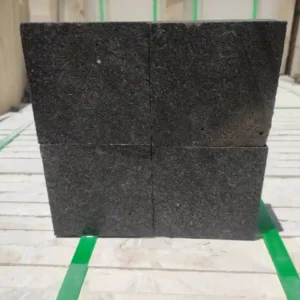
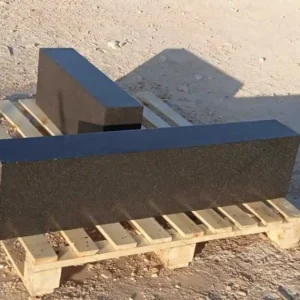
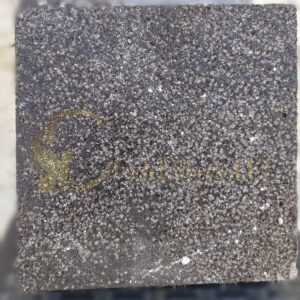
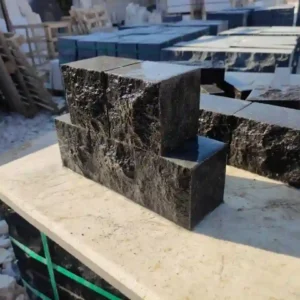
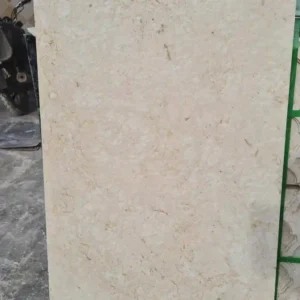


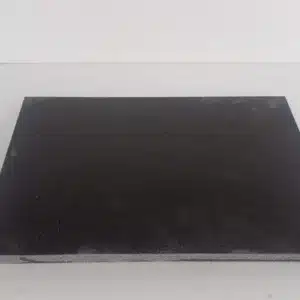
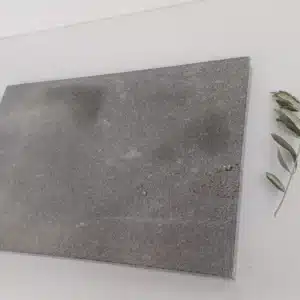
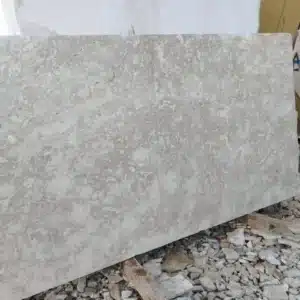

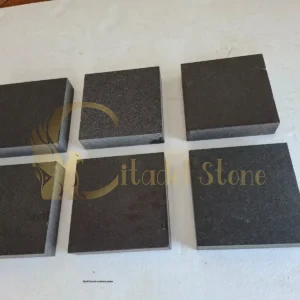


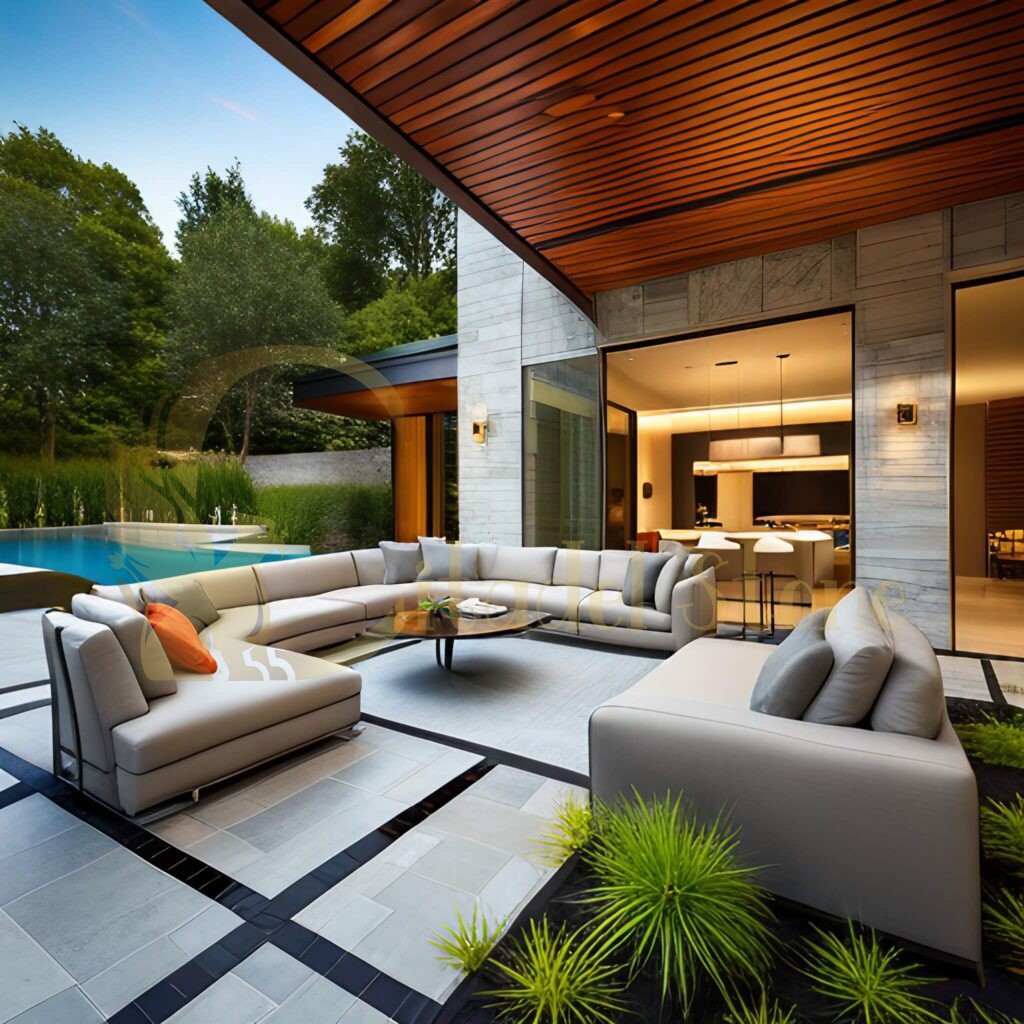
Thermal expansion rates in Arizona’s granite varieties run between 4.7 × 10⁻⁶ and 5.5 × 10⁻⁶ per °F — a tight range that makes granite patio pavers in Arizona one of the most dimensionally stable natural stone options available, but only when you time your installation to match the state’s seasonal temperature windows. The gap between a 15-year installation and a 25-year one often comes down to whether mortar and bedding sand cure under the right ambient conditions, and in Arizona, that window is narrower than most contractors expect. Understanding how the calendar intersects with your substrate prep, adhesive chemistry, and joint sand behavior is the specification decision that separates confident results from costly callbacks.
Why Installation Timing Defines Granite Performance in Arizona
Arizona’s seasonal pattern isn’t simply about avoiding extreme heat — it’s about matching your curing chemistry to ambient conditions. Polymeric joint sand, thinset mortars, and bedding compounds all have manufacturer-specified temperature windows, typically 40°F to 95°F, and Arizona’s low-desert calendar pushes hard against that upper limit from late May through September. In Phoenix, ambient air temperatures in July regularly exceed 108°F, and paver surface temperatures on exposed slabs can reach 160°F or higher by midday — conditions that accelerate moisture evaporation so rapidly that thinset can skin over before adequate bond develops. The practical consequence is compromised adhesion, edge lifting, and joint sand blowout within the first monsoon season.
Your optimal installation window in the low desert runs from mid-October through late April. During this period, ambient temperatures stay within the 55°F to 85°F range through the bulk of the working day, giving bedding materials time to cure without thermal interference. Early morning starts in October still require you to check overnight lows — nights can drop to 45°F in November, which slows cure on the cold end. The sweet spot is genuinely narrow, but it’s also the period when Arizona’s construction calendar is most active, so material availability and crew scheduling need to be locked in early.
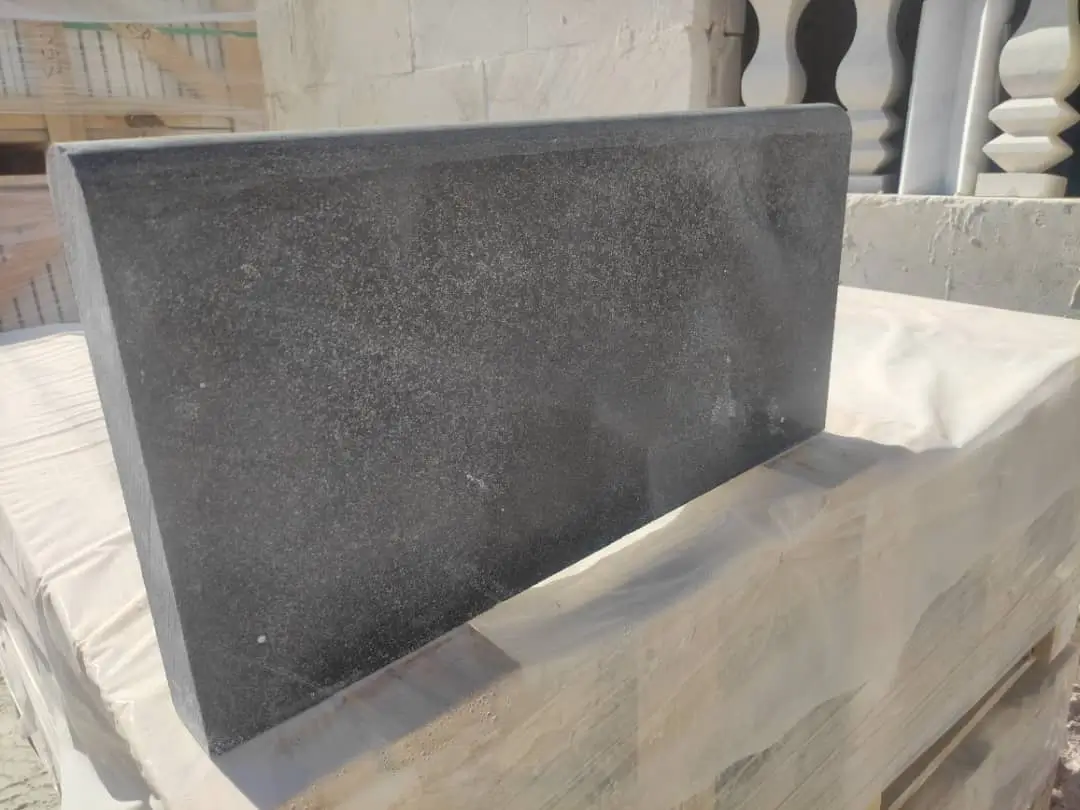
Seasonal Windows by Arizona Elevation Zone
Arizona is not a single climate — it spans five distinct elevation bands that each carry different installation calendars. Treating the entire state as one scheduling zone is one of the most common planning mistakes on Arizona patio projects.
- Low desert (below 2,500 ft — Phoenix, Scottsdale, Yuma, Mesa, Chandler): October through April is your primary window; summer installations require very early starts (pre-dawn) and shade protection for freshly laid stone
- Transition zone (2,500–4,500 ft — Sedona, Prescott Valley): Extended window from September through May, with fewer thermal restrictions but monsoon moisture to manage in late summer
- High plateau (above 5,000 ft — Flagstaff): Near-conventional installation calendar, but freeze-thaw cycles from November through March demand moisture-resistant bedding systems and sealed joints before winter
- Coastal-influenced valleys near Tucson (2,300–3,000 ft): Similar to low desert but with slightly moderated summer peaks, giving you a marginally longer fall transition window
For Flagstaff projects specifically, granite’s low absorption rate — typically under 0.4% for quality commercial-grade slabs — makes it the right material choice when freeze-thaw resistance is a requirement. But even at that elevation, you’ll want to complete installation and allow full joint curing before the first hard freeze, which at 7,000 feet can arrive as early as mid-October.
Reading the Monsoon Calendar for Patio Projects
Arizona’s monsoon season — typically June 15 through September 30 — creates a secondary scheduling constraint that most out-of-state specifiers underestimate. The issue isn’t rainfall volume alone; it’s the combination of high humidity, flash precipitation, and rapid temperature swings that destabilize freshly installed granite patio slabs in Arizona before curing is complete.
Polymeric joint sand requires a 24-to-48-hour dry period after installation to achieve initial lock. A monsoon storm delivering 0.8 inches in 45 minutes — a common Tucson and Phoenix pattern — will wash uncured sand out of joints entirely, requiring full re-jointing. Scheduling granite patio pavers in Arizona to complete at least two weeks before the statistical monsoon onset date gives you the buffer needed to reach full joint cure before the storms arrive.
- Target completion dates for low-desert projects: no later than June 1 for spring installs
- Resume fall installations after September 30 in low desert, after October 15 in transition zones
- Monitor the National Weather Service monsoon onset forecast — onset timing shifts year to year by 10–14 days
- If a monsoon-season installation is unavoidable, schedule work for early morning and protect freshly laid sections with breathable tarps through afternoon storm hours
Granite Thermal Mass and Morning Startup Conditions
Here’s a detail that catches contractors off guard on Arizona patio projects: granite’s thermal mass creates a lag effect that works against you in both directions. In summer, slabs that absorbed heat the previous afternoon retain surface temperatures above 100°F well into the evening, meaning a 6 AM installation start on a 78°F morning might still be laying stone onto a 105°F substrate. Thinset applied to that hot surface loses workable moisture within minutes — far shorter than the 20-to-25-minute open time listed on the product data sheet.
The reliable fix is to wet down the substrate the evening before summer installations to draw down thermal mass, then cover with light-colored tarps overnight. This can drop your effective substrate temperature by 15–20°F at start time. In late October through February, the inverse problem appears: granite sitting in an unshaded yard overnight at 38°F will pull heat out of fresh mortar and dramatically slow cure. Storing pallet material in a covered area overnight during cool-season installs eliminates this variable entirely.
Citadel Stone’s project consultation team regularly walks contractors through these site-specific timing adjustments before material leaves the warehouse — it’s part of the pre-delivery checklist for Arizona orders where installation timing is discussed during the order process.
Granite Patio Paver Specifications for Arizona Conditions
Beyond timing, your specification choices lock in performance across the installation’s service life. Granite patio pavers in Arizona need to meet a distinct set of criteria that differ meaningfully from northern or coastal markets.
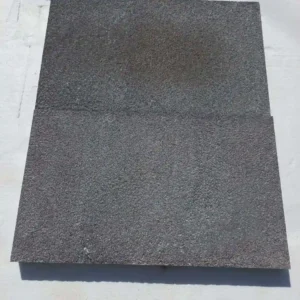
- Thickness: 1.25 inches minimum for residential patio applications; 2 inches for heavy furniture load zones or elevated structures
- Finish: Flamed or brushed finishes deliver the slip-resistance (DCOF above 0.42 per ANSI A137.1) needed for pool-adjacent or shaded areas that accumulate moisture after monsoon events
- Absorption rate: Specify stone testing at or below 0.5% per ASTM C97 — granite patio slabs in Arizona with higher absorption rates are vulnerable to surface scaling under repeated solar heating and monsoon saturation cycles
- Compressive strength: 18,000 PSI minimum per ASTM C170 for outdoor residential use; commercial applications should target 22,000 PSI
- Joint width: 3/8 inch minimum to allow thermal expansion without edge pressure buildup during summer peak temperatures
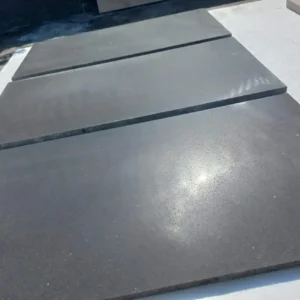
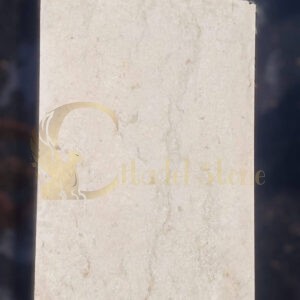
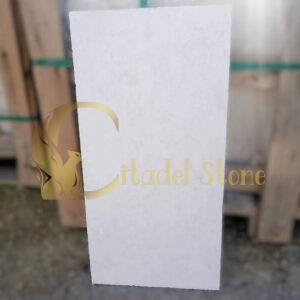
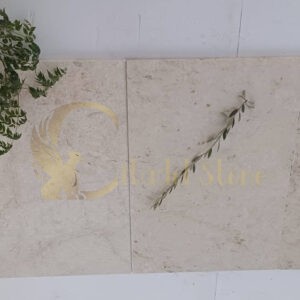
Citadel Stone sources granite patio slabs from quarry partners where batch consistency is verified before shipment — color, thickness tolerance, and absorption rate testing are standard pre-ship checks, not optional add-ons. You can request material specifications and sample tiles before committing to a full order, which is particularly useful for architects matching stone to an existing color palette.
Base Preparation Timing and Soil Behavior in Arizona
Your base preparation schedule interacts with Arizona’s seasonal calendar in ways that go beyond surface-level planning. Caliche — the calcium carbonate hardpan common throughout the Sonoran Desert — behaves differently wet versus dry. Excavating through caliche in the dry pre-monsoon months (April through June) produces clean, stable cuts that hold their profile through compaction. The same excavation attempted during or immediately after monsoon season encounters moisture-softened material that compacts unevenly and can shift during the first seasonal dry cycle.
In Scottsdale and the East Valley, caliche layers typically appear 18 to 30 inches below grade, which coincides with many standard patio excavation depths. Hitting solid caliche is actually an advantage — it acts as a natural sub-base — but it requires a pneumatic hammer to cut through, and rental availability tightens during peak spring construction season. Scheduling your base excavation for February or March avoids both the monsoon uncertainty and the equipment crunch.
For aggregate base material, a 4-inch compacted depth of 3/4-inch crushed granite is standard for residential patio installations on stable caliche or compacted native soil. Expansive clay soils, found more commonly in parts of the Tucson basin, require a deeper base — typically 6 inches — plus geotextile fabric to separate the aggregate from the clay layer and prevent migration under load cycling.
Granite Circle Paving and Pattern Installation Timing
Decorative formats — including granite circle paving in Arizona patios and feature areas — carry additional installation complexity that makes timing even more critical. Circle patterns require precise dry-lay sequencing before any bedding material is placed, and in Arizona’s heat, you have a limited working window to complete the dry layout, make adjustments, and begin the permanent set before substrate temperatures climb.
Practical approach: complete all dry-lay positioning in the morning before 9 AM, photograph the final layout for reference, then lift and set sections in sequence through late morning. Afternoon work in summer months, even with shade structures, produces inconsistent results because mortar rheology changes measurably as ambient temperature crosses 90°F. A project that takes eight hours in a November setting takes twelve in July, with higher rework probability.
- Granite circle paving in Arizona large-format designs (8-foot diameter and above) should be broken into multiple sessions to maintain joint consistency
- Use a string grid layout system — chalk lines wash off fast in humid monsoon conditions
- Allow 72 hours before grouting circle pattern sections to ensure full bedding adhesion under the irregular load distribution of radial cuts
Granite Cobblestone and Crazy Paving Scheduling for Arizona Projects
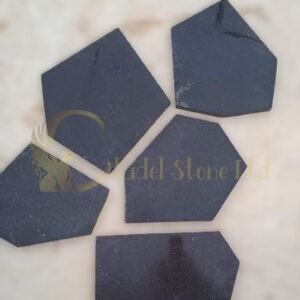
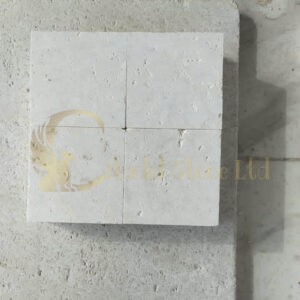
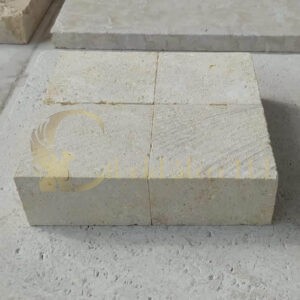
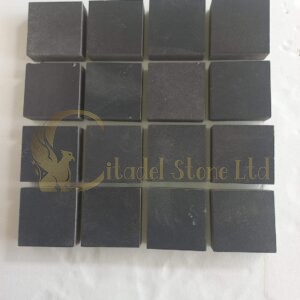
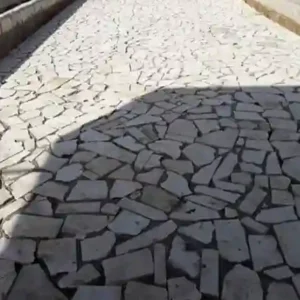
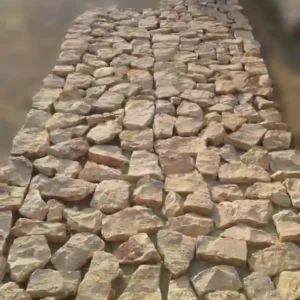
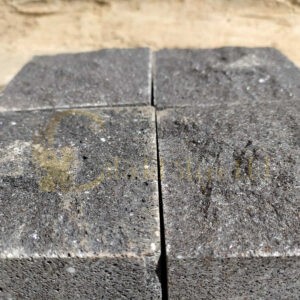
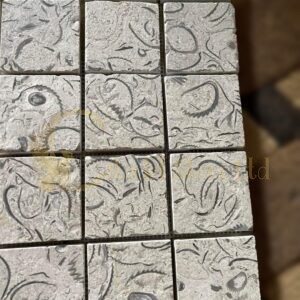
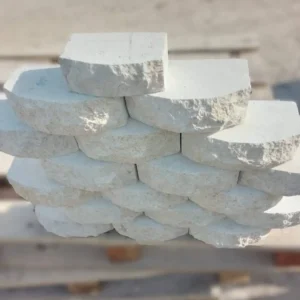
Irregular-format installations — granite cobblestone patio in Arizona courtyards and granite crazy paving in Arizona accent zones — require additional cure time relative to standard rectangular pavers because mortar coverage under irregular shapes is inherently less uniform. The practical implication for Arizona scheduling is a longer no-traffic window: 96 hours minimum in cool-season installs, and up to seven days if ambient temperatures during the cure period were above 95°F.
Cobblestone and crazy paving formats also generate more adhesive waste and require more frequent mortar mixing, which means more material exposed to ambient conditions during the working session. In summer months, batch smaller quantities — mix only what you can lay in 12 to 15 minutes — rather than the 20-minute batches standard in cooler climates. This adjustment alone prevents the majority of adhesion failures seen on Arizona cobblestone projects during shoulder-season work.
For delivery logistics on irregular-format material, verify warehouse stock levels before finalizing your installation schedule. Cobblestone and granite crazy paving in Arizona are often held in smaller inventory quantities than standard cut pavers, and a truck delivery delay of even three days during peak spring season can push your installation into warmer temperatures than your original schedule anticipated.
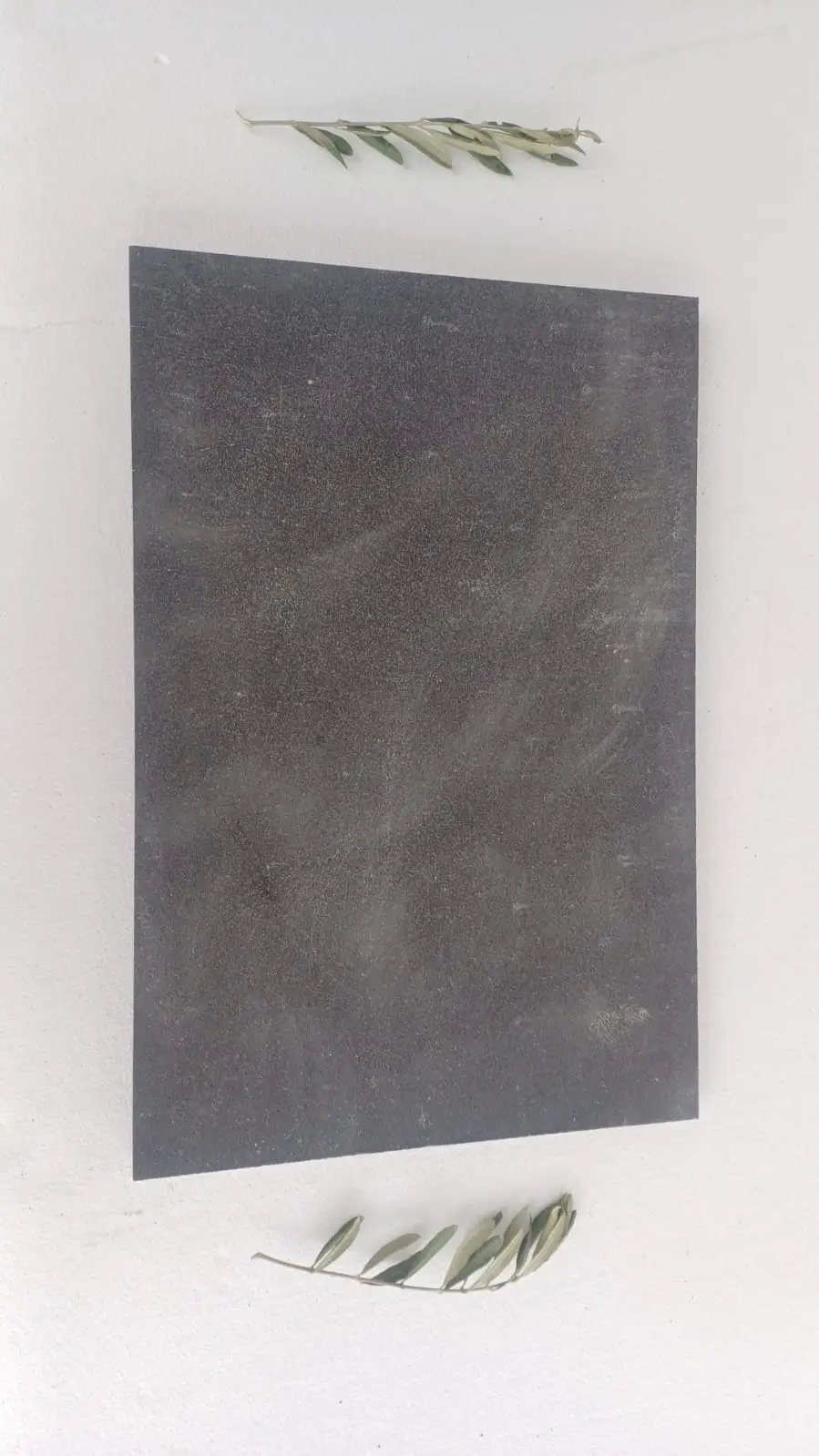
Granite Paver Walkway Installation and Foot Traffic Timing
A granite paver walkway in Arizona has to withstand the same seasonal extremes as a full patio, but with the added challenge of directional thermal stress — walkways aligned east-west receive full solar exposure along their length during peak hours, while north-south runs alternate between full sun and shade. This differential heating creates uneven expansion stress at joint interfaces that becomes problematic when joint sand hasn’t fully cured.
Your no-traffic window should run a minimum of 48 hours for pedestrian use and 14 days before any wheeled load (garden carts, mobility equipment) on a freshly installed walkway. In Arizona’s summer conditions, extend both windows by 50% — the combination of heat-accelerated surface cure and slow sub-surface cure creates a deceptive condition where the top of the joint feels firm while the base remains unstable. Premature loading during this window is a leading cause of paver rocking and edge chipping on Arizona walkway projects.
For long walkway runs — anything exceeding 20 linear feet — plan your material delivery to arrive no more than 48 hours before installation begins. Pallets of granite patio pavers in Arizona stored on a sun-exposed job site for a week in August reach core temperatures that affect initial cure rates; storing material in covered staging or coordinating a just-in-time truck delivery preserves the stone at closer to ambient temperature.
Making Granite Patio Pavers Work for Your Arizona Project
The projects that perform best over a 20-plus-year horizon in Arizona share a consistent set of decisions: installation completed within the October-to-April window, base depth matched to local soil type, joint sand protected through the first monsoon cycle, and stone specified at the right absorption and strength thresholds. None of these decisions are complicated, but they each require you to engage with Arizona’s specific seasonal calendar rather than applying a generic installation standard. Granite patio pavers in Arizona reward methodical scheduling with genuinely long service life — the material itself is more than capable of outlasting the structure it’s installed around, given the right conditions during installation. In Tucson, where the transition between tolerable and problematic installation temperatures happens quickly in late spring, even a two-week delay in finalizing your start date can move you from ideal curing conditions into a compromised window. Locking down your schedule and confirming warehouse availability in February or March for a spring project is the single most effective risk-reduction step available to you. For complementary stone applications around your Arizona property, Granite Pool Coping in Arizona covers how granite performs in the pool surround environment, where thermal cycling and chemical exposure add another layer of specification requirements. For granite patio slabs suited to Arizona’s demanding climate, Citadel Stone offers experienced guidance and a consistent supply of quality natural stone materials.